How to Make Ground Coffee: Step-by-Step Brewing Tips for Perfect Flavor
Brewing a fresh cup of coffee starts with the quality and preparation of the grounds. The process of making ground coffee determines the flavor, aroma, and overall experience of each cup. By understanding the right techniques and tools, you can transform whole beans into a consistent, high-quality grind that suits your preferred brewing method.
Learning [How to Make Ground Coffee:] properly ensures that you preserve the coffee’s natural oils and flavors. Grinding beans too coarsely or too finely can drastically affect taste and extraction, so paying attention to texture and consistency is essential. The right grind enhances aroma, balances strength, and prevents bitterness or sourness.
Freshly ground coffee also improves the overall coffee experience. Pre-ground coffee often loses essential oils and aroma over time, making freshness a key factor in achieving a rich, satisfying cup.
By mastering [How to Make Ground Coffee:], you gain control over every aspect of brewing. From selecting the right beans to choosing the proper grind size, you can consistently produce flavorful, aromatic coffee that matches your taste and brewing method preferences.
Choosing the Right Coffee Beans
Selecting the right coffee beans is the foundation for brewing a perfect cup. The type, origin, and roast level of beans significantly influence flavor, aroma, and body. Understanding your preferences and how beans interact with your chosen brewing method ensures that every cup meets your expectations. Investing time in choosing quality beans enhances the overall coffee experience and allows for consistent, flavorful results.
Understanding Coffee Bean Varieties
Coffee beans primarily fall into two main varieties: Arabica and Robusta. Arabica beans are prized for their smooth, nuanced flavors, often with hints of fruit, chocolate, or floral notes. They typically have lower caffeine content and a sweeter profile, making them ideal for pour-over, drip coffee, or espresso with balanced flavor.
Robusta beans are stronger, with higher caffeine content and a more bitter, earthy taste. They are often used in espresso blends to add body and crema. Selecting the right variety depends on your taste preference and intended brewing method. Arabica suits those who prefer subtlety and aroma, while Robusta provides a bold, intense experience.
Single-origin beans, sourced from one region or farm, highlight unique characteristics of their environment, such as soil, altitude, and climate. Blends combine beans from different regions for consistency and complexity. Knowing these options helps you choose beans that match your flavor expectations.
Roast Levels and Flavor Profiles
Roast level significantly affects the flavor, aroma, and body of coffee. Light roasts preserve the bean’s natural characteristics, emphasizing acidity and bright, complex flavors. Medium roasts balance acidity and body, offering a well-rounded, versatile cup. Dark roasts develop deeper, bolder flavors with chocolatey or smoky notes, ideal for espresso or milk-based drinks.
Your preferred roast depends on taste and brewing method. Light and medium roasts are excellent for pour-over or drip methods, allowing nuanced flavors to shine. Dark roasts are well-suited for espresso or French press, providing a robust, full-bodied experience. Exploring different roasts expands your understanding of coffee complexity and helps identify your favorite profiles.
Roast freshness is also important. Beans lose flavor over time, so purchasing from reputable roasters with recent roasting dates ensures maximum aroma and taste. Storing beans in airtight containers away from light and heat preserves quality.
Bean Freshness and Storage
Freshness is crucial for quality coffee. Whole beans retain their oils and aroma longer than pre-ground coffee, making them ideal for consistent flavor. Grinding just before brewing preserves essential oils that enhance taste and aroma.
Storing beans properly maintains freshness. Use airtight containers in cool, dark locations, and avoid exposure to moisture, heat, or strong odors. Avoid long-term storage in refrigerators or freezers, as condensation can affect quality. Monitoring roast dates and purchasing in smaller quantities helps maintain optimal freshness.
Fresh beans also allow for more precise grind adjustments, ensuring that each cup is tailored to your brewing method. Using stale or improperly stored beans diminishes flavor, making freshness an essential consideration when choosing coffee.
Matching Beans to Brewing Methods
Different brewing methods highlight various aspects of coffee flavor. Espresso requires fine, uniform beans with a dark or medium-dark roast for a strong, concentrated shot. French press benefits from coarse, even grinds with medium to dark roasts to achieve full body. Pour-over and drip methods work best with medium to light roasts and consistent grind size to extract complex flavors.
Understanding how beans interact with brewing methods allows you to maximize flavor potential. Adjusting grind size, roast selection, and dose based on method ensures a balanced, enjoyable cup. Experimenting with different beans and techniques helps develop a personalized approach that highlights preferred flavors and aromas.
Choosing the right coffee beans is a combination of understanding variety, roast, freshness, and brewing compatibility. By paying attention to these factors, you can consistently brew coffee that matches your taste preferences, resulting in a flavorful, aromatic, and satisfying experience every time.
Measuring Coffee for the Perfect Brew
Accurate measurement of coffee is a key factor in achieving a perfect brew. The amount of coffee you use directly impacts flavor, strength, and overall balance. Whether brewing a single cup or a full pot, understanding how to measure coffee grounds properly ensures consistent results and maximizes the beans’ potential.
Why Accurate Measurement Matters
Measuring coffee precisely allows you to control the strength and flavor profile of your brew. Using too little coffee results in a weak, watery drink, while too much can produce a bitter, overpowering cup. Precision ensures each cup highlights the natural aroma, body, and flavor of the beans.
Consistency is another benefit of accurate measurement. When you replicate the same measurements each time, your brewing process becomes predictable, allowing you to enjoy coffee exactly the way you prefer. This is especially important for methods like pour-over, French press, or espresso, where small variations in coffee-to-water ratio significantly affect extraction.
Accurate measurement also supports experimentation. By tracking the grams or tablespoons of coffee you use, you can tweak ratios to explore stronger or lighter brews, ensuring your coffee evolves with your taste preferences.
Tools for Measuring Coffee
A digital kitchen scale is the most reliable tool for measuring coffee. It allows you to weigh coffee grounds precisely in grams, giving control over the coffee-to-water ratio. For example, a typical ratio for drip coffee is about 1:15, meaning 1 gram of coffee per 15 grams of water.
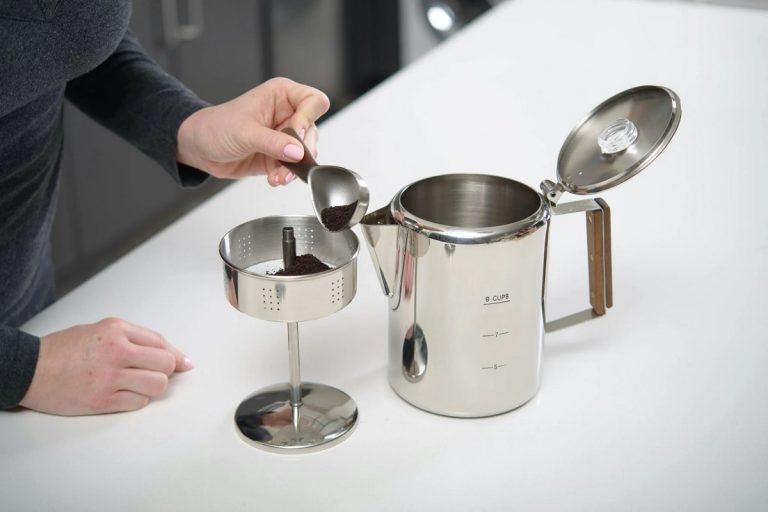
Measuring cups or tablespoons are less precise because scoops vary in size and density. However, they can serve as a convenient alternative for casual brewing. Regardless of the tool, maintaining consistent measurements is key to achieving predictable results.
Other helpful tools include coffee scoops with standardized measurements and gram markings on certain pour-over or espresso devices. These ensure that each brew adheres to the desired strength and flavor profile.
Adjusting Coffee Amounts for Strength
The amount of coffee grounds can be adjusted based on your preferred strength. For a stronger brew, slightly increase the coffee while keeping water volume constant. For a milder cup, reduce coffee slightly. Small adjustments can make a significant difference in taste.
Different brewing methods respond differently to adjustments. Espresso requires precise doses, often 7–9 grams per single shot, while a French press may tolerate slight variations due to longer steeping time. Understanding your method ensures that changes in coffee amounts enhance flavor without compromising balance.
Tracking your adjustments helps create a reference for future brewing. By noting grams or tablespoons used, you can consistently replicate your preferred cup strength and refine your technique over time.
Coffee-to-Water Ratio Guidelines
Following recommended coffee-to-water ratios ensures balanced extraction. Common guidelines include 1:15 for drip or pour-over coffee, 1:14 for French press, and 1:2 for espresso. These ratios provide a baseline to produce a flavorful, well-extracted cup.
Adjusting the ratio allows for personalization without sacrificing balance. Maintaining this ratio is especially critical when switching between different cup sizes or brewing methods. Consistent ratios prevent under-extraction, which can taste sour or weak, and over-extraction, which can taste bitter or harsh.
Using a scale simplifies maintaining the correct ratio, especially for large batches or specialty brewing methods. Proper measurement guarantees that each cup delivers a consistent, enjoyable experience.
Tips for Consistent Measurement
Consistency starts with using the same measurement method every time. Weigh coffee grounds before brewing, and ensure water volume is accurate. Record your preferred ratios and methods to replicate your favorite cups.
Grinding beans fresh before each brew enhances flavor and aroma. Combine accurate measurement with fresh grinding for the best results. Using airtight containers for storage preserves freshness, ensuring that your measured amounts reflect the intended coffee quality.
Paying attention to measurement precision also helps when experimenting with new beans or brewing methods. Adjusting and tracking the amount of coffee per cup allows you to optimize taste, strength, and aroma, creating the perfect personalized brew.
Brewing Methods for Ground Coffee
Choosing the right brewing method for your ground coffee can dramatically affect the flavor, aroma, and strength of your cup. Each method interacts differently with coffee grounds, water temperature, and extraction time, resulting in unique taste profiles. Understanding these methods ensures that you can maximize the potential of your coffee and consistently enjoy a satisfying brew.
Drip Coffee Makers
Drip coffee makers are among the most common brewing methods and work well with medium grind coffee. Water passes slowly through the grounds, extracting flavors evenly to create a balanced cup. Maintaining a consistent coffee-to-water ratio, typically around 1:15, ensures predictable strength and taste.
Grind size plays a crucial role in drip coffee. A medium grind allows proper extraction, preventing under-extraction, which can taste sour, or over-extraction, which may result in bitterness. Measuring coffee accurately with a scale or standard scoop guarantees consistency across multiple brews.
Temperature control is also essential. Water between 195–205°F extracts flavor optimally without scorching the coffee. Additionally, using filtered water helps enhance clarity and aroma. Drip coffee makers offer convenience and reliability, making them ideal for everyday brewing while highlighting the natural flavors of quality coffee beans.
French Press
The French press requires a coarse grind and immersion brewing, where coffee grounds steep directly in water. A standard ratio is 1:15 coffee to water, allowing full extraction over 4 minutes. This method produces a rich, full-bodied cup with more oils and texture than drip coffee.
Using too fine a grind can create over-extraction, bitterness, or sediment in the cup. Stirring gently during steeping helps ensure even extraction and prevents clumping. Once brewed, pressing the plunger slowly separates the grounds from the liquid without disturbing the texture.
French press brewing emphasizes mouthfeel and body, making it suitable for robust, aromatic beans. Freshly ground coffee is recommended, as it preserves oils and aromas that enhance flavor complexity. Understanding the method’s unique characteristics helps you achieve a smooth, satisfying cup every time.
Espresso Machines
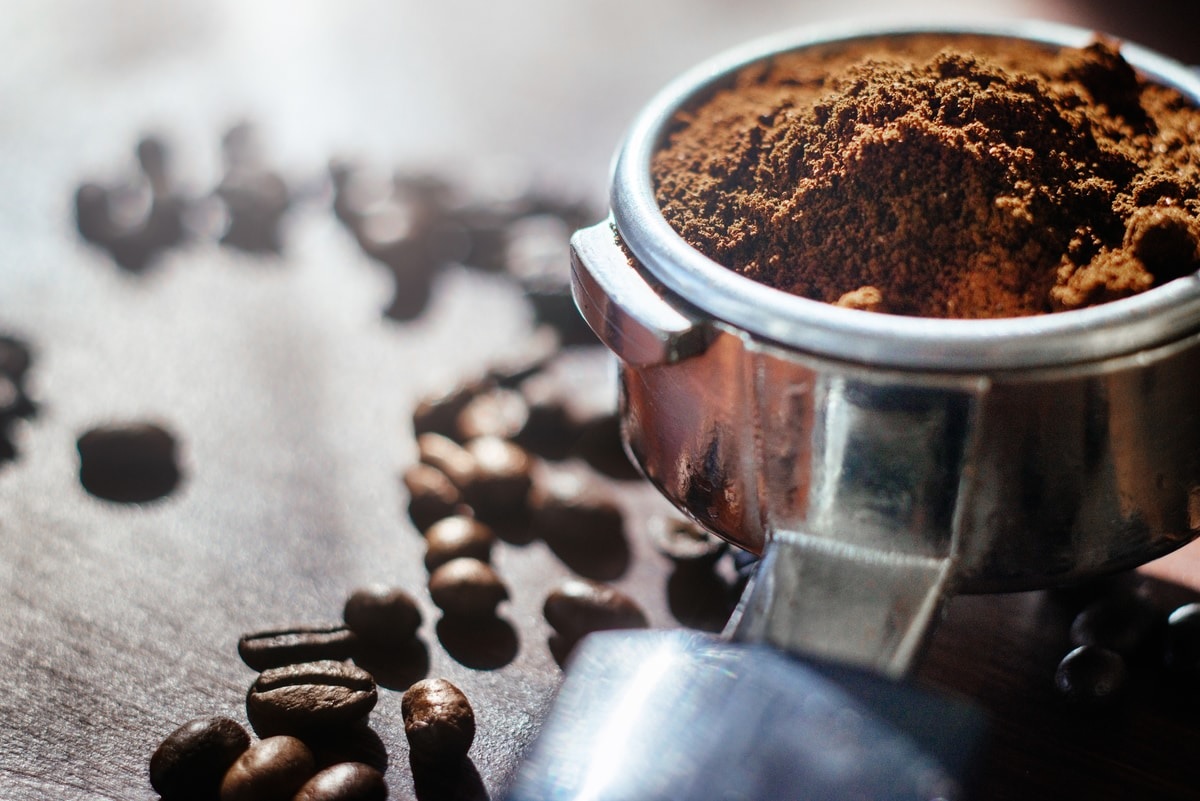
Espresso requires a fine grind and high-pressure extraction, typically 9 bars, to produce a concentrated shot with crema. Coffee is tightly packed into a portafilter, and precise tamping ensures uniform water flow. Standard doses range from 7–9 grams for a single shot.
Extraction time is crucial, generally between 25–30 seconds, to balance strength, flavor, and aroma. Using too coarse a grind leads to under-extraction and weak flavor, while too fine can over-extract and taste bitter. Temperature stability is also essential, usually around 195–205°F.
Espresso forms the base for drinks like lattes, cappuccinos, and macchiatos. Mastering this method allows you to craft strong, flavorful coffee and appreciate subtle nuances in the beans. Freshly ground espresso ensures consistent crema, aroma, and rich flavor in every shot.
Pour-Over
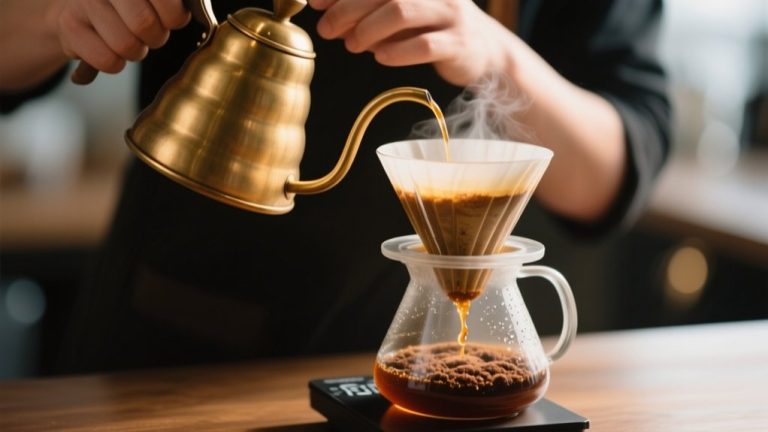
Pour-over brewing allows more control over water flow and extraction. Medium to medium-fine grind is ideal, ensuring water passes through the coffee at the right speed. Ratios are typically 1:15, with gradual pouring and saturation for even extraction.
This method emphasizes clarity and complexity in flavor. Adjusting grind size and pour rate changes the brew’s strength and taste, allowing you to highlight specific notes in the beans. Even saturation and consistent pouring help avoid under- or over-extraction.
Pour-over brewing works well with single-origin or lightly roasted beans, as it preserves delicate flavors and aromas. Precision, attention to detail, and freshly ground coffee maximize the method’s potential, resulting in a clean, balanced, and aromatic cup every time.
FAQs
What Is the First Step In Learning How to Make Ground Coffee?
The first step in making ground coffee is selecting fresh, high-quality coffee beans. Fresh beans preserve essential oils and aromas that are crucial for flavor. You should choose beans based on roast level, origin, and your preferred brewing method.
After selecting beans, determine the appropriate grind size for your brewing technique. Grinding just before brewing ensures maximum freshness. Proper measurement of coffee and water also sets the foundation for a balanced and consistent cup. Learning these basics is essential for mastering how to make ground coffee.
How Do I Choose the Right Grind Size?
Choosing the right grind size depends on your brewing method. Coarse grinds are best for French press, medium for drip coffee, and fine for espresso or Aeropress. The grind affects extraction time and flavor, so uniformity is crucial.
Using the correct grind size prevents under-extraction, which can taste sour, and over-extraction, which can taste bitter. A burr grinder is recommended for consistency, while blade grinders are less precise. Understanding how grind size influences brewing helps you achieve the desired flavor and strength for your coffee.
How Much Coffee Should I Use Per Cup?
Measuring coffee accurately is key to consistency. A standard guideline is about 10–12 grams (roughly 2 tablespoons) of ground coffee per six ounces of water for drip or pour-over. Espresso typically uses 7–9 grams per single shot.
Adjusting the amount of coffee allows you to customize strength and flavor. Using too little coffee results in weak, watery brews, while too much can create bitterness. Measuring with a scale ensures precise and repeatable results every time you make ground coffee.
How Can I Ensure Freshness When Making Ground Coffee?
Freshness is essential for full flavor. Grinding beans just before brewing preserves aromatic oils that degrade quickly in pre-ground coffee. Store beans in airtight containers away from light, heat, and moisture to maintain freshness.
Avoid long-term storage in refrigerators or freezers, as condensation can affect quality. Using freshly ground beans ensures every cup is aromatic, flavorful, and balanced. Freshness directly impacts taste, making it a vital factor when learning how to make ground coffee.
Which Brewing Methods Work Best With Freshly Ground Coffee?
Freshly ground coffee works well with most brewing methods, including French press, pour-over, drip coffee makers, and espresso machines. Each method highlights different aspects of flavor and aroma, depending on grind size, water temperature, and extraction time.
For French press, coarse grounds maximize body and texture. Medium grounds suit drip or pour-over for balanced clarity. Fine grounds are essential for espresso to achieve rich crema and concentrated flavor. Freshly ground coffee enhances the taste and aroma across all methods.
How Do Water Temperature and Brewing Time Affect Ground Coffee?
Water temperature and brewing time significantly impact extraction and flavor. Optimal brewing temperatures range from 195–205°F, ensuring proper extraction without burning the coffee. Too hot water can produce bitterness, while too cool water under-extracts flavors.
Brewing time varies by method. French press requires around 4 minutes, pour-over takes 2–4 minutes, and espresso typically 25–30 seconds. Matching water temperature and extraction time to grind size ensures balanced flavor, body, and aroma, making your coffee smooth and enjoyable.
Conclusion
Brewing the perfect cup of coffee at home can be both simple and rewarding when you understand the right techniques and tools. Paying attention to the beans, grind size, and coffee-to-water ratio ensures that every cup meets your flavor expectations and personal preferences. By mastering these details, you can elevate your daily coffee routine into a consistently enjoyable experience.
Understanding how to measure, grind, and brew is essential for achieving the ideal taste. Different brewing methods, from drip coffee makers to French presses and espresso machines, each require specific approaches to extract the best flavor from your grounds. Small adjustments in grind size, steeping time, or water temperature can make a significant difference in your final cup, helping you enjoy coffee exactly the way you like it.
Following these steps makes it easier to experiment and find your perfect balance. How to Make Ground Coffee: properly involves careful preparation, precise measurements, and attention to detail, all of which contribute to a rich, aromatic, and satisfying cup every time.