
How Much Coffee for 5 Cups – Exact Measurements for Perfect Taste Every Time
Brewing coffee at home often feels routine, yet getting the taste just right can still be a challenge. One day the coffee feels perfectly balanced, and the next it tastes weak or overly strong. These small inconsistencies usually come from guessing instead of measuring.
When you are making coffee for more than one cup, precision becomes even more important. Five cups is a common choice for busy mornings, family breakfasts, or sharing with friends. A slight miscalculation can affect the entire pot, making the experience less enjoyable.
That is why understanding How Much Coffee for 5 Cups matters more than many people realize. The right amount brings out the natural flavors of the beans while keeping bitterness under control. It also helps you make better use of your coffee without waste.
Once you learn the proper balance, brewing feels more intentional and rewarding. You gain confidence in your routine and can expect consistent results every time you pour a cup.
Coffee-to-Water Ratio for 5 Cups
Getting the coffee-to-water ratio right is the key to brewing a balanced and flavorful pot. When you are making five cups, small measurement errors can quickly affect taste, strength, and aroma. Understanding how much coffee pairs best with water helps you achieve consistency, avoid bitterness, and enjoy a smoother cup every time, no matter the brewing method you choose.
Standard Coffee-to-Water Ratio Explained
You usually hear the standard coffee-to-water ratio described as one to fifteen or one to sixteen. This simply means one part coffee to fifteen or sixteen parts water. For five cups, this ratio creates a balanced brew that suits most taste preferences. You get enough coffee strength without overpowering bitterness, making it ideal for everyday drinking.
When you follow this ratio, you typically use about 25 to 30 grams of ground coffee for five cups of water, depending on cup size. Many coffee makers define one cup as around 150 ml, not a full mug. Understanding this difference helps you measure more accurately and avoid weak results.
Consistency matters because coffee extraction happens quickly and reacts strongly to changes in water volume. Too much water pulls out unwanted bitter compounds, while too little water leads to under-extraction. Using a standard ratio keeps flavors stable and predictable.
Once you understand this baseline, you can confidently adjust the ratio to suit your taste. The standard ratio acts as a reliable starting point that works across drip machines, pour-over setups, and even manual brewers designed for small batches.
Adjusting The Ratio Based On Coffee Strength Preference
Not everyone enjoys coffee at the same strength, and the coffee-to-water ratio for five cups can be adjusted to match personal taste. If you prefer a bolder cup, you can slightly increase the amount of coffee while keeping water constant. This creates a richer body and more intense flavor without drastically changing the brewing process.
For stronger coffee, you may move closer to a one-to-fourteen ratio. This means adding a few extra grams of coffee grounds. The result is a deeper taste that works well for dark roasts or mornings when you want more impact from your brew.
If you enjoy lighter, smoother coffee, reducing the coffee amount slightly can help. A one-to-seventeen ratio often produces a gentler cup with softer acidity. This adjustment works well with light roasts, allowing subtle flavors to come through without harshness.
These small changes show how flexible brewing can be. By adjusting the ratio rather than changing beans or equipment, you maintain control over taste while still brewing five consistent cups that match your preference.
How Grind Size Affects The Ratio For 5 Cups
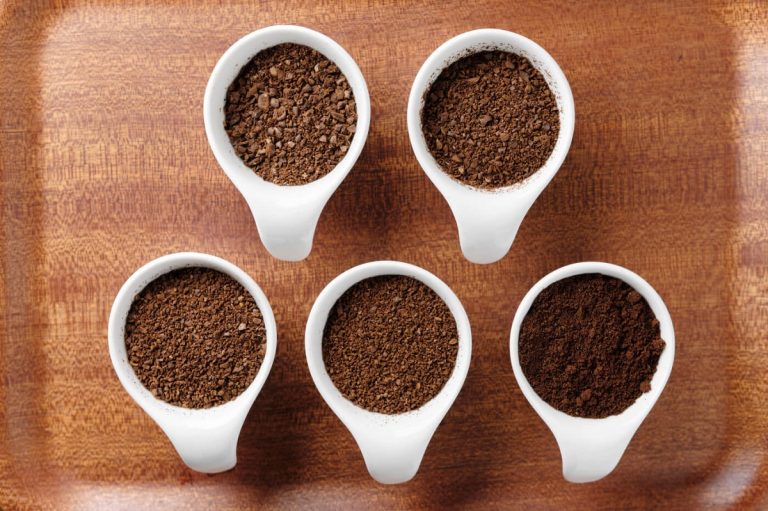
Grind size plays a major role in how effective your coffee-to-water ratio is for five cups. Even when measurements stay the same, grind size can change how water interacts with coffee. A medium grind is usually recommended for most drip and pour-over methods because it allows even extraction.
If your grind is too coarse, water passes through too quickly. This leads to under-extracted coffee that tastes weak or sour, even if your ratio is correct. In this case, adding more coffee may not solve the problem. Adjusting grind size often makes a bigger difference than changing ratios.
When the grind is too fine, water struggles to flow properly. This causes over-extraction, resulting in bitterness and dryness. Even with the ideal ratio, the coffee can taste harsh. Fine grinds are better suited for espresso, not five-cup brews.
Matching the right grind size with the proper ratio ensures balanced extraction. When both elements work together, the coffee-to-water ratio for five cups delivers consistent flavor, aroma, and strength without unnecessary adjustments.
Measuring Coffee And Water Accurately At Home
Accurate measurement is essential when working with a coffee-to-water ratio for five cups. Using a kitchen scale is the most reliable way to measure coffee grounds and water. Scales remove guesswork and help you repeat successful brews with confidence.
Spoons can be inconsistent because grind size and bean density vary. One tablespoon of coffee may weigh differently depending on how finely it is ground. Measuring by weight ensures accuracy regardless of these variations.
Water measurement also matters. Many coffee makers mark cup lines, but these are not always precise. Measuring water in milliliters or grams gives you better control. Since water weight equals volume, weighing water simplifies the process.
By combining accurate measurements with a reliable ratio, you build a repeatable brewing routine. This approach helps you understand how small changes affect taste and allows you to fine-tune your five-cup brews with clarity and confidence.
How Much Coffee for 5 Cups Using Ground Coffee
Brewing coffee using ground coffee requires the right balance to achieve a flavorful and satisfying cup. When preparing five cups, measuring accurately becomes essential to avoid weak or overly strong coffee. Using ground coffee properly ensures consistent taste, aroma, and strength. Understanding the ideal amount helps you brew coffee that everyone enjoys without guessing or wasting coffee.
Determining The Right Amount Of Ground Coffee
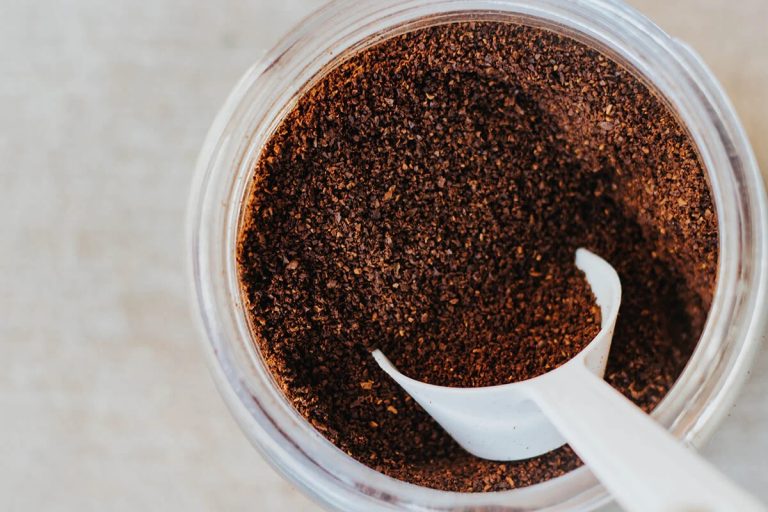
You usually need about 25 to 30 grams of ground coffee to brew five standard cups of coffee. This estimate is based on a typical cup size of 150 ml, which many coffee makers consider one cup. Using the right amount ensures your coffee has balanced flavor and avoids bitterness caused by over-extraction or weakness from under-extraction.
Measuring ground coffee by weight is more accurate than using tablespoons because grind size and bean density can vary. Even small deviations in coffee quantity affect taste. Using a scale allows you to replicate the same flavor every time you brew.
The type of roast you use can slightly influence the quantity. Darker roasts are less dense and might require a touch more coffee, while lighter roasts are denser and can be slightly lighter in measurement. Understanding these nuances helps you get consistent results.
Once you determine the baseline amount, you can adjust for personal taste preferences. This approach ensures your coffee remains enjoyable for all five cups without being too strong or too weak.
Adjusting For Personal Taste And Strength
Your preference for coffee strength plays a key role in deciding how much ground coffee to use. For a bolder, more robust flavor, you can increase the coffee slightly, aiming for closer to 32 grams for five cups. This produces a richer, fuller-bodied brew while maintaining smoothness.
Conversely, for a lighter, milder taste, slightly reducing the coffee to around 23 grams works well. This adjustment softens the intensity, allowing subtle flavors to shine without overwhelming the palate. It is particularly useful when using delicate or single-origin beans, which often have more nuanced flavor profiles.
These adjustments are subtle but impactful. Rather than altering brewing methods, modifying the coffee quantity keeps your routine simple and predictable. You can fine-tune your coffee to meet your exact preferences while ensuring all five cups are balanced and flavorful.
Consistency matters, and understanding how your coffee responds to small changes ensures each batch tastes just right. Over time, you develop a sense of the perfect ratio that matches your taste and your coffee maker’s characteristics.
Tips For Measuring Ground Coffee Accurately
Measuring ground coffee accurately is crucial for consistent results. Using a kitchen scale is the most reliable method, as it accounts for variations in grind size, density, and scoop shape. A single tablespoon may vary significantly, making weight measurements essential for precise brewing.
Water measurement is equally important. Standard coffee-to-water ratios rely on consistency, so weighing water ensures your five cups are brewed perfectly each time. A proper ratio allows the flavors in your coffee to fully develop without turning bitter or weak.
For convenience, you can pre-measure ground coffee into individual portions for five cups. This method saves time in busy mornings and reduces the chance of mistakes. Keeping a record of your measurements helps refine taste preferences over time.
Accurate measurement builds confidence in your brewing routine. When you know exactly how much ground coffee to use, each batch becomes predictable and enjoyable, making your five cups of coffee consistently satisfying.
The Role Of Grind Size In Five-Cup Brewing
Grind size directly affects extraction and flavor. Medium grind is ideal for drip coffee makers, ensuring even water flow through the grounds. Using too coarse a grind can result in weak coffee, while too fine a grind may create bitterness.
Matching grind size with your measured coffee ensures proper extraction. You can adjust slightly for personal preference, but keeping grind size consistent is crucial for repeatable results. This is especially important when brewing five cups at once.
Understanding grind size, combined with accurate coffee measurement, helps achieve a balanced cup. This attention to detail allows you to enjoy coffee that tastes as good as a café brew, without overcomplicating the process.
Water Amount Needed for 5 Cups of Coffee
The right amount of water is just as important as coffee when brewing a flavorful cup. For five cups, using too much or too little water can dramatically affect taste, strength, and consistency. Understanding how much water to use ensures that your coffee is balanced, smooth, and enjoyable with every brew. Measuring water accurately helps you get predictable results and avoids wasting coffee.
Standard Water Measurement for Five Cups
When brewing five cups of coffee, most coffee makers consider one cup as approximately 150 milliliters. This means you need about 750 milliliters of water for five cups. Using this standard measurement ensures proper extraction and consistency across all cups. Accurate water measurement prevents your coffee from being too weak or overly concentrated.
Pouring the right amount of water allows the coffee grounds to release flavor evenly. Too little water can result in under-extracted coffee, making it taste sour or thin. Too much water dilutes the coffee, leaving it weak and lacking depth. Using a kitchen scale or measuring cup helps maintain consistency every time.
Adjustments may be needed based on your taste or the type of coffee maker. Some machines define a cup differently, so knowing your equipment’s measurement standard is essential. Accurate water measurement paired with proper coffee amounts produces a well-balanced brew.
Once you understand the basic water requirement, you can fine-tune brewing strength according to personal preference. Following standard measurements sets the foundation for a consistently enjoyable five-cup batch.
Adjusting Water Amount for Taste Preferences
Personal taste plays a big role in deciding the water amount. If you prefer stronger coffee, slightly reducing water for the same amount of coffee grounds produces a bolder, richer flavor. This creates a fuller-bodied cup with more noticeable aroma and taste.
For a lighter, milder coffee, increasing the water volume slightly softens the intensity. This method is helpful for delicate beans or when serving multiple people with varied preferences. Adjusting water instead of coffee quantity maintains balanced extraction while achieving the desired taste.
Small changes in water can make a noticeable difference. Reducing just 50 milliliters can deepen flavor, while adding 50 milliliters creates a smoother cup. Experimenting with these adjustments helps you find the perfect balance for your five-cup brew.
Tracking your preferred water amounts ensures that every batch meets your taste expectations. This consistency is particularly important when brewing for family, guests, or work mornings.
Importance of Water Quality in Brewing
Water quality affects taste just as much as quantity. Using clean, filtered water ensures the coffee’s natural flavors are fully expressed. Hard or heavily chlorinated water can create off-flavors or mask subtle notes in your coffee.
The water temperature also matters. For optimal extraction, aim for 195°F to 205°F (90°C to 96°C). Water that is too hot can over-extract grounds, creating bitterness, while water that is too cool results in under-extracted, weak coffee. Proper temperature paired with accurate volume ensures balanced flavor in all five cups.
Measuring water accurately while using high-quality water enhances your brewing process. This combination gives you a consistent, enjoyable cup of coffee every time.
Tools for Accurate Water Measurement
Using a kitchen scale or measuring cup makes it easy to pour exactly 750 milliliters for five cups. Scales are especially helpful for precise measurements in milliliters or grams, eliminating guesswork.
Some coffee makers include marked reservoirs, but these may not always be exact. Measuring separately allows you to control both water volume and coffee-to-water ratio more accurately.
Pre-measuring water can save time on busy mornings and help maintain consistency, particularly when brewing multiple batches. This habit ensures that every five-cup pot of coffee has the same strength, flavor, and aroma every time you brew.
Accurate water measurement combined with proper coffee quantity and grind size creates a balanced and enjoyable coffee experience. You gain control over taste and can fine-tune your brewing method to suit any preference.
How Much Coffee for 5 Cups by Brewing Method
The amount of coffee you use for five cups depends heavily on the brewing method you choose. Different techniques extract flavor differently, and each method has its own ideal coffee-to-water ratio. Understanding these differences helps you make consistent, flavorful coffee and ensures your five-cup batch is neither too weak nor overly strong. Knowing the correct measurements saves time and enhances your brewing experience.
Drip Coffee Maker
For a drip coffee maker, a standard ratio of 1:15 is often recommended. This translates to about 25 to 30 grams of ground coffee for five standard cups, using 750 milliliters of water. Drip machines rely on gravity to pass water through the grounds, so correct measurements ensure even extraction.
You should use a medium grind to allow water to flow at the proper rate. Too coarse a grind can produce weak coffee, while too fine a grind may cause over-extraction and bitterness. Accuracy in coffee weight and water volume is key, as it ensures every cup tastes balanced.
Measuring coffee by weight rather than scoops gives you consistent results. Adjustments can be made based on personal preference; for stronger coffee, slightly increasing the coffee grounds works well. Following these steps ensures your drip-brewed five cups are flavorful and reliable.
French Press
When using a French press, the ratio changes slightly due to immersion brewing. A typical recommendation is one part coffee to twelve parts water. For five cups, this usually requires around 35 to 40 grams of coarsely ground coffee with 750 milliliters of water. Coarse grounds prevent over-extraction during the steeping process.
You pour hot water over the grounds and allow them to steep for about four minutes. Stirring gently before plunging ensures even extraction. Over-steeping can make the coffee bitter, while under-steeping results in weak flavor. Proper measurements maintain balance.
French press brewing allows more flexibility in strength adjustments. Increasing coffee slightly enhances body, while decreasing it produces a lighter cup. Paying attention to grind size, steeping time, and coffee amount ensures consistent results for five cups.
Pour-Over Method
Pour-over coffee requires precision and control. For five cups, the ideal ratio is roughly 1:16, using about 28 to 32 grams of coffee with 750 milliliters of water. The slow pouring process extracts flavor gradually, so correct measurements are essential.
Medium-fine grind works best for pour-over setups. Pouring in stages allows the water to interact evenly with the coffee grounds, producing a clean and aromatic brew. Too fast a pour can under-extract, while too slow can over-extract.
Accuracy in coffee and water measurements is crucial for consistency. Slight adjustments can be made for taste preferences, but maintaining proper ratios ensures every cup of your five-cup batch highlights the coffee’s natural flavors.
Espresso Machine
Espresso uses a highly concentrated method, so the measurement differs from other brewing styles. For a double shot, about 14 to 18 grams of finely ground coffee is typical, producing roughly 60 milliliters of liquid. To make five espresso-based drinks, multiply the coffee amount accordingly.
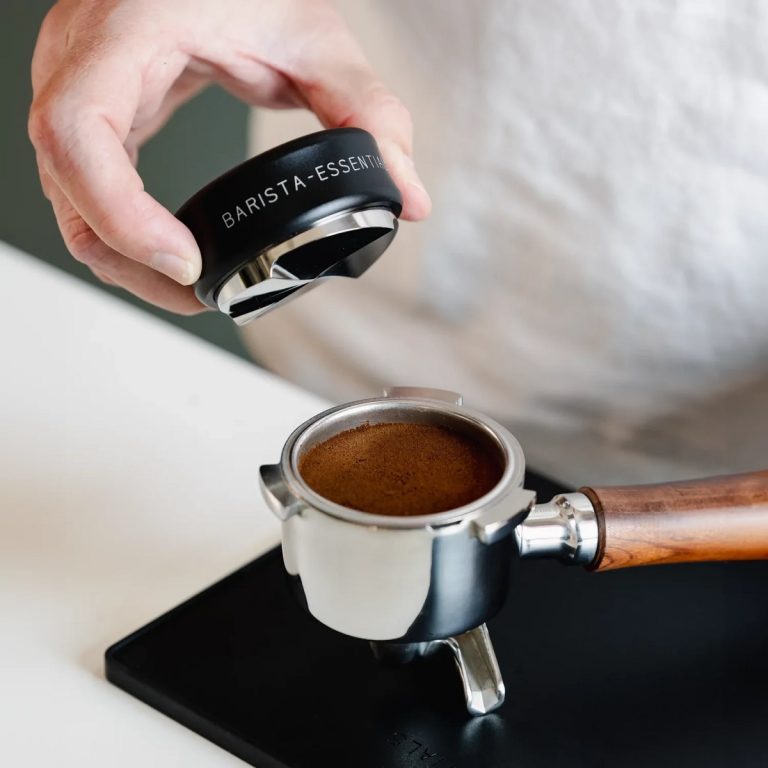
Espresso relies on pressure to extract flavor quickly. Proper tamping, grind size, and dosage are essential for a balanced shot. Too much coffee or too fine a grind can over-extract, while too little or too coarse a grind under-extracts.
Adjusting the coffee dose slightly allows customization of flavor intensity. Paying attention to precision ensures that each espresso-based drink, whether a cappuccino or latte, maintains consistent taste across multiple servings.
Cold Brew
Cold brew requires a higher coffee-to-water ratio because extraction occurs slowly over 12 to 24 hours. For five cups, use about 80 to 100 grams of coarsely ground coffee with 750 milliliters of cold water. The long steeping time produces smooth, less acidic coffee.
Grind coarsely to prevent over-extraction and ease filtration. After steeping, strain the coffee through a fine mesh or filter to achieve a clean beverage. Adjusting coffee quantity allows you to control strength for dilution with water or milk.
Cold brew’s extended extraction process benefits from precise measurement. Using the correct coffee amount ensures a smooth, balanced batch that can be enjoyed over several servings without losing flavor or consistency.
FAQs
How Much Coffee for 5 Cups Should I Use?
For 5 cups of coffee, the standard guideline is about 1 to 2 tablespoons of ground coffee per 6 ounces of water. This means you’ll need roughly 5 to 10 tablespoons, depending on your preferred strength. He or she can adjust this slightly if they like a stronger or milder brew.
Using a scale can give more precise results, around 30 to 50 grams of coffee for 5 cups. Consistency matters, so measuring carefully ensures every cup tastes just right. Adjusting water temperature and grind size can further improve flavor.
Can I Use Tablespoons Instead of Grams for 5 Cups of Coffee?
Yes, you can use tablespoons to measure coffee, especially if you don’t have a scale. For 5 cups, you’ll generally need 1 to 2 tablespoons per 6-ounce cup. That totals around 5 to 10 tablespoons depending on your taste preference.
Be careful not to pack the spoon too tightly, as it can change the strength of your coffee. If you want more precision, consider converting tablespoons to grams—1 tablespoon is roughly 5 grams. This method helps maintain consistency each time you brew.
How Much Water Do I Need for 5 Cups of Coffee?
For 5 cups of coffee, the standard measurement is roughly 30 ounces of water, as each “cup” in coffee terms is about 6 ounces. He or she can adjust the water slightly depending on taste or if using a coffee maker that measures differently.
It’s important to remember that water quality affects flavor. Fresh, filtered water is ideal. Using the correct water-to-coffee ratio ensures a balanced cup without being too weak or overly strong.
Does Brew Method Affect How Much Coffee for 5 Cups?
Yes, the brewing method changes how much coffee you should use. A drip coffee maker often follows the 1–2 tablespoons per 6-ounce cup rule. French press or pour-over methods may need slightly more coffee for the same number of cups due to longer extraction.
The grind size also matters. Coarse grinds are better for French press, while medium works for drip machines. Adjusting for method ensures your 5 cups have consistent flavor and strength, preventing over- or under-extraction.
How Do I Make Strong Coffee for 5 Cups?
To make strong coffee for 5 cups, increase the amount of coffee per 6-ounce cup. You can start with 2 tablespoons instead of 1, or around 10 tablespoons total for 5 cups. He or she can also use a finer grind, which extracts more flavor.
Another tip is to reduce water slightly while keeping coffee quantity the same. Avoid over-brewing, which can make coffee bitter. Consistent measurement and correct brewing time create a bold, balanced cup every time.
Can I Adjust the Strength for Different Tastes When Brewing 5 Cups?
Yes, adjusting strength is easy. If you like lighter coffee, use less coffee per cup or slightly more water. For stronger coffee, increase the coffee amount or use a finer grind. He or she can experiment with these ratios to find a personal preference.
Small tweaks, like adjusting brew time or water temperature, also impact taste. Keeping a record of what you used for your perfect 5 cups helps replicate the flavor consistently.
Is It Better to Measure Coffee by Weight or Volume for 5 Cups?
Measuring by weight is more accurate than using volume. Grams give precise results, while tablespoons can vary depending on how compact the grounds are. For 5 cups, 30 to 50 grams of coffee ensures consistent flavor.
He or she can still use tablespoons for convenience, but a digital scale eliminates guesswork. Weighing coffee allows repeatable results, especially when experimenting with different roast types or grind sizes for your 5 cups.
Conclusion
Brewing five cups of coffee that tastes just right requires attention to both coffee and water measurements. Getting the balance wrong can result in weak, bitter, or overly strong coffee, which can affect your morning routine or shared coffee moments. By understanding the correct ratios, you can ensure every cup is flavorful and consistent.
Knowing How Much Coffee for 5 Cups helps you choose the right amount for your preferred strength and brewing method. Whether you are using a drip coffee maker, French press, pour-over, or espresso machine, measuring accurately allows the natural flavors of the coffee beans to shine. Small adjustments to grind size or water volume can further refine the taste to suit your personal preference.
Following proper measurements and methods makes brewing five cups easier and more enjoyable. You save coffee, reduce waste, and create a reliable routine that produces satisfying results every time. With the right approach, you can confidently serve or enjoy five cups of coffee that consistently taste balanced and delicious.