How Many Ounces Is a Double Shot of Espresso – Perfect Measurements for Baristas and Coffee Lovers
Espresso is a staple for coffee lovers, known for its bold flavor, rich aroma, and concentrated caffeine. Among the many espresso variations, the double shot is one of the most popular choices at cafés and home setups. Its intensity and versatility make it the foundation for a variety of coffee drinks, from lattes to cappuccinos.
Understanding the exact volume of a double shot is important for both brewing and enjoying coffee consistently. Many people assume that all espresso shots are the same size, but the difference between a single and a double shot can significantly affect flavor, strength, and caffeine content. Accurate knowledge helps you measure coffee properly and maintain the balance in your favorite drinks.
For baristas and home brewers alike, knowing How Many Ounces Is a Double Shot of Espresso? ensures the right proportions every time. It helps you achieve consistent results, whether you’re pulling shots for yourself or serving multiple guests.
This awareness also allows you to fine-tune espresso strength according to taste preference, roast type, and brewing equipment. By understanding standard measurements, you gain confidence in making espresso that’s balanced, flavorful, and perfectly suited to your needs.
Standard Volume of a Double Shot of Espresso
The volume of a double shot of espresso is one of the key factors that determine the strength, flavor, and overall experience of your coffee. Knowing the standard amount helps ensure consistency across different brewing methods and equipment. Understanding how much liquid a double shot produces allows both home brewers and baristas to achieve the ideal balance between intensity and taste in every cup.
What Defines a Double Shot of Espresso
A double shot of espresso is essentially two single shots pulled together using about twice the coffee grounds. The standard amount of ground coffee is roughly 14 to 18 grams, depending on the espresso machine and bean type. The result is a concentrated coffee shot that produces roughly 2 ounces, or about 60 milliliters, of espresso liquid.
The extraction process is crucial in maintaining this standard volume. Water is forced through finely ground coffee at high pressure, usually around nine bars, over 25 to 30 seconds. This quick extraction pulls out the oils, caffeine, and aromatic compounds, creating a bold and rich flavor profile. A double shot contains a fuller body and more crema than a single shot, making it the foundation for many espresso-based drinks.
Using the standard volume ensures balance across different beverages. For lattes, cappuccinos, and Americanos, knowing the precise liquid amount helps you mix with milk or water without overpowering or diluting the flavor. It also allows baristas to maintain consistency across multiple orders.
Adhering to the standard volume is especially important for beginners who are learning espresso techniques. Measuring coffee, tamping evenly, and timing the extraction all influence whether the final shot hits the ideal 2-ounce mark. Following this standard provides a reliable benchmark for taste and quality.
Variations in Volume Across Coffee Shops
Not every café or espresso machine adheres strictly to the standard double shot volume. Some shops may serve slightly larger or smaller shots depending on regional preferences, cup size, or specific recipes. While the classic volume is 2 ounces, you may encounter double shots ranging from 1.75 to 2.25 ounces.
These slight variations can impact the flavor and strength. A smaller shot may taste more concentrated and intense, while a slightly larger shot can appear smoother and less bold. For home brewing, following the standard 2-ounce measurement allows you to replicate café-quality results consistently.
Understanding these differences helps you adjust expectations when ordering espresso outside your usual routine. It also allows home baristas to tweak measurements when experimenting with different beans, roasts, or espresso machines. Awareness of minor variations ensures that the flavor remains balanced despite subtle volume changes.
Baristas also consider crema, the golden layer of foam on top of an espresso shot, when evaluating the final volume. A properly extracted double shot will have a thick, velvety crema that enhances both aroma and presentation. In this way, slight variations in liquid volume can still produce an aesthetically pleasing and flavorful beverage.
Importance of Measuring Espresso Volume Accurately
Accurately measuring the volume of a double shot is essential for consistency and quality. Using a small scale or measuring cup ensures you get exactly 2 ounces every time, preventing over- or under-extraction. This accuracy affects flavor, strength, and caffeine content.
For home brewers, precision is particularly important because slight deviations in volume can drastically change taste. Over-extracted espresso becomes bitter, while under-extracted espresso tastes weak or sour. By aiming for the standard 2-ounce volume, you create a reliable baseline for further experimentation and flavor adjustments.
Measuring also helps when preparing espresso-based drinks. Knowing the exact volume allows you to calculate milk ratios for lattes or cappuccinos, ensuring a balanced beverage. Consistency in volume gives you confidence in recreating café-quality espresso at home, regardless of your skill level or brewing setup.
Accurate measurement also simplifies troubleshooting. If a shot tastes off, checking coffee dose, grind size, and volume helps pinpoint the issue. Maintaining the standard volume ensures that each double shot remains true to classic espresso expectations, delivering the bold flavor and rich aroma coffee lovers seek.
How Extraction Time Affects Volume
Extraction time plays a major role in determining the final volume of a double shot. Typically, a double shot takes 25 to 30 seconds to pull from the moment the pump starts. Too fast a pull results in under-extraction and a smaller, weaker shot, while too slow can over-extract and increase bitterness.
The right balance between grind size, tamping pressure, and water flow ensures the shot reaches its standard 2-ounce volume. Even small changes in timing can alter the flavor profile, highlighting or muting certain notes in the coffee.
Monitoring extraction time along with volume allows home brewers to replicate café-quality espresso consistently. By fine-tuning these variables, you can achieve a shot with the correct body, crema, and taste. This attention to detail is essential for producing a double shot that meets professional standards every time.
How Many Ounces Is a Double Shot of Espresso in Different Cups
The volume of a double shot of espresso can feel different depending on the cup you use. While the standard measurement is roughly 2 ounces, the perception changes with cup size, shape, and material. Knowing how different cups affect your espresso experience helps you serve, enjoy, and prepare coffee consistently, whether at home or in a café setting.
Double Shot in a Demitasse Cup
A demitasse cup is the traditional vessel for serving espresso. These small cups, usually 2 to 3 ounces in capacity, perfectly accommodate a standard double shot of espresso. The snug fit preserves the crema and concentrates aroma, making every sip rich and flavorful.
The narrow shape of the demitasse cup enhances aroma perception by funneling scent toward your nose. It also helps maintain the ideal temperature, keeping the espresso warm for longer without cooling too quickly. Because the cup matches the standard double shot volume, it provides an authentic espresso experience that highlights flavor intensity and body.
Demitasse cups are preferred in professional cafés because they display the espresso’s crema beautifully. They also offer a tactile experience, letting you savor the small yet concentrated beverage. For home brewers, using a similar-sized cup ensures that your double shot looks and tastes as intended.
This cup style emphasizes precision in both coffee measurement and extraction. Since the volume aligns perfectly with the 2-ounce standard, you can focus on flavor consistency, aroma, and presentation without worrying about dilution or overflow.
Double Shot in a Standard Coffee Mug
Serving a double shot in a standard coffee mug, which typically holds 8 to 12 ounces, creates a very different experience. The espresso fills only a fraction of the mug, making it appear smaller and less significant. This can affect the perceived strength and flavor of your drink.
The larger cup increases surface area, causing the espresso to cool faster. Without proper insulation, the crema dissipates more quickly, which can alter aroma and taste. The visual impact of a small amount of espresso in a big mug may also make the drink feel less intense, even though the caffeine content remains the same.
This setup works well when adding milk or water to create drinks like lattes, americanos, or macchiatos. The larger cup accommodates the extra liquid while keeping the espresso at the correct strength when diluted. For home use, understanding the mismatch between cup size and espresso volume helps you manage expectations and maintain flavor balance.
Using a larger cup emphasizes the versatility of espresso. It also encourages experimentation with ratios, allowing you to enjoy a double shot in various drink formats without sacrificing taste quality.
Double Shot in a Latte Glass
A latte glass, usually 6 to 8 ounces, is designed to hold espresso along with steamed milk. Pouring a double shot into this type of cup ensures that the espresso serves as the bold base of a creamy, balanced beverage. The volume of the double shot is enough to provide coffee flavor without overwhelming the milk.
The glass design showcases layers, allowing the espresso to sit beneath the milk while maintaining visible separation. This makes for an aesthetically pleasing presentation and enhances the drinking experience. You also notice that the flavor is less concentrated than in a demitasse but still strong enough to define the drink.
In this context, knowing how many ounces a double shot of espresso contributes is critical. It helps you control the coffee-to-milk ratio for a smooth, consistent latte. Over- or under-measuring the espresso can dramatically change the flavor profile, so adhering to the 2-ounce standard ensures predictability.
Using a latte glass emphasizes espresso’s role as a foundational ingredient rather than a standalone beverage. It balances intensity, creaminess, and aroma to create a drink that appeals to a wider range of coffee drinkers.
Double Shot in an Espresso Travel Cup
Espresso travel cups, designed for convenience, often hold 4 to 6 ounces. Pouring a double shot into these cups creates a strong, portable drink that retains much of the espresso’s crema and aroma. The smaller volume prevents excessive dilution, even if you add a splash of milk or water.
Travel cups are insulated, which helps maintain temperature and flavor over time. The 2-ounce double shot fits comfortably, allowing you to enjoy espresso on the go without it losing its characteristic intensity. You also notice that the crema remains visible and aromatic, enhancing the drinking experience.
For commuters or office use, this combination is ideal. It provides caffeine, flavor, and aroma in a convenient package while keeping the double shot’s integrity intact. Understanding the volume in relation to cup size ensures you know exactly how strong your espresso will taste when served in different situations.
Using a travel cup demonstrates how cup size and design influence perception. While the liquid volume remains the same, the experience varies, highlighting the importance of understanding how many ounces a double shot of espresso occupies in each type of cup.
Double Shot in Specialty Glassware
Specialty glassware, such as small cappuccino or cortado glasses, offers another way to experience espresso. These cups typically hold 4 to 5 ounces, allowing a double shot to mix with a small amount of milk while keeping coffee flavor prominent.
The shape emphasizes crema retention and aroma concentration. It also provides a visual appeal, letting you see the espresso layer beneath milk or foam. The volume of the double shot relative to the glass ensures a strong coffee taste while accommodating the added milk.
For baristas, specialty glassware allows precise control over the espresso-to-milk ratio. This ensures that flavor, strength, and presentation meet professional standards. For home brewers, understanding cup volumes helps replicate café-style drinks accurately.
Using specialty glasses highlights how the same 2-ounce double shot can create a wide range of coffee experiences. Whether enjoyed straight, with milk, or on the go, knowing how ounces translate to different cups helps you serve coffee consistently and enjoyably.
Measuring Double Shots with a Shot Glass
Using a shot glass to measure espresso is a practical way to ensure consistency and accuracy, especially when preparing drinks at home. While professional baristas rely on precise scales, a standard shot glass provides a simple visual guide. Understanding how to measure double shots correctly with this tool helps you maintain flavor balance, control caffeine strength, and replicate café-quality espresso every time.
Why a Shot Glass Works for Espresso
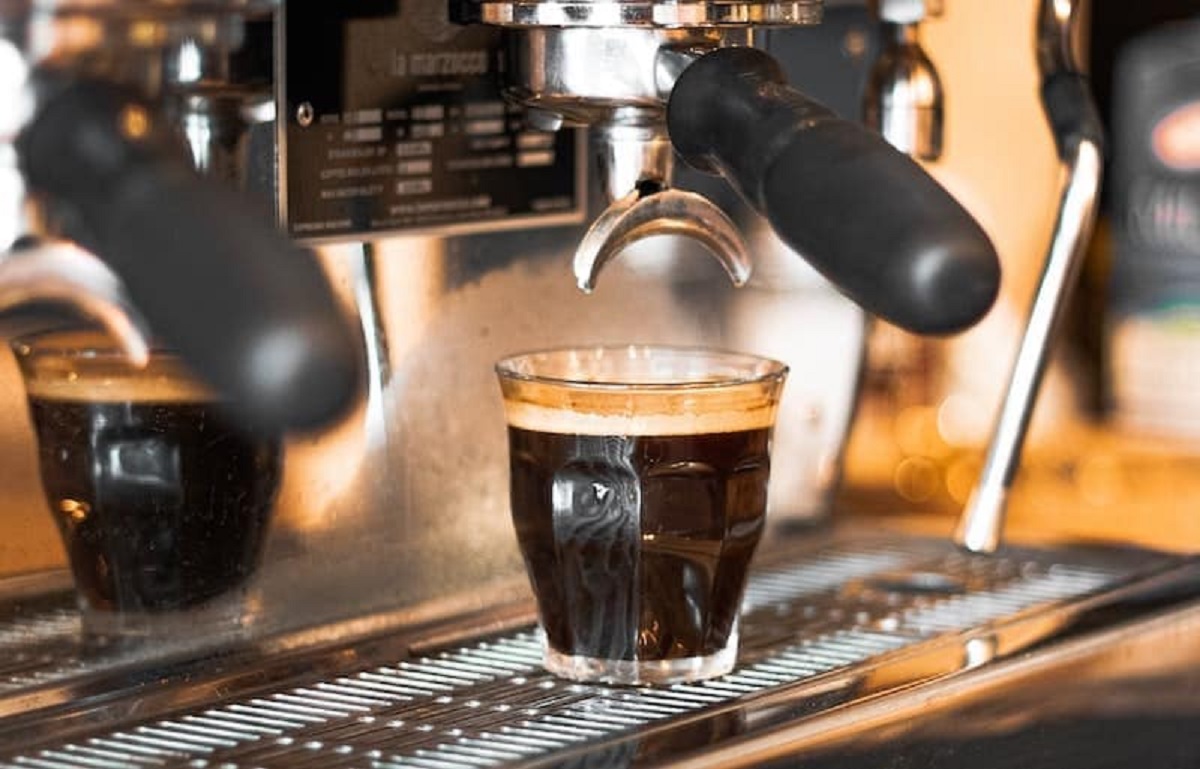
A shot glass is ideal for measuring espresso because it closely matches the standard volume of a single or double shot. Most shot glasses hold between 1 and 2 ounces, making them perfect for visual measurement. When pulling a double shot, aiming for approximately 2 ounces in the glass ensures you achieve the correct coffee concentration.
Using a shot glass also allows you to monitor extraction. You can see how quickly the espresso fills the glass, giving insight into whether your grind size, tamping pressure, or water flow needs adjustment. If the espresso pours too quickly or too slowly, the shot glass provides immediate feedback, helping you refine technique without guesswork.
This method is particularly helpful for home brewers who may not have access to a kitchen scale. While not as precise as weighing, a shot glass still delivers reliable results, allowing you to gauge espresso volume accurately and avoid under- or over-pulling shots.
Step-by-Step Guide to Measuring a Double Shot
To measure a double shot using a shot glass, first place the glass under the espresso machine spout before starting extraction. Use about 14 to 18 grams of finely ground coffee, tamped evenly in the portafilter. Pull the shot for 25 to 30 seconds while observing the espresso flow.
Watch the espresso fill the shot glass. The standard volume for a double shot is roughly 2 ounces. Adjust your grind, tamp, or timing if the espresso exceeds or falls short of this measurement. A steady, even flow indicates proper extraction, while fast or thin streams suggest adjustments are needed.
Once the espresso reaches 2 ounces in the glass, stop extraction immediately. Using a shot glass in this way ensures consistency and provides a visual benchmark. Over time, it helps develop an intuitive sense of correct volume, extraction speed, and flavor balance.
Tips for Accuracy and Consistency
To maximize accuracy with a shot glass, use one with clear measurement markings. Some shot glasses have etched lines for 1 ounce and 2 ounces, making it easier to gauge liquid volume precisely. Clean the glass before each shot to avoid residue affecting measurement.
Consistency also comes from repeating the same process for every shot. Place the glass in the same position, use the same amount of coffee, and maintain similar extraction times. This method reduces variation and ensures predictable flavor in every double shot.
Using a shot glass makes it easier to experiment with espresso strength. You can slightly under- or over-fill to adjust intensity while still maintaining a standard reference. It’s a simple yet effective tool for both beginners and experienced home baristas.
Benefits of Measuring with a Shot Glass
Measuring double shots with a shot glass simplifies espresso preparation and increases confidence. You gain visual confirmation of proper volume, which helps prevent under- or over-extraction. This leads to better flavor, consistent caffeine content, and improved overall brewing quality.
The method is portable and doesn’t require additional equipment beyond the espresso machine and glass. It’s particularly useful for home brewing, learning, or testing new beans and grind sizes. Over time, this practice builds intuition and understanding of espresso behavior, helping you create café-quality drinks at home with minimal effort.
Double Shot Espresso for Home Brewing
Making a double shot of espresso at home allows coffee lovers to enjoy café-quality beverages without leaving the kitchen. Understanding the process, equipment, and measurements is essential to achieve a balanced and flavorful shot. Home brewing also gives you flexibility to adjust taste, strength, and style according to personal preference, creating a customized coffee experience every day.
Choosing the Right Equipment
For home brewing a double shot, selecting the right espresso machine is the first step. Machines range from manual to semi-automatic, fully automatic, and pod-based systems. Semi-automatic machines are popular among home baristas because they offer control over grind size, tamping pressure, and extraction time while remaining relatively easy to use.
Grinders play an equally important role. A quality burr grinder ensures a consistent grind size, which is critical for even extraction. Fine grounds are standard for espresso, allowing hot water under pressure to extract flavors evenly. Measuring coffee accurately, around 14 to 18 grams for a double shot, is essential for consistency.
The combination of proper equipment, precise grinding, and measured coffee ensures that your home-brewed espresso maintains the rich crema, bold flavor, and body typical of professional café shots. Investing in reliable tools creates a solid foundation for consistent results.
Mastering Extraction at Home
Extraction is the heart of a double shot of espresso. Proper extraction ensures balanced flavor, aroma, and body. The standard extraction time for a double shot is 25 to 30 seconds, producing roughly 2 ounces of espresso. Monitoring this time is essential because under-extraction results in sour or weak coffee, while over-extraction creates bitterness.
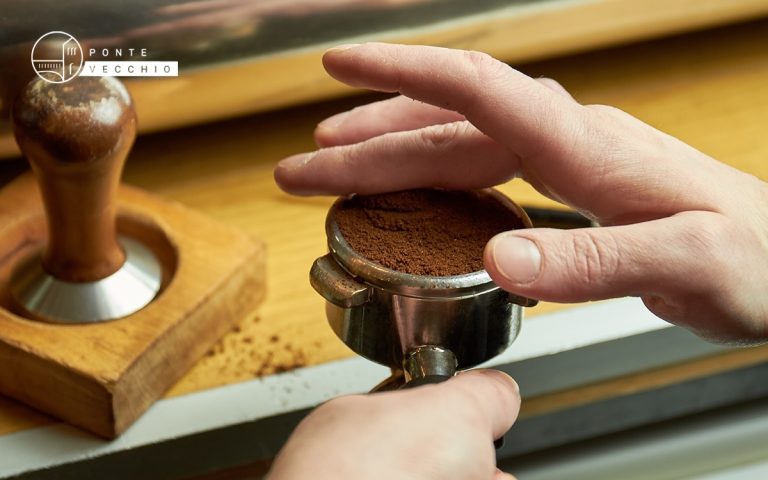
Even at home, paying attention to tamping is crucial. Compressing the coffee evenly in the portafilter ensures water flows uniformly through the grounds. You can use a tamper with the right pressure and keep the coffee bed level to achieve optimal extraction.
Temperature and pressure also impact home brewing. Water should be around 195°F to 205°F, and pressure near nine bars. Many home machines regulate these automatically, but knowing their importance helps troubleshoot issues if the espresso tastes off. Mastering extraction at home allows you to pull shots that rival professional cafés in flavor and quality.
Adjusting Taste for Personal Preference
Home brewing allows you to tailor your double shot to match your taste. Adjusting the coffee dose slightly affects strength, while minor tweaks to grind size or tamping can enhance flavor clarity. For stronger espresso, a slightly finer grind or higher coffee dose works well, while a coarser grind produces a lighter, smoother shot.
You can also experiment with single-origin beans or blends to create distinct flavor profiles. Dark roasts offer bold, chocolatey notes, while lighter roasts highlight fruit and acidity. Understanding how extraction and measurement interact with bean type allows you to fine-tune your shots for the perfect home brew.
Keeping a log of your experiments helps you replicate successful results. Over time, you’ll develop intuition for the right coffee dose, grind size, and extraction time, ensuring consistent double shots tailored to your preferences.
Serving and Enjoying at Home
Once your double shot is ready, you can enjoy it straight or use it as the base for espresso-based drinks like lattes, cappuccinos, or macchiatos. Knowing the standard 2-ounce volume helps you maintain proper ratios when adding milk or water.
Using pre-warmed cups enhances flavor and aroma, while pouring carefully preserves the crema. Home brewing allows you to enjoy café-quality presentation and taste without compromise. You can also customize milk texture, sweetness, and temperature, creating a fully personalized coffee experience.
People Also Asked
What Is a Double Shot of Espresso?
A double shot of espresso is essentially two single shots pulled together using about 14 to 18 grams of finely ground coffee. You end up with roughly 2 ounces, or 60 milliliters, of concentrated espresso. This gives you a stronger flavor, richer crema, and higher caffeine content compared to a single shot.
You notice that a double shot is the base for many espresso drinks, such as lattes, cappuccinos, and americanos. It allows you to enjoy bold coffee flavor either on its own or combined with milk and other ingredients.
How Many Ounces Is a Double Shot of Espresso?
You typically get around 2 ounces, or 60 milliliters, of espresso from a double shot. This is double the volume of a standard single shot, which is usually about 1 ounce. The measurement helps you control flavor, caffeine content, and consistency across drinks.
Measuring in ounces ensures that your espresso maintains the right balance of strength and aroma. Knowing this standard volume helps you adjust drinks like lattes or americanos while keeping the coffee-to-milk ratio accurate.
Can the Volume of a Double Shot Vary?
Yes, the volume of a double shot can vary slightly depending on the coffee bean, grind size, and espresso machine. Some cafés serve double shots ranging from 1.75 to 2.25 ounces. Small differences in extraction time or tamping pressure also affect the final volume.
Even though the liquid amount changes, the flavor remains strong if measured and extracted properly. Understanding these variations helps you adjust your brewing at home to maintain consistent taste and strength.
How Does Cup Size Affect a Double Shot?
The cup you use can affect how you perceive a double shot of espresso. In a small demitasse, the 2-ounce shot appears concentrated and intense, enhancing aroma and crema. In a larger mug, the same volume may seem weaker, especially if combined with milk or water.
Choosing the right cup ensures your espresso’s flavor, aroma, and body are fully experienced. Matching the standard volume with cup size helps maintain balance and provides a satisfying visual and tasting experience.
Is a Double Shot Stronger Than a Single Shot?
Yes, a double shot contains roughly twice the coffee grounds and liquid of a single shot, making it stronger in both flavor and caffeine content. You experience a fuller body, richer crema, and bolder taste compared to a single shot.
The stronger concentration also allows you to use the double shot as a base for milk-based drinks without losing coffee flavor. This makes it versatile, satisfying, and ideal for both straight espresso and specialty beverages.
Can You Pull a Double Shot on Any Espresso Machine?
Most modern espresso machines allow you to pull a double shot, but settings and portafilter size can affect the result. Manual, semi-automatic, and fully automatic machines all support double shots if you measure the coffee dose correctly and use proper tamping.
Understanding your machine’s capabilities helps you extract the full 2-ounce volume. Using the right grind size, coffee amount, and pressure ensures the espresso is balanced, flavorful, and consistent every time.
How Should You Measure a Double Shot at Home?
At home, you can measure a double shot using a shot glass or a kitchen scale. A shot glass works as a visual guide for the standard 2-ounce volume, while a scale ensures precise coffee dosage and extraction.
Measuring accurately helps maintain consistent flavor, aroma, and caffeine content. Whether you drink your double shot straight or use it for lattes or cappuccinos, accurate measurement ensures professional-quality espresso from the comfort of your kitchen.
Final Words
Understanding the precise volume of a double shot is essential for achieving the perfect espresso experience every time. Knowing the right measurement ensures your coffee has balanced strength, flavor, and aroma. He or she can enjoy consistency whether brewing at home or in a café setting.
When asking [How Many Ounces Is a Double Shot of Espresso?], the standard answer is typically around 2 ounces, though slight variations can occur depending on the machine, grind size, and personal preference. Measuring carefully helps prevent over-extraction or under-extraction, which can affect taste and crema quality.
By mastering this measurement, you can confidently make espresso-based drinks like lattes, cappuccinos, and macchiatos with the right strength. Keeping track of your ounces and adjusting for different brewing methods allows you to recreate café-quality double shots consistently, ensuring every cup delivers rich flavor and satisfying aroma.