How to Make Coffee Concentrate – Strong, Smooth, and Ready to Brew
Coffee concentrate has become a popular choice for coffee lovers who want bold, flavorful coffee with convenience and versatility. Unlike traditional brewing, coffee concentrate delivers a strong, rich base that can be diluted with water, milk, or other liquids to create a customized cup. It’s perfect for busy mornings, iced coffee, or making multiple beverages without repeated brewing.
Knowing how to prepare a concentrate allows you to control flavor, strength, and aroma. You can select your preferred beans, roast, and grind size to create a coffee that matches your taste. The concentrate method preserves the coffee’s natural oils and compounds, resulting in a richer and smoother flavor profile than standard brewed coffee.
Learning How to Make Coffee Concentrate gives you the flexibility to enjoy coffee in various ways. From iced lattes to coffee sodas, the concentrate acts as a versatile foundation for countless drinks.
With the right approach, brewing concentrate at home can save time, reduce waste, and produce consistently flavorful coffee tailored to your preference. It’s an easy way to enjoy high-quality coffee without compromising taste.
Choosing the Right Coffee for Concentrate
Selecting the right coffee beans is critical for making a rich, flavorful concentrate. The type, roast, and quality of your beans directly affect aroma, taste, and overall strength. Understanding which coffee works best for concentrate allows you to maximize flavor, balance, and versatility in every batch. The right beans can elevate your homemade concentrate, making it ideal for iced drinks, lattes, and other coffee-based beverages.
Single-Origin vs. Blended Beans
Single-origin beans come from a specific region or farm, offering distinct tasting notes like fruity, floral, nutty, or chocolatey flavors. Using single-origin beans for coffee concentrate highlights these unique characteristics, providing a nuanced and aromatic base. You’ll notice subtleties in taste when diluted with water or milk, which can enhance your experience with different beverages.
Blended beans, on the other hand, combine coffee from multiple origins to create balanced flavors and consistent strength. Blends are ideal for concentrate if you want a more uniform, versatile flavor that works well in iced coffee, lattes, or coffee sodas. The combination of beans also helps produce a smooth body and richness, which is essential for a concentrate that can be diluted without losing character.
Choosing between single-origin and blended beans depends on your preference. Single-origin is excellent for exploring flavors, while blends offer predictability and balance, making them ideal for daily use. Both options can be tailored to your desired flavor profile and intended coffee recipes.
Light, Medium, or Dark Roast
Roast level significantly impacts coffee concentrate flavor. Light roasts preserve the original bean characteristics, delivering bright acidity, floral or fruity notes, and subtle sweetness. Medium roasts provide balanced flavors, combining acidity with caramelized, nutty undertones. Dark roasts create bold, smoky flavors with a heavier body and reduced acidity.
For coffee concentrate, medium or medium-dark roasts are often preferred. Medium roasts provide a smooth, versatile flavor that remains balanced even after dilution, while medium-dark or dark roasts deliver a stronger, bolder concentrate that can cut through milk or ice. Light roasts may taste too thin or underwhelming when concentrated unless carefully brewed with precise measurements.
Choosing the right roast allows you to control the intensity and body of your concentrate. Experimenting with roast levels helps you determine which flavor profiles work best for iced drinks, mixed beverages, or straight coffee. Roast selection directly impacts the strength, aroma, and enjoyment of your final product.
Freshness and Quality of Beans
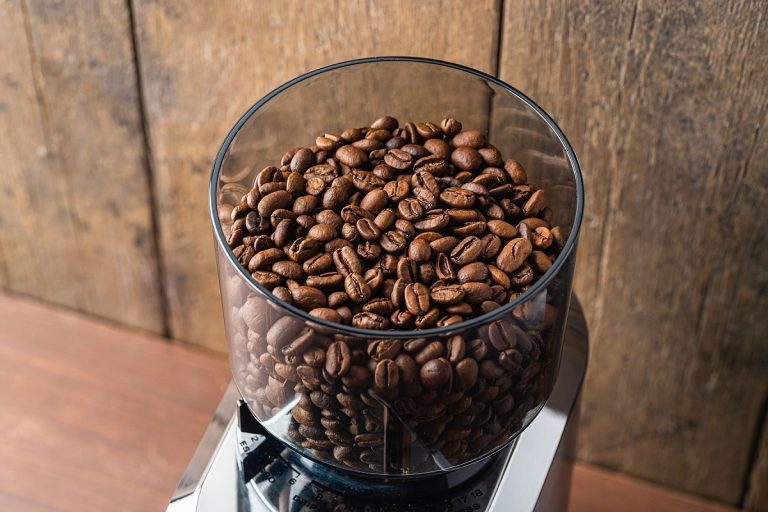
Freshness is critical when making coffee concentrate. Beans start losing aroma and flavor soon after roasting, so selecting freshly roasted beans ensures your concentrate maintains richness, complexity, and depth. Coffee that’s too old or pre-ground may produce a flat or stale-tasting concentrate.
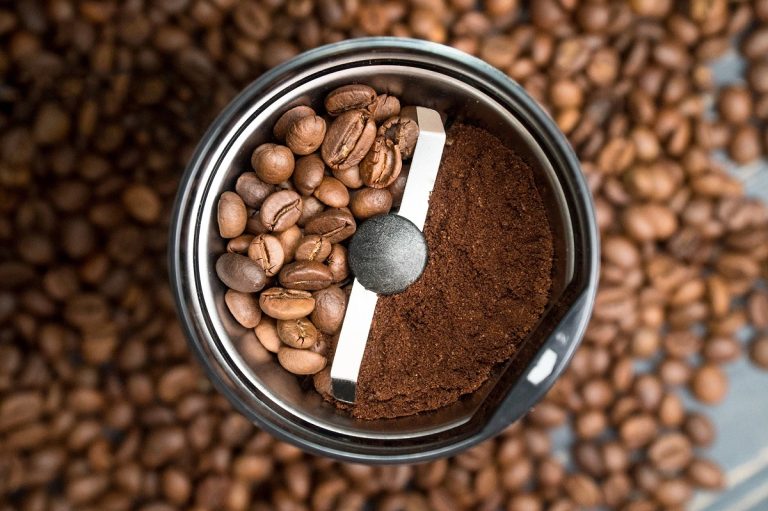
High-quality beans with uniform size and minimal defects produce smoother extraction, enhancing the concentrate’s texture and body. Grinding just before brewing preserves natural oils and aroma, which are crucial for creating a rich, flavorful base. Avoiding stale or low-quality beans ensures the concentrate retains its strength and character, even after dilution.
Paying attention to freshness also helps control bitterness and acidity. Fresh, high-quality beans extract evenly, producing a balanced concentrate that’s versatile for multiple coffee drinks. Investing in quality beans maximizes flavor, aroma, and overall enjoyment of your homemade concentrate.
Adjusting Beans for Flavor Preference
Selecting coffee for concentrate allows you to tailor the flavor profile to your liking. For bolder, stronger coffee, choose darker roasts or blends with robust beans. For nuanced, aromatic profiles, single-origin or lighter roasts highlight subtle tasting notes.
You can also experiment with bean combinations to create unique flavors. Mixing beans with complementary characteristics, such as a medium roast with a hint of dark roast, can provide richness and complexity. Adjusting the type, roast, and blend ensures that your concentrate suits your preferred strength, body, and aroma.
By understanding how different beans behave in concentrate brewing, you gain control over taste, intensity, and versatility. This knowledge allows you to craft a base coffee that enhances every beverage, from straight iced coffee to creamy lattes and other coffee creations.
Choosing the right coffee beans is the foundation for creating a flavorful, aromatic, and versatile coffee concentrate. The type, roast, freshness, and blend all influence the final product, ensuring your concentrate delivers rich, satisfying coffee every time.
Coffee-to-Water Ratio for Concentrate
The coffee-to-water ratio is one of the most critical factors when making coffee concentrate. Unlike regular brewing, coffee concentrate requires a higher proportion of coffee to water to produce a bold, full-bodied base. Understanding the ideal ratio helps you create a strong, aromatic concentrate that can be diluted for various drinks without losing flavor. Proper measurement ensures consistency, strength, and quality in every batch.
Standard Ratios for Coffee Concentrate
For most coffee concentrates, a general guideline is using one part coffee to two parts water by weight. This ratio produces a robust, flavorful concentrate that can be diluted for iced coffee, lattes, or coffee cocktails. For example, using 100 grams of coffee with 200 grams of water creates a potent base suitable for multiple applications.
This ratio ensures the coffee’s oils, aroma, and flavor are fully extracted. Using too little coffee results in weak, underwhelming concentrate, while too much can make the coffee overly bitter or thick. Following a standard ratio provides a reliable starting point for achieving consistent flavor and strength.
Adjusting the ratio slightly allows customization. Stronger coffee lovers may prefer a 1:1.5 ratio, while lighter taste profiles can use 1:2.5. Measuring accurately ensures every batch delivers predictable, enjoyable results.
How Water Quality Affects Ratios
Water quality plays an essential role in concentrate brewing. Using filtered or mineral-balanced water enhances extraction and highlights the coffee’s natural flavors. Impurities in tap water can negatively affect taste and aroma, even if the coffee-to-water ratio is perfect.
Water temperature also matters. Ideal brewing temperature ranges from 195°F to 205°F (90–96°C). Using hotter water extracts more solubles, while cooler water may result in a weaker concentrate. Balancing the coffee-to-water ratio with proper water quality ensures your concentrate has smooth body, rich flavor, and a pleasing aroma.
The right combination of ratio and water quality allows you to consistently produce a concentrate that is strong yet balanced. This forms a versatile base suitable for multiple coffee beverages.
Adjusting Ratio for Personal Preference
You can tweak the coffee-to-water ratio to match your taste. If you prefer a stronger, more intense concentrate, slightly increasing the coffee amount relative to water works well. Conversely, reducing the coffee slightly produces a lighter, less concentrated base.
Experimenting with ratios also allows you to account for bean type and roast. Darker roasts may extract more quickly, so slightly coarser ratios or more water can prevent bitterness. Lighter roasts benefit from a bit more coffee to highlight flavor complexity. Adjusting ratios based on personal preference ensures each batch meets your ideal strength, aroma, and body.
Keeping a record of your preferred ratio helps maintain consistency. Over time, you’ll develop an intuitive understanding of how slight adjustments affect flavor, allowing you to craft a concentrate tailored perfectly to your taste.
Measuring and Consistency Tips
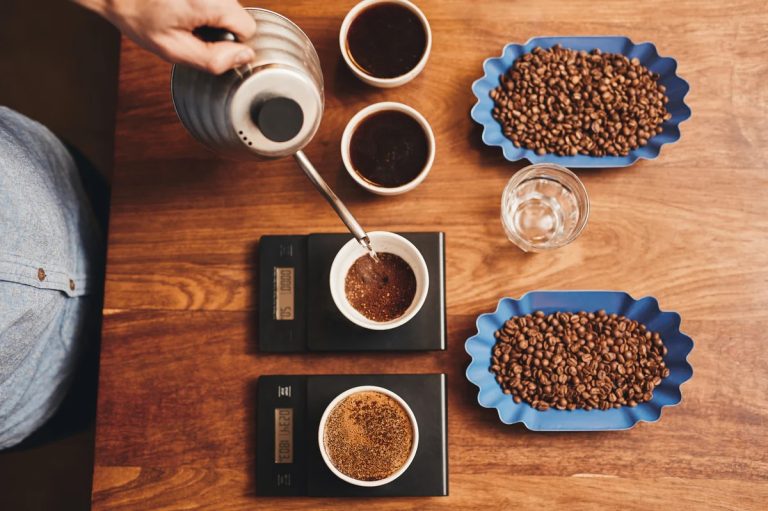
Using a kitchen scale is the most accurate way to measure coffee and water for concentrate. Measuring by weight ensures consistency across batches, preventing weak or overly strong coffee. Scoops or cups may vary and lead to unpredictable results.
Stirring during brewing helps ensure even extraction and maximizes flavor. Properly mixing coffee grounds and water allows all particles to contribute to the concentrate’s strength and aroma. Consistency in ratio, grind size, and brewing technique guarantees reliable, high-quality coffee concentrate every time.
Paying attention to coffee-to-water ratio transforms your concentrate from ordinary to exceptional. Accurate measurement, proper water quality, and fine-tuning based on taste ensure a rich, versatile coffee base suitable for a variety of beverages.
Brewing Methods for Coffee Concentrate
Coffee concentrate can be prepared using several methods, each producing a strong, flavorful base suitable for multiple beverages. The brewing method impacts extraction, flavor profile, and strength, so selecting the right technique is essential. Understanding different approaches allows you to create a versatile concentrate tailored to your taste preferences, whether for hot drinks, iced coffee, or specialty beverages.
Cold Brew Method
Cold brew is a popular method for making coffee concentrate. It involves steeping coarsely ground coffee in cold water for 12 to 24 hours. This slow extraction process produces a smooth, low-acidity coffee concentrate with rich flavor and natural sweetness. Cold brewing allows you to create a concentrate that can be diluted with water, milk, or syrups while maintaining its robust taste.
The ratio of coffee to water is crucial in cold brew. A common guideline is one part coffee to four parts water by weight for a standard concentrate, which can later be adjusted depending on desired strength. Using filtered water enhances flavor, and coarsely ground beans prevent over-extraction or sediment in the final product.
Cold brew concentrate is highly versatile. It can be used for iced coffee, lattes, coffee cocktails, or even as a base for flavored drinks. Proper storage in airtight containers in the refrigerator helps maintain freshness and ensures consistent flavor across multiple servings.
Hot Brew Concentrate
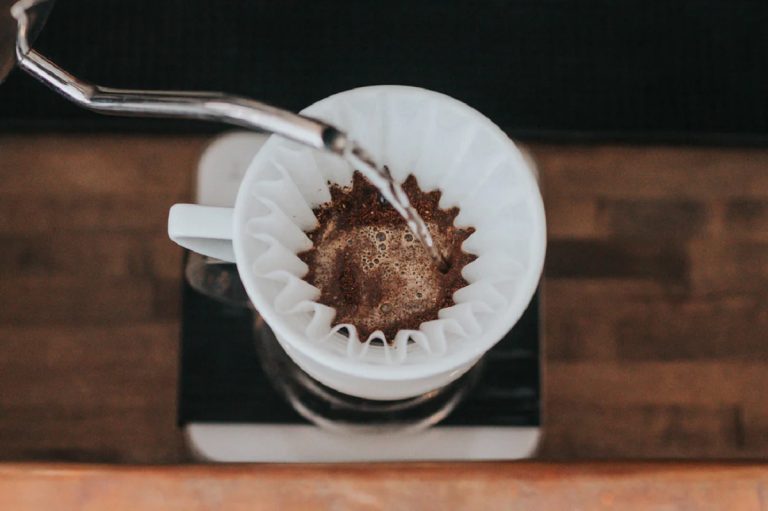
Hot brewing methods like French press or Moka pot can also produce coffee concentrate. Using hot water allows faster extraction of oils, flavors, and compounds, resulting in a rich and bold concentrate. A medium-fine grind works well for hot brewing, ensuring balanced extraction without bitterness or under-extraction.
The coffee-to-water ratio is typically stronger than standard hot coffee, often one part coffee to two parts water. Timing and temperature are critical—water should be around 195°F to 205°F, and extraction must be monitored closely to prevent over-extraction. Stirring grounds during brewing ensures even saturation and consistent flavor throughout the batch.
Hot-brewed concentrate can be diluted for various drinks or enjoyed straight for a bold, intense coffee experience. This method is faster than cold brew, providing a strong coffee base within minutes while still delivering deep flavor and aroma.
Espresso-Based Concentrate
Using an espresso machine or Aeropress is another effective way to create a concentrated coffee base. Espresso extraction produces a small, intense shot with a rich crema, making it ideal for lattes, cappuccinos, and other milk-based drinks. Espresso-based concentrates are strong enough to be diluted while retaining full flavor.
Adjusting grind size, coffee dose, and extraction time ensures consistent results. Medium-fine to fine grounds are typically used for optimal extraction. Measuring the exact coffee amount and monitoring shot volume prevents over-extraction or under-extraction, maintaining the concentrate’s quality and balance.
This method is best for those who enjoy strong, robust coffee or espresso-style drinks. It creates a concentrated base that highlights flavor complexity, body, and aroma, offering versatility for various coffee preparations at home or in a café setting.
Comparing Methods for Preference
Each brewing method has distinct advantages. Cold brew produces smooth, low-acidity coffee ideal for refreshing drinks, while hot brew delivers fast, bold concentrates suitable for immediate use. Espresso-based concentrates offer intense flavor and work well for specialty beverages.
Understanding your preferred flavor profile, intended use, and available equipment helps determine the best method. Experimenting with different techniques allows you to identify the ideal approach, ensuring your coffee concentrate consistently meets taste, strength, and versatility requirements.
Choosing the right brewing method for coffee concentrate enhances flavor, aroma, and body while providing a versatile base for a wide range of beverages. It allows you to tailor your concentrate to personal preferences and intended uses.
People Also Asked
What Is Coffee Concentrate And How Is It Different From Regular Coffee?
Coffee concentrate is a highly concentrated form of brewed coffee designed to be diluted before drinking. Unlike regular coffee, which is brewed to drinking strength, a concentrate uses a higher coffee-to-water ratio, producing a rich, bold, and flavorful base.
You can use coffee concentrate for a variety of beverages, including iced coffee, lattes, and coffee cocktails. It preserves the natural oils, aroma, and flavor of the beans, making each cup smoother and more intense than standard brewed coffee. Concentrate also allows you to make multiple drinks from one batch efficiently.
How Do You Make Coffee Concentrate At Home?
Making coffee concentrate at home involves using a higher proportion of coffee to water and brewing it using your preferred method. Cold brew, French press, Moka pot, or even espresso machines can be used, depending on the flavor and strength you want.
For cold brew, steep coarsely ground coffee in cold water for 12 to 24 hours. For hot brewing, use medium-fine grounds with a stronger coffee-to-water ratio. After brewing, strain the coffee to remove grounds, then store in an airtight container for later use. This method gives you a versatile, flavorful concentrate for multiple beverages.
What Coffee-to-Water Ratio Should I Use For Concentrate?
The standard ratio for coffee concentrate is roughly one part coffee to two parts water by weight for hot brewing, and one part coffee to four parts water for cold brew. This ensures a strong, full-bodied base that can be diluted to taste.
Adjusting the ratio allows you to control strength and flavor. More coffee produces a bolder, more intense concentrate, while less coffee results in a lighter, more approachable base. Using a kitchen scale ensures precise measurement for consistency in every batch.
Which Coffee Beans Work Best For Concentrate?
Medium or medium-dark roasted beans are generally ideal for coffee concentrate. They provide balanced flavor, rich body, and reduced acidity. Single-origin beans highlight unique tasting notes, while blends offer smooth, consistent flavor suitable for multiple beverages.
Freshly roasted, high-quality beans are crucial because they retain oils, aroma, and flavor. Grinding just before brewing preserves these qualities, enhancing extraction. The right beans create a concentrate that is versatile, aromatic, and flavorful, suitable for dilution in iced coffee, lattes, or coffee-based cocktails.
Can Coffee Concentrate Be Stored And For How Long?
Yes, coffee concentrate can be stored in airtight containers in the refrigerator for up to two weeks. Proper storage preserves aroma, flavor, and body, preventing the coffee from becoming stale or flat over time.
Dividing large batches into smaller containers minimizes exposure to air and maintains freshness. Labeling with the brewing date helps track storage time. Freshly made concentrate can also be frozen for longer storage, but using it within two weeks ensures the best flavor and aroma in every cup.
How Do You Use Coffee Concentrate In Drinks?
Coffee concentrate is versatile and can be diluted with water, milk, or plant-based alternatives to create your preferred beverage. It works well in iced coffee, lattes, cappuccinos, and coffee cocktails, allowing you to control strength and flavor.
You can adjust the dilution based on taste. For a standard iced coffee, mix one part concentrate with one part water or milk. For stronger beverages or specialty drinks, adjust the ratio to maintain intensity. Concentrate provides flexibility to create consistent, flavorful coffee at home or on the go.
Can You Make Cold Brew And Hot Brew Concentrates Interchangeably?
Yes, both cold brew and hot brew methods can produce coffee concentrate, but each affects flavor differently. Cold brew creates smooth, low-acidity coffee with naturally sweet notes, while hot brew concentrates offer bold, robust flavor and aroma.
Choosing the method depends on your taste preference and intended use. Cold brew is ideal for iced drinks and easy storage, while hot brew works for quick, strong concentrates for lattes or straight coffee. Experimenting with both methods lets you determine the perfect concentrate for your personal coffee routine.
Final Words
Making a rich, flavorful coffee concentrate can elevate your daily coffee routine and provide convenience for busy mornings. By carefully selecting the right beans, measuring the proper coffee-to-water ratio, and choosing a suitable brewing method, you can create a concentrate that’s smooth, aromatic, and versatile for various drinks. He or she can enjoy strong coffee without the bitterness that sometimes comes from over-extraction.
Understanding [How to Make Coffee Concentrate] ensures that each batch maintains consistent strength and flavor. Whether you prefer cold brew or hot brew methods, following precise ratios and steeping times allows you to achieve a perfect balance every time. Adjusting the concentrate for personal taste makes it ideal for lattes, iced coffee, or even recipes requiring coffee flavor.
Proper storage is also key to preserving freshness and taste. By keeping your concentrate in airtight containers and refrigerating it, you can enjoy a ready-to-use, high-quality coffee base for days. Mastering this process gives full control over flavor, strength, and convenience, making every cup satisfying.