What Grind For Drip Coffee – Best Grind Size Guide
For drip coffee, go with a medium grind about the size of granulated sugar to get the best flavor and even extraction. This grind size balances brewing time and prevents bitterness or sourness.
Use a burr grinder for consistency, and adjust the grind while brewing to fine-tune taste and flow rate. Regularly recalibrate and maintain your grinder to keep results steady.
Keep experimenting with your grind, and you’ll reveal the secrets to perfect drip coffee.
What Is the Ideal Grind Size for Drip Coffee?
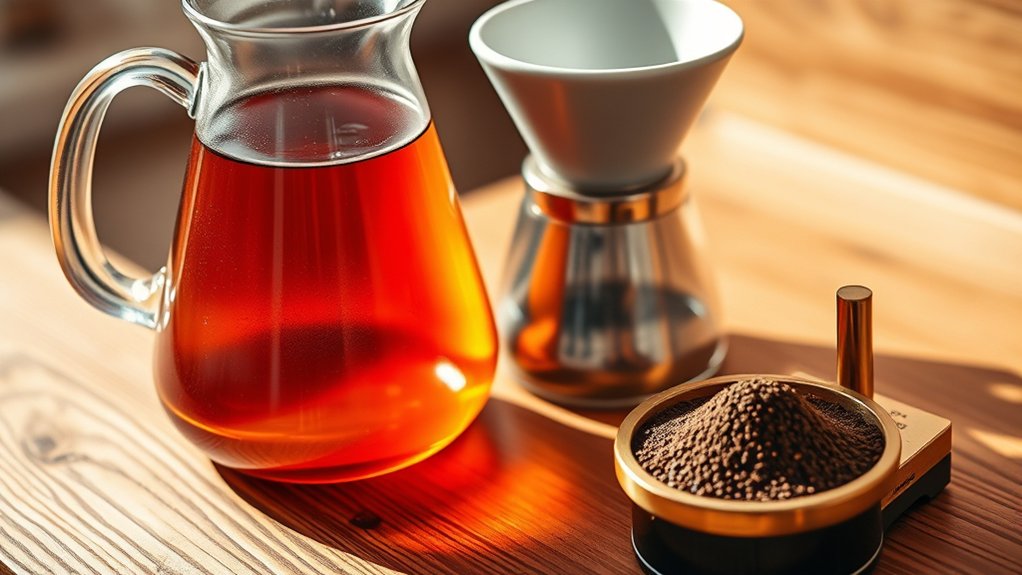
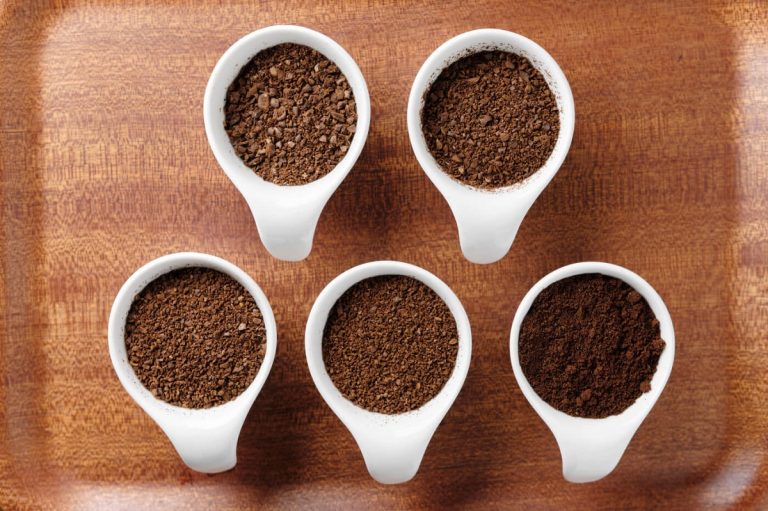
Although grind size might seem like a small detail, choosing the ideal medium grind, similar to regular beach sand, is key to brewing great drip coffee. This medium grind, about 800-1000 µm, guarantees peak extraction during the brewing process by providing just the right surface area for water to pull flavors without causing bitterness.
To get consistent coffee grind, you’ll want to use a burr grinder, which produces uniform coffee grounds far better than blade grinders. Uneven extraction happens when your grind size varies, making some particles over-extract while others under-extract, ruining your cup’s balance.
Why Medium Grind Works Best for Drip Coffee
You want your drip coffee to extract just right, and a medium grind hits that sweet spot by balancing surface area with brewing time.
See, when your grind size stays consistent, water flows evenly, which helps avoid bitterness or weak flavors.
Optimal Extraction Balance
Because drip coffee makers require a balanced extraction time, a medium grind size works best to bring out the coffee’s full flavor without bitterness or sourness.
The medium grind, resembling beach sand, offers the perfect surface area for water to interact evenly with coffee grounds during the brewing cycle. This guarantees peak extraction, allowing flavors to develop fully within the typical 4-6 minute contact time.
Using a uniform grind helps maintain this balance, preventing over- or under-extraction that can distort the flavor profile.
By sticking to a medium grind, you achieve a balanced flavor that highlights the coffee’s nuances.
Experimenting within this range lets you fine-tune extraction to match different beans and personal tastes, making it ideal for consistent, delicious drip coffee every time.
Consistency In Grind Size
When you choose a medium grind size that remains consistent, you set the stage for a balanced and flavorful drip coffee.
Consistency in grind size is crucial because uneven particles cause over-extraction of smaller grounds and under-extraction of larger ones, leading to bitterness or sourness.
A medium grind size, resembling granulated sugar and ranging between 800-1000 microns, provides the ideal surface area for water contact in the drip brewing process.
This guarantees an even water flow rate, allowing proper saturation and extraction for a balanced flavor profile.
To achieve this consistency, use a burr grinder, which produces uniform particles.
Blade grinders, on the other hand, create uneven particles that disrupt extraction and negatively affect your coffee’s taste.
How to Adjust Grind Size for Your Drip Brewer
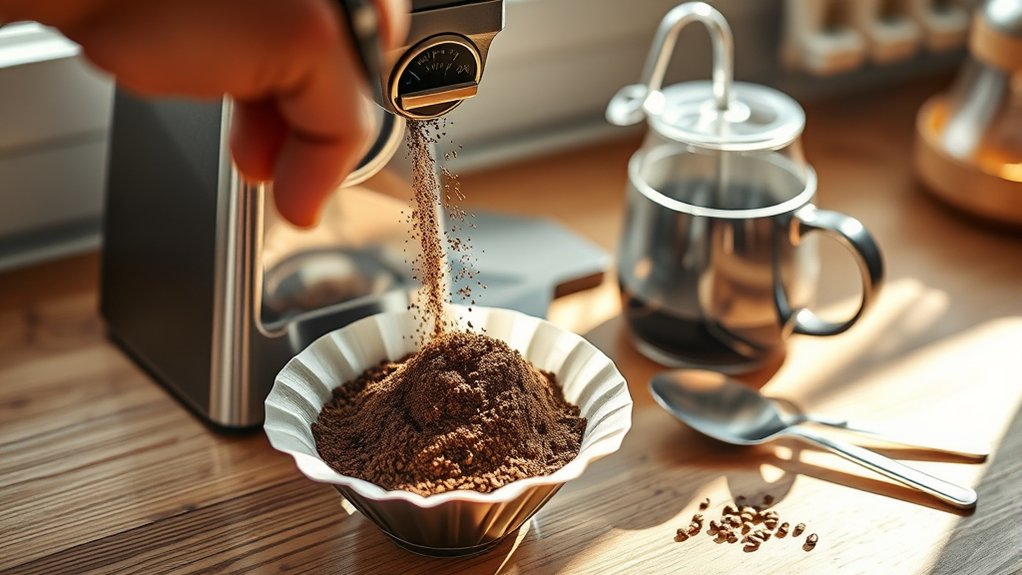
You’ll notice that the grind size directly affects how long your coffee takes to brew and its overall flavor.
When you adjust the grind finer or coarser, it helps control the extraction time and the taste balance.
So, by staying consistent with your grind and brewing time, you’ll guarantee yourself the best cup every time.
It’s really all about finding that sweet spot that works for your drip brewer and your taste buds.
Grind Size Impact
Although many factors influence your drip coffee’s flavor, adjusting the grind size plays a key role in achieving the perfect cup. Using a burr grinder helps create a consistent medium grind, resembling beach sand, which guarantees ideal water flow and a balanced extraction process.
Uneven particles often cause bitterness or sourness due to over or under-extraction. If your coffee tastes weak, try a finer grind; if it’s bitter, coarser is better. Experimenting with grind size enhances flavor and adapts your brew to different brewing methods.
| Grind Size | Extraction Result | Flavor Impact |
|---|---|---|
| Too Fine | Over-extraction | Bitter, harsh |
| Medium Grind | Ideal extraction | Balanced, flavorful |
| Too Coarse | Under-extraction | Weak, sour |
Brewing Time Adjustment
Since brewing time directly affects extraction, adjusting your grind size can help you fine-tune your drip coffee’s flavor. For a typical brewing cycle, a medium grind size, about 800-1000 µm, similar to beach sand, offers ideal extraction.
If your coffee tastes sour or weak, try adjusting your grinder to a finer size. This increases extraction by boosting surface area contact with water.
On the other hand, if your coffee is too bitter, switch to a coarser grind to reduce extraction time and avoid over-extraction.
Maintaining grind size uniformity is key, so use a burr grinder for consistency.
Small tweaks in grind size can greatly alter coffee taste by affecting water flow and extraction, letting you dial in the perfect balance for your drip brewer.
Consistency Importance
Adjusting your grind size is only part of the equation; maintaining consistency in particle size makes a huge difference in your drip coffee’s flavor.
When your grind size produces uniform particle size, extraction rates stay even, preventing issues like under-extraction or over-extraction.
Uneven particles cause water to extract flavors unevenly, leading to a weak or bitter cup. Using a burr grinder guarantees you achieve consistent grind size every time.
To get the best flavor, regularly calibrate your grinder according to the roast profile and bean characteristics.
If you notice your coffee tastes sour or weak, try a finer grind to fix under-extraction. Conversely, coarser grinds can reduce bitterness from over-extraction.
Focusing on grind size consistency is key to revealing balanced, flavorful drip coffee every brew.
Comparing Coarse, Medium, and Fine Drip Coffee Grinds
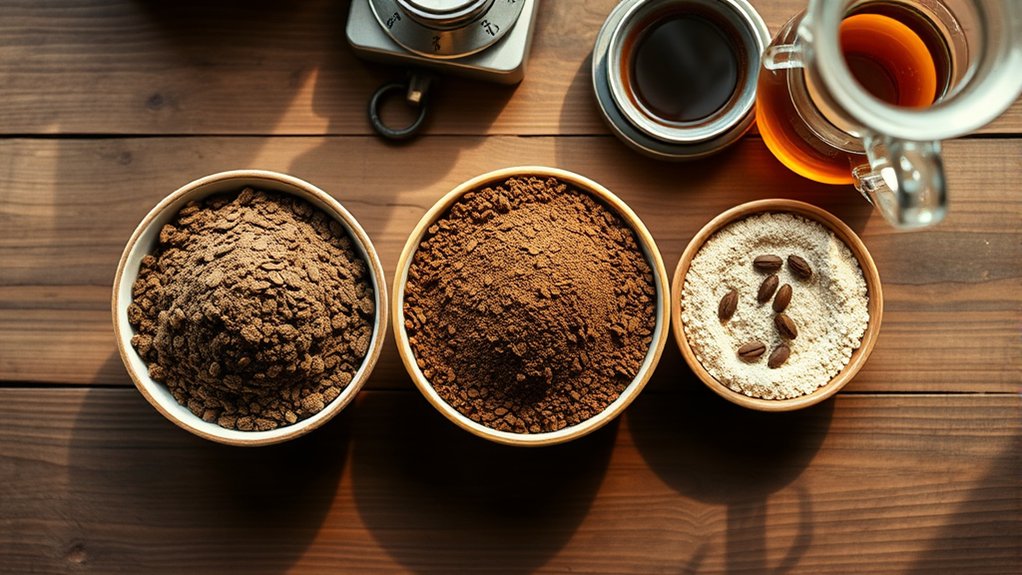
Grind size plays a crucial role in how your drip coffee turns out, with coarse, medium, and fine grinds each affecting extraction differently. Here’s how they compare:
- Coarse grind: Larger particles slow extraction time, often leading to under-extracted, sour coffee tastes if brewed too quickly.
- Medium grind: Resembling beach sand, it balances extraction time (4–6 minutes) perfectly for drip coffee, ensuring a smooth brewing process and balanced flavor.
- Fine grind: Smaller particles speed up extraction, risking over-extraction and bitterness if water flows too slowly.
- Uniformity matters: Burr grinders provide consistent grind size, essential for avoiding uneven extraction and inconsistent coffee tastes.
Adjusting grind size lets you tweak your coffee’s strength and flavor, so choose wisely for the best drip brew.
Get Consistent Drip Coffee With a Burr Grinder
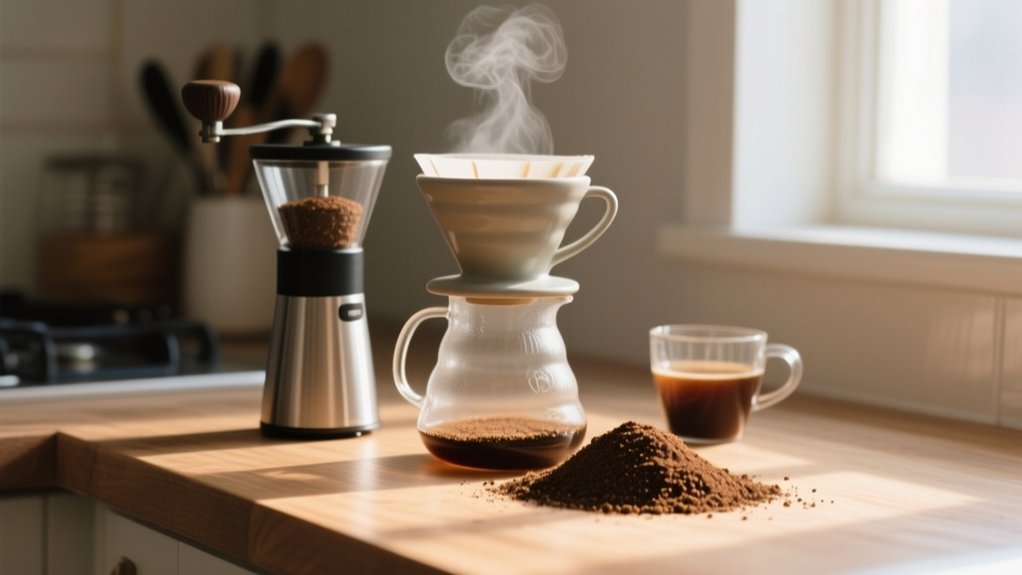
When you want a perfectly balanced cup of drip coffee, using a burr grinder makes all the difference. A burr grinder delivers a consistent grind size, essential for even extraction during drip coffee brewing.
Unlike blade grinders, burrs crush beans uniformly, preserving flavor and preventing under- or over-extraction. For drip coffee, aim for a medium grind size, similar to beach sand. This allows water to interact effectively with coffee grounds and brings out the best flavor.
Adjusting your burr grinder’s settings based on your specific drip coffee maker can further improve brewing results.
Keep your burr grinder clean and well-maintained to guarantee it continues producing consistent grinds. This way, you’ll enjoy a flavorful, balanced cup every time you brew.
How to Calibrate Your Grinder for Better Drip Coffee
Although it might seem minor, calibrating your grinder plays an essential role in achieving the perfect drip coffee. A consistent grind size guarantees ideal water flow and a balanced extraction process, especially when using a burr grinder.
Here’s how to calibrate your grinder for better drip coffee:
- Start with a medium grind size, resembling beach sand (800-1000 µm).
- Adjust your grind size while the coffee grinder is running, making small changes to fine-tune flavor.
- Monitor the coffee’s flow rate; if it’s too fast, switch to a finer grind to increase contact time.
- Recalibrate your grinder whenever you open a new bag of beans to maintain flavor consistency.
Signs Your Drip Coffee Grind Is Too Coarse or Fine
If your drip coffee tastes sour or weak, it probably means your grind is too coarse. That coarseness can lead to under-extraction, which leaves your coffee lacking in flavor.
Now, if your coffee ends up bitter or harsh, that’s usually a sign your grind is too fine, causing over-extraction.
The good news? You can fix this by adjusting your grind size little by little.
With a few tweaks, you’ll find that sweet spot for a smooth, flavorful cup every time.
Coarse Grind Indicators
Because your drip coffee’s grind size directly impacts extraction, spotting signs that it’s too coarse or fine helps you adjust for the perfect brew. A coarse grind often leads to under-extraction, making your coffee taste sour or weak.
To identify if your grind is too coarse, watch for these clues:
- Brew time is too short, letting water pass through coffee grounds too quickly.
- Coffee tastes watery or lacks depth.
- Grind size resembles chunky particles, larger than beach sand consistency.
- Inconsistent grind size causes uneven extraction, mixing under- and over-extracted flavors.
If you notice these coarse grind indicators, try adjusting your grind size finer to optimize extraction. This will help ensure your drip coffee has balanced flavor and proper brew time.
Fine Grind Symptoms
When your drip coffee tastes bitter or astringent, you’re likely dealing with a grind that’s too fine. This causes over-extraction during brewing.
Unlike the grind size for espresso, drip coffee requires a medium consistency, similar to sand, for ideal extraction.
A fine grind slows the flow rate and lengthens brewing time, extracting excessive bitter compounds.
Conversely, if your coffee tastes sour or weak, under-extraction is likely due to a grind that’s too coarse. This causes water to flow too quickly.
Monitoring the brewing time and flow rate helps identify these issues. Erratic flow often signals improper grind adjustments.
Adjusting Grind Size
Recognizing the signs of an improper grind size helps you fine-tune your drip coffee for the best taste.
If your coffee tastes weak or sour, your grind size might be too coarse, causing under-extraction. Too bitter or harsh, and it’s likely too fine, resulting in over-extraction.
Aim for a medium grind, similar to granulated sugar, for the ideal flavor profile.
Here’s how to make effective adjustments:
- Taste your drip coffee and note if it’s sour or bitter.
- Adjust grind size in small increments for consistent brewing outcomes.
- Confirm grind consistency to avoid uneven extraction.
- Keep track of changes to find your perfect balance between coarse and fine.
Fine-tuning grind size directly influences extraction and flavor.
Troubleshooting Common Drip Coffee Taste Issues
If your drip coffee tastes sour, it often means you’re under-extracting your grounds. You can fix this by using a finer coffee grind size to increase the coffee’s contact with water.
On the other hand, a bitter taste usually signals over-extraction. Try a coarser grind to reduce brewing time and improve flavor balance.
For drip coffee makers, a medium grind size resembling sand works best. This ensures ideal water flow and extraction between 4-6 minutes.
Also, check your coffee-to-water ratio. Starting with 1 to 2 tablespoons of coffee per 6 ounces of water helps maintain consistent taste.
Finally, use grounds with a consistent size since uneven grinds cause inconsistent extraction and off-flavors.
Adjusting these factors will help you troubleshoot common drip coffee taste issues effectively.
How to Experiment With Grind Size to Find Your Flavor
Although starting with a medium grind size is common for drip coffee, you’ll want to adjust it gradually to discover the flavor that suits your taste best.
To maximize flavor, follow these steps:
- Begin with a medium grind resembling beach sand for balanced extraction.
- Keep brewing time and method consistent while you adjust grind size incrementally.
- Taste the coffee and note how the flavor profile changes with each adjustment.
- Record findings, including grind size, brewing time, and flavor notes, to refine your process.
Tips for Maintaining Your Grinder and Coffee Freshness
To keep your coffee tasting its best, you need to maintain both your grinder and your beans properly. Clean your grinders regularly to avoid residue buildup that harms grind consistency and flavor. Store coffee beans in an airtight container, away from heat and moisture, to preserve coffee freshness.
Only grind what you’ll use soon, as ground coffee loses up to 60% aroma within 15 minutes. When using a burr grinder, adjust grind size gradually while running for precision. Check your grinder often to prevent overheating or damage, and replace burrs every few months if you brew frequently.
| Task | Tip |
|---|---|
| Cleaning | Deep clean every few weeks |
| Bean Storage | Use airtight container, cool and dark |
| Grinding Amount | Grind only what you’ll brew soon |
| Burr Grinder Adjustment | Adjust grind size gradually while running |
| Grinder Maintenance | Replace burrs regularly |
Frequently Asked Questions
Can I Use Pre-Ground Coffee for Drip Brewing?
Yes, you can use pre-ground coffee for drip brewing, but keep in mind the pre-ground quality affects flavor differences and grind consistency.
Since freshness impacts taste preferences, freshly ground beans usually outperform pre-ground ones.
Make sure the coffee type suits your brewing method and equipment compatibility.
Adjust brewing time to balance extraction, as grind size won’t be customizable.
How Does Water Temperature Affect Grind Size Choice?
Water temperature directly impacts your grind size choice because it affects extraction rate and brew time.
Hotter water speeds extraction, so you’ll want a medium grind to avoid bitterness and maintain a balanced flavor profile.
If your temperature dips, a finer grind helps boost extraction and brew strength.
Consistent temperature control, along with grind uniformity, coffee freshness, and water quality, guarantees your brewing method delivers the best taste every time.
What Grind Size Works Best for Iced Drip Coffee?
Think of it like a Renaissance alchemist perfecting his potion: for iced coffee, you want a medium grind consistency.
This grind size suits the brewing method by balancing flavor extraction and brewing time, usually around 4-5 minutes. It helps avoid harsh bitterness while accounting for ice dilution.
Does Altitude Impact Ideal Drip Coffee Grind Size?
Yes, altitude impacts your ideal drip coffee grind size. At higher brewing altitudes, lower air pressure and boiling temperatures affect coffee extraction and brewing time.
You’ll need a grind adjustment to maintain grind consistency and balance the flavor profile. Factors like filter type, coffee freshness, and water quality also play roles.
Experiment with slightly finer or coarser grinds to optimize extraction, ensuring your cup tastes just right despite altitude changes.
How Long Should I Store Ground Coffee for Drip Brewing?
You should store ground coffee for drip brewing no longer than 1-2 weeks to maintain freshness and aroma.
Using airtight storage containers or vacuum sealing helps control light exposure and humidity, which extends shelf life.
Avoid freezing methods since temperature changes can harm grind uniformity and flavor.
For best results, grind just before brewing.
Label your storage with the grind date to monitor freshness and guarantee ideal drip coffee taste every time.
Conclusion
Now that you know why a medium grind works best for drip coffee, are you ready to fine-tune your brewing? Adjusting your grind size can transform your cup, making every sip richer and more balanced.
Remember, a consistent grind from a burr grinder and fresh beans are key. Keep experimenting until you find your perfect flavor. Isn’t it time you brewed drip coffee that truly wakes up your taste buds?