
How Much Coffee for 4 Cups: Exact Measurements for Perfect Brewing
Brewing multiple cups of coffee at once requires careful attention to measurement to ensure each cup is flavorful and balanced. Using the right amount of coffee for the water volume helps prevent weak, watery coffee or overly strong, bitter results. Proper portioning is essential for consistency, especially when making four cups at a time.
Many coffee drinkers often wonder How Much Coffee for 4 Cups? The answer depends on factors like your preferred strength, brewing method, and the size of your cups. Standard measurements provide a starting point, but minor adjustments may be needed to match your taste.
Accurately measuring coffee for four cups ensures even extraction, proper aroma, and optimal strength. This practice also reduces waste and makes daily brewing more predictable, whether you’re using a drip coffee maker, pour-over, or French press.
By understanding How Much Coffee for 4 Cups? you can create a consistent, satisfying coffee experience for yourself, family, or guests. It makes brewing multiple servings simple and enjoyable without compromising flavor.
Standard Measurement Guidelines
Measuring coffee correctly is key to brewing a consistent and flavorful cup. Standard measurement guidelines provide a reliable framework for determining the right coffee-to-water ratio, ensuring proper extraction and taste. Following these guidelines helps you adjust strength, maintain balance, and enjoy predictable results, whether you’re brewing a single cup or multiple servings like four cups at a time.
Tablespoon-to-Cup Ratio
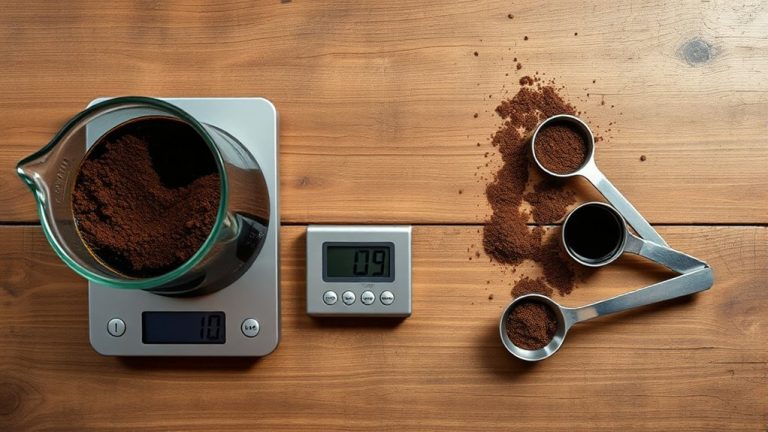
A common method for measuring coffee is using tablespoons. For a standard 6-ounce cup, 1 to 2 tablespoons of coffee is recommended. One tablespoon produces a lighter cup, while two tablespoons yield a stronger, bolder flavor. This ratio can be adjusted based on personal taste and preferred brewing method.
Measuring coffee with tablespoons ensures repeatable results for everyday brewing. It is especially useful for drip coffee makers, pour-over setups, and French presses. Using consistent measurement helps maintain the desired strength, avoids weak or bitter coffee, and simplifies the brewing process for beginners and experienced coffee drinkers alike.
Coffee-to-Water Ratio
The coffee-to-water ratio is essential for proper extraction. The general guideline is 1 to 2 tablespoons of coffee per 6 ounces of water, though adjustments may be needed for larger servings or different brewing methods. Maintaining this ratio ensures your coffee is neither too weak nor too strong.
This ratio works across multiple brewing techniques. For example, drip coffee and pour-over methods benefit from a balanced ratio for clarity and flavor, while immersion methods like French press may require slightly more coffee for a fuller body. Adjusting water relative to the coffee amount guarantees a harmonious, well-extracted cup every time.
Adjusting for Strength and Preference
Standard measurements can be modified according to taste preference. Using more coffee per cup creates a bolder, more intense flavor, while using less produces a milder, lighter cup. Adjusting measurement according to grind size, roast, and brewing method ensures the cup meets personal taste.
For instance, finer grinds extract more quickly, so slightly reducing the coffee dose prevents bitterness. Coarser grinds may need more coffee to achieve full flavor. By experimenting within these guidelines, you can fine-tune strength, body, and taste, creating a cup tailored perfectly to your preference.
Measuring Whole Beans Versus Ground Coffee
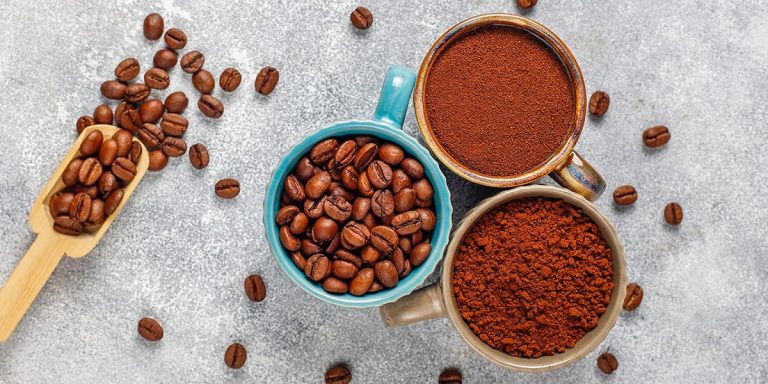
Whole beans and pre-ground coffee differ in density and volume, which affects measurement. One tablespoon of whole beans weighs less than one tablespoon of ground coffee. Grinding beans just before brewing ensures freshness and proper extraction, so measuring whole beans accurately is essential for consistent strength and flavor.
Using a kitchen scale is the most precise method, but tablespoons work for everyday convenience. Adjusting for form and density ensures that every cup, whether brewed for a single serving or four cups, maintains the intended strength, aroma, and taste. Proper measurement allows you to enjoy balanced coffee every time.
Grind Size and Its Impact
Grind size is one of the most critical factors in brewing coffee. It determines how water interacts with coffee grounds, influencing extraction, flavor, strength, and overall quality. Understanding grind size allows you to tailor your coffee to different brewing methods, achieve balanced taste, and prevent over- or under-extraction. Small adjustments in grind size can dramatically change your cup.
Coarse Grind and Its Effects
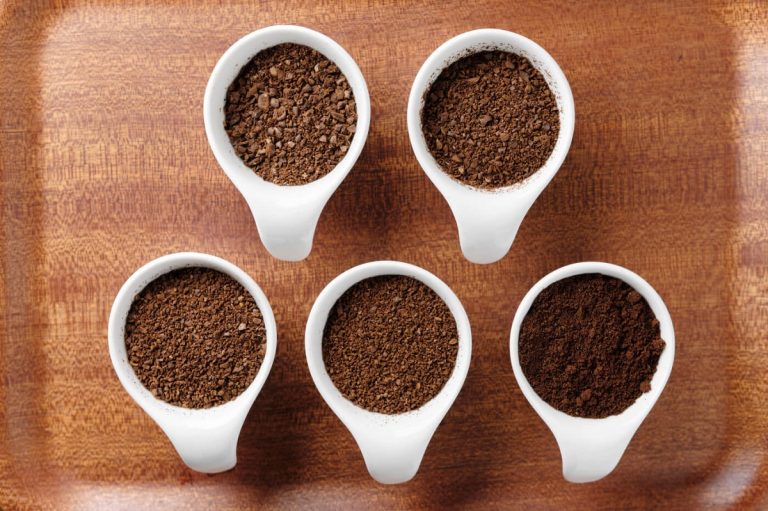
Coarse grind resembles sea salt in texture and is commonly used for French press, cold brew, and percolator methods. Larger particles slow down extraction, allowing water to interact gradually with coffee compounds. This produces a full-bodied cup with smooth flavor and minimal bitterness.
Using a coarse grind in shorter brewing methods can lead to weak coffee because water passes too quickly through the grounds, under-extracting essential flavors. Conversely, coarse grounds in immersion methods prevent over-extraction and maintain clarity, body, and aroma. This grind also reduces sediment in the cup, providing a cleaner drinking experience. Coarse grind is ideal for anyone seeking a bold, smooth, and well-rounded flavor profile with minimal acidity.
Medium Grind and Its Effects
Medium grind has a texture similar to sand and works well for drip coffee, pour-over, and siphon brewing. It balances extraction speed and water flow, providing a well-rounded cup with moderate body and acidity. Medium grind allows flavors to develop evenly without over-extracting bitter compounds.
The versatility of medium grind makes it popular for daily brewing. Slight adjustments in grind size can tailor strength, clarity, and aroma to personal taste. A slightly finer medium grind may highlight brightness and subtle notes, while a slightly coarser grind emphasizes body and smoothness. Medium grind provides the perfect balance for those seeking consistency, flavor complexity, and approachable acidity in everyday cups.
Fine Grind and Its Effects
Fine grind resembles table salt or sugar and is essential for espresso and Aeropress methods. Smaller particles increase surface area, accelerating extraction under high pressure or short brew times. Fine grind produces concentrated, bold coffee with rich aroma, thick body, and pronounced crema for espresso.
Using fine grind in methods meant for coarser grounds, such as French press, can result in over-extraction, bitterness, and sediment. Adjusting grind size precisely is crucial for achieving balanced flavor and preventing harsh notes. Fine grind allows you to extract maximum intensity in a short brewing time, highlighting both body and flavor while maintaining smoothness and richness.
Extra-Fine Grind and Specialty Applications
Extra-fine grind, almost powdery in texture, is used for Turkish coffee and some espresso variations. This grind type ensures rapid extraction and strong flavor concentration while allowing the coffee to develop a thick, velvety mouthfeel. Proper technique is required to avoid bitterness or uneven extraction.
The extra-fine grind maximizes surface area, extracting flavors quickly during short, high-intensity brewing. It emphasizes bold aroma, sweetness, and body while minimizing acidity. Using this grind type highlights the importance of precision in coffee preparation and demonstrates how grind size can completely alter flavor, texture, and strength. Mastering extra-fine grind requires careful attention to brewing time, water temperature, and dosage.
Adjusting Grind for Optimal Flavor
Matching grind size to brewing method is essential for achieving optimal flavor. Coarse, medium, fine, and extra-fine grinds each interact differently with water, impacting extraction, body, and taste. Adjusting grind size allows you to control strength, clarity, and aroma, preventing under- or over-extraction.
Experimenting with grind size provides insights into how subtle changes affect flavor and balance. Consistent measurement, brewing technique, and grind selection together ensure that each cup highlights the coffee’s natural characteristics. Understanding the impact of grind size empowers you to fine-tune every brew for a satisfying, tailored coffee experience.
Brewing Method Variations
Different brewing methods bring out unique flavors, aromas, and textures in coffee. Each technique interacts differently with grind size, water temperature, brew time, and coffee-to-water ratio. Understanding these variations allows you to experiment with taste, body, and strength, ensuring your coffee is perfectly tailored to your preferences. Exploring brewing method variations can enhance your daily coffee experience and highlight the nuances of each bean.
Drip Coffee and Pour-Over
Drip coffee and pour-over are popular methods for consistent, clean cups. In drip coffee, water flows automatically over medium-ground coffee, extracting flavors evenly and producing a balanced cup. Pour-over allows more control over flow rate, saturation, and bloom, highlighting delicate and nuanced flavors in the beans.
Both methods benefit from medium grinds and precise coffee-to-water ratios. Pour-over offers flexibility to adjust extraction for stronger or lighter coffee, while drip machines provide convenience for multiple servings. These methods are ideal for showcasing fruity, floral, or lightly roasted beans, as they emphasize clarity, brightness, and aroma, making each cup distinct and enjoyable.
French Press and Immersion Brewing
French press and other immersion methods use coarse-ground coffee fully submerged in water. Longer contact time allows gradual extraction, producing full-bodied, rich coffee with natural oils passing through a metal filter. This results in heavier texture and robust flavor with minimal acidity.
Controlling brew time, grind size, and coffee-to-water ratio is key. Oversteeping or using too fine a grind can lead to bitterness, while shorter times or coarser grinds may under-extract. Immersion brewing emphasizes depth, aroma, and mouthfeel, making it ideal for dark roasts or coffee lovers who prefer strong, full-bodied cups with a satisfying texture.
Espresso and High-Pressure Methods
Espresso and other high-pressure methods extract coffee quickly under intense pressure using fine grounds. This produces concentrated, bold coffee with thick crema, rich body, and complex flavors. Espresso forms the base for lattes, cappuccinos, and other specialty drinks.
Precise control of grind size, tamping pressure, water temperature, and extraction time is essential. Small variations can dramatically affect taste, from balanced sweetness and acidity to over-extracted bitterness. Espresso highlights the coffee’s intensity, aroma, and body, making it a popular choice for strong, concentrated coffee enthusiasts who enjoy bold flavor and a creamy, velvety texture.
Cold Brew and Specialty Methods
Cold brew uses coarse-ground coffee steeped in cold water for extended periods, usually 12–24 hours. The slow extraction produces smooth, low-acid coffee with subtle sweetness and a velvety mouthfeel. Adjusting steeping time, coffee concentration, and water ratio allows you to customize flavor intensity.
Specialty methods like AeroPress or siphon brewing combine precise control over grind size, water temperature, and brew time, producing coffee with unique taste profiles. These techniques allow experimentation with extraction, strength, and flavor balance, demonstrating the wide variety of results achievable with different brewing methods.
FAQs
How Much Coffee for 4 Cups Should I Use?
The standard guideline is 1 to 2 tablespoons of coffee per 6-ounce cup. For four cups, this translates to 4 to 8 tablespoons of coffee, depending on your preferred strength. Using the right amount ensures each cup is flavorful and balanced.
Measuring coffee accurately helps maintain consistency across all four cups. Using too little coffee can result in weak, watery coffee, while too much can make it bitter or overpowering. Adjust the quantity slightly based on taste, roast type, and brewing method to achieve your ideal cup.
Does Brewing Method Affect How Much Coffee for 4 Cups?
Yes, your brewing method significantly impacts how much coffee to use for four cups. Drip coffee and pour-over generally follow the standard 1 to 2 tablespoons per 6 ounces, while immersion methods like French press may require slightly more.
Espresso and Aeropress use finer grounds and higher concentrations, meaning you may need less coffee per cup volume. Adjusting the coffee amount based on method ensures proper extraction, flavor balance, and strength. Paying attention to the method allows you to consistently make four cups that match your taste preference.
How Does Cup Size Change How Much Coffee for 4 Cups?
Cup size directly affects how much coffee you need. A standard cup is about 6 ounces, but many mugs range from 8 to 12 ounces. Larger cups require more coffee to maintain the proper coffee-to-water ratio and prevent a weak brew.
For example, if using 8-ounce cups, four cups would need roughly 5 to 10 tablespoons of coffee. Adjusting for cup size ensures that the coffee remains strong, aromatic, and flavorful across all servings. This approach prevents dilution and ensures consistency in taste.
Can I Use the Same Amount of Coffee for Different Roasts?
Roast type affects how much coffee to use for four cups. Light roasts are denser and less soluble, so you may need slightly more coffee to achieve full flavor. Dark roasts are less dense and extract more quickly, so a slightly smaller amount is sufficient.
Adjusting the coffee dose based on roast ensures balanced extraction and prevents under- or over-extraction. Proper measurement tailored to roast type allows you to enjoy four cups that highlight aroma, body, and flavor while avoiding bitterness or weak taste.
What Happens If I Use Too Much or Too Little Coffee for 4 Cups?
Using too little coffee results in weak, under-extracted coffee with flat flavor and low aroma. It may taste watery and fail to bring out the beans’ natural sweetness and complexity.
Using too much coffee can over-extract, creating a bitter, harsh, or overpowering brew. Maintaining the proper measurement ensures balanced strength, clarity, and aroma. For four cups, following standard guidelines while considering taste preference prevents weak or overly strong coffee and ensures every cup is enjoyable.
How Can I Measure Coffee Accurately for 4 Cups Without a Scale?
Measuring by tablespoons is the easiest way to prepare four cups without a scale. Use 1 to 2 tablespoons per 6-ounce cup and adjust according to cup size, strength preference, and brewing method.
Using consistent scoop measurements ensures repeatable results and proper extraction. For convenience, pre-measure four portions before brewing. While a kitchen scale provides more precision, tablespoons are practical for daily use and still allow you to achieve balanced, flavorful coffee for four servings.
Can I Adjust How Much Coffee for 4 Cups Based on Strength Preference?
Yes, personal preference plays a big role in coffee strength. Using the lower end of the standard 4 to 8 tablespoons for four cups produces a lighter, milder brew. Using the higher end creates a bold, stronger cup.
You can also tweak grind size, water temperature, and brew time alongside coffee amount to fine-tune strength and flavor. Adjusting these factors allows you to make four cups that are perfectly tailored to your taste while maintaining balance, clarity, and aroma.
Conclusion
Brewing the perfect four cups of coffee is all about balancing the right amount of coffee with the proper water ratio. Getting this balance ensures each cup is flavorful, aromatic, and free from bitterness or weakness. Paying attention to measurements helps you enjoy a consistent and satisfying coffee experience every time.
When determining How Much Coffee for 4 Cups?, a general guideline is about 1 to 2 tablespoons of coffee per 6-oz cup, adjusted for taste and brewing method. Whether using whole beans or pre-ground coffee, measuring accurately and considering factors like grind size and roast type makes a noticeable difference in flavor and strength.
Ultimately, experimenting within these guidelines allows you to fine-tune your coffee to match your personal preference. Knowing How Much Coffee for 4 Cups? gives you the confidence to brew every time with precision, ensuring a delicious and balanced cup for yourself or guests.