How Much Coffee In A Percolator: Perfect Measurements for Rich Flavor
Brewing coffee in a percolator is a traditional method that many coffee lovers still enjoy for its rich flavor and robust aroma. Achieving the perfect cup requires careful attention to coffee-to-water ratios and proper measurement. Knowing the right amount of coffee helps prevent weak, watery brews or overly bitter results.
Many people often ask How Much Coffee In A Percolator is ideal for different serving sizes. The answer depends on the percolator’s capacity, the number of cups you want to make, and your taste preference. Measuring accurately ensures balanced extraction, consistent strength, and a satisfying cup every time.
Percolators work by cycling hot water through coffee grounds multiple times, which intensifies flavor. Too much coffee can lead to over-extraction and bitterness, while too little can result in a weak, underwhelming brew.
Understanding How Much Coffee In A Percolator is essential for both beginners and experienced brewers. By knowing proper measurement, you can enjoy a perfectly brewed cup with full aroma, body, and flavor every time.
Standard Measurement Guidelines
Proper measurement is essential for brewing consistent and flavorful coffee in a percolator. Using the right coffee-to-water ratio ensures balanced extraction, optimal strength, and aroma. Standard measurement guidelines serve as a reliable starting point, allowing you to adjust for taste preference, cup size, and the number of servings. Following these guidelines helps prevent weak or overly bitter coffee.
Coffee-to-Water Ratio
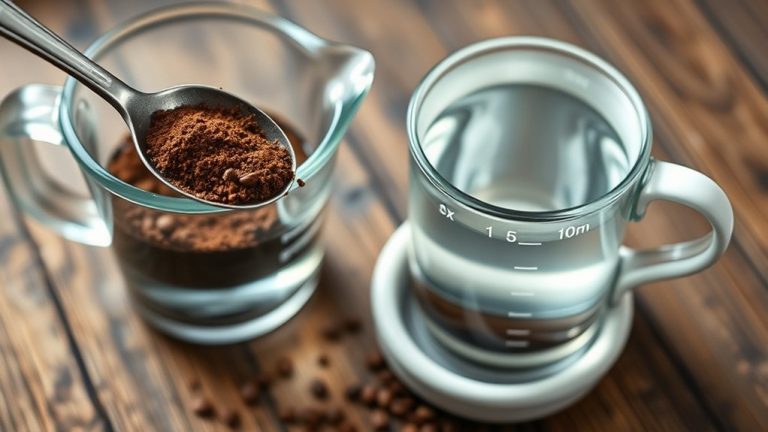
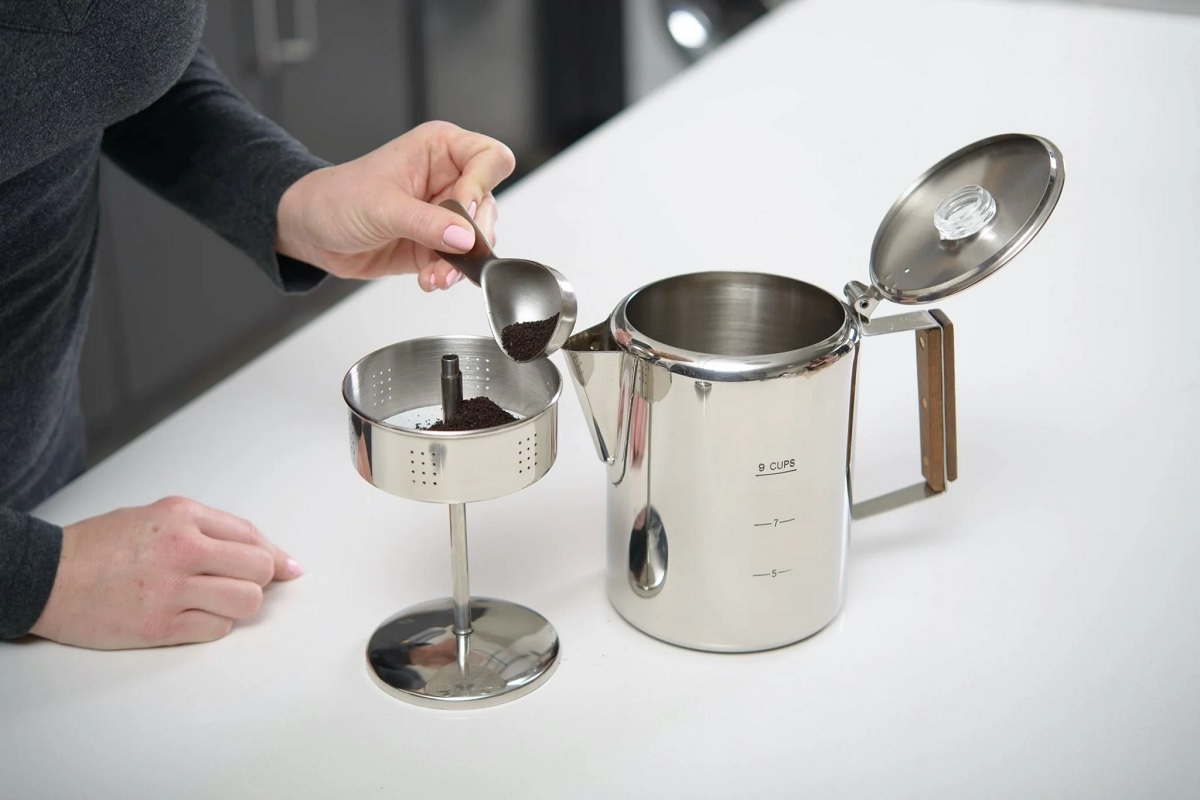
A typical percolator uses 1 tablespoon of coffee per 6 ounces of water as a baseline. For a stronger cup, you can increase this to 1.5 or 2 tablespoons per 6 ounces. Multiply the ratio by the number of cups your percolator holds to determine the total coffee needed.
Accurate measurement ensures that water flows evenly through the coffee grounds, extracting optimal flavor. Over-measuring can cause over-extraction, bitterness, or an overly strong brew, while under-measuring produces weak, underwhelming coffee. Adjusting ratios based on personal preference allows you to achieve a cup that is perfectly balanced and satisfying.
Adjusting for Percolator Size
Percolators come in different capacities, ranging from 4-cup models to 12-cup versions or larger. Knowing your percolator’s capacity is essential for determining how much coffee to use. Measure water accurately according to the fill line and calculate the amount of coffee needed based on the coffee-to-water ratio.
Using too much coffee in a small percolator can lead to grounds overflowing or excessive bitterness, while too little coffee in a large percolator results in weak flavor. Accurate adjustment ensures proper extraction and consistency. Knowing your percolator size allows you to scale measurements correctly for any gathering or daily use.
Strength and Taste Adjustments
Standard guidelines provide a foundation, but you may need to adjust based on your taste preference. If you prefer a bolder, stronger cup, slightly increase the amount of coffee. For a lighter, milder flavor, reduce the coffee slightly.
Adjusting strength also depends on grind size and roast type. Coarser grounds extract more slowly, requiring slightly more coffee for full flavor, while finer grounds extract quickly and may need less. Experimenting within standard guidelines helps you find the perfect balance of strength, body, and aroma for every brew.
Tips for Consistency
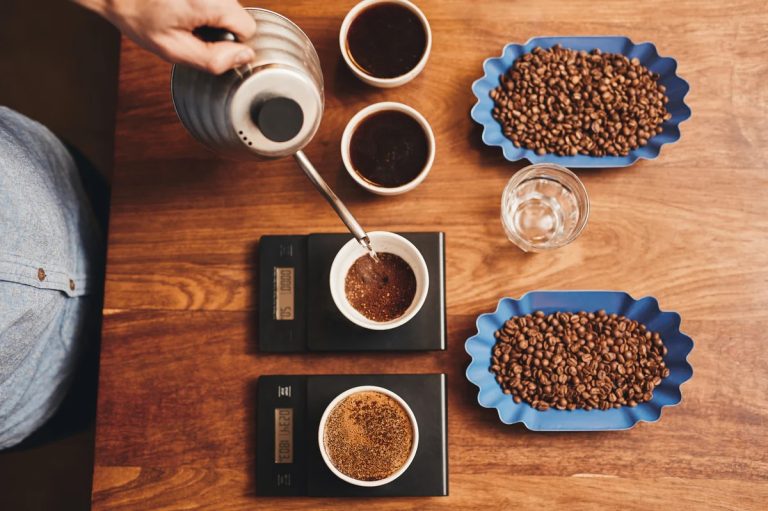
Using a kitchen scale or level tablespoons helps ensure accurate and repeatable measurements. Measure coffee and water before brewing to maintain consistency, especially when preparing multiple batches.
Keeping track of ratios, percolator size, and personal adjustments allows you to replicate your preferred strength and flavor each time. Consistency ensures that every cup you brew highlights the coffee’s aroma, body, and taste, providing a satisfying percolator experience.
Percolator Capacity and Cup Sizes
Understanding your percolator’s capacity and how it relates to cup sizes is essential for brewing consistent coffee. The amount of water and coffee used directly impacts strength, flavor, and extraction. Knowing the percolator’s volume and the size of the cups you are serving allows you to measure accurately, avoid over- or under-extraction, and produce a perfectly balanced cup every time.
Determining Percolator Capacity
Percolators are available in various sizes, typically ranging from 4-cup to 12-cup or even larger models. The capacity indicates the maximum amount of liquid the percolator can hold, which directly affects how much coffee and water you need for proper brewing.
Knowing the percolator’s capacity helps you scale the coffee-to-water ratio accurately. Overfilling a small percolator with too much coffee can lead to overflow and bitter coffee, while underfilling a large percolator produces weak, under-extracted coffee. Measuring water to the percolator’s fill line and calculating coffee accordingly ensures that every batch maintains consistent strength and flavor, no matter the size.
Matching Coffee Amount to Cup Size
A standard cup of coffee is generally 6 ounces, but many mugs are larger, ranging from 8 to 12 ounces. When using a percolator, adjusting for actual cup size is critical for consistency. For example, four 6-ounce cups require less coffee than four 8-ounce cups, even though both may appear similar in volume.
Measuring coffee based on the actual serving size ensures that every cup has balanced extraction and flavor. Using the coffee-to-water ratio as a baseline, multiply by the number of cups or ounces to determine the correct amount of coffee. This method prevents weak coffee and ensures each cup is flavorful and satisfying.
Adjusting for Strength and Preference
Coffee strength depends on both percolator capacity and cup size. For a stronger brew, increase the coffee amount slightly per cup, and for a lighter flavor, reduce it. Strength adjustment also considers roast type and grind size, as coarser grounds require more coffee to achieve full extraction, while finer grounds may need slightly less.
Experimenting with these variables allows you to tailor strength to your taste. Balancing coffee quantity with percolator capacity and cup size ensures that each serving is enjoyable, aromatic, and consistent, even when brewing larger batches. Proper adjustment guarantees that everyone enjoys a well-extracted, flavorful cup.
Scaling for Large Groups
When serving a crowd, understanding percolator capacity becomes even more important. Multiple batches or larger percolators may be necessary to accommodate more cups. Pre-measuring water and coffee helps maintain consistency across batches, ensuring all servings have the same flavor and strength.
For events or gatherings, plan according to both percolator size and desired cup size. Using large thermal dispensers or multiple percolators allows for efficient service while keeping coffee fresh and hot. Accurate measurement and planning prevent weak or overly strong coffee, making large-scale brewing manageable and enjoyable.
Tips for Accurate Measurement
Using a measuring cup or scale ensures precise water and coffee amounts relative to percolator capacity. Keeping a record of ratios for different cup sizes helps replicate consistent results each time.
Understanding how percolator capacity interacts with cup size, strength preference, and brewing method allows you to produce consistent, well-balanced coffee. Accurate measurement and attention to detail ensure every cup has the intended aroma, body, and flavor, whether brewing for yourself or serving a group.
Grind Size for Percolators
Grind size plays a crucial role in brewing coffee with a percolator. It affects extraction rate, flavor, and overall quality. Choosing the right grind ensures proper water flow through the coffee grounds, preventing over- or under-extraction. Understanding the ideal grind size for percolators allows you to achieve a consistent, flavorful cup every time.
Coarse Grind for Optimal Extraction
A coarse grind is recommended for percolators, similar to the texture of sea salt. Coarse grounds allow water to flow through slowly, extracting flavors evenly without over-extracting bitter compounds. Using the right grind prevents the coffee from becoming too strong or muddy.
Percolators cycle hot water repeatedly through the coffee grounds, increasing the risk of over-extraction if the grind is too fine. Coarse grounds maintain clarity and body while allowing full flavor development. Measuring the correct amount of coffee with a coarse grind ensures a smooth, balanced cup that highlights the beans’ natural aroma and taste.
Consequences of Using Finer Grinds
Using a fine grind in a percolator can lead to over-extraction and bitterness. Fine particles are quickly saturated, and repeated cycling of water amplifies strong, harsh flavors. This can also cause coffee grounds to slip through the basket, leaving sediment in the cup.
Finer grinds require shorter brewing times to avoid bitterness, which can be difficult to control in a percolator’s design. Maintaining a coarse grind ensures that extraction occurs at a manageable rate and prevents over-concentration of flavors, producing a smooth, aromatic cup with balanced strength.
Matching Grind to Coffee Type
Different roast levels and bean types interact with grind size. Dark roasts release flavors more quickly and can tolerate slightly coarser grinds, while lighter roasts benefit from consistent, medium-coarse grinds to highlight delicate notes. Adjusting grind slightly allows you to tailor flavor intensity and body without compromising clarity.
Experimenting with grind size for your preferred roast ensures the coffee brewed in a percolator is both flavorful and well-balanced. Proper grind selection maximizes aroma, highlights subtle tasting notes, and prevents unwanted bitterness or weak extraction, creating a satisfying cup every time.
Using Whole Beans vs Pre-Ground Coffee
Choosing between whole beans and pre-ground coffee can significantly impact the flavor, aroma, and overall quality of your brew. Whole beans offer maximum freshness and control over grind size, while pre-ground coffee provides convenience for quick brewing. Understanding the differences helps you select the best option for your brewing method, lifestyle, and taste preferences.
Advantages of Whole Beans
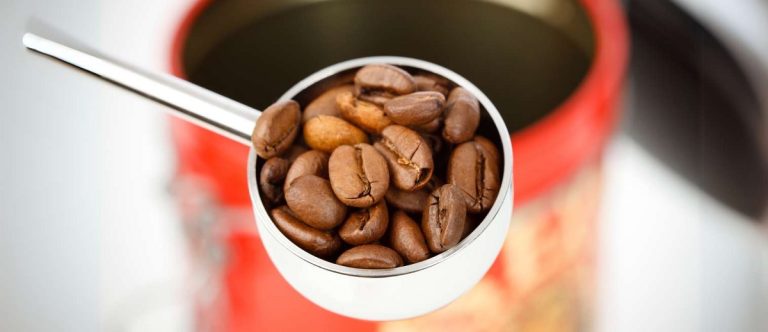
Whole beans preserve natural oils and aromatic compounds that contribute to flavor and body. Grinding beans just before brewing ensures maximum freshness, allowing you to adjust grind size according to your brewing method, whether it’s a percolator, French press, or espresso machine.
Using whole beans provides more control over strength, clarity, and aroma. You can experiment with finer or coarser grinds to achieve the desired extraction rate, which is crucial for maintaining balance in flavor. Whole beans also stay fresher for longer when stored properly in airtight containers, minimizing exposure to light, moisture, and air. For coffee enthusiasts, whole beans are ideal for achieving a superior, customizable brew.
Benefits of Pre-Ground Coffee
Pre-ground coffee offers convenience and speed, making it ideal for busy routines or casual brewing. It eliminates the need for a grinder and allows you to brew coffee quickly, which is especially helpful for large groups or office settings.
While pre-ground coffee can lose freshness faster due to exposure to air, proper storage in airtight, opaque containers can extend its usability. Pre-ground coffee is often uniform in size, providing consistent extraction when used immediately. For people prioritizing ease over control, pre-ground coffee is a practical choice, allowing for quick, reliable brewing with minimal preparation.
Flavor Differences Between Whole Beans and Pre-Ground Coffee
Whole beans generally produce a richer, more aromatic cup because grinding immediately before brewing preserves volatile oils and flavor compounds. The flavor complexity of freshly ground beans is more pronounced, and subtle tasting notes are easier to detect.
Pre-ground coffee can lose its aromatic qualities over time, leading to flatter flavor and reduced aroma. The longer coffee sits after grinding, the more it oxidizes, which diminishes taste and can produce stale or bitter notes. Whole beans provide superior flavor, while pre-ground coffee is convenient but sacrifices some sensory depth. Understanding this difference allows you to choose based on your priorities for taste versus convenience.
Storage and Freshness Considerations
Proper storage is crucial for both whole beans and pre-ground coffee. Whole beans should be kept in airtight, opaque containers in a cool, dry place to preserve oils and aroma. Grinding just before brewing maximizes freshness and flavor.
Pre-ground coffee also benefits from airtight storage but should be consumed quickly to avoid staleness. Exposure to air, moisture, and heat accelerates flavor degradation. Planning storage and measuring portions accordingly ensures consistent quality regardless of whether you use whole beans or pre-ground coffee.
Choosing the Right Option for Your Brew
Selecting between whole beans and pre-ground coffee depends on your priorities. Whole beans are ideal for maximum flavor, aroma, and customization, while pre-ground coffee suits convenience and speed. Consider your brewing method, time availability, and desired taste profile when making a choice.
Experimenting with both options allows you to find the best balance between convenience and flavor. Understanding the benefits, limitations, and storage requirements ensures that each cup you brew is enjoyable, aromatic, and tailored to your preferences, whether using freshly ground beans or pre-ground coffee.
FAQs
How Much Coffee In A Percolator Should I Use?
The standard guideline is 1 tablespoon of coffee per 6 ounces of water. For a percolator, measure water according to its capacity and calculate the coffee needed based on this ratio. Using the correct amount ensures balanced extraction, preventing weak or overly bitter coffee.
Adjust the amount depending on your taste preference and the coffee’s roast level. Stronger coffee can be achieved by increasing the tablespoons slightly, while a milder flavor requires slightly less. Accurate measurement guarantees consistent flavor, aroma, and body in every percolator brew.
Does Percolator Size Affect How Much Coffee I Should Use?
Yes, the size of your percolator directly impacts how much coffee you need. Smaller percolators may hold 4 to 6 cups, while larger models can brew 12 cups or more. Knowing your percolator’s capacity helps you measure coffee and water accurately.
Overfilling a small percolator with too much coffee can cause over-extraction and bitterness, while under-filling a large percolator produces weak, underwhelming coffee. Calculating coffee based on the machine’s capacity ensures consistent strength and flavor, no matter how many cups you are brewing.
Can I Adjust Coffee Amount for Stronger or Weaker Flavor?
Yes, the coffee-to-water ratio can be adjusted to control strength. For stronger coffee, use slightly more coffee per 6 ounces of water. For a lighter brew, reduce the amount slightly.
The grind size and roast type also affect flavor. Coarse grinds extract more slowly and may require more coffee for full flavor, while finer grinds extract quickly and can produce bitterness if overused. Adjusting the coffee amount ensures each percolator batch matches your preferred taste.
How Do I Measure Coffee Accurately for a Percolator?
Using a tablespoon or kitchen scale is the best way to measure coffee accurately. Level tablespoons ensure consistency, while a scale provides precise measurement in grams, which is especially useful for larger batches.
Accurate measurement prevents weak or overly strong coffee and ensures even extraction. Pre-measuring coffee for the percolator allows you to replicate the same strength and flavor consistently, making your brewing process smoother and your coffee reliably enjoyable every time.
Does Grind Size Affect How Much Coffee I Should Use?
Yes, grind size influences the amount of coffee needed. Coarse grounds are ideal for percolators, as they allow water to flow evenly and extract flavor gradually. Finer grinds extract quickly and can make the coffee taste bitter if overused.
When using coarse grounds, the standard ratio of 1 tablespoon per 6 ounces of water works well. If you use slightly finer grounds, reduce the amount slightly to prevent over-extraction. Choosing the correct grind and adjusting coffee quantity ensures a smooth, flavorful percolator brew.
How Can I Scale Coffee Amount for Large Groups?
Scaling for large groups involves multiplying the coffee-to-water ratio by the total number of cups needed. For example, a 12-cup percolator requires about 12 to 24 tablespoons of coffee depending on desired strength.
Measure both water and coffee accurately to maintain consistent flavor across the batch. Using coarse grounds and following standard ratios ensures balanced extraction for every cup. Proper scaling prevents weak or bitter coffee and allows you to serve large groups efficiently while maintaining the full flavor and aroma of the percolator brew.
Final Words
Brewing coffee in a percolator is all about balance and precision. Using the right amount of coffee ensures a flavorful, aromatic cup without bitterness or weakness. Paying attention to the coffee-to-water ratio, grind size, and brewing time helps you achieve consistent results every time.
When deciding How Much Coffee In A Percolator, it’s important to consider both the percolator’s capacity and your desired strength. Typically, one to two tablespoons of coffee per 6-ounce cup works well, but adjustments may be needed based on grind size and roast type. Accurate measurement prevents over-extraction or under-extraction, making each cup smooth and enjoyable.
Ultimately, careful preparation and attention to detail make percolator coffee convenient and delicious. Understanding How Much Coffee In A Percolator allows you to brew efficiently for yourself or guests while maintaining rich flavor and aroma from the first sip to the last.