What Is a Filtered Coffee: Brewing Methods, Flavor Tips, and Health Benefits
Coffee brewing comes in many forms, each offering a unique taste and experience. Among these, filtered coffee has become a popular choice for those who enjoy a clean, smooth cup without the heaviness of unfiltered methods. Its preparation highlights the natural flavors of the beans, making each sip more nuanced and enjoyable.
Understanding the process helps coffee drinkers appreciate why filtered coffee stands out. It involves passing hot water through ground coffee and a paper or metal filter, which separates the liquid from the grounds. This method captures delicate flavors while reducing sediment and bitterness, resulting in a lighter, more aromatic cup.
Many people wonder about the characteristics that make filtered coffee distinct. Exploring its taste, brewing techniques, and equipment can clarify why it has gained widespread popularity across homes and cafés.
For those curious about everyday coffee rituals, knowing the answer to the question, What Is a Filtered Coffee? provides insight into both the art and science of brewing.
Brewing Techniques For Filtered Coffee
Filtered coffee offers a clean, flavorful experience that highlights the unique characteristics of your beans. The method emphasizes clarity, body, and aroma, making it a favorite among coffee enthusiasts. Various brewing techniques exist, each with specific equipment and processes that influence extraction and taste. Understanding these methods helps you achieve a consistent, satisfying cup every time.
Pour-Over Brewing Method
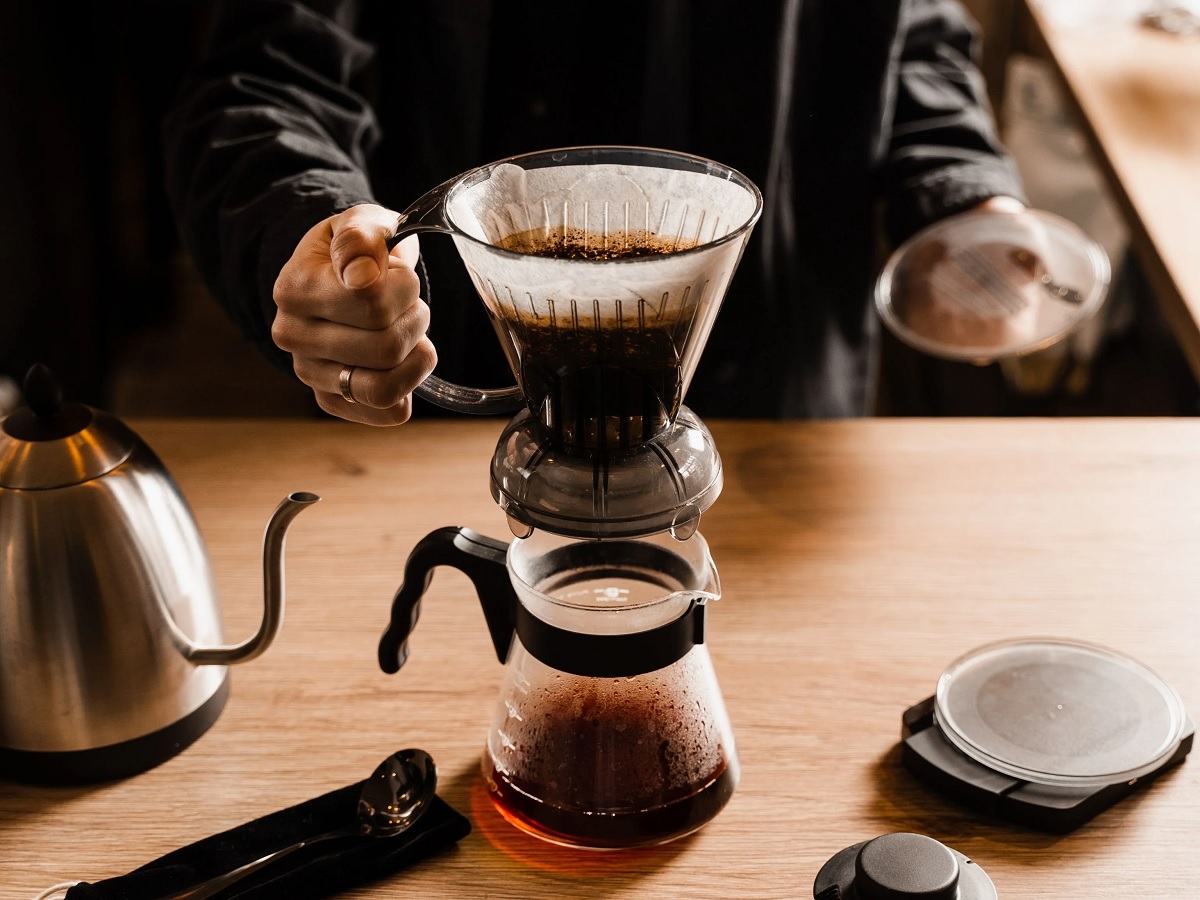
The pour-over method is one of the most popular ways to brew filtered coffee, known for its control and precision. It involves placing a paper or metal filter in a dripper, adding ground coffee, and pouring hot water slowly over the grounds in a circular motion. This technique allows for gradual extraction, bringing out subtle flavors and maintaining the bean’s natural sweetness.
You control the water flow, temperature, and bloom time, which all influence the final cup. Pour-over brewing typically produces a clean, bright coffee with medium body, making it ideal for highlighting Arabica’s nuanced flavors. Equipment ranges from simple cone drippers to more advanced devices with precise temperature control. The process is mindful and hands-on, rewarding attention to detail with a refined, flavorful cup that reveals the complexity of the beans.
Chemex Brewing Method
The Chemex method is a visually striking and effective way to brew filtered coffee. It uses a thick paper filter that removes most oils and fine sediments, producing an exceptionally clean and crisp cup. The brewing process involves adding ground coffee to the filter and pouring hot water gradually, allowing the liquid to extract evenly.
Chemex brewing emphasizes precision and patience. The thick filter slows the flow of water, extending contact time and enhancing flavor clarity. The resulting coffee has a bright, smooth taste with light to medium body and minimal bitterness. This method is ideal for showcasing single-origin beans, as it highlights delicate fruity, floral, and nutty notes. The elegant design also makes it a centerpiece in many kitchens and cafés, combining aesthetic appeal with high-quality brewing performance.
Automatic Drip Coffee Makers
Automatic drip coffee makers offer convenience without sacrificing much quality, making filtered coffee accessible for daily use. These machines heat water to an optimal temperature and evenly pour it over coffee grounds in a filter, extracting flavor consistently without manual intervention.
Modern drip coffee makers allow adjustments in brew strength, temperature, and timing, giving users some control over the flavor profile. The extraction tends to produce a balanced, medium-bodied cup suitable for various palates. While it may lack the hands-on precision of pour-over or Chemex methods, drip brewing delivers reliable results quickly, ideal for households or offices where convenience is a priority. It also works well with both Arabica and Robusta blends, adapting to different flavor and caffeine preferences.
Cold Brew Filtered Coffee
Filtered coffee isn’t limited to hot brewing; cold brew techniques also use filtration to achieve a smooth, refreshing beverage. Ground coffee is steeped in cold water for 12 to 24 hours and then filtered through a fine mesh or paper filter to remove solids.
Cold brew extraction produces low-acidity coffee with subtle sweetness and a full, smooth body. The slow brewing process minimizes bitterness while concentrating flavor, resulting in a mellow yet flavorful cup. It can be served over ice or mixed with milk and flavorings, making it versatile for warm weather or specialty drinks. Cold brew filtered coffee highlights the adaptability of filtered methods, showing that clean extraction can enhance flavor in both hot and cold applications.
Factors Affecting Filtered Coffee Brewing
The brewing process for filtered coffee depends on several factors, including grind size, water temperature, and pouring technique. A medium to medium-coarse grind is typically ideal for pour-over and drip methods, ensuring proper extraction without over-extraction or under-extraction. Water temperature between 195°F and 205°F helps dissolve soluble compounds evenly, balancing acidity, sweetness, and bitterness.
Pouring technique and contact time also significantly influence the outcome. Slow, controlled pouring ensures uniform saturation and extraction, while improper water distribution can result in uneven flavor. Adjusting these variables allows you to fine-tune the taste, emphasizing either brightness, body, or sweetness. Understanding these factors is key to mastering filtered coffee brewing and achieving a cup that consistently reflects the unique characteristics of your beans.
Flavor Profile And Taste Experience
The flavor profile and taste experience of coffee are essential in defining how enjoyable each cup feels. Different brewing methods, bean types, and roast levels bring out distinct flavors and aromas. Understanding these elements helps you appreciate subtle notes, acidity, body, and aftertaste, enhancing both casual and connoisseur coffee experiences. A well-prepared cup delivers balance, complexity, and satisfaction with every sip.
Taste Characteristics Of Arabica Coffee
Arabica coffee is widely celebrated for its smooth, nuanced flavor profile. It typically has a natural sweetness balanced with mild acidity, often revealing notes of fruit, chocolate, nuts, or floral undertones. These flavors are delicate yet pronounced, creating a layered experience that evolves as the coffee cools. Arabica’s low bitterness makes it approachable for daily drinking and specialty preparations alike.
The mouthfeel of Arabica is generally lighter and softer, allowing subtle flavors to shine. Its moderate acidity contributes brightness without sharpness, highlighting the unique qualities of the bean’s origin. Brewing methods like pour-over or Chemex further enhance these characteristics, emphasizing clarity and aroma. This makes Arabica ideal for flavor-focused coffee experiences, where the complexity and harmony of each cup take center stage.
Arabica’s flavor versatility also allows it to pair well with milk, syrups, and other additives without losing its distinct taste. These qualities have made Arabica the preferred choice for many cafés and specialty coffee products worldwide, emphasizing a smooth and refined drinking experience.
Bold And Strong Flavors In Robusta Coffee
Robusta coffee contrasts sharply with Arabica, offering a stronger, more intense taste. Its flavor is often described as earthy, woody, or nutty, with a pronounced bitterness that gives it a powerful presence in any cup. This bold profile contributes to a heavier body and longer-lasting aftertaste.
The higher caffeine content in Robusta enhances both bitterness and strength, producing a punchy, energizing experience. Its dense, robust nature makes it ideal for espresso blends, instant coffee, and milk-based drinks where flavor intensity is a priority. Despite having less complexity than Arabica, Robusta delivers reliability and consistency, providing a solid, full-bodied coffee that many enjoy for its strength.
Robusta’s boldness also means it pairs exceptionally well with milk or sugar, balancing the bitterness while maintaining a strong coffee identity. Its flavor may not be delicate, but it brings depth and intensity to blends that demand presence and character.
Aroma And Sensory Experience
Aroma plays a crucial role in the flavor experience of both Arabica and Robusta. Arabica releases fragrant, inviting scents often described as floral, fruity, or chocolatey. This aroma prepares the palate and complements the gentle flavor, adding depth to the coffee-drinking experience.
Robusta emits a stronger, more direct aroma, often earthy, nutty, or even slightly smoky. While less nuanced than Arabica, this aroma signals the boldness of the cup and enhances the perception of strength. Together with taste, aroma shapes the overall sensory experience, influencing perception of body, acidity, and sweetness.
The combination of smell, taste, and mouthfeel makes each coffee unique. Arabica emphasizes delicacy and clarity, while Robusta highlights boldness and presence. Recognizing these differences allows you to choose beans that match your preferred coffee experience, whether subtle and layered or strong and energizing.
How Roast Levels Influence Flavor
Roast levels also significantly affect the flavor profile and taste experience. Lighter roasts tend to preserve the original flavors of the bean, emphasizing acidity, fruitiness, and subtle notes. This makes them ideal for highlighting Arabica’s complexity.
Medium and dark roasts bring out deeper, roasted flavors such as chocolate, caramel, and smoky undertones. These roasts often complement Robusta’s boldness by reducing harsh bitterness while enhancing body and richness. Choosing the right roast allows you to tailor the flavor experience to your preferences, whether you seek brightness, sweetness, or intensity in your cup.
The interplay of bean type, roast level, and brewing method creates endless possibilities for taste. By understanding these factors, you can explore a wide spectrum of flavor profiles, discovering new nuances and building a personalized coffee experience.
Choosing The Right Coffee Beans
Selecting the right coffee beans is essential for creating a cup that matches your taste, energy needs, and brewing style. Bean type, origin, roast level, and freshness all influence flavor, aroma, and strength. Understanding these factors helps you make informed choices and ensures your coffee consistently delivers the experience you want, whether smooth and mild or bold and energizing.
Arabica Vs Robusta Beans
When choosing coffee beans, one of the first decisions involves selecting between Arabica and Robusta. Arabica beans are prized for their smooth, sweet flavor with subtle acidity, making them ideal for delicate brewing methods like pour-over or Chemex. They have a lighter body, more complex aroma, and lower caffeine content, making them suitable for everyday drinking or specialty coffee.
Robusta beans offer a contrasting experience. They are stronger, more bitter, and heavier-bodied, with almost double the caffeine of Arabica. Robusta is perfect for espresso blends, instant coffee, or milk-based drinks where boldness and body are important. Many blends combine Arabica and Robusta to balance flavor, sweetness, and strength, giving drinkers a versatile option that performs well across brewing methods.
Your choice between these beans depends on your taste preference and caffeine tolerance. Arabica emphasizes flavor complexity, while Robusta focuses on intensity and energy. Understanding this difference is the first step in finding beans that suit your coffee style.
Considering Roast Levels
Roast level greatly impacts the flavor and aroma of your coffee. Light roasts preserve the natural flavors of the beans, emphasizing acidity, fruitiness, and origin-specific notes. Medium roasts balance brightness and body, creating a smooth, versatile cup. Dark roasts highlight roasted flavors, caramel, and chocolate undertones while reducing acidity and enhancing boldness.
Choosing the correct roast depends on both bean type and brewing method. Arabica shines in lighter or medium roasts where delicate flavors are highlighted. Robusta often benefits from medium to dark roasts that soften its bitterness and emphasize body and intensity. Your preferred taste experience—bright and nuanced or strong and bold—guides your roast selection.
Freshness And Bean Storage
Freshness is critical for selecting coffee beans. Beans begin to lose flavor and aroma shortly after roasting, so buying recently roasted beans ensures maximum quality. Whole beans retain freshness longer than pre-ground coffee, preserving essential oils and volatile compounds that contribute to taste.
Proper storage is equally important. Beans should be kept in an airtight container, away from light, heat, and moisture. Avoid storing in the fridge or freezer for daily use, as condensation can affect flavor. By paying attention to freshness and storage, you maintain the quality of your coffee and ensure each cup delivers the intended aroma, flavor, and body.
Matching Beans With Brewing Methods
Different brewing methods highlight specific qualities in coffee beans. Pour-over and Chemex emphasize clarity and subtle flavors, making light to medium Arabica ideal. Drip coffee machines offer balanced extraction and work well with medium roasts of both Arabica and blended beans. Espresso and moka pot brewing benefit from dark or medium-dark roasts, often incorporating Robusta for strength and crema.
Choosing the right beans for your preferred brewing style ensures you get the most out of each cup. Considering bean type, roast level, freshness, and extraction behavior helps create a consistent, enjoyable coffee experience tailored to your taste and routine.
Health Benefits And Nutritional Aspects
Coffee offers more than just flavor and energy; it also provides several health benefits and nutritional advantages. Its bioactive compounds, antioxidants, and moderate caffeine content contribute to physical and mental well-being. Understanding how different coffee types affect the body helps you enjoy your daily cup while supporting overall health.
Antioxidants And Disease Prevention
Coffee is rich in antioxidants, particularly chlorogenic acids, which help neutralize free radicals and reduce oxidative stress. These compounds support cellular health and may lower the risk of chronic diseases, including certain types of heart disease and diabetes. Arabica coffee generally contains slightly higher levels of antioxidants than Robusta due to its milder roasting profile and delicate bean composition.
You can benefit from these antioxidants whether you drink filtered coffee, espresso, or brewed blends. Regular moderate consumption is associated with improved metabolic function, reduced inflammation, and enhanced cardiovascular support. The antioxidants also play a role in protecting liver health, helping maintain detoxification processes. By choosing quality beans and avoiding excessive sugar or high-calorie additives, coffee can serve as a functional and healthful part of your diet.
Mental Alertness And Cognitive Function
Caffeine is a key contributor to coffee’s effect on mental performance. Arabica coffee, with moderate caffeine levels, provides a gentle boost in focus, concentration, and alertness without causing overstimulation. Robusta, with higher caffeine content, delivers a stronger energizing effect, which can enhance mental stamina and reaction times during demanding tasks.
Regular consumption of coffee has been linked to improved cognitive function and a lower risk of neurodegenerative diseases. The combination of caffeine and antioxidants helps support brain health by reducing inflammation and protecting neurons from oxidative damage. For many people, a cup of coffee improves mood, reduces fatigue, and enhances productivity, making it a functional beverage beyond just taste and aroma.
Essential Nutrients And Caloric Impact
Coffee contains small amounts of essential nutrients, including vitamins B2, B3, and B5, magnesium, and potassium. While not a primary source of nutrition, these compounds contribute to overall health when included in a balanced diet. Arabica beans often provide a smoother, less bitter flavor that encourages moderate consumption, while Robusta’s intensity may influence intake patterns.
The calorie content of coffee is naturally low, especially when consumed black or with minimal additives. Avoiding excessive sugar, syrups, or cream ensures you receive its health benefits without extra calories. By understanding the nutritional profile and choosing beans suited to your taste, coffee can be incorporated into a healthy lifestyle that supports energy, cognition, and general well-being.
Frequently Asked Questions
What Is a Filtered Coffee?
You may wonder what makes filtered coffee different from other brewing methods. Filtered coffee involves pouring hot water over ground coffee contained in a filter, usually made of paper, metal, or cloth. The filter separates the liquid coffee from the grounds, resulting in a clean and smooth cup.
You experience less sediment and reduced bitterness compared to unfiltered methods. The extraction highlights subtle flavors, acidity, and aroma, making each sip clear and balanced. Filtered coffee is versatile, allowing you to enjoy both light and medium-bodied brews depending on bean type and roast.
How Is Filtered Coffee Different From Espresso?
You notice a key difference between filtered coffee and espresso in preparation and taste. Filtered coffee is brewed slowly, often over several minutes, while espresso uses high pressure to extract coffee quickly. This results in a stronger, concentrated shot for espresso versus a lighter, cleaner cup for filtered coffee.
The flavor of filtered coffee is more delicate, with pronounced aroma and acidity, whereas espresso is bold, thick, and has a rich crema. The brewing method directly affects body and intensity, making filtered coffee ideal for savoring subtle notes and espresso perfect for a quick, powerful energy boost.
What Equipment Do You Need To Make Filtered Coffee?
You can brew filtered coffee using various equipment depending on your preference. Common tools include pour-over drippers, Chemex, automatic drip machines, or even a simple filter cone with a carafe. Paper or metal filters are essential to separate the grounds from the liquid.
You also need freshly ground coffee and hot water at the correct temperature, usually between 195°F and 205°F. Precise pouring techniques and proper steeping time help you extract optimal flavors. With these tools, you can create a smooth, aromatic cup that emphasizes clarity and balance in each sip.
What Type Of Coffee Beans Work Best For Filtered Coffee?
You generally want beans that bring out flavor clarity and nuanced notes when making filtered coffee. Arabica beans are often preferred because they are smoother, less bitter, and more aromatic. Single-origin beans are ideal for highlighting unique flavors.
Medium to light roasts tend to work best, preserving the bean’s natural sweetness and acidity. You can experiment with grind size to match your brewing method—medium-fine for pour-over and medium-coarse for drip machines. Choosing quality beans ensures a balanced, flavorful cup with minimal bitterness or sediment.
How Does Brewing Time Affect Filtered Coffee?
You notice that brewing time directly influences flavor, strength, and aroma in filtered coffee. Longer contact between water and coffee grounds increases extraction, enhancing body and intensity, while shorter brewing time produces a lighter, more acidic cup.
For pour-over and Chemex, slow, controlled pouring over several minutes ensures even extraction and highlights delicate flavors. Automatic drip machines offer preset timing but may vary in strength depending on grind size. Adjusting brewing time lets you customize your cup to match personal taste preferences, from smooth and mild to bright and flavorful.
Can Filtered Coffee Be Made Cold?
You can make filtered coffee cold using cold brew methods, which still rely on a filtration process. Ground coffee is steeped in cold water for 12 to 24 hours, then filtered to remove solids, resulting in a smooth, low-acidity beverage.
Cold filtered coffee is naturally sweeter and less bitter than hot brews. You can enjoy it over ice or mix it with milk, syrups, or flavorings. This method preserves the clarity and aroma of the beans while providing a refreshing alternative for warmer weather or those seeking a mellow, easy-to-drink coffee.
Final Thoughts
Filtered coffee offers a versatile and approachable way to enjoy a smooth, flavorful cup tailored to your taste. Whether you prefer a gentle, aromatic brew from a pour-over or a convenient drip machine, this method highlights the unique characteristics of the beans while controlling strength and acidity. Paying attention to grind size, water temperature, and brewing time ensures a balanced and satisfying experience every time.
Understanding the brewing process and bean selection makes a significant difference in flavor. Light to medium roasts often bring out brighter, nuanced notes, while the right equipment and filters help extract the coffee’s best qualities. The method also provides a lower sediment content, creating a clean, crisp taste that many coffee enthusiasts appreciate.
Ultimately, [What Is a Filtered Coffee?] boils down to its simplicity and adaptability. It allows anyone—from casual drinkers to coffee connoisseurs—to experiment, enjoy, and savor a personalized cup, making it a staple brewing choice worldwide.