How Much Caffeine is in Folgers Coffee? Get the Exact Numbers
Coffee is a morning ritual for millions of people, offering comfort, flavor, and a much-needed energy boost. Among the many brands available, Folgers has long been a household favorite, known for its consistent taste and accessibility. While many enjoy the familiar aroma and flavor, there is increasing curiosity about its caffeine content and how it compares to other popular coffee brands.
Caffeine is the main stimulant in coffee, responsible for enhancing alertness, focus, and even mood. Understanding the amount of caffeine in your daily cup is important for managing energy levels and overall health. Folgers coffee comes in various roasts and blends, each with slightly different caffeine levels, which can influence how it affects the body.
Consumers often want to gauge how strong their morning coffee is in terms of caffeine content. Knowing the specifics helps with timing coffee intake and avoiding potential side effects like jitters or disrupted sleep.
Exploring How Much Caffeine is in Folgers Coffee? provides clarity for both casual drinkers and those monitoring their caffeine intake closely. This discussion examines different Folgers products, brewing methods, and serving sizes to give a clear picture of caffeine levels in each cup.
Caffeine Content in Different Folgers Coffee Varieties
Folgers offers a wide range of coffee options, from classic roasts to specialty blends and decaf varieties. Each variety differs in flavor, roast level, and caffeine content, which influences how it affects energy and alertness. Understanding the caffeine content in different Folgers products helps consumers make informed choices based on taste preferences, lifestyle, and daily caffeine goals.
Folgers Classic Roast
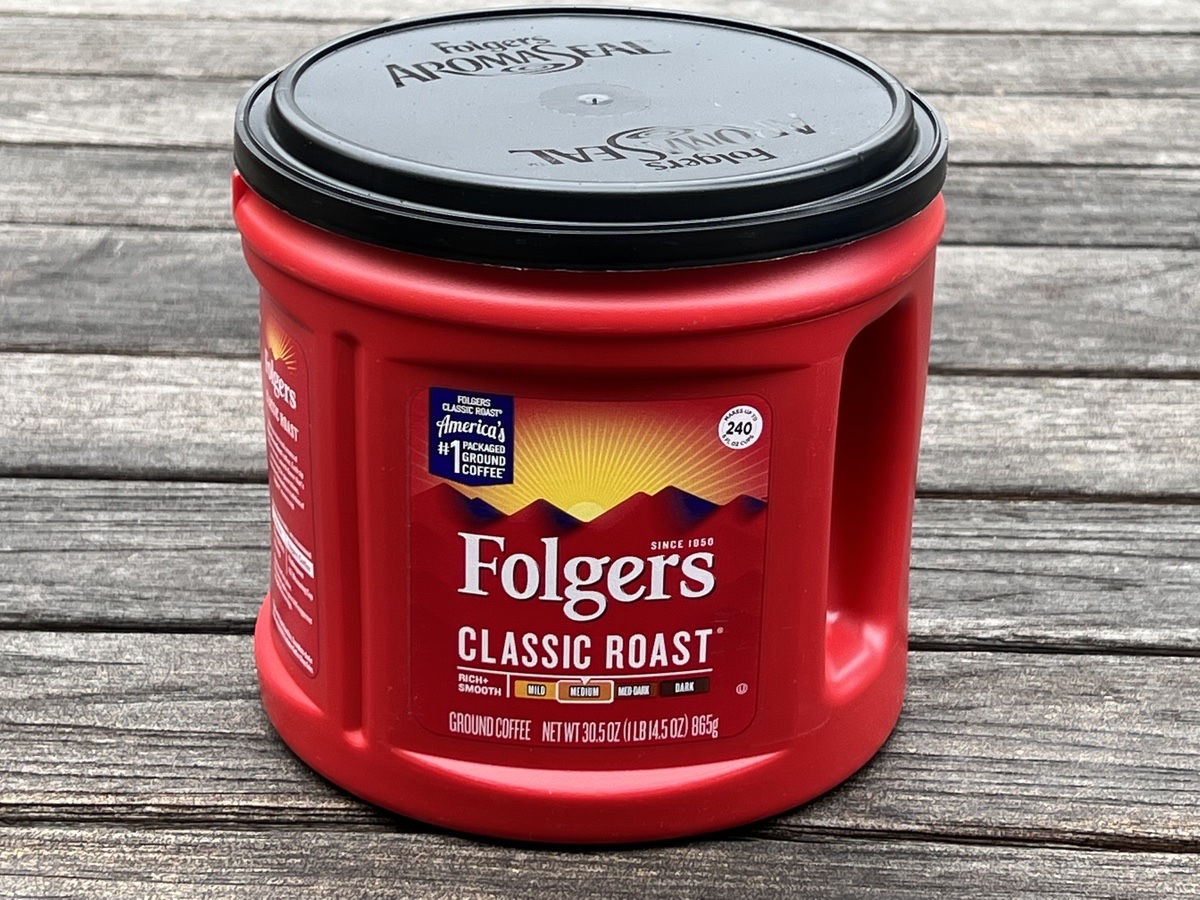
Folgers Classic Roast is one of the brand’s most popular offerings, known for its smooth and balanced flavor. As a medium roast, it provides a reliable caffeine boost without being overly strong. A standard 8-ounce cup contains approximately 95 milligrams of caffeine, though slight variations may occur depending on brewing methods and grind size.
The medium roast level plays a role in caffeine content, as roasting can slightly reduce caffeine per bean. Classic Roast is versatile, suitable for drip coffee makers, pour-over brewing, and single-serve machines. Its moderate caffeine content makes it ideal for those who want alertness without intense stimulation.
For regular coffee drinkers, Classic Roast offers a dependable morning boost. Pairing it with milk or cream does not alter caffeine content but can influence absorption speed and overall experience. This variety is often the starting point for comparing caffeine levels in other Folgers options.
Folgers Classic Roast balances taste and energy, making it accessible for daily consumption. Its caffeine level is sufficient to improve focus while remaining moderate enough for mid-morning or afternoon enjoyment without causing jitters.
Folgers Breakfast Blend
Folgers Breakfast Blend is a lighter roast designed for a bright, smooth flavor. Lighter roasts generally retain slightly more caffeine than darker roasts, giving this variety a subtle energy advantage. An 8-ounce cup typically contains around 90 to 100 milligrams of caffeine, providing a gentle yet effective boost to start the day.
The lighter roast enhances natural flavor notes without sacrificing the stimulating effects of caffeine. Breakfast Blend is particularly popular among those who prefer a milder taste but still rely on coffee for focus and alertness. Its aroma is often described as lively and inviting, complementing the moderate caffeine content.
Brewing methods influence the final caffeine concentration. For example, drip brewing may extract slightly more caffeine than a single-serve pod, while French press methods can yield a stronger cup depending on steeping time. For those tracking caffeine intake, understanding how preparation impacts content is useful.
Breakfast Blend’s caffeine level makes it suitable for multiple cups throughout the day without excessive stimulation. It’s an ideal choice for individuals who want a steady energy boost while enjoying a lighter, flavorful coffee experience.
Folgers Black Silk and Dark Roast Varieties
Folgers Black Silk and other dark roast varieties offer a richer, bolder flavor profile. Dark roasts are often perceived as stronger, but the roasting process slightly reduces caffeine content per bean compared to lighter roasts. A standard 8-ounce cup of Black Silk contains roughly 90 milligrams of caffeine, similar to Breakfast Blend.
The bold taste of dark roasts appeals to coffee lovers who enjoy deep, robust flavors. Despite perceptions, the caffeine content is moderate, and it provides an energizing cup without the intense buzz sometimes associated with high-caffeine coffees. Serving size and brewing method can alter caffeine extraction, so measuring portions carefully ensures consistency.
Dark roasts are ideal for those who enjoy strong flavor with manageable caffeine levels. Espresso-style preparation or concentrated brewing can increase caffeine per ounce, making these varieties versatile for different preferences. Folgers Black Silk, in particular, balances flavor and caffeine, providing a satisfying coffee experience.
Understanding that roasting level does not always equal caffeine strength helps consumers make informed choices. Folgers’ dark roasts deliver bold taste and moderate energy, suitable for daily consumption or afternoon pick-me-ups.
Decaf Folgers Options
Folgers also offers decaffeinated varieties for individuals sensitive to caffeine or seeking late-day consumption. Decaf coffee undergoes processes to remove most caffeine, typically leaving about 2–5 milligrams per 8-ounce cup—significantly lower than regular varieties.
Decaf provides the familiar coffee flavor without the stimulating effects of caffeine. While it does not contribute meaningfully to energy or alertness, it allows coffee drinkers to enjoy multiple cups throughout the day without impacting sleep or causing jitters. Brewed similarly to regular coffee, decaf maintains aroma, body, and taste while minimizing caffeine-related concerns.
Decaf options are particularly useful for those managing caffeine intake due to medical conditions, pregnancy, or personal sensitivity. They offer flexibility and comfort without sacrificing the ritual or social aspects of drinking coffee.
Factors That Affect Caffeine Levels in Folgers Coffee
Caffeine levels in Folgers coffee are influenced by more than just the type of beans or roast. Several factors, including the grind size, brewing method, water temperature, and serving size, play a role in determining the final caffeine content in your cup. Understanding these factors helps coffee drinkers control their caffeine intake for energy, focus, or health reasons.
Roast Level and Bean Type
The type of coffee bean and its roast level significantly affect caffeine content. Folgers primarily uses Arabica beans, which generally have slightly lower caffeine than Robusta beans. Light roasts retain more caffeine per bean because the roasting process has less time to degrade caffeine, whereas dark roasts, including Folgers Black Silk, lose a small amount of caffeine during longer, higher-temperature roasting.
Bean origin and variety also influence caffeine levels. Beans from different regions naturally contain varying amounts of caffeine, which can affect the final cup even within the same Folgers blend. Medium roasts, such as Folgers Classic Roast, offer a balance between flavor and moderate caffeine content, making them ideal for daily consumption.
Understanding the role of roast level and bean type helps consumers anticipate caffeine strength. Those seeking more alertness may prefer lighter roasts, while dark roasts offer a bold flavor with slightly less caffeine per bean. Knowing these distinctions allows coffee drinkers to select the right Folgers variety based on both taste and caffeine needs.
Brewing Method
How coffee is brewed directly impacts the amount of caffeine extracted. Drip brewing is one of the most common methods for Folgers coffee and typically extracts a moderate amount of caffeine per cup. Espresso, despite its smaller volume, produces a concentrated caffeine dose, while cold brew generally yields slightly lower caffeine due to lower extraction temperatures over a long steeping period.
Water contact time, grind size, and filtration type also influence caffeine extraction. Finer grinds increase surface area, allowing for more caffeine to dissolve, while coarser grinds result in slightly less. Similarly, prolonged steeping in French press or pour-over methods can extract more caffeine than quick brewing techniques.
Adjusting brewing parameters allows coffee drinkers to customize caffeine content without changing the coffee itself. Understanding how brewing affects extraction empowers individuals to enjoy Folgers coffee at desired strength and stimulation levels, whether for a morning boost or an afternoon pick-me-up.
Serving Size and Water-to-Coffee Ratio
The serving size and the amount of coffee used per cup directly impact caffeine intake. Larger cups or stronger coffee-to-water ratios result in higher caffeine content. For example, a standard 8-ounce cup contains around 95 milligrams of caffeine, but increasing the serving to 12 ounces or using extra scoops of coffee can raise total caffeine significantly.
The water-to-coffee ratio also influences extraction efficiency. Using more water relative to coffee can dilute caffeine per ounce, while using less water with the same amount of coffee creates a stronger, more concentrated cup. Consistency in measuring coffee portions ensures reliable caffeine intake and predictable energy levels.
Monitoring portion sizes and brewing ratios allows coffee drinkers to control stimulation and avoid excessive caffeine consumption. For those sensitive to caffeine, smaller servings or lighter ratios can provide the flavor of Folgers coffee without overwhelming effects.
Additional Factors: Grind Size and Water Temperature
Grind size and water temperature are subtle yet impactful factors affecting caffeine extraction. Finer grounds release more caffeine during brewing because they provide greater surface area. Coarser grounds, on the other hand, slow extraction and result in slightly lower caffeine per cup.
Water temperature also plays a role. Hotter water extracts caffeine more efficiently, while cooler water, such as in cold brew, produces less concentrated caffeine levels. Even minor variations in temperature can influence the final caffeine content, especially for precision brewing methods.
Understanding grind and temperature factors allows coffee drinkers to tailor caffeine content to personal preferences. Combined with roast selection, brewing method, and serving size, these variables give Folgers coffee enthusiasts flexibility in balancing flavor, aroma, and desired stimulation.
Tips for Managing Caffeine Intake With Folgers Coffee
Caffeine is a powerful stimulant, but too much can cause jitters, sleep disruption, or increased heart rate. Folgers coffee offers a variety of blends and roasts, each with different caffeine levels. Understanding practical strategies to manage intake allows coffee lovers to enjoy flavor and energy while maintaining control over how much caffeine enters their system each day.
Monitor Portion Sizes
One of the simplest ways to manage caffeine intake is by controlling portion sizes. An 8-ounce cup of Folgers Classic Roast contains roughly 95 milligrams of caffeine, but larger servings or multiple cups throughout the day can quickly increase total intake. Measuring coffee carefully and using standard serving sizes helps ensure caffeine consumption remains within safe limits.
Spacing cups of coffee throughout the day is also important. Drinking several cups in quick succession may intensify the stimulating effects, leading to jitters or anxiety. By spacing consumption, your body can metabolize caffeine more efficiently, providing steady alertness without overstimulation. Individuals sensitive to caffeine should consider limiting themselves to one or two cups, especially later in the day, to avoid disrupting sleep patterns.
Pairing coffee with meals or snacks may further moderate caffeine absorption. Adding milk, cream, or plant-based alternatives can slow the absorption rate slightly, reducing sudden energy spikes. Simple awareness of portion sizes and spacing can make Folgers coffee both enjoyable and manageable for daily routines.
Choose Lower-Caffeine Varieties
Selecting Folgers blends with naturally lower caffeine content is another effective strategy. Light roasts, such as Folgers Breakfast Blend, retain slightly more caffeine per bean, whereas dark roasts like Black Silk have marginally less. Decaf Folgers options are ideal for minimizing caffeine entirely while maintaining coffee flavor.
Brewing method also affects caffeine concentration. Cold brew typically contains less caffeine per ounce than drip or espresso-style preparations, while smaller servings of espresso offer concentrated caffeine in a limited volume. For those monitoring intake, choosing lower-caffeine beans and brewing methods ensures energy without exceeding safe levels.
Combining these choices with mindful portion control allows you to enjoy multiple cups of coffee without overstimulating the system. Regularly alternating between higher- and lower-caffeine Folgers options can help maintain consistent energy while avoiding dependence or side effects.
Adjust Brewing Techniques
Brewing methods and coffee strength significantly influence caffeine levels in your cup. Using fewer scoops of coffee per pot or adjusting grind size to slightly coarser grounds can lower caffeine extraction during brewing. Shorter brewing times also reduce the total caffeine dissolved in each cup.
Water temperature is another consideration. Hotter water extracts more caffeine efficiently, while slightly cooler water may reduce caffeine concentration without impacting flavor drastically. Using these techniques allows control over caffeine intake while still producing a satisfying cup of Folgers coffee.
Awareness of brewing adjustments, combined with portion monitoring and lower-caffeine selections, gives coffee drinkers flexibility. These strategies help manage daily caffeine levels effectively, supporting steady energy and alertness while minimizing risks associated with excessive consumption.
FAQs
How Much Caffeine Is in a Cup of Folgers Classic Roast?
A standard 8 oz cup of Folgers Classic Roast contains about 95 mg of caffeine. This amount can vary slightly depending on how strong you brew your coffee and the grind size you use. If you prefer a bolder flavor or a stronger cup, using more coffee grounds per serving will increase the caffeine content.
For comparison, this level is similar to other medium-roast coffees. You can enjoy your morning cup knowing it provides a moderate caffeine boost without being overly stimulating. Adjust your serving size to match your personal tolerance and energy needs.
Does Folgers Instant Coffee Have Less Caffeine Than Brewed Coffee?
Yes, Folgers Instant Coffee generally contains less caffeine than freshly brewed Folgers coffee. An 8 oz cup of instant coffee typically has about 60-80 mg of caffeine, depending on how strong you make it. The instant coffee is convenient but slightly weaker in caffeine content due to processing.
If you want a quicker cup without sacrificing too much energy, instant coffee is a good choice. You can also adjust the amount of powder per cup to control caffeine levels based on your daily intake goals.
How Much Caffeine Is in Folgers Decaf Coffee?
Folgers Decaf Coffee isn’t completely caffeine-free. An 8 oz cup contains roughly 2-5 mg of caffeine. The decaffeination process removes most caffeine but leaves a tiny amount behind. This is significantly lower than regular Folgers coffee, making it a good option if you want to avoid caffeine later in the day.
Decaf is suitable for people sensitive to caffeine or those trying to reduce intake. You can enjoy multiple cups of Folgers Decaf without worrying about disrupting your sleep or causing jitteriness.
How Does Brewing Method Affect Folgers Coffee Caffeine?
The brewing method can have a big impact on the caffeine content in your Folgers cup. Drip coffee usually extracts more caffeine than single-serve methods, while French press can yield slightly higher caffeine depending on steeping time. Espresso-style brews are concentrated, giving more caffeine per ounce but smaller serving sizes.
To control caffeine intake, consider your brewing technique. Adjusting water temperature, brewing time, and the coffee-to-water ratio allows you to enjoy Folgers coffee at your preferred strength while managing caffeine levels effectively.
Is There More Caffeine in Dark Roast or Light Roast Folgers Coffee?
Contrary to popular belief, dark roast coffee does not necessarily have more caffeine than light roast. Folgers dark roast may taste stronger, but caffeine content is usually similar or slightly lower than medium or light roasts by volume. Lighter roasts retain slightly more caffeine because prolonged roasting can reduce caffeine minimally.
If you are looking for a higher caffeine boost, focus on how much coffee you brew rather than roast type. Measuring scoops accurately and brewing to your preferred strength matters more than choosing dark or light roast for caffeine.
Can Folgers Coffee Affect Sleep or Cause Jitters?
Yes, the caffeine in Folgers Coffee can affect your sleep or cause jitters if you consume it in excess. A standard 8 oz cup of regular Folgers contains about 95 mg of caffeine, which can stimulate your nervous system. Drinking multiple cups late in the day may disrupt sleep or cause anxiety for sensitive individuals.
To avoid these effects, stick to moderate consumption, switch to decaf later in the day, and pay attention to your body’s response. Timing your coffee intake wisely ensures you enjoy its benefits without negative side effects.
How Can I Reduce Caffeine Intake While Drinking Folgers Coffee?
If you want to lower your caffeine intake, there are several strategies you can use. Mixing decaf Folgers with regular coffee reduces overall caffeine, while using smaller cups or shorter brew times also helps. Instant coffee is another option, as it generally contains less caffeine per serving.
Paying attention to the coffee-to-water ratio allows you to enjoy the flavor you love without overconsuming caffeine. Moderation and mindful brewing can let you enjoy Folgers coffee daily while keeping caffeine within safe levels for your body.
Final Thoughts
Understanding the caffeine content in Folgers coffee helps drinkers make informed choices about their daily energy intake. Different varieties, roast levels, and brewing methods all influence the amount of caffeine in each cup. By considering these factors, coffee enthusiasts can enjoy their favorite Folgers blends while managing stimulation, alertness, and overall health.
Knowing How Much Caffeine is in Folgers Coffee? is particularly helpful for those monitoring their intake for health reasons or for maintaining consistent energy throughout the day. Classic Roast, Breakfast Blend, and dark roasts offer moderate caffeine, while decaf options provide flavor without significant stimulation. Awareness of portion sizes, brewing techniques, and serving frequency further enhances control over daily caffeine consumption.
By combining careful selection of coffee type with mindful brewing and hydration practices, individuals can enjoy Folgers coffee safely and effectively. With practical strategies in place, caffeine intake can be tailored to personal needs, ensuring a satisfying and energizing coffee experience without overconsumption.