What Is Lungo Coffee? Everything You Need to Know
Coffee lovers often explore different brewing methods and styles to find the perfect cup that suits their taste. Among the many types, Italian coffee traditions offer unique experiences, one of which is a drink known for its slightly larger serving size and distinct flavor profile. Understanding these differences enhances appreciation for the art of coffee preparation and helps you make more informed choices at cafés or at home.
Lungo coffee is an espresso-based beverage that emphasizes a longer extraction time. This method pulls more water through finely ground coffee, resulting in a cup that is larger than a standard espresso yet more concentrated than drip coffee. The extended brewing process also affects flavor, bitterness, and aroma, giving it a unique character that appeals to coffee enthusiasts seeking a balanced yet bold experience.
Learning about What Is Lungo Coffee? helps distinguish it from other espresso drinks like ristretto or americano. Its preparation, taste, and ideal serving conditions make it a noteworthy option for anyone curious about Italian coffee culture.
Exploring the nuances of lungo coffee provides insight into how subtle variations in brewing time, water volume, and grind size can dramatically influence the drinking experience. Appreciating these differences allows you to enjoy a richer, more tailored cup of coffee.
Understanding Lungo Coffee
Lungo coffee is a distinctive espresso-based beverage that offers a unique balance between intensity and volume. Unlike a standard espresso shot, a lungo uses more water and a longer extraction time, resulting in a milder yet fuller cup. Understanding its preparation, flavor profile, and differences from other espresso drinks can help coffee lovers appreciate its nuances and enjoy it in a variety of settings.
Brewing Method and Technique
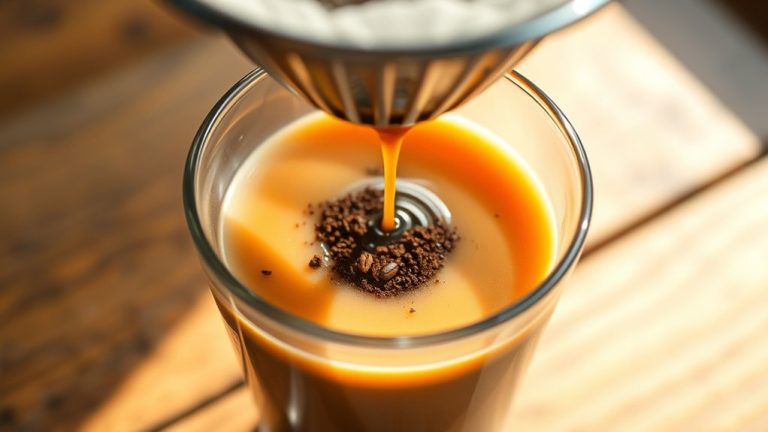
The preparation of lungo coffee revolves around a longer extraction process. Using finely ground coffee, more water is forced through the grounds than a typical espresso shot, often nearly twice the volume. This extended brewing time extracts more soluble compounds from the coffee, influencing both the taste and body of the final cup.
Baristas recommend precise control over grind size, tamping pressure, and water temperature to avoid over-extraction, which can introduce excessive bitterness. Using high-quality beans and freshly ground coffee enhances the flavor and ensures the unique character of a lungo is highlighted. Home machines with adjustable water volumes or manual espresso setups allow coffee enthusiasts to experiment and fine-tune the brewing process to their preference.
The technique emphasizes balance—extracting additional flavors without overwhelming the palate. By mastering the brewing method, you can create a cup that maintains espresso’s bold essence while offering a longer, smoother drinking experience.
Flavor Profile and Aroma
Lungo coffee offers a flavor that is both bold and nuanced. Because of the longer extraction time, more aromatic oils and soluble compounds are pulled from the coffee grounds, giving it a fuller body and slightly higher bitterness compared to a standard espresso. The taste is often described as rich, complex, and slightly more robust than an americano but lighter than a traditional espresso in intensity.
The aroma of lungo coffee is pronounced, with subtle notes of chocolate, caramel, or roasted nuts, depending on the beans and roast used. Unlike espresso, which delivers an intense punch in a short sip, a lungo allows the flavors to develop gradually on the palate, providing a more leisurely and layered tasting experience.
Appreciating the flavor profile requires attention to extraction time and water quality. Using filtered water and freshly roasted beans ensures the nuances in aroma and taste are preserved, creating a cup that is both satisfying and enjoyable for multiple sips.
Differences from Other Espresso Drinks
Lungo coffee differs from other popular espresso variations like ristretto, espresso, and americano. A ristretto uses the same amount of coffee grounds as an espresso but with less water, producing a shorter, more concentrated shot with intense flavor. Espresso, in contrast, is a standard shot, balancing volume and intensity, while americano adds hot water to espresso to dilute the flavor.
Lungo stands out due to its longer extraction and higher water content, offering a middle ground between espresso and americano. It provides more volume than espresso, allowing for extended enjoyment, while maintaining a concentrated flavor that drip coffee cannot match. The brewing method ensures a balanced taste with noticeable aroma and subtle bitterness, making it a favorite among those who enjoy sipping coffee slowly.
Understanding these differences helps you select the right coffee style for your mood, caffeine needs, or time of day. Lungo offers a versatile option that can satisfy both espresso lovers and those who prefer a slightly milder cup without sacrificing richness.
Brewing Methods for Lungo Coffee
Brewing a perfect lungo coffee requires understanding how different techniques affect flavor, strength, and aroma. Unlike standard espresso, lungo involves a longer extraction process, which makes precise control over water, grind size, and brewing time essential. By mastering the right methods, coffee enthusiasts can consistently enjoy a smooth, full-bodied cup with balanced bitterness and aromatic complexity.
Using an Espresso Machine
The most common method for brewing lungo coffee is an espresso machine. Start with freshly ground coffee, slightly finer than drip coffee but coarser than for a ristretto. Measure the usual espresso dose, then adjust the machine to allow roughly double the volume of water for extraction compared to a standard espresso shot.
During brewing, it is important to monitor extraction time. A typical espresso shot takes about 25–30 seconds, while a lungo may require 45–60 seconds depending on bean type and grind size. Over-extraction can result in excessive bitterness, while under-extraction leads to a weak, sour cup.
Espresso machines with programmable volume settings make it easier to pull consistent lungo shots. Using high-quality beans, clean equipment, and filtered water ensures that the aroma and oils are fully expressed, producing a rich and satisfying lungo coffee.
Manual Espresso and Moka Pot Techniques
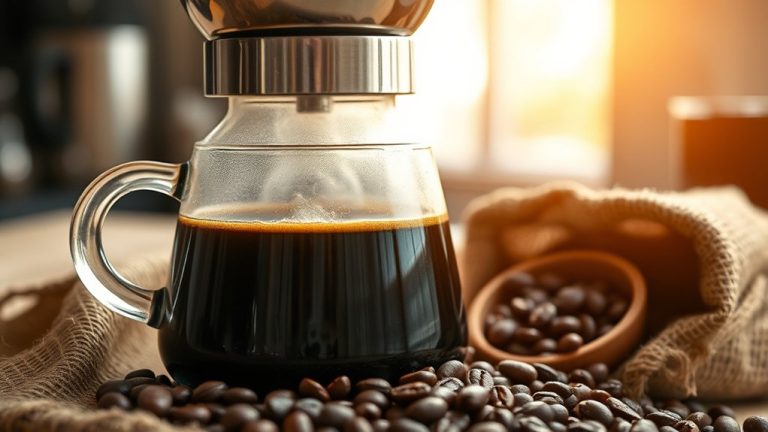
For those without an automatic espresso machine, manual methods such as a lever-style espresso machine or a stovetop Moka pot can also produce lungo coffee. With a Moka pot, using slightly coarser grounds and allowing a slower water flow helps achieve a longer extraction.
Lever-style machines provide control over pressure and extraction time, allowing you to extend the brewing duration to achieve the desired volume and strength. Adjusting tamping pressure slightly lighter than a traditional espresso can also prevent over-extraction while ensuring sufficient flavor release.
Both methods require practice and careful attention to timing, grind, and water temperature. The reward is a lungo cup with a smooth balance of flavor, aroma, and body, even without fully automated equipment.
Tips for Consistency and Quality
Consistency is key when brewing lungo coffee. Always use freshly roasted beans and grind them immediately before brewing to preserve aromatic oils. Ensure that your equipment is clean and preheated to maintain a stable temperature throughout extraction.
Measuring water volume and monitoring extraction time ensures each cup of lungo has balanced flavor without unwanted bitterness or thinness. For home brewing, using a scale to weigh coffee and water can help achieve repeatable results. Experimenting with grind size, tamping pressure, and water temperature allows you to fine-tune taste according to your preference.
Even small adjustments, like using filtered water or adjusting the coffee-to-water ratio slightly, can significantly impact the final flavor. Paying attention to these details ensures every lungo shot highlights the unique characteristics of the beans while maintaining smoothness and richness.
Caffeine Content in Lungo Coffee
Lungo coffee is popular among espresso enthusiasts who enjoy a longer, slightly milder cup without sacrificing richness or aroma. Its extended extraction time and increased water volume can affect caffeine content, making it a drink worth understanding for both flavor and energy considerations. Knowing how caffeine levels compare to other coffee types helps you choose the right coffee for your daily routine.
How Lungo Differs From Espresso
A standard espresso shot typically contains about 60–70 mg of caffeine in a 1-ounce serving. Lungo coffee uses the same amount of coffee grounds but nearly doubles the water volume, producing a longer shot that usually measures around 2 ounces. The extended brewing time extracts additional soluble compounds, including more caffeine, than a traditional espresso.
Because caffeine is highly soluble in water, a longer extraction allows more caffeine to transfer from the coffee grounds into the cup. This means that although a lungo is larger in volume, the caffeine per ounce may be slightly lower than espresso, but the total caffeine per serving is generally higher. The result is a drink that offers sustained energy while maintaining espresso’s concentrated flavor profile.
Understanding this distinction is important for managing your caffeine intake. Lungo provides a middle ground between a short, strong espresso and a larger, milder americano, making it ideal for those who want a longer sipping experience with a notable but not overwhelming caffeine boost.
Comparing With Other Coffee Types
Compared to an americano, which dilutes espresso with hot water, lungo contains more caffeine per serving because it is made by pulling extra water through the coffee grounds rather than simply adding water after brewing. Drip coffee or pour-over methods may have similar or slightly higher caffeine per cup, depending on bean type, grind, and brewing ratio, but the flavor profile differs significantly.
Ristretto, the opposite of lungo, uses less water and produces a smaller, more concentrated shot with slightly less total caffeine but higher intensity in flavor. By understanding these variations, you can select the right espresso-style drink to match your taste preference and desired caffeine intake, whether for a quick energy boost or a longer sipping session.
Factors Affecting Caffeine Levels
Several factors influence the caffeine content in a lungo coffee. Bean type is crucial: Robusta beans contain nearly twice as much caffeine as Arabica, so choosing the right blend can significantly impact the final cup. Roast level also matters—light roasts tend to retain slightly more caffeine than dark roasts because prolonged roasting can reduce caffeine concentration.
Grind size, tamping pressure, water temperature, and extraction time further affect caffeine extraction. A finer grind and longer brewing time generally yield higher caffeine, while coarser grinds or shorter shots result in slightly lower levels. By controlling these variables, you can customize a lungo that balances flavor and caffeine according to your preference.
Managing Caffeine Intake
Understanding the caffeine content of lungo coffee helps you manage energy levels and avoid overconsumption. While a single lungo shot provides more caffeine than a standard espresso, it is less concentrated per ounce, allowing a longer, enjoyable drinking experience without an intense caffeine spike.
For individuals sensitive to caffeine, drinking a single lungo may be a better alternative than multiple espresso shots. Monitoring total daily intake, considering additional sources of caffeine, and adjusting bean selection or extraction time ensures that your consumption supports alertness and enjoyment without unwanted side effects.
Enjoying Lungo Coffee
Lungo coffee offers a unique espresso experience that combines a larger volume with rich flavor and aromatic complexity. Enjoying it properly requires an understanding of ideal serving practices, pairing options, and personal preferences. By learning how to savor lungo coffee, you can fully appreciate its balance of intensity and smoothness, whether at home or in a café setting.
Serving Lungo Coffee
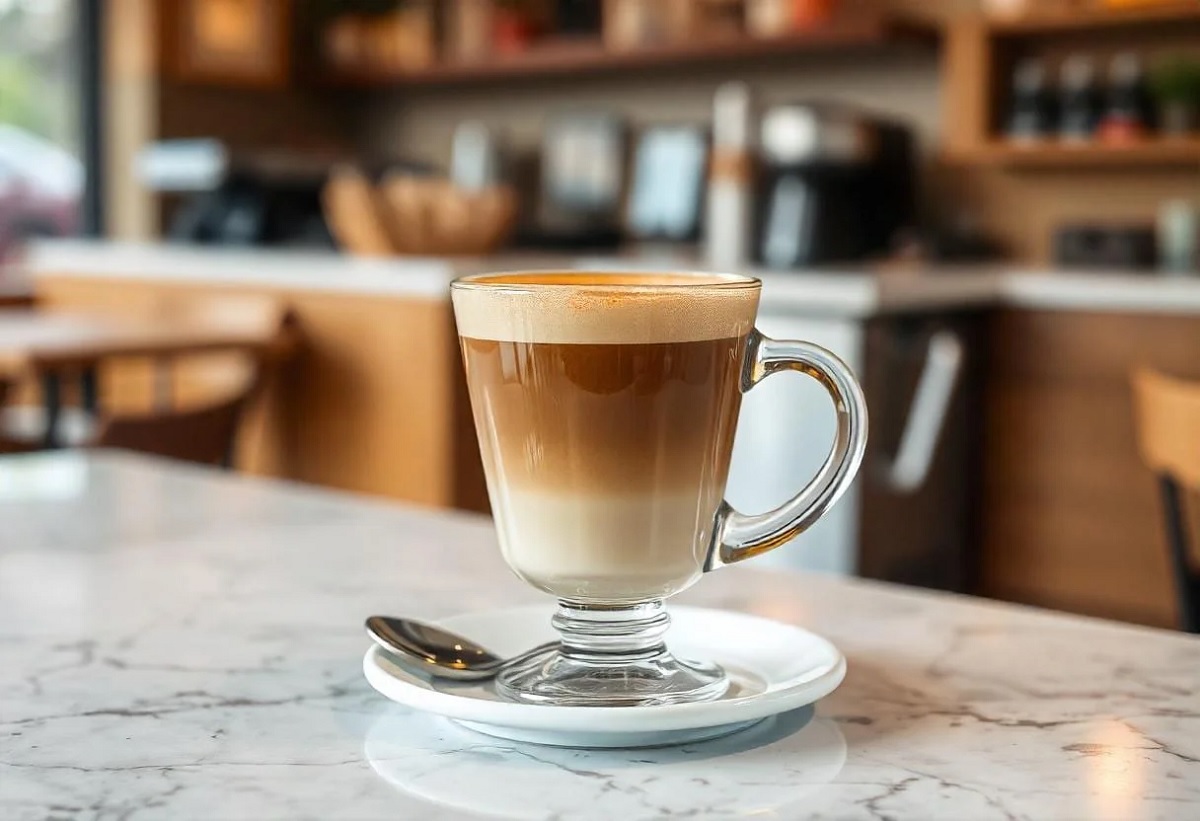
Lungo coffee is typically served in slightly larger espresso cups, usually ranging from 2 to 3 ounces. Using the right cup size allows you to enjoy the extended volume without diluting flavor or aroma. Pre-warming the cup can also help maintain optimal temperature, ensuring that each sip delivers the coffee’s full body and aromatic profile.
The drinking experience is different from a standard espresso. Because of its larger volume, a lungo allows for a slower, more relaxed sipping experience. This makes it ideal for moments of leisure, such as a morning routine, a mid-afternoon break, or social coffee gatherings. By paying attention to cup temperature and presentation, you can enhance both the taste and sensory enjoyment of lungo coffee.
Flavor Pairings and Enhancements
Lungo coffee pairs well with a variety of flavors, from sweet pastries and chocolate desserts to light sandwiches and fresh fruits. The slightly higher bitterness compared to regular espresso balances sugary accompaniments, creating a harmonious flavor combination.
Adding milk, cream, or a splash of flavored syrup is optional, though many enthusiasts prefer to drink lungo black to fully appreciate its nuanced aroma and taste. Light roasts often highlight floral or citrus notes, while medium or dark roasts provide richer chocolate or caramel undertones. Selecting complementary foods or flavor enhancements can elevate the overall coffee experience without overpowering the unique characteristics of a lungo.
Tips for At-Home Enjoyment
To enjoy lungo coffee at home, invest in freshly roasted beans and grind them just before brewing. Ensure your equipment, whether an espresso machine or manual brewing device, is clean and preheated. Adjust extraction time and water volume to achieve the desired intensity and aroma.
Experimenting with grind size and tamping pressure allows you to fine-tune flavor according to personal taste. Paying attention to water quality and temperature also ensures the smoothest possible cup. By mastering these elements, you can recreate a café-quality lungo coffee experience in your own kitchen, savoring both flavor and caffeine benefits.
Lungo Coffee as Part of Daily Routine
Lungo coffee offers a versatile option for incorporating espresso into your daily routine. Its larger volume makes it suitable for extended sipping sessions without being overly concentrated, while its caffeine content provides a moderate energy boost.
Whether starting your morning, enjoying a mid-day break, or pairing with breakfast or dessert, lungo coffee can fit seamlessly into your lifestyle. Its unique balance of aroma, flavor, and caffeine allows for a satisfying experience that can replace or complement standard espresso or drip coffee, making it a favorite for those who enjoy both taste and tradition.
FAQs
What Is Lungo Coffee?
Lungo coffee is an espresso-based drink made with the same amount of coffee grounds as a standard espresso but brewed with more water. This extended extraction produces a larger cup, usually around 2 ounces, compared to the typical 1-ounce espresso shot.
The longer brewing process pulls more soluble compounds from the coffee grounds, giving the drink a fuller body, a slightly higher bitterness, and a richer aroma. Lungo offers a middle ground between the intensity of espresso and the milder strength of an americano, making it ideal for those who want a longer sipping experience without losing bold flavor.
How Is Lungo Coffee Different From Espresso?
Lungo coffee differs from espresso primarily in volume and extraction time. While espresso is short, concentrated, and intense, lungo uses more water and a longer brewing period, creating a milder yet fuller cup.
The longer extraction pulls additional flavors and oils from the coffee, resulting in a slightly more bitter taste but with a richer body and aroma. While espresso delivers a quick, bold shot, lungo encourages a slower, more relaxed drinking experience that balances intensity with drinkability.
How Does Lungo Compare to Ristretto or Americano?
Compared to ristretto, which uses less water and produces a shorter, more concentrated shot, lungo is longer, milder, and slightly more bitter. Americano, on the other hand, is espresso diluted with hot water after brewing, whereas lungo pulls extra water through the coffee grounds during extraction.
This means lungo maintains more of the coffee’s original oils and flavors than an americano. It provides a balanced experience that is fuller than espresso but not diluted, making it a versatile choice for coffee lovers who enjoy both aroma and volume in a single cup.
What Is the Ideal Grind for Lungo Coffee?
The grind size for lungo coffee is slightly finer than drip coffee but coarser than a ristretto or standard espresso. The right grind ensures balanced extraction over the longer brewing time without over-extracting bitter compounds.
Using freshly ground coffee beans enhances aroma and flavor, while consistent tamping pressure and water temperature help maintain quality. Adjusting grind size can help you control bitterness and body, allowing you to create a lungo that suits your taste preferences and brewing method.
How Much Caffeine Is in Lungo Coffee?
Lungo coffee typically contains more caffeine than a single espresso shot because the longer extraction draws out additional soluble compounds. A standard espresso has about 60–70 mg of caffeine per 1-ounce shot, while a 2-ounce lungo can contain roughly 70–100 mg depending on bean type and grind.
The larger volume allows for a longer sipping experience with a moderate caffeine boost. For those sensitive to caffeine, a single lungo offers a balanced option, providing energy without the intense spike that multiple espresso shots might deliver.
How Should You Serve and Enjoy Lungo Coffee?
Lungo coffee is best served in slightly larger espresso cups, usually around 2–3 ounces, to accommodate the extended volume. Pre-warming the cup can help maintain optimal temperature and preserve aroma.
It can be enjoyed black to fully appreciate its nuanced flavor or paired with milk, cream, or light syrups if desired. Lungo also pairs well with pastries, chocolates, or fruit for a complete tasting experience. Sipping slowly allows you to enjoy both the rich aroma and balanced bitterness that define this unique espresso variation.
Final Words
Lungo coffee offers a unique experience for those who enjoy a longer, more aromatic shot than a traditional espresso. Its extended extraction time brings out a fuller body and slightly more bitterness, making it ideal for coffee lovers who appreciate complex flavors in a slightly larger cup. By adjusting brewing techniques, you can achieve a perfect balance of taste and aroma that suits your preferences.
If you’ve been wondering [What Is Lungo Coffee?], it is essentially a coffee shot made with more water than a standard espresso, resulting in a longer, milder, yet flavorful drink. The process preserves many of the aromatic compounds while slightly reducing intensity, giving you a smoother experience without sacrificing caffeine content.
Ultimately, Lungo coffee is versatile and enjoyable whether consumed plain, with milk, or with flavor additions. By selecting the right beans, grind size, and brewing method, you can make the most of your Lungo experience while exploring a delicious alternative to espresso.