Can You Freeze Coffee Creamer – Storage Tips Explained
You can freeze coffee creamer, but expect changes in texture and flavor, especially with dairy-based types. They often separate and lose their creaminess. Non-dairy creamers freeze more stably but may still experience some oil separation.
Use airtight, freezer-safe containers or portion the creamer in ice cube trays to minimize degradation. Always thaw it slowly in the fridge. This helps keep the quality as good as possible.
Once thawed, try to consume the creamer within 1 to 2 weeks for the best taste and freshness. There are also more detailed tips that can help you maximize freshness and find creative uses for your frozen creamer.
What Is Coffee Creamer? Types and Freezing Suitability
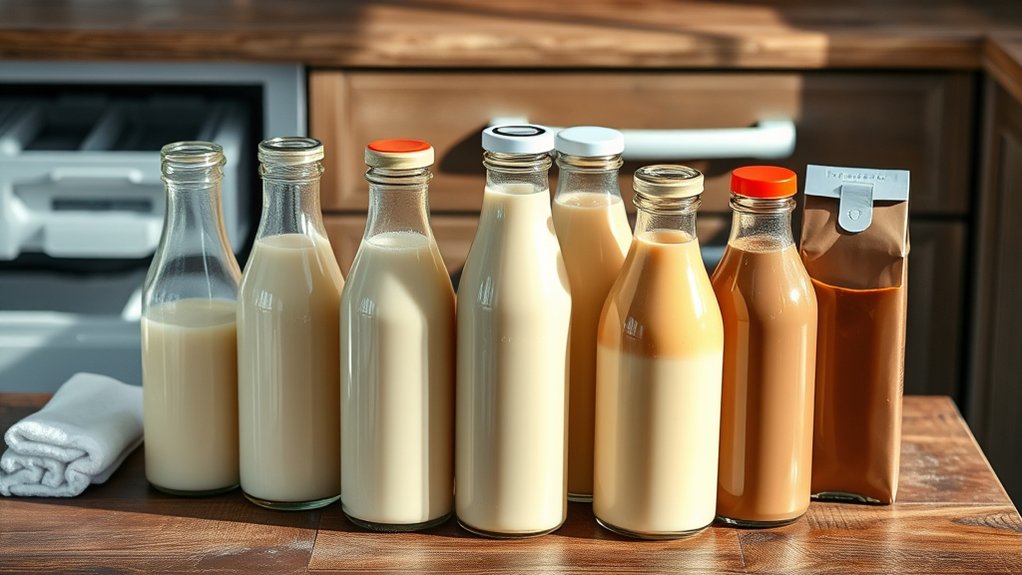
Although coffee creamer comes in various forms, understanding its types is essential to determine how well it freezes. You’ll find dairy-based creamers, made from milk, cream, and sugar, tend to separate and lose texture when frozen. This can impact flavor preservation.
Dairy-based creamers often separate and lose texture when frozen, affecting their flavor and quality.
Non-dairy creamers, containing water, oils, and thickeners, may freeze better but still risk oil separation. This affects taste consistency.
Powdered creamers, being shelf-stable and dry, don’t require freezing and maintain flavor longer without refrigeration.
Packaging options also influence freezing suitability. Liquid creamers in airtight containers freeze more uniformly, reducing texture degradation.
Flavored creamers with added oils and sweeteners present additional challenges. These components react differently to freezing, potentially compromising flavor preservation.
Knowing these distinctions helps you select the right creamer and packaging for freezing without sacrificing quality.
How Long Does Coffee Creamer Last in the Freezer?
You can safely store liquid coffee creamer in the freezer for up to six months.
Powdered creamer, on the other hand, lasts even longer—up to three years.
Just keep in mind that freezing might change the creamer’s texture and flavor a bit. So, it’s important to thaw it properly and refrigerate it promptly after thawing.
Knowing these tips will help you keep your creamer both safe and tasty for longer.
Freezer Shelf Life
How long can coffee creamer maintain its quality in the freezer? Typically, frozen liquid creamer stays good for about 3 to 6 months if you store it properly in airtight containers.
However, for the best coffee flavor and creamer consistency, it’s a good idea to use liquid creamer within 3 weeks of freezing.
Powdered creamer, on the other hand, lasts much longer in the freezer. It can keep for up to 3 years because it has low moisture content.
Freezing definitely extends safe storage beyond the usual two weeks you get in the fridge, but keep in mind that both the coffee flavor and creamer consistency may slowly decline over time.
To get the most out of your creamer’s freezer life, make sure it’s sealed tightly and kept at a steady freezing temperature. Doing this helps preserve the key qualities of your coffee creamer while it’s in the freezer.
Texture And Flavor
When coffee creamer freezes, its texture and flavor often undergo noticeable changes that affect your beverage experience. Freezing disrupts the emulsion of fats and water, causing separation that compromises texture stability.
As a result, your creamer may become watery or slimy, altering its consistency in coffee.
Flavor preservation also suffers. Many brands report a greatly diminished taste after thawing, with flavored creamers especially prone to dulling and loss of vibrancy.
These changes mean your creamer won’t taste as fresh or smooth once frozen.
To mitigate these effects, thaw your creamer slowly in the refrigerator and shake or whisk it thoroughly before use.
Understanding these impacts helps you decide if freezing aligns with your expectations for quality and flavor preservation.
Safe Thawing Practices
Understanding the changes in texture and flavor after freezing shows why proper thawing methods are so important to keep your coffee creamer tasting great.
For the best results, thaw your creamer in the refrigerator overnight. This cool, controlled environment helps prevent separation and spoilage.
Try to avoid thawing at room temperature or using a microwave. These methods cause uneven warming and can make your creamer go bad faster.
Once it’s thawed, make sure to organize your shelf space so you can use the creamer within 1 to 2 weeks. This helps keep it fresh and safe to use.
Frozen creamer can last up to 6 months in the freezer, but its quality will slowly decline over time.
That’s why proper shelf organization and timely use after thawing are key to avoiding waste.
Following these easy thawing tips will help you get the most out of your coffee creamer’s shelf life and performance.
Dairy vs Non-Dairy Coffee Creamer: Should You Freeze?
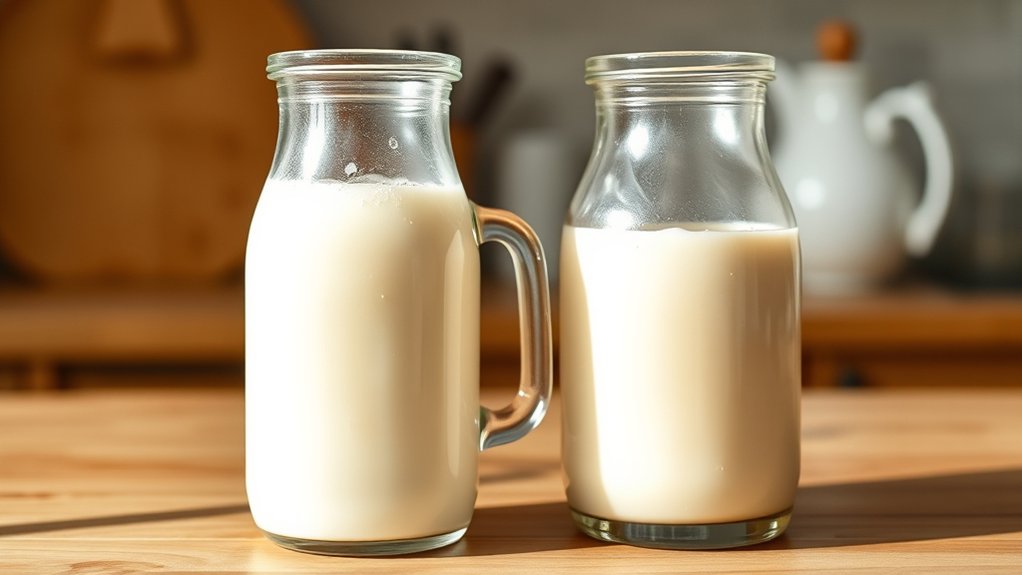
Although freezing can extend the shelf life of coffee creamers, you should consider the type of creamer before doing so. Dairy creamers often suffer texture changes and separation after freezing, which might affect flavor preservation.
Non-dairy creamers, especially those with coconut or palm oils, hold up better but can still lose some flavor. Choosing the right container options, such as airtight, freezer-safe packaging, also influences quality retention.
| Creamer Type | Freeze Suitability |
|---|---|
| Dairy | Prone to separation, slimy thawed texture |
| Non-Dairy | Better texture retention, some flavor loss |
| Powdered | Shelf-stable, no freezing needed |
| Container | Airtight, freezer-safe preferred |
Effects of Freezing on Coffee Creamer Texture
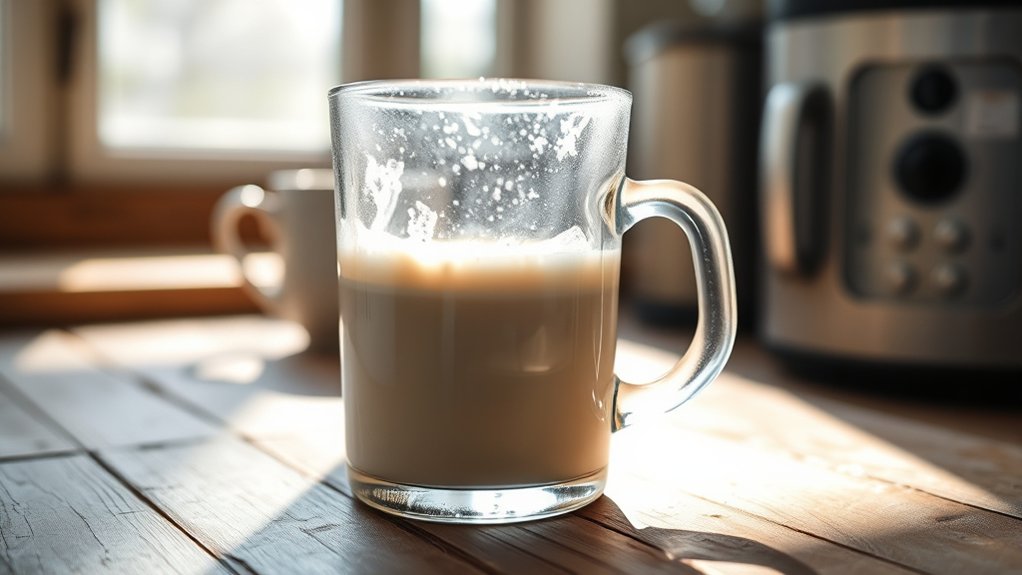
When you freeze coffee creamer, the fats often separate, which can make the texture slimy or grainy once it’s thawed. This is especially noticeable with flavored or rich creamers. They tend to become more watery, losing that original creamy feel.
But don’t worry! Shaking or whisking the creamer after thawing can help bring it back together. It helps re-emulsify the fats and cuts down on the separation, improving the texture quite a bit.
Texture Changes After Freezing
Because freezing coffee creamer disrupts its fat emulsion, you’ll often notice a slimy or grainy texture once it thaws. This happens as fats separate and the emulsion’s stability breaks down, making the creamer more watery and less creamy.
These texture changes are particularly evident in flavored creamers, where the mouthfeel dulls despite any flavor enhancement from freezing.
While re-shaking or whisking thawed creamer can partially restore smoothness, it won’t fully reverse the damage.
Additionally, container compatibility plays a role. Freezing in containers that don’t allow expansion can worsen texture by promoting uneven freezing.
To maintain ideal texture, limit freezing cycles and choose compatible containers to minimize emulsion disruption. This helps preserve your creamer’s quality after thawing.
Fat Separation Issues
Freezing coffee creamer often leads to fat separation, which changes its texture quite a bit. The emulsified mix of water, oil, and thickeners breaks down as fat globules clump together. This results in a watery, less smooth consistency when you thaw it.
Flavored creamers with extra oils or sweeteners are especially prone to this problem. That means the flavor and mouthfeel can take a hit. You can try shaking or whisking the creamer to bring it back together, but it usually won’t get as creamy as before.
To keep the texture from getting too messed up, pay attention to the container you use. Airtight, rigid containers help reduce exposure to air and temperature changes, which keeps the emulsion more stable.
Even with these precautions, expect some texture changes after freezing. So, frozen creamer works better in recipes or hot drinks rather than using it straight.
Knowing about fat separation helps set realistic expectations when freezing coffee creamer.
Tips To Improve Texture
Although coffee creamer’s texture changes after freezing, you can take specific steps to improve its consistency. Freezing often causes fat separation, making the creamer watery or grainy and dulling creamer flavor, especially in richer or flavored types.
To counter this, thaw your creamer slowly in the refrigerator. Then shake or whisk it vigorously to restore texture consistency by re-emulsifying fats and water. This really helps bring back that creamy feel.
Additionally, freezing creamer in ice cube trays allows for quicker freezing and easier portion control. This helps minimize texture degradation and makes it easier to use just what you need.
Effects of Freezing on Coffee Creamer Flavor
When you freeze coffee creamer, you’ll notice a significant drop in its flavor intensity once it thaws. Freezing disrupts flavor preservation by breaking down key flavor compounds, which leads to a duller, less vibrant taste.
Aroma retention also suffers, resulting in a creamer that lacks the fresh, inviting scent you expect. Flavored creamers experience greater flavor loss, often altering their intended profiles and making them less appealing.
While thawed creamer remains safe to consume, its weakened flavor can diminish your overall coffee experience. Understanding these effects helps you set realistic expectations and decide whether freezing suits your needs, especially if flavor quality is a priority.
Which Is Better: Whole Bottle or Portion Freezing?
You can freeze an unopened whole bottle to keep it intact, but just be careful—when liquids freeze, they expand, which might cause spills or even break the bottle.
On the other hand, portion freezing in ice cube trays or small containers gives you way better control when it’s time to thaw. Plus, it helps preserve the flavor since you’re reducing how much the liquid is exposed to air.
So, which method is better? It really depends on what you value more. If you want convenience and to avoid wasting any leftovers, freezing the whole bottle might be your go-to.
But if you prefer simplicity and saving storage space, portion freezing could be the smarter choice. Either way, both have their perks!
Whole Bottle Benefits
Since freezing unopened creamer in the whole bottle reduces handling, it better preserves the original flavor compared to portion freezing. Creamer packaging designed for freezing, such as sturdy plastic bottles, accommodates expansion, minimizing container damage when you leave adequate headspace.
By freezing the whole bottle, you maintain the creamer’s integrity within its original freezing container. This limits exposure to air and contaminants that cause flavor degradation.
Plus, this method simplifies storage because you avoid transferring creamer into multiple freezing containers.
Transferring can introduce variability in sealing and increase the risk of freezer burn. While portion freezing offers flexibility, freezing the whole bottle stands out for maintaining creamer quality through minimal intervention and ideal packaging use.
This ensures the creamer’s taste and texture stay as close to fresh as possible when thawed.
Portion Freezing Advantages
Although freezing the whole bottle offers convenience, portion freezing provides significant advantages in preserving coffee creamer’s texture and flavor. Freezing creamer in smaller amounts using ice cube trays or small containers supports better flavor preservation by minimizing exposure to air and reducing the risk of separation.
When you select appropriate containers, you guarantee easy single-use portions that avoid thawing excess creamer. This helps prevent refreezing cycles that degrade quality. Plus, portion freezing allows quicker thawing and direct addition to coffee, which makes your daily routine a bit easier.
In contrast, bulk freezing whole bottles may save space but often results in more pronounced texture breakdown and flavor loss upon thawing. So, careful container selection for portion freezing is generally the better way to keep your coffee creamer’s original consistency and taste.
Best Containers to Freeze Coffee Creamer
When freezing coffee creamer, selecting the right container plays a crucial role in maintaining its flavor and texture. For maximum flavor preservation, airtight, freezer-safe containers like plastic or glass jars with sealed lids prevent freezer burn effectively. These containers also offer excellent durability, protecting creamer from temperature fluctuations and physical damage.
If you’re freezing large quantities, meal-prep containers with tight-fitting lids provide durability and ease of storage. Freezer bags can save space and allow thin layering, though they may compromise durability compared to rigid containers.
Proper labeling and dating your containers help maintain quality by tracking storage time.
Choosing containers that balance airtight sealing and physical resilience ensures your coffee creamer retains its best flavor and texture throughout freezing. It’s all about picking something that keeps your creamer safe and tasty for as long as you need.
How to Freeze Coffee Creamer With Ice Cube Trays
Selecting the right container is just the first step. Ice cube trays offer a convenient and efficient way to freeze coffee creamer in manageable portions. This method helps preserve the coffee flavor across different creamer brands by minimizing exposure to air and contamination.
Here’s how to freeze your creamer the right way:
- Fill ice cube trays with creamer, but leave some space for expansion to avoid cracks.
- Cover the trays with plastic wrap or silicone lids to prevent freezer burn.
- Freeze for at least 4 hours until solid, then transfer the cubes to an airtight container labeled with the date.
Using ice cube trays means you can add precise portions directly to your hot coffee without thawing first. It keeps the flavor consistent and makes it super easy to enjoy your creamer anytime.
This is a practical way to preserve all kinds of creamer brands.
How to Thaw Frozen Coffee Creamer Safely
To maintain the quality and texture of frozen coffee creamer, you should thaw it slowly in the refrigerator overnight. This method prevents separation, preserves creamer flavor, and minimizes spoilage risks.
Avoid thawing at room temperature or using a microwave, as uneven warming can degrade taste and texture.
After thawing, shake or whisk the creamer thoroughly to re-emulsify fats and water, restoring smoothness.
Also, consider the container design. Thinner walls promote faster thawing, while airtight seals help protect flavor during storage.
Importantly, never refreeze thawed creamer since repeated freezing causes further separation and potential bacterial growth.
Planning ahead to allow sufficient time for safe, gradual thawing ensures your creamer maintains ideal quality and flavor for your coffee experience.
Can You Use Frozen Coffee Creamer Without Thawing?
Although thawing frozen coffee creamer usually makes the texture and flavor better, you can totally add it straight to hot coffee without thawing. This works especially well if you freeze the creamer in ice cube form.
Doing this helps keep the coffee flavor intact while quickly cooling your drink without watering it down. Just keep in mind, frozen creamer might change the texture a bit, causing separation or clumping.
To get the best results, try using small, ice cube-sized portions made for quick use. Stir or shake your coffee well after adding the frozen creamer to get that smooth, even texture back.
I’d skip this method for cold drinks or recipes where having a perfectly smooth texture really matters.
Creative Ways to Use Frozen Coffee Creamer Cubes
When you freeze coffee creamer into cubes, you open up versatile options beyond just cooling your drink. These cubes enhance iced coffee blends by chilling without dilution while intensifying creaminess. You can also toss them directly into creative cocktails, adding smooth texture and rich flavor without extra mixing.
Beyond beverages, frozen creamer cubes enrich smoothies and milkshakes, keeping them thick and tasty. Once thawed, these cubes work great in baking, providing convenient dairy for frostings and dessert fillings. This helps ensure consistent flavor every time.
You can even add creamer cubes to pancake batter or hot cereals to give a creamy note that’s hard to achieve otherwise. Freezing creamer in cubes also offers precise portion control, which helps minimize waste and preserve freshness.
All in all, they’re a practical ingredient for various culinary uses.
Tips to Keep Frozen Coffee Creamer Fresh Longer
Freezing coffee creamer in cubes offers convenience and versatility, but keeping it fresh takes a bit of care. To preserve its flavor and nutritional value, here are some handy tips for you.
First, use airtight containers or tightly sealed ice cube trays. This helps prevent freezer burn, which can ruin both the taste and nutrients.
Also, make sure to label and date your creamer. That way, you can keep track of how long it’s been stored. Frozen creamer usually tastes best if used within a few months.
Keep your freezer temperature at or below 0°F. A consistent cold environment stops texture changes and helps keep the nutrients intact.
Try to avoid refreezing creamer once it’s thawed. That can mess with the texture and flavor.
Storing your creamer in small portions is a smart move too, since it limits air exposure and helps maintain that fresh coffee flavor.
Following these simple steps will make sure your frozen coffee creamer stays tasty and keeps its benefits longer.
Frequently Asked Questions
Can Freezing Coffee Creamer Affect Its Nutritional Value?
Freezing coffee creamer won’t considerably affect its nutritional value, but you’ll notice texture changes and some flavor preservation challenges.
Refreezing can slightly degrade vitamins, yet overall nutrients remain stable despite minor oxidation or separation.
Is It Safe to Refreeze Thawed Coffee Creamer?
You shouldn’t revisit frozen coffee creamer once thawed, as flavor preservation suffers and texture changes worsen. Evidence shows refreezing degrades quality and safety, so use it promptly after thawing to maintain ideal taste and consistency.
It’s best to treat thawed creamer like fresh—use it up quickly. That way, you enjoy the best flavor and texture without any worries. Refreezing just isn’t worth it.
Can Frozen Coffee Creamer Cause Food Allergies?
Frozen coffee creamer itself won’t cause new dairy allergies or food intolerance, but freezing can change the texture and sometimes mask allergens.
If you have dairy allergies, it’s super important to check labels carefully after thawing. That way, you can avoid any unexpected reactions.
Better safe than sorry when it comes to allergies, right?
How Does Freezing Impact Creamer’s Calorie Content?
Freezing coffee creamer affects its texture like frost on glass, causing slight changes, but it doesn’t alter calorie content.
Flavor preservation remains intact, so you can confidently freeze it without worrying about nutritional differences.
Does Freezing Coffee Creamer Affect Its Color?
You’ll notice a slight color change and altered visual appearance when freezing coffee creamer, caused by fat and water separation.
Though it may look cloudy or dull, these changes don’t considerably affect the creamer’s safety or quality.
Conclusion
Freezing coffee creamer can be a smart way to extend its life, but it’s not without trade-offs. While dairy creamers may separate and lose texture, non-dairy options hold up better. Thaw it slowly to preserve flavor, and consider freezing creamer in cubes for creative uses.
Like a delicate dance, freezing demands care to maintain quality. When done right, it keeps your coffee moments rich and satisfying, even after time’s chill. Just take it slow and enjoy your creamy coffee whenever you want.