
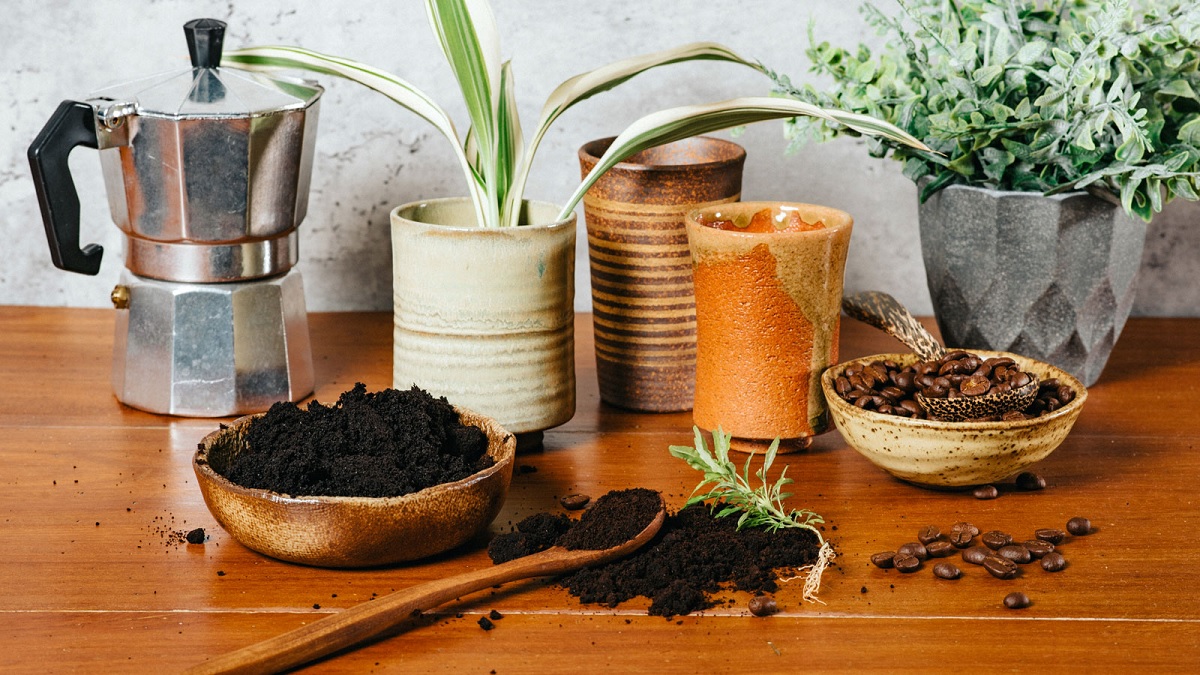
Creative Ways to Use Used Coffee Grounds Sustainably: Eco-Friendly Tips and Hacks
Coffee is one of the most popular beverages worldwide, but the leftover grounds often end up in the trash without a second thought. These used coffee grounds still contain nutrients, oils, and textures that make them surprisingly versatile beyond the cup. Embracing creative reuse not only reduces waste but also contributes to a more sustainable lifestyle.
Many people are discovering that coffee grounds can serve multiple purposes at home, from gardening to cleaning to beauty routines. Rather than discarding them, incorporating them into everyday tasks can add value and reduce environmental impact. This approach transforms a simple byproduct into a resource that benefits both households and the planet.
Exploring Creative Ways to Use Used Coffee Grounds Sustainably opens opportunities for eco-friendly practices that are practical and easy to implement. Whether enhancing soil quality, repelling pests, or creating homemade scrubs, these ideas offer tangible results without extra cost.
By understanding how to repurpose coffee grounds effectively, individuals can make conscious choices that extend the life of everyday materials. Sustainable practices like this promote resourcefulness and reduce reliance on single-use products, encouraging a greener, more mindful lifestyle.
Fertilizer And Soil Enrichment
Used coffee grounds are a surprisingly effective tool for enhancing soil health. Packed with nutrients like nitrogen, potassium, and phosphorus, they provide essential elements that support plant growth. When applied correctly, coffee grounds can enrich soil texture, improve moisture retention, and encourage healthy root development, making them a valuable addition to gardens, potted plants, and compost systems.
Nitrogen Boost And Plant Growth
Nitrogen is a key nutrient that fuels vegetative growth, helping plants develop strong stems and lush leaves. Coffee grounds are naturally rich in nitrogen, which makes them an excellent supplement for lawns, vegetable gardens, and flower beds. Sprinkling grounds around plants introduces this nutrient slowly, supporting steady growth without the harsh effects of synthetic fertilizers.
The slow-release nature of coffee grounds is particularly beneficial. Unlike some chemical fertilizers that can shock plants or leach quickly into the soil, coffee grounds break down gradually. Microorganisms in the soil decompose the grounds, slowly releasing nitrogen over time. This process encourages sustained plant health, improves soil structure, and helps maintain balanced nutrition.
In addition to nitrogen, coffee grounds contribute organic matter to the soil. This improves aeration, allowing roots to access oxygen more easily, and enhances water retention, which can reduce the frequency of watering. The texture also supports beneficial microbial activity, further enriching the growing environment.
Composting With Coffee Grounds
Incorporating coffee grounds into compost piles amplifies their value as a soil amendment. Coffee grounds are considered “green” material in composting, meaning they are rich in nitrogen, which balances “brown” carbon-rich materials like dried leaves, cardboard, or straw. This balance accelerates decomposition, producing nutrient-rich compost suitable for a variety of plants.
Mixing coffee grounds evenly throughout the compost ensures proper aeration and prevents clumping, which can create compact layers that slow breakdown. As the grounds decompose, they release nutrients gradually, integrating seamlessly with other organic matter. The resulting compost is darker, richer, and full of minerals that nourish plants.
Composting also helps reduce household waste. Instead of sending used coffee grounds to landfills, where they produce methane during decomposition, adding them to compost recycles their nutrients and reduces environmental impact. This makes coffee grounds a sustainable and practical resource for gardeners seeking eco-friendly solutions.
Improving Soil Structure And Microbial Activity
Beyond nutrient content, coffee grounds enhance soil structure, making heavy soils looser and sandy soils more moisture-retentive. The fine texture improves aeration and drainage while increasing organic matter, which fosters a thriving microbial ecosystem. Beneficial microorganisms break down the grounds, releasing additional nutrients that plants can absorb more effectively.
The microbial activity stimulated by coffee grounds also suppresses certain plant diseases and pests. Healthy microbial populations create natural competition, reducing harmful organisms while supporting root development. Over time, regular application of coffee grounds can improve overall soil health, leading to stronger, more resilient plants.
Used coffee grounds also slightly acidify soil, which can be helpful for acid-loving plants like azaleas, blueberries, and roses. However, the effect is mild, making grounds safe for most garden plants when mixed appropriately. By improving both the physical and chemical properties of soil, coffee grounds serve as a multi-functional amendment that benefits growth in multiple ways.
Practical Application Techniques
Applying coffee grounds directly to soil requires some care. Lightly sprinkling a thin layer around plants or mixing grounds into the top few inches of soil is effective. Avoid thick layers, which can compact and repel water. For potted plants, mixing grounds with existing soil or combining them with compost ensures even distribution and prevents root irritation.
Regular use throughout the growing season gradually builds soil fertility. Coffee grounds can also be combined with other organic amendments, such as vegetable scraps or eggshells, to provide a well-rounded nutrient profile. This holistic approach supports long-term soil health and sustainable gardening practices.
Natural Pest Repellent
Used coffee grounds are not just beneficial for soil enrichment—they also serve as an effective natural pest repellent. Many gardeners have discovered that sprinkling coffee grounds around plants can help deter insects and small pests, reducing damage without the need for chemical pesticides. This makes coffee grounds a safe, eco-friendly option for maintaining a healthy garden environment.
Repelling Slugs And Snails
Slugs and snails are notorious for damaging leaves, seedlings, and young plants. Coffee grounds create a barrier that these pests tend to avoid. The texture is slightly abrasive, and compounds in the coffee, including caffeine, act as a deterrent. Sprinkling a thin layer of grounds around vulnerable plants discourages these pests from crossing, protecting your garden naturally.
Using coffee grounds for slug and snail control is both simple and sustainable. Unlike chemical solutions, there’s no risk of harmful residue affecting other plants, pets, or beneficial insects. Regular replenishment of the grounds ensures the barrier remains effective, and combining this method with other natural practices, such as handpicking or watering in the morning, further minimizes pest activity.
Beyond protection, this approach encourages gardeners to reuse waste coffee, turning a common byproduct into a practical tool. Over time, the grounds also decompose, enriching the soil around protected plants, making it a dual-purpose solution that supports both pest control and plant health.
Deterring Ants And Other Insects
Coffee grounds can also help keep ants and other small insects away from plants or household areas. The strong aroma and chemical composition of used grounds are unappealing to many insects, creating a natural boundary. Sprinkling a line of grounds near ant trails or around potted plants can disrupt their movement and reduce infestations.
In addition to ants, certain aphids and beetles are sensitive to caffeine and other compounds present in coffee. While it may not eliminate large infestations, coffee grounds can serve as a preventive measure, reducing the need for chemical insecticides. Combining this method with proper plant care, such as pruning and watering, enhances its effectiveness.
The eco-friendly nature of using coffee grounds for pest deterrence makes it ideal for organic gardening. Unlike synthetic chemicals, it poses no risk to beneficial insects like bees or ladybugs, which play a crucial role in pollination and natural pest control. This selective approach maintains a balanced ecosystem in your garden.
Application Tips And Best Practices
To maximize the pest-repelling benefits of coffee grounds, apply them as a thin, continuous layer around plant bases or along garden borders. Avoid piling large amounts, which can compact, restrict water flow, or create mold. Mixing grounds with other organic materials, like sand or eggshells, can improve texture and make the barrier more effective.
Regular reapplication is key, as weather conditions like rain can wash away the grounds. For indoor plants, lightly sprinkling grounds on the soil surface around pots helps deter crawling insects without impacting plant health. This method combines convenience, sustainability, and effectiveness in one simple step.
Household Cleaning Hacks
Used coffee grounds aren’t just for the garden—they can be a surprisingly effective tool for household cleaning. Their natural texture, mild acidity, and absorbent properties make them ideal for scrubbing, deodorizing, and tackling stubborn stains. Incorporating coffee grounds into your cleaning routine is an eco-friendly way to reuse waste while keeping your home fresh and spotless.
Scrubbing Surfaces And Pots
The coarse texture of coffee grounds makes them an excellent natural abrasive for scrubbing tough spots. They can help remove baked-on food from pots, pans, and cookware without scratching surfaces. Simply dampen the grounds and rub them over stubborn stains, then rinse thoroughly for a clean finish.
This method is particularly useful for stainless steel or ceramic cookware, where harsh chemical cleaners could damage the finish. Coffee grounds provide enough friction to lift residue while remaining gentle on surfaces. They are also biodegradable, meaning any leftover residue won’t harm the environment when washed down the drain.
Beyond pots and pans, coffee grounds can be used on sinks, countertops, and other hard surfaces to tackle grime. Their natural abrasiveness works well on metal or stone surfaces, and combining them with a small amount of dish soap enhances cleaning power. Regular use helps maintain cleanliness while reducing reliance on synthetic scrubbing products.
Odor Absorption And Deodorizing
Coffee grounds are highly effective at neutralizing odors due to their absorbent nature and strong aroma. They can be placed in small bowls or sachets in refrigerators, trash bins, or closets to eliminate unpleasant smells. The grounds absorb moisture and odors, leaving spaces fresher without chemical deodorizers.
For larger-scale deodorizing, coffee grounds can be sprinkled in shoes, gym bags, or pet areas. Leaving them overnight allows the grounds to soak up lingering smells. Unlike artificial fragrances, the coffee scent is natural and short-lived, preventing an overpowering aroma while tackling odors at the source.
Grounds can also be incorporated into cleaning solutions for sinks and drains. Combining coffee grounds with hot water and vinegar helps reduce lingering smells and clear minor residues. This dual-purpose approach cleans and deodorizes simultaneously, saving time and reducing the need for multiple products.
Cleaning Tools And Surface Maintenance
Coffee grounds can even help maintain cleaning tools themselves. For example, mixing them into a paste can be used to scrub cutting boards, removing stains and neutralizing food odors. They are gentle enough not to damage wooden or plastic surfaces while effectively lifting residues.
When used on surfaces like countertops or tiles, coffee grounds provide mild abrasion to remove built-up grime, making them a safe and eco-friendly alternative to harsher chemicals. They are also excellent for polishing metal items, like pots, pans, or sinks, leaving surfaces cleaner and slightly shinier.
Beauty And Personal Care Uses
Used coffee grounds aren’t just for brewing—they can also be a natural addition to your beauty and personal care routine. Rich in antioxidants, mild abrasives, and stimulating compounds, coffee grounds can enhance skin, hair, and overall wellness. Using them creatively allows you to recycle waste while enjoying affordable, chemical-free self-care solutions at home.
Exfoliating Scrubs And Skin Care
One of the most popular uses for coffee grounds in beauty is as a natural exfoliant. The coarse texture helps remove dead skin cells, leaving the skin feeling soft and refreshed. When combined with oils like coconut or olive oil, coffee grounds create a hydrating scrub suitable for the face, hands, or body.
Regular exfoliation with coffee grounds can also improve circulation, giving the skin a healthy, energized appearance. The mild caffeine content temporarily tightens skin and may reduce puffiness or the appearance of cellulite when massaged in circular motions. Unlike synthetic scrubs with microbeads, coffee grounds are biodegradable, making them an environmentally friendly choice.
Using coffee grounds in homemade scrubs allows customization. Adding honey, sugar, or essential oils can enhance moisturizing and aromatic benefits, creating a spa-like experience at home. This versatile application makes coffee grounds a practical and sustainable beauty ingredient.
Hair Treatments And Scalp Care
Coffee grounds can also benefit hair and scalp health. Gently massaging damp coffee grounds into the scalp helps remove buildup, exfoliate dead skin cells, and stimulate circulation. This process may encourage healthier hair growth and improve scalp condition, especially for those prone to dryness or minor flaking.
Beyond scalp care, coffee grounds can add natural shine and softness to hair. When used as a pre-shampoo treatment, they help clarify hair from oils and styling product residue. For darker hair tones, the slight pigment in coffee may enhance richness and deepen color subtly.
Using coffee grounds for hair treatments is inexpensive and chemical-free, providing a sustainable alternative to store-bought scrubs or clarifying shampoos. With consistent use, this natural approach supports a cleaner, more vibrant scalp and hair.
Deodorizing And Refreshing Skin
The absorbent and aromatic qualities of coffee grounds make them effective for neutralizing odors on the skin. They can be used as a natural hand scrub after cooking or gardening to remove lingering smells like garlic or onion. Rinsing with water leaves hands clean and lightly fragranced without artificial chemicals.
Coffee grounds’ antioxidant properties also help protect skin from environmental stressors. Applying a coffee-infused scrub or mask can leave skin feeling revitalized and smooth. This simple, multipurpose approach integrates self-care with sustainability, reducing waste while enhancing personal grooming routines.
Deodorizing And Odor Control
Used coffee grounds are a natural and effective solution for deodorizing and controlling odors around the home. Their absorbent properties, combined with the rich aroma of coffee, make them ideal for neutralizing unwanted smells without relying on chemical air fresheners. Incorporating coffee grounds into everyday cleaning routines provides an eco-friendly way to keep spaces smelling fresh.
Neutralizing Household Odors
Coffee grounds can absorb and neutralize odors in areas like refrigerators, trash bins, and pantries. Placing a small bowl of dried grounds in these spaces helps eliminate lingering smells from spoiled food, moisture, or general use. The grounds work by trapping odor-causing particles, leaving the air cleaner and fresher.
This natural method is especially useful in small spaces where chemical deodorizers can be overpowering. Unlike artificial scents, coffee grounds provide a subtle, pleasant aroma that fades naturally without masking odors. Regular replacement every few weeks ensures consistent odor control, making this a low-maintenance and sustainable solution.
Additionally, coffee grounds can be used in drains or garbage disposals to reduce unpleasant smells. Sprinkling a handful of grounds followed by hot water helps neutralize odor while preventing buildup. This dual-purpose approach cleans and freshens simultaneously, reducing the need for synthetic cleaners.
Personal Odor Control
Coffee grounds can also be used on the body for odor control. Rubbing damp coffee grounds on hands after handling strong-smelling foods like garlic or onions helps remove residual scents. The mildly abrasive texture exfoliates skin while neutralizing odor, leaving hands clean and lightly fragranced.
Beyond hands, coffee grounds can be incorporated into homemade deodorants or body scrubs. Their natural properties absorb moisture and odors while caffeine provides a temporary tightening effect on the skin. This creates an eco-friendly alternative to commercial deodorants that may contain synthetic chemicals or aluminum compounds.
Energy And Fuel Applications
Used coffee grounds are not only valuable for gardens, cleaning, and personal care—they can also be repurposed as a sustainable energy and fuel source. With a high oil content and calorific value, coffee grounds can be transformed into biofuels, pellets, or briquettes that produce heat and energy efficiently. This innovative approach turns waste into a resource, supporting eco-friendly energy solutions.
Coffee Grounds As Biofuel
Coffee grounds contain residual oils that make them suitable for biofuel production. Extracting these oils and converting them into biodiesel provides a renewable alternative to conventional fossil fuels. Biodiesel from coffee grounds burns cleanly and produces energy comparable to traditional diesel while reducing greenhouse gas emissions.
The process involves collecting used coffee grounds from homes, cafes, or industrial sources, drying them, and extracting oils through chemical or mechanical methods. These oils are then refined into biodiesel, which can be used in engines or generators. Utilizing coffee grounds in this way not only provides a sustainable fuel option but also helps reduce waste, diverting grounds from landfills.
Biofuel from coffee grounds is particularly appealing for regions with abundant coffee consumption. Cafes, restaurants, and households collectively generate significant amounts of used grounds daily, creating a reliable and low-cost feedstock for energy production. This approach supports local, renewable energy initiatives and encourages circular use of resources.
Coffee Grounds Briquettes And Pellets
Another practical application is converting coffee grounds into solid fuel forms like briquettes or pellets. Mixing grounds with natural binders and compressing them creates dense, energy-rich blocks that burn slowly and consistently. These can be used for heating, cooking, or even small-scale power generation.
Briquettes provide a sustainable alternative to wood, charcoal, or coal. They produce less smoke, reduce reliance on deforestation, and make use of a material that would otherwise go to waste. Coffee grounds’ natural oil content helps the briquettes burn efficiently, creating steady heat suitable for household or industrial use.
Pellets made from coffee grounds can also be integrated into pellet stoves or boilers. They offer similar advantages: high energy output, consistent burning, and reduced environmental impact compared to traditional fuels. The small size and compact nature of pellets make them easy to transport and store, increasing their practicality for everyday energy needs.
Environmental Benefits And Sustainability
Using coffee grounds for energy and fuel aligns with sustainable practices by addressing both waste reduction and renewable energy production. Grounds diverted from landfills avoid methane emissions associated with decomposition, while their conversion into fuel provides a clean energy source that offsets fossil fuel use.
This method also promotes circular economy principles, transforming a common household and commercial byproduct into a valuable resource. Widespread adoption of coffee ground biofuels or pellets could reduce environmental impact, support local energy independence, and encourage innovative approaches to everyday waste management.
Harnessing used coffee grounds for energy demonstrates how creative solutions can address multiple sustainability challenges. From biodiesel production to solid fuel applications, coffee grounds prove that even everyday waste materials can contribute to renewable energy efforts while reducing ecological footprints.
FAQs
How Can You Use Used Coffee Grounds As Fertilizer For Plants?
You can sprinkle used coffee grounds directly onto your garden soil or mix them into your compost pile. They are rich in nitrogen, which helps plants grow healthy and strong.
Certain plants, like roses, tomatoes, and carrots, thrive with coffee grounds because they improve soil structure and moisture retention. You should avoid using too much at once, as thick layers can become compacted. Regularly mixing them into the soil gradually nourishes your plants while reducing waste sustainably.
Can Used Coffee Grounds Help Keep Pests Away From Your Garden?
Yes, coffee grounds can act as a natural pest repellent. You can scatter them around plants to deter ants, slugs, and snails. Their texture and smell make it harder for pests to reach your plants.
For indoor plants, you can lightly sprinkle grounds on the soil surface to prevent small insects. Coffee grounds are safe for pets and children when used carefully, making them a sustainable alternative to chemical pesticides while keeping your garden eco-friendly.
How Can You Use Coffee Grounds For Household Cleaning?
Used coffee grounds make an excellent natural scrubbing agent. You can use them to clean sinks, countertops, and pots without harsh chemicals. Their coarse texture helps remove stuck-on food and grime effectively.
They are also great for deodorizing surfaces, like cutting boards or drains. Combining coffee grounds with baking soda or vinegar enhances their cleaning power. By repurposing them for cleaning, you reduce waste while keeping your home fresh and sustainable.
Are There Beauty Benefits From Reusing Coffee Grounds?
Absolutely. You can create DIY exfoliating scrubs using coffee grounds mixed with coconut oil or honey. This helps remove dead skin cells and improves circulation.
For hair care, gently massaging coffee grounds into your scalp can exfoliate and stimulate hair follicles. Some people also mix them into lotions or homemade anti-cellulite scrubs. Using coffee grounds for personal care is a sustainable way to enhance beauty routines without relying on store-bought products.
How Can Coffee Grounds Be Used To Deodorize Your Home?
Coffee grounds naturally absorb odors. You can place dry grounds in small containers in your fridge, shoes, trash bins, or closets to eliminate unpleasant smells.
They work especially well for pet odors and musty spaces. Refresh the grounds every couple of weeks for maximum effectiveness. This method is eco-friendly because it reuses coffee waste instead of relying on synthetic deodorizers.
Can You Use Coffee Grounds For Craft Or DIY Projects?
Yes, used coffee grounds can be a creative material for DIY crafts. You can add them to homemade candles or soaps to create texture and a mild coffee scent.
They can also be incorporated into art projects, planters, or decorative items. By drying and storing your grounds, you can experiment with eco-friendly, textured crafts that reduce waste and give your projects a natural, rustic charm.
What Are The Best Ways To Store Used Coffee Grounds For Later Use?
To store coffee grounds, you should dry them first to prevent mold. You can air-dry them or place them in the freezer for longer-term storage.
Once dry, keep them in airtight containers or jars labeled with the date. Proper storage allows you to reuse coffee grounds for composting, cleaning, beauty, or crafts whenever you need. By doing this, you maintain freshness and maximize the sustainability of your coffee waste.
Final Thoughts
Reusing coffee grounds offers practical solutions for reducing waste while benefiting your home, garden, and personal care routines. From enriching soil and deterring pests to deodorizing spaces and creating natural scrubs, the versatility of used coffee grounds makes them a valuable resource rather than trash. Embracing these methods supports both sustainability and everyday convenience.
Exploring Creative Ways to Use Used Coffee Grounds Sustainably highlights the many opportunities for repurposing this common byproduct. By incorporating grounds into compost, cleaning, beauty routines, or even energy production, you can extend their usefulness while minimizing environmental impact. These practices promote a circular approach, turning waste into functional, eco-friendly solutions.
Ultimately, adopting these sustainable habits encourages resourcefulness and mindfulness in daily life. Whether in the garden, kitchen, or personal care routine, Creative Ways to Use Used Coffee Grounds Sustainably help reduce waste, save money, and contribute to a greener, healthier lifestyle for both individuals and the planet.