Can You Grind Coffee Beans In A Blender – Tips And Results
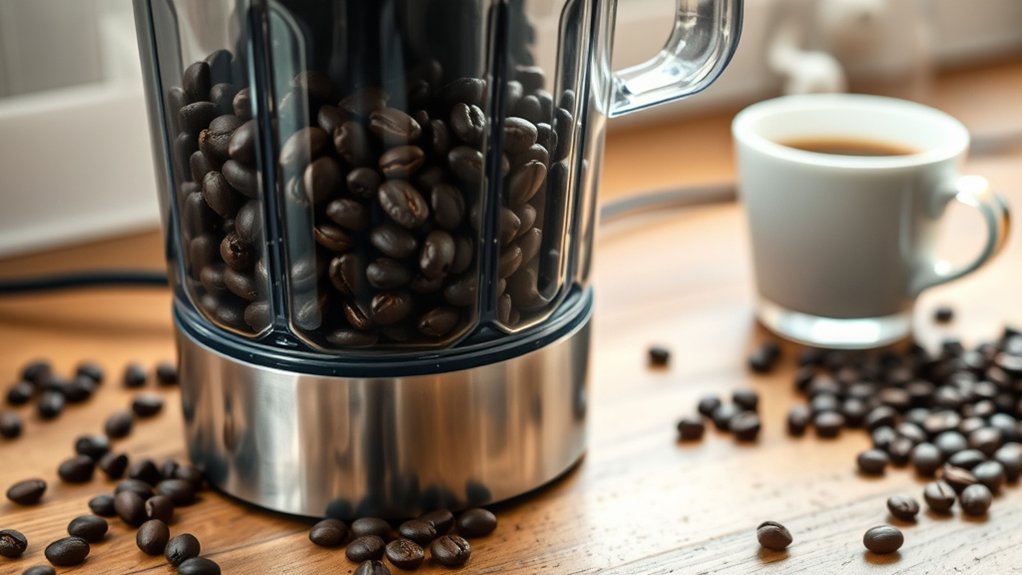
Yes, you can grind coffee beans in a blender to get coarse to medium grinds that work well for methods like French press or drip coffee. Just make sure to use small batches and short pulses. This helps control heat and gives you a more consistent grind.
That said, expect some uneven particles and occasional static cling. Blenders aren’t the best choice for fine grinds like espresso. But if you manage the texture carefully, this method can work pretty well.
If you want more precise control and better flavor, there are some key techniques and comparisons to consider next.
Can You Grind Coffee Beans in a Blender Effectively?
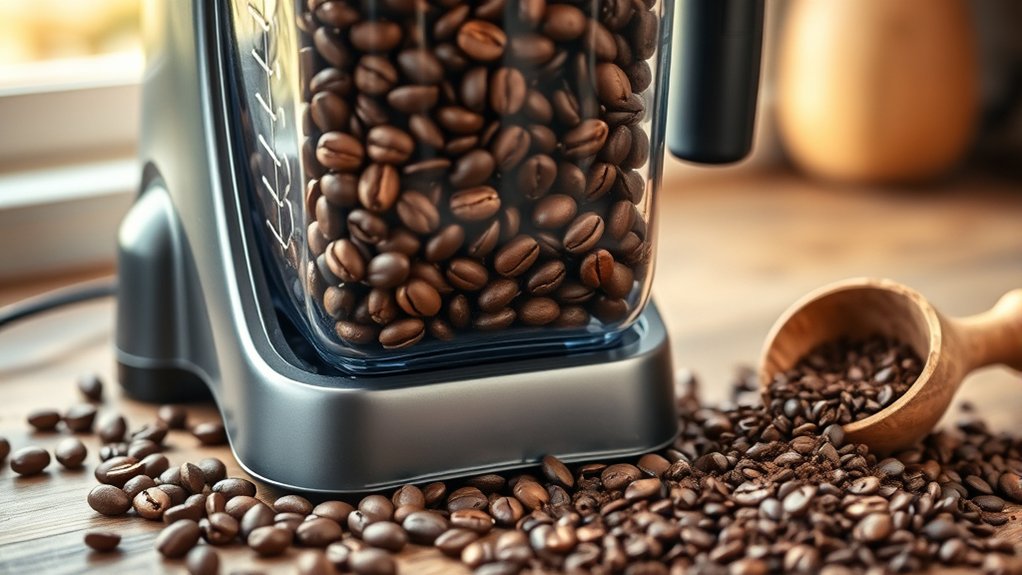
Although a blender isn’t designed specifically for grinding coffee, you can effectively use it to achieve coarse or medium grinds, especially for methods like French press or drip brewing.
A blender can effectively produce coarse to medium coffee grinds, ideal for French press or drip brewing.
To preserve bean freshness and coffee aroma, grind in short pulses of 3-5 seconds. This helps avoid overheating, which can degrade the flavor.
Since blenders often produce uneven particle sizes with more fines, it’s essential to stop frequently, shake the container, and check the grind consistency.
Using small batches ensures better control and prevents over-processing, which can negatively impact the coffee’s aroma and freshness.
While a blender won’t match a dedicated grinder’s precision, applying proper technique makes it a viable, quick alternative for coarse or medium grind needs without sacrificing too much in aroma or freshness.
How Do You Grind Coffee Beans in a Blender? (Step-by-Step Guide)
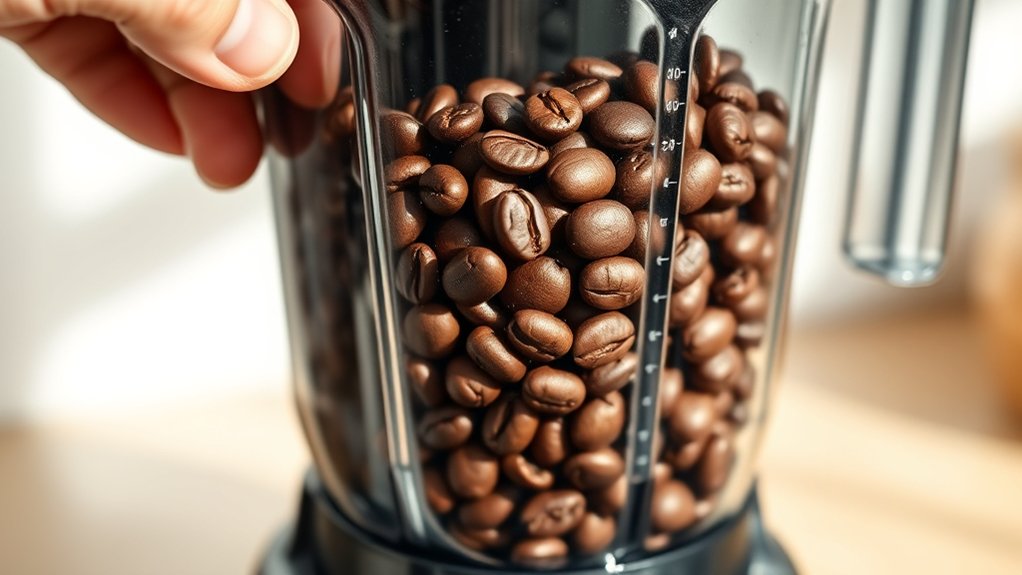
Start by measuring a small amount of whole coffee beans—around ¼ to ½ cup. This helps you keep control over the grind.
Then, use short pulses of 3 to 5 seconds on low speed. This way, you avoid heat buildup and uneven grinding.
In between pulses, give the blender jar a little shake or tap to redistribute the beans. Doing this ensures a more consistent texture.
Preparing Beans Properly
When you’re ready to grind coffee beans in a blender, it’s important to measure out ¼ to ½ cup of whole beans. This guarantees even grinding without overloading the appliance.
Properly preparing beans preserves the coffee flavor and highlights the bean origin’s unique characteristics.
Avoid grinding too many beans at once because this can cause uneven texture and heat buildup. That heat can degrade the flavor, and nobody wants that.
Also, make sure your beans are dry and fresh for the best results.
Place the measured beans into the blender jar, ready for controlled pulsing.
By handling beans carefully before grinding, you maintain their aromatic oils and complex notes. Those are vital for a rich, balanced cup.
Proper preparation sets the foundation for quality coffee when using a blender.
Pulsing Technique Tips
Once you’ve properly prepared your coffee beans, controlling the grind with precise pulsing is key to achieving the texture you want. Proper pulsing guarantees even flavor extraction and preserves the delicate aroma of your beans.
Follow these tips:
- Use short, 3-5 second pulses to avoid overheating, which can degrade flavor and aroma.
- Shake or tap the blender jar between pulses to evenly redistribute grounds for consistent texture.
- Check grind size frequently to prevent over-grinding and achieve your preferred coarseness or fineness.
- Keep the lid slightly vented during pulsing to release steam and CO₂ buildup, protecting both flavor and motor.
Also, remember to rest the motor briefly between batches. This helps maintain grind consistency and avoids heat damage.
Which Coffee Grind Sizes Work Best in a Blender?
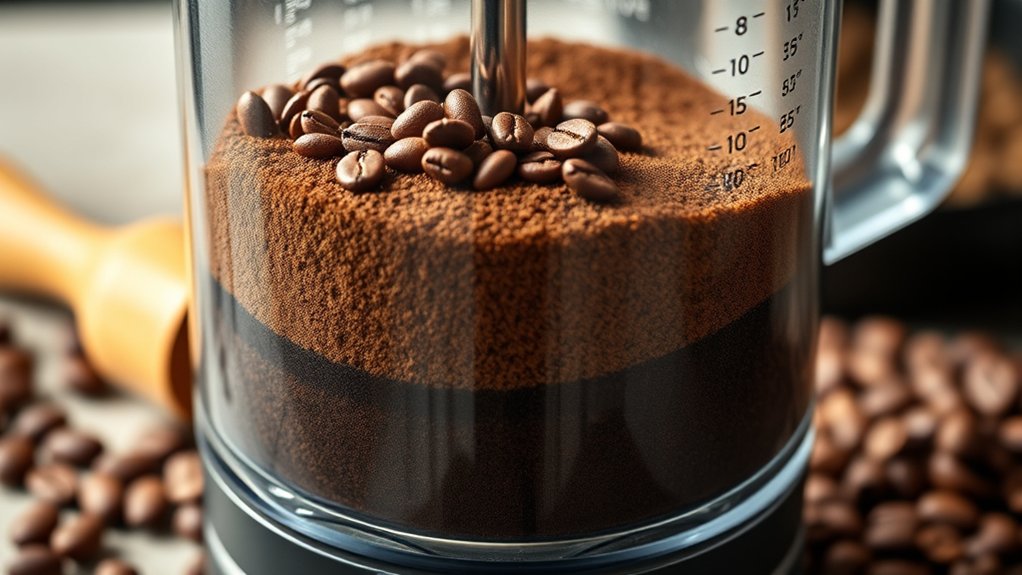
You’ll get the best results grinding coffee beans to a coarse or medium texture in a blender. Coarse works well for French press and cold brew, while medium is better suited for drip and pour-over brewing.
That said, achieving a consistent fine grind is pretty tough with a blender, so it’s not the best option if you’re aiming for espresso.
One helpful tip is to use short pulses when grinding — this helps keep the grind size on point and prevents the beans from overheating.
Ideal Grind Textures
Although blenders can’t achieve the precise consistency of dedicated coffee grinders, they’re pretty good at producing coarse to medium grind textures. These are ideal for various brewing methods. You’ll notice that grind consistency directly impacts coffee flavor, so knowing what your blender can do helps you get the best brew.
- Extra coarse grind looks like large flakes and is great for cold brew steeped over long periods.
- Coarse grind, similar to chunky sea salt, works well for French press and cold brew styles.
- Medium grind, like sand or beach pebbles, is perfect for drip coffee and pour-over.
- Fine grind, which is more like flour, is hard to get evenly with a blender. It’s not really recommended for espresso or AeroPress.
Try using short pulses and check the grind often. This helps improve consistency and keeps your coffee flavor just right.
Suitable Brewing Methods
When you use a blender to grind coffee beans, you’ll find it excels at producing coarse and medium grinds that suit brewing methods like French press, cold brew, drip, and pour-over. These grinds preserve flavor well when you pulse in short bursts, preventing overheating and uneven particle size. Coarse textures work best since they’re forgiving and reduce the risk of flavor degradation.
Medium grinds require more attention but remain achievable with controlled blending. Avoid extended blending to maintain consistent grounds and protect flavor preservation. Keep in mind, blenders generate higher noise levels than dedicated grinders, so grinding in short intervals helps manage that.
Fine or extra-fine grinds for espresso or Turkish coffee are difficult to achieve consistently, so stick to coarse and medium sizes for ideal results.
How Does Grind Size Affect Your Coffee Brew?
Since grind size controls the surface area of coffee particles, it directly influences how quickly flavors extract during brewing. Achieving flavor consistency depends on grind uniformity; uneven particles cause some flavors to over-extract while others remain weak.
Here’s how grind size affects your brew:
- Finer grinds increase surface area, speeding extraction and producing a stronger, more intense cup.
- Coarser grinds slow extraction, resulting in a milder, less bitter flavor profile.
- Each brewing method demands a specific grind size to optimize water flow and extraction balance.
- Inconsistent grind size causes uneven extraction, harming overall flavor quality.
Understanding and regulating grind size ensures your coffee’s taste aligns with your preferred brewing method and flavor profile. It’s a simple step that makes a big difference in your daily cup.
How Do You Get Consistent Coffee Grounds With a Blender?
To get consistent coffee grounds with your blender, try using short pulses. Give the jar a good shake between each pulse to make sure the beans are evenly distributed.
It’s best to grind in small batches. This helps avoid overheating and keeps the particle sizes more uniform.
Also, keep the lid slightly ventilated so moisture doesn’t build up inside.
Make sure to check the grind size regularly as you go. That way, you can stop right when you’ve reached the consistency you want.
Pulse Technique Tips
Although blending coffee beans might seem straightforward, achieving consistent grounds requires mastering the pulse technique. This approach preserves bean freshness and enhances coffee flavor by preventing overheating and uneven grinding.
Here’s how to do it effectively: Use short, 3-5 second pulses to control grind size and avoid heat buildup that can degrade flavor. Gently shake or tap the blender jar between pulses to redistribute beans for uniform grinding.
Frequently check the texture to ensure the grounds match your brewing method’s requirements. Avoid continuous blending; pause regularly to assess progress and prevent over-processing.
Following these tips guarantees a consistent, fresh grind that maximizes your coffee’s flavor potential when using a blender.
Grinding Batch Size
Grinding small batches of coffee beans, typically between ¼ and ½ cup, helps you achieve a consistent and uniform grind when using a blender. Keeping your batch size steady allows you to predict the grind texture, which is essential for extracting balanced coffee flavor.
To maintain grind consistency, pulse the blender in short bursts rather than running it continuously. Shake or tilt the jar between pulses to redistribute the beans evenly and prevent uneven grinding.
Regularly monitor and adjust pulse duration based on how the grounds look and feel. By sticking to a controlled batch size and refining your pulsing technique, you’ll avoid overprocessing and produce coffee grounds that enhance flavor clarity and uniformity.
This way, each brew tastes its best.
Lid Ventilation Importance
Why does lid ventilation matter when grinding coffee beans in a blender? Venting is important because it helps regulate the pressure inside the jar. Without venting, excess steam and CO₂ build up, creating pressure that messes with the grind consistency.
Slightly opening the lid lets these gases escape, which stabilizes the internal conditions. That way, you get a more uniform particle size every time.
Here’s why you should vent the lid:
- It prevents pressure buildup that causes uneven grinding.
- It reduces vacuum formation, so the beans move smoothly inside.
- It minimizes grounds sticking to the lid, helping ensure uniform results.
- It lowers the risk of spillage or blender damage from too much pressure.
How Do You Prevent Heat Build-Up When Grinding Coffee?
When you want to preserve the delicate flavors of your coffee, preventing heat buildup during grinding is crucial. Use short pulses instead of continuous blending to minimize heat generation, and shake or stir the beans between pulses to distribute friction evenly.
Grind in small batches to limit how long the blades contact the beans, reducing heat exposure. Let your blender rest between batches to cool the motor and prevent heat transfer to the grounds.
Keeping the lid slightly vented helps steam escape, which further controls temperature. Once ground, immediately transfer your coffee to airtight storage containers to maintain freshness and lock in flavor.
This careful heat management ensures your coffee grounds retain prime aroma and taste for a superior brew. It’s a simple way to get the best out of every cup.
Why Are Short Pulses Key for Better Coffee Grounds?
Although it might seem easier to blend coffee beans continuously, using short pulses gives you much better control over the grind size and quality. This technique enhances grinding efficiency and protects coffee flavor by minimizing heat buildup and over-processing.
Here’s why short pulses are key:
- They prevent excessive heat that can burn coffee oils, preserving delicate flavors.
- Pulsing allows you to achieve a more uniform grind size, improving extraction.
- Short bursts reduce friction, keeping volatile aromatic compounds intact.
- Controlled pulses help avoid static and powder formation, ensuring consistent texture.
What Are Common Blender Grinding Challenges and How Do You Fix Them?
Grinding coffee beans in a blender often presents challenges such as inconsistent particle size, overheating, and static buildup that can affect the final brew quality. You’ll notice uneven grinding consistency if your pulses are too long or irregular, resulting in coarse and fine grounds mixed together.
Overheating during blending can ruin your coffee flavor by causing burnt notes and diminishing aroma. To avoid this, use short, controlled pulses and allow rests between bursts.
Static electricity frequently causes grounds to cling to the blender jar, making transfer and measurement tricky. To fix these issues, monitor pulse duration carefully, blend in short bursts, and tap the jar to release stuck grounds.
These simple steps help maintain grinding consistency and keep the coffee flavor you’re aiming for. It’s all about finding the right rhythm and being patient with the process.
Comparing Blenders and Coffee Grinders for Coffee Grinding Quality
Mastering the rhythm and pulse control in a blender can help improve your coffee grounds, but it still falls short compared to what a dedicated coffee grinder offers.
When comparing blenders and coffee grinders for coffee grinding quality, consider these key points:
- Coffee grinders, especially burr types, produce uniform grind consistency. This ensures even extraction and enhances your coffee flavor.
- Blenders generate uneven grounds with a mix of coarse and fine particles. That leads to inconsistent brewing results.
- Heat from blender blades can alter coffee flavor and aroma. Grinders operate cooler, which helps preserve bean quality.
- Burr grinders offer multiple adjustable settings for precise grind size control, unlike blenders that rely on pulse timing and manual checks.
How Do You Clean Your Blender After Grinding Coffee?
Because coffee oils and fine grounds can quickly cling to your blender’s surfaces, cleaning it immediately after use is essential to keep things hygienic and your blender working well. Rinse the blender jar right after grinding to stop residues from hardening. This can mess with your coffee flavor and grind consistency.
Use warm water and dish soap to clean the jar, blades, and lid thoroughly. Make sure no coffee particles are left behind. If you notice stubborn oily stains, try blending a mix of water with white vinegar or baking soda. Then rinse everything well.
Don’t forget to take out and clean the gasket and any detachable parts separately. This helps avoid mold or weird odors.
Finally, air dry or wipe all parts with a clean towel. That way, your blender stays fresh and ready for your next coffee grind.
When Should You Invest in a Dedicated Coffee Grinder?
If you want consistent grind sizes that bring out the best flavors in your coffee, investing in a dedicated coffee grinder is the way to go. A quality grinder guarantees uniform particles, which is essential for ideal extraction and aroma preservation.
Think about upgrading when you need precise grind adjustments for various brewing methods. Also, if you care about keeping your coffee beans fresh before grinding, a dedicated grinder helps with that.
Upgrade for precise grind control and to keep your coffee beans fresher before brewing.
Plus, maintaining your grinder means it will perform consistently and last longer.
You’ll also want one if you’re aiming to maximize volatile oil retention for a richer taste. A burr grinder is perfect if you’re serious about espresso or specialty coffee. Unlike blenders, dedicated grinders give you better control and stability, so you get superior results every day.
In the end, this investment really pays off with more consistent flavor and a better coffee experience overall.
Tips to Match Blender Grind Size to Brewing Methods
Achieving the right grind size with your blender can really improve your brewing results, especially if you don’t have a dedicated grinder. To match grind size to your brewing method, start by using coarse settings for a French press or cold brew. Aim for a chunky, sea salt-like texture.
For drip coffee or pour-over, pulse in short bursts and check often for a medium grind that looks like sand. When you’re going for a fine espresso grind, use very brief pulses to avoid over-processing.
Too much blending can cause heat buildup and affect the flavor of your coffee. Adjust how long and how often you pulse carefully to keep the grind consistent. Always compare your grounds to visual benchmarks to make sure the texture matches your brewing method.
This way, you’ll get the ideal extraction and flavor every time.
Frequently Asked Questions
Can I Grind Other Spices Along With Coffee Beans in a Blender?
You can grind other spices with coffee beans, but the spice flavors might transfer. This can affect how consistent your blend turns out.
It’s a good idea to use separate jars for different spices. Also, try pulsing in short bursts to keep control over the texture.
This method helps avoid heat buildup, which can change the taste of both your spices and coffee. Keep that in mind to get the best flavor!
How Much Coffee Can I Grind at Once in a Blender?
Think of your blender as a bustling dance floor; only half a cup of coffee beans should groove at once. This balance guarantees ideal coffee bean texture and respects blender capacity.
It also prevents uneven grounds and blade struggles, making sure your coffee is just right every time. Keep it smooth and steady for the best results!
Will Grinding Coffee in a Blender Damage the Blender Blades?
Grinding coffee beans occasionally won’t considerably harm your blender’s durability, but frequent use may dull blade sharpness. Use short pulses, avoid overloading, and clean blades properly to maintain both your blender’s performance and longevity.
It’s pretty simple to keep your blender in good shape if you follow these tips. Just don’t grind coffee every single day, and you should be fine!
Can I Use Frozen Coffee Beans for Grinding in a Blender?
Picture frozen coffee beans cracking like ice shards as you blend. You can grind them, but thaw slightly for evenness.
Proper coffee bean storage prevents moisture. And remember, blender cleaning is essential after to avoid oily residue buildup.
How Long Does Freshly Ground Coffee Last When Ground in a Blender?
You should use freshly ground coffee from a blender within 30 to 60 minutes to guarantee maximum freshness. For coffee storage, keep it in an airtight container to preserve flavor and slow freshness degradation effectively.
Keeping your coffee sealed tight really makes a difference. It helps lock in all those rich aromas and flavors. So, try to avoid leaving it exposed to air for too long. That way, every cup tastes just as good as the first.
Conclusion
Grinding coffee beans in a blender is like painting with broad strokes. It’s effective for a quick canvas but lacks fine detail. You can get decent grounds, but consistency and precision often fall short compared to a dedicated grinder.
Think of your blender as a versatile tool, not a specialist. When you want that perfect cup, investing in a grinder really sharpens your craft. It turns your coffee ritual from a rough sketch into a masterpiece of flavor and aroma.