How To Clean A Cuisinart Coffee Maker – Easy Maintenance Guide
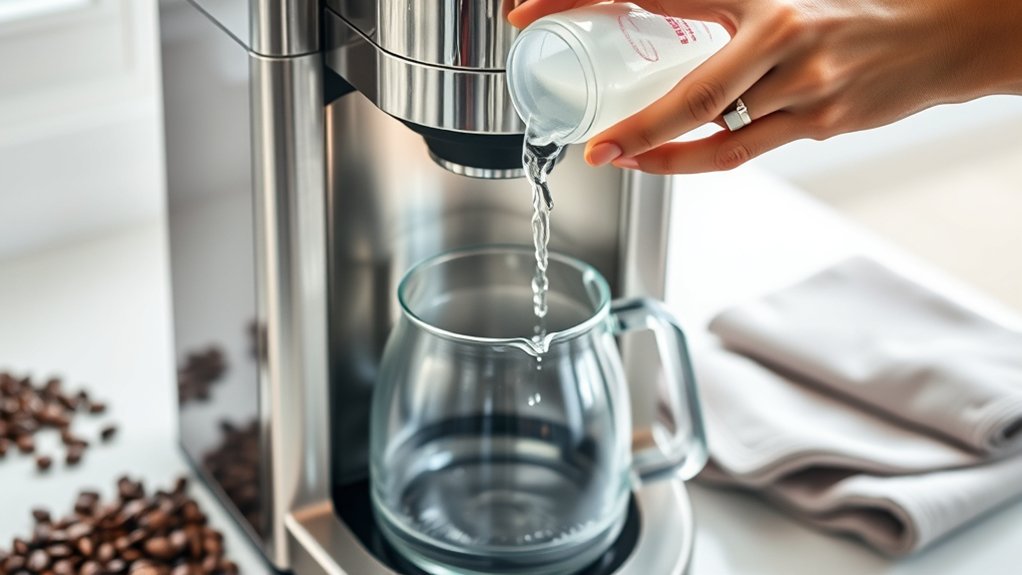
You should clean your Cuisinart coffee maker regularly to maintain brewing quality and extend its lifespan. Remove and wash parts like the brew basket and carafe after each use with mild detergent. Descale every 1-3 months by running a vinegar-water cycle, followed by fresh water rinses to dissolve mineral buildup.
Wipe the exterior with a damp cloth, avoiding electrical components. Make sure to address stubborn stains promptly. Following these steps keeps your machine efficient and your coffee flavorful.
For detailed tips and troubleshooting, keep exploring this guide. It’s worth it to keep your coffee tasting great!
Why You Should Clean Your Cuisinart Coffee Maker Regularly
Although it might seem like a simple appliance, your Cuisinart coffee maker requires regular cleaning to maintain ideal performance. Residue buildup from coffee oils and mineral deposits directly affects coffee flavor by introducing bitter or stale notes. You’ll notice a decline in taste quality if you neglect cleaning.
Water quality also plays a critical role; minerals in tap water accumulate inside the machine, impairing heating efficiency and flow rate. Regular cleaning guarantees maximum water flow and temperature control, preserving the intended extraction parameters.
To maintain consistent coffee flavor and prolong the machine’s lifespan, remove all coffee grounds and descale mineral buildup routinely. This prevents clogging and mechanical wear, ensuring your Cuisinart delivers excellent brews every time without compromising water quality or taste.
How Often to Clean and Descale Your Cuisinart Coffee Maker
You should clean your Cuisinart coffee maker after every use to keep it running smoothly. It’s a simple step that helps maintain the best performance.
Now, when it comes to descaling, aim for every 1 to 3 months. This depends on how hard your water is and how often you brew coffee. If you notice your coffee maker brewing slower than usual or making strange noises, that’s a good sign it’s time to descale.
Just keep an eye out for these hints, and your machine will thank you!
Recommended Cleaning Frequency
Since mineral buildup can affect your Cuisinart coffee maker’s performance and taste, regular cleaning and descaling are essential. Maintaining ideal water quality helps preserve coffee flavor and extends your machine’s lifespan.
To keep your coffee maker functioning at its best, follow this recommended cleaning frequency:
- Clean removable parts like the carafe and filter basket after every use. This prevents residue buildup and helps keep your coffee tasting great.
- Perform a thorough cleaning of the internal components once a month, especially if you use hard water. Hard water speeds up mineral deposits, so staying on top of this is important.
- Descale your coffee maker every 3 months, or more often if your water quality is poor. This ensures efficient heating and consistent coffee extraction.
Stick to this schedule, and your Cuisinart will brew perfectly with fresh-tasting coffee every time.
Signs You Should Descale
When mineral deposits build up inside your Cuisinart coffee maker, it can cause slower brewing times and weaker coffee flavor. You should descale whenever you notice changes in brewing temperature or if your coffee beans don’t extract properly. Mineral buildup affects water flow, which impacts both temperature and flavor consistency.
Here’s a quick look at some signs to watch out for:
| Sign | Cause | Effect |
|---|---|---|
| Longer brewing time | Scale restricts water flow | Coffee tastes weaker |
| Lower brewing temperature | Deposits insulate heating | Under-extraction of coffee beans |
| Coffee grounds clogging | Hardened mineral buildup | Machine malfunctions |
| Visible scale residue | Lack of regular maintenance | Reduced machine lifespan |
Try to descale every 1-3 months depending on how hard your water is and how often you use the machine. Doing this keeps your coffee maker running at its best.
What You’ll Need to Clean Your Cuisinart Coffee Maker
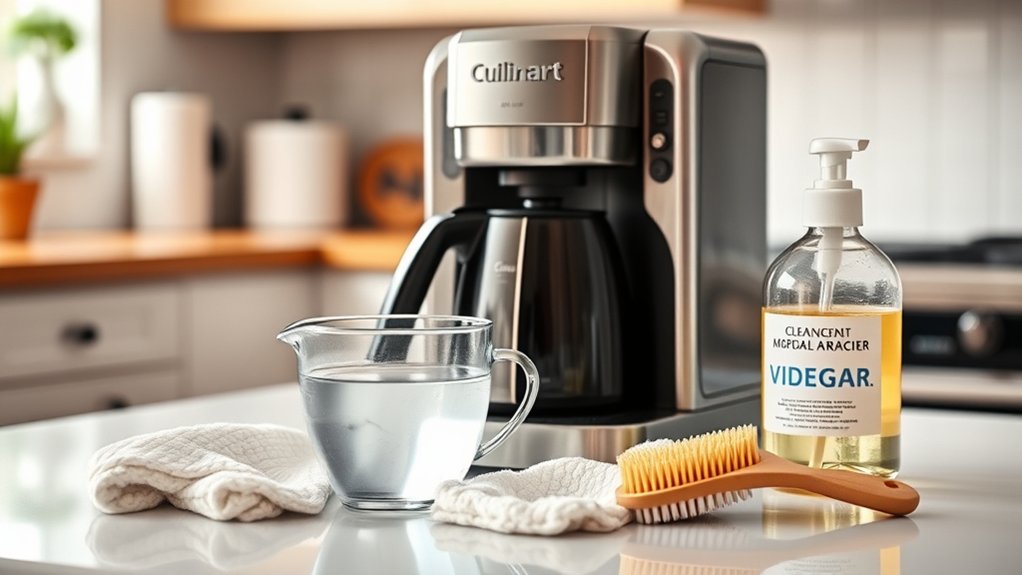
Before starting the cleaning process, gather all the necessary materials to guarantee efficiency and effectiveness. Proper cleaning preserves your coffee maker’s water filtration system, ensuring ideal coffee flavor every brew.
Gather all cleaning materials first to ensure your coffee maker’s water filtration stays pristine for perfect flavor.
Use these essential items:
- White vinegar or descaling solution This breaks down mineral buildup that compromises water filtration and taste.
- Mild dish soap Safely cleans removable parts without damaging seals or materials.
- Soft cloth or sponge Prevents scratches while thoroughly wiping internal and external surfaces.
Having these tools ready makes the cleaning process smoother and protects your Cuisinart’s components.
Keeping the filtration and internal parts clean directly impacts the clarity of water used, which means better coffee flavor. Just avoid harsh chemicals or abrasive tools to keep your machine safe while maintaining it well.
How to Remove and Clean Removable Parts Safely
Start by carefully detaching the removable parts according to the manufacturer’s instructions so you don’t accidentally cause any damage.
Then, grab a soft brush or cloth and use some mild detergent to clean each component thoroughly.
After that, rinse all the parts with warm water.
Make sure to let everything dry completely before you put it back together.
Detaching Parts Properly
Although detaching parts from your Cuisinart coffee maker may seem straightforward, handling each component carefully is essential to prevent damage and guarantee effective cleaning. Proper detachment preserves the integrity of parts that directly affect coffee flavor and water quality.
Follow these steps:
- Always unplug the machine and allow it to cool before removing parts to avoid burns or electrical hazards.
- Gently twist or pull removable components like the water reservoir, filter basket, and carafe following manufacturer instructions to prevent cracks or misalignments.
- Avoid using excessive force. If a part resists, check for locking mechanisms or consult the manual to avoid damaging seals that maintain water quality and machine performance.
Cleaning Techniques for Components
Once you’ve carefully detached the removable parts of your Cuisinart coffee maker, you can proceed with cleaning them safely. Start by rinsing the filter basket, carafe, and water reservoir with warm water to remove residual coffee oils and deposits that could degrade coffee flavor.
Use a mild detergent and a soft sponge to avoid scratching surfaces, which can harbor bacteria and affect water quality. Avoid abrasive cleaners or scouring pads.
For thorough cleaning, soak removable parts in a solution of one part white vinegar to two parts water for 15 minutes, then rinse thoroughly to eliminate vinegar residue.
Make sure all components are completely dry before reassembly to prevent mold growth.
Regular cleaning keeps your water quality ideal and helps preserve the pure coffee flavor you expect from your Cuisinart. It’s a simple step that makes a big difference in every cup.
How to Descale Your Cuisinart Coffee Maker
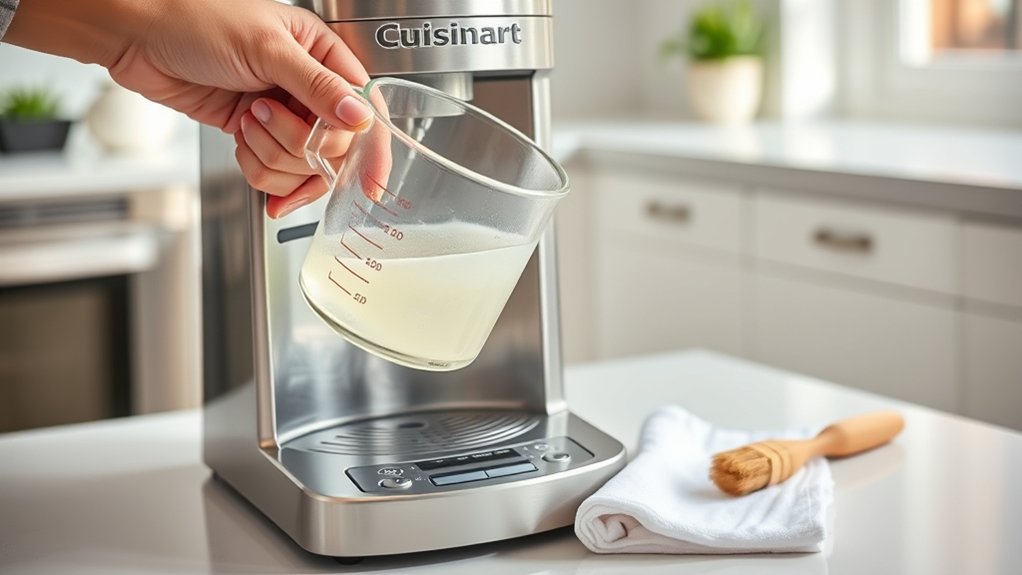
Since mineral buildup can impair your Cuisinart coffee maker’s performance, descaling it regularly guarantees ideal brewing and extends its lifespan. Descaling removes calcium deposits that affect coffee flavor and reduce machine longevity.
Follow these steps for effective descaling:
- Fill the water reservoir with a mixture of equal parts white vinegar and water.
- Run a complete brew cycle without coffee grounds, allowing the solution to clean internal components.
- After the cycle, rinse by running two full cycles with fresh water to eliminate vinegar residue.
Perform this process every 1-3 months depending on water hardness. Regular descaling ensures your coffee maker delivers excellent coffee flavor and maintains peak functionality.
It also helps prevent costly repairs and extends your machine’s longevity.
How to Clean the Coffee Filter Basket and Carafe Properly
After descaling your Cuisinart coffee maker to remove mineral buildup, focus on cleaning the coffee filter basket and carafe to keep your brewing quality spot on.
Take out the basket and give it a good rinse under warm water. Use a soft brush to get rid of coffee oils that can mess with the aroma.
Remove the basket and rinse it well, using a soft brush to clear away lingering coffee oils.
Skip the harsh detergents—mild soap is enough if you need it. Check the basket for any wear because swapping it out regularly helps with perfect extraction and stops clogging.
When it comes to the carafe, wash it right after you use it with warm, soapy water. This helps prevent stains and residue from settling in.
Use a non-abrasive sponge so you don’t scratch the glass and keep it clear.
Make sure to rinse both parts well so no soap lingers that could change the flavor. Then dry everything completely before putting it back together to keep your coffee tasting fresh and smelling great.
How to Clean Your Cuisinart Coffee Maker Exterior and Control Panel
First things first, make sure you unplug your Cuisinart coffee maker. This keeps things safe while you’re cleaning.
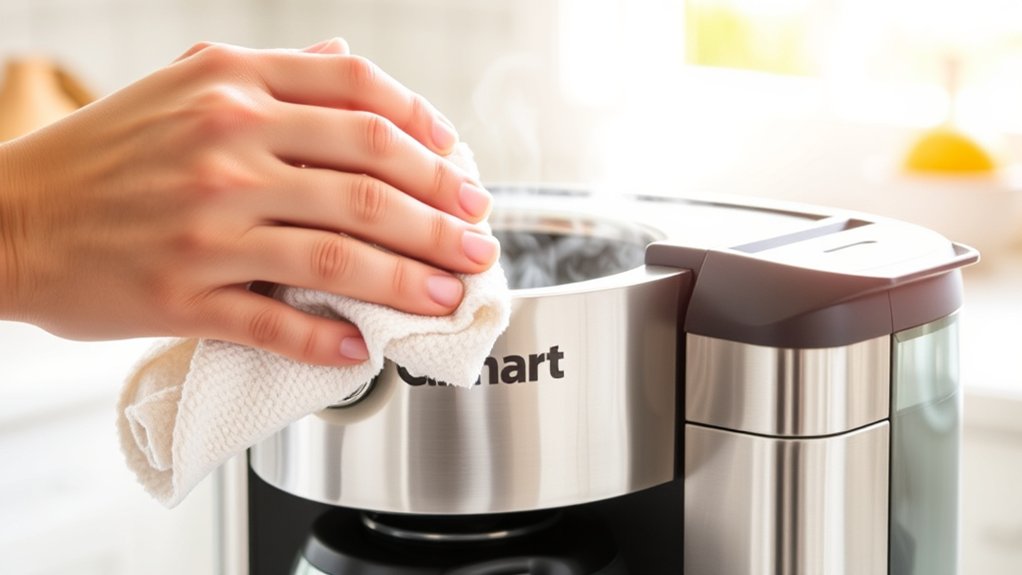
Then, grab a soft, damp cloth and wipe down the outside surfaces. Just be careful not to let too much water get near any electrical parts.
When it comes to the control panel, take a microfiber cloth and lightly moisten it. Gently clean around the buttons to get rid of any dirt without damaging anything.
It’s a simple way to keep your coffee maker looking fresh!
Wiping Down Surfaces
Although cleaning the interior parts of your Cuisinart coffee maker is essential, wiping down the exterior surfaces and control panel guarantees the machine stays hygienic and functional. Use appropriate cleaning tools like a soft microfiber cloth and a mild detergent solution to prevent scratches.
Focus on surface stains caused by coffee drips or fingerprints to maintain a pristine appearance. Follow these steps:
- Dampen your cleaning tool with a gentle cleanser, avoiding excess moisture near electrical components.
- Wipe all exterior surfaces systematically, applying light pressure on stubborn surface stains.
- Dry thoroughly with a clean cloth to prevent water spots and ensure the machine’s longevity.
Regular maintenance using these precise methods preserves your coffee maker’s aesthetics and operational integrity. It’s a simple routine that really makes a difference!
Cleaning Control Buttons
Maintaining the cleanliness of your Cuisinart coffee maker’s control buttons guarantees responsive operation and prevents buildup that can impair functionality. Start by unplugging the machine to guarantee safety.
Use a soft, lint-free cloth slightly dampened with a mild detergent solution to gently wipe the control buttons. Avoid excess moisture to prevent liquid from seeping beneath the buttons.
For crevices around the controls, employ a cotton swab dipped in the cleaning solution, carefully removing debris without applying pressure. Never use abrasive materials or harsh chemicals as they can damage the button surfaces and impair sensitivity.
After cleaning controls, wipe the area with a dry cloth to remove residual moisture. Regularly performing this cleaning controls routine will maintain the panel’s responsiveness and prolong your coffee maker’s lifespan.
It’s pretty simple but really makes a difference!
Removing Stubborn Stains From Your Cuisinart Coffee Maker
When you notice stubborn stains inside your Cuisinart coffee maker, you’ll need targeted cleaning techniques to remove mineral deposits and coffee residue effectively. These stains can negatively impact coffee flavor and slow brewing speed, so it’s important to address them promptly.
Follow these steps for thorough stain removal:
- Mix equal parts white vinegar and water, then run a brewing cycle without coffee grounds. This solution dissolves mineral buildup and loosens residue.
- Use a soft brush or cloth dipped in the vinegar solution to scrub stained areas gently, focusing on the water reservoir and brew basket.
- Rinse thoroughly by running two full cycles with clean water to eliminate vinegar traces. This ensures ideal coffee flavor and restores normal brewing speed.
Long-Term Maintenance Tips to Keep Your Cuisinart Running Smoothly
After removing stubborn stains, keeping your Cuisinart coffee maker in excellent condition requires a consistent maintenance routine. Regularly descale your machine every 1-3 months using a manufacturer-approved descaling solution to prevent mineral buildup. This buildup can impact water flow and coffee flavor.
Always use filtered or distilled water to maintain superior water quality. Doing this reduces scale deposits and helps preserve your coffee’s taste.
Clean the brew basket and carafe after each use to avoid residue accumulation that can alter flavor profiles.
Periodically inspect and replace worn-out components like the water filter to sustain performance.
Also, store the unit in a dry environment when not in use.
Following these long-term maintenance practices ensures your Cuisinart delivers consistent coffee flavor and operates smoothly over time.
Troubleshooting Common Cleaning Problems With Your Cuisinart Coffee Maker
Although regular cleaning prevents most issues, you might still encounter stubborn stains, mineral buildup, or clogged water lines in your Cuisinart coffee maker. These problems can negatively affect coffee flavor and slow brewing speed.
To troubleshoot effectively, here’s what you can do:
- Stubborn stains: Use a mixture of vinegar and water to soak removable parts. Then, scrub gently to restore cleanliness without damaging surfaces.
- Mineral buildup: Run a descaling cycle using a Cuisinart-approved descaler or diluted vinegar. This helps dissolve mineral deposits and ensures ideal water flow and taste.
- Clogged water lines: After descaling, flush the machine with clean water. If problems continue, check the water reservoir and internal tubing for blockages.
Addressing these problems promptly keeps your coffee maker performing well. It also helps preserve the rich coffee flavor you expect.
Frequently Asked Questions
Can I Use Vinegar Instead of Commercial Descaler?
Yes, you can use vinegar instead of commercial descaler to clean your Cuisinart coffee maker. Vinegar alternatives like lemon juice also work but might be a bit less effective. When using vinegar, make sure you dilute it with water to prevent any damage.
Be sure to follow descaler safety guidelines by thoroughly rinsing the machine afterward. This helps avoid corrosion or any weird taste issues.
Vinegar is a cost-efficient option, but it does require careful handling.
Taking these steps will help maintain your coffee maker’s longevity and keep it running smoothly. So, if you want a budget-friendly solution, vinegar can definitely do the trick!
Is It Safe to Put Cuisinart Parts in the Dishwasher?
You can put some Cuisinart parts in the dishwasher, but not all. Dishwasher safety depends on the specific component. Removable filter baskets and carafes are usually dishwasher-safe, while the water reservoir and base are not.
Make sure to check your model’s manual for exact guidelines.
For the best performance and to help your machine last longer, clean removable parts after every use.
Also, try to do a deep clean once a month.
Keeping up with proper cleaning helps your coffee maker stay efficient and safe. It’s worth the little extra effort!
How Do I Reset My Cuisinart Coffee Maker After Cleaning?
To reset your Cuisinart coffee maker after cleaning, press and hold the “Clean” button for about 5 seconds until the indicator light turns off. This resets the cleaning schedule and guarantees accurate descaling frequency tracking.
Regularly resetting after each cleaning cycle helps maintain peak performance and prevents buildup. Follow your model’s manual for specific reset instructions.
And stick to a consistent cleaning schedule to prolong your machine’s lifespan and brew quality.
What Water Hardness Level Is Best for My Coffee Maker?
Don’t think any tap water will do. Water quality really matters. You want soft to moderately hard water, ideally under 60 ppm of calcium carbonate, to keep mineral buildup in your coffee maker low.
Hard water speeds up scaling, which can damage your machine and mess with the taste of your coffee. Using filtered or bottled water with balanced minerals helps keep things running smoothly. Plus, it makes your coffee taste better.
Regular descaling is also key. It helps manage any leftover buildup over time and keeps your coffee maker in good shape.
Can Cleaning Affect the Coffee Maker’s Warranty?
Cleaning won’t void your warranty if you follow the manufacturer’s guidelines precisely. You should use recommended cleaning agents and avoid harsh chemicals that could damage internal components.
Improper cleaning methods or neglecting maintenance can cause warranty concerns by leading to malfunctions not covered by the warranty. So, it’s really important to stick to what the manual says.
Always consult your Cuisinart coffee maker’s manual for specific instructions. This way, you can be sure your cleaning has a positive impact and your warranty stays intact.
Conclusion
Regularly cleaning your Cuisinart coffee maker guarantees peak performance and extends its lifespan. Imagine Sarah, who neglected descaling. Her machine clogged and brewed weak coffee.
After following this guide, her brew strength improved, and the machine ran smoothly again. By sticking to routine cleaning and descaling, you’ll avoid common issues like buildup and stains.
Keep your coffee maker in top shape with these simple, precise steps for consistent, great-tasting coffee every time.