How Much Caffeine is in a 12 oz Cup of Coffee? Discover the True Amount
Coffee is one of the most popular beverages around the world, enjoyed by millions every day for its rich flavor and energizing effects. Many people rely on it to jumpstart their mornings, stay alert during work, or enjoy a comforting ritual throughout the day. With its widespread popularity, questions about its content and impact naturally arise, especially when it comes to caffeine.
Understanding caffeine levels is important because it affects energy, focus, and overall health. Different brewing methods, coffee beans, and serving sizes can lead to variations in caffeine content, making it essential to know what you are consuming.
For a standard 12 oz cup of coffee, the caffeine content can vary significantly, ranging from moderate to high amounts. This variation influences how much energy you gain and how your body responds, whether you are sensitive to caffeine or not.
Exploring the specifics of coffee’s caffeine content helps you make informed choices about consumption. By understanding this, you can enjoy your cup while staying mindful of its stimulating effects.
Knowing the details of caffeine in each serving also allows you to plan your daily intake, balancing energy and health effectively.
Factors That Influence Caffeine Content
Caffeine levels in coffee are not fixed and can vary widely depending on several factors. From the type of coffee bean to the brewing method, every step in coffee preparation plays a role in determining how much caffeine ends up in your cup. Understanding these factors can help you manage your caffeine intake and enjoy a consistent coffee experience.
Coffee Bean Type
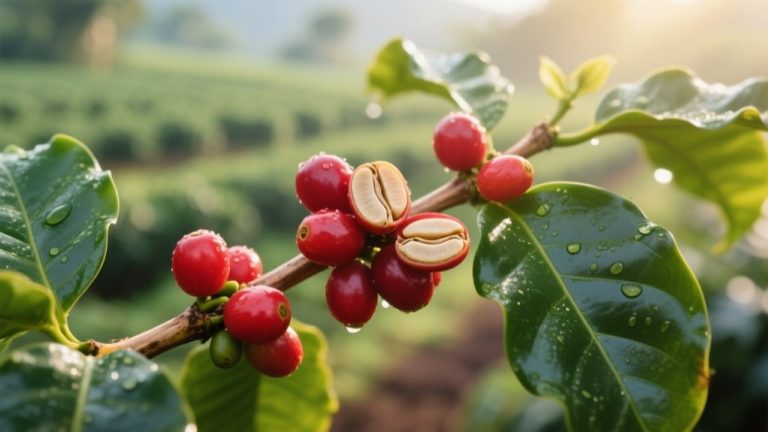
The type of coffee bean has a major impact on caffeine content. Arabica beans, known for their smooth flavor, generally contain less caffeine compared to Robusta beans, which are stronger and more bitter. Robusta beans can have almost double the caffeine content of Arabica.
Beyond species, the origin and growing conditions of the beans also play a role. Beans grown at higher altitudes tend to have slightly higher caffeine levels. Additionally, the processing method, such as wet or dry processing, can influence the final caffeine content. Roasters also impact caffeine concentration; while roasting may slightly reduce caffeine, darker roasts often taste stronger, giving the impression of more caffeine even if the actual content is similar. Choosing the right bean type is essential for controlling how much caffeine you consume per cup.
Grind Size and Brewing Method
The grind size of coffee beans directly affects how much caffeine is extracted during brewing. Finer grinds expose more surface area, which allows for faster extraction and usually results in a stronger, more caffeinated cup. Coarser grinds extract more slowly and typically produce coffee with lower caffeine levels.
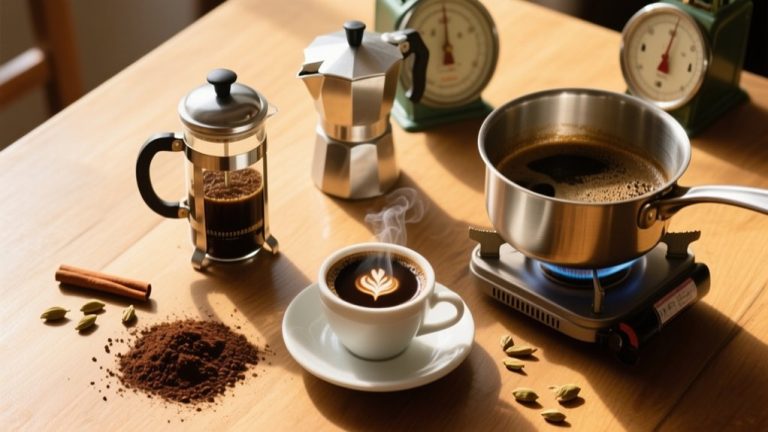
The brewing method also significantly influences caffeine content. Espresso, which uses high pressure for a short period, produces a concentrated shot of coffee but smaller in volume, while drip coffee allows more time for extraction, often resulting in higher total caffeine per cup. Methods like French press, AeroPress, or cold brew all extract caffeine differently, and factors such as water temperature, brew time, and coffee-to-water ratio further determine the final caffeine content. By adjusting grind size and brewing technique, you can tailor caffeine levels to your preferences.
Serving Size
The size of your coffee cup has a direct impact on caffeine intake. A 12 oz cup naturally contains more caffeine than a smaller 6 oz cup, assuming the coffee is brewed with the same concentration. Many coffee shops serve larger portions, and this often leads to unintentional higher caffeine consumption.
Even within the same serving size, the strength of the coffee matters. Using more coffee grounds per ounce of water will increase caffeine content, while weaker brews will naturally contain less. Being mindful of serving size and brew strength is key for managing your daily caffeine intake, especially for those sensitive to stimulants or aiming to limit consumption.
Roast Level and Freshness
The roast level of coffee beans can subtly affect caffeine content. Contrary to popular belief, lighter roasts often contain slightly more caffeine by weight than darker roasts, though the difference is minor. Dark roasts tend to lose some mass during roasting, which can slightly lower caffeine concentration per gram.
Freshness also plays a role. Coffee that has been stored for long periods may lose some volatile compounds, but caffeine itself is stable. However, freshness affects flavor and perception; a fresh cup may taste more vibrant, influencing how much coffee people drink and indirectly affecting total caffeine intake. Paying attention to roast level and freshness helps ensure you get the desired balance of flavor and stimulation in every cup.
Water Temperature and Brewing Time
Water temperature and brewing duration are critical for caffeine extraction. Hotter water extracts caffeine more efficiently, but extremely high temperatures can lead to over-extraction, resulting in bitterness. Lower water temperatures may under-extract, leaving the coffee weak and less caffeinated.
Brewing time also affects caffeine content. Methods that allow longer contact between water and coffee, like French press or cold brew, tend to extract more caffeine. Short brewing times, such as in espresso, produce concentrated shots with less total caffeine per serving but higher per ounce. Controlling water temperature and brew time is a powerful way to influence the caffeine strength of your coffee precisely.
Average Caffeine in a 12 oz Cup
A 12 oz cup of coffee is one of the most common serving sizes, yet the caffeine content in this standard cup can vary widely. Factors such as coffee type, brewing method, and strength all play a role in determining the exact amount of caffeine. Knowing the average caffeine content helps coffee drinkers manage their intake and make informed choices for daily consumption.
Typical Caffeine Range
For a standard 12 oz cup of coffee, caffeine content usually falls between 120 mg and 200 mg, though this can fluctuate. Drip coffee tends to be on the higher end of the spectrum because the water has more time to extract caffeine from the grounds. Espresso-based drinks, while concentrated, typically have less caffeine per 12 oz if served as a latte or cappuccino because they contain fewer shots per volume.
The type of bean also matters. Arabica beans contain less caffeine than Robusta, so a 12 oz cup made with Arabica is generally closer to the lower end of the range. Brew strength and coffee-to-water ratio further impact caffeine levels. A stronger brew with more grounds per ounce of water will naturally contain more caffeine, while a lighter brew will fall below average.
Specialty Coffee Drinks
Specialty coffee drinks often influence caffeine intake differently. Drinks like lattes, mochas, or cappuccinos combine espresso shots with milk or flavoring, which can dilute caffeine concentration. For example, a 12 oz latte may only contain one or two shots of espresso, resulting in roughly 60–120 mg of caffeine per serving, depending on the barista’s approach.
Cold brew coffee is another example. Although it is often served over ice, its long steeping process extracts higher amounts of caffeine, meaning a 12 oz cold brew can contain 150–250 mg of caffeine. Understanding these variations is important for those tracking daily caffeine intake, especially if multiple coffee beverages are consumed throughout the day.
Comparison With Other Beverages
Comparing a 12 oz cup of coffee to other caffeinated beverages helps put its caffeine content into perspective. A standard energy drink of the same size may contain 80–100 mg of caffeine, while a cup of black tea typically provides around 40–70 mg. Even within coffee varieties, instant coffee often contains slightly less caffeine, around 60–120 mg per 12 oz, making it a lighter option for those seeking moderate stimulation.
Knowing these comparisons allows coffee drinkers to adjust their consumption based on tolerance, desired alertness, or health considerations. A 12 oz cup of coffee provides a moderate caffeine dose, offering energy without the excessive intake found in some energy drinks or larger coffee servings.
Factors Causing Variation
Even within a standard 12 oz cup, caffeine content can fluctuate significantly. Factors like grind size, brewing method, water temperature, and brewing time all influence extraction. A coarser grind with shorter brewing time may yield lower caffeine, while finer grinds with longer brewing produce stronger coffee. Roast level also matters; lighter roasts tend to have slightly higher caffeine by weight than darker roasts.
Additionally, the skill and preferences of the person preparing the coffee can impact the caffeine content. Baristas may adjust the number of coffee grounds or shots, and home brewing methods vary widely. Recognizing these factors ensures that a 12 oz cup provides caffeine levels that match expectations, whether for energy, focus, or simple enjoyment.
Comparing Caffeine Across Brands
Caffeine content can differ not only by brewing method and serving size but also across different coffee brands. Each brand has its own blend of beans, roast profiles, and brewing recommendations, which affects the final caffeine in your cup. Understanding these differences is key for managing intake and selecting coffee that aligns with your taste and energy needs.
Major Coffee Chains
Major coffee chains like Starbucks, Dunkin’, and Peet’s offer consistent caffeine levels across their drinks, but there are notable differences. A 12 oz cup of Starbucks brewed coffee contains roughly 180 mg of caffeine, while Dunkin’ averages around 150 mg for the same size. Peet’s Coffee typically falls between 160–170 mg.
These variations result from bean selection, roast type, and brewing strength. Starbucks uses darker roasts with slightly higher extraction, while Dunkin’ leans toward lighter, milder blends. Chain consistency ensures customers know what to expect, but even slight differences can affect total caffeine intake if you consume multiple cups per day. Being aware of these distinctions is essential for managing energy levels and avoiding excessive caffeine consumption.
Popular Retail Coffee Brands
Retail coffee brands like Folgers, Maxwell House, and Starbucks packaged coffee also have varying caffeine levels. Folgers 12 oz brewed coffee usually contains 130–140 mg of caffeine, Maxwell House averages around 120–130 mg, and Starbucks packaged grounds hover near 150–160 mg.
The variation comes from bean type, roast, and grind size recommendations on packaging. Folgers and Maxwell House often use blends that are predominantly Arabica beans, which have moderate caffeine content. Starbucks retail coffee may include a mix of Arabica and some Robusta beans for added intensity. Understanding these differences helps you choose the right brand for home brewing, whether you prefer moderate stimulation or a stronger energy boost.
Cold Brew and Specialty Brands
Specialty coffee brands that focus on cold brew or high-caffeine blends, such as Stumptown, High Brew, or Death Wish Coffee, offer significantly higher caffeine content. A 12 oz serving of Stumptown cold brew contains about 180–200 mg, High Brew ranges from 150–200 mg, and Death Wish can reach 200–220 mg per cup.
Cold brew’s long steeping process extracts more caffeine than typical hot brewing, and high-caffeine brands specifically market stronger blends for maximum energy. These options are ideal for those needing an extra boost but may not suit people sensitive to caffeine. Comparing brands ensures you match your personal tolerance with the right coffee type for your daily routine.
Factors Behind Brand Differences
Brand differences in caffeine stem from multiple factors, including the type of beans, roast level, and brewing methods recommended. Some brands blend Arabica and Robusta beans for increased caffeine, while others focus on flavor and aroma with milder caffeine content. Roast and grind size also play a role, as darker roasts may seem stronger but can contain slightly less caffeine by weight.
Additionally, commercial preparation processes, such as automated brewing in chains versus home brewing, contribute to variations. Recognizing these factors helps coffee drinkers make informed choices, whether they want a predictable caffeine experience at a café or are experimenting with different retail or specialty brands at home.
Tips to Control Your Caffeine Intake
Managing caffeine intake is essential for maintaining energy levels without causing jitters, sleep disruption, or dependency. Many people underestimate how much caffeine they consume daily, especially when drinking multiple cups of coffee, tea, or energy drinks. By adopting practical strategies, you can enjoy coffee while keeping your intake within healthy limits.
Monitor Your Daily Consumption
The first step in controlling caffeine intake is tracking how much you consume each day. Keep a record of every cup of coffee, tea, energy drink, or chocolate-based beverage you consume. A standard 12 oz cup of coffee contains roughly 120–200 mg of caffeine, while tea and energy drinks vary widely. Tracking helps identify high-intake periods and patterns, making it easier to adjust your consumption.
Pay attention to caffeine from unexpected sources such as soda, pre-workout supplements, or chocolate snacks. Once you know your daily total, you can set a safe limit that suits your tolerance. Monitoring not only prevents overconsumption but also helps you recognize the point where caffeine starts affecting sleep, mood, or heart rate. Keeping a daily log ensures you remain mindful without having to guess or underestimate your intake.
Adjust Brew Strength and Serving Size
Controlling caffeine starts with how you brew your coffee and how much you drink. Using fewer coffee grounds per cup or opting for a weaker brew can significantly reduce caffeine content. Smaller serving sizes, such as 8 oz instead of 12 oz, also help manage intake without cutting coffee entirely from your routine.
If you frequent coffee shops, consider customizing drinks with fewer espresso shots or switching to half-caf or decaf options. At home, experimenting with lighter roasts, coarser grinds, or shorter brewing times can lower caffeine levels while still delivering a flavorful cup. Small adjustments in brewing and portion size allow you to enjoy your favorite coffee without exceeding your caffeine limit.
Explore Alternative Beverages
Switching to lower-caffeine or caffeine-free alternatives can be an effective strategy. Herbal teas, decaffeinated coffee, or chicory-based drinks provide the ritual and flavor of coffee without the same stimulant effects. Green tea or black tea offers moderate caffeine while providing additional health benefits such as antioxidants.
Alternating high-caffeine drinks with water, milk, or fruit-infused beverages helps balance energy levels and prevents dependency. This approach is especially useful for people sensitive to caffeine or those experiencing sleep issues. Incorporating a variety of beverages also keeps your daily routine interesting while maintaining a healthier caffeine intake.
Time Your Caffeine Wisely
When you consume caffeine influences how it affects your body. Drinking coffee too late in the day can interfere with sleep, while consuming it strategically in the morning or early afternoon maximizes alertness without disrupting rest. Spacing out caffeine consumption throughout the day helps avoid spikes and crashes in energy.
Avoid using caffeine as a substitute for sleep. Instead, use it to complement healthy habits such as a balanced breakfast, hydration, and short movement breaks. Being mindful of timing ensures caffeine supports focus and productivity without causing overstimulation or dependence.
Combine With Healthy Habits
Caffeine control works best when combined with healthy lifestyle habits. Staying hydrated, eating balanced meals, exercising regularly, and maintaining a consistent sleep schedule can naturally support energy levels, reducing the need for excessive caffeine.
By reinforcing these habits, your body becomes less reliant on caffeine for alertness, allowing smaller amounts to provide the desired effect. Healthy routines also reduce the risk of side effects such as jitteriness, anxiety, or heart palpitations, helping you enjoy coffee in a balanced and sustainable way.
FAQs
How Much Caffeine Is Typically Found in a 12 Oz Cup of Coffee?
A standard 12 oz cup of coffee generally contains between 120 mg and 200 mg of caffeine. The exact amount depends on the type of coffee bean, roast, and brewing method. Drip coffee tends to be stronger, extracting more caffeine, while espresso-based drinks might have less caffeine per 12 oz due to smaller shot volumes.
He or she should also consider personal tolerance. Someone sensitive to caffeine might feel jittery at the lower end of the range, while others can consume a higher amount comfortably. Knowing the typical caffeine range helps you manage energy levels throughout the day effectively.
Does The Type of Coffee Bean Affect Caffeine Content?
Yes, the type of coffee bean plays a significant role in caffeine content. Arabica beans generally contain less caffeine, around half the amount of Robusta beans. Robusta is stronger and more bitter but provides a higher caffeine boost.
You should also note that blends containing both bean types can vary widely in caffeine levels. Choosing Arabica for a smoother, moderate cup or Robusta for higher stimulation allows you to tailor your intake based on your needs, whether for focus, energy, or just flavor.
How Does Brewing Method Influence Caffeine in a 12 Oz Cup?
Brewing method affects how much caffeine ends up in your 12 oz cup. Drip coffee allows water to stay in contact with grounds longer, extracting more caffeine. French press and cold brew can also have higher caffeine because of longer steeping times.
He or she should remember that espresso, though concentrated, often has less total caffeine per 12 oz when diluted into drinks like lattes. Your choice of brewing method helps you control caffeine strength while balancing flavor and body in your cup.
Can Roast Level Change How Much Caffeine Is in Coffee?
Roast level does influence caffeine, but not as much as many think. Lighter roasts tend to have slightly higher caffeine by weight because darker roasts lose mass during roasting. However, darker roasts often taste stronger, giving the impression of more caffeine.
You should keep in mind that the effect on overall intake is subtle. Adjusting roast level can help you slightly modify caffeine content, but factors like grind size, brew strength, and serving size have a bigger impact on the final caffeine in your 12 oz cup.
Does Coffee Strength or Serving Size Impact Caffeine Levels?
Yes, strength and serving size directly influence caffeine content. A 12 oz cup brewed with more coffee grounds per ounce of water will naturally contain more caffeine. Conversely, weaker brews or smaller portions have less.
He or she should also consider that many coffee shops serve larger cups, which can significantly increase caffeine intake without realizing it. Monitoring both the volume of your cup and the concentration of coffee allows you to manage caffeine levels more accurately throughout the day.
How Does Cold Brew Compare in Caffeine Content?
Cold brew often contains higher caffeine than hot brewed coffee. This is because it steeped for 12 to 24 hours, allowing more caffeine to extract from the grounds. A 12 oz serving of cold brew can contain 150–250 mg of caffeine.
You should note that cold brew tends to taste smoother and less acidic than hot coffee, making it easier to drink larger quantities. Understanding this helps you avoid exceeding your personal caffeine limit, especially if you regularly consume multiple cups or enjoy it throughout the day.
Is It Safe to Drink a 12 Oz Cup of Coffee Daily?
For most healthy adults, consuming a 12 oz cup of coffee is safe and provides moderate caffeine. Experts generally recommend up to 400 mg of caffeine per day, meaning one or two 12 oz cups usually fall within safe limits.
He or she should pay attention to sensitivity, sleep patterns, and any medical conditions. If caffeine causes jitteriness, rapid heartbeat, or sleep issues, adjusting serving size, brew strength, or switching to decaf can help maintain a balanced daily intake while still enjoying your favorite coffee.
Conclusion
Understanding the caffeine content in your daily cup can help you manage energy, focus, and overall health. A 12 oz cup of coffee can vary significantly in caffeine depending on the type of beans, roast level, and brewing method, so being aware of these factors is essential for making informed choices.
When considering How Much Caffeine is in a 12 oz Cup of Coffee?, standard drip coffee usually contains around 140–200 mg, while specialty drinks or stronger brews may exceed this range. Paying attention to serving size and preparation method ensures you get the desired boost without overconsumption.
Balancing your caffeine intake is key for maintaining alertness without affecting sleep or causing jitteriness. By knowing How Much Caffeine is in a 12 oz Cup of Coffee?, you can enjoy your favorite beverage while optimizing its benefits safely and effectively.