How to Make Matcha Taste Good: Simple Tips That Actually Work
Matcha has a reputation for being earthy, grassy, and sometimes a little bitter, which can surprise people trying it for the first time. Many expect a smooth, café-style drink and end up disappointed by a sharp or dull flavor. That experience usually comes down to preparation, not the matcha itself.
Small details shape the taste more than most realize. Water temperature, powder quality, and mixing technique all influence the final cup. A few simple adjustments can transform matcha from unpleasant to rich, creamy, and balanced.
Learning how to make matcha taste good starts with understanding how flavor develops during preparation. The right tools and ratios help bring out natural sweetness while softening bitterness, creating a drink that feels comforting rather than overwhelming.
Once the basics are clear, matcha becomes easy to customize. From traditional whisked styles to modern lattes, the flavor can match personal preference without losing its character. With the right approach, matcha turns into a drink people genuinely look forward to enjoying.
Choosing The Right Matcha Powder
Selecting matcha is not just about grabbing a green powder off the shelf. The taste, color, and overall experience depend heavily on how the matcha is grown, processed, and labeled. When choosing the right matcha powder, understanding quality indicators helps avoid bitterness and dull flavors while ensuring a smoother, more enjoyable cup that fits your purpose, whether for drinking or cooking.
Understanding Matcha Grades And Their Purpose
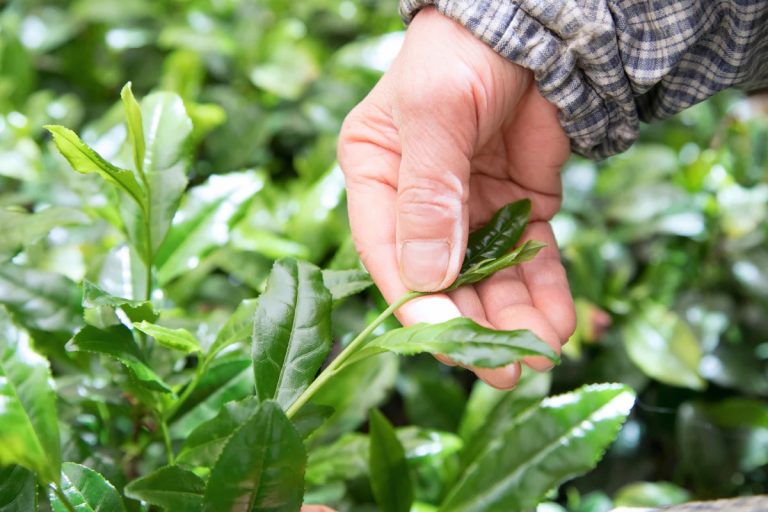
Matcha is commonly divided into ceremonial grade and culinary grade, and knowing the difference changes how satisfied you feel with the final result. Ceremonial grade matcha is designed for drinking on its own. It comes from younger tea leaves, has a brighter green color, and offers a naturally sweeter, smoother taste. This makes it ideal for traditional preparation with water, where flavor stands front and center.
Culinary grade matcha, on the other hand, is made from more mature leaves. The flavor is stronger, more astringent, and slightly bitter, which works better when mixed with milk, sweeteners, or baked into recipes. Using culinary grade for plain drinking often leads to disappointment because the bitterness overpowers the subtle notes matcha is known for.
Packaging labels can be misleading, so paying attention to descriptions matters. Words like smooth, umami-rich, and vibrant green usually point toward higher-quality matcha. Dull green or yellowish tones often signal lower quality or older powder. Choosing the right grade based on how you plan to use it ensures the flavor matches expectations instead of fighting against them.
Evaluating Color, Texture, And Aroma
Visual and sensory cues tell you a lot about matcha quality before you ever taste it. High-quality matcha has a vivid, bright green color that reflects careful shade-growing and fresh processing. A muted or brownish-green shade suggests oxidation or poor-quality leaves, which usually translates into a flat or bitter taste.
Texture also matters more than many realize. Fine, silky matcha powder dissolves smoothly into water, creating a creamy mouthfeel without gritty residue. Coarse powder tends to clump and sink, making the drink uneven and less pleasant. When you rub a small amount between your fingers, it should feel soft and light, almost like talcum powder.
Aroma is another strong indicator. Fresh matcha smells clean, slightly sweet, and grassy with subtle oceanic notes. A stale or fishy smell often means the powder is old or poorly stored. These sensory checks help you avoid disappointment and ensure the matcha you choose delivers balanced flavor instead of harsh bitterness, especially when prepared with just water.
Checking Origin, Freshness, And Storage Details
Origin plays a major role when choosing the right matcha powder. Matcha from Japan, particularly regions like Uji, Nishio, and Shizuoka, is known for consistent quality due to strict growing and processing standards. While matcha is produced elsewhere, Japanese-grown varieties are more likely to deliver authentic flavor and texture.
Freshness is just as critical. Matcha does not age well, and exposure to light, air, and heat quickly degrades its flavor and color. Always look for harvest dates or packaging dates rather than relying on vague expiration labels. Fresher matcha tastes sweeter and more vibrant, while older powder becomes bitter and dull.
Proper storage information on the package is a good sign of quality awareness. Airtight, opaque containers protect matcha from oxidation and light damage. Once opened, refrigeration helps preserve flavor longer. Paying attention to these details ensures that the matcha you choose maintains its quality from the first scoop to the last, delivering a consistently enjoyable experience without unwanted bitterness.
Step By Step How To Make Matcha Taste Good
Making matcha enjoyable is less about hiding its flavor and more about bringing out its natural balance. Small preparation choices can turn a bitter cup into a smooth, comforting drink. This step by step guide explains how to make matcha taste good by focusing on simple actions that improve flavor, texture, and aroma without overcomplicating the process.
Step One: Start With The Right Matcha Powder
The foundation of good-tasting matcha begins with the powder itself. Choosing high-quality matcha immediately improves flavor before any preparation steps even begin. Matcha made from young, shade-grown tea leaves has a smoother taste and natural sweetness that reduces bitterness. Bright green color is one of the easiest ways to judge quality, as dull or yellow-green powder often tastes flat and harsh.
Ceremonial grade matcha is best for drinking with water because it delivers a clean, balanced flavor. Culinary grade matcha is stronger and more bitter, making it better for lattes or recipes where milk and sweeteners are added. Using the wrong grade can make matcha taste unpleasant no matter how carefully it is prepared.
Freshness also plays a major role. Matcha loses flavor quickly when exposed to air and light, so checking packaging dates and storage quality matters. Airtight, opaque containers help preserve taste. Starting with fresh, high-quality matcha makes every following step easier and more effective, setting the stage for a smoother, more enjoyable cup.
Step Two: Measure And Sift For Smooth Texture
Accurate measuring helps control bitterness and mouthfeel. Too much matcha creates an overpowering, chalky taste, while too little makes the drink watery and dull. A standard serving uses about one to two grams, roughly half to one teaspoon, depending on strength preference. This balance allows flavor to shine without becoming harsh.
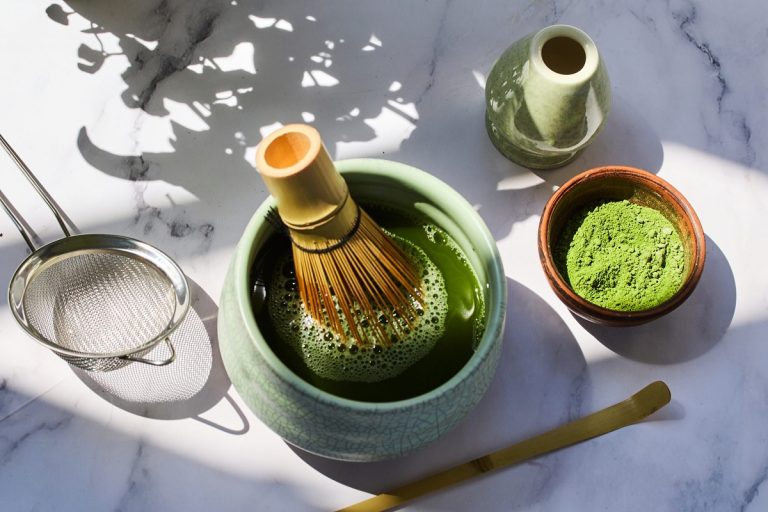
Sifting matcha is a step many skip, but it makes a noticeable difference. Matcha naturally clumps due to static and moisture, and these clumps do not dissolve well in water. Sifting breaks them apart, creating a fine, even powder that blends smoothly. This improves texture and prevents gritty sediment at the bottom of the cup.
A smoother texture directly affects how matcha tastes. When matcha dissolves evenly, the flavor feels creamier and less bitter. This step supports the goal of how to make matcha taste good by improving consistency and making the drink more pleasant from the first sip to the last.
Step Three: Use The Correct Water Temperature
Water temperature is one of the most important factors in matcha flavor. Using water that is too hot burns the delicate tea compounds, resulting in bitterness and astringency. The ideal temperature range is around 160°F to 175°F, which preserves sweetness and umami notes.
Boiling water should always be cooled before pouring over matcha. Letting hot water sit for a minute or transferring it between cups helps lower the temperature naturally. This simple habit dramatically improves flavor without requiring special tools.
Proper water temperature allows matcha’s natural complexity to develop. Instead of sharp bitterness, the taste becomes rounded and smooth. Paying attention to this step is essential when learning how to make matcha taste good, as even premium matcha can taste unpleasant if exposed to overly hot water.
Step Four: Whisk Properly For Flavor And Foam
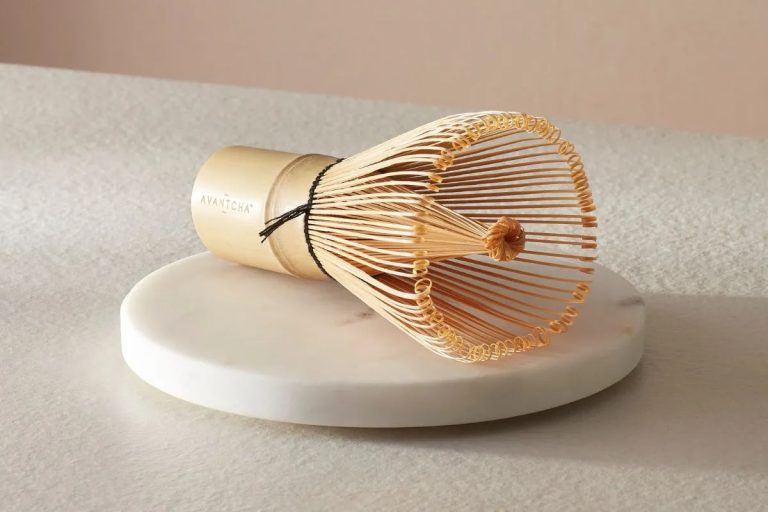
Whisking technique affects both texture and taste. A bamboo whisk creates the best results, as it blends matcha evenly while adding light foam. Whisking in a slow, circular motion does not dissolve the powder well. Instead, using a quick zigzag or M-shaped motion helps incorporate air and smooth out the drink.
Foam is not just for appearance. Proper whisking reduces bitterness by evenly distributing particles and creating a creamier mouthfeel. Lumps of undissolved matcha tend to taste stronger and more astringent, which is why consistent whisking matters.
Whisk until the surface shows fine, even bubbles and the liquid looks glossy. This usually takes 15 to 30 seconds. Mastering this step plays a big role in how to make matcha taste good, especially for those who drink it without milk or sweeteners.
Step Five: Adjust Flavor With Add-Ins And Ratios
Once the base matcha is prepared correctly, small adjustments can fine-tune flavor. Adding a small amount of natural sweetener like honey or maple syrup softens bitterness without overpowering the tea. Sweeteners should be added sparingly so matcha’s character remains intact.
Milk or milk alternatives change matcha dramatically. Oat milk adds creaminess, almond milk offers light nuttiness, and dairy milk creates a rich, latte-style drink. Adjusting the matcha-to-liquid ratio ensures the flavor stays balanced rather than diluted.
Flavor additions like vanilla or cinnamon can enhance matcha without masking it. These additions help personalize the drink while keeping preparation simple. Understanding how to make matcha taste good includes learning how to adapt it to personal preference while respecting the core flavor of the tea.
Iced And Flavored Matcha Variations
Iced and flavored matcha offers a refreshing way to enjoy this green tea without the intensity of a traditional hot cup. Cooling matcha softens bitterness and highlights natural sweetness, while added flavors create variety without losing its character. These variations work well for warm weather, beginners, or anyone looking to make matcha more enjoyable and approachable.
Iced Matcha For A Smooth And Refreshing Taste
Iced matcha starts with a properly prepared matcha concentrate rather than mixing powder directly with cold water. Whisking matcha with a small amount of warm water first ensures it dissolves smoothly and prevents clumping. This concentrate is then poured over ice and diluted with cold water or milk, creating a balanced, refreshing drink.
Cold temperatures naturally mellow bitterness, making iced matcha taste smoother than hot versions. This makes it appealing to those who find traditional matcha too strong. Using high-quality matcha still matters, as lower grades can taste dull or overly grassy when chilled.
The ratio of matcha to liquid plays a key role in flavor. Too much ice can dilute the taste, while too little makes it overly intense. Adjusting these proportions allows the drink to stay vibrant and refreshing. Iced matcha also pairs well with light sweeteners, adding softness without overpowering the tea’s natural notes.
Flavored Matcha Variations For Added Depth
Flavored matcha builds on the base drink by adding complementary ingredients that enhance rather than hide its flavor. Vanilla is a popular option, offering warmth and smoothness that balances matcha’s earthiness. A small amount of vanilla extract or vanilla-infused milk creates a rounded, comforting taste.
Fruit-based flavors like strawberry or mango add brightness and contrast. These are often blended as purees or syrups and mixed with iced matcha for a layered drink. The sweetness of fruit softens matcha’s bitterness while adding visual appeal and variety.
Spices like cinnamon or cardamom introduce subtle warmth and complexity. Used lightly, they elevate matcha without masking its identity. These flavored options make matcha more accessible while keeping its core characteristics intact, allowing drinkers to explore new tastes without losing the essence of matcha.
FAQs
How Can You Make Matcha Taste Good Without Bitterness?
You can make matcha taste good by controlling bitterness at its source. Bitterness often comes from using boiling water or low-quality powder. You should use water that is warm, not hot, ideally below boiling, so the delicate flavors stay smooth and balanced.
You also want to whisk properly to avoid clumps, which can concentrate bitterness. Using the right amount of matcha matters too, because too much powder can overwhelm your palate. With careful preparation, you get a naturally mellow and enjoyable cup.
What Type Of Matcha Is Best If You Want Better Taste?
If you want to make matcha taste good, you should choose high-quality matcha powder. Ceremonial-grade matcha is smoother, naturally sweet, and less bitter than culinary-grade options. Its bright green color and fresh aroma signal better flavor.
You should also store matcha correctly to protect its taste. Keep it airtight and away from heat and light. Fresh matcha preserves subtle sweetness and umami, making every cup easier to enjoy, especially if you are new to drinking matcha regularly.
Does Adding Sweetener Help Make Matcha Taste Good?
Adding sweetener can help you make matcha taste good, especially if you are adjusting to its earthy flavor. Natural sweeteners like honey, maple syrup, or agave balance bitterness without overpowering the tea. You should start with small amounts and adjust gradually.
You want the sweetness to complement matcha, not hide it. Over-sweetening can mask its unique taste and reduce enjoyment. With the right balance, sweeteners enhance smoothness and make matcha more approachable for beginners.
How Does Milk Or Milk Alternatives Improve Matcha Flavor?
Milk can help make matcha taste good by softening its strong vegetal notes. Dairy milk adds creaminess, while almond, oat, or soy milk introduce subtle sweetness and texture. You can experiment to find what suits your taste best.
You should whisk matcha with water first, then add warm or cold milk. This prevents clumping and ensures a smoother drink. Milk-based matcha is especially helpful if you prefer a latte-style beverage with a gentler flavor.
Can Water Temperature Affect How Matcha Tastes?
Water temperature plays a major role when you want to make matcha taste good. Using water that is too hot releases bitter compounds and dulls natural sweetness. You should aim for warm water rather than boiling.
Allowing hot water to cool slightly before mixing helps preserve flavor balance. This small adjustment improves smoothness and aroma instantly. When water temperature is right, matcha tastes softer, less sharp, and far more enjoyable with minimal effort.
What Are The Best Ways To Make Matcha Taste Good For Beginners?
If you are a beginner, you can make matcha taste good by starting with lighter recipes. Matcha lattes, iced matcha, or sweetened versions are easier on the palate and help you build appreciation gradually.
You should avoid strong concentrations at first. Using less powder and adding milk or sweetener helps ease the transition. Over time, your taste adapts, and you may enjoy matcha in simpler forms without needing extra flavor support.
Conclusion
Enjoying matcha comes down to paying attention to simple details that shape its flavor and texture. From choosing quality powder to controlling water temperature and whisking correctly, each step works together to reduce bitterness and highlight natural sweetness. These small adjustments turn matcha into a smooth and satisfying drink rather than an acquired taste.
Understanding how to make matcha taste good also allows more flexibility and confidence. Once the basics are mastered, matcha becomes easier to customize with milk, sweeteners, or flavor additions without losing its character. This balance keeps the drink enjoyable for both beginners and regular drinkers.
With a thoughtful approach, matcha can fit naturally into daily routines. Learning how to make matcha taste good transforms it from a challenging tea into a comforting ritual that feels both refreshing and rewarding, encouraging consistent enjoyment over time.