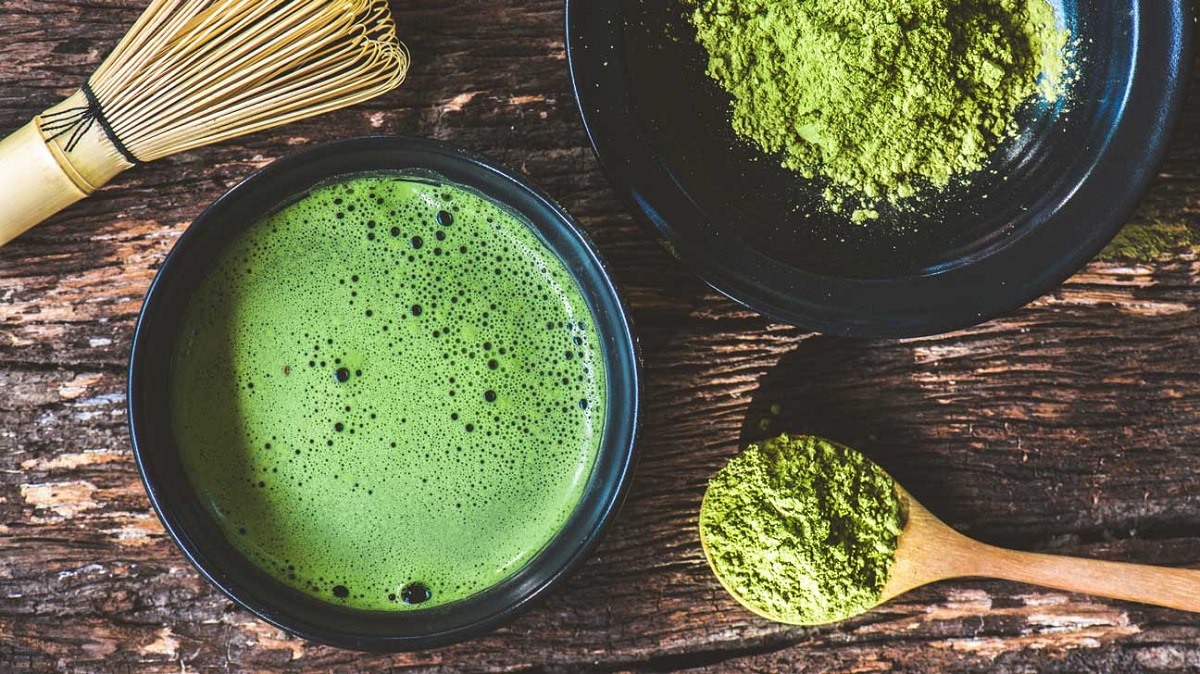
Does Matcha Cause Kidney Stones: What You Need To Know
Many people have embraced matcha for its vibrant green color, smooth taste, and health-boosting properties. Known for being rich in antioxidants and providing a calm, sustained energy, it has become a staple in daily routines for wellness enthusiasts. Yet, with any popular health drink, concerns about potential side effects naturally arise. One question that often comes up is does matcha cause kidney stones.
Understanding how matcha interacts with the body is important for those prone to kidney issues. While it contains beneficial compounds, it also has elements like oxalates, which are linked to kidney stone formation. This makes it essential to examine both its advantages and possible risks.
For individuals looking to enjoy matcha without worry, learning about proper consumption and its impact on kidney health becomes crucial. Exploring this topic provides clarity on safe intake levels and lifestyle adjustments.
By addressing the question of does matcha cause kidney stones, readers can make informed choices about including this green powder in their diet. Awareness ensures that the enjoyment of matcha aligns with maintaining overall kidney wellness.
The Components of Matcha That Affect Kidney Health
Matcha is more than just a vibrant green powder; it contains a variety of compounds that can have both positive and negative effects on kidney function. Understanding the components that influence kidney health is essential for anyone concerned about potential risks like kidney stones or other renal issues. Each element in matcha interacts differently with the body, making moderation and awareness key for safe consumption.
Oxalates and Their Role in Kidney Stone Formation
One of the most discussed components in matcha regarding kidney health is oxalates. Oxalates are naturally occurring compounds found in many plants, including tea leaves, and are known to bind with calcium in the kidneys. When calcium and oxalate combine, they can form calcium oxalate crystals, the most common type of kidney stone. The oxalate content in matcha is relatively high compared to other teas, which makes it particularly important for individuals prone to kidney stones to monitor their intake.
Regular consumption of high-oxalate foods without adequate hydration can increase the risk of crystal formation. While occasional matcha consumption may not cause issues for most people, excessive intake combined with low water consumption can stress the kidneys. It’s also important to consider overall dietary oxalate intake, as matcha adds to the cumulative effect. Awareness and moderation can significantly reduce potential risks while still allowing the enjoyment of this healthful beverage.
Caffeine and Kidney Function
Matcha contains caffeine, although in moderate amounts compared to coffee. Caffeine acts as a mild diuretic, which increases urine production and can affect kidney function if consumed in large amounts. For healthy individuals, moderate caffeine intake is generally safe and can even support fluid balance. However, for those with existing kidney problems or a history of kidney stones, excessive caffeine can contribute to dehydration, a known risk factor for stone formation.
The diuretic effect means the kidneys work harder to filter fluids, and over time, this can stress renal function, particularly if fluid intake is insufficient. Additionally, caffeine can influence calcium excretion through the urine, further contributing to the risk of calcium-based kidney stones. While matcha provides antioxidants and other health benefits, understanding its caffeine content is essential for those concerned about kidney health. Consuming matcha alongside plenty of water helps offset potential risks associated with its stimulating effects.
Antioxidants and Protective Benefits
Despite the concerns, matcha is also rich in antioxidants, particularly catechins like EGCG (epigallocatechin gallate), which have been shown to support overall kidney health. These antioxidants combat oxidative stress, which can damage kidney cells and impair their function over time. By reducing inflammation and protecting cellular integrity, the antioxidants in matcha may help counterbalance some of the negative effects caused by oxalates or caffeine.
Antioxidants also contribute to better blood flow and can assist in maintaining healthy blood pressure, another factor important for kidney function. However, it’s important to remember that the protective benefits of antioxidants do not completely negate the risks associated with overconsumption of oxalates. Consuming matcha in moderation ensures that the kidney-protective properties of catechins can be maximized while minimizing potential harm.
Minerals and Trace Elements
Matcha contains minerals like magnesium, potassium, and calcium, which play a role in kidney health. Magnesium, in particular, can help reduce the risk of kidney stone formation by binding to oxalate and preventing it from crystallizing. Potassium supports fluid balance and helps regulate blood pressure, which is crucial for kidney function. However, the presence of calcium in the diet, when combined with high oxalate intake from matcha, can paradoxically increase the risk of stone formation in susceptible individuals.
Balancing mineral intake with hydration and diet is essential to maintain kidney health while enjoying matcha. Considering both the beneficial and potentially harmful components of matcha allows individuals to tailor their consumption in a way that supports renal function rather than compromising it. Awareness of these elements ensures that the overall effect of matcha on kidney health is understood and managed effectively.
Scientific Studies on Matcha and Kidney Stones
Understanding the relationship between matcha and kidney stones requires looking at research on tea consumption and stone risk. While matcha itself hasn’t been studied as extensively, many scientific investigations explore how tea components like oxalates, antioxidants, and fluid intake influence kidney stone development. These studies help shed light on the broader question by drawing from tea research that includes green tea and other tea types similar to matcha.
Tea Consumption and Kidney Stone Risk in Large Population Studies
Several large scientific studies have explored how regular tea drinking relates to kidney stone formation. One Mendelian randomization analysis found that overall tea intake was causally associated with a decreased risk of kidney stones in large populations studied through the UK Biobank and FinnGen datasets, suggesting a protective aspect of tea consumption overall.
Similarly, a dose‑response meta‑analysis combining multiple cohort studies showed that increased tea consumption correlated with a lower risk of kidney stones, reinforcing that tea drinkers had reduced incidence compared to non‑drinkers. These findings point toward benefits that may stem from increased fluid intake, diuretic effects of caffeine, or antioxidant actions from tea polyphenols.
While these studies did not focus solely on matcha, they provide important context: tea in general might offer protective effects against stone formation, potentially relevant to matcha due to its similar plant origin and shared compounds.
Observational Research Showing Mixed Results
Not all research shows a protective effect. Some cross‑sectional observational studies instead report that high tea consumption was associated with increased prevalence of kidney stones in specific populations. For example, research in a northern Chinese cohort found higher stone occurrence among frequent tea drinkers compared to non‑tea drinkers.
These mixed results highlight how different study designs and populations can produce varied outcomes. Observational studies can be influenced by lifestyle factors, hydration habits, diet, genetics, and even the tea preparation method. Although these findings don’t directly prove that matcha increases stone risk, they remind us that tea intake effects may not be universal and depend on broader dietary and health contexts.
Experimental and Mechanistic Studies on Tea and Stone Formation
Beyond population studies, experimental research has investigated mechanisms by which tea compounds influence stone formation. Animal studies and lab models show that tea polyphenols can alter calcium oxalate crystallization, potentially reducing crystal size and modifying crystal types—factors important in kidney stone pathology.
Additionally, animal research on green tea suggests its antioxidant compounds may reduce oxalate excretion and oxidative stress in kidneys, which could inhibit stone formation. Human observational research among stone‑forming patients found that regular green tea consumption did not increase urinary risk factors for stones, and in some cases was linked to a lower prevalence of certain stone types.
These mechanistic studies support the idea that compounds found in tea, including those in matcha, may interact in complex biological ways that don’t purely increase risk due to oxalates alone.
Limitations and Gaps in Matcha‑Specific Evidence
Importantly, direct scientific studies on matcha’s effect on kidney stones are extremely limited. Most research combines various types of tea or focuses on green tea rather than powdered matcha specifically. Matcha differs in preparation and concentration—ground whole leaves instead of infused leaves—potentially affecting oxalate levels and bioactive compound availability.
Until studies directly investigate matcha powder consumption and kidney stone formation in humans, conclusions must rely on broader tea research. Existing evidence hints at both protective effects from tea‑related antioxidants and potential risk factors like oxalates, making careful interpretation essential.
Risk Factors That Increase Kidney Stone Formation
Kidney stones develop when minerals and salts in the urine crystallize and form solid masses. While diet and hydration play major roles, several additional factors can increase the likelihood of stone formation. Understanding these risk factors is critical for preventing kidney stones, especially for individuals consuming foods or beverages that contain compounds like oxalates or calcium, including matcha. Awareness allows for proactive lifestyle adjustments to protect kidney health.
High Oxalate and Calcium Intake
One of the most significant dietary risk factors for kidney stones is consuming foods and beverages high in oxalates or calcium. Oxalates, found in spinach, nuts, chocolate, and matcha, can bind with calcium in the urine to form calcium oxalate crystals. High calcium intake in combination with excessive oxalate consumption may paradoxically increase stone risk, particularly in susceptible individuals.
Consuming oxalate-rich foods without balancing hydration can further concentrate urine, promoting crystal formation. While calcium is essential for bone health, its presence alongside high oxalate intake requires careful management. Studies suggest spreading calcium intake throughout meals and ensuring adequate fluid consumption to reduce the likelihood of stone formation. Monitoring both oxalate and calcium intake is especially important for individuals prone to kidney stones.
Dehydration and Low Fluid Intake
Dehydration is a major contributor to kidney stone formation. When urine volume is low, minerals and salts become concentrated, increasing the chance that they will crystallize. Adequate fluid intake helps dilute urine and flush out substances that could form stones. Water is the most effective option, but fluids like herbal teas also contribute to hydration.
People who live in hot climates, exercise intensely, or consume diuretic beverages like coffee or matcha without compensating with extra water are particularly at risk. Low fluid intake also affects the kidneys’ ability to filter waste efficiently, further exacerbating stone risk. Maintaining consistent hydration throughout the day is one of the most effective and simple ways to reduce the likelihood of kidney stone development.
Medical Conditions That Contribute to Stone Formation
Certain medical conditions can predispose individuals to kidney stones. These include metabolic disorders, obesity, diabetes, and digestive diseases that affect nutrient absorption. Conditions like hyperparathyroidism can increase calcium levels in the blood and urine, while gout elevates uric acid, contributing to stone formation.
Genetic factors can also play a role, as family history of kidney stones increases susceptibility. Individuals with recurring urinary tract infections may develop struvite stones, which form in response to infection. Understanding underlying medical conditions is critical, as dietary changes alone may not fully prevent stone formation without addressing these physiological factors. Consulting a healthcare professional is advised for those with chronic conditions that impact kidney health.
Lifestyle Factors and Dietary Habits
Beyond specific foods, general lifestyle habits influence kidney stone risk. Diets high in salt, sugar, and animal protein can increase calcium and uric acid excretion, promoting stone formation. Excessive consumption of processed foods often leads to higher sodium intake, which can reduce calcium absorption and increase oxalate crystallization in the kidneys.
Sedentary lifestyles may also contribute, as physical inactivity can affect calcium metabolism and urinary excretion patterns. Weight management, balanced diets, and regular exercise all play preventive roles. Combining these lifestyle measures with mindful consumption of high-oxalate foods like matcha ensures a proactive approach to reducing kidney stone risk.
Age, Gender, and Genetic Predisposition
Age and gender influence the likelihood of developing kidney stones. Men are more commonly affected than women, although postmenopausal women may see increased risk due to changes in calcium metabolism. Kidney stone prevalence also tends to rise with age, particularly between 30 and 50 years old.
Genetics are another important factor, as variations in genes affecting calcium and oxalate metabolism can predispose individuals to stone formation. Family history of kidney stones increases personal risk, and certain ethnic groups show higher incidence rates. Awareness of age, gender, and genetic predisposition allows individuals to implement targeted preventive strategies, including dietary adjustments, hydration habits, and regular kidney function monitoring.
How to Safely Enjoy Matcha Without Increasing Kidney Stone Risk
Matcha offers a wealth of health benefits, but for individuals concerned about kidney stones, mindful consumption is essential. By understanding how matcha interacts with kidney health and taking practical precautions, it is possible to enjoy this vibrant green tea safely. Hydration, portion control, and diet balance are key strategies for minimizing risks while still reaping matcha’s nutritional advantages.
Moderate Matcha Intake
One of the most effective ways to reduce kidney stone risk is to consume matcha in moderation. Because matcha is made from whole tea leaves, it contains higher levels of oxalates than brewed green tea. Excessive oxalate intake can contribute to calcium oxalate stone formation, especially in those with a history of kidney stones.
Limiting matcha to one or two servings per day helps ensure oxalate levels remain manageable. Preparing matcha with water rather than milk or other high-calcium additives may also reduce the likelihood of oxalate binding with calcium in the kidneys. Listening to your body and monitoring for any discomfort or unusual symptoms after matcha consumption allows you to adjust intake safely.
Stay Well Hydrated
Adequate hydration is critical when consuming oxalate-rich beverages like matcha. Drinking sufficient water throughout the day dilutes urine, helping to flush out oxalates and other minerals that could crystallize into stones. Aim for at least 2 to 3 liters of water daily, adjusting for climate, physical activity, and individual needs.
Pairing matcha with additional water or herbal teas can offset its mild diuretic effect caused by caffeine. Maintaining steady hydration prevents urine from becoming concentrated, which is a primary factor in stone formation. Simple practices like carrying a water bottle, setting reminders, or consuming water-rich foods like fruits and vegetables support kidney health while still enjoying matcha.
Balanced Diet and Nutrient Management
Balancing your diet is essential for minimizing kidney stone risk. Incorporate foods high in magnesium, potassium, and citrate, which help reduce oxalate crystallization. Limiting processed foods, high sodium intake, and excessive animal protein also supports kidney function.
When consuming matcha, pairing it with calcium sources in meals rather than directly in the drink may help manage oxalate absorption. For instance, having calcium-rich foods like yogurt or cheese at separate times ensures calcium is available for overall nutrition without increasing the risk of stone formation. A balanced diet alongside moderate matcha intake creates a protective environment for the kidneys.
Lifestyle Practices for Kidney Health
Beyond diet, lifestyle choices can reduce stone formation risk while enjoying matcha. Regular physical activity promotes healthy metabolism and improves urinary excretion patterns. Weight management, stress reduction, and avoiding prolonged dehydration all support kidney function.
Paying attention to overall oxalate intake, including from other foods like spinach, nuts, or chocolate, ensures matcha consumption doesn’t push total oxalate levels too high. Periodic kidney function check-ups or urine tests for those with a history of stones provide additional safety. Combining lifestyle measures with careful matcha consumption allows for safe enjoyment without compromising renal health.
How to Safely Enjoy Matcha Without Increasing Kidney Stone Risk
Matcha offers a wealth of health benefits, but for individuals concerned about kidney stones, mindful consumption is essential. By understanding how matcha interacts with kidney health and taking practical precautions, it is possible to enjoy this vibrant green tea safely. Hydration, portion control, and diet balance are key strategies for minimizing risks while still reaping matcha’s nutritional advantages.
Moderate Matcha Intake
One of the most effective ways to reduce kidney stone risk is to consume matcha in moderation. Because matcha is made from whole tea leaves, it contains higher levels of oxalates than brewed green tea. Excessive oxalate intake can contribute to calcium oxalate stone formation, especially in those with a history of kidney stones.
Limiting matcha to one or two servings per day helps ensure oxalate levels remain manageable. Preparing matcha with water rather than milk or other high-calcium additives may also reduce the likelihood of oxalate binding with calcium in the kidneys. Listening to your body and monitoring for any discomfort or unusual symptoms after matcha consumption allows you to adjust intake safely.
Stay Well Hydrated
Adequate hydration is critical when consuming oxalate-rich beverages like matcha. Drinking sufficient water throughout the day dilutes urine, helping to flush out oxalates and other minerals that could crystallize into stones. Aim for at least 2 to 3 liters of water daily, adjusting for climate, physical activity, and individual needs.
Pairing matcha with additional water or herbal teas can offset its mild diuretic effect caused by caffeine. Maintaining steady hydration prevents urine from becoming concentrated, which is a primary factor in stone formation. Simple practices like carrying a water bottle, setting reminders, or consuming water-rich foods like fruits and vegetables support kidney health while still enjoying matcha.
Balanced Diet and Nutrient Management
Balancing your diet is essential for minimizing kidney stone risk. Incorporate foods high in magnesium, potassium, and citrate, which help reduce oxalate crystallization. Limiting processed foods, high sodium intake, and excessive animal protein also supports kidney function.
When consuming matcha, pairing it with calcium sources in meals rather than directly in the drink may help manage oxalate absorption. For instance, having calcium-rich foods like yogurt or cheese at separate times ensures calcium is available for overall nutrition without increasing the risk of stone formation. A balanced diet alongside moderate matcha intake creates a protective environment for the kidneys.
Lifestyle Practices for Kidney Health
Beyond diet, lifestyle choices can reduce stone formation risk while enjoying matcha. Regular physical activity promotes healthy metabolism and improves urinary excretion patterns. Weight management, stress reduction, and avoiding prolonged dehydration all support kidney function.
Paying attention to overall oxalate intake, including from other foods like spinach, nuts, or chocolate, ensures matcha consumption doesn’t push total oxalate levels too high. Periodic kidney function check-ups or urine tests for those with a history of stones provide additional safety. Combining lifestyle measures with careful matcha consumption allows for safe enjoyment without compromising renal health.
People Also Asked
Does Matcha Increase The Risk Of Kidney Stones?
He may wonder if drinking matcha directly increases kidney stone risk. The main concern lies in oxalates, naturally occurring compounds in matcha that can bind with calcium in the kidneys and form calcium oxalate stones.
For most healthy individuals, moderate matcha consumption is unlikely to cause stones. Staying hydrated and balancing oxalate intake from other foods can help minimize any risk. If he already has a history of kidney stones, monitoring portion size and consulting a healthcare professional is recommended before making matcha a daily habit.
How Much Matcha Is Safe To Drink Without Affecting Kidney Health?
She may ask how much matcha is safe to enjoy. Typically, 1 to 2 servings per day is considered moderate and unlikely to pose significant kidney stone risk for healthy adults.
Excessive consumption can increase oxalate intake, especially if combined with other high-oxalate foods. Drinking plenty of water and maintaining a balanced diet with magnesium and calcium-rich foods can help offset potential risks. She should pay attention to any unusual symptoms and adjust her matcha intake accordingly.
Does Hydration Help Reduce Kidney Stone Risk From Matcha?
You might wonder if drinking water can prevent kidney stones while consuming matcha. Hydration is a key factor because it dilutes urine, preventing minerals like calcium and oxalates from crystallizing.
Drinking at least 2–3 liters of water daily ensures that your kidneys can flush out oxalates efficiently. Pairing matcha with additional water or spacing out high-oxalate foods throughout the day helps maintain safe urinary concentrations and minimizes the likelihood of stone formation.
Are People With A History Of Kidney Stones At Higher Risk With Matcha?
He may be concerned about matcha if he has a history of kidney stones. Those prone to stones, especially calcium oxalate stones, may be more sensitive to oxalate-rich foods like matcha.
It is important for him to monitor portion sizes, maintain adequate hydration, and possibly limit high-oxalate foods elsewhere in the diet. Consulting a healthcare professional for personalized advice ensures he can enjoy matcha without significantly increasing his kidney stone risk.
Can The Antioxidants In Matcha Protect Kidney Health?
You might ask if the antioxidants in matcha help reduce kidney stone risk. Matcha is rich in catechins like EGCG, which have antioxidant and anti-inflammatory properties that can support kidney function.
These compounds may protect kidney cells from oxidative stress, reduce inflammation, and promote better overall renal health. While antioxidants do not completely counteract oxalate-related risks, consuming matcha in moderation alongside a healthy diet allows you to enjoy its benefits while minimizing potential harm.
Does Caffeine In Matcha Affect Kidney Stone Formation?
She may wonder if matcha’s caffeine impacts kidney stone risk. Caffeine has a mild diuretic effect, increasing urine production, which can be beneficial in preventing stone formation if hydration is maintained.
However, excessive caffeine without adequate water intake can lead to dehydration, concentrating urine and increasing stone risk. Drinking water alongside matcha and limiting total caffeine intake from other sources ensures she gains energy benefits without compromising kidney health.
Can Adjusting Diet Along With Matcha Help Prevent Stones?
You may ask if combining matcha with dietary adjustments reduces kidney stone risk. Yes, balancing oxalate intake with foods rich in magnesium, potassium, and citrate helps prevent calcium oxalate crystallization in the kidneys.
Spreading calcium consumption across meals rather than pairing it directly with matcha, reducing processed foods, and avoiding excessive animal protein further supports kidney health. With these strategies, you can safely include matcha in your diet while lowering the chances of kidney stone formation.
Final Thoughts
Kidney health is an important factor to consider when adding any beverage to your daily routine, and matcha is no exception. While matcha offers numerous health benefits due to its antioxidants and natural compounds, it also contains oxalates and caffeine, which can contribute to kidney stone formation in susceptible individuals. Understanding your personal risk factors, such as a history of kidney stones or a diet high in oxalates, is crucial for making informed choices.
When exploring whether matcha is safe for you, moderation is key. Drinking matcha in reasonable amounts while maintaining proper hydration can help reduce the potential risks associated with oxalates. Pairing matcha with low-oxalate foods and staying mindful of overall dietary oxalate intake can further protect kidney health.
In conclusion, the question of does matcha cause kidney stones does not have a simple yes or no answer. For most people, moderate consumption is unlikely to pose significant risk, but those prone to kidney stones should take precautions and consult healthcare professionals. By balancing enjoyment with awareness, you can safely include matcha in your diet.