Espresso Grounds vs Coffee Grounds: Key Differences for Better Brewing
Understanding the difference between espresso and regular coffee grounds is essential for brewing the perfect cup. Each type of grind is designed for a specific brewing method, affecting extraction, flavor, and strength. Knowing how to use them correctly ensures that your coffee highlights the unique characteristics of your beans while avoiding bitterness or weak taste.
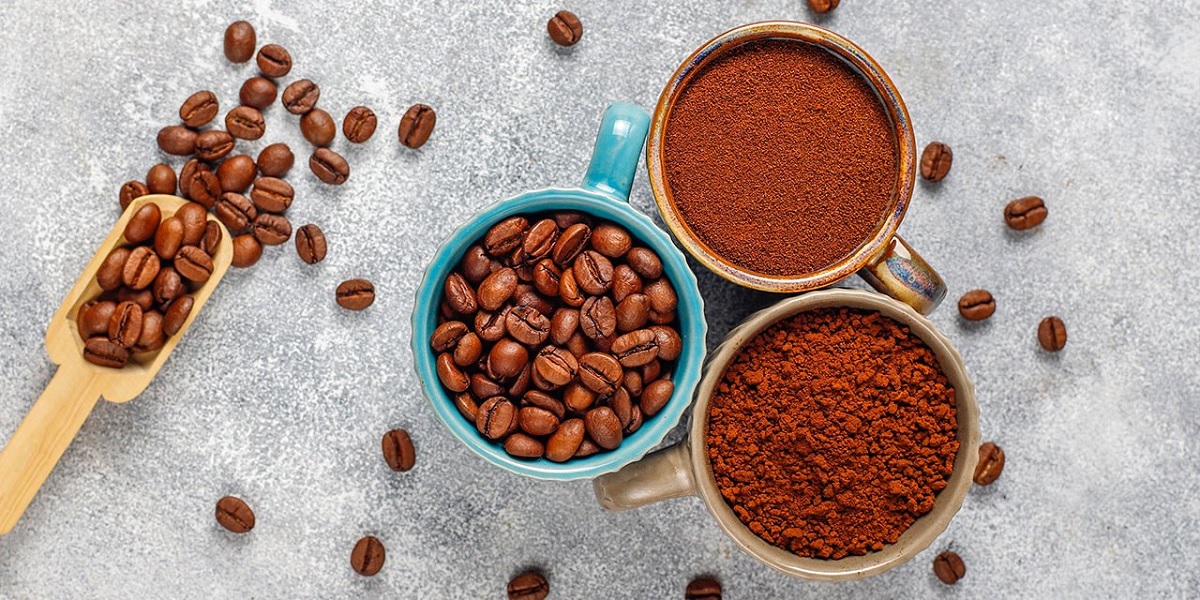
Learning about [Espresso Grounds vs Coffee Grounds] allows you to choose the right grind for your preferred brewing style. Espresso grounds are finely ground to allow pressurized water to extract maximum flavor in a short time, creating a bold, concentrated shot. Coffee grounds, on the other hand, are generally coarser and suited for drip, pour-over, or French press methods, providing smoother, more balanced flavors.
Understanding the purpose and characteristics of each type of grind helps you control taste, aroma, and body. Proper usage ensures your coffee is well-extracted, flavorful, and enjoyable every time.
By exploring the differences between these grounds, you gain insight into how grind size influences brewing methods and the overall coffee experience, empowering you to make informed choices for every cup.
Difference in Grind Size
Grind size is one of the most critical factors distinguishing espresso grounds from regular coffee grounds. The particle size determines extraction rate, flavor, and overall brewing quality. Using the correct grind ensures your coffee achieves the intended taste, aroma, and body. Understanding the differences in grind size helps you optimize brewing for espresso, drip coffee, pour-over, French press, and other methods.
Espresso Grounds: Fine and Consistent
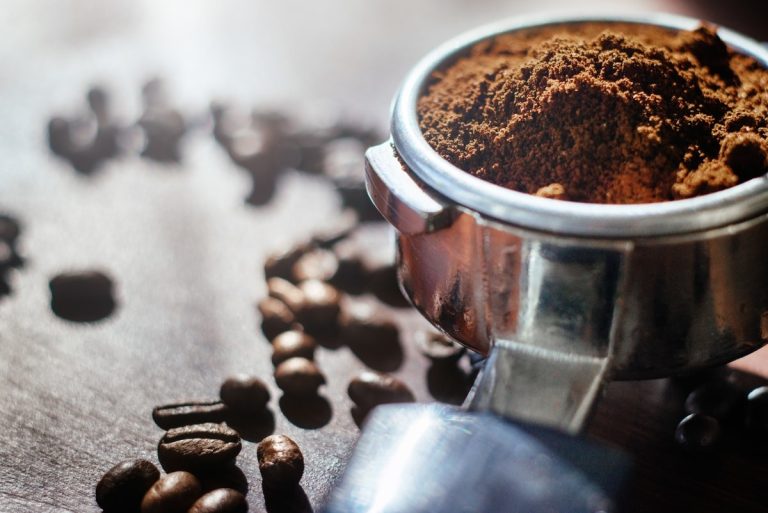
Espresso grounds are extremely fine, similar to the texture of table salt or powdered sugar. This fine grind is necessary for high-pressure extraction in espresso machines, allowing water to pass through quickly while extracting maximum flavor.
The fine texture increases the surface area of the coffee, which accelerates extraction and ensures a rich, concentrated shot with a thick crema. Consistency in particle size is essential—uneven grounds can lead to channeling, where water flows unevenly through the puck, causing some parts to over-extract and others to under-extract.
Burr grinders are ideal for espresso because they produce uniform particles, unlike blade grinders, which can create uneven sizes and affect flavor. Small adjustments in grind size allow baristas to tailor strength, crema quality, and taste for different beans or machines.
Fine espresso grounds also interact closely with tamping pressure, water temperature, and extraction time. The combination of these variables ensures that every shot delivers full-bodied flavor, aromatic richness, and a balanced cup without bitterness.
Coffee Grounds for Drip and Pour-Over: Medium to Medium-Coarse
Regular coffee grounds for methods like drip coffee or pour-over are coarser than espresso grounds, ranging from medium to medium-coarse in size. The texture is similar to granulated sugar, allowing water to flow more freely and extract flavors evenly over several minutes.
Medium grind size balances extraction speed and flavor clarity. Too fine a grind in drip or pour-over coffee can result in over-extraction, leading to bitterness, while too coarse a grind under-extracts, producing weak, watery coffee. Maintaining uniform particle size ensures consistent flavor throughout the cup.
The coarser texture prevents clogging in drip machines and filters, while also allowing for controlled water flow in pour-over brewing. This ensures a balanced cup that highlights aromatic compounds and natural sweetness without excessive bitterness or harshness.
Adjustments to medium grind size let you fine-tune strength and body. Slightly finer grounds increase intensity, while coarser grounds produce a lighter, smoother brew. Proper grind size allows consistent results regardless of the coffee bean or brewing method used.
Why Grind Size Matters for Extraction
The difference in grind size affects extraction time and flavor profile. Fine espresso grounds extract rapidly under pressure, delivering concentrated, intense flavors. Medium or medium-coarse coffee grounds extract slowly through immersion or filtration, producing smooth, balanced cups.
Incorrect grind size can dramatically alter taste. Using espresso grounds in a drip coffee machine can result in over-extraction and bitterness, while using coarse coffee grounds in an espresso machine causes under-extraction and weak, watery shots. Matching grind size to the brewing method ensures each cup develops the desired flavor, body, and aroma.
Grind consistency also affects control over extraction. Evenly sized particles allow water to interact uniformly with coffee, creating a well-balanced cup. Conversely, uneven grounds produce mixed results, with some parts over-extracted and others under-extracted, leading to an unbalanced or unpleasant taste.
Roasting Levels and Bean Choice
Roasting level and the type of coffee bean you choose play a crucial role in shaping flavor, aroma, and body. Different roasting levels bring out distinct characteristics, while bean origin and variety influence acidity, sweetness, and complexity. Understanding how roasting and bean choice interact with grind size allows you to craft coffee that perfectly matches your taste preferences. Selecting the right combination ensures that each cup highlights the unique qualities of the beans and complements your brewing method.
Light Roast Beans: Flavor and Acidity
Light roast beans are roasted for a shorter time at lower temperatures, preserving most of the bean’s natural flavors and origin characteristics. These beans tend to have higher acidity, pronounced fruity or floral notes, and a lighter body.
Grinding light roast beans requires careful attention to size, as they are denser and harder than darker roasts. The right grind allows even extraction, emphasizing delicate flavors without introducing bitterness. Pour-over and drip coffee are ideal methods for light roast beans, as these techniques highlight subtle aromas and nuanced taste profiles.
Light roasts are versatile in pairing with different brewing methods but often benefit from medium to medium-fine grind sizes. This ensures a balanced extraction, bringing out sweetness, citrus, or berry notes while maintaining clarity. Over-extraction can mask these delicate flavors, so grind precision is essential.
Choosing high-quality origin beans enhances the light roast experience. Single-origin beans from Ethiopia, Kenya, or Colombia are popular choices, offering unique flavor profiles that shine when brewed correctly with the appropriate grind and extraction method.
Medium Roast Beans: Balanced Flavor
Medium roast beans are roasted longer than light roasts, producing a balanced flavor with moderate acidity and increased body. Caramelization of sugars develops subtle sweetness, chocolatey notes, and a slightly richer mouthfeel.
These beans are forgiving when it comes to grind size, making them suitable for a wide range of brewing methods, including drip coffee, pour-over, and Aeropress. Medium roast beans extract evenly with medium grind sizes, delivering consistent flavor without harshness or excessive bitterness.
Medium roast beans are versatile in pairing with both light and dark brewing techniques. Their balanced characteristics allow experimentation with slightly finer or coarser grind sizes to adjust strength and intensity. This flexibility makes them a favorite for daily brewing.
The right bean origin enhances flavor complexity. Latin American beans often contribute nutty, chocolatey notes, while African beans add brightness and subtle fruitiness. Combining bean origin and medium roast levels provides a harmonious cup with clarity, body, and aroma.
Dark Roast Beans: Bold and Rich
Dark roast beans are roasted for longer at higher temperatures, producing a bold, rich flavor with lower acidity. The roasting process highlights chocolate, caramel, and smoky notes while reducing origin-specific flavors.
Dark roast beans are easier to grind and extract, but care must be taken to avoid over-extraction. Coarse to medium-coarse grind sizes work well for immersion methods like French press, while fine grinds are suitable for espresso. Uniform grind size ensures smooth, full-bodied coffee without excessive bitterness.
Dark roasts are ideal for those who enjoy strong, bold coffee with heavy body and pronounced roasted flavors. Their oilier surface provides more crema in espresso and richer mouthfeel in brewed coffee. Over-roasting can result in charred, bitter notes, so choosing high-quality beans is important.
Bean origin also influences subtle flavor differences in dark roasts. Latin American and Indonesian beans often produce earthy, chocolatey, or nutty flavors, while African beans may retain hints of fruit or wine-like acidity. Proper grind and brewing method maximize these characteristics.
Selecting Beans Based on Brewing Method
Matching bean type and roast level to your brewing method ensures optimal flavor extraction. Espresso benefits from medium to dark roast beans with fine grind for rich, concentrated shots. Pour-over works best with light to medium roast beans and medium grind to highlight clarity and aroma.
French press and cold brew excel with medium to dark roast beans ground coarse. The immersion process extracts flavors gradually, producing smooth, full-bodied cups. Adjusting grind size according to bean density and roast level ensures consistent results with every brewing method.
Understanding the interaction between roast, bean origin, and grind size allows you to tailor every cup to your taste preferences. Choosing the right combination enhances flavor complexity, aroma, and balance, giving you full control over your coffee experience.
Brewing Method Considerations
Choosing the right brewing method is essential for extracting the best flavors from your coffee beans. Each technique interacts differently with grind size, water temperature, and brew time, ultimately affecting the taste, aroma, and body of the coffee. Understanding these factors allows you to select a brewing method that complements your preferred roast and grind, ensuring every cup delivers the desired strength, clarity, and complexity.
Espresso: Precision and Pressure
Espresso is a high-pressure brewing method that requires finely ground coffee to extract flavors quickly. The short extraction time, typically 25–30 seconds, relies on a precise balance of grind size, tamping pressure, and water temperature to create a rich, full-bodied shot.
Using a fine grind ensures maximum surface area for water to interact with the coffee, producing intense flavor, thick crema, and aromatic oils. Espresso machines apply pressure to force water through the grounds, which requires consistency in particle size. Uneven grinds can result in channeling, causing over-extraction in some areas and under-extraction in others.
Water temperature and pressure are critical in espresso brewing. Ideal temperatures between 195–205°F help extract optimal flavors without bitterness, while consistent pressure ensures even flow. Adjusting grind size slightly allows you to fine-tune strength, body, and flavor intensity.
Espresso is versatile in drink preparation, from straight shots to lattes and cappuccinos. Mastering the interaction between grind size and brewing method ensures every espresso delivers bold, balanced, and flavorful coffee.
Pour-Over: Control and Clarity
Pour-over brewing emphasizes control over water flow and saturation, making grind size and technique essential. Medium to medium-fine grinds are ideal, allowing water to extract flavor evenly and highlight aromatic and fruity notes.
The pouring technique—slow, circular motion—ensures all grounds are evenly saturated, promoting uniform extraction. Blooming the coffee, a process where hot water releases trapped gases, enhances flavor clarity and aroma. Uneven grind or inconsistent pouring can result in over- or under-extraction, affecting taste.
Pour-over allows flexibility in grind adjustment. Finer medium grinds produce stronger, bolder cups, while coarser medium grinds yield lighter, smoother flavors. Temperature control is equally important, with water between 195–205°F ideal for balanced extraction.
This method is perfect for showcasing the subtle characteristics of single-origin beans or light to medium roasts. Pour-over brewing delivers a clean, aromatic cup with clarity, highlighting delicate flavor notes that other methods may obscure.
French Press: Immersion and Full Body
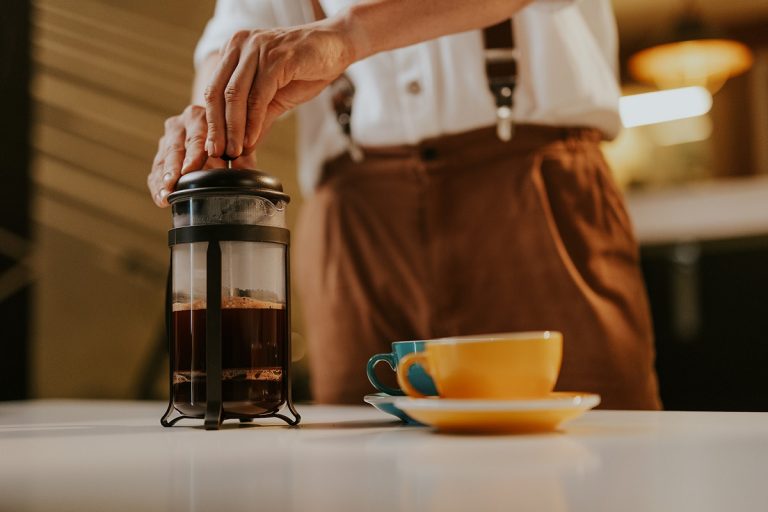
French press brewing uses coarse coffee grounds fully immersed in hot water, allowing flavors to develop gradually over 4–5 minutes. Coarse grind prevents over-extraction while producing a rich, full-bodied cup with natural oils and aromatic compounds.
The plunger allows separation of grounds without filtration through paper, preserving body and flavor. Too fine a grind can cause excessive sediment and bitterness, while too coarse a grind under-extracts, resulting in weak coffee. Uniform coarse grounds ensure smooth extraction and consistent flavor.
French press emphasizes immersion time and water temperature. Maintaining temperatures around 195–205°F allows even extraction, while proper steep time develops body and mouthfeel. Stirring gently after adding water ensures all grounds are saturated.
This method highlights the robust flavors of medium to dark roast beans, producing a satisfying, full-bodied experience. Adjusting grind coarseness fine-tunes strength and mouthfeel, making French press a versatile choice for bold, aromatic coffee.
Drip Coffee: Convenience and Consistency
Automatic drip coffee makers require medium grind coffee to allow water to flow evenly through the filter. This method produces a balanced cup with consistent flavor, suitable for everyday brewing.
Medium grind size ensures proper extraction rate, preventing bitterness or weak coffee. Uniform grounds allow hot water to extract oils and solubles evenly, producing a smooth, aromatic cup. Water temperature, filter type, and brew time all interact with grind size to affect flavor.
Drip coffee is forgiving, accommodating slight adjustments in grind size to tailor strength or flavor. It is ideal for larger servings, offering convenience without sacrificing consistency. Matching grind size with your specific machine ensures predictable results every time.
Flavor Profiles and Extraction
Flavor profiles in coffee are heavily influenced by extraction, the process by which water pulls soluble compounds from coffee grounds. The grind size, brewing method, water temperature, and steeping time all determine how flavors are developed, balanced, and perceived. Understanding how extraction interacts with flavor profiles allows you to tailor your coffee to highlight sweetness, acidity, body, and aroma for the perfect cup.
Under-Extraction: Sour and Weak Flavors
Under-extraction occurs when water does not adequately extract soluble compounds from coffee grounds, resulting in a sour, thin, or weak cup. This typically happens when the grind is too coarse, the brew time is too short, or water temperature is too low.
Sour notes dominate under-extracted coffee because the early-soluble acids are extracted faster than sugars and bitter compounds. The body is thin, lacking the richness and depth that comes from full extraction. This is often noticeable in pour-over or drip coffee when grind size or pouring technique is inconsistent.
Adjusting grind size to be slightly finer, extending brew time, or increasing water temperature can correct under-extraction. Uniform particle size is essential to ensure even extraction, as inconsistent grounds can leave some flavors underdeveloped.
Awareness of under-extraction helps you balance flavor profiles. Slight modifications in brewing technique can transform a weak, sour cup into one that highlights natural sweetness, aroma, and balanced acidity.
Optimal Extraction: Balanced and Aromatic
Optimal extraction produces a coffee cup with balanced flavors, body, and aroma. Proper grind size, brewing time, and water temperature work together to extract acids, sugars, and bitter compounds harmoniously.
A well-extracted cup highlights the bean’s inherent characteristics. Light and medium roasts often display fruity, floral, or nutty notes, while dark roasts emphasize chocolate, caramel, and roasted flavors. Achieving optimal extraction ensures that no single flavor dominates, resulting in a smooth, aromatic experience.
Consistent grind size is crucial for optimal extraction. Burr grinders are preferred because they produce uniform particles, allowing water to flow evenly and extract flavors at the correct rate. Small adjustments in grind size can fine-tune taste intensity, body, and acidity.
Mastering extraction enables you to tailor flavor profiles for your preference. Controlled extraction brings out sweetness, reduces bitterness, and enhances aroma, providing a balanced and satisfying cup regardless of brewing method or roast level.
Over-Extraction: Bitter and Harsh Notes
Over-extraction happens when too many compounds are pulled from coffee grounds, often due to a grind that is too fine, too long brew time, or excessively hot water. The result is a bitter, harsh, or astringent cup.
Bitterness dominates because later-extracted compounds, including tannins and other bitter molecules, overwhelm the natural sweetness and acidity of the beans. Over-extracted coffee can also feel heavy or drying on the palate, masking delicate flavors. This is common in espresso or pour-over when grind size or brewing time is not properly calibrated.
Correcting over-extraction involves coarsening the grind, reducing brew time, or slightly lowering water temperature. Even minor adjustments can restore balance, allowing natural sweetness, aroma, and body to shine through.
Understanding over-extraction is key for maintaining flavor clarity. Controlled extraction ensures that bitterness is minimized while highlighting the beans’ inherent notes, providing a smooth, enjoyable coffee experience.
Matching Extraction to Flavor Profiles
Each coffee bean has a unique flavor profile influenced by origin, roast, and processing method. Matching extraction to these profiles ensures optimal taste and aroma. Lighter roasts benefit from precise, slightly longer extraction to highlight fruitiness and brightness, while darker roasts require careful control to avoid over-extraction of bitter notes.
Grind size, brewing method, and water temperature must be adjusted to complement the desired flavor profile. Espresso needs fine, uniform grounds for bold, concentrated flavors, while French press benefits from coarse grounds to produce full-bodied, smooth coffee.
Experimentation is key. By adjusting extraction variables according to flavor profile, you can emphasize sweetness, acidity, or body. Consistent practice helps develop intuition, allowing each cup to express the coffee’s unique characteristics fully.
Measuring and Adjusting Coffee Amounts
The amount of coffee used during brewing significantly impacts strength, flavor, and overall balance. Too much coffee can result in bitterness and over-extraction, while too little can produce weak, underwhelming cups. Accurate measurement and thoughtful adjustments allow you to achieve a consistent, enjoyable brew tailored to your taste preferences and brewing method. Understanding how to measure and modify coffee amounts is essential for brewing precision and flavor control.
Measuring Coffee Accurately
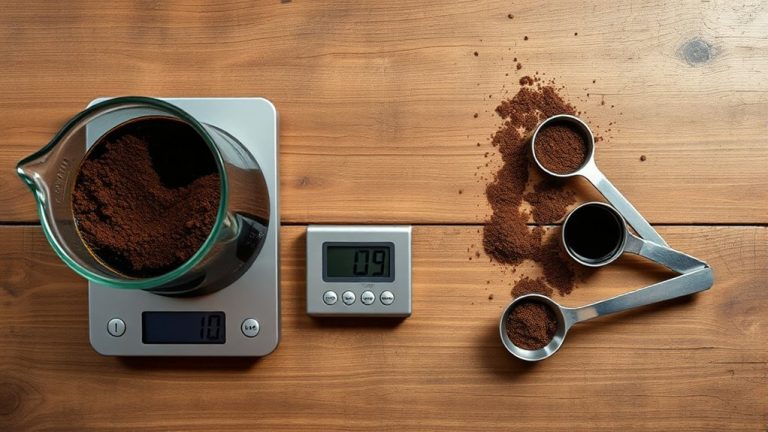
Accurate measurement starts with a reliable digital scale rather than relying on scoops or volume estimates. Coffee beans vary in density, roast, and origin, making weight the most precise way to ensure consistent results.
For standard brewing methods like pour-over or drip, a common ratio is 1 gram of coffee per 15–17 grams of water. Espresso uses a higher ratio, typically 18–20 grams of coffee per 1–2 ounce shot. Recording these weights allows you to reproduce a cup with the same strength and flavor every time.
Measuring before grinding is also important, as grinding affects the overall volume and extraction rate. Weighing beans ensures the correct coffee-to-water ratio regardless of grind size or brewing technique. This precision forms the foundation for achieving balanced flavor and body in every cup.
A scale also helps in experimenting with strength and flavor. Slight adjustments in grams can significantly alter taste, allowing you to find the ideal balance that suits your personal preference and brewing method.
Adjusting Coffee Amounts for Strength
Once you know the baseline measurement, adjusting the amount of coffee lets you control strength and intensity. Increasing the coffee-to-water ratio results in a stronger, bolder cup, while reducing it produces a lighter, milder brew.
Adjustments depend on the brewing method. For pour-over, adding 1–2 grams more coffee can enhance flavor and body without introducing bitterness. For French press, coarser grounds may require slightly more coffee to achieve desired strength. Espresso is particularly sensitive, where even a gram difference can noticeably affect taste and crema quality.
Water quality, temperature, and extraction time also interact with coffee amounts. Proper adjustment of coffee quantity ensures balanced extraction and flavor development, allowing natural sweetness, acidity, and aroma to shine without overpowering bitterness.
Tracking adjustments over time helps refine your process. Documenting each change ensures repeatable results and allows experimentation with different beans, roast levels, and brewing techniques to achieve your preferred flavor profile.
Customizing Coffee for Personal Taste
Every coffee drinker has unique preferences, and adjusting coffee amounts is key to personalization. Some may prefer lighter, delicate cups, while others enjoy strong, robust brews with pronounced body and flavor.
Start with standard ratios and modify gradually. Small incremental changes of 1–2 grams per cup allow precise control over strength without compromising balance. Taste-testing after each adjustment helps you understand how coffee weight interacts with grind size, roast, and brewing method.
Customizing coffee amounts also accommodates different beans and roast levels. Lighter roasts often benefit from slightly more coffee to extract their delicate flavors fully, while darker roasts may need less due to their naturally bold, intense characteristics.
Frequently Asked Questions
What Is The Main Difference Between Espresso Grounds And Coffee Grounds?
The main difference lies in grind size and intended brewing method. Espresso grounds are finely ground to allow water to extract flavors quickly under high pressure. This fine consistency produces a concentrated, full-bodied shot with crema.
Coffee grounds for drip, pour-over, or French press are coarser, allowing water to pass more slowly for balanced extraction. Using the wrong grind size can lead to over-extraction or under-extraction, resulting in bitterness or weak flavor. Understanding this distinction helps you brew coffee that highlights flavor, aroma, and body properly.
Can I Use Regular Coffee Grounds For Espresso?
Using regular coffee grounds for espresso is not recommended. Coarser grounds do not provide enough resistance for pressurized water, which can lead to under-extraction and weak, watery shots.
The result is a lack of crema, reduced body, and muted flavor. While it may still produce a drinkable cup, it will not achieve the richness, intensity, or aromatic qualities of true espresso. For consistent, flavorful espresso, using finely ground espresso-specific coffee is essential to ensure proper extraction and balance.
How Does Grind Size Affect Flavor Between Espresso And Regular Coffee?
Grind size directly influences extraction and flavor. Espresso grounds are fine, allowing water to extract soluble compounds quickly, producing intense, concentrated flavors with bold aroma and crema.
Coarse or medium coffee grounds extract more slowly, creating smoother, milder flavors with less bitterness. Using the wrong grind size can result in an imbalanced cup—fine grounds in drip coffee over-extract, while coarse grounds in espresso under-extract. Matching grind size to your brewing method ensures optimal flavor, highlighting natural sweetness, acidity, and body.
Does The Roast Level Matter When Comparing Espresso And Coffee Grounds?
Yes, roast level interacts with grind size and brewing method. Espresso is often brewed with medium to dark roast beans, which enhance bold flavors, crema, and body.
Regular coffee can use light to medium roasts, highlighting fruity, floral, or nutty notes in pour-over or drip brewing. Using a dark roast in coarse coffee grounds may produce a bitter taste, while using a light roast for espresso may result in overly acidic or thin shots. Roast and grind must be matched for proper extraction and flavor balance.
How Should I Store Espresso Grounds Versus Coffee Grounds?
Both espresso and regular coffee grounds should be stored in airtight containers in a cool, dry, dark place to preserve freshness. Pre-ground coffee loses aroma and flavor quickly due to oxidation.
It is best to grind beans immediately before brewing. For espresso, fine grounds are more sensitive to air exposure and may lose crema potential faster. Coffee grounds for drip or pour-over are slightly more forgiving but still benefit from fresh grinding. Proper storage maintains flavor, aroma, and consistency for every cup.
Can I Grind My Own Beans To Make Either Espresso Or Regular Coffee?
Yes, grinding your own beans allows you to customize flavor, aroma, and strength for each brewing method. Use a burr grinder for consistency, adjusting grind size according to whether you are making espresso or regular coffee.
Fine grinding is necessary for espresso, while medium to coarse grinding suits drip, pour-over, or French press. Grinding just before brewing preserves oils and aromas, ensuring maximum flavor. By controlling grind size and freshness, you can achieve the desired balance, body, and taste for both espresso and regular coffee.
Final Words
Choosing the right grind for your brewing method is essential to getting the most flavor from your coffee. Fine espresso grounds are designed for high-pressure extraction, producing a bold, concentrated shot, while regular coffee grounds suit drip, pour-over, or French press methods, offering a milder and more balanced cup. Understanding these differences helps you avoid bitterness, weak coffee, or uneven extraction.
Consistency and freshness play a major role in brewing quality coffee at home. Grinding beans just before use ensures maximum aroma and flavor, whether you are making espresso or a regular cup. Paying attention to grind size, roast level, and brewing technique allows you to tailor each cup to your taste preferences.
For home baristas and coffee enthusiasts, Espresso Grounds vs Coffee Grounds highlights the critical distinctions that affect flavor, extraction, and overall coffee experience. By matching the proper grind to your brewing method, you can enjoy consistently rich, aromatic, and satisfying coffee every time.