How Many Grams of Coffee for Pour Over: Exact Measurements for Perfect Brew
Brewing the perfect cup of pour-over coffee is all about precision, balance, and understanding the right proportions. The amount of coffee you use directly affects flavor, strength, and aroma, making it essential to measure carefully. Many coffee enthusiasts often wonder about the ideal quantity to achieve a smooth, well-extracted cup.
Knowing [How Many Grams of Coffee for Pour Over] helps you control the taste and strength consistently. Too little coffee can result in a weak, watery cup, while too much can make it bitter and overpowering. Finding the correct balance ensures every pour-over brew highlights the beans’ unique flavors and aromas.
Pour-over brewing emphasizes control over extraction time and water flow, so accurate measurement becomes even more critical. Using a scale to weigh your coffee allows you to maintain consistency across each brew.
Adjusting the grams of coffee according to taste preference and water volume gives you flexibility while preserving the delicate flavors. Understanding [How Many Grams of Coffee for Pour Over] transforms your daily coffee ritual into a precise and satisfying experience.
Coffee-to-Water Ratio for Pour Over
The coffee-to-water ratio is one of the most critical factors in brewing a perfect pour-over coffee. The ratio determines flavor balance, strength, and extraction efficiency. Using too little coffee produces weak, under-extracted coffee, while too much can lead to bitterness and over-extraction. Understanding the ideal ratio allows you to achieve a consistent, flavorful, and aromatic cup every time.
Standard Coffee-to-Water Ratio
For a standard pour-over, the commonly recommended ratio is 1:15 to 1:17. This means one gram of coffee for every 15 to 17 grams of water. Using this ratio ensures balanced extraction, providing a smooth, aromatic cup without overpowering bitterness.
A 1:16 ratio is a good starting point for most beans and personal taste preferences. For example, 20 grams of coffee would require approximately 320 grams of water. This ratio allows the water to interact evenly with the coffee grounds, extracting optimal flavor, oils, and aroma.
Measuring both coffee and water with a digital scale improves accuracy and consistency. Pour-over coffee relies on controlled water flow and even saturation of grounds, making precise measurement critical. Small deviations in ratio can significantly impact taste, strength, and mouthfeel.
Experimentation within this range helps you identify your preferred flavor intensity. Adjusting the ratio slightly allows you to make stronger or lighter coffee without changing other variables like grind size or pour technique.
Adjusting Ratio for Stronger Coffee
If you prefer a stronger, bolder cup, you can slightly increase the amount of coffee relative to water. Ratios like 1:14 or 1:15 make the coffee more concentrated, enhancing body and aroma.
Stronger coffee is ideal for darker roasts or beans with subtle flavor notes that need more presence. Increasing coffee quantity intensifies flavors while maintaining the balance of oils and extraction. It also provides a fuller mouthfeel, making each sip feel richer and more satisfying.
Be mindful that increasing coffee without adjusting brewing time or grind size can lead to over-extraction and bitterness. Using slightly coarser grounds or slowing down your pour can help balance the stronger ratio and avoid harsh flavors.
Adjusting the ratio allows you to customize coffee strength according to taste preferences, roast types, and desired aroma. Fine-tuning ensures you get the perfect cup tailored to your personal routine.
Adjusting Ratio for Lighter Coffee
For a milder, smoother cup, increase the water relative to coffee. Ratios like 1:17 or 1:18 produce lighter coffee that highlights delicate flavors without overwhelming the palate. This is ideal for light roast beans with nuanced fruity or floral notes.
A lighter ratio produces a clean cup with subtle aroma, making it easier to taste the beans’ unique characteristics. It also reduces bitterness and makes the coffee more approachable for those who prefer gentle, easy-drinking cups.
When adjusting for lighter coffee, maintain consistent pouring and grind size. The goal is even extraction while preventing under-extraction that could make the coffee taste weak or flat. Slightly slower pours over a longer bloom phase can enhance flavor even in lighter ratios.
Experimentation within this range allows you to discover how water quantity affects strength, taste, and aroma. Each adjustment gives you control over flavor intensity and overall satisfaction from your pour-over coffee.
Fine-Tuning For Personal Taste
Finding the perfect coffee-to-water ratio is a combination of science and personal preference. Start with the standard 1:16 ratio and adjust based on your taste, bean type, and roast level. Stronger coffee may need 1:15, while lighter coffee may require 1:17 or higher.
Consider using consistent scales, brewing time, and grind size while testing ratios. Even small changes in water volume or coffee grams can significantly alter flavor extraction and balance. Keeping a brewing journal helps track what works best for different beans.
Other variables, like pour speed, bloom time, and water temperature, also interact with the ratio. By fine-tuning these elements alongside coffee-to-water proportion, you can craft a cup that’s perfectly suited to your preference and consistently delicious.
Measuring Coffee in Grams
Accurate measurement is crucial for brewing the perfect cup of coffee, especially with precise methods like pour-over. Using grams instead of volume ensures consistency and precision. Coffee beans vary in density, so measuring by volume alone can lead to under- or over-extraction. Understanding how to measure coffee in grams allows you to maintain the ideal coffee-to-water ratio, control flavor strength, and achieve a balanced, aromatic cup every time.
Why Grams Are More Accurate Than Scoops
Measuring coffee in grams is far more reliable than using scoops or tablespoons. Scoops can vary depending on bean size, grind, and density, which results in inconsistent coffee strength. Grams, on the other hand, provide an exact measurement that can be replicated every time.
This precision is especially important for pour-over brewing, where water flow and extraction are tightly controlled. Even small differences in coffee weight can significantly affect flavor balance. Using a digital scale eliminates guesswork, allowing you to brew consistently and enjoy predictable results.
Weighing coffee also ensures proper adherence to the recommended coffee-to-water ratio. Whether aiming for a standard 1:16 ratio or experimenting with stronger or lighter brews, grams provide the accuracy needed to achieve desired strength and aroma.
Consistent measurement builds a routine, making each cup of coffee predictable in taste, aroma, and strength. It also allows you to experiment confidently with different beans and roasts without worrying about inconsistency from scoop size variations.
Using a Digital Scale for Precision
A digital kitchen scale is the most effective tool for measuring coffee in grams. Look for one with 0.1-gram precision to capture even small adjustments. Place your coffee container on the scale, zero it, and then add coffee until reaching the desired weight.
Digital scales allow you to measure both coffee and water for pour-over brewing, ensuring a consistent coffee-to-water ratio. Scales with a tare function let you reset the weight after adding your brewing vessel, simplifying the process and reducing cleanup.
Using a scale also supports repeatable experiments. When trying new beans or adjusting brew strength, you can record exact measurements and replicate successful results in future batches. This eliminates guesswork and helps refine your brewing technique over time.
Investing in a quality scale ensures precision and consistency. Over time, weighing coffee in grams becomes second nature, making brewing easier, faster, and more reliable while maximizing flavor and aroma in every cup.
Adjusting Measurements for Different Servings
Measuring coffee in grams also allows for precise scaling depending on serving size. For a single cup, 15–20 grams of coffee with approximately 240–300 grams of water is typical, but larger servings or multiple cups require proportional adjustments.
Scaling by grams maintains the same flavor balance, unlike scoops or tablespoons, which can vary and disrupt ratios. You can double or triple the amount of coffee and water with confidence, knowing your coffee strength and taste will remain consistent.
Accurate measurements are also essential when adjusting grind size, roast type, or water temperature. Changes in these variables interact with coffee weight, affecting extraction and taste. By keeping coffee weight precise, you maintain control over the brewing process and consistently produce the intended flavor profile.
Recording your measurements for each batch helps create a reference for future brewing. This allows you to quickly replicate your preferred taste and strength, whether brewing a single cup or multiple servings for guests.
Benefits of Consistent Gram Measurements
Consistently measuring coffee in grams enhances flavor, strength, and aroma control. Precision allows you to avoid under- or over-extraction, preventing bitterness or weak coffee. It also ensures repeatable results, giving every cup a predictable taste and mouthfeel.
Using grams also supports experimentation with coffee-to-water ratios. Small adjustments in weight can help fine-tune strength and balance, providing control over every variable in the brewing process.
Over time, measuring coffee in grams builds a reliable brewing routine. It empowers you to explore different beans, roasts, and grind sizes while ensuring the final cup meets your personal standards. Accurate measurement is a simple but essential step toward consistently perfect coffee.
Standard Measurements for Common Pour Over Servings
Accurately measuring coffee and water is essential for consistently great pour-over coffee. The right coffee-to-water ratio ensures balanced flavor, optimal extraction, and a smooth, aromatic cup. By understanding standard measurements for different serving sizes, you can easily scale recipes while maintaining taste and strength. Whether brewing a single cup or multiple servings, following standard guidelines helps you achieve reliable results every time.
Single Cup Measurements
For a single 8-ounce (240 ml) cup of pour-over coffee, the standard measurement is approximately 15–18 grams of coffee with 240–270 grams of water. This follows the commonly recommended 1:16 coffee-to-water ratio, which balances strength and flavor.
Measuring coffee by weight ensures precision, eliminating inconsistencies caused by scoops or tablespoons. Using a digital scale helps you maintain this ratio exactly, allowing for a smooth, well-extracted cup with rich aroma and clarity.
The single-cup measurement is ideal for everyday brewing or when using specialty beans. Adjusting within this range allows you to customize strength: slightly more coffee produces a bolder cup, while slightly less gives a lighter, more delicate flavor.
For consistency, grind your coffee to the appropriate medium-coarse size for pour-over methods. Combining proper grind, coffee weight, and water ensures optimal extraction and a clean, balanced cup.
Two Cup Measurements
For two servings, the standard measurement doubles while maintaining the same coffee-to-water ratio. Typically, 30–36 grams of coffee with 480–540 grams of water produces two balanced 8-ounce cups.
Scaling measurements proportionally preserves flavor balance and strength. Using a scale is especially helpful for multiple servings, ensuring each cup is consistent. Overestimating or underestimating coffee can result in weak or overly strong brews, so precise measurement is key.
Pour-over brewing relies on controlled water flow. For two cups, slow and even pouring over the grounds ensures uniform extraction, even with larger quantities. Maintaining consistent grind size is also critical to avoid uneven brewing or over-extraction.
Adjusting brewing techniques slightly for larger servings may improve results. For example, slightly longer bloom times or gradual pouring helps maintain flavor clarity and aroma while preventing bitterness in a larger batch.
Three to Four Cup Measurements
For three or four cups of pour-over coffee, coffee weight should be approximately 45–72 grams with 720–1,080 grams of water, following the 1:16 ratio. This range ensures that each cup retains consistent strength and flavor.
Brewing multiple servings requires careful attention to grind size and water distribution. Coarse to medium-coarse grounds help maintain even extraction and prevent sediment in the cup. Gradual, circular pouring ensures water fully saturates all grounds, extracting oils and flavors evenly.
Scaling up also requires monitoring brewing time. Larger quantities may need slightly longer percolation or controlled pouring to prevent weak or under-extracted coffee. Maintaining precision in coffee weight and water volume is essential to preserve taste consistency.
Using these measurements helps you serve multiple cups without compromising quality. Following the same ratio principles ensures that each cup delivers the same rich aroma, balanced flavor, and smooth mouthfeel as a single serving.
Tips for Consistency Across Servings
Maintaining consistent measurements across different serving sizes is key to brewing quality pour-over coffee. Always use a digital scale to weigh both coffee and water accurately. Adjust your grind size according to the total volume to ensure even extraction.
Documenting your measurements and pouring techniques helps replicate results reliably. For example, noting bloom time, pour rate, and total brewing time ensures that larger servings retain the same taste profile as smaller ones.
Consistency also allows experimentation with beans, roasts, and flavor profiles without losing control over extraction. By following standard measurements, you can confidently scale recipes for any number of cups while maintaining flavor, aroma, and texture.
Accurate measurements combined with proper grind size, water temperature, and pouring technique guarantee that every cup of pour-over coffee, whether single or multiple servings, delivers the same high-quality experience.
Choosing the Right Grind for Pour Over
The grind size for pour-over coffee directly impacts extraction, flavor, and overall cup quality. Unlike other brewing methods, pour-over relies on precise water flow and saturation, so using the correct grind ensures balanced taste and aroma. Understanding the right grind size for your beans and brew method allows you to achieve a smooth, well-extracted coffee every time, whether you prefer light, medium, or bold flavors.
Medium-Coarse Grind for Balanced Flavor
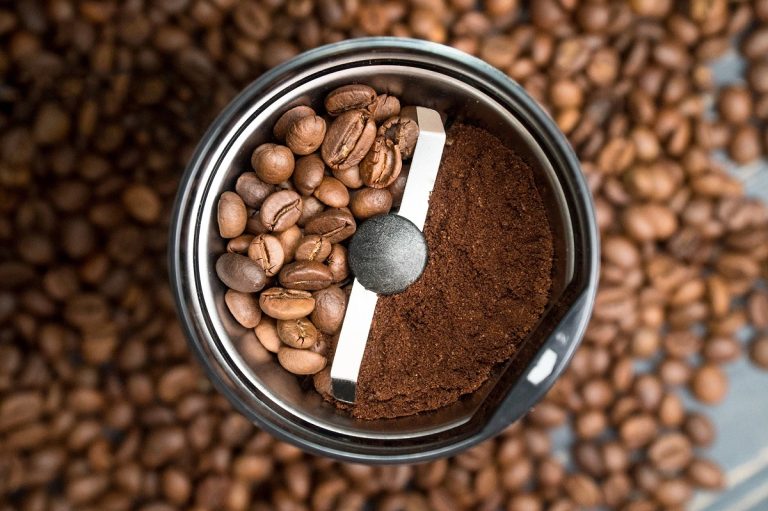
A medium-coarse grind is generally recommended for pour-over brewing. This texture resembles granulated sugar and allows water to pass through evenly, ensuring consistent extraction without over-extracting bitter compounds.
Medium-coarse grounds provide a balance between flavor, strength, and aroma. Coarser grounds extract more slowly, while finer grounds extract too quickly. Medium-coarse strikes the perfect middle ground, producing a cup that is smooth, well-rounded, and aromatic.
This grind size also reduces sediment in the cup, keeping the texture clean and enjoyable. Uneven or improper grinds can cause channels where water flows too quickly, resulting in under-extracted, weak coffee or over-extracted, bitter areas.
Adjusting your medium-coarse grind slightly can help tailor the coffee to your taste. For stronger brews, a slightly finer grind may increase extraction, while a slightly coarser grind produces a lighter, milder cup.
Fine Grind for Stronger, More Intense Coffee
For those who prefer a more robust cup, a slightly finer grind can intensify flavor and body. Fine grounds increase surface area, allowing water to extract more compounds, resulting in a richer, bolder coffee.
Using fine grinds requires careful attention to pour rate and water contact time. Too fast a pour can lead to uneven extraction, while too slow a pour may over-extract and introduce bitterness. Maintaining consistency in your pouring technique ensures optimal flavor.
Fine grind also accentuates aroma and highlights subtle notes in high-quality beans. However, it can increase the chance of sediment in your cup, so proper filtration and careful brewing are necessary to maintain a clean texture.
Experimentation with grind size allows you to adjust coffee strength without altering bean quantity or water volume. Small tweaks make a noticeable difference in flavor, letting you achieve your preferred intensity.
Coarse Grind for Lighter, Cleaner Brews
Coarse grinds produce a milder, cleaner cup that emphasizes clarity and delicate flavors. The larger particles slow down extraction, preventing over-extraction and bitterness, making it ideal for lighter roast beans with subtle aroma.
Coarse grind is also more forgiving in pour-over brewing. It reduces the risk of over-extraction and helps maintain a smooth texture, minimizing sediment in the cup. Proper pouring technique ensures that water evenly saturates the grounds for consistent flavor.
This grind size is perfect for coffee drinkers who enjoy a lighter, more nuanced cup. It highlights floral and fruity notes in beans without overwhelming the palate with intense body or bitterness.
Adjusting coarse grind slightly allows for flexibility in taste and strength. A slightly finer coarse grind can extract more flavor for a medium-bodied cup, while sticking to coarse ensures a delicate, balanced coffee every time.
Pour Over Brewing Technique
Pour-over coffee is celebrated for its clarity, aroma, and precision. Unlike automatic coffee makers, this method gives you full control over water flow, extraction time, and strength. Mastering the pour-over technique ensures that each cup highlights the unique flavors of your beans, producing a smooth, well-balanced brew. Understanding the steps and proper technique allows both beginners and enthusiasts to enjoy a consistently excellent cup of coffee at home.
Step-By-Step Brewing Process
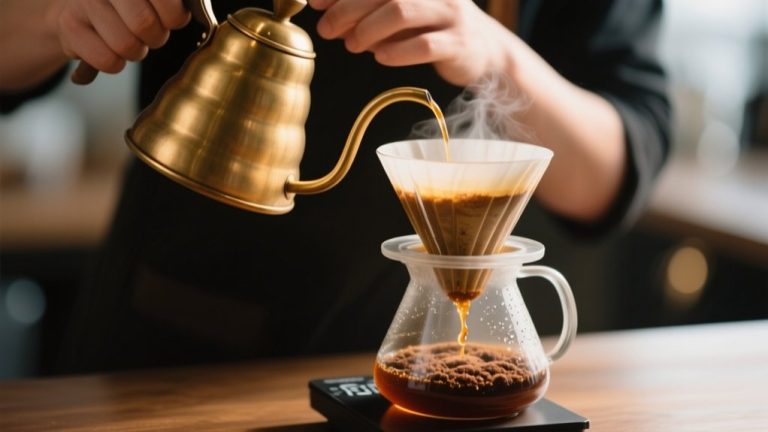
The first step in pour-over brewing is preparing your equipment. Start by rinsing the filter with hot water to remove paper taste and preheat your dripper and carafe. Next, measure your coffee using a digital scale. A standard 1:16 coffee-to-water ratio is a good starting point, which you can adjust based on taste preferences.
Place the freshly ground medium-coarse coffee into the filter, leveling it for even extraction. Begin pouring a small amount of hot water—just off boil—over the grounds to allow blooming. This step releases carbon dioxide and primes the grounds for even extraction, enhancing aroma and flavor.
After blooming for 30–45 seconds, pour water slowly in a circular motion, ensuring all grounds are evenly saturated. Pouring technique is critical; too fast can under-extract, while too slow can over-extract and cause bitterness. Maintain steady, controlled pours until reaching your desired volume.
Finally, allow the coffee to fully drain into your carafe. The total brew time should typically range between 3–4 minutes for a single cup, depending on grind size and pour rate. Patience and control during this process are key to achieving a smooth, well-balanced cup with bright flavors and minimal sediment.
Tips for Consistent Results
Consistency is critical for excellent pour-over coffee. Always use the same grind size, water temperature, and pouring technique. Water temperature between 195–205°F ensures proper extraction, while a medium-coarse grind helps maintain balanced flavor without over-extraction.
Using a scale and timer ensures precision. Record your measurements, grind size, and brewing time to replicate results. Adjust the coffee-to-water ratio or grind size for taste variations. Small tweaks in pouring speed, bloom time, or total water volume can significantly affect flavor and aroma.
Focusing on technique allows you to highlight the beans’ unique characteristics. Slow, even pouring extracts flavors gradually, while careful bloom timing maximizes aroma. Over time, mastering these techniques ensures every pour-over cup is smooth, flavorful, and consistent, transforming your daily coffee routine into a precise and satisfying ritual.
People Also Asked
How Many Grams Of Coffee For One Cup Of Pour Over?
For a standard 8-ounce (240 ml) cup of pour-over coffee, you should use around 15–18 grams of coffee. This follows the recommended 1:16 coffee-to-water ratio, balancing strength, flavor, and aroma.
Measuring in grams ensures consistency and prevents over- or under-extraction. Using a digital scale helps maintain precision, allowing you to replicate results every time. You can adjust slightly depending on taste preferences—using more coffee produces a stronger cup, while less coffee yields a lighter, smoother brew. Precision ensures each pour-over cup highlights the beans’ unique flavors.
How Many Grams Of Coffee For Two Cups Of Pour Over?
For two 8-ounce cups, double the coffee and water while maintaining the same ratio. Typically, 30–36 grams of coffee with 480–540 grams of water is ideal.
Scaling accurately preserves taste and strength across servings. Using a scale ensures both cups remain balanced, avoiding a weak or overly strong brew. Even pouring and consistent grind size are important when brewing larger batches. Adjusting slightly for personal taste allows you to make the coffee bolder or lighter while keeping flavor clarity and aroma intact.
Can I Use More Coffee For Stronger Pour Over?
Yes, you can increase the coffee amount to achieve a stronger cup. Using slightly more grams than the standard 1:16 ratio intensifies flavor and body.
Increasing coffee concentration brings out boldness in both medium and dark roast beans. However, stronger coffee requires careful attention to grind size and pour rate to prevent over-extraction and bitterness. Gradually adjusting coffee weight allows you to experiment with strength while maintaining a smooth, well-balanced cup. Consistent measurement ensures flavor remains predictable and enjoyable.
Will Using Less Coffee Make Pour Over Weaker?
Using fewer grams of coffee than the standard ratio results in a lighter, milder cup. The flavor may be less intense, and the body may feel thinner.
Reducing coffee weight is ideal for highlighting delicate or subtle notes in light roast beans. Maintaining precise water measurements prevents under-extraction. Adjusting coffee quantity without changing grind size or water temperature allows you to enjoy a smoother, less bold pour-over while preserving clarity, aroma, and overall balance in the cup.
How Do I Adjust Coffee Grams For Different Serving Sizes?
Adjusting coffee grams is simple using the 1:16 ratio. Multiply the desired water volume by the ratio to determine coffee weight. For example, 360 grams of water requires 22.5 grams of coffee.
Scaling proportionally preserves flavor and strength across different serving sizes. Accurate measurement ensures consistent results whether making a single cup or several. Using a digital scale simplifies the process and prevents errors. Adjusting coffee grams according to taste preference allows you to create stronger, lighter, or perfectly balanced cups for any number of servings.
Does Coffee Grind Affect How Many Grams I Should Use?
Yes, grind size influences how coffee extracts, which can affect the ideal amount of coffee in grams. Finer grounds extract faster, potentially requiring slightly less coffee to avoid bitterness, while coarser grounds may need slightly more for full flavor.
Monitoring taste is important. Adjusting coffee weight in small increments helps maintain desired strength and avoids over- or under-extraction. Consistency in grind and coffee grams ensures balanced flavor, aroma, and body. Experimenting with grind and weight allows you to tailor your pour-over to personal taste.
How Can I Measure Coffee Accurately For Pour Over?
The most reliable method is using a digital kitchen scale. Place your dripper or container on the scale, tare it, and add coffee until you reach the desired grams.
Measuring by weight ensures consistency across every brew, unlike scoops or tablespoons, which vary with bean size and density. Accurate measurement allows you to maintain the proper coffee-to-water ratio, control strength, and experiment confidently with different beans and roasts. Recording your measurements ensures repeatable results for a smooth, flavorful cup every time.
Conclusion
Achieving a consistently flavorful pour-over coffee depends largely on using the right amount of coffee. Measuring in grams ensures precision and allows you to control strength and extraction more accurately than relying on scoops or tablespoons. Even small adjustments in weight can make a noticeable difference in taste, making this step essential for anyone serious about pour-over brewing.
The grind size and freshness of your coffee beans also play a key role in the final cup. Medium to medium-coarse grind works best for pour-over methods, allowing water to flow evenly and extract balanced flavors. Paying attention to both coffee weight and grind ensures a smooth, aromatic, and satisfying brew every time, whether you’re making a single cup or multiple servings.
For those seeking clarity on perfect brewing, How Many Grams of Coffee for Pour Over provides a reliable guideline. By combining precise measurements with proper technique, you can enjoy a consistently rich and flavorful pour-over coffee experience at home.
FAQs
How Many Grams Of Coffee For One Cup Of Pour Over?
For a standard 8-ounce (240 ml) cup of pour-over coffee, you should use around 15–18 grams of coffee. This follows the recommended 1:16 coffee-to-water ratio, balancing strength, flavor, and aroma.
Measuring in grams ensures consistency and prevents over- or under-extraction. Using a digital scale helps maintain precision, allowing you to replicate results every time. You can adjust slightly depending on taste preferences—using more coffee produces a stronger cup, while less coffee yields a lighter, smoother brew. Precision ensures each pour-over cup highlights the beans’ unique flavors.
How Many Grams Of Coffee For Two Cups Of Pour Over?
For two 8-ounce cups, double the coffee and water while maintaining the same ratio. Typically, 30–36 grams of coffee with 480–540 grams of water is ideal.
Scaling accurately preserves taste and strength across servings. Using a scale ensures both cups remain balanced, avoiding a weak or overly strong brew. Even pouring and consistent grind size are important when brewing larger batches. Adjusting slightly for personal taste allows you to make the coffee bolder or lighter while keeping flavor clarity and aroma intact.
Can I Use More Coffee For Stronger Pour Over?
Yes, you can increase the coffee amount to achieve a stronger cup. Using slightly more grams than the standard 1:16 ratio intensifies flavor and body.
Increasing coffee concentration brings out boldness in both medium and dark roast beans. However, stronger coffee requires careful attention to grind size and pour rate to prevent over-extraction and bitterness. Gradually adjusting coffee weight allows you to experiment with strength while maintaining a smooth, well-balanced cup. Consistent measurement ensures flavor remains predictable and enjoyable.
Will Using Less Coffee Make Pour Over Weaker?
Using fewer grams of coffee than the standard ratio results in a lighter, milder cup. The flavor may be less intense, and the body may feel thinner.
Reducing coffee weight is ideal for highlighting delicate or subtle notes in light roast beans. Maintaining precise water measurements prevents under-extraction. Adjusting coffee quantity without changing grind size or water temperature allows you to enjoy a smoother, less bold pour-over while preserving clarity, aroma, and overall balance in the cup.
How Do I Adjust Coffee Grams For Different Serving Sizes?
Adjusting coffee grams is simple using the 1:16 ratio. Multiply the desired water volume by the ratio to determine coffee weight. For example, 360 grams of water requires 22.5 grams of coffee.
Scaling proportionally preserves flavor and strength across different serving sizes. Accurate measurement ensures consistent results whether making a single cup or several. Using a digital scale simplifies the process and prevents errors. Adjusting coffee grams according to taste preference allows you to create stronger, lighter, or perfectly balanced cups for any number of servings.
Does Coffee Grind Affect How Many Grams I Should Use?
Yes, grind size influences how coffee extracts, which can affect the ideal amount of coffee in grams. Finer grounds extract faster, potentially requiring slightly less coffee to avoid bitterness, while coarser grounds may need slightly more for full flavor.
Monitoring taste is important. Adjusting coffee weight in small increments helps maintain desired strength and avoids over- or under-extraction. Consistency in grind and coffee grams ensures balanced flavor, aroma, and body. Experimenting with grind and weight allows you to tailor your pour-over to personal taste.
How Can I Measure Coffee Accurately For Pour Over?
The most reliable method is using a digital kitchen scale. Place your dripper or container on the scale, tare it, and add coffee until you reach the desired grams.
Measuring by weight ensures consistency across every brew, unlike scoops or tablespoons, which vary with bean size and density. Accurate measurement allows you to maintain the proper coffee-to-water ratio, control strength, and experiment confidently with different beans and roasts. Recording your measurements ensures repeatable results for a smooth, flavorful cup every time.
Final Thoughts
Achieving a consistently flavorful pour-over coffee depends largely on using the right amount of coffee. Measuring in grams ensures precision and allows you to control strength and extraction more accurately than relying on scoops or tablespoons. Even small adjustments in weight can make a noticeable difference in taste, making this step essential for anyone serious about pour-over brewing.
The grind size and freshness of your coffee beans also play a key role in the final cup. Medium to medium-coarse grind works best for pour-over methods, allowing water to flow evenly and extract balanced flavors. Paying attention to both coffee weight and grind ensures a smooth, aromatic, and satisfying brew every time, whether you’re making a single cup or multiple servings.
For those seeking clarity on perfect brewing, How Many Grams of Coffee for Pour Over provides a reliable guideline. By combining precise measurements with proper technique, you can enjoy a consistently rich and flavorful pour-over coffee experience at home.