What Coffee to Use for Espresso: Expert Tips for Rich, Bold Flavor
Choosing the right coffee beans is essential for creating a rich, flavorful espresso. The type of coffee you select influences aroma, body, taste, and crema, making it a key factor in the overall quality of your shot. Understanding [What Coffee to Use for Espresso] helps you make informed decisions about beans, roast, and blends, ensuring consistent and satisfying results.
Espresso requires beans that can withstand high-pressure extraction while delivering a bold and concentrated flavor. Typically, darker roasts are preferred for their full body and reduced acidity, but medium-dark roasts can also produce balanced shots with complex notes. The origin of the beans, whether single-origin or blends, affects the flavor profile and richness of the espresso.
Learning [What Coffee to Use for Espresso] also involves considering grind size, freshness, and aroma. Freshly roasted beans ground just before brewing ensure maximum flavor and crema, highlighting the espresso’s signature characteristics.
Selecting the right coffee beans allows you to experiment with different blends and origins, creating espresso that suits your taste. Proper knowledge ensures every shot is aromatic, flavorful, and perfectly balanced.
Choosing the Right Coffee Beans
The choice of coffee beans plays a crucial role in determining the quality, flavor, and aroma of your espresso. Selecting the right beans involves more than picking your favorite roast; it requires understanding origin, roast level, freshness, and flavor profile. These factors influence not only taste but also body, crema, and how the espresso interacts with milk or syrups in various drinks. Choosing the right coffee beans ensures every shot is rich, balanced, and satisfying.
Understanding Roast Levels
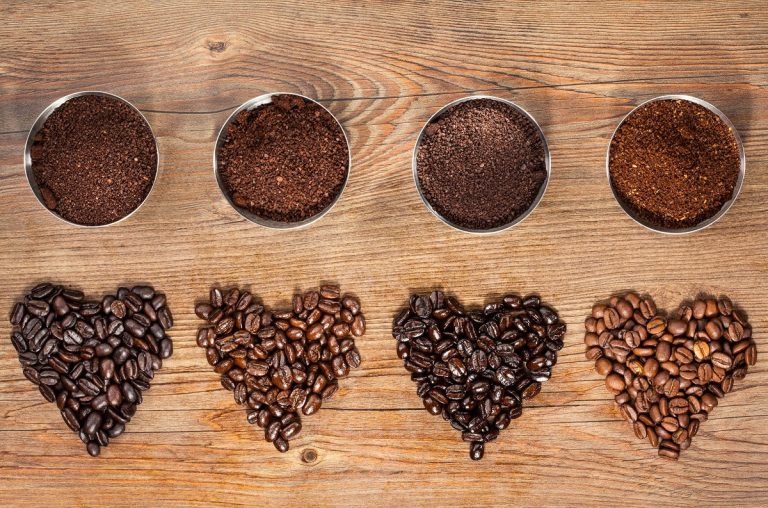
Roast level is one of the most important factors when choosing coffee beans for espresso. Beans can be roasted light, medium, medium-dark, or dark, with darker roasts commonly preferred for espresso. Dark roasts produce a bold, full-bodied flavor with lower acidity, making them ideal for high-pressure extraction and milk-based beverages. Medium-dark roasts, on the other hand, balance sweetness, mild acidity, and body, offering nuanced flavors that can highlight the beans’ origin.
The roast level also affects crema formation, as darker beans contain more oils that contribute to the golden layer on top of an espresso shot. Lighter roasts preserve more of the original flavor notes but may require adjustments to grind size and extraction time to prevent under-extraction. By experimenting with different roast levels, you can identify beans that best match your taste preferences and brewing method.
Single-Origin vs. Blends
Coffee beans are either single-origin or blends, and each type offers distinct advantages. Single-origin beans come from a specific region, farm, or estate and highlight unique flavors, aromas, and characteristics tied to the location’s soil, climate, and processing methods. These beans often feature complex tasting notes such as fruity, floral, chocolatey, or nutty flavors, making them ideal for espresso enthusiasts seeking variety.
Blends combine beans from multiple origins to create a balanced, consistent flavor profile. They are commonly used in cafes because they produce reliable results, balancing acidity, sweetness, and body in every shot. Blends are versatile, performing well in both straight espresso and milk-based drinks. Choosing between single-origin beans and blends depends on whether you prioritize uniqueness and exploration or consistency and balance in your espresso.
Freshness and Storage
Freshness is critical when selecting coffee beans. Coffee begins to lose flavor and aroma shortly after roasting, and pre-ground coffee deteriorates faster than whole beans. Using freshly roasted beans ensures maximum flavor, richer crema, and a fuller body in your espresso. Whole beans retain their freshness longer, and grinding just before brewing preserves essential oils and aromatic compounds.
Proper storage also extends bean quality. Keep beans in an airtight container away from light, heat, and moisture. Avoid storing them in the fridge, as condensation can compromise freshness. By maintaining optimal storage practices, your espresso beans will deliver consistent flavor and aroma over time, making each cup satisfying and balanced.
Flavor Profiles and Personal Preference
Coffee beans come in a wide range of flavor profiles, influenced by origin, processing method, and roast. Some beans highlight chocolate, caramel, or nutty notes, while others feature fruity, citrus, or floral undertones. Understanding these profiles allows you to select beans that suit your taste and preferred espresso style.
Your personal preference also affects which beans you choose. A darker roast may appeal to someone who enjoys bold, rich espresso, while a medium-dark roast may be better for those who prefer a slightly sweeter and more nuanced flavor. Matching the beans to your taste ensures every shot is enjoyable, whether served straight or used as the base for lattes, cappuccinos, or other espresso-based beverages.
Experimentation and Consistency
Finding the perfect coffee beans requires experimentation. Trying different origins, blends, and roast levels allows you to explore a range of flavors and aromas. Keeping track of what works best with your espresso machine, grind size, and brewing routine ensures consistency in every shot.
Consistency is especially important for espresso, as small variations in beans or grind size can significantly impact taste, body, and crema. Once you identify your preferred beans and roast, maintaining proper storage, dosage, and grind ensures every cup meets your expectations, delivering a satisfying espresso experience every time.
Roast Levels for Espresso
The roast level of coffee beans is one of the most critical factors influencing the flavor, aroma, and body of espresso. Choosing the right roast helps you achieve the desired taste profile, whether you prefer bold, rich flavors or more nuanced, complex notes. Understanding roast levels allows you to select beans that match your brewing method and personal preference, ensuring consistently satisfying espresso shots.
Light Roast Espresso Beans
Light roast espresso beans are roasted for a shorter period, preserving much of the bean’s original flavor, acidity, and unique regional characteristics. These beans often have brighter, fruitier, and more floral notes, making them ideal for coffee enthusiasts who appreciate nuanced flavors and subtle complexity. The lighter roast retains more caffeine than darker roasts, providing a slightly stronger stimulant effect per ounce.
Using light roast beans for espresso requires careful attention to grind size and extraction. Because they are less oily, water passes through the grounds differently, and precise timing is necessary to avoid under-extraction. Light roasts produce a thinner crema compared to darker roasts but offer a more pronounced origin-specific taste. Experimenting with light roasts allows you to explore the diverse flavors of single-origin espresso while highlighting subtle aromatic notes that might be masked in darker roasts.
Medium Roast Espresso Beans
Medium roast espresso beans strike a balance between brightness and body. They maintain some of the original flavor characteristics of the coffee while developing more caramelization and sweetness during roasting. Medium roasts offer a slightly fuller body than light roasts, with reduced acidity and enhanced complexity, making them versatile for both straight espresso shots and milk-based beverages.
These beans are suitable for espresso lovers seeking a well-rounded cup with balanced flavor, aroma, and crema. Medium roast espresso provides a smoother texture, allowing flavors like chocolate, nuts, and subtle fruit to shine without overpowering the palate. Because they are moderately roasted, medium beans still retain essential oils that contribute to a rich, golden crema, enhancing both visual appeal and taste.
Medium-Dark and Dark Roast Espresso Beans
Medium-dark and dark roast espresso beans are roasted longer, producing bold, full-bodied flavors with lower acidity. The extended roasting process caramelizes sugars and develops oils on the surface, creating rich chocolate, caramel, and smoky notes. These roasts are popular in traditional espresso, especially in cafés where a strong, concentrated flavor is preferred.
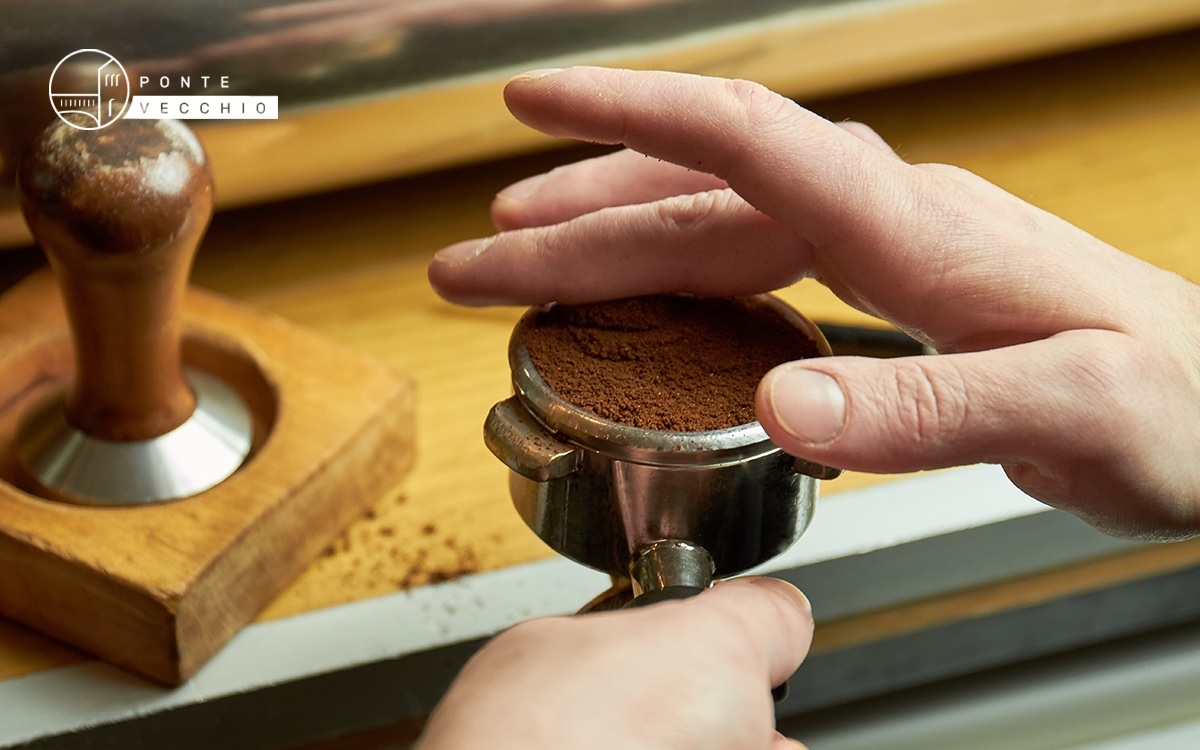
Dark roasts deliver a dense crema and robust body, making them ideal for milk-based drinks like cappuccinos and lattes. While some subtle origin-specific flavors may be muted, the emphasis on bold, intense taste ensures that espresso maintains its signature strength and richness. Medium-dark and dark roasts also require careful dosing and tamping, as the oily surface can affect extraction, but they reward with a smooth, velvety cup that highlights espresso’s characteristic depth.
Choosing the Right Roast for Your Taste
Selecting the right roast for espresso ultimately depends on personal preference and the desired flavor profile. Lighter roasts highlight origin-specific notes and brighter acidity, medium roasts offer balance and versatility, and darker roasts provide bold, intense flavors suitable for concentrated shots or milk-based drinks.
Experimenting with different roast levels helps you discover which beans work best with your espresso machine, grind size, and brewing routine. Understanding how roast affects aroma, body, and crema ensures that each shot of espresso meets your expectations. Properly matched roast levels and brewing techniques allow you to consistently enjoy rich, flavorful, and satisfying espresso every time.
Grind Size and Texture
The grind size and texture of coffee beans are critical factors that determine the flavor, strength, and quality of your espresso. The right grind ensures proper extraction, balanced taste, and rich crema. Understanding how grind size interacts with brewing pressure, water flow, and extraction time allows you to consistently achieve a full-bodied and aromatic espresso shot.
Importance of Grind Size for Espresso
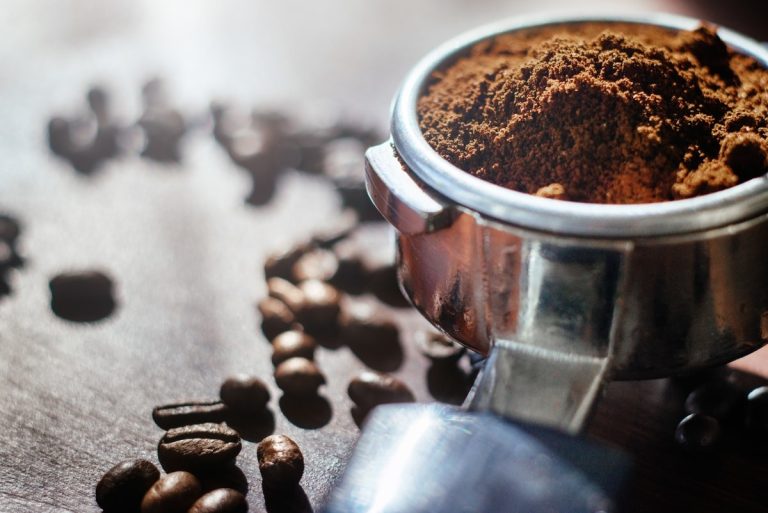
Grind size directly affects how water interacts with the coffee during brewing. Espresso requires a fine, uniform grind to allow water to pass evenly through the coffee under high pressure. Too coarse a grind results in under-extraction, producing a weak, sour, or watery shot. Conversely, too fine a grind can over-extract, leading to bitterness and harsh flavors.
The grind size also impacts crema formation. Finely ground beans release oils and CO2 more efficiently, creating the golden, velvety layer that tops a well-pulled espresso. Achieving the correct grind ensures that all soluble compounds are extracted evenly, balancing acidity, sweetness, and bitterness. Consistency in grind size is critical, as small variations can drastically alter the flavor and texture of espresso, emphasizing the need for precision in preparation.
Texture and Uniformity
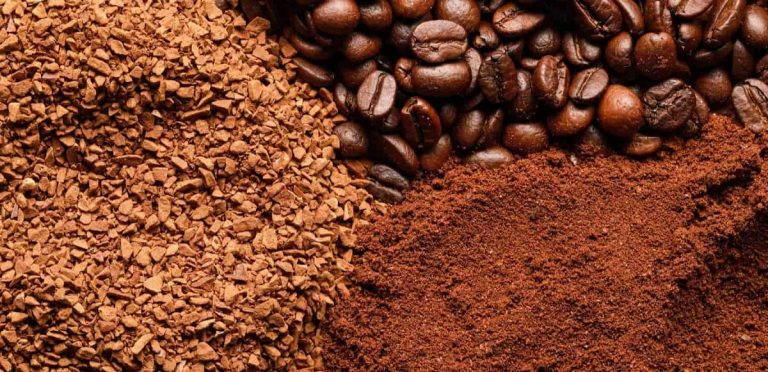
Beyond size, the texture and uniformity of the grind are equally important. Uneven particles can cause channeling, where water flows through certain areas faster than others, resulting in over-extracted and under-extracted regions in the same shot. Burr grinders are preferred for espresso because they produce consistent particle size and texture, unlike blade grinders, which create irregular fragments that affect extraction.
A consistent texture ensures that the espresso develops a balanced body and flavor profile. It also contributes to crema quality and overall mouthfeel. Paying attention to both grind size and texture allows for precise control over extraction time and pressure, giving you the ability to fine-tune espresso shots to your taste preferences while maintaining quality and consistency.
Adjusting Grind for Different Beans
Different coffee beans require slight adjustments in grind size. Light roasts are denser and often need a slightly finer grind to extract full flavor, while darker roasts, which are more porous and oily, may require a slightly coarser grind to prevent over-extraction and bitterness. Origin and bean type also influence grind adjustments, as some beans have more complex flavor compounds that require careful extraction.
Adjusting grind size according to bean type and roast ensures that each espresso shot delivers a balanced flavor and rich crema. By testing small changes in grind size and observing the results, you can tailor espresso preparation to the specific beans being used, enhancing the overall coffee experience. Tracking adjustments also builds consistency across multiple shots, helping you achieve the perfect balance every time.
Tools and Techniques for Optimal Grinding
Using quality tools is essential for maintaining proper grind size and texture. Burr grinders are the standard for espresso because they provide precision and uniformity. Consistent grind adjustments allow you to match extraction time, pressure, and dosage perfectly. Manual grinders offer control for enthusiasts, while electric grinders provide speed and accuracy for daily use.
Regular cleaning of grinders is also crucial, as residual coffee oils and particles can affect texture and flavor. Measuring beans carefully and adjusting the grind according to extraction feedback ensures that each espresso shot is well-balanced. Combining the right tools with attention to detail enables optimal grind size and texture, enhancing aroma, flavor, and body in every cup.
Specialty Considerations
Brewing espresso is an art that often requires attention to specialty considerations beyond standard techniques. Factors like bean selection, water quality, equipment maintenance, and personal taste preferences play a significant role in producing consistent, high-quality espresso. Understanding these details allows coffee enthusiasts and professionals to refine their approach and elevate the overall coffee experience.
Bean Origin and Unique Flavor Profiles
Selecting the right beans is a critical specialty consideration. Single-origin beans can offer unique flavors, highlighting specific regions with notes of fruit, chocolate, or floral undertones, while blends provide consistency and balance. Certain beans may be better suited for straight espresso, while others complement milk-based beverages.
Understanding the flavor characteristics of different beans helps you craft espresso tailored to personal preference. Light or medium roasts may emphasize origin-specific notes, whereas darker roasts produce bold, full-bodied espresso with caramelized flavors. Specialty considerations like bean origin ensure that the final shot is not only flavorful but also showcases the complexity and nuances of the coffee.
Water Quality and Mineral Content
Water is a major factor in espresso quality. Specialty considerations include the mineral content and purity of water. Filtered water with the right balance of minerals ensures proper extraction and highlights the natural flavors of the coffee. Hard or heavily chlorinated water can lead to off-flavors, affect crema, and even damage espresso equipment over time.
Adjusting water parameters may be necessary for specialty espresso preparation. Baristas and enthusiasts often use water testing and filtration systems to maintain consistent quality. By controlling water quality, you ensure balanced extraction, optimal aroma, and enhanced flavor in every shot, creating espresso that is both delicious and consistent.
Equipment Maintenance and Calibration
Proper maintenance of espresso machines and grinders is essential for specialty-quality espresso. Regular cleaning, descaling, and calibration prevent inconsistencies in temperature, pressure, and grind size. Equipment that is not well-maintained can lead to uneven extraction, bitterness, or weak flavor.
Calibrating your grinder for specific beans and adjusting brewing parameters for different roasts ensures that each shot of espresso meets desired standards. Specialty considerations in equipment upkeep allow you to achieve the right balance of body, aroma, and crema consistently, regardless of the beans being used.
Personal Taste and Experimentation
Every coffee enthusiast has unique preferences regarding strength, flavor, and body. Specialty considerations involve adjusting grind size, dosage, and extraction time to match personal taste. Experimenting with different beans, roasts, and brewing techniques allows you to discover the ideal espresso profile.
Keeping detailed notes on each adjustment helps maintain consistency while also enabling experimentation. This approach ensures that your espresso aligns with your flavor preferences and brewing goals, providing a satisfying, personalized coffee experience. Specialty considerations like these highlight the artistry and precision involved in mastering espresso.
FAQs
What Coffee to Use for Espresso?
When selecting coffee for espresso, you should focus on beans specifically roasted for espresso preparation. Espresso beans are usually medium-dark to dark roasted to deliver a bold, full-bodied flavor that stands up to high-pressure extraction. Choosing beans with the right roast ensures balanced bitterness, sweetness, and acidity in your espresso.
Using freshly roasted, whole beans and grinding them just before brewing is essential. Freshness preserves oils and aromatic compounds, contributing to rich flavor and proper crema. Selecting beans thoughtfully allows you to enjoy consistent, flavorful espresso every time.
Can I Use Light Roast Coffee for Espresso?
Yes, you can use light roast coffee for espresso, but the flavor profile will differ significantly. Light roasts retain more of the bean’s original characteristics, highlighting floral, fruity, and acidic notes. While these beans can produce complex and bright espresso, they require precise grind size and extraction to avoid sour or under-extracted shots.
Because light roasts are less oily, the crema may be thinner, and the body slightly lighter compared to darker roasts. Experimenting with extraction time and dosage helps you balance flavors and achieve a satisfying espresso from light roast beans.
What Is the Best Grind for Espresso Beans?
For espresso, the grind must be fine and uniform. A fine grind ensures water flows evenly through the coffee under high pressure, extracting flavors fully without creating bitterness. Burr grinders are recommended because they provide consistent particle size, unlike blade grinders, which produce uneven fragments.
Adjusting grind size depending on bean type and roast is essential. Lighter roasts may need a slightly finer grind, while darker roasts might require a coarser grind to avoid over-extraction. Proper grinding ensures balanced flavor, full body, and rich crema in every shot.
Are Single-Origin Beans Suitable for Espresso?
Yes, single-origin beans can be excellent for espresso. These beans come from a specific region, farm, or estate, showcasing unique flavors tied to soil, climate, and processing methods. They often feature fruity, floral, or chocolatey notes that make each shot distinctive.
Single-origin espresso highlights nuanced flavors and aroma but may require careful attention to grind, dosage, and extraction to maintain balance. They are ideal for enthusiasts looking to explore complex flavor profiles and appreciate the unique characteristics of specific coffee-growing regions.
Should I Use Pre-Ground Coffee for Espresso?
Pre-ground coffee can be used, but it is not ideal for espresso. Once coffee is ground, it begins to lose aroma, flavor, and essential oils quickly, which affects crema and overall taste. Espresso requires precise grind size and freshness for consistent results.
Using whole beans and grinding just before brewing ensures maximum flavor and aroma. Pre-ground coffee may work in a pinch, but for high-quality, rich, and flavorful espresso with proper crema, freshly ground beans are strongly recommended.
How Does Bean Freshness Affect Espresso Quality?
Freshness is crucial when choosing coffee for espresso. Beans lose flavor and aromatic compounds shortly after roasting, and pre-ground coffee deteriorates faster. Using freshly roasted beans ensures maximum richness, balanced taste, and proper crema.
Grinding just before brewing preserves essential oils and aromatic compounds, giving your espresso a full-bodied flavor and smooth texture. Fresh beans allow you to experience the intended flavor profile and complexity of the roast, making every shot more satisfying and enjoyable.
Can I Use Espresso Beans for Other Coffee Drinks?
Yes, espresso beans can be used for other brewing methods, but adjustments are necessary. Espresso beans are roasted darker and ground finer, which may cause over-extraction or bitterness in methods like drip coffee or French press.
To use them effectively, adjust the grind size and water ratio according to your brewing method. While espresso beans work best for high-pressure espresso machines, experimenting with other brewing techniques can reveal unique flavors while maintaining richness and aroma in your coffee.
Conclusion
Choosing the right coffee for your espresso can completely transform your brewing experience. Paying attention to bean type, roast level, and freshness ensures you extract the fullest flavor and aroma from every shot. Understanding these elements allows you to craft espresso that is rich, balanced, and satisfying, whether enjoyed alone or in milk-based drinks.
When deciding on your beans, consider whether you prefer single-origin or a blend, and match the roast level to your taste preferences. Proper grinding and storage also play a critical role, as they preserve the delicate oils and flavors that make espresso special. This knowledge makes it easier to answer the common question of [What Coffee to Use for Espresso] and select beans that suit both your palate and brewing method.
Ultimately, investing time in choosing high-quality coffee and handling it correctly ensures consistent results. Knowing [What Coffee to Use for Espresso] allows you to enjoy professional-level espresso at home with every cup.