Does Guinness Taste Like Coffee – Flavor Profile Explained
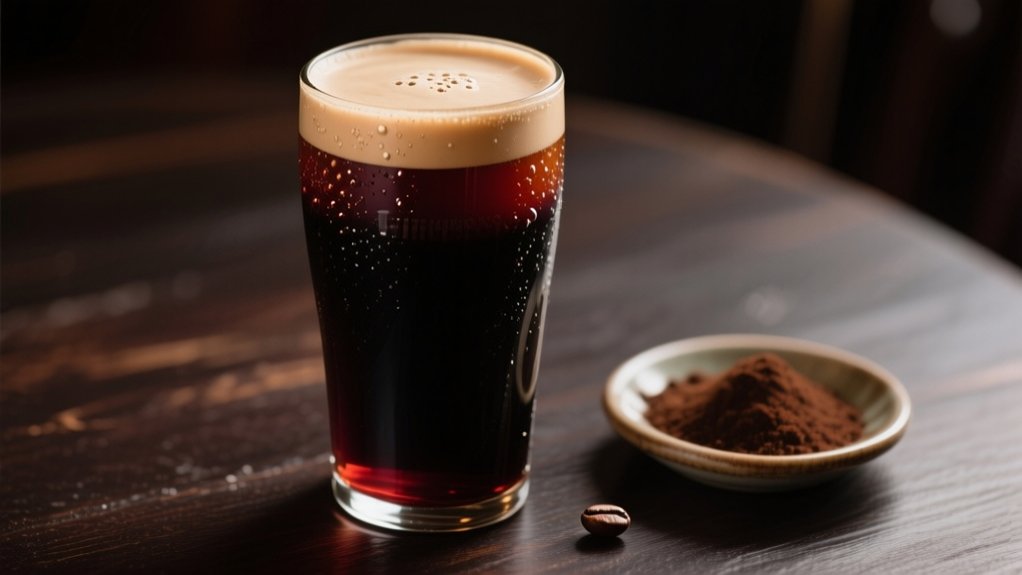
You’ll notice Guinness tastes like coffee because of the roasted unmalted barley, which gives it rich coffee and chocolate notes without using actual coffee beans. This roasted ingredient adds a smooth, creamy texture balanced with subtle sweetness and gentle bitterness.
Guinness’s unique nitrogen pour enhances that velvety feel, making the coffee flavor stand out. If you’re curious about how its flavor evolves and pairs with food, there’s plenty more to explore about this iconic stout.
What Gives Guinness Its Coffee-Like Aroma?
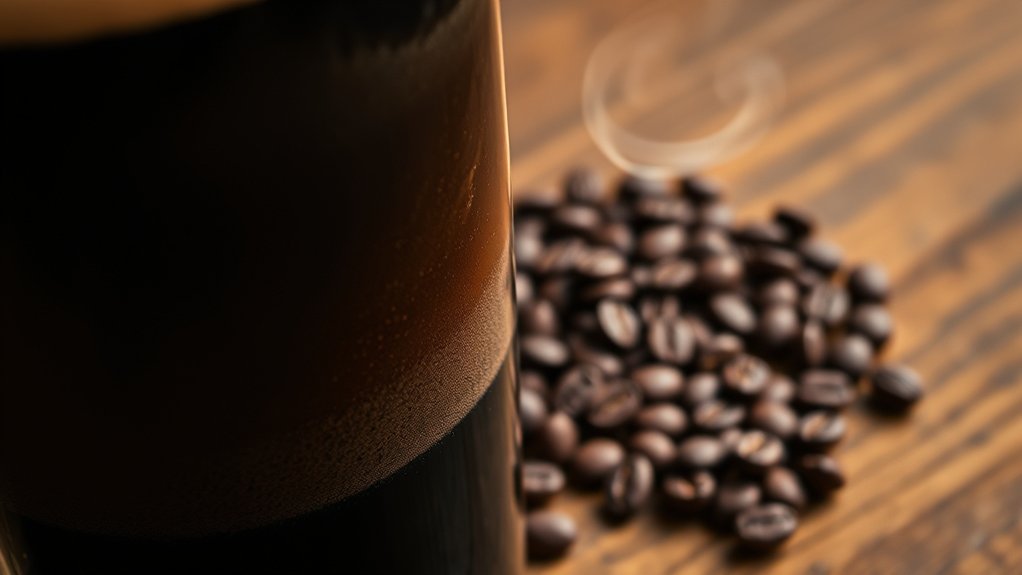
While you might immediately associate Guinness with its rich, dark color, much of its iconic coffee-like aroma actually comes from the roasted unmalted barley used during brewing. This ingredient imparts deep, roasted flavors that define the signature scent you notice when pouring a GUINNESS DRAUGHT.
Alongside these roasted notes of coffee, subtle caramel and sweet hints balance the aroma, creating a complex sensory profile. Some variants even incorporate cold brew coffee extract to enhance these coffee characteristics further.
Plus, the nitrogen-infused pouring technique gives GUINNESS DRAUGHT its creamy texture, which pairs beautifully with the roasted unmalted barley’s aroma. This makes each sip a rich, aromatic experience.
How Unmalted Barley Shapes Guinness’s Flavor
You’ll notice that unmalted barley plays a key role in shaping Guinness’s unique flavor.
It adds a rich roasted character that really brings out those signature coffee notes you love.
Plus, this ingredient helps balance bitterness and sweetness, giving the beer its smooth, complex taste.
Role Of Unmalted Barley
Because unmalted barley undergoes roasting without the usual malting process, it plays an essential role in shaping Guinness’s distinctive flavor. When Arthur Guinness crafted his iconic stout, he understood how this ingredient would add depth.
Unmalted barley brings rich roasted notes of coffee and chocolate, giving Guinness its signature complexity. You’ll notice it deepens the beer’s color and enriches the creamy texture you love, creating that velvety mouthfeel.
This barley also balances sweetness and bitterness perfectly, allowing the coffee flavors to stand out without overpowering your palate. Plus, it adds a subtle astringency that complements the smooth finish.
Thanks to unmalted barley, Guinness delivers a flavor profile that’s both bold and balanced, making every sip uniquely memorable.
Impact On Roasted Flavor
Unmalted barley doesn’t just add depth; it shapes the very roasted character that defines Guinness. When you explore the flavor evolution, you’ll notice how the roasting process of unmalted barley introduces rich coffee and chocolate notes that build complexity.
These flavors create a distinct bitterness, perfectly balancing the sweetness of other malts. As you engage your senses, this combination delivers a smooth, creamy mouthfeel that enhances the overall sensory experience.
By applying specific tasting techniques, like focusing on the initial bitterness and lingering finish, you can appreciate how unmalted barley influences Guinness’s signature roasted profile.
This key ingredient solidifies Guinness’s reputation, making each sip a harmonious blend of roasted richness and balanced bitterness that stands out in the world of stouts.
Contribution To Coffee Notes
While many ingredients contribute to Guinness’s complex flavor, it’s the roasted unmalted barley that truly crafts its signature coffee notes. This carefully roasted unmalted barley imparts rich, dark hues and a roasted complexity that mirrors coffee’s deep aroma.
As you sip, you’ll notice subtle chocolate undertones blending seamlessly with these coffee-like flavors, creating a remarkable flavor harmony.
Some Guinness recipes even enhance this profile with cold brew coffee extraction, adding smoothness and a creamy texture that complements the traditional malt and hop balance.
The interplay between unmalted barley and coffee extraction techniques guarantees that Guinness delivers a distinct coffee experience without overpowering its classic stout character.
This balance makes every pint a flavorful journey that celebrates both beer and coffee traditions.
How Roasted Malt Contributes to Guinness’s Taste
You’ll notice that roasted malt plays a big part in giving Guinness its deep, rich flavor.
It brings out bold coffee and chocolate notes that make each sip feel complex and satisfying.
As you taste, try to pick up on how these flavors shape the beer’s unique character.
Roasted Malt Flavor Impact
Because roasted malt plays a central role in crafting Guinness’s signature taste, you’ll notice its deep coffee and chocolate notes immediately. This malt complexity arises from carefully selected brewing techniques, including the use of unmalted barley, which intensifies the roasted flavors.
As you savor Guinness, the dark color signals the rich malt character that shapes your flavor perception, blending malty sweetness with hoppy bitterness.
The interplay of nitrogen and carbon dioxide during brewing further enhances the smooth, creamy mouthfeel, making the roasted malt flavor more pronounced and enjoyable.
Through this meticulous process, roasted malt doesn’t just color Guinness. It defines its distinctive taste, creating that unmistakable coffee-like finish you recognize and appreciate in every pint.
Malt and Coffee Notes
Roasted malt doesn’t just add color to Guinness. It shapes its unmistakable coffee and chocolate aroma that you can immediately recognize.
The malt varieties used, especially unmalted barley roasted at high temperatures, play a vital role in flavor extraction. This process releases deep, rich notes that mimic coffee’s bitterness while balancing with malty sweetness, creating a complex sensory experience.
As you sip Guinness, the roasted malt’s influence is clear, delivering that signature dark hue and aroma.
The brewing technique, which infuses nitrogen and carbon dioxide, enhances the smooth, creamy mouthfeel. This perfectly complements those coffee-like flavors.
Why Guinness Balances Sweet and Bitter Flavors
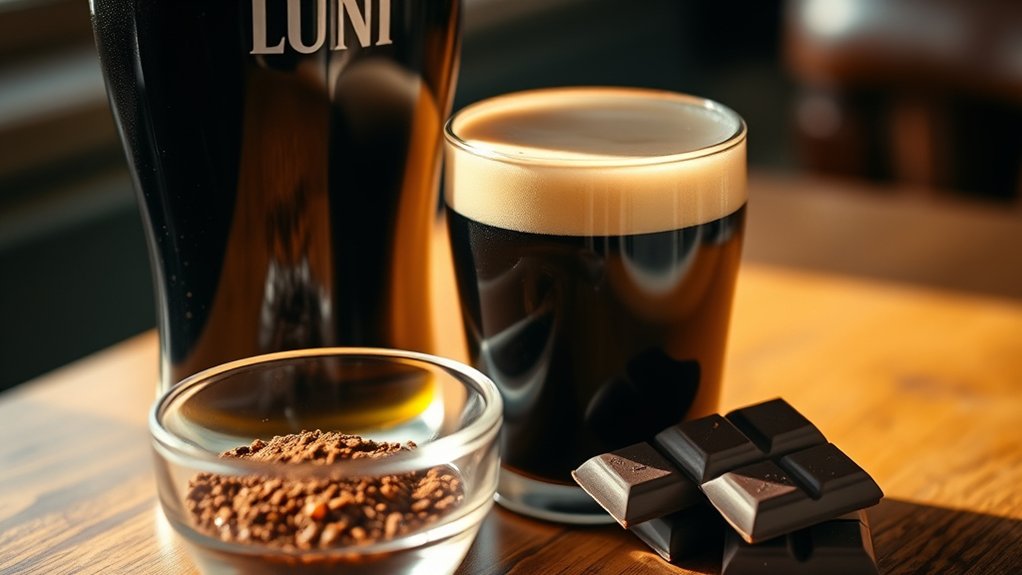
Although many beers lean heavily toward either sweetness or bitterness, Guinness masterfully balances both flavors to create its signature taste. This flavor harmony starts with careful ingredient selection. Roasted unmalted barley brings malty sweetness and a subtle hoppy bitterness that complement each other.
Cold brew coffee extract enhances the caramel notes, adding depth without overpowering the palate. When you take a sip, the velvety finish thanks to nitrogen and carbon dioxide smooths out bitterness, letting the sweet and roasted tones coexist beautifully.
This thoughtful brewing process guarantees your tasting experience is rich and balanced, appealing to a wide range of preferences.
With Guinness, you’re not just drinking a beer—you’re savoring a perfectly orchestrated blend of sweet and bitter flavors.
How Guinness’s Creamy Texture Influences Taste
When you pour a Guinness, you immediately notice its rich, creamy texture that sets it apart from other beers. This creamy sensation, created by nitrogen and carbon dioxide, gives you a smooth mouthfeel that shapes your texture perception and enhances flavor evolution.
The velvety head locks in aromas, intensifying coffee notes as the taste unfolds gradually. Each sip reveals a balance between sweet caramel and bitter coffee, thanks to the creamy texture. This smooth body guarantees the roast coffee character stays vivid and leaves a lasting impression.
| Aspect | Impact on Taste |
|---|---|
| Creamy sensation | Smooth mouthfeel |
| Texture perception | Enhanced aroma retention |
| Flavor evolution | Gradual unfolding of coffee & caramel |
| Rich body | Prominent roast coffee character |
Role of Cold Brew Coffee Extract in Guinness Flavor
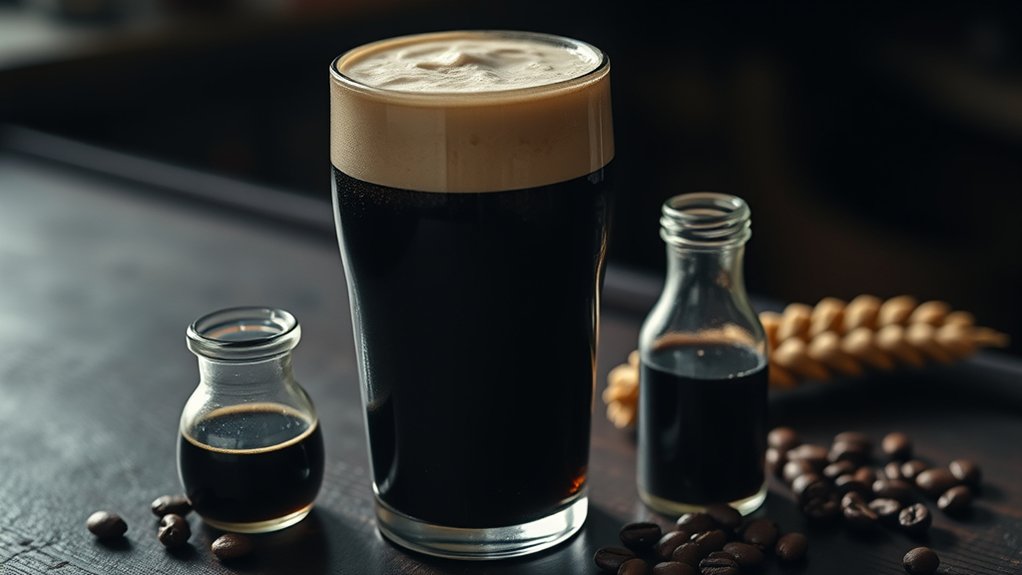
Because Guinness integrates cold brew coffee extract into its recipe, you get a richer, more complex flavor that deepens its signature smoothness. This clever use of flavor extraction techniques allows the beer to showcase coffee and chocolate notes without harsh bitterness.
Unlike traditional coffee brewing, cold brew advantages lie in gently pulling out delicate flavors, balancing bitter and sweet caramel tones. The coffee infusion methods employed guarantee that the extract harmonizes with Guinness’s malty sweetness and hoppy bitterness, adding depth without overwhelming the palate.
As a result, you experience a smooth, creamy texture paired with a refined coffee finish that elevates the stout’s complexity. Understanding this process helps you appreciate why Guinness stands out among dark beers with its unique flavor profile.
How Guinness Flavor Compares to Real Coffee
Anyone who enjoys both Guinness and a good cup of coffee will notice intriguing similarities in their flavor profiles.
Guinness offers a roasted coffee character that blends malty sweetness and hoppy bitterness, creating a unique balance you won’t find in typical coffee alternatives.
Its sweet aroma carries distinct hints of coffee and caramel, reminiscent of freshly brewed dark coffee. The brewing methods contribute notably. Guinness uses unmalted barley, which enhances its roasted flavor like certain dark coffee varieties.
However, unlike the pure bitterness and flavor intensity of real coffee, Guinness balances coffee notes with sweetness and bitterness, giving it a smoother, creamier mouthfeel.
How Guinness’s Flavor Changes As You Sip
As you take your first sip of Guinness, you’ll notice the initial sweet maltiness quickly gives way to a balanced bitterness that brings forward its rich roasted coffee character. The Guinness texture becomes creamier, enhancing the smooth mouthfeel as the flavor evolution continues.
As the beer warms, the coffee notes deepen, revealing subtle chocolate hints. This sensory experience is heightened by observing the beer’s colors and bubbles, a visual cue to its intricate brewing.
The velvety finish lingers, leaving a gentle coffee and caramel aftertaste that invites you to savor each sip.
| Sip Stage | Flavor & Texture Highlights |
|---|---|
| First Sip | Sweet maltiness, mild bitterness |
| Mid Sip | Creamy mouthfeel, richer coffee |
| Warmed Beer | Deepened coffee, chocolate hints |
| Visual Sensory | Dark color, cascading bubbles |
| Finish | Velvety, lingering coffee-caramel |
How to Pair Food With Guinness’s Coffee Notes
You can really bring out Guinness’s rich coffee notes by pairing it with foods that complement its bitter sweetness and enhance those roasted flavors.
Think about dishes with creamy textures—they help balance the beer’s smooth mouthfeel and really highlight its depth.
Picking the right combination makes all the difference.
It’ll elevate both your food and your Guinness experience, turning a simple meal into something special.
Complementing Bitter Sweetness
While Guinness’s signature coffee notes deliver a rich, roasted bitterness, they also open up exciting possibilities for food pairings that balance both bitter and sweet flavors.
By applying smart pairing strategies, you can highlight contrasting taste profiles that bring out the best in both the drink and your dish.
For instance, the creamy texture of Irish Mashed Potato Croquettes contrasts beautifully with Guinness’s coffee flavoring techniques, enhancing each bite.
Sweet desserts like Apple & Pear Tart or chocolate brownies benefit from the beer’s balanced bitter-sweet caramel, amplifying fruitiness and cocoa richness.
Even savory dishes, such as Baltimore Blonde Fried Chicken, gain depth when paired with Guinness’s roasted coffee character.
Embracing these contrasts guarantees a harmonious tasting experience that celebrates the complexity of Guinness’s flavor profile.
Enhancing Roast Coffee
Three key food pairings can elevate the roasted coffee notes in Guinness, creating a symphony of flavors that excite your palate.
To fully appreciate the coffee flavor nuances, use sensory tasting techniques that highlight contrasts and complements.
Here are three food pairing suggestions:
1. Irish Mashed Potato Croquettes
Their creamy texture balances Guinness’s roasted coffee character, enhancing both the dish and beer.
2. Apple & Pear Tart
The fruit’s sweetness contrasts the bitter-sweet beer, creating a harmonious flavor balance.
3. Dark Chocolate Desserts
Rich chocolate mirrors Guinness’s coffee and caramel notes, offering an indulgent finish.
Balancing Creamy Mouthfeel
Building on the ways to highlight Guinness’s roasted coffee notes, balancing its rich, creamy mouthfeel opens new possibilities for pairing. You’ll find that the creamy texture of Guinness enhances dishes like Irish Mashed Potato Croquettes, creating a delightful flavor balance with the beer’s bitter and sweet caramel hints.
For mouthfeel enhancement, pair Guinness with chocolate desserts such as Apple & Pear Tart, where the coffee and chocolate undertones complement each other beautifully.
Savory options like Baltimore Blonde Fried Chicken work well too, as the smooth texture cuts through richness while spotlighting roasted coffee flavors.
Moreover, grilled meats or spicy dishes offer a revitalizing contrast, balancing Guinness’s malty sweetness and hoppy bitterness.
Try coffee-infused recipes to amplify the coffee notes, crafting a truly harmonious tasting experience.
What Are Common Misconceptions About Guinness Tasting Like Coffee?
Anyone who’s tasted Guinness might expect a strong coffee flavor because of its dark color, but that’s a common misconception. Misconceptions about flavor often stem from dark beer myths that don’t hold up under scrutiny.
Here’s what you should know:
- The coffee flavor origins in Guinness come from roasted unmalted barley, not actual coffee beans. This gives subtle notes, not a brewed coffee taste.
- Its balanced profile blends malty sweetness and hoppy bitterness, complemented by a creamy mouthfeel and caramel character, not overwhelming coffee flavors.
- Not all dark beers taste like coffee. Guinness’s unique nitrogen and carbon dioxide mix creates distinct texture and flavor beyond color assumptions.
Understanding these points clears up why Guinness tastes rich and complex, not just like a cup of coffee.
How Brewing Shapes Guinness’s Coffee Taste
While you might associate Guinness’s coffee flavor with just its dark color, the brewing process plays an essential role in shaping that distinctive taste.
Guinness uses roasted unmalted barley, which adds rich, roasted coffee flavor nuances to the beer.
The brewing techniques also include incorporating cold brew coffee extract, enhancing both aroma and taste with sweet caramel and roasted notes.
During fermentation, a mix of nitrogen gas and carbon dioxide creates a smooth, creamy mouthfeel that perfectly complements the coffee-like flavors.
This careful balance between malty sweetness and hoppy bitterness heightens your flavor perception, making the coffee notes linger on your palate.
Ultimately, Guinness’s iconic dark color and velvety finish visually and sensorially amplify the coffee experience in every sip.
Tips for Tasting Guinness to Detect Coffee Flavors
To truly appreciate the coffee flavors in Guinness, start by taking in its distinct aroma. The rich coffee and caramel notes greet your senses even before the first sip.
Using coffee tasting techniques, focus on these flavor perception factors to enhance your sensory experience:
- Observe the dark color and creamy head, which set the stage for the coffee notes and enrich the sensory experience enhancement.
- Sip slowly, noting the balance of bitter and sweet caramel alongside the roast coffee character that becomes more prominent.
- Let the beer linger on your palate, paying attention to the smooth mouthfeel and the interplay of malty sweetness with hoppy bitterness that highlights the roasted flavors.
These tips help you detect the subtle coffee nuances in Guinness with precision.
Frequently Asked Questions
Does Guinness Contain Actual Coffee Ingredients?
No, Guinness doesn’t contain actual coffee ingredients, but you’ll notice coffee notes thanks to the Guinness brewing process.
The roasted unmalted barley they use creates those rich, deep flavors that make the beer taste similar to coffee.
When you sip, the flavor comparison makes sense. The bitterness and caramel sweetness blend perfectly, giving you that coffee-like experience without any coffee being added directly.
It’s all about clever brewing techniques.
Can Guinness Be Used in Coffee-Flavored Recipes?
You can definitely use Guinness in coffee-flavored recipes. Its rich, roasted notes enhance Guinness desserts and beer cocktails by adding depth and complexity.
When you experiment with flavor pairings, Guinness complements coffee’s bitterness and sweetness beautifully, elevating everything from cakes to creamy drinks.
Don’t hesitate to blend it into your recipes. Its smooth, velvety texture and subtle caramel undertones bring a unique twist that’ll impress any palate.
Is Guinness Suitable for People Who Dislike Coffee?
Yes, Guinness can be suitable for you if you dislike coffee. The Guinness flavor balances subtle coffee notes with sweet caramel and mild bitterness, which softens the coffee taste.
When comparing its taste to coffee, Guinness feels smoother and creamier, making it more approachable.
If your beer preferences lean toward rich, complex brews without intense coffee bitterness, Guinness offers a unique experience that might surprise you in a good way.
How Long Does the Coffee Flavor Linger After Drinking Guinness?
You’ll notice the coffee aroma and flavor intensity linger on your palate for several minutes after drinking Guinness. This aftertaste duration is due to the combination of cold brew coffee extract and roasted barley, which creates a smooth, creamy mouthfeel that prolongs the taste experience.
As the beer warms slightly, those coffee notes become more pronounced, inviting you to savor the complex finish longer than you might expect.
Are There Other Beers With Similar Coffee-Like Flavors?
Yes, you’ll find many coffee beers and dark ales with rich coffee-like flavors. These flavors come from roasted malts, which give a toasty, bitter edge similar to coffee.
Stouts like Founders Breakfast Stout and porters such as Sierra Nevada Porter are great examples.
You can also explore imperial stouts or barrel-aged beers, where roasted malts and aging techniques deepen the coffee notes, offering a bold, complex drinking experience you’ll enjoy.
Conclusion
You might expect Guinness to taste exactly like coffee, but its flavor is a complex dance between roasted malt bitterness and subtle sweetness. While the coffee-like aroma draws you in, the creamy texture and balanced bitterness surprise your palate with something richer and smoother.
Understanding these contrasts helps you appreciate Guinness beyond a simple comparison, inviting you to savor it as a unique brew that’s both familiar and invigoratingly distinct.