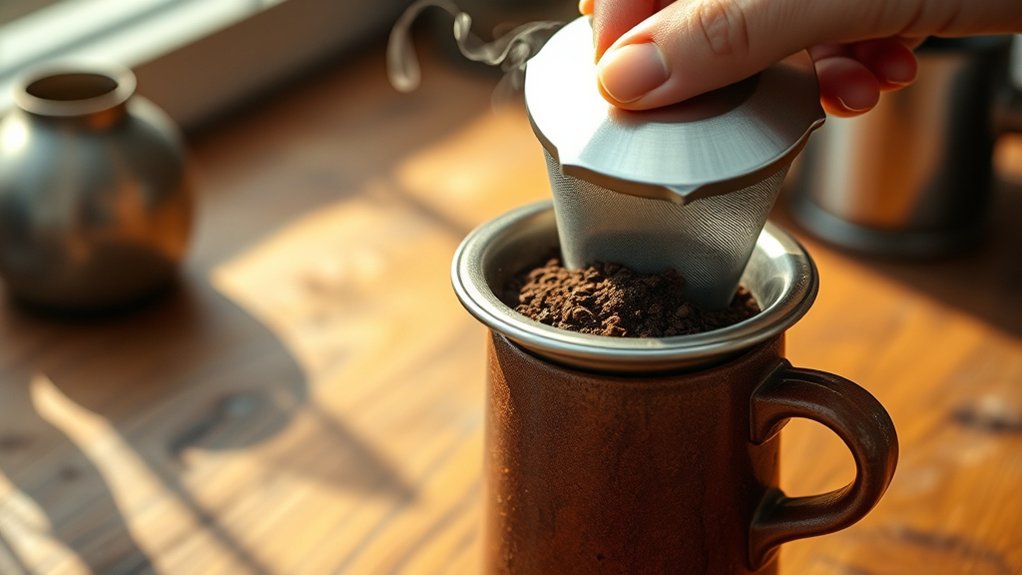
How To Make Filter Coffee – Traditional And Easy Brewing Guide
To make traditional filter coffee, start with fresh, medium-coarse ground beans stored airtight. Use a South Indian metal filter, placing grounds in the upper compartment. Then, pour hot water (90-95°C) slowly and let it brew for 10-15 minutes to extract a rich decoction.
Mix this decoction with hot milk to your desired strength. Pour the coffee between a tumbler and davara to aerate and cool it down a bit. Master these steps, and you’ll start to notice the little nuances in flavor, brewing, and serving that really elevate every cup.
What Is Filter Coffee And Why It’s Worth Brewing
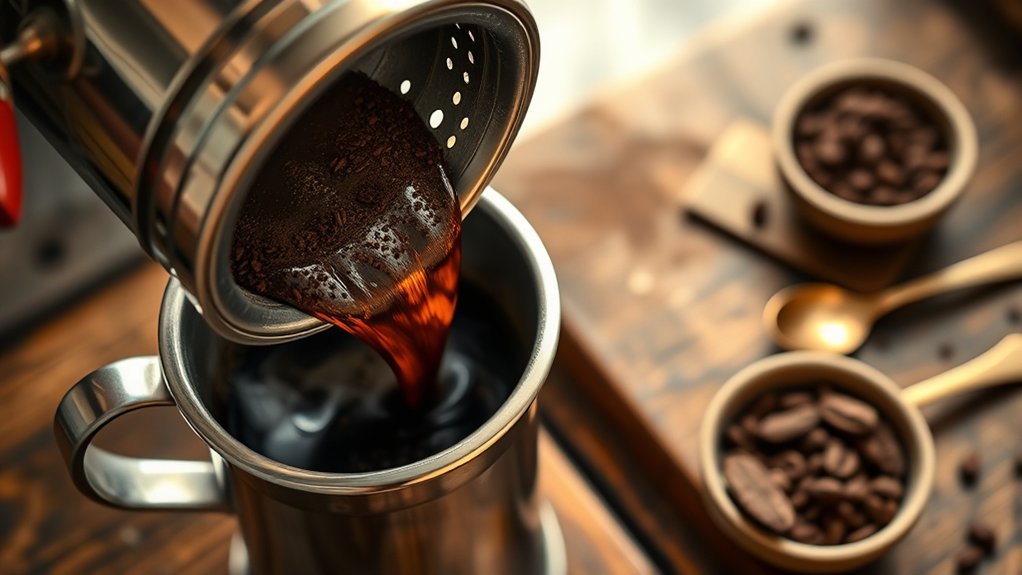
Although filter coffee may seem simple, it delivers a rich and nuanced flavor that many other brewing methods can’t match. Rooted deeply in coffee history, this technique has evolved through centuries, embracing both tradition and innovation.
Filter coffee, steeped in history, offers a rich, nuanced flavor refined through centuries of tradition and innovation.
When you use the right brewing equipment, like a drip filter or a stainless steel filter, you extract complex oils and subtle notes without bitterness. The slow, gravity-driven process allows water to evenly saturate the coffee grounds, highlighting their natural sweetness and acidity.
Unlike espresso or French press, filter coffee emphasizes clarity and balance. It’s definitely worth brewing if you appreciate a clean, layered cup.
Mastering filter coffee connects you to its heritage while giving you precise control over extraction and flavor nuances.
How To Pick The Best Coffee Beans For Filter Coffee
Choosing the right coffee beans is the foundation of brewing an exceptional filter coffee. Pay close attention to the coffee harvesting process. Beans picked at peak ripeness guarantee balanced flavors and essential aroma.
Opt for beans sourced from reputable growers who prioritize quality over quantity. After harvesting, proper bean storage is vital. Beans should be stored in airtight containers, away from light, heat, and moisture to preserve their freshness and prevent flavor degradation.
For filter coffee, medium roast beans with a well-developed acidity and rich body work best. This allows the subtle nuances to shine through your brew.
Remember, fresh beans ground just before brewing will always outperform pre-ground options. They deliver a vibrant, nuanced cup every time.
How The South Indian Coffee Filter Works
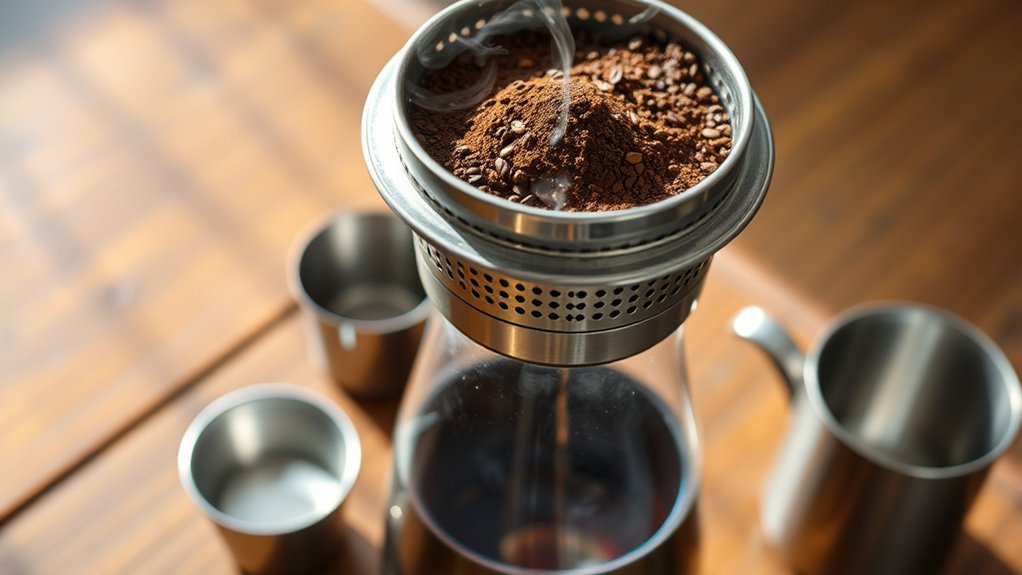
How exactly does the South Indian coffee filter extract such a rich, aromatic brew? The filter consists of two cylindrical compartments. The upper one holds the coffee grounds, while the lower collects the brewed decoction.
When hot water is poured over the grounds, it slowly percolates through the perforated bottom. This controlled extraction preserves the coffee aroma, allowing volatile oils to infuse the brew without escaping prematurely.
Unlike drip methods that rely on filter paper durability, the South Indian filter uses a metal mesh. This ensures consistent flow and no paper taste interference.
The slow drip process, aided by gravity, lets you extract full-bodied flavors, balancing bitterness and sweetness.
You’ll notice the robust aroma intensify as the decoction collects. It’s proof of the filter’s precise, time-tested design.
How To Grind Coffee For The Perfect Filter Coffee Brew
You’ll want a medium-coarse grind for your filter coffee. This helps pull out balanced flavors without any bitterness.
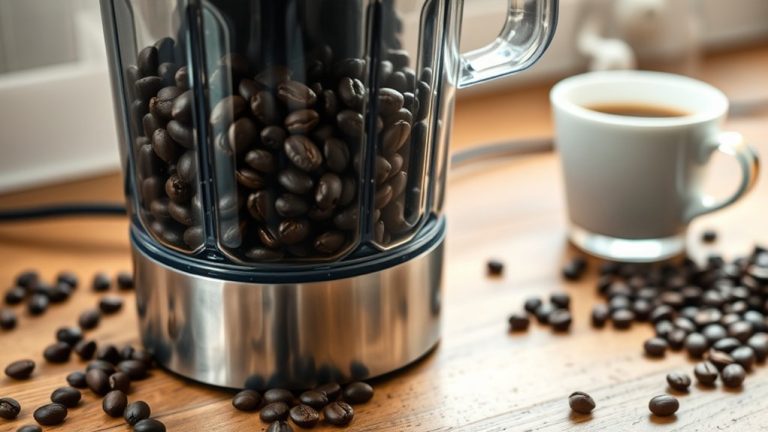
The key is getting a consistent particle size, so using a burr grinder is your best bet. Just take your time adjusting the settings until you find what works perfectly for you.
Once you get the hang of your grinding technique, you’re pretty much set for a smooth, rich brew every single time.
Ideal Grind Size
What grind size suits filter coffee best? For filter coffee, a medium grind is ideal. It’s coarser than espresso but finer than French press. This size allows ideal extraction, balancing flavor and preventing over-extraction.
Remember, grind size directly affects brew time and taste, so consistency is key. Also, pay attention to bean freshness and coffee storage. Freshly ground coffee from properly stored beans ensures maximum aroma and flavor.
| Grind Size | Description | Brewing Effect |
|---|---|---|
| Coarse | Large, chunky particles | Slow extraction, weak taste |
| Medium | Gritty, sand-like | Balanced extraction, rich flavor |
| Fine | Powdery, flour-like | Fast extraction, bitter notes |
Adjust your grind to medium for the perfect filter coffee brew every time.
Grinding Techniques Explained
Although selecting the right grind size is essential, mastering the grinding technique itself can really take your filter coffee up a notch. Proper grinding helps preserve the bean’s freshness, which directly impacts flavor extraction and aroma.
To get the best results, use a burr grinder for a uniform particle size. This helps avoid uneven extraction, which can mess with the taste.
Make sure to grind just before brewing—that way, you keep the beans fresh and the flavor at its peak.
Also, try adjusting your grind speed to prevent heat buildup. Too much heat can degrade the beans and change the flavor.
And don’t forget to store your beans properly. Keep them in airtight containers away from light and moisture to maintain their quality over time.
Step-By-Step Guide To Brewing Filter Coffee At Home
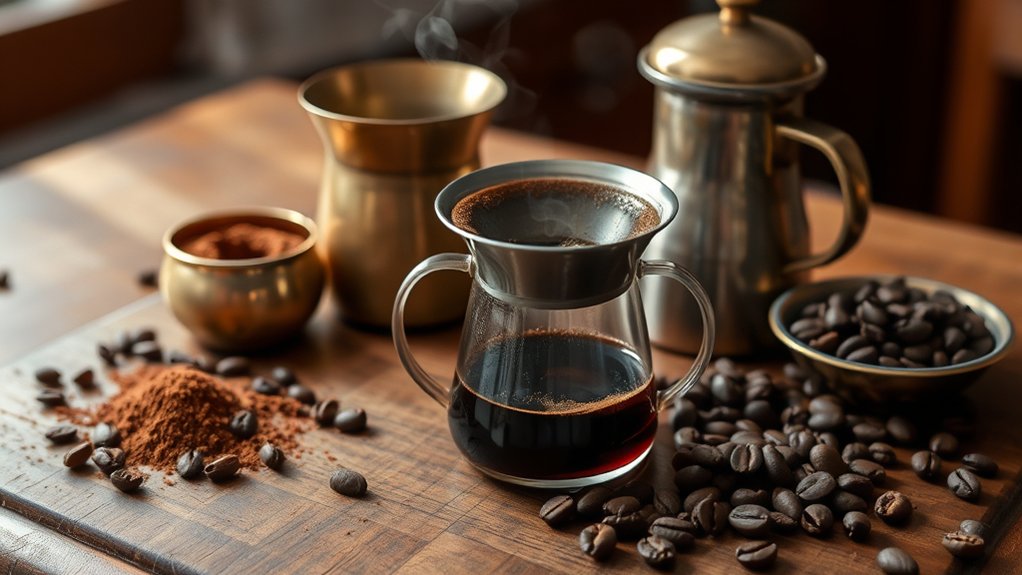
Before diving into the brewing process, make sure you have freshly ground coffee, clean equipment, and filtered water at the right temperature.
Start by placing the upper chamber of your brewing equipment on the lower vessel.
Add 3 tablespoons of coffee powder into the filter and gently tamp it without pressing too hard.
Pour boiling water, just off the boil (around 90-95°C), over the coffee grounds, filling the upper chamber.
Cover with the lid and let the decoction slowly drip into the lower vessel.
This extraction process takes about 10-15 minutes.
The precision in water temperature and the cleanliness of your brewing equipment directly influence the coffee flavor, ensuring a rich, balanced cup.
Once complete, your filter coffee decoction is ready for the next step.
How To Mix Filter Coffee Decoction And Milk For The Perfect Blend
To get the perfect filter coffee, you’ve got to balance the decoction-to-milk ratio just right. If there’s too much decoction, the coffee turns bitter.
On the other hand, too much milk can dilute that rich, full-bodied flavor. So, by tweaking this ratio, you can control how strong or smooth your coffee tastes, making it just the way you like.
Decoction To Milk Ratio
When you combine the decoction and milk in the right proportions, you reveal the rich, balanced flavor that defines perfect filter coffee. Achieving this harmony depends on the decoction’s strength. This strength relies on proper coffee storage and diligent filter maintenance to keep flavors pure.
Generally, start with a 1:2 ratio—one part decoction to two parts hot milk. Adjust the ratio based on how strong or mild you prefer your coffee.
Also consider the freshness of the decoction and the richness of the milk used. The ambient temperature can affect how you perceive the taste too.
Achieving Balanced Flavor
Mastering the balance between decoction and milk transforms your filter coffee from ordinary to exceptional. The coffee roasting level considerably influences your decoction’s strength, which affects how it pairs with milk. Light roasts offer subtle acidity and usually require a higher decoction ratio for boldness.
On the other hand, dark roasts bring intense bitterness and need more milk to soften the flavors. Achieving a balanced flavor is really about precise flavor pairing. You just need to adjust the milk to decoction ratio to complement your roast.
| Coffee Roasting Level | Suggested Decoction:Milk Ratio |
|---|---|
| Light Roast | 1:3 |
| Medium Roast | 1:2 |
| Dark Roast | 1:1.5 |
| Extra Dark Roast | 1:1 |
Use this guide to tailor your blend, making sure you get a smooth, harmonious cup every time.
How To Adjust Filter Coffee Strength And Sweetness
Although the basic brewing process stays pretty much the same, you can easily fine-tune your filter coffee’s strength and sweetness by adjusting a few things like the coffee-to-water ratio, grind size, and brewing time.
For controlling sweetness and caffeine, these are the key factors to focus on:
Increase the amount of coffee grounds if you want a stronger, more caffeinated brew. If you prefer something lighter, just use less.
Try using a slightly coarser grind to mellow out bitterness and bring out more sweetness. On the other hand, finer grinds will make your coffee taste stronger.
You can also play with the brewing time. A longer extraction pulls out more strength and bitterness, while a shorter brew keeps the natural sweetness intact.
Don’t forget about water temperature. Hotter water extracts more caffeine and bitterness, which can change the overall balance of your coffee.
How To Serve And Enjoy Filter Coffee The Traditional Way
How exactly do you serve filter coffee to capture its authentic essence? Begin by pouring the freshly brewed decoction into a traditional stainless steel tumbler, then transfer it to a davara, a small wide-mouthed bowl. This ritual, rooted deeply in coffee history, enhances aroma and temperature control.
The brewing equipment, specifically the metal filter, plays a crucial role in creating a rich, balanced decoction.
Sip the coffee by repeatedly pouring it between the tumbler and davara to aerate and cool it, releasing nuanced flavors. This method preserves the brew’s boldness and creamy texture, which are hallmark traits of traditional filter coffee.
Common Mistakes To Avoid In Filter Coffee
You’ll want to avoid using the wrong grind size because it directly affects extraction and flavor. If the grind is too coarse, your coffee might end up weak and under-extracted.
On the other hand, if it’s too fine, it could taste bitter or over-extracted.
Also, don’t let your water get too hot. When the water temperature is too high, it can scorch the coffee grounds and create a bitter taste.
Ideally, aim for water that’s just off the boil.
And one more thing—make sure you clean your filter properly. Neglecting this can lead to off-flavors in your coffee and even clog your brewing equipment, which nobody wants.
Using Incorrect Coffee Grind
When brewing filter coffee, picking the right grind size is super important because it affects extraction and the overall flavor balance. If your grind is too coarse, you’ll end up with a weak, under-extracted cup. On the other hand, too fine a grind can make your coffee bitter and over-extracted.
Getting a consistent grind is key to making sure your coffee extracts evenly and tastes just right. Also, don’t forget how you store your coffee beans—it really matters. Stale beans will give you flat flavors no matter how well you grind them.
To avoid these common mistakes, try grinding your beans just before brewing to keep them fresh. Use a burr grinder since it creates a uniform particle size. Make sure your grind size matches your filter type and brewing method.
And finally, store your beans in an airtight container, away from light and moisture. Paying attention to these little details will help you enjoy rich, balanced flavors in your filter coffee every single time.
Overheating Water Temperature
Although water temperature might seem like a minor detail, overheating it can drastically alter your filter coffee’s flavor profile. When water exceeds the ideal range of 195°F to 205°F, you expose your coffee grounds to overheating risks that can extract bitter compounds and scorch delicate oils.
This results in a harsh, burnt taste that masks the subtle nuances you want to enjoy. To avoid this, use a precise thermometer or allow boiling water to sit for about 30 seconds before pouring.
Maintaining the correct water temperature ensures balanced extraction and preserves the coffee’s natural sweetness and aroma. By controlling water temperature carefully, you’ll avoid the common pitfall of overheating and consistently brew a smooth, flavorful cup of filter coffee.
It’s a simple step but makes a big difference in your daily brew.
Neglecting Proper Filter Cleaning
If you skip regular cleaning of your coffee filter, residual oils and coffee grounds build up and substantially degrade the taste of your brew. Proper filter maintenance is essential to preserving the purity and aroma of your coffee.
Neglecting this step causes stale flavors and can even harbor mold or bacteria, impacting your health and enjoyment.
To avoid these issues, make sure you clean the filter thoroughly after each use with warm water and mild detergent. Also, avoid abrasive materials that can damage the filter’s surface.
Storing your coffee beans properly in airtight containers away from moisture and heat helps too.
Don’t forget to perform a deep clean weekly by soaking the filter in a vinegar solution to remove oil residues. These steps ensure every cup delivers fresh, robust flavor and prolong your filter’s lifespan.
Taking a little extra time for cleaning really pays off in the long run!
Easy Variations To Customize Filter Coffee
Since filter coffee offers a rich, smooth base, you can easily tailor it to your taste by experimenting with simple additions and adjustments. Understanding coffee history helps you appreciate the evolution of brewing equipment, which now lets you customize every cup.
Try varying the coffee-to-water ratio to alter strength, or adjust grind size for extraction balance. Adding a pinch of cardamom or cinnamon introduces aromatic complexity. You can also switch up the milk type, whether whole, skim, or plant-based, to change texture and flavor.
For a sweeter touch, add jaggery or honey instead of sugar. Experiment with water temperature within 90-96°C to highlight different flavor notes. These easy variations let you honor traditional brewing while crafting a personalized filter coffee experience.
Frequently Asked Questions
Can I Use Instant Coffee for Filter Coffee?
You can use instant coffee for filter coffee, but the flavor comparison won’t be favorable. Instant coffee lacks the rich, complex taste that freshly ground coffee beans provide in traditional filter brewing.
While instant coffee dissolves quickly, it misses the depth and aroma you expect from filter coffee.
For the best experience, stick to ground coffee. But if convenience matters most, instant coffee will work. Just don’t expect the same robust flavor.
What’s the History of Filter Coffee in South India?
Imagine the rich aroma of South Indian filter coffee swirling like morning mist over lush plantations.
Your journey traces back to the 19th century when French missionaries introduced coffee beans, sparking unique brewing techniques.
You’ll notice how the coffee flavor, deep and robust, evolved through metal filter drip methods, blending chicory for boldness.
This tradition, perfected over centuries, guarantees every cup you brew carries a heritage of meticulous craftsmanship and vibrant culture.
How Do I Clean and Maintain My Coffee Filter?
To clean your coffee filter, dismantle it after each use and rinse thoroughly with warm water to remove grounds. Avoid soap because it can affect the flavor.
For a deeper clean, soak the filter in a vinegar-water solution to get rid of oils.
Make sure to dry it completely before storing to prevent mold.
And when you store your coffee, keep it in an airtight container, away from moisture and light to maintain freshness.
Taking care of your filter and storing your coffee properly helps preserve the taste and makes your filter last longer. It’s a simple routine that really pays off!
Can I Use a Coffee Filter Maker for Espresso?
You can’t use a coffee filter maker for espresso because the brewing method is entirely different. Espresso requires finely ground coffee beans and high pressure to extract rich, concentrated flavors quickly.
Coffee filter makers rely on gravity and a coarser grind, which won’t create the pressure needed for espresso’s crema and intensity.
So, if you want authentic espresso, you’ll need a specialized espresso machine. These machines are designed to handle the specific grind and pressure requirements that espresso demands.
Without that, you just won’t get the same rich, bold taste.
Are There Health Benefits to Drinking Filter Coffee?
Yes, drinking filter coffee offers notable health benefits thanks to its rich antioxidant properties. When you brew filter coffee, you extract antioxidants like chlorogenic acids, which help combat free radicals and reduce inflammation.
These compounds support heart health, improve metabolism, and may lower the risk of certain diseases. By choosing filter coffee, you’re not only enjoying great flavor but also boosting your body’s defenses naturally and effectively.
Conclusion
Now that you’ve mastered the art of brewing filter coffee, you’re ready to savor a ritual as timeless as a South Indian monsoon. Like a painter blending hues, you control every variable, from bean to brew, to craft your perfect cup.
Remember, great filter coffee isn’t just a drink. It’s a moment of calm in a busy world.
Keep experimenting and let your filter coffee journey awaken both your senses and soul.