How Many Scoops Of Coffee For 10 Cups – Correct Brewing Ratio
You’ll need about 10 standard coffee scoops, each holding roughly 2 tablespoons, to brew 10 cups using the correct ratio.
Since a “cup” in coffee brewing usually means 6 ounces, one scoop per 6 ounces of water guarantees balanced flavor and proper extraction. Adjust your scoops slightly if you prefer stronger or milder coffee.
Stick to consistent measurements and ideal temperatures, and you’ll get a great brew every time. Keep exploring to fine-tune your perfect cup.
How Many Coffee Scoops Do You Need for 10 Cups
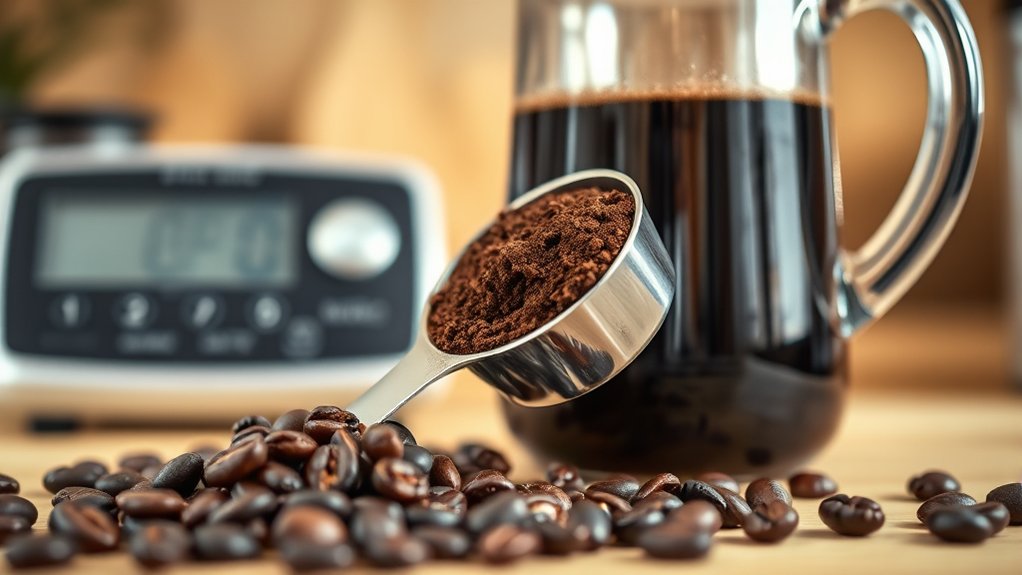
Wondering how many coffee scoops you need for 10 cups? Typically, you’ll want about 10 scoops, with each scoop measuring roughly 2 tablespoons of grounds.
For 10 cups of coffee, use about 10 scoops, each holding roughly 2 tablespoons of grounds.
This amount aligns with the standard coffee-to-water ratio of one scoop per 6 ounces of water, making 10 scoops perfect for brewing around 60 ounces.
If your coffee maker’s cups hold 5 ounces, this still covers approximately 10 cups.
Keep in mind, the ideal brewing temperature, usually between 195°F and 205°F, ensures you extract the best flavors from your coffee bean varieties.
You can adjust the scoop count slightly if you prefer a stronger or weaker brew, but starting with 10 scoops guarantees a balanced cup for 10 servings every time.
It’s a simple way to get consistent, tasty coffee without any fuss.
What Exactly Is a Coffee Scoop and How Much Does It Hold
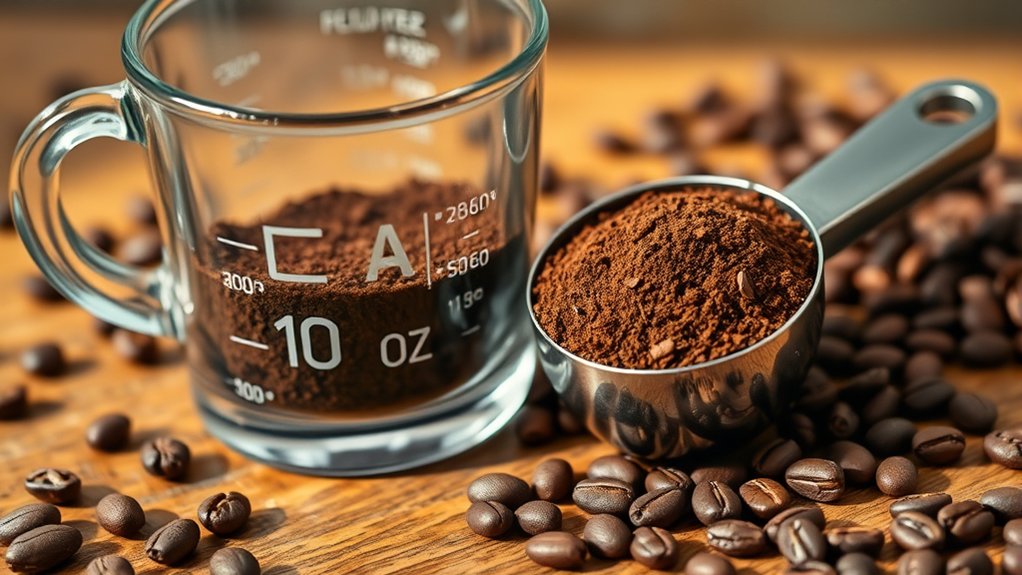
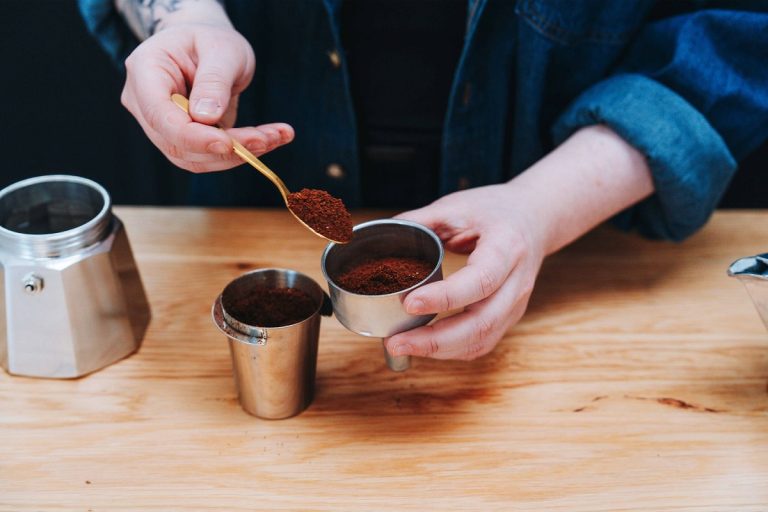
How much coffee does a standard scoop actually hold? Typically, a coffee scoop contains about 2 tablespoons of ground coffee, the equivalent of one full scoop.
Since one tablespoon is roughly half a scoop, using this measure helps you maintain consistency, no matter the coffee bean variety.
Keep in mind, scoop sizes can vary, so it’s a good idea to check if yours is marked or measure its volume with a spoon. This way, you get the right amount of grounds every time.
That’s important because both the brewing temperature and coffee quantity directly affect extraction quality.
Using a scoop not only speeds up your process but also makes dosing precise. This makes it easier to find the perfect balance for your favorite brew.
Understanding “Cup” Size in Coffee Brewing Measurements
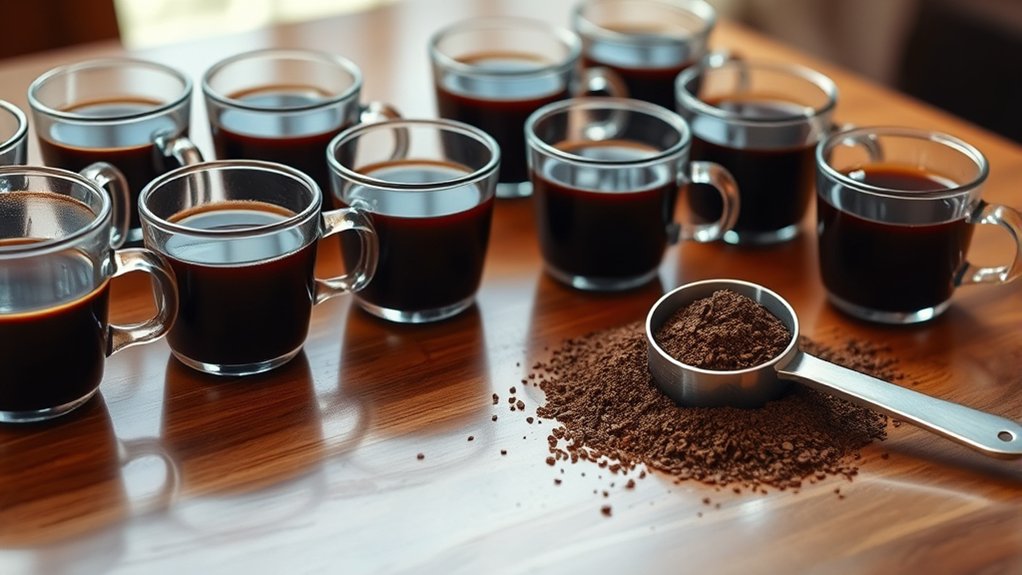
Now that you know the standard volume held by a coffee scoop, it’s important to understand what a “cup” means in coffee brewing measurements. A coffee “cup” typically refers to 6 ounces of brewed coffee, not the 8-ounce standard mug you might expect.
Coffee makers often mark a “cup” as about 5 ounces, so a 10-cup machine usually yields around 50 ounces total.
Coffee makers label a “cup” as 5 ounces, so a 10-cup machine produces about 50 ounces total.
That’s roughly 8.3 of these 6-ounce servings. This distinction matters because the coffee bean origin and flavor profile you want to highlight rely on precise brewing volumes.
Overestimating or underestimating cup size can dilute or intensify your coffee’s characteristics.
So, always check your coffee maker’s markings to make sure you measure servings correctly. Doing this helps you extract the best from your beans’ unique traits.
It’s a small step that makes a big difference in your brew.
Standard Coffee-to-Water Ratios for Drip Coffee Makers
Although coffee strength preferences vary, a reliable starting point for drip coffee makers is using 1 to 2 tablespoons of ground coffee per 6-ounce cup of water.
For a 10-cup batch, this means 10 to 20 tablespoons, depending on how strong you want your brew.
Keep in mind that many machines define a “cup” as 5 ounces, so adjust water accordingly to maintain the ratio.
The choice of coffee bean varieties influences flavor profiles, so experiment with amounts to suit your taste.
Also, maintaining an ideal brewing temperature, typically between 195°F and 205°F, ensures proper extraction.
Using Your Coffee Maker’s Markings to Measure Coffee
Since coffee maker markings usually represent 5-ounce cups rather than the standard 8-ounce measure, you’ll want to adjust your expectations when using them to gauge water volume. For example, a 10-cup coffee maker’s markings indicate about 50 ounces of brewed coffee, not 80.
Coffee maker “cups” are typically 5 ounces, so adjust water volumes accordingly for accurate brewing.
Use these markings as a dependable guide for water input, then apply your preferred coffee-to-water ratio based on how strong you want your brew.
Remember, the choice of coffee bean varieties impacts flavor extraction, so adjust your grounds accordingly.
Also, maintain an appropriate brewing temperature, typically between 195°F and 205°F, for ideal extraction.
Always verify your machine’s specific measurement system to avoid miscalculations.
By carefully interpreting your coffee maker’s markings, you’ll brew consistent, flavorful coffee every time.
It’s all about getting to know your machine and tweaking your process to match your taste.
That way, every cup hits just right.
Adjusting Coffee Scoops for Different Cup Sizes
A standard coffee scoop holds about 2 tablespoons, which brews roughly 6 ounces of coffee.
But since cup sizes can really vary, you’ll want to adjust the number of scoops to match your mug’s volume and how strong you like your coffee.
By measuring carefully, you can customize your brew and enjoy a consistent flavor every time.
It’s a simple way to make sure your coffee tastes just right, no matter the cup!
Standard Scoop Measurements
When you measure coffee scoops, keep in mind that a standard scoop holds about 2 tablespoons of ground coffee. This usually corresponds to 6 ounces of water, not the typical 8-ounce cup size.
This measurement guarantees a consistent coffee flavor and an ideal brewing temperature for extraction.
To brew 10 cups using standard scoops, consider these tips:
One scoop per 6-ounce serving means 10 scoops for 10 cups. It’s a good idea to measure your scoop with a tablespoon to confirm its size.
You can also adjust scoops slightly based on how strong you like your coffee.
Adjusting For Mug Size
Although standard coffee scoops are designed for 6-ounce servings, you’ll need to adjust the amount of coffee depending on your mug size to maintain the right strength and flavor. For a 6 oz mug, use about 1 to 1.5 scoops, but for larger mugs like 10 or 12 oz, increase to 2 scoops or more, keeping the 1:16 coffee-to-water ratio in mind.
Since one scoop holds roughly 2 tablespoons, measure carefully to match your mug’s volume.
Your coffee bean selection influences how much coffee you need; darker roasts may require slightly less due to stronger flavor.
Also, proper coffee storage preserves bean freshness, ensuring consistent taste as you adjust scoop amounts for different cup sizes.
Accurate scooping guarantees a balanced, enjoyable brew every time.
Customizing Coffee Strength
Since coffee strength depends largely on the amount of grounds used, you’ll want to modify your scoops based on your cup size to achieve the perfect brew. Different coffee bean varieties can influence how strong or mild your coffee tastes, so fine-tuning scoops guarantees balance.
Also, remember that brewing temperature affects extraction, so consistent heat complements your scoop adjustments.
Here’s a simple guide to customize strength:
- For a 6 oz cup, use 1 scoop (2 tablespoons) for balanced flavor or 2 scoops for bolder taste.
- For a 10 oz mug, use 2 scoops to maintain strength.
- For a 12 oz mug, increase to 3 scoops for the same boldness.
Adjust scoops per your preference and cup size for consistent, well-extracted coffee. Just play around a bit until you find what works best for you!
Why You Should Measure Coffee by Weight
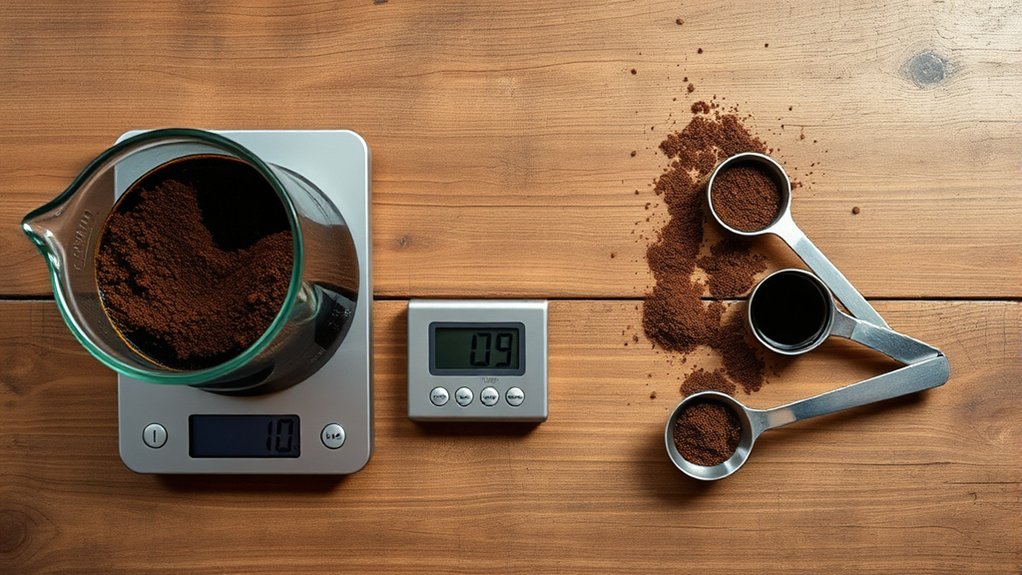
Because coffee grounds vary in density and grind size, measuring by weight gives you a precise and consistent amount every time. Unlike volume measurements, which can fluctuate depending on grind and bean density, weighing your coffee guarantees accuracy no matter the variables.
This consistency is essential since factors like coffee storage and brewing temperature affect extraction and flavor. Using a digital scale lets you fine-tune your brew, achieving the desired strength and taste reliably.
Scoops and tablespoons can mislead you. Two tablespoons of coarse grounds weigh less than the same volume of fine grounds. To maintain ideal brewing results, especially when adjusting for freshness or temperature, rely on weight measurements.
This method eliminates guesswork, making your coffee routine more predictable and enjoyable.
How Brew Strength Affects the Number of Coffee Scoops
When you want to adjust your coffee’s strength, changing the number of scoops you use is the most straightforward method. The coffee flavor directly depends on how many scoops you add per cup, which impacts brewing consistency.
Typically, one scoop (about 2 tablespoons) per 6 ounces of water gives you a standard strength.
To customize your brew, here’s what you can do:
Use fewer scoops for a lighter, milder coffee flavor with less intensity.
Stick to the standard ratio for balanced brewing consistency and flavor.
Or add more scoops to achieve a stronger, more robust coffee with a concentrated profile.
The Role of Grind Size in Coffee Measurement and Extraction
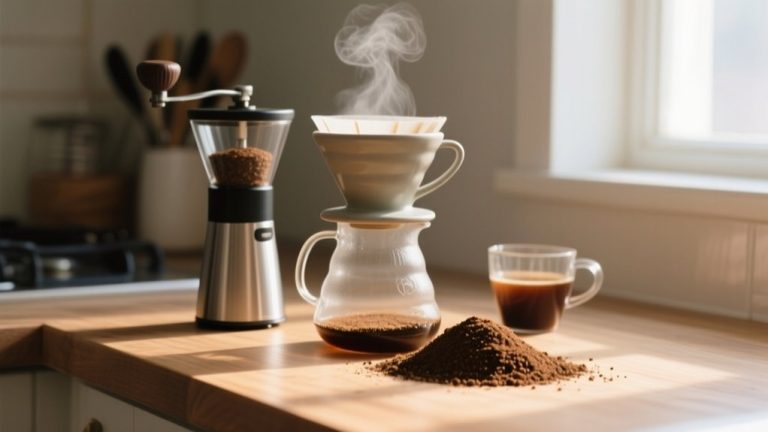
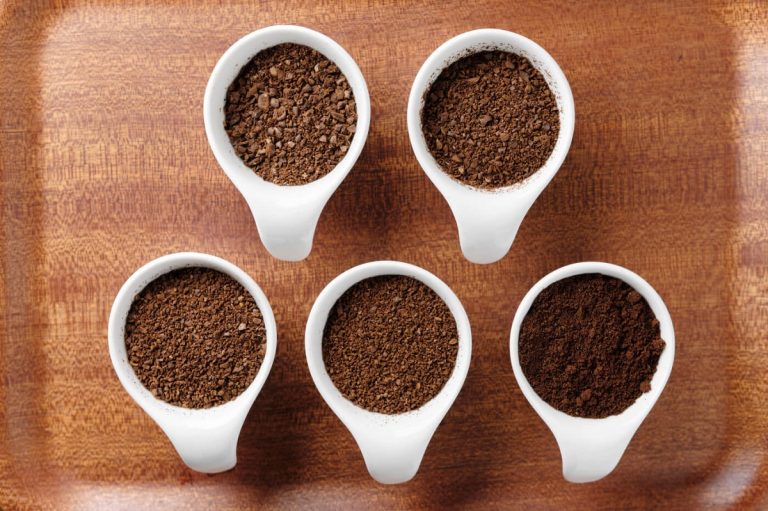
Although measuring coffee scoops correctly is crucial, understanding grind size plays an equally essential role in extraction and flavor balance. Grind consistency directly impacts extraction optimization. Finer grinds extract flavors quickly but risk bitterness, while coarser grinds extract slowly, possibly resulting in weak coffee.
Matching grind size to your brewing method ensures the right extraction time and flavor profile.
| Brewing Method | Grind Size |
|---|---|
| Drip Coffee | Medium (sea salt) |
| French Press | Coarse |
| Espresso | Fine |
| Pour Over | Medium-fine |
| Cold Brew | Very Coarse |
Adjusting grind size helps you optimize extraction and get the best flavor without changing the number of scoops. It’s a simple tweak that can make a big difference in your cup.
Common Mistakes When Measuring Coffee for Multiple Cups
Measuring coffee for multiple cups requires careful attention to avoid common pitfalls that can compromise your brew. When working with different coffee bean varieties, you need to adjust your measurements to keep the balance just right.
Here are three common mistakes to watch out for:
- Using inconsistent scoop sizes. Never assume one scoop equals a standard measure because this affects your brewing ratio.
- Ignoring water volume and brewing temperature. Both directly impact extraction and flavor, so make sure to measure water accurately.
- Failing to adapt coffee amounts when changing brewing methods or cup sizes. This often leads to weak or bitter coffee.
Avoid these errors to make sure your coffee’s taste highlights the unique characteristics of your chosen beans without being over or under-extracted.
Tips for Experimenting to Find Your Perfect Coffee Scoop Count
Avoiding common measurement mistakes sets the stage for finding your ideal coffee scoop count. Start with one scoop per 6-ounce cup, then adjust between 10 and 12 scoops for 10 cups based on your preferred coffee flavor.
Keep brewing temperature consistent to guarantee accurate taste evaluation. Track your tweaks to refine your perfect ratio.
| Scoop Count | Coffee Flavor |
|---|---|
| 10 scoops | Milder, balanced |
| 11 scoops | Medium strength |
| 12 scoops | Strong, bold |
| Notes | Adjust for taste |
How Brewing Methods Affect Coffee-to-Water Ratios for 10 Cups
When you brew 10 cups of coffee, the method you choose directly influences the coffee-to-water ratio you should use. Different brewing techniques extract flavors in their own way, affected by grind size and brewing temperature. This all impacts the balance of flavors in your coffee.
Here’s a quick guide: Drip coffee makers use about 1 to 2 tablespoons of coffee grounds per 6-ounce cup. That adds up to roughly 10 to 20 tablespoons for 10 cups.
French press requires a 1:15 to 1:16 coffee-to-water ratio. So, measure your grounds accordingly to guarantee a rich flavor without bitterness.
Cold brew uses a higher coffee concentration. It needs more grounds per water volume to get that smooth, bold taste.
Adjusting ratios based on your brewing method helps ensure ideal extraction and the perfect coffee flavor for 10 cups. It’s all about finding what works best for you.
Frequently Asked Questions
Can I Use Coffee Scoops for Espresso Brewing?
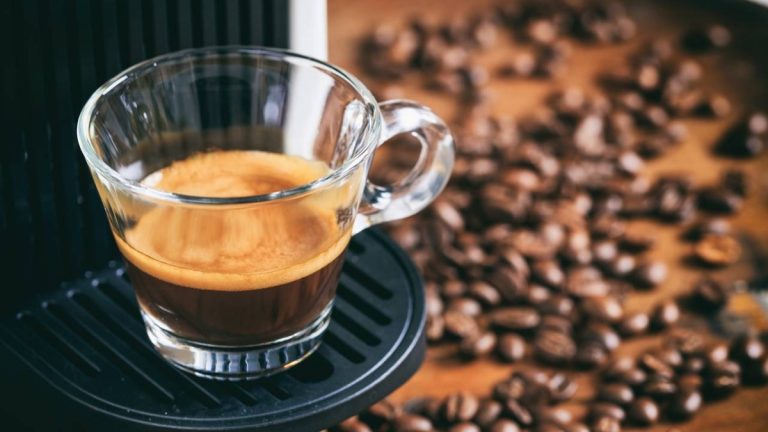
You can use coffee scoops for espresso, but it’s tricky because coffee density varies. Without proper scoop calibration, you risk inconsistent dosing.
It’s better to weigh grounds for precise espresso extraction and consistent flavor every time. This way, you get the best results without guessing. Trust me, a scale makes a big difference!
How Does Water Temperature Impact Coffee Scoop Measurements?
Water chemistry and extraction temperature affect how much coffee you need. If your water’s too hot or cold, extraction changes. So, you’ll adjust scoop measurements to maintain balance and avoid bitterness or weak flavor in your brew.
It’s all about finding that sweet spot where the water temperature helps pull the right flavors from the coffee grounds. When the temperature is off, the coffee either under-extracts or over-extracts, which messes with the taste.
That’s why tweaking the amount of coffee you use based on water temperature can make a big difference in your cup. It’s a simple way to keep your brew tasting just right every time.
Are Coffee Scoops Dishwasher Safe for Cleaning?
Picture your coffee scoop gleaming after a wash. Many metal scoops handle dishwashers well, but plastic ones might warp. For material safety, hand washing is best.
Follow cleaning tips to keep scoops in perfect shape. It’s a simple step that can really make a difference in how long your scoop lasts. So, next time you clean, think about the best way to protect your gear.
Can Grind Consistency Replace Measuring by Scoops?
No, grind size consistency can’t replace measuring by scoops. You need precise measurements to guarantee coffee freshness and proper extraction. Scoops give accurate volume, while consistent grind size alone won’t guarantee the right coffee strength.
Measuring your coffee is key. It helps ensure every cup tastes just right. Grind size helps with extraction, but it can’t do the job alone. So, stick with scoops for the best results.
Do Different Coffee Brands Affect Scoop Quantity Needed?
Doesn’t coffee brand variations impact the scoop size consistency you rely on? Yes, they do. Different brands have varying grind sizes and densities, so you’ll need to adjust scoop quantity to maintain the perfect brew strength every time.
It’s pretty simple, really. When you switch brands, you might notice your usual scoop doesn’t quite deliver the same flavor. That’s because the coffee’s texture and weight can change how much fits in a scoop.
Conclusion
Now that you know the right scoop count and the factors that influence it, you might think brewing 10 cups is straightforward. But here’s the twist. Getting that perfect balance isn’t just about numbers; it’s about your taste, grind size, and method.
So, before you settle, experiment a bit. The secret to your ideal brew is just a few scoops away. Ready to reveal the perfect cup every time?