Is Black Coffee Zero Calories – Nutrition Facts Explained
Black coffee isn’t exactly zero calories but contains just about 2 calories per 8-ounce cup, which is so low it won’t impact your diet or intermittent fasting. Different brewing methods like drip or espresso don’t greatly change this minimal calorie count.
However, adding milk, sugar, or syrups can quickly raise calories. Black coffee also provides some beneficial minerals and antioxidants. Keep exploring to understand how these factors and your coffee choices affect nutrition and calories.
Understanding ‘Zero Calories’ Claims About Black Coffee
Although black coffee contains about 2 calories per 8-ounce cup, its calorie count is so low that it’s often labeled as “zero calories” in practical terms. Those few calories come from water-soluble compounds extracted during brewing, while most of the beans’ calories remain behind.
You should know that this minimal caloric content typically doesn’t interfere with intermittent fasting, making black coffee a popular choice for many fasting individuals.
Keep in mind, however, that different brewing methods and brands can cause slight variations in calorie content, so checking nutrition labels helps you stay accurate.
How Many Calories Are Actually in Black Coffee?
How many calories does black coffee really have? An 8-ounce cup contains about 2 calories, making it virtually calorie-free.
Whether you drink brewed coffee or an espresso shot, the calories in coffee remain minimal. Espresso has roughly 3 calories per 1-ounce shot, while brewed coffee has fewer calories per ounce.
Even black iced coffee and Americano average only around 5 calories per serving. These tiny amounts show that the calories in coffee itself are negligible.
Most coffee brands and types share this low-calorie profile, meaning black coffee contributes minimally to your daily caloric intake.
Keep in mind, the calories often come from what you add, like sugar or milk, not the coffee itself, which remains an ultra-low-calorie beverage.
Why Black Coffee Has So Few Calories
Because black coffee is made by brewing roasted coffee beans with hot water, it contains very few calories. The brewing process only extracts water-soluble compounds, leaving most of the beans’ calories behind. This explains why the calories per cup remain so low. Here’s why:
- Coffee beans require minimal energy to grow, resulting in low energy content in the final drink.
- Brewing extracts only about 2 calories per 8-ounce cup, as most nutrients stay unextracted.
- Even espresso, despite its concentration, has just about 3 calories per shot.
This negligible calorie count makes black coffee a smart choice if you’re watching your caloric intake. It lets you enjoy your drink guilt-free without worrying about added energy from the beverage itself.
How Brewing Methods Affect Black Coffee’s Calories
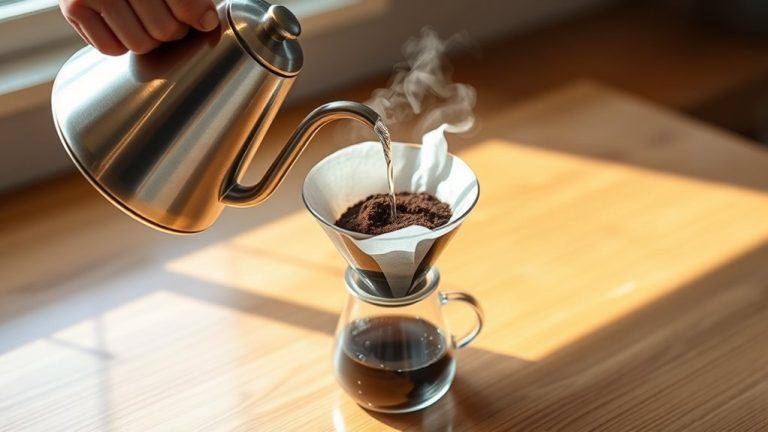
The way you brew black coffee mainly affects its flavor and nutrient extraction rather than its calorie count. Different brewing methods slightly influence the concentration of coffee particles and oils, but black coffee’s calories stay very low.
For example, espresso has a bit more calories per ounce due to its concentration, while other methods like cold brew and drip coffee retain minimal calories despite varying flavors.
| Brewing Method | Approximate Calories |
|---|---|
| Espresso | 2-3 calories per 1 oz shot |
| Drip Coffee | 2 calories per 8 oz cup |
| Cold Brew | Similar to drip coffee (≈2) |
No matter which brewing method you use, black coffee remains a low-calorie choice suitable for most diets.
How Coffee Bean Types Slightly Affect Calorie Content
You mightn’t realize it, but where your coffee beans come from can slightly influence the calorie content.
For example, Arabica and Robusta beans show minor differences in calories. On top of that, the roast level matters too—lighter roasts tend to keep more compounds that might affect nutrition.
That said, these changes are pretty minimal.
Bean Origin Influence
Although the calorie differences in black coffee are minimal, the origin of the beans you choose can subtly influence its nutritional profile. Coffee contains natural oils and nutrients that vary depending on bean origin, affecting calorie content slightly.
Here’s how bean origin plays a role:
- Soil quality and climate impact nutrient composition, which can indirectly alter coffee’s calorie content.
- Beans with higher natural oil content, often from specific regions, contribute marginally more calories.
- Processing methods tied to origin, such as wet or dry processing, influence oil extraction and soluble compounds in brewed coffee.
While these factors don’t drastically change calorie counts, they affect the flavor and perceived richness.
Understanding bean origin helps you appreciate subtle nutritional and taste variations in your black coffee.
Roast Level Effects
Building on how bean origin subtly affects your black coffee’s nutritional profile, roast level introduces another layer of variation.
Darker roasts undergo more intense heat, breaking down some compounds and often resulting in slightly fewer calories.
In contrast, lightly roasted beans retain more natural oils and nutrients, which can lead to a marginally higher calorie content.
Furthermore, the roast level interacts with the type of coffee bean, Arabica versus Robusta, each having distinct nutritional profiles that influence calorie counts.
While brewing methods and extraction times also affect soluble compounds, these factors only minimally impact calories.
Ultimately, despite these subtle differences related to roast level and bean type, your plain black coffee remains virtually calorie-free, so you can enjoy it without worrying about calories.
What Additions Increase Calories in Black Coffee
When you add ingredients like milk, sugar, or cream to black coffee, the calorie count rises considerably. These additions impact your calorie intake more than you might expect.
Adding milk, sugar, or cream to black coffee significantly increases its calorie content.
Here are three common contributors:
- Milk and Cream: Two tablespoons of whole milk add about 19 calories, while 2% milk adds 15. Heavy cream can add over 100 calories per serving, greatly increasing your drink’s energy.
- Sugar and Syrups: A teaspoon of sugar adds roughly 16 calories. Flavored syrups can contribute up to 50 calories per pump, quickly escalating the total.
- Whipped Cream and Specialty Additions: Two tablespoons of whipped cream add about 50 calories and 5 grams of fat.
Specialty drinks like Bulletproof coffee with butter and MCT oil drastically raise calorie intake compared to plain black coffee.
Is Black Coffee Always Safe for Intermittent Fasting?
How does black coffee fit into your intermittent fasting routine?
Black coffee contains about 2 calories per 8-ounce cup, which most fasting protocols consider negligible, making it generally safe during fasting periods.
While some argue that these minimal calories might disrupt metabolic processes, evidence shows the effect is usually insignificant enough not to break your fast.
Furthermore, the caffeine in black coffee may boost your metabolism and enhance fat oxidation during fasting.
However, you should avoid flavored or sweetened black coffee, as added calories can break your fast.
Since individual reactions to caffeine and fasting vary, it’s important to monitor how black coffee affects your personal fasting experience.
Can Black Coffee Help You Burn More Calories?
Although black coffee contains almost no calories, it can still help you burn more calories throughout the day. The caffeine in black coffee stimulates your metabolism, which boosts calorie burning.
Here’s how it helps:
- Caffeine enhances fat oxidation, meaning your body burns fat more efficiently, especially during exercise.
- Regular black coffee consumption improves endurance, allowing you to work out longer and more intensely, increasing calorie expenditure.
- Drinking black coffee before meals can suppress appetite, helping you reduce overall calorie intake.
What Nutrients You Get From Black Coffee Besides Calories
You get more from black coffee than just zero calories.
It actually contains key micronutrients like potassium, magnesium, and niacin that support your daily needs.
On top of that, antioxidants such as chlorogenic acid in black coffee may help reduce inflammation and promote heart health.
Just remember, the mineral content can vary depending on the coffee beans’ origin and how you brew it.
Key Micronutrients Present
Black coffee delivers more than just a calorie-free boost. It also provides key micronutrients that support your health. These micronutrients, though present in modest amounts, play important roles in your body’s functions.
Here are three notable ones you get from a typical 100ml serving of medium-strength black coffee:
- Potassium (116mg) Essential for maintaining proper heart function and muscle contractions.
- Magnesium (around 7mg) Supports metabolic processes and contributes to bone health.
- Niacin (Vitamin B3, 0.5mg) Aids energy production and helps maintain healthy skin.
Additionally, black coffee contains very low sodium (about 5mg), making it a smart choice if you’re watching your salt intake.
These micronutrients enhance the nutritional profile of black coffee beyond its zero-calorie content.
Antioxidant Benefits Overview
While many focus on its zero-calorie nature, coffee actually offers a rich source of antioxidants that play an essential role in supporting your health.
Black coffee is particularly high in chlorogenic acid, a powerful antioxidant that helps reduce inflammation and combat oxidative stress.
These antioxidant benefits contribute to better heart health and improved metabolic functions. By drinking black coffee regularly, you get a significant antioxidant boost without adding calories to your diet.
This can promote longevity and lower your risk of chronic diseases linked to oxidative damage.
Beyond antioxidants, black coffee also provides key micronutrients like potassium, magnesium, and niacin, but its standout feature remains the antioxidant benefits that support your overall well-being effectively and naturally.
Mineral Content Variations
Although black coffee is often praised for its zero-calorie content, it also delivers several important micronutrients such as potassium, magnesium, and niacin.
The mineral content in your cup can vary considerably depending on factors like the coffee bean origin and brewing method.
For example, coffee beans from different regions contain unique nutrient profiles, which influence mineral content.
Brewing with hard water increases calcium and magnesium levels, altering the final mineral makeup.
Also, different coffee blends and processing techniques lead to distinct nutritional characteristics.
Why You Should Check Coffee Labels for Calories
Because some coffee brands list small calorie amounts on their labels, you should always check to verify accuracy. While black coffee generally contains about 2 calories per 8-ounce cup, variations in brewing methods and brand formulations can affect calorie counts.
Flavored or specialty coffees often include added sugars and creams, greatly raising calories. Reviewing labels helps you stay informed and maintain a balanced diet, especially if you monitor calorie intake closely.
| Coffee Type | Typical Calories (8 oz) | Notes |
|---|---|---|
| Black Coffee | 2 | Minimal calories |
| Flavored Coffee | 30-100+ | Added sugars and flavorings |
| Specialty Drinks | 100-300+ | Creams and syrups increase calories |
Checking labels guarantees accurate calorie tracking for your coffee choices.
How to Enjoy Black Coffee Without Adding Calories
You can totally enjoy black coffee without adding any calories by picking well-roasted beans that bring out those natural flavors.
Instead of reaching for sugar or creamers—which just pile on the calories—try sprinkling in some cinnamon or nutmeg. It adds a nice twist without the extra guilt.
Also, going for cold brew or ethically sourced coffee can keep your cup both low-calorie and feel-good.
Give it a shot!
Choosing Natural Flavor Enhancers
When enhancing the taste of black coffee without adding calories, choosing natural flavor enhancers offers a smart solution. You can elevate your coffee’s flavor profile while keeping it zero-calorie by using these options:
- Add spices like cinnamon or nutmeg. They boost flavor and contain no calories, making your coffee more satisfying.
- Use natural sweeteners such as stevia or monk fruit. They provide sweetness without the calorie load of sugar or syrups.
- Incorporate unsweetened plant-based milks like almond or oat milk for creaminess with fewer calories than dairy cream.
Additionally, consider infusing your coffee with vanilla or almond extract or experimenting with brewing methods like cold brew to amplify natural flavors.
These strategies let you enjoy flavorful black coffee while maintaining a calorie-free beverage.
Avoiding Caloric Additives
Three simple strategies can help you enjoy black coffee without adding calories.
First, avoid caloric additives like whole milk, cream, and flavored syrups, which greatly increase calorie content. Even a teaspoon of sugar adds about 16 calories.
Instead, use natural sweeteners such as stevia or monk fruit; they provide sweetness without extra energy.
Second, enhance your coffee’s flavor with calorie-free spices like cinnamon or nutmeg. These add depth without affecting your calorie count.
Third, consider cold brew coffee, which tends to be smoother and less acidic, offering a rich taste experience without added calories.
Selecting Low-Calorie Coffee Types
Building on the importance of steering clear of caloric additives, selecting the right type of black coffee can further keep your calorie intake low while enhancing flavor.
Since black coffee is naturally low in calories, choosing varieties that maximize taste without added sugars or creams is key.
Here are three effective ways to enjoy low-calorie coffee:
- Opt for cold brew or well-roasted beans to intensify flavor naturally, avoiding the need for caloric additives.
- Add spices like cinnamon or nutmeg, which provide flavor without calories.
- Use unsweetened plant-based milks or natural sweeteners such as stevia or monk fruit to add creaminess and sweetness without raising calorie content.
Situations Where Black Coffee Affects Your Diet or Health
Although black coffee contains virtually no calories, its effects on your diet and health go beyond just energy intake. Drinking a cup can stimulate your metabolism, potentially supporting weight management. But individual responses vary, so keep an eye on how it affects you.
It may also suppress your appetite, which can influence how many calories you eat and when you have your meals. Just watch out for too much caffeine—it might cause jitteriness or insomnia, and that can mess with your dietary habits indirectly.
If you do intermittent fasting, a cup of black coffee is usually fine. But if you’re a strict faster, remember it does have minimal calories.
Plus, black coffee offers antioxidants and micronutrients like potassium and magnesium, which are good for your overall diet even though it’s low in calories.
Frequently Asked Questions
Does Black Coffee Impact Hydration Levels During Fasting?
Black coffee doesn’t negatively impact your hydration levels during fasting. In fact, it can support fasting benefits by providing mild hydration through its water content and electrolytes like potassium and magnesium.
While caffeine has a mild diuretic effect, studies show moderate coffee intake won’t dehydrate you greatly.
To maximize fasting benefits, you should still drink water alongside black coffee, ensuring you stay properly hydrated throughout your fasting period.
Can Black Coffee Cause Digestive Issues for Some People?
Yes, black coffee can cause digestive issues if you have digestive sensitivity.
Its acidity and caffeine stimulate stomach acid production, which might lead to discomfort or heartburn.
If you drink it on an empty stomach, these effects can worsen.
Also, caffeine may act as a laxative, causing diarrhea or urgency.
If you have conditions like IBS or acid reflux, black coffee might aggravate your symptoms, so monitor how your body reacts.
How Does Caffeine Tolerance Affect Black Coffee’s Calorie-Burning Effects?
Picture your caffeine metabolism as a tiny, overworked barista. At first, they hustle, firing up your calorie burn like a pro.
But as you keep ordering black coffee daily, this barista gets tired and less efficient. Your caffeine tolerance grows, meaning your metabolism responds less, so the calorie-burning boost shrinks.
In short, if you’re a regular, your body’s clever adaptations dull caffeine’s thermogenic effects, making black coffee less of a calorie torch over time.
Are There Differences in Calorie Content Between Instant and Brewed Black Coffee?
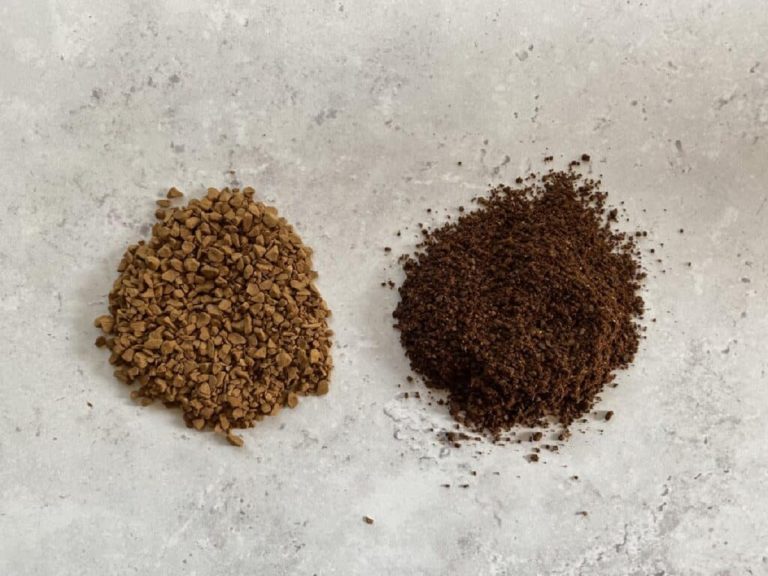
You won’t notice any significant caloric variance between instant and brewed black coffee.
Both types typically contain about 2 calories per 8-ounce cup because they’re mostly water with minimal compounds from coffee beans.
The preparation method doesn’t affect the calories much.
What really matters is whether you add sugar or cream.
What Is the Environmental Impact of Coffee Production on Nutrition Choices?
You need to take into account that coffee production impacts your nutrition choices through environmental effects. Unsustainable farming can degrade soil and water, reducing local food quality and availability.
However, by supporting sustainable practices like organic and Fairtrade coffee, you help preserve soil health, conserve water, and improve farmers’ livelihoods.
These efforts enhance ecosystem biodiversity and guarantee communities have better access to nutritious food, directly influencing your nutrition options.
Conclusion
You see, black coffee isn’t exactly zero calories, but it’s close enough to keep your diet on track. You benefit from its minimal calorie count, gain antioxidants, and avoid added sugars or fats.
You should check labels, choose your brewing method wisely, and enjoy it plain to maximize these perks. By understanding its true nutrition, you make informed choices, maintain your health, and savor your coffee without guilt or guesswork.