Why Is Kona Coffee So Expensive – Quality, Rarity And Cost Factors
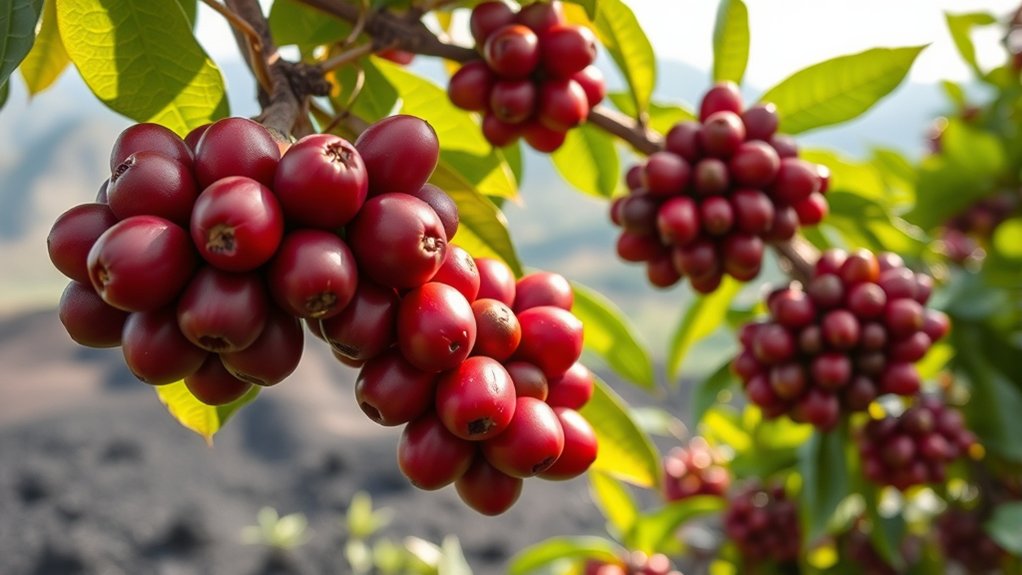
You pay more for Kona coffee because it grows exclusively on Hawaii’s volcanic slopes, where unique soil and microclimate create exceptional flavor complexity. Small, family-run farms hand-pick only ripe cherries, using meticulous processing and rigorous quality control to guarantee premium quality.
Limited acreage restricts supply, while certification and luxury branding maintain its prestige. These combined rarity and craftsmanship factors drive up costs. There’s much to uncover about how each detail elevates Kona coffee’s value.
Unique Traits That Drive Kona Coffee’s Premium Price
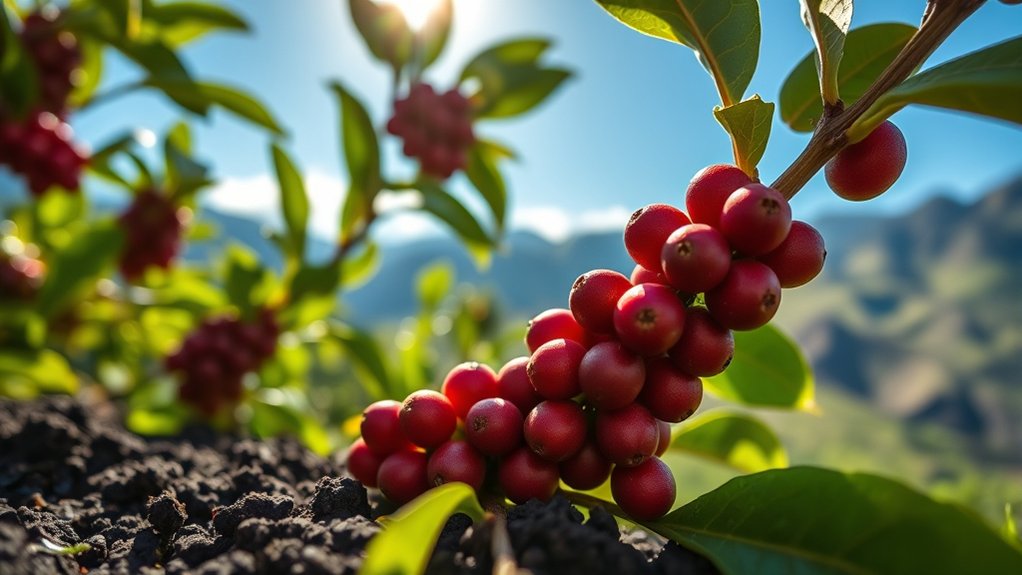
Although many coffees boast distinctive qualities, Kona coffee’s premium price comes from its unique mix of volcanic soil, ideal climate, and careful cultivation methods. When you think about brewing coffee, these factors mean you get beans with exceptional density, acidity, and flavor complexity. This really boosts extraction and the quality of your cup.
Kona coffee only grows on Hawaii’s slopes, where limited land means supply is tight, which drives up demand. Farmers pick the beans by hand and use selective processing to keep their quality intact. This labor-intensive approach raises production costs quite a bit.
How Hawaii’s Climate Shapes Kona Coffee Flavor
You’ll notice that Hawaii’s volcanic soil is packed with essential minerals, which play a big role in shaping Kona coffee’s complex flavor.
Plus, the temperature swings between day and night help slow down the bean maturation. This actually boosts the coffee’s acidity and aroma, making it even more special.
On top of that, Kona’s one-of-a-kind microclimate brings just the right amount of humidity and rainfall, which really helps define its unique taste.
Volcanic Soil Influence
Because Hawaii’s unique volcanic soil is rich in essential minerals like iron, magnesium, and calcium, it creates an ideal environment for cultivating high-quality Kona coffee. The soil composition, derived from recent lava flows, provides exceptional drainage and aeration, which are vital for root development.
Volcanic nutrients enhance nutrient availability, supporting balanced plant growth and complex flavor profiles in the coffee cherries. You’ll notice how the mineral richness influences acidity and brightness, which are hallmark traits of Kona coffee.
This soil’s porosity also regulates moisture retention, preventing waterlogging while maintaining hydration. Understanding these technical aspects of volcanic soil influence clarifies why Kona coffee’s flavor complexity and quality excel compared to other regions.
Temperature Variations Impact
When temperatures fluctuate between day and night in Hawaii’s Kona region, they actively influence the development of coffee cherries, enhancing the bean’s flavor complexity. This diurnal temperature variation forces the coffee plants to undergo precise climate adaptation, slowing cherry maturation and intensifying biochemical processes.
You’ll notice these effects due to three critical factors:
- Metabolic rate modulation: Cooler nights reduce respiration in cherries, preserving sugars and acids essential for flavor.
- Soil composition interaction: The volcanic soil retains heat differently, moderating root zone temperature and nutrient uptake.
- Stress response activation: Temperature swings trigger stress proteins in plants, promoting unique flavor precursors.
Understanding these mechanisms helps you appreciate why Kona coffee’s taste is so distinct and why it commands a premium price. It’s pretty fascinating when you think about how nature works to create such a special cup of coffee.
Unique Microclimate Effects
The interplay between temperature fluctuations and coffee cherry development sets the stage for Hawaii’s unique microclimate to further influence Kona coffee’s flavor profile. You’ll notice that Kona coffee benefits from a precise balance of sun exposure and cloud cover, which moderates photosynthesis rates and sugar accumulation in the beans.
The elevation-specific humidity and volcanic soil mineral content also contribute to the bean’s density and acidity. These factors directly affect caffeine content and result in a smooth yet complex cup.
When you engage in coffee brewing, these microclimate-driven traits show up as nuanced flavor notes and consistent caffeine levels. This is what makes Kona coffee stand out from other varieties.
Understanding this microclimate helps you see why Kona coffee commands a premium price. It’s all about those irreplaceable environmental conditions that make it so special.
Why Kona Coffee Farms Are Small and Rare
You’ll notice that Kona coffee farms are pretty small, and that’s mainly because land in Hawaii is super limited and tightly regulated. Plus, there are strict rules about altitude, soil, and climate, which really narrow down the spots where coffee can actually grow well.
Most of these farms are family-owned, keeping things traditional and small-scale instead of turning into big commercial plantations. So, it’s all about quality and heritage rather than size.
Limited Land Availability
Because Kona coffee needs very specific growing conditions found only on limited volcanic slopes, farmers face big challenges when trying to expand their operations. Land is scarce, so farm sizes are naturally limited since suitable plots are hard to come by and highly competitive.
On top of that, keeping the soil healthy through crop rotation is essential, but small land parcels make rotating crops properly tough, which can hurt long-term productivity.
Here’s why land availability is such a big deal:
- Geographic Restriction: Kona coffee only grows well at certain elevations and soil types, so farms are stuck in narrow bands on the volcanic slopes.
- High Land Value: Because good land is so limited, prices get pushed up, making it expensive to buy more.
- Sustainability Practices: Crop rotation needs careful land management, but when land is scarce, farmers have to use small plots more intensively, which raises costs and risks.
All these factors combined mean Kona coffee farms tend to stay small and rare.
Strict Growing Conditions
Although you might assume any coffee can grow anywhere, Kona coffee demands extremely precise conditions that limit where it can thrive. The unique volcanic soil, ideal rainfall, and specific elevation create a narrow microclimate vital for its development.
You have to follow strict harvesting methods, picking only ripe cherries to guarantee consistent quality. These methods require skilled labor, which increases costs and limits large-scale production.
After harvesting, meticulous packaging techniques play a key role in preserving freshness and flavor, using airtight, light-blocking materials. These exacting standards prevent contamination and oxidation, protecting the coffee’s premium profile.
Because of these factors—the precise environment, labor-intensive harvesting, and specialized packaging—you understand why Kona coffee farms remain small and rare. This directly impacts the coffee’s exclusivity and high price.
Family-Owned Small Plots
When you examine the structure of Kona coffee farms, you’ll find that most are family-owned operations managing small plots of land. This rarity stems from deep-rooted coffee traditions and specialized farming techniques passed down through generations. These small-scale farms maintain quality by closely monitoring every stage of cultivation, which large plantations can’t replicate.
You should understand these key reasons for their limited size:
- Preservation of coffee traditions guarantees careful hand-picking and selective harvesting, vital for Kona’s premium quality.
- Farming techniques demand intensive labor and precise environmental control, only feasible on smaller acreage.
- Land scarcity on the Kona coast restricts expansion, making family-owned plots both rare and valuable.
This combination of heritage, technique, and limited land directly influences Kona coffee’s exclusivity and high price.
How Hand-Picking Boosts Kona Coffee Quality
Since Kona coffee cherries ripen unevenly, hand-picking lets pickers selectively harvest only the fully matured fruit. This ensures the best bean quality. It’s a meticulous approach that preserves bean integrity from farm to market.
That really helps enhance flavor profiles, which is super important in sophisticated marketing strategies. You’ll also notice that hand-picking limits damage to the delicate cherries. This reduces defects and boosts overall product value.
| Benefit | Impact on Quality | Effect on Cost |
|---|---|---|
| Selective Harvesting | Ideal ripeness | Higher labor expenses |
| Reduced Damage | Maintains bean integrity | Increases bean yield |
| Quality Control | Consistent flavor | Premium market pricing |
| Labor Intensity | Attention to detail | Elevated production cost |
| Market Differentiation | Brand reputation | Justifies price premium |
Hand-picking is essential for Kona’s superior quality and market positioning.
How Processing Methods Increase Kona Coffee Cost
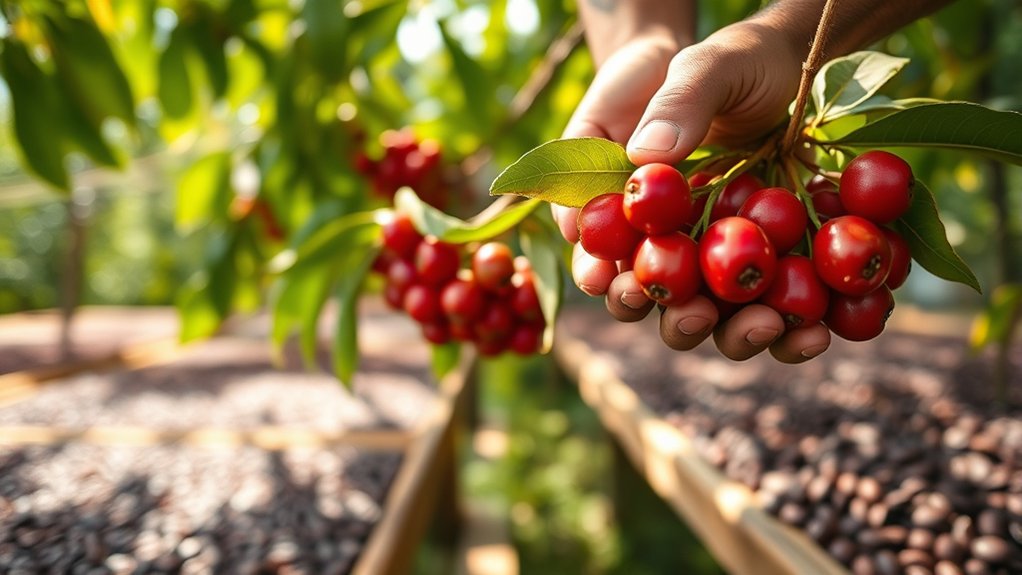
Because Kona coffee demands meticulous processing to preserve its unique flavors, the methods employed substantially drive up production costs. You have to rely on precise processing methods that involve careful depulping, fermenting, washing, and drying to prevent defects and maintain bean integrity. Each step requires specialized equipment and skilled labor, which elevates expenses.
Key cost-driving processing factors include:
- Wet Processing: This labor-intensive method ensures cleaner beans but needs constant monitoring to avoid over-fermentation.
- Drying Control: Kona beans are sun-dried on raised beds, requiring frequent turning to ensure uniform moisture levels.
- Roasting Techniques: Small-batch, artisan roasting optimizes flavor but limits volume and increases per-pound cost.
These technical demands on processing methods and roasting techniques directly increase the overall price you pay for Kona coffee. It’s all about quality, and that quality comes with a price.
How Rarity Affects Kona Coffee’s Price
Although Kona coffee‘s meticulous processing contributes considerably to its cost, the rarity of its cultivation plays an equally crucial role in driving prices higher.
Kona coffee is grown exclusively in a limited geographic area on Hawaii’s Big Island, which restricts supply. This scarcity intensifies market demand, allowing sellers to command premium prices.
You have to see how effective branding strategies emphasize this exclusivity, positioning Kona coffee as a luxury product. Producers leverage the limited acreage and strict regional designation to justify higher costs, which enhances perceived value.
When demand outpaces supply, prices naturally rise, reflecting the coffee’s rarity rather than just production expenses.
Understanding this dynamic helps explain why Kona coffee remains expensive despite small-scale cultivation. Rarity and strategic marketing work together to sustain its elevated market price.
How Quality Control Keeps Kona Coffee Top-Notch
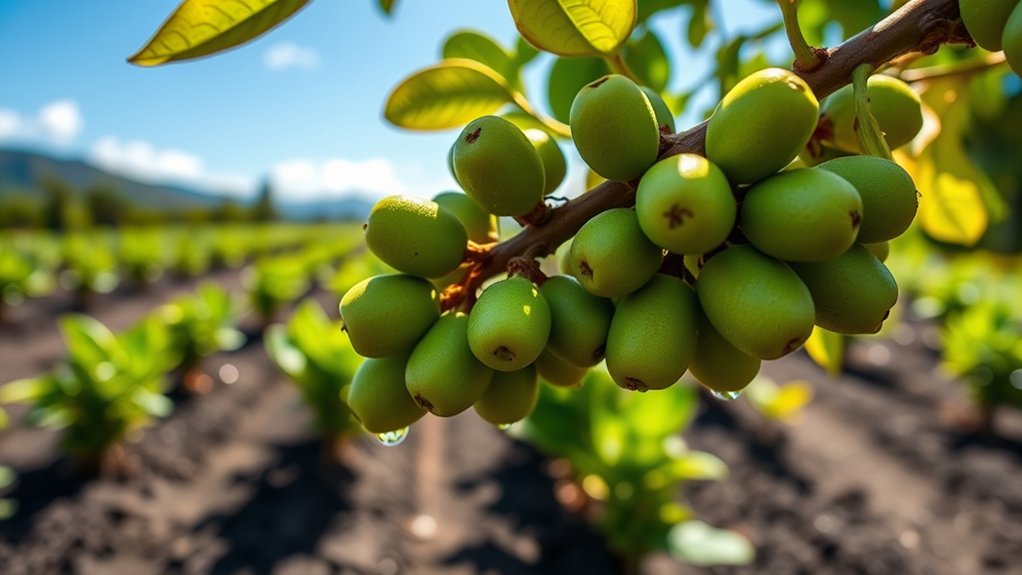
You make sure Kona coffee stays top-notch by carefully picking out the best beans and getting rid of any defects right from the start.
Then, regular flavor testing checks that every batch lives up to high sensory standards, keeping that unique Kona taste just right.
This kind of detailed quality control is what helps Kona maintain its great reputation and steady prices.
Rigorous Bean Selection
When Kona coffee beans pass through rigorous selection processes, their exceptional quality is guaranteed at every stage. This meticulous screening aligns with coffee marketing strategies that emphasize premium standards. So, it ensures consumer preferences for flavor and consistency are met.
You’ll find that this selection involves:
- Visual Inspection: Beans are sorted by size, color, and defect presence. This eliminates underdeveloped or damaged beans that compromise taste.
- Density Separation: High-density beans, which produce superior flavor profiles, are isolated using gravity tables.
- Manual Sorting: Expert graders handpick beans to maintain uniformity. This is a key factor in satisfying discerning consumers.
Consistent Flavor Testing
The meticulous selection of Kona coffee beans sets the foundation for exceptional quality, but maintaining that excellence requires ongoing verification. Consistent flavor testing plays a vital role in quality control by ensuring each batch meets strict sensory and chemical standards.
You rely on expert cuppers who evaluate aroma, acidity, body, and aftertaste through controlled coffee brewing methods, identifying any deviations from the signature Kona profile.
This rigorous process detects inconsistencies early, preventing subpar beans from reaching consumers. Furthermore, integrating these test results into your marketing strategies reinforces Kona’s premium status and justifies its price point.
By emphasizing verified quality and flavor consistency, you build trust and demand.
That’s what underpins Kona coffee’s reputation as a rare, top-tier product worth the investment.
Certification and Labeling’s Impact on Kona Coffee Price
Although many factors influence Kona coffee prices, certification and labeling play an essential role in establishing market value and consumer trust. You’ll find that these elements authenticate Kona coffee’s cultural heritage and directly affect market demand.
When you see a certified label, it signals rigorous quality controls and adherence to geographic origin standards. This justifies higher prices and sets Kona coffee apart from others.
Here are three key impacts of certification and labeling on Kona coffee pricing:
- Authenticity Verification: Certifications confirm genuine Kona origin, preventing counterfeit products from diluting the market.
- Quality Assurance: Labels indicate compliance with strict production and flavor standards, reinforcing premium status.
- Consumer Confidence: Clear labeling educates buyers on cultural heritage and origin, increasing willingness to pay a premium.
Understanding these factors helps you appreciate why certification and labeling are fundamental in Kona coffee’s pricing structure. It’s all about trust, quality, and honoring tradition.
How Export and Distribution Raise Kona Coffee Prices
Since Kona coffee must travel from Hawaii to markets worldwide, export and distribution processes considerably add to its final price. Shipping Kona beans involves specialized handling to preserve quality, including climate-controlled containers and expedited logistics. These requirements increase operational costs compared to bulk coffee exports.
Plus, navigating customs regulations and tariffs in the global market raises administrative expenses, which suppliers pass on to buyers. When you import Kona coffee, you face higher freight charges due to Hawaii’s geographic isolation.
Distribution networks also involve multiple intermediaries like wholesalers, distributors, and retailers, each applying markups to cover their overhead. All these layers in the supply chain inflate the price further compared to locally sourced coffee imports.
Why Kona Coffee Is Worth the Premium Price
When you taste a cup of Kona coffee, you experience a unique combination of factors that justify its premium price. Its distinct flavor profile comes from meticulous coffee brewing techniques and a rich coffee history rooted in Hawaii’s volcanic soil.
Here’s why it’s worth every cent:
- Exceptional Terroir: Kona’s volcanic soil and ideal climate create beans with unparalleled complexity and balance.
- Limited Production: Kona coffee grows only in a small region, making supply scarce and demand high.
- Rigorous Quality Control: Strict grading and hand-picking ensure only the finest beans reach your cup, enhancing consistency and flavor.
This blend of geographic rarity, historical cultivation, and expert processing elevates Kona coffee. It’s truly a premium choice for discerning coffee enthusiasts.
Frequently Asked Questions
Can Kona Coffee Be Blended With Other Coffee Types?
Yes, you can create Kona coffee blends by mixing Kona beans with other coffee types to achieve unique flavor profiles. However, you should guarantee authenticity verification to confirm the Kona content, as pure Kona coffee commands premium pricing.
Techniques like DNA testing or certified labeling help validate blends. When blending, consider roast levels and origin characteristics to maintain balance. This way, the Kona element remains distinctive while complementing the other coffee’s attributes effectively.
How Should Kona Coffee Be Stored for Best Freshness?
Though Kona coffee’s rich aroma seems impervious, improper coffee storage can swiftly degrade its freshness. You should store Kona coffee in an airtight container, away from light, heat, and moisture to preserve its delicate oils and flavors.
Avoid refrigerating it, as condensation can harm the beans. Instead, keep it in a cool, dark place. This precise method guarantees the best freshness preservation, maintaining Kona coffee’s unique taste and aromatic profile longer.
It’s really all about protecting those delicate flavors so every cup tastes just right.
What Brewing Methods Best Highlight Kona Coffee’s Flavor?
To best highlight Kona coffee’s flavor profile, you should use precise brewing techniques like pour-over or AeroPress. These methods allow controlled extraction, preserving its delicate floral and fruity notes.
Avoid overly hot water; around 195-205°F works best to prevent bitterness.
Using a medium grind ensures balanced extraction. These brewing techniques emphasize Kona’s bright acidity and smooth body, delivering a complex, clean cup that truly demonstrates its unique characteristics.
Give these methods a try to really taste what makes Kona coffee special.
Are There Any Health Benefits Specific to Kona Coffee?
You’ll find Kona coffee offers notable health advantages, primarily due to its rich antioxidant properties. These antioxidants, such as chlorogenic acids, help neutralize free radicals, reducing oxidative stress and inflammation in your body.
Regular consumption may support cardiovascular health, improve metabolism, and enhance cognitive function.
Kona coffee’s unique composition, influenced by its growing environment, provides a higher concentration of these beneficial compounds compared to many other coffee varieties.
How Can Consumers Verify Authentic Kona Coffee?
Imagine holding a map to a treasure chest. That’s your guide to authenticity verification for Kona coffee. You’ll want to check for certification standards like the Hawaii Department of Agriculture’s seal, which guarantees the coffee’s origin.
Look for clear labeling indicating 100% Kona coffee, and be wary of blends. Using these technical markers guarantees you’re truly buying genuine Kona, not an imitation disguised in a cheaper cloak.
Conclusion
When you savor Kona coffee, you’re experiencing a brew cultivated on less than 0.2% of Hawaii’s land. That really highlights its rarity and exclusivity.
This scarcity, combined with meticulous hand-picking, precise processing, and stringent quality control, justifies its premium price.
Understanding these technical factors helps you appreciate why Kona coffee commands such value. It’s not just coffee, but a rare, expertly crafted product shaped by unique environmental and labor-intensive processes.