Is Vietnamese Coffee Strong – Strength, Flavor And Caffeine Facts
You’ll find Vietnamese coffee delivers a bold, intense flavor thanks to dark roasted beans brewed slowly with a traditional *phin* filter. It’s stronger than many coffees, both in taste and caffeine. Usually, it has about 120-150 mg per cup, offering a robust, slightly earthy profile softened by sweetened condensed milk.
Adjusting serving size or bean type lets you control the strength, making it a unique experience. Explore further, and you’ll uncover the rich culture and expert tips behind this powerhouse brew.
What Makes Vietnamese Coffee’s Flavor Unique?
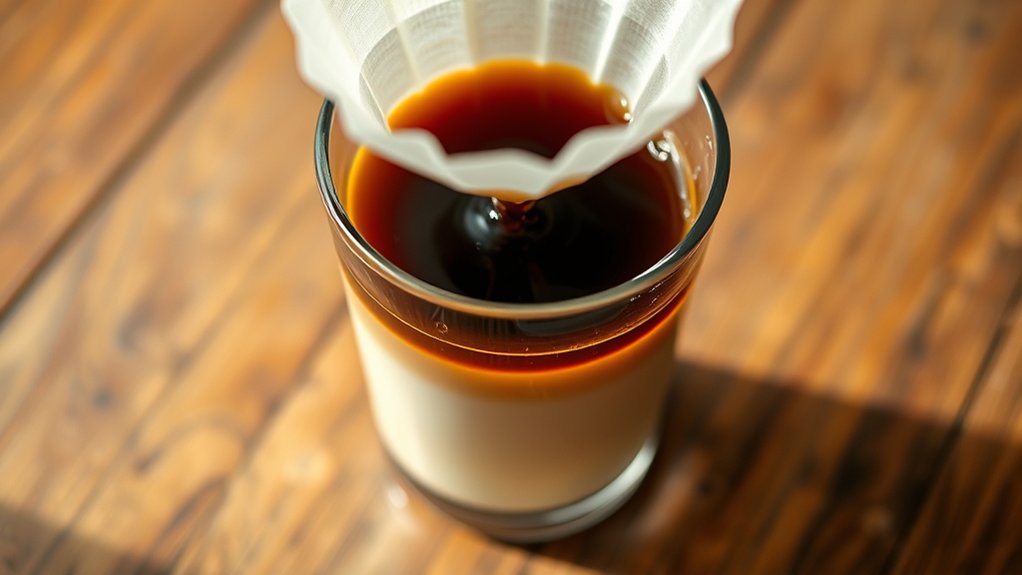
Although many coffee lovers appreciate traditional brews, Vietnamese coffee stands out because of its bold, rich flavor profile. You’ll notice that the coffee culture in Vietnam is deeply rooted in unique brewing techniques that emphasize strength and depth.
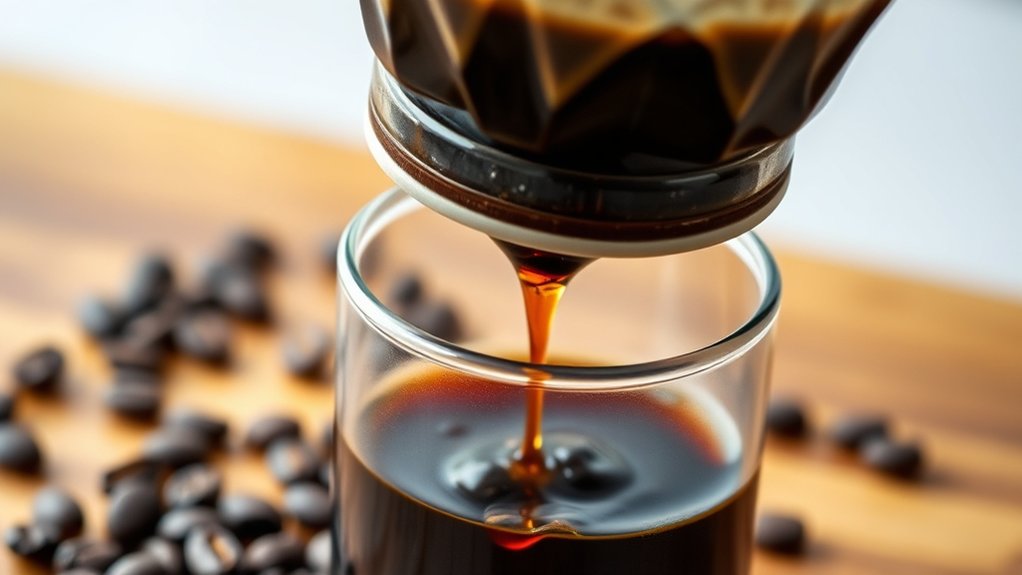
Unlike other methods, Vietnamese coffee uses a slow drip filter called a phin, which allows water to slowly extract intense flavors from dark roasted beans. This process highlights the coffee’s robust, slightly earthy taste with subtle hints of chocolate and caramel.
You’ll also find sweetened condensed milk commonly added, balancing bitterness with creamy sweetness. These distinctive elements create an unforgettable sensory experience, making Vietnamese coffee more than just a drink. It’s a cultural ritual that celebrates boldness and richness in every cup.
How Does Traditional Brewing Make Vietnamese Coffee Stronger?
Because traditional brewing methods focus on slow extraction and concentrated flavors, Vietnamese coffee ends up stronger and more intense than many other styles you might be used to. Rooted in coffee history, this method uses a small metal drip filter called a phin, which lets hot water slowly seep through coarse grounds.
Traditional Vietnamese coffee uses a slow drip method with a phin, creating rich, intense flavors unlike many other styles.
This slow drip process extracts bold flavors and a higher concentration of coffee compounds, enhancing strength without bitterness. The brewing techniques emphasize patience, allowing the coffee to develop a thick, rich profile.
When you brew Vietnamese coffee this way, you get a deeper, more robust cup that highlights its unique character. These traditional techniques make each sip powerful, reflecting the rich heritage behind Vietnam’s distinctive coffee culture.
It’s pretty amazing how such a simple method can bring out so much flavor and strength in every cup.
How Strong Is Vietnamese Coffee Compared to Other Brews?
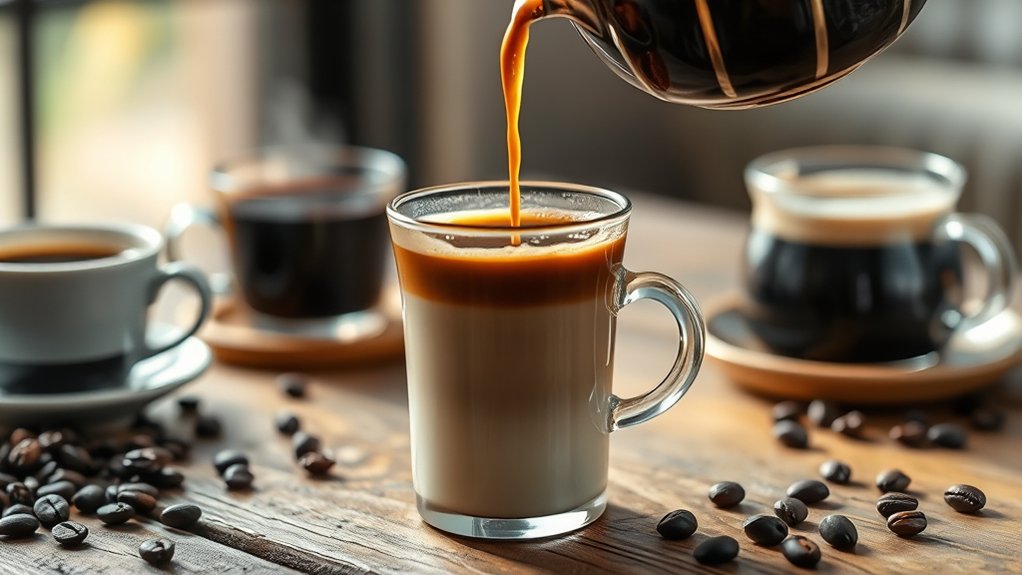
Traditional Vietnamese brewing methods set the stage for a coffee that’s noticeably stronger than many other styles you might encounter. Thanks to unique coffee cultivation practices in Vietnam’s Central Highlands, the beans often have a robust quality that stands out.
When combined with slow drip brewing techniques, these beans yield a brew with concentrated flavor and a bold intensity.
Compared to standard drip or espresso, Vietnamese coffee tends to be thicker and richer, offering a powerful taste experience. If you’re used to lighter brews, this might feel quite intense.
The brewing process extracts deep, complex notes from the beans, making the coffee feel stronger without overwhelming bitterness.
How Much Caffeine Is in Vietnamese Coffee?
A typical cup of Vietnamese coffee packs a caffeine punch that can easily rival or exceed many other coffee styles you’re familiar with. Thanks to the unique coffee brewing method, slow drip extraction over robust dark-roasted beans, you get a concentrated brew with higher caffeine content per ounce.
The prolonged brewing allows maximum caffeine absorption, delivering a bold, intense cup.
On average, a single serving contains about 120-150 mg of caffeine, depending on the bean type and grind size. Compared to drip coffee’s typical 95 mg per cup, Vietnamese coffee stands out for its potency.
How Does Sweetened Condensed Milk Change Vietnamese Coffee?

While the caffeine content gives Vietnamese coffee its bold kick, the addition of sweetened condensed milk transforms the experience entirely.
When you mix in sweetened milk, it balances the coffee’s natural bitterness with creamy sweetness, creating a smooth, rich texture that’s uniquely indulgent. This flavor enhancement makes the coffee less harsh, inviting even those new to strong brews to savor it.
The condensed milk also adds a luscious body, deepening the overall taste profile without diluting the intensity. By blending robust coffee with this syrupy sweetness, you get a harmonious contrast that highlights both strength and smoothness.
Do Different Coffee Beans Change Vietnamese Coffee’s Strength?
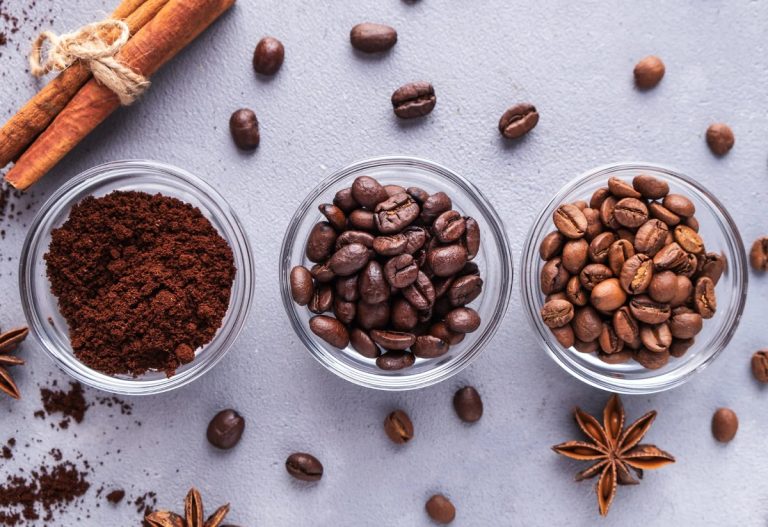
You’ll notice that the type of coffee bean you choose—Arabica or Robusta—can really change the strength of your Vietnamese coffee. Robusta beans tend to pack a bolder, more bitter punch.
On the other hand, Arabica offers a smoother, milder flavor that some people prefer.
And it’s not just the bean type that matters. The roast level plays a big role too. Darker roasts tend to make the coffee taste stronger and bring out a richer aroma.
Arabica Vs Robusta Impact
How does the type of coffee bean shape the strength of Vietnamese coffee? The choice between Arabica and Robusta beans plays a key role in your cup’s intensity and caffeine kick. Here’s what you need to know:
Robusta beans offer a bolder, more bitter flavor and nearly double the caffeine compared to Arabica. This makes your Vietnamese coffee noticeably stronger.
On the other hand, Arabica provides a smoother, sweeter taste with less caffeine. It’s perfect if you prefer a milder but rich profile.
Coffee cultivation practices affect bean quality and sustainability. Vietnam’s focus on sustainable coffee cultivation guarantees both beans support environmentally friendly farming.
Bean Roast Levels
Because roast levels transform the flavor and strength of coffee, understanding their impact on Vietnamese coffee is essential. When coffee beans undergo different roast levels, from light to dark, their chemical makeup shifts. This affects caffeine content and taste.
In Vietnamese coffee, darker roasts are popular. They offer a bold, robust flavor and a stronger perceived strength. This is partly because of the coffee cultivation methods and bean processing techniques used in Vietnam, which favor Robusta beans with naturally higher caffeine.
However, lighter roasts preserve more of the bean’s acidity and subtle flavors. They deliver a milder strength.
How Does Serving Size Affect Vietnamese Coffee’s Intensity?
Although the rich, bold flavors of Vietnamese coffee come from its unique brewing process, the serving size plays a crucial role in how intense the coffee tastes when you take that first sip. When you consider coffee brewing and coffee storage, serving size directly influences the concentration and perception of strength.
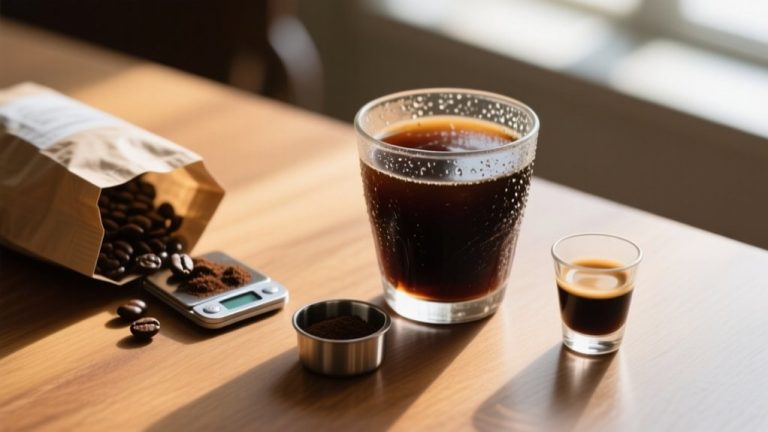
Smaller servings mean a higher concentration of dissolved coffee solids, so you’ll feel a stronger, more robust flavor.
Larger servings dilute the intensity, allowing the subtle notes from the dark roast to shine through without overwhelming your palate.
The traditional drip method produces a strong base, but adjusting serving size tailors the intensity to your preference without altering the brewing quality.
How Can You Adjust the Strength of Vietnamese Coffee?
Wondering how to make your Vietnamese coffee stronger or milder to suit your taste? You can easily adjust its strength by tweaking both the coffee cultivation choices and brewing techniques.
Opt for beans grown at higher altitudes, as they tend to have a bolder flavor profile due to slower maturation.
Choose high-altitude beans for a richer, bolder Vietnamese coffee flavor.
During brewing, control the grind size. Finer grounds extract more flavor, which makes the coffee more intense. Also, vary the brewing time. Longer drip times increase strength, while shorter times give you a lighter cup.
Adjust the coffee-to-water ratio by adding more coffee for a robust brew or less for a gentler taste.
What Are the Best Vietnamese Coffee Brands for Bold Flavor?
You’ll find several top-rated Vietnamese coffee brands known for their bold, rich flavors that really pack a punch. If you enjoy strong coffee, these brands definitely won’t disappoint.
Exploring popular varieties like robusta blends and dark roasts can help you find the perfect brew that matches your taste. It’s all about discovering what suits you best.
Top-Rated Vietnamese Brands
When it comes to bold Vietnamese coffee, a handful of brands consistently stand out for their rich, robust flavors that capture the essence of traditional brewing. These brands not only deliver bold taste but also emphasize coffee sustainability and ethical coffee farming practices.
This way, they ensure quality with responsibility.
Here are three top-rated Vietnamese coffee brands you should try:
- Trung Nguyên – Known for its strong, dark roast, it supports sustainable coffee farming in the Central Highlands.
- Highlands Coffee – Offers bold blends while promoting eco-friendly coffee cultivation.
- G7 Coffee – Famous for instant coffee with rich flavor, it invests in sustainable coffee farming initiatives.
Choosing these brands means enjoying bold Vietnamese coffee while supporting sustainable practices that protect the environment and local farmers.
It’s a win-win for your taste buds and the planet!
Bold Flavor Profiles
Although Vietnamese coffee is known for its boldness, not every brand delivers the same intensity and depth of flavor. When you want a truly bold flavor profile, focus on brands that emphasize careful bean cultivation. They often source robusta beans grown in the Central Highlands.
These beans add a rich coffee aroma that’s both earthy and slightly nutty, creating a strong, lingering taste.
Brands like Trung Nguyên and Highlands Coffee are famous for keeping high standards in bean selection and roasting techniques. This means each cup bursts with robust character.
Popular Coffee Varieties
If you want to experience the boldest flavors Vietnamese coffee has to offer, knowing which brands deliver consistently rich and intense brews is essential. The country’s coffee culture thrives on robust taste and unique brewing techniques, so picking the right brand really matters.
Here are three popular Vietnamese coffee varieties to try:
- Trung Nguyên Legend. It’s known for its strong, full-bodied flavor and is a staple in many Vietnamese households.
- Cafe Phin Deli. Perfect for traditional drip brewing, it offers a smooth yet bold profile.
- Highland Coffee. This brand combines modern roasting with classic Vietnamese techniques to create a rich, aromatic cup.
These brands really highlight Vietnam’s coffee culture. They show how the brewing techniques bring out bold, unforgettable flavors you won’t want to miss.
How to Enjoy Vietnamese Coffee Without Overdoing the Caffeine
Because Vietnamese coffee packs a bold, rich punch, you’ll want to savor its unique flavors without overwhelming your system with caffeine. To do this, start by adjusting your brewing techniques: use less coffee grounds or shorten the brewing time to reduce caffeine concentration.
Vietnamese coffee culture embraces enjoying coffee slowly, often with sweetened condensed milk, which can mellow the intensity. You might also try mixing your brew with ice or hot water, diluting the strength while preserving the distinct taste.
Opt for smaller servings to limit caffeine intake without sacrificing flavor.
Frequently Asked Questions
What Equipment Is Needed to Make Traditional Vietnamese Coffee?
To make traditional Vietnamese coffee, you’ll need a phin filter, a key coffee brewing accessory that sits atop your cup. You’ll also want strong, dark roasted coffee grounds, often robusta, to capture that rich flavor.
Don’t forget a sturdy mug or glass and sweetened condensed milk for that signature creamy sweetness.
These essential coffee accessories work together, letting you brew slowly and enjoy a bold, smooth cup every time. It’s a simple process but one that delivers a rich, satisfying coffee experience you’ll love.
Can Vietnamese Coffee Be Made Iced or Blended?
Absolutely, you can enjoy Vietnamese coffee iced or blended. It’s a perfect way to beat the heat and savor its bold flavor.
Coffee brewing with a phin filter lets you drip rich, strong coffee right over ice for a revitalizing iced coffee experience.
Blend it with sweetened condensed milk and ice for a creamy, frosty treat.
Either way, you’ll get that signature robust taste, just chilled or whipped into a smooth delight.
Is Vietnamese Coffee Suitable for People Sensitive to Caffeine?
If you have caffeine sensitivity, Vietnamese coffee might be too strong for you because it typically contains a high caffeine content. You’ll likely experience jitters or trouble sleeping if you’re sensitive.
Instead, you can explore coffee alternatives like decaf versions or herbal teas that offer rich flavor without overwhelming caffeine.
Trying smaller servings or mixing with milk can also help reduce the caffeine impact while still enjoying the unique taste.
How Long Does It Take to Brew Authentic Vietnamese Coffee?
Brewing Vietnamese coffee is like watching time paint a rich canvas. It typically takes about 4 to 5 minutes. The slow drip process guarantees ideal coffee extraction, letting the bold flavors develop fully.
You’ll see the dark, aromatic liquid drip steadily from the phin filter into your cup, capturing that signature intensity. This careful brewing time is what gives Vietnamese coffee its distinct, strong character.
You’ll want to savor it with every sip.
What Are Common Vietnamese Coffee Variations and Flavors?
You’ll find common Vietnamese coffee variations like Cà Phê Sữa Đá, which blends robust Robusta coffee bean varieties with sweetened condensed milk. This combo creates bold yet creamy flavor profiles that many love.
Another favorite is Cà Phê Trứng, which features egg yolk for a rich, custardy twist. Each variation highlights different coffee bean varieties, balancing bitterness and sweetness in unique ways.
You’ll enjoy exploring these distinct flavors that range from strong and intense to smooth and aromatic. It’s a tasty journey through some of the best coffee Vietnam has to offer.
Conclusion
Vietnamese coffee is like a bold dance on your taste buds. It’s rich, strong, and uniquely sweetened with condensed milk. You’ll find its brewing method packs more punch than many other coffees.
But don’t worry, you can easily adjust the strength and caffeine to suit your mood. Whether you want a quick jolt or a smooth sip, understanding these factors helps you enjoy every cup just right. It makes your coffee experience truly unforgettable.