Can You Heat Up Cold Brew Coffee – Best Methods Explained
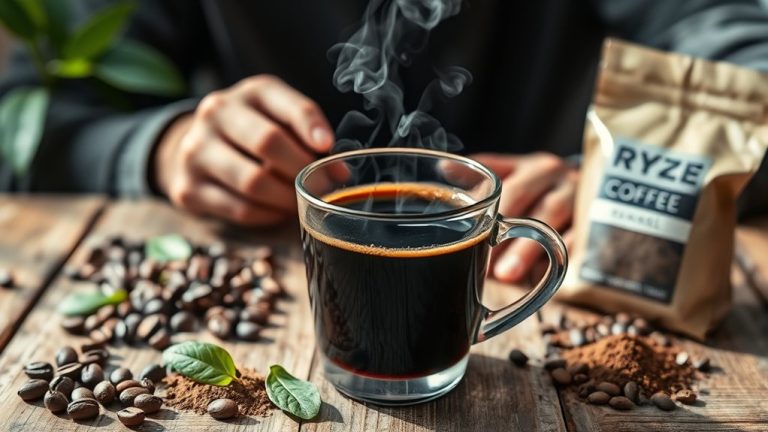
Yes, you can heat up cold brew coffee without losing its smooth, low-acid flavor or caffeine boost. Just gently warm it on the stovetop over low heat or use short microwave bursts. Make sure to avoid boiling it, since that can bring out bitterness.
Stir while warming to keep its rich aroma and mellow taste. Heating leftover cold brew saves time and gives you a comforting warm drink with less acidity than hot brew. Keep reading to discover the best techniques and tips for perfect results.
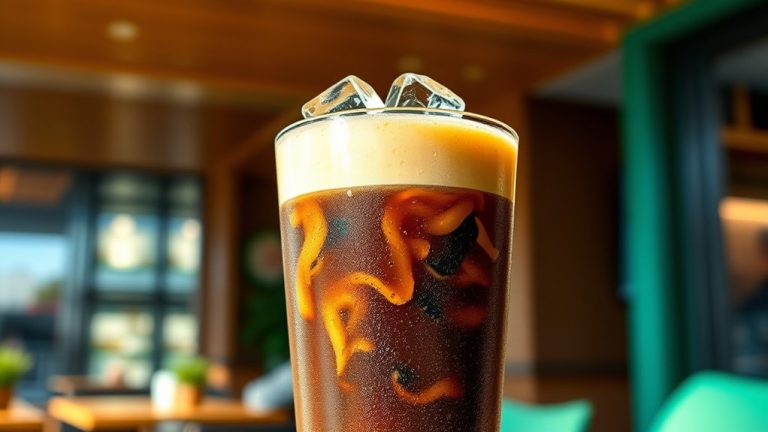
What Is Cold Brew Coffee And How Is It Made
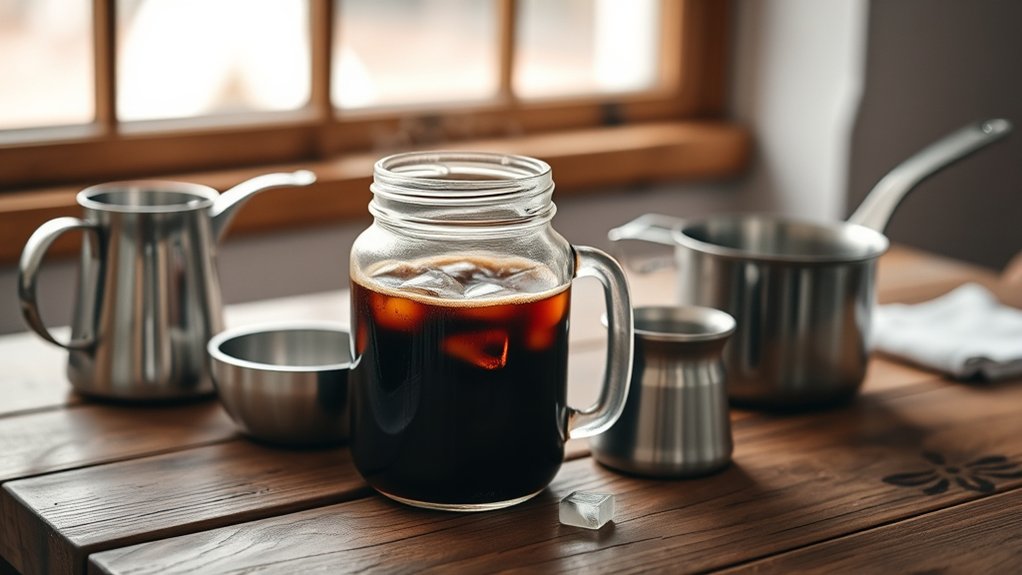
Although it takes much longer than traditional brewing, cold brew coffee offers a unique way to enjoy your caffeine fix. You steep coarsely ground coffee beans in cold water for 12 to 24 hours, letting rich flavors extract slowly without heat. This method maintains delicate flavor compounds that might otherwise be lost or altered by hot water.
This helps clear up common cold brew misconceptions about weak taste. Using a higher coffee-to-water ratio, typically between 1:4 and 1:8, you get a smooth, low-acid concentrate. Brewing at room temperature or in the fridge makes sure the final product is mellow yet rich.
Cold brew boasts higher caffeine content and less acidity than hot brewed coffee. Understanding this process helps you appreciate cold brew’s distinct taste and how flavor preservation is key to its appeal. It’s a great way to enjoy coffee that’s both refreshing and full of character.
Benefits Of Heating Cold Brew Vs. Brewing Hot Coffee
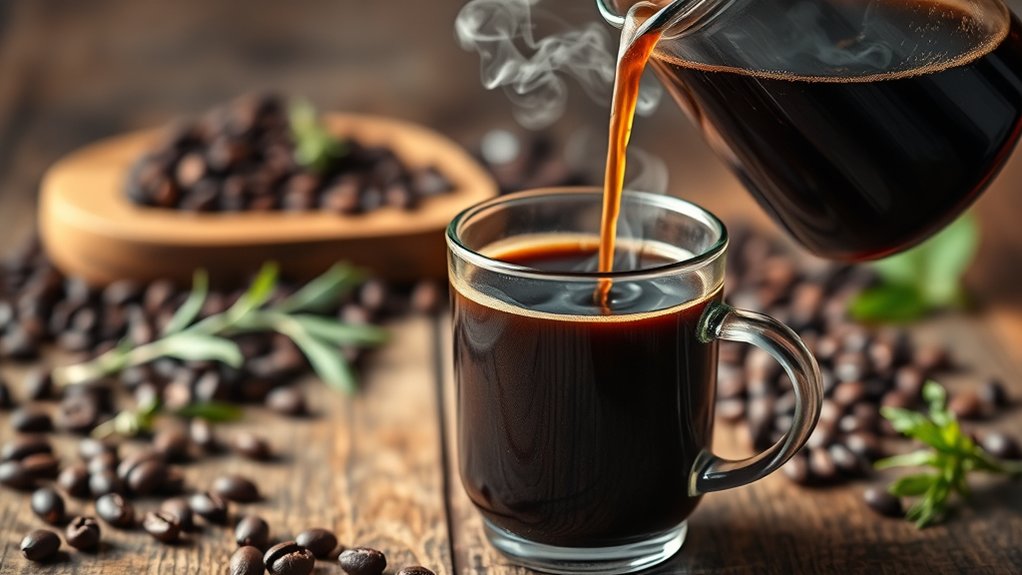
When you heat cold brew, you end up with a smoother, less acidic flavor than if you brewed your coffee hot right from the start. It’s pretty noticeable—less bitterness and a richer aroma come through, making it a solid pick if you like your coffee mellow.
And the best part? The caffeine content stays the same, so you don’t lose that energizing kick.
Flavor Profile Differences
If you heat up cold brew coffee, you’ll notice it enhances the smooth, low-acid qualities that make cold brew so appealing. It won’t capture the bright, aromatic notes found in hot brewed coffee, though.
Heating preserves cold brew’s full-bodied sweetness and mellow flavor nuances. But it sacrifices the lively acidity and aroma preservation typical of hot coffee.
| Aspect | Cold Brew (Heated) | Hot Brewed Coffee |
|---|---|---|
| Acidity | Low, smooth | Higher, bright |
| Flavor Nuances | Mellow, rich | Complex, vibrant |
| Aroma Preservation | Less pronounced, sweeter | Strong, aromatic |
You’ll find heating cold brew creates a richer, less bitter cup. Just keep in mind, it comes with fewer sharp, lively flavors.
Caffeine Content Comparison
Two main factors influence the caffeine content you get from cold brew versus hot brewed coffee: extraction time and temperature. Hot brewing extracts caffeine quickly using high heat, giving you a strong, immediate boost.
Cold brew, on the other hand, relies on a long steep time, usually 12 to 24 hours, resulting in a smoother caffeine release.
The coffee bean varieties you choose also affect caffeine levels, no matter how you brew.
When you heat cold brew, its viscosity changes slightly, and gentle warming preserves most caffeine content. Overheating can reduce caffeine potency, but overall, cold brew still delivers caffeine comparable to hot coffee per serving.
Acidity And Bitterness
Although heating cold brew can slightly increase bitterness by breaking down certain acids and compounds, careful warming methods help you retain its smooth, low-acid character. When you gently heat cold brew, using hot water baths or stovetop warming, you minimize acidity changes and avoid the harsh bitterness typical of hot brewed coffee.
This approach supports flavor enhancement and aroma preservation. It lets you enjoy cold brew’s mellow profile even when it’s warm. Since cold brew starts with less acidity, it remains easier on your stomach compared to traditional hot coffee, which means less irritation.
Just avoid overheating, because that can amplify bitterness and disrupt the delicate balance.
When To Heat Cold Brew Instead Of Brewing Hot Coffee
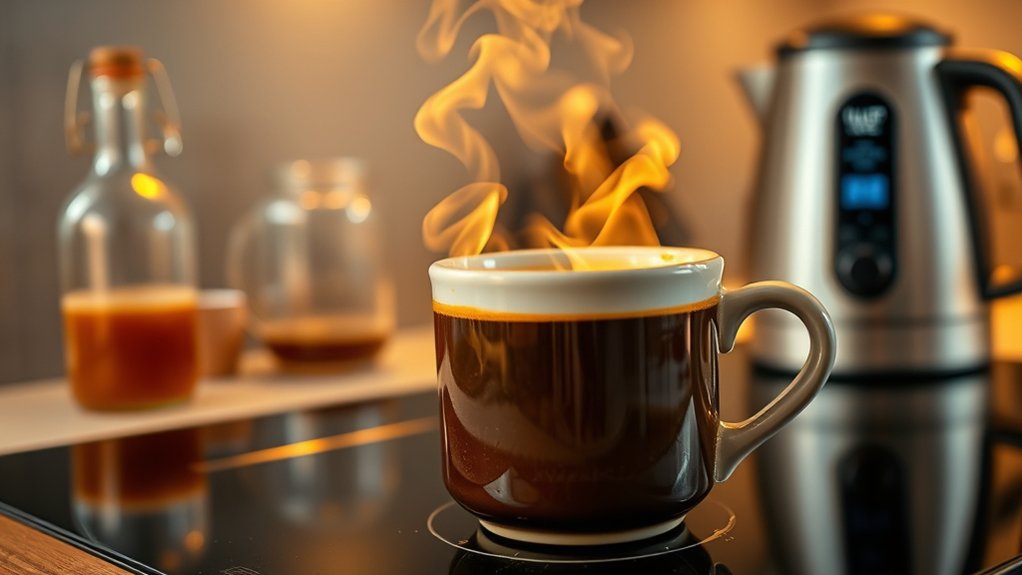
Whenever you find yourself with leftover cold brew concentrate, heating it up can save you time compared to brewing a fresh pot of hot coffee. This is especially handy during chilly mornings or when you need a quick warm drink without waiting for hot brewing methods.
Cold brew certifications often guarantee smooth, low-acid coffee, making heated cold brew an excellent choice if you want a gentler hot beverage. Plus, heating cold brew works well for coffee cocktails or layered drinks that need hot coffee instantly.
Instead of waiting through the longer steeping process of traditional hot brewing, you can rely on your cold brew concentrate to deliver warmth and flavor quickly.
How Heating Cold Brew Affects Flavor And Acidity
If you heat cold brew too quickly or at high temperatures, you’ll notice a sharper bitterness emerging as acids become more soluble and pronounced. This sudden release disrupts acid stability, intensifying sour or sharp notes you usually don’t expect from cold brew.
However, gentle heating offers flavor enhancement by warming the drink without causing chemical changes that raise acidity.
When you heat it carefully, you preserve the smooth, mellow qualities and low acidity that define cold brew’s unique profile. Keep in mind, though, that excessive heat diminishes aromatic compounds, making the flavor flatter and less nuanced.
So, to maintain the balance of flavor and acidity, it’s best to heat cold brew gradually and avoid high temperatures.
That way, you won’t lose the signature smoothness you enjoy.
How To Heat Cold Brew With Hot Water Dilution
If you want to heat your cold brew without losing that smooth flavor, start by diluting it with hot water heated to about 200°F. Using a 1:1 ratio of cold brew to hot water usually hits the perfect balance.
This way, you get a warm, flavorful cup that’s kind of like an Americano. Just remember to add the hot water gradually and only heat what you’re going to drink right away to keep the taste fresh.
Ideal Dilution Ratios
Although cold brew concentrate is delicious on its own, heating it without proper dilution can easily lead to a burnt or overly bitter taste. Since cold brew origins emphasize smoothness and low acidity, using the right brewing equipment to make a concentrate means you want to preserve those qualities when heating.
The ideal dilution ratio is typically 1:1, equal parts cold brew concentrate and hot water, ensuring a balanced, flavorful cup. This ratio prevents over-extraction and keeps bitterness at bay. If you prefer a lighter or stronger taste, adjust the ratio to 1:2 or 1:3, adding more hot water for a milder flavor or less for intensity.
Proper dilution is key to maintaining your cold brew’s rich aroma and smooth profile when heated. So, play around with these ratios until you find what suits your taste best. It’s all about keeping that smooth, delicious experience every time you enjoy your coffee.
Temperature Guidelines
When you want to enjoy a warm cup of cold brew, heating the water to just under boiling, around 200°F, before mixing it with the concentrate is key. This temperature preserves cold brew’s smooth, low coffee acidity while enhancing its flavor. Avoid heating the concentrate directly to prevent bitterness.
Here’s a quick temperature guide:
| Aspect | Recommendation |
|---|---|
| Water temperature | ~200°F (just under boiling) |
| Dilution ratio | 1:1 for strong, adjust as needed |
| Heating method | Warm water separately |
| Flavor impact | Maintains smoothness, reduces acidity |
| Result | Warm, aromatic coffee experience |
Using hot water dilution ensures a balanced cup that highlights your cold brew’s unique flavor profile without unwanted acidity. It’s a simple trick that makes all the difference. Give it a try and enjoy your coffee just how you like it!
Step-By-Step Guide To Heating Cold Brew On The Stovetop
If you want to enjoy your cold brew warm without sacrificing its smooth flavor, heating it gently on the stovetop is a great method. Start by pouring your desired amount into a small saucepan, making sure not to overload it for even heating.
Warm your cold brew gently on the stovetop for smooth flavor without bitterness.
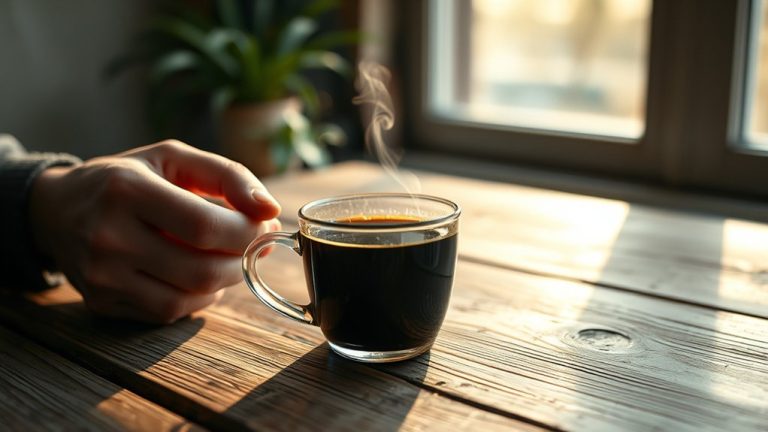
Set the stove to medium-low or low heat and warm the cold brew gradually, stirring occasionally to distribute heat evenly. Avoid boiling, as high heat can alter the flavor and increase bitterness.
Heat for about 60-90 seconds until steam rises, then remove it from the heat immediately.
Pour your warm cold brew into a mug and enjoy promptly.
You can enhance your experience by frothing milk to create a creamy texture. It’s perfect for pairing your coffee with a light snack.
Tips For Safely Heating Cold Brew In The Microwave
To heat cold brew coffee safely in the microwave, start by choosing a microwave-safe mug or container. This helps avoid any harmful chemical leaching.
Heat your cold brew in 30-second intervals at medium power. Be sure to stir between each interval to keep the temperature even.
Try not to let it boil because that can ruin the coffee’s aroma and make it taste bitter. Stop microwaving once the coffee is steaming hot but not boiling.
Only reheat what you plan to drink right away since reheating multiple times can mess with the flavor quality.
| Tip | Reason |
|---|---|
| Use microwave-safe mug | Prevent chemical leaching |
| Heat in 30-sec bursts | Ensure even warming |
| Stir between heating | Maintain consistent temperature control |
| Avoid boiling | Preserve coffee aroma and prevent bitterness |
| Reheat single servings | Maintain flavor quality |
Heating Methods To Avoid: Kettles And Boiling
You might think using an electric kettle is a quick way to heat up your cold brew, but it often leads to uneven heating and can introduce some off-flavors.
Plus, boiling your cold brew—no matter how you do it—risks making it taste bitter and burnt, which takes away that smooth, rich flavor you’re after.
Electric Kettle Issues
While electric kettles excel at boiling water quickly, they’re not suited for heating cold brew coffee. Using them poses electric kettle hazards due to heating device limitations specifically designed for water, not coffee. Here’s why you should avoid this method:
First, uneven heating can cause coffee to stick or burn inside the kettle. Overheating also alters the flavor, making it bitter or acidic.
Plus, coffee oils and residues build up, making cleaning tough.
On top of that, mineral deposits may accumulate, potentially damaging your kettle. These issues not only affect your cold brew’s taste but also shorten your kettle’s lifespan.
Boiling Risks
Why risk ruining your cold brew by boiling it? Heating cold brew to boiling temperatures can cause chemical changes that degrade its flavor quality and aroma. You’ll lose any chance of flavor enhancement, as boiling breaks down acids and other compounds, increasing bitterness and acidity.
Using a kettle for this is even riskier. It can cause the coffee to stick, making cleaning tough and risking flavor contamination. Plus, kettles aren’t designed for cold brew, so improper use might damage your device.
The key to enjoying warm cold brew lies in careful temperature control. Instead of boiling, gently heat your coffee to preserve its smooth, rich character without introducing harsh, burnt notes. Avoid boiling to keep your cold brew tasting its best.
Risks Of Heating Large Cold Brew Batches At Once
Because heating large batches of cold brew at once can lead to uneven temperature distribution, you risk overcooking some portions while leaving others underheated. This inconsistency results in flavor degradation, diminishing the smoothness you expect from cold brew.
Also, reheating big volumes accelerates oxidation and chemical reactions that spoil freshness. If you store the heated batch in cold storage for later use, bacterial growth becomes a concern, risking spoilage.
Plus, handling large containers increases the chance of spills or burns.
Here are key risks to bear in mind:
- Uneven heating causes inconsistent flavor.
- Accelerated oxidation degrades taste quality.
- Prolonged heat exposure speeds up freshness loss.
- Storing large reheated batches risks bacterial growth.
Heating smaller portions helps maintain your cold brew’s flavor and safety. It’s just a smarter way to keep things tasting great and avoid any unwanted problems.
How To Keep Cold Brew Smooth When Heating
Managing heat carefully can make all the difference when you want to enjoy cold brew without losing its smooth character. To keep your cold brew smooth when heating, focus on temperature control by warming it slowly on low or medium-low heat. Avoid boiling, as high temperatures break down flavor compounds and cause bitterness.
For flavor enhancement, add a splash of milk or cream before heating to soften harsh notes. You can also incorporate a pinch of salt to balance acidity and boost smoothness. Heat in small increments, stirring gently, to prevent overheating.
Avoid microwaving since it heats unevenly and can degrade flavor. By controlling temperature and using these simple additions, you’ll preserve the rich, smooth profile that makes cold brew so enjoyable. It really just takes a bit of patience and care!
Storing And Reheating Heated Cold Brew Without Flavor Loss
When you’ve heated your cold brew but can’t finish it right away, storing it properly is key to preserving its flavor. Cold storage in an airtight container helps prevent oxidation, which can dull its smooth taste.
To keep that great flavor, follow these simple steps: Store your heated cold brew in a sealed container and try to drink it within 1-2 hours. Reheat gently on the stovetop or microwave, but avoid boiling it.
Adding a splash of milk or cream before reheating can help reduce bitterness. Also, reheat small portions so you can better control the temperature and protect the flavor.
Creative Ways To Enjoy Heated Cold Brew Coffee
If you want to elevate your coffee experience, heating cold brew opens up a world of creative possibilities. You can gently warm your cold brew on the stovetop or microwave, preserving its smoothness and enhancing its rich flavor.
Try mixing cold brew concentrate with hot water and milk for a cozy coffee latte.
Mix cold brew concentrate with hot water and milk for a comforting, smooth coffee latte experience.
For something unique, experiment with tea infusions by adding brewed tea to your heated cold brew, creating layered, aromatic drinks.
You can also craft warm coffee cocktails or serve hot-and-cold layered beverages for a stunning presentation.
Remember, proper cold brew storage is key to maintaining flavor before heating.
By controlling temperature during reheating, you avoid bitterness and enjoy a smooth, satisfying cup every time.
Give it a try—you might find a new favorite way to enjoy your coffee!
Frequently Asked Questions
Can I Add Milk or Cream Before Heating Cold Brew?
You can add cream before heating cold brew, but be cautious. Cream might change the flavor or curdle if heated too fast or too hot.
It’s best to heat gently to keep the texture smooth and the taste balanced. That way, your cold brew stays delicious without any surprises.
Does Reheating Cold Brew Multiple Times Affect Caffeine Content?
You don’t have to worry about caffeine stability when reheating cold brew multiple times; the caffeine content stays consistent.
Just keep in mind that repeated heating might affect flavor preservation, altering taste but not caffeine levels. So, your cold brew will still give you the same caffeine kick, even if it’s been reheated a few times. But the taste? That might change a bit.
What’s the Best Container to Heat Cold Brew in the Microwave?
Like a trusted shield, ceramic or glass containers guarantee container safety when microwaving cold brew. Avoid metals, and use microwave-safe plastics if needed.
Can Heating Cold Brew Help Reduce Bacteria or Germs?
Yes, heating cold brew helps with cold brew sterilization by reaching temperatures that guarantee germs elimination. You’ll reduce bacteria effectively if you heat it quickly and only reheat what you plan to drink immediately for safety.
Just make sure not to overdo it—heating too long can change the flavor. So, stick to warming it up just enough to kill the germs and enjoy your coffee safely.
Is It Safe to Heat Cold Brew in a Glass Bottle?
Sure, you could try heating cold brew in a glass bottle. But be careful—it might shatter!
Bottle safety and glass durability really matter here. Always check if your bottle is heat-resistant.
If it’s not, just transfer your cold brew to a safe container before heating. That way, you avoid a hot mess.
Conclusion
Imagine wrapping your hands around a warm mug of cold brew. Its smooth richness gently wakes your senses. Heating cold brew offers a comforting twist without losing its mellow charm.
Whether you dilute it with hot water or reheat carefully, you’ll keep that signature smoothness intact. So, next time you crave a cozy coffee moment, don’t hesitate to warm up your cold brew. You’ll savor a cup that’s both bold and beautifully balanced.