What Does A Latte Taste Like – Flavor Profile Explained
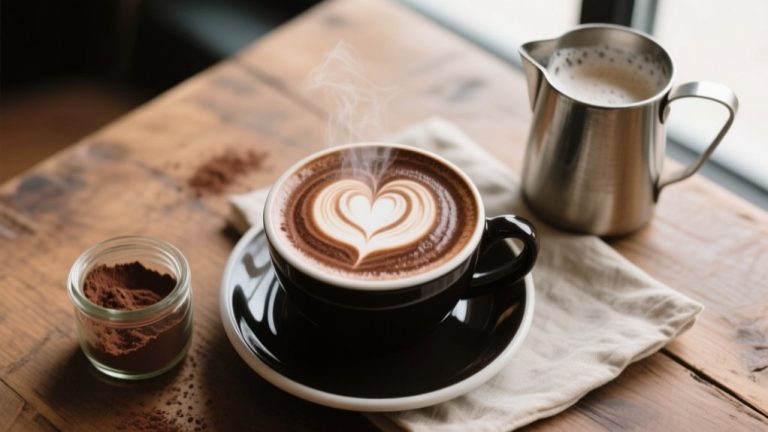
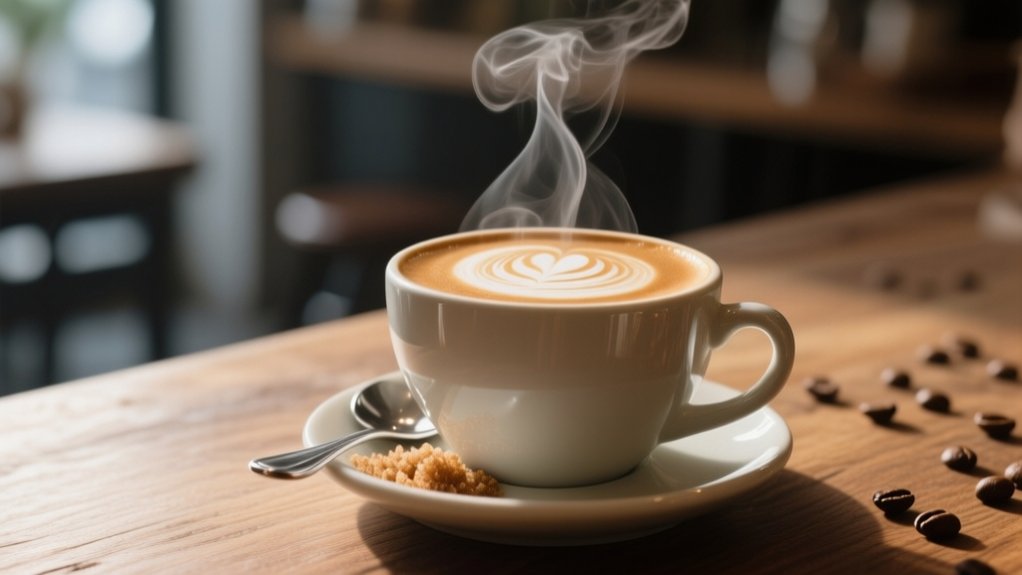
When you sip a latte, you’ll notice the rich espresso’s boldness is softened by creamy steamed milk, creating a smooth, velvety texture. The milk’s natural sweetness balances the coffee’s bitterness and acidity, making it milder and more approachable than black coffee.
Different roasts and milk temperatures shift the flavor, while flavored syrups add unique twists. Keep exploring, and you’ll uncover how every detail affects the latte’s delicate yet satisfying profile.
How Does a Latte Taste Compared to Black Coffee?

How does a latte taste compared to black coffee?
When you sip a latte, you’ll notice its creaminess stands out immediately, thanks to the steamed milk and microfoam. This creaminess softens the espresso’s natural bitterness and acidity, creating a smoother, milder flavor profile.
In contrast, black coffee offers a bolder, more straightforward taste shaped by the brewing method and bean origin, often with sharper bitterness.
The latte taste also carries a subtle sweetness from the milk, balancing the espresso roast’s intensity.
Depending on the espresso roast used, your latte might lean towards bright, fruity notes or rich, chocolatey undertones.
How Espresso Shapes the Flavor of Your Latte
Your latte’s flavor really kicks off with the intensity of the espresso, which decides how bold those coffee notes will be.
You’ll start to notice how the caramel and chocolate flavors in the espresso shift depending on its strength and how well it’s extracted.
Then, balancing that rich espresso with creamy milk is what makes the whole thing smooth and enjoyable.
Espresso Intensity Impact
Although the espresso serves as the backbone of a latte, its intensity directly shapes the drink’s flavor and character. When you pull a well-extracted espresso shot, its bold caramel and chocolate undertones create a rich flavor that balances perfectly with the sweetness of steamed milk.
The intensity of the espresso determines how pronounced those coffee notes will be, ensuring the latte isn’t too bitter or weak. You’ll notice the crema adds a silky texture and subtle sharpness, enhancing the overall mouthfeel without overpowering the milk.
Ultimately, the balance between espresso and steamed milk defines your latte’s smoothness and flavor. Adjusting the espresso’s intensity lets you tailor the latte experience, highlighting either a stronger coffee presence or a creamier, sweeter finish.
Flavor Notes Variation
The way espresso is extracted plays a big role in shaping the flavor notes you’ll experience in your latte. Your brewing techniques determine the balance of caramel, chocolate, and sweetness, influencing the coffee tastes and creamy mouthfeel.
A well-extracted espresso avoids bitterness and highlights smooth, rich flavors, while poor extraction can mute complexity. Here’s how different espresso factors affect your latte:
| Factor | Impact on Flavor Notes |
|---|---|
| Extraction Time | Longer = bolder, shorter = bright |
| Grind Size | Finer = intense, coarser = mild |
| Water Temperature | Hotter = stronger, cooler = smoother |
| Crema Quality | Adds silky texture and richness |
| Coffee Bean Type | Alters sweetness and undertones |
Mastering these variables guarantees your latte delivers a harmonious blend of sweetness, creamy mouthfeel, and vibrant coffee tastes.
Espresso-Milk Balance
When you combine espresso with steamed milk, you create a balanced flavor that highlights the espresso’s rich caramel and chocolate notes without overwhelming the palate. The espresso serves as the foundation, offering bold intensity that complements the milk’s natural sweetness and creamy texture.
A well-extracted espresso shot guarantees this balance, avoiding bitterness and preserving the complex flavor. The crema adds a silky texture and subtle nuances like sharp acidity or deep chocolate, enhancing the overall mouthfeel.
Different types of milk, like whole, oat, or almond, can shift the latte’s sweetness and texture. This influences how the espresso’s flavor shines.
What Steamed Milk Adds to Latte Taste and Texture
Since you’re looking to elevate your latte experience, understanding what steamed milk brings to the table is key.
Steamed milk transforms your drink by adding layers of flavor and texture that espresso alone can’t achieve. Here’s what it does:
- Creates a creamy texture and enhances the mouthfeel, making each sip smooth and satisfying.
- Breaks down lactose during steaming, boosting natural sweetness and balancing espresso’s intensity.
- Produces microfoam, a velvety layer that adds richness and a luxurious mouthfeel.
- Offers variety through dairy alternatives like oat or almond milk, which bring their own unique flavors and textures.
Why Do Lattes Taste Milder and Sweeter Than Coffee?

You’ll notice that the milk in a latte softens the espresso’s sharpness, which makes the drink taste milder.
It’s like the milk tones down that strong coffee punch. Because of this, lattes end up feeling sweeter and just easier to enjoy compared to straight coffee.
Milk’s Soothing Effect
Because lattes combine espresso with a generous amount of steamed milk, typically a 3:1 ratio, you get a drink that’s noticeably milder and sweeter than straight coffee.
Milk’s soothing effect comes from several key factors:
- The natural sweetness of milk increases as lactose breaks down during steaming. This softens espresso’s bitterness.
- Milk foam adds a light, airy layer that enhances the creamy texture and smooth mouthfeel.
- Warm steamed milk changes flavor perception by boosting sweetness and muting coffee’s intensity.
- Dairy alternatives like oat or almond milk introduce unique sweetness levels and flavors, which alters your taste experience.
Together, these elements create a comforting latte that’s smooth, sweet, and easy to enjoy without overpowering coffee’s character.
Espresso Intensity Reduction
When milk blends with espresso in a latte, it softens the coffee’s natural bitterness and acidity, creating a milder, sweeter flavor. You start with a single espresso shot, but the high milk to espresso ratio, usually at least 3 to 1, dilutes that intense coffee punch.
Steamed milk plays an essential role here. Its heat breaks down lactose, boosting the latte’s natural sweetness while adding a creamy texture.
The microfoam atop the steamed milk enhances the velvety mouthfeel, further reducing the espresso’s sharpness.
This careful interplay creates a smooth flavor balance, making the latte more approachable than straight coffee.
How Coffee Roasts Change Latte Taste
Although the milk and espresso blend smoothly in a latte, the roast level of the coffee plays an essential role in shaping its flavor. Different coffee roasts greatly impact your latte taste and overall flavor profile:
- A lighter roast brings out fruity and floral notes with higher acidity, making your latte bright and nuanced.
- Medium roasts balance sweetness and body, giving you a rich yet smooth experience without overpowering flavors.
- Darker roasts emphasize chocolatey and nutty characteristics, adding boldness and depth to the latte’s flavor.
- The milk’s sweetness enhances lighter roasts’ natural sugars while softening the bitterness in darker roasts, adjusting the latte’s body and finish.
How Milk Type Affects Your Latte’s Flavor
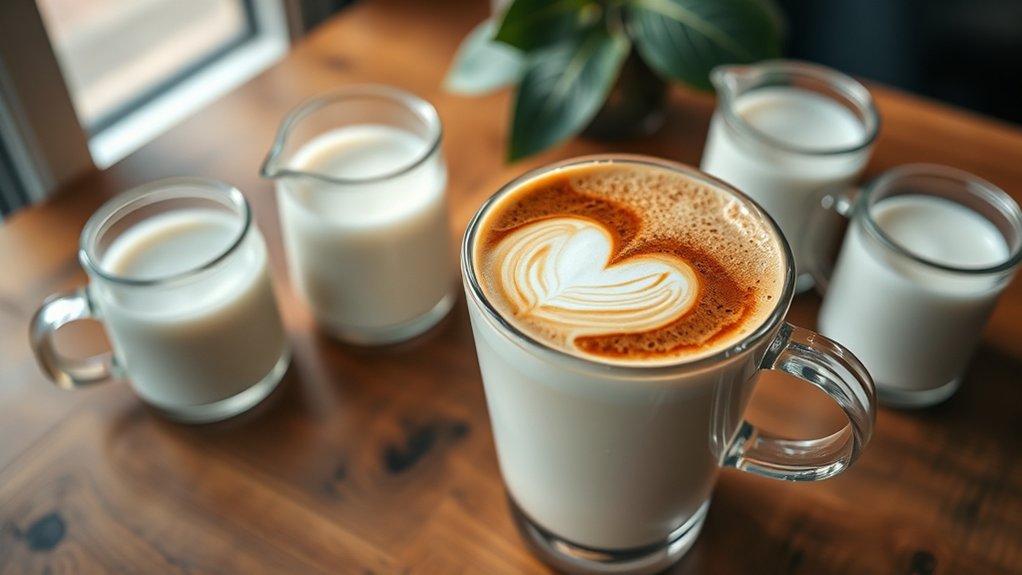
Choosing the type of milk for your latte shapes both its flavor and texture, making a noticeable difference in your drinking experience. Whole milk offers a creamy texture and natural sweetness that enriches the latte’s flavor profile, while skim milk creates a lighter taste with less richness.
When you steam milk, it breaks down lactose, enhancing this natural sweetness and softening espresso’s bitterness for a smoother mouthfeel.
Dairy alternatives like almond or oat milk bring unique flavors, nutty or subtly sweet, that change the overall taste.
The microfoam formed during steaming adds a velvety texture, further influencing the mouthfeel and sensory appeal.
What Different Latte Flavors Taste Like
What makes each latte flavor stand out? It’s all about how the coffee blends with different flavor profiles that highlight unique tastes. Here’s what you can expect:
- Classic Latte: You get a mild coffee taste, creamy and slightly sweet from the milk’s natural lactose, perfect if you prefer subtle flavors.
- Vanilla Latte: The sweet, aromatic vanilla syrup adds a dessert-like sweetness that enhances the latte’s creaminess.
- Caramel Latte: Rich and buttery, caramel syrup brings a deep, sweet balance to the coffee’s boldness.
- Mocha Latte: Chocolate syrup combines with espresso for a rich, chocolatey twist that chocolate lovers will adore.
Seasonal flavors like pumpkin spice introduce spices and sweetness, giving you a festive, sweet spin on your usual latte.
How Milk Temperature and Texture Affect Latte Taste
You’ll notice that the temperature of your milk plays a big role in how sweet and creamy your latte tastes.
And it’s not just about heat—how you texture the milk foam really shapes the flavor too. This foam balances out the espresso’s intensity and richness.
Milk Temperature Impact
When milk is steamed to the ideal temperature between 150°F and 160°F, it brings out natural sweetness and creates a creamy texture that complements the espresso’s boldness.
Getting the milk temperature right is key to enhancing your latte’s flavor profile. Here’s how it impacts taste:
- Steamed milk at the right temperature forms microfoam, adding a velvety mouthfeel.
- Cooler milk results in a less sweet, more acidic flavor profile.
- Overheated milk can taste burnt, overpowering the espresso’s unique flavors.
- Dairy alternatives, when steamed properly, offer distinct textures and flavors that influence the overall latte experience.
Texture’s Role In Flavor
Texture plays an essential role in shaping the flavor of your latte by influencing how milk and espresso interact on your palate. The creaminess from steamed milk, heated between 150°F and 160°F, enhances sweetness and balances the espresso’s boldness.
Microfoam creates a velvety texture that smooths the mouthfeel, allowing the flavors to meld seamlessly. The breakdown of lactose in steamed milk adds natural sweetness, softening espresso’s acidity and bitterness for a richer overall taste.
Different milk textures, like whole milk’s creamy body versus skim milk’s lighter feel, can dramatically change your experience.
This interplay between temperature and texture doesn’t just affect flavors; it also heightens aroma, making each sip of your latte a more satisfying sensory journey.
How Adding Flavor Shots or Sweeteners Changes Latte Flavor
Although a latte’s base flavor comes from espresso and milk, adding flavor shots or sweeteners can dramatically transform its taste. Here’s how:
- Flavor shots like vanilla or caramel boost sweetness and add distinct flavor notes that soften the coffee’s natural bitterness.
- Sweeteners such as sugar, honey, or flavored syrups introduce layers of sweetness, balancing the espresso’s acidity.
- Dairy alternatives like almond or oat milk contribute nuttiness or creaminess, increasing latte flavor complexity.
- Your choice of sweetener affects both taste and calories. Sugar adds about 49 calories per tablespoon, while syrups may add more.
Tips to Taste and Appreciate the Nuances of a Latte
To fully appreciate a latte’s subtle flavors, start by smelling it before taking a sip. This engages your senses and prepares you to notice the drink’s delicate aromas.
Take small sips and hold the latte on your tongue to experience its creaminess and how the espresso’s bold flavor blends with the milk. Pay attention to the aftertaste, as lingering notes reveal the espresso’s quality and the milk’s richness.
Try experimenting with milk alternatives like oat or almond milk. They change the latte’s sweetness and creaminess, offering a new flavor perspective.
Focus on the balance between the milk softening espresso’s bitterness and acidity. This helps you truly taste and appreciate the nuanced flavor profile of each latte you enjoy.
Frequently Asked Questions
What Is the Origin of the Word “Latte”?
The word “latte” comes from the Italian phrase “caffè latte,” meaning “milk coffee.” If you dig into coffee culture, you’ll see it reflects espresso origins and the historical significance of balancing strong coffee with milk types.
You’ll notice brewing methods in Italy emphasize a 3:1 milk-to-espresso ratio, creating that smooth flavor balance.
How Does Latte Art Affect the Drinking Experience?
Latte art elevates your drinking experience by enhancing latte aesthetics and visual appeal, making each cup feel special.
It engages your senses beyond taste, enriching the sensory experience and creating an emotional connection with the drink.
This artistic expression reflects barista skill and passion, immersing you in coffee culture.
When you see beautiful designs, you appreciate the craft, which deepens your enjoyment and makes the moment more memorable.
Can Lattes Be Made With Non-Dairy Milk Alternatives?
You can think of lattes made with non-dairy options like a canvas where flavor variations and texture differences paint a unique picture.
Using almond, oat, soy, or coconut milk, you’ll notice distinct tastes and creaminess.
These choices offer nutritional benefits too, like added protein or fewer calories.
Popular brands like Oatly or Silk pair well with various brewing techniques, letting you customize your latte to match your preferences perfectly.
What Is the Ideal Cup Size for a Latte?
The ideal cup size for a latte is usually 8 to 12 ounces, balancing latte serving and cup dimensions perfectly. This size helps maintain drink temperature, ensuring your latte stays warm without cooling too fast.
It also supports portion control, so you get just the right amount of steamed milk and espresso for smooth latte presentation.
Choosing this size lets you enjoy a creamy texture while keeping flavors balanced and satisfying.
How Does the Grind Size of Coffee Beans Impact a Latte?
The grind size acts like a maestro, directing flavor extraction in your latte’s symphony. If your grind’s too fine, it over-extracts bitterness; too coarse, and the taste feels weak and muted.
Your bean variety, roast level, brewing method, and water temperature all dance with grind size to shape the final flavor.
Getting the grind just right balances richness and smoothness, letting your latte sing with velvety chocolatey notes and creamy depth.
Conclusion
When you sip a latte, you’re enjoying a smooth blend where espresso’s boldness meets creamy steamed milk. This makes it milder and sweeter than black coffee.
Did you know that about 65% of coffee drinkers prefer lattes for their balanced flavor and creamy texture? Next time you order one, notice how milk temperature and flavor shots subtly change the experience.
This awareness helps you truly appreciate the rich, comforting nuances in every cup.