
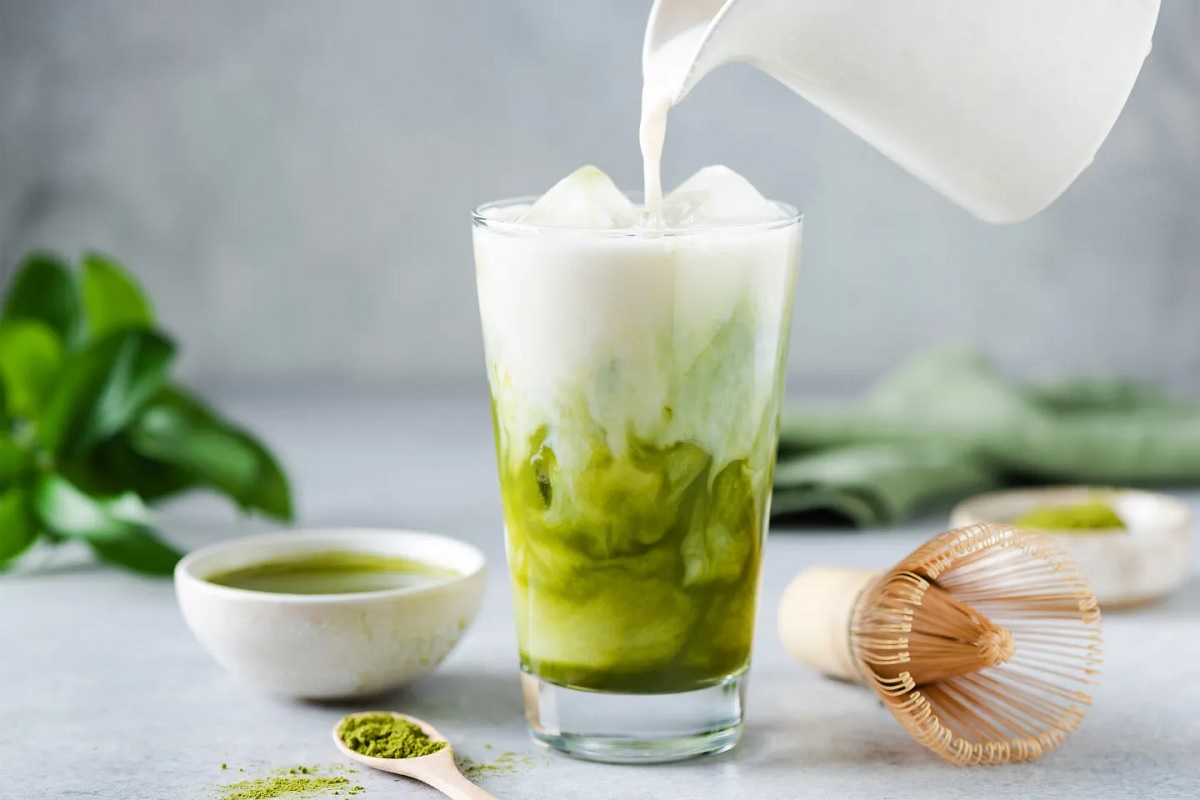
Does Matcha Have Fiber? Nutritional Facts You Need to Know
Many people enjoy matcha for its vibrant green color, smooth taste, and natural boost of energy. Beyond flavor, matcha has become popular because of its potential health benefits, including antioxidants and calming effects. As more people incorporate it into their daily routines, questions about its nutritional profile naturally arise.
A common question that comes up is does matcha have fiber. Fiber is an essential part of a balanced diet, helping with digestion, regulating blood sugar, and supporting heart health. For those looking to get more fiber in their diet, knowing whether matcha contributes can influence how and when they consume it.
Understanding the fiber content also helps people plan matcha as part of a larger diet. Whether it’s added to lattes, smoothies, or eaten in powdered form, knowing its nutritional value allows for smarter choices.
Learning about matcha’s fiber content can clarify misconceptions and help you enjoy it in ways that align with your health goals. This knowledge ensures you can appreciate matcha not just for taste, but for its potential dietary contributions.
Fiber Content in Matcha
Matcha is widely celebrated for its antioxidants, caffeine, and versatility in beverages, but its fiber content is often overlooked. Fiber plays an important role in digestion, blood sugar regulation, and overall gut health. Understanding how much fiber matcha contains, and how it compares to other foods, can help you make informed decisions about incorporating it into your diet.
How Much Fiber Is in Matcha Powder
Matcha powder is made from finely ground whole green tea leaves, which means you’re consuming the entire leaf rather than just an infusion. This gives it more nutrients compared to regular brewed green tea. On average, one teaspoon (about 2 grams) of matcha contains roughly 0.3 to 0.5 grams of dietary fiber. While this may seem small, it contributes to daily fiber intake, especially when combined with other high-fiber foods.
The fiber in matcha comes primarily from the plant’s cell walls, which include cellulose and other plant fibers. These fibers pass through the digestive system largely intact, aiding digestion and promoting regular bowel movements. Including matcha as part of a fiber-conscious diet can support gut health even if it isn’t a major fiber source on its own.
When you prepare matcha, you typically mix the powder directly with water or milk. This method preserves all the fiber content, unlike steeping traditional green tea leaves, where most solids remain in the strainer. Even small amounts of matcha can gradually add up if consumed daily, especially in smoothies, lattes, or recipes that use multiple teaspoons.
Comparing Fiber Content With Other Foods
While matcha does provide fiber, it’s modest compared to fruits, vegetables, and whole grains. For example, a medium apple has about 4 grams of fiber, and a cup of cooked lentils contains around 15 grams. In this context, matcha is more of a supplementary source rather than a primary one.
However, matcha has unique advantages. Unlike many fiber-rich foods, it also delivers antioxidants, catechins, and moderate caffeine in addition to fiber. This combination supports metabolism, energy, and overall health while offering a small but valuable contribution to daily fiber intake.
For people who enjoy matcha daily, pairing it with fiber-rich meals can enhance the overall nutritional benefit. For example, a matcha smoothie with oats, chia seeds, or spinach can turn a modest fiber contribution into a significant one, combining digestive benefits with the drink’s natural antioxidants.
The fiber content also varies depending on the brand and quality of matcha. Higher-quality ceremonial matcha tends to be finely ground but still contains similar fiber levels. Culinary-grade matcha, often used in baking or drinks, usually offers comparable fiber but may be blended with other ingredients depending on the product.
Benefits of Fiber in Matcha
Even small amounts of fiber in matcha contribute to digestive health. Dietary fiber adds bulk to stool and supports regular bowel movements, which can prevent constipation and promote overall gut function. It can also slow digestion, helping with blood sugar management and keeping you feeling full longer.
Additionally, matcha’s fiber works synergistically with its other compounds. The antioxidants in matcha, especially catechins, support metabolic health and may complement the digestive benefits of fiber. While the amount of fiber is modest, daily consumption as part of a balanced diet can still provide meaningful support.
Because matcha is easy to incorporate into drinks and recipes, it becomes a convenient source of fiber that requires minimal effort. Over time, consistent consumption can add up and contribute to a more fiber-rich routine, especially when paired with other nutrient-dense foods.
How to Maximize Fiber Intake With Matcha
To maximize fiber benefits from matcha, consider using multiple teaspoons in smoothies, lattes, or even baking. Combining matcha with high-fiber ingredients like oats, chia seeds, flaxseeds, or leafy greens can create a nutrient-dense drink or snack.
Choosing whole milk or plant-based alternatives like oat milk can slightly enhance fiber content, especially when enriched with nutrients. Even small adjustments to your matcha preparation can increase overall fiber intake while preserving the drink’s flavor and texture.
Regular consumption and mindful pairing with fiber-rich foods make matcha a useful addition to a digestive-friendly diet. While it won’t replace major fiber sources, it provides a convenient, antioxidant-rich complement that can support overall gut and metabolic health.
Health Benefits of Fiber in Matcha
Fiber is a critical component of a balanced diet, and matcha provides a modest but valuable amount due to the consumption of the whole tea leaf. Beyond aiding digestion, fiber in matcha interacts with other compounds in the tea to support overall health. Understanding these benefits helps you appreciate matcha as more than just a flavorful beverage.
Digestive Health Support
One of the primary benefits of fiber in matcha is its positive effect on digestion. Dietary fiber adds bulk to the stool, promoting regular bowel movements and reducing the likelihood of constipation. Consistent consumption of fiber helps maintain a healthy gut environment, encouraging the growth of beneficial bacteria that aid in nutrient absorption.
In matcha, the fiber comes directly from the finely ground green tea leaves, meaning you consume all the plant’s natural components. Even small amounts, when consumed regularly, can complement a fiber-rich diet. For example, pairing a daily matcha latte with fiber-rich meals can enhance overall digestive efficiency. The combination of soluble and insoluble fibers in matcha contributes to both stool formation and gut motility.
Fiber also slows digestion slightly, which can help reduce bloating and improve the absorption of nutrients from other foods. This means drinking matcha with meals or as part of a smoothie can support better digestion while providing antioxidants and other beneficial compounds.
Blood Sugar Regulation
Fiber in matcha also plays a role in moderating blood sugar levels. By slowing the absorption of sugar from the digestive tract, fiber helps prevent rapid spikes and crashes in glucose levels. This can be particularly beneficial for people managing insulin sensitivity or trying to maintain steady energy throughout the day.
The slow-release effect of fiber works alongside matcha’s natural catechins, which may also support metabolic health. Combined, they create a more balanced response to meals and snacks, reducing the likelihood of sudden energy slumps. Even though matcha is often pre-sweetened, its fiber content can help mitigate some of the effects of added sugar.
Regularly incorporating matcha into your routine, particularly alongside protein or complex carbohydrates, can enhance the stabilizing effects on blood sugar. This approach makes matcha a functional beverage, supporting both taste and metabolic health.
Heart Health Benefits
Fiber is well-known for its role in cardiovascular health, and the fiber in matcha contributes to these benefits. Consuming fiber helps lower LDL cholesterol, the “bad” cholesterol, by binding to cholesterol molecules in the digestive tract and aiding their excretion. This process can support overall heart health and reduce the risk of cardiovascular disease over time.
Matcha also contains antioxidants like catechins and polyphenols, which work in tandem with fiber to support vascular health. The combination of fiber and antioxidants can improve circulation, reduce inflammation, and help maintain healthy blood pressure levels. Even though the fiber content in matcha is modest, daily consumption adds a consistent, beneficial effect when paired with other heart-healthy foods.
Incorporating matcha into a fiber-conscious diet, alongside fruits, vegetables, and whole grains, maximizes cardiovascular benefits. Its convenience as a beverage makes it easy to consume daily without feeling like a major dietary change.
Weight Management and Satiety
Fiber in matcha can also aid in weight management by promoting feelings of fullness. By slowing digestion and extending the time food stays in the stomach, fiber helps reduce overall calorie intake. Even small doses, like those in a matcha latte, contribute to satiety when paired with other high-fiber foods.
The combination of fiber and protein from milk or milk alternatives further enhances the feeling of fullness. This makes matcha a satisfying morning beverage or an afternoon pick-me-up that can reduce the urge to snack on high-calorie foods. Over time, this effect can support healthier eating patterns and help maintain body weight.
Matcha’s natural caffeine content also contributes by slightly boosting metabolism, which works synergistically with fiber to support energy balance. By combining these effects, matcha becomes a functional beverage that promotes both satiety and energy without relying solely on sugar or high-calorie ingredients.
Gut Microbiome and Long-Term Health
Fiber in matcha supports the growth of beneficial gut bacteria, which are essential for overall health. A healthy microbiome aids digestion, improves nutrient absorption, and strengthens the immune system. The prebiotic effect of fiber encourages these good bacteria to thrive, creating a balanced and efficient gut environment.
Long-term consumption of matcha can subtly enhance gut health by providing a small but regular source of plant fiber. While it is not a replacement for fiber-rich vegetables and grains, it complements a balanced diet and contributes to a holistic approach to digestive wellness.
Additionally, fiber works alongside matcha’s antioxidants to reduce inflammation and oxidative stress in the gut. This combination supports digestive comfort, overall metabolic function, and long-term health outcomes, making matcha a functional addition to your daily routine.
Matcha vs Other Tea and Superfood Options
Matcha has gained significant popularity in recent years due to its unique flavor, vibrant green color, and potential health benefits. While it is often compared to other teas and superfoods, understanding how it differs in terms of nutrients, antioxidants, and overall effects helps you make informed choices. Matcha offers a distinctive profile that sets it apart in both taste and functionality.
Matcha Compared to Regular Green Tea
Unlike regular green tea, which is brewed from steeped leaves, matcha is made by consuming the entire ground tea leaf. This method delivers a higher concentration of antioxidants, catechins, and caffeine. While a standard cup of green tea may contain around 30–50 mg of caffeine, a serving of matcha can provide approximately 70 mg, giving a smoother but more sustained energy boost.
In terms of nutrients, matcha also contains more vitamins, minerals, and fiber than traditional green tea. The whole-leaf consumption means you receive soluble plant fibers that support digestion. Regular green tea offers health benefits too, but matcha provides a more concentrated package of nutrients and bioactive compounds, making it an efficient choice for those seeking enhanced antioxidant intake.
Flavor also differs significantly. Matcha’s taste is richer and creamier, with natural umami and slight vegetal notes. Regular green tea is lighter and can be slightly bitter or astringent depending on brewing methods. This makes matcha more versatile for lattes, smoothies, and culinary applications compared to standard brewed tea.
Comparison With Black Tea and Herbal Teas
When compared to black tea, matcha contains less caffeine per ounce than strong brewed coffee but often more than black tea, providing a balanced energy lift. Black tea is fully oxidized, giving it a robust, malty flavor, but it generally has fewer catechins than matcha. Matcha’s antioxidants are more potent, particularly epigallocatechin gallate (EGCG), which supports metabolic health.
Herbal teas, such as chamomile or rooibos, are naturally caffeine-free and offer different phytochemicals, but they lack the concentrated antioxidants found in matcha. While herbal teas may provide calming or digestive benefits, matcha delivers both energy and wellness properties in a single serving. This makes matcha a more multifunctional beverage compared to herbal options.
Additionally, the fiber content in matcha is unique. Most herbal or black teas are consumed as infusions, meaning the leaves are removed, and fiber is negligible. Drinking matcha ensures that some of the plant fibers remain in the beverage, subtly supporting digestion and satiety.
Matcha Versus Other Superfoods
Matcha is often grouped with superfoods such as spirulina, cacao, or chia seeds, each of which offers distinct nutritional advantages. Spirulina provides high protein content and micronutrients, while cacao is rich in magnesium and flavonoids. Chia seeds offer soluble fiber and omega-3 fatty acids. Matcha complements these superfoods by delivering antioxidants, plant fiber, and moderate caffeine.
One key difference is versatility. Matcha blends easily into beverages, baked goods, and smoothies without drastically altering texture, whereas some superfoods like spirulina or cacao powder may require careful balancing due to strong flavors or dense textures. Matcha’s subtle umami and creamy mouthfeel make it ideal for daily use as a health-boosting ingredient.
Another advantage is the energy and focus it provides. Unlike some superfoods that primarily contribute micronutrients, matcha’s combination of caffeine and L-theanine promotes alertness with calm focus, which is unique among plant-based superfoods. This makes it not only a nutrient source but also a functional beverage for cognitive performance.
Nutrient Density and Overall Benefits
Overall, matcha stands out because it combines multiple health benefits into one beverage. It provides antioxidants, plant fiber, moderate caffeine, vitamins, and minerals in a concentrated form. Regular teas and many superfoods offer specific benefits, but matcha delivers a balanced combination that supports energy, metabolism, and digestion.
For those looking to maximize nutrient intake with minimal effort, matcha offers a practical solution. Its powder form allows easy incorporation into daily routines, whether in drinks, recipes, or smoothies. When compared with other teas and superfoods, matcha emerges as a versatile and nutrient-dense option that fits both flavor and wellness goals.
Culinary and Lifestyle Versatility
Finally, matcha’s flexibility makes it appealing beyond its nutritional profile. Unlike most teas that are consumed as hot or iced infusions, matcha can be added to lattes, smoothies, desserts, and baked goods. This adaptability allows it to integrate seamlessly into various dietary preferences and lifestyle routines.
Superfoods and other teas may require blending or careful preparation, but matcha’s fine powder form simplifies usage. Its taste pairs well with both sweet and savory ingredients, making it ideal for creative culinary applications. This versatility, combined with its nutrient profile, is a key factor in matcha’s rising popularity in health-conscious and culinary communities alike.
How to Maximize Fiber from Matcha
While matcha provides a modest amount of dietary fiber on its own, there are several strategies to increase its fiber contribution in your daily diet. By combining matcha with fiber-rich ingredients, using creative preparation methods, and making thoughtful choices about portion sizes and add-ins, you can enjoy both the flavor and digestive benefits of this superfood.
Use Multiple Teaspoons of Matcha
One of the simplest ways to increase fiber intake from matcha is to use more of the powder in your drink. A typical serving of one teaspoon provides about 0.3 to 0.5 grams of fiber. Doubling or even tripling the amount, depending on taste preference, can significantly raise your fiber intake without altering your routine too much.
Adding multiple teaspoons works best in smoothies, lattes, or blended drinks, where the powder can dissolve evenly. This ensures you get the full nutritional benefit while maintaining a smooth texture. Even with hot lattes, stirring thoroughly helps prevent clumping and keeps the drink palatable.
It’s important to adjust sweetness or milk volume when using extra matcha to balance flavor. Increasing the powder slightly intensifies the green tea taste, so complementing it with milk or a small amount of natural sweetener can make it more enjoyable. By using more matcha powder, you maximize fiber intake while still benefiting from antioxidants and other plant compounds.
Combine Matcha With Fiber-Rich Foods
Pairing matcha with other high-fiber ingredients is another effective strategy. Adding chia seeds, flaxseeds, oats, or leafy greens to your matcha smoothie or latte can dramatically increase total fiber content. These ingredients work well with matcha’s mild flavor and provide complementary nutrients like omega-3s, protein, and minerals.
Chia seeds are particularly effective because they absorb liquid and form a gel, adding both texture and soluble fiber. Flaxseeds contribute lignans and additional plant fiber, supporting digestion and heart health. Oats provide a familiar creaminess while significantly boosting soluble fiber, helping you feel fuller for longer.
By incorporating these fiber-rich ingredients, matcha transforms from a modest fiber source into a functional, nutrient-dense beverage. This approach allows you to enjoy the health benefits of matcha while supporting daily fiber goals in a simple, convenient way.
Opt for Smoothies and Blended Recipes
Blending matcha into smoothies or overnight oats ensures that all the powder and added fiber are fully consumed. Unlike steeped tea, where fiber from leaves is discarded, blended matcha retains the whole leaf, preserving its fiber content. This is ideal for maximizing nutrition in a single serving.
Smoothies also allow for portion flexibility. You can adjust the amount of matcha powder, milk, and additional fiber-rich ingredients to suit your taste and dietary goals. Combining fruit, vegetables, and seeds with matcha makes a balanced, fiber-rich meal replacement or snack.
Blended drinks also improve absorption of nutrients and enhance antioxidant benefits. The combination of fiber, antioxidants, and moderate caffeine creates a beverage that supports energy, digestion, and metabolic health, all while boosting daily fiber intake efficiently.
Choose Fiber-Enhancing Milk Alternatives
Selecting milk or milk alternatives that contain fiber can further increase total fiber intake. Oat milk, for example, is naturally higher in soluble fiber than dairy milk and blends well with matcha. Almond milk or other plant-based options may contain added fiber depending on the brand.
Combining matcha with fiber-rich milk alternatives allows you to enhance nutrition without compromising flavor. This method works well for hot lattes, iced drinks, or blended smoothies. Even small adjustments, like swapping regular milk for oat milk, contribute additional grams of fiber per serving.
For maximum benefit, check labels for fortified or high-fiber plant-based milks. This approach complements matcha’s natural fiber while maintaining the creamy texture that makes lattes and smoothies enjoyable. It’s a simple, effective strategy to boost daily fiber intake with minimal effort.
Incorporate Matcha Into Recipes
Finally, using matcha in recipes like overnight oats, energy balls, baked goods, or chia puddings ensures that fiber-rich foods are combined with the powder. These methods preserve all the plant fiber while creating versatile, nutrient-dense meals or snacks.
Overnight oats with matcha and chia seeds provide a concentrated source of fiber, antioxidants, and protein. Energy balls with oats, flaxseed, and matcha make a convenient on-the-go option. Baking with matcha powder can enhance muffins or granola bars with extra fiber while delivering the characteristic green color and flavor.
By incorporating matcha into fiber-rich recipes, you not only maximize the fiber from the tea itself but also create enjoyable ways to include it in your daily diet. This strategy allows you to benefit from matcha’s antioxidants, caffeine, and plant compounds while supporting digestive and metabolic health.
Fiber-Related Considerations and Side Effects
While matcha contains a modest amount of fiber, it’s important to understand how consuming it can affect your digestive system and overall health. Fiber offers numerous benefits, but excessive intake or improper preparation can lead to unwanted side effects. Being mindful of how you incorporate matcha into your diet ensures you enjoy its benefits without discomfort.
Possible Digestive Effects of Fiber
Consuming fiber from matcha can support healthy digestion, but sudden increases in fiber intake may cause temporary digestive issues. Some people experience bloating, gas, or mild stomach discomfort when introducing new fiber sources too quickly. This happens because fiber absorbs water and passes through the digestive tract, feeding gut bacteria that produce gas during fermentation.
For individuals who are sensitive to fiber, it’s best to start with a small amount of matcha and gradually increase the serving size. This allows the digestive system to adjust and helps minimize side effects. Drinking plenty of water alongside fiber-rich matcha drinks also aids in smooth digestion and prevents constipation.
Fiber-related digestive effects are usually mild and temporary, especially when fiber intake is balanced with other foods. By being mindful of how much matcha you consume at once, you can enjoy the digestive benefits without discomfort.
Interactions With Nutrient Absorption
Fiber can influence the absorption of certain nutrients when consumed in large amounts. While matcha provides beneficial antioxidants, catechins, and vitamins, excessive fiber intake may slightly reduce the absorption of minerals like iron or calcium. This is more relevant when matcha is consumed with meals or alongside other high-fiber foods.
To maintain optimal nutrient absorption, consider spacing matcha consumption between meals or pairing it with vitamin C-rich foods. Vitamin C can enhance iron absorption, offsetting the minor inhibitory effects of fiber. Additionally, maintaining a balanced diet with varied sources of fiber ensures that essential nutrients are adequately absorbed.
Being aware of these interactions helps you make informed decisions about timing and portion sizes. Even moderate fiber intake from matcha can support digestive health without significantly affecting nutrient uptake.
Potential Side Effects of Overconsumption
Drinking excessive amounts of matcha in an effort to boost fiber intake can lead to side effects beyond digestive discomfort. High consumption may contribute to caffeine-related symptoms such as jitteriness, headaches, or sleep disturbances. Since matcha contains concentrated caffeine, it’s important to balance fiber benefits with overall caffeine tolerance.
Additionally, too much fiber at once can create bloating, cramping, or irregular bowel movements. Gradual intake, along with sufficient hydration, mitigates these side effects and promotes better digestive comfort. Consistency and moderation are key to enjoying matcha safely while still benefiting from its fiber content.
Regular, measured consumption allows you to incorporate matcha into your daily routine without overwhelming your digestive system or exceeding caffeine limits. Monitoring how your body responds helps you find the right balance for both fiber and energy.
Considerations for Specific Populations
Certain populations may need to exercise extra caution when consuming fiber from matcha. People with sensitive digestive systems, irritable bowel syndrome, or other gastrointestinal conditions may find that even small amounts of matcha affect digestion. Similarly, individuals with anemia or nutrient absorption concerns should be mindful of potential interactions between fiber and mineral uptake.
Pregnant or breastfeeding individuals should also moderate matcha intake, balancing fiber benefits with caffeine limitations. Consulting with a healthcare provider ensures that matcha can be safely included without causing digestive or metabolic issues.
By paying attention to personal tolerance and medical considerations, you can safely enjoy matcha as a fiber source. Adjustments to serving size, frequency, and preparation method allow for the benefits of fiber while minimizing potential side effects.
Strategies to Minimize Side Effects
To reduce potential fiber-related side effects from matcha, start with small servings and gradually increase intake. Pairing matcha with water or fiber-rich meals helps regulate digestion and supports gut comfort. Using blended drinks, smoothies, or lattes ensures the powder is fully dissolved and easier to digest.
Spacing matcha consumption throughout the day rather than in a single large serving also helps the digestive system adjust. Choosing additional fiber sources thoughtfully, rather than combining multiple high-fiber foods at once, reduces the likelihood of bloating or cramping.
Monitoring how your body reacts and adjusting portions or timing allows you to enjoy the benefits of matcha fiber without discomfort. These strategies ensure matcha remains a safe, beneficial, and enjoyable addition to your daily routine.
FAQs
Does Matcha Contain Fiber?
Yes, matcha does contain dietary fiber because it uses whole powdered green tea leaves rather than just steeped tea. This means you consume the entire leaf, including its natural fiber content. The amount per serving is moderate, usually around 1 gram per teaspoon, but it can still contribute to your daily fiber intake.
You can increase fiber intake by blending matcha into smoothies, oatmeal, or other recipes. This helps support digestion, maintain healthy gut bacteria, and promote a feeling of fullness, making matcha a functional addition to your diet beyond its caffeine and antioxidant benefits.
How Much Fiber Is in One Serving of Matcha?
A standard serving of matcha, typically one teaspoon or about 2 grams of powder, contains roughly 1 gram of dietary fiber. While this may seem small, it is significant compared to traditional brewed green tea, which has nearly no fiber because the leaves are discarded.
If you use matcha in lattes or recipes with additional ingredients like oats or chia seeds, the total fiber content of your drink or dish can increase considerably. This makes matcha a simple way to incorporate more fiber into your daily diet.
Does Drinking Matcha Tea Give You Fiber?
Drinking matcha as a traditional tea does provide some fiber because you’re consuming the powdered leaves. However, the fiber content is minimal compared to other high-fiber foods. One cup of matcha tea may only offer about 0.5 to 1 gram of fiber depending on the amount of powder used.
To maximize fiber intake, consider adding matcha to blended drinks, smoothies, or baked goods. Combining it with other fiber-rich ingredients can make your drink more filling and enhance the overall nutritional benefits of your matcha consumption.
Can Matcha Help Improve Digestion?
Yes, the fiber in matcha can support digestion by adding bulk to the digestive system and promoting healthy bowel movements. Even though the amount of fiber is moderate, regular consumption may help maintain a healthy gut over time.
You can further enhance its digestive benefits by pairing matcha with high-fiber foods like fruits, oats, or chia seeds. Drinking matcha regularly as part of a balanced diet can contribute to smoother digestion and better overall gut health, while also providing antioxidants and a gentle energy boost.
Is Matcha a Good Source of Soluble Fiber?
Matcha contains both soluble and insoluble fiber, though the amount is modest. Soluble fiber can help regulate blood sugar and lower cholesterol, while insoluble fiber supports regular bowel movements. The powdered form ensures you receive both types, unlike steeped tea where the leaves are discarded.
To maximize soluble fiber benefits, blend matcha into smoothies or recipes that allow you to consume the powder fully. While matcha alone won’t meet your daily fiber needs, it is a small but beneficial addition to a fiber-conscious diet.
How Can I Get More Fiber From Matcha?
You can get more fiber from matcha by increasing the serving size or incorporating it into recipes. Using two teaspoons instead of one or adding matcha powder to smoothies, oatmeal, or yogurt can significantly boost your fiber intake.
Combining matcha with high-fiber ingredients like flaxseeds, chia seeds, or oats not only enhances the texture and flavor but also increases the overall nutritional profile of your drink or meal. This makes matcha a practical and tasty way to support your daily fiber needs.
Is Matcha Fiber Enough to Replace Other Fiber Sources?
No, the fiber in matcha is beneficial but not enough to replace other fiber-rich foods. A single serving provides only about 1 gram of fiber, whereas adults typically need 25–30 grams per day. You should still rely on vegetables, fruits, whole grains, and legumes for the majority of your fiber intake.
However, matcha can complement your diet and add a convenient boost. When combined with fiber-rich foods, it contributes to overall digestive health while giving you the added benefits of antioxidants, caffeine, and a natural energy lift.
Conclusion
Matcha is more than just a flavorful green tea; it offers a modest but valuable contribution to daily fiber intake. By consuming the whole ground tea leaf, you get small amounts of dietary fiber that support digestion, satiety, and overall gut health. While it’s not a major fiber source, it complements other high-fiber foods effectively.
Understanding [does matcha have fiber] helps you make informed choices about incorporating it into your diet. You can enhance its fiber benefits by using multiple teaspoons, blending it with fiber-rich ingredients, or pairing it with plant-based milk alternatives. These strategies allow you to enjoy both the taste and nutritional benefits without relying solely on matcha for fiber.
Ultimately, incorporating matcha into your routine provides more than just antioxidants and energy. Its fiber content, combined with its versatility and health-supporting compounds, makes it a functional addition to your diet. Knowing [does matcha have fiber] ensures you can maximize its benefits thoughtfully and enjoyably.