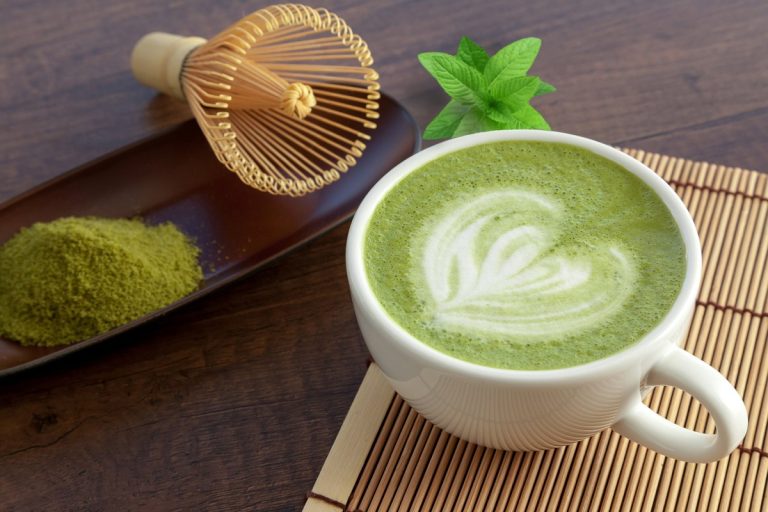
How To Clean A Matcha Whisk: Simple Steps To Keep Your Chasen Fresh
Keeping your matcha experience authentic and enjoyable relies not just on the quality of the tea but also on the tools you use. Among these, the bamboo whisk, or chasen, is essential for creating that smooth, frothy cup of matcha. Over time, residue from the tea can accumulate on the delicate tines, affecting both flavor and the lifespan of the whisk.
A proper cleaning routine helps maintain the whisk’s integrity and ensures that every cup of matcha tastes fresh. Understanding how to care for this delicate tool makes the ritual of preparing matcha more satisfying and hygienic.
Knowing how to clean a matcha whisk goes beyond just rinsing it with water. There are subtle techniques that prevent damage while keeping it free from old tea particles. Regular attention and the right approach can make a significant difference.
Mastering this simple practice contributes to a longer-lasting whisk and a consistently perfect cup of matcha, preserving both taste and tradition.
Immediate Cleaning After Use
Keeping your matcha whisk in top condition begins right after every use. Immediate cleaning is crucial to prevent tea residue from hardening and damaging the delicate bamboo tines. The longer residue sits, the harder it becomes to remove, which can impact both the whisk’s lifespan and the taste of your future matcha. By addressing cleaning straight away, you preserve the natural flexibility of the whisk while ensuring your matcha continues to froth perfectly. Developing a habit of prompt care also saves time and effort, making your tea ritual smoother and more enjoyable.
Rinsing Right After Preparing Matcha
The first step in immediate cleaning is a simple rinse. After pouring your matcha, gently shake off excess liquid and run warm water over the whisk. Avoid using soap at this stage, as it can leave a residue that alters the flavor of the tea.
Focus on separating the tines so that water reaches every part of the whisk, flushing away particles of matcha before they set. Using your fingers to carefully loosen any clumps is effective, but always handle the whisk gently to prevent bending or breaking the fine bamboo strands. This quick rinse ensures that most of the tea residue is removed without compromising the structure of the whisk.
Gentle Brushing Techniques
For stubborn matcha residue, a soft-bristled brush or a specialized bamboo whisk cleaning brush can help. Holding the whisk over a sink, brush lightly along the tines, starting from the base and moving outward. This method helps remove particles trapped between the closely packed strands.
Never apply excessive pressure, as this can break or warp the bamboo. Brushing immediately after use is more effective than waiting until the residue dries, which often requires soaking or more aggressive scrubbing that may shorten the whisk’s lifespan. A gentle, consistent approach keeps the whisk looking and performing like new.
Avoiding Prolonged Soaking
It may seem natural to soak a used whisk in water, but prolonged soaking can weaken the bamboo and cause it to split or crack. Immediate cleaning eliminates the need for long soaking, as the warm water rinse and light brushing remove most residue.
After rinsing, gently shake off excess water and place the whisk upright on a holder or lay it on a clean surface to air dry. Keeping the whisk upright allows water to drain fully, preventing mold growth and preserving the bamboo’s natural integrity. Avoid using the dishwasher or any harsh detergents during this process.
Quick Drying for Longevity
After rinsing and brushing, drying your whisk properly is key to maintaining its shape. Lightly pat the whisk with a clean, dry cloth to remove remaining moisture. Then, position it on a stand or lay it on a ventilated surface with the tines facing downward or sideways.
This ensures airflow around the bamboo, preventing warping or mold. Immediate cleaning combined with proper drying extends the life of your whisk and maintains the delicate texture needed for a perfect froth in every cup. Adopting this routine makes every matcha preparation easier, cleaner, and more enjoyable.
Deep Cleaning Techniques
Even with daily maintenance, matcha whisks can accumulate stubborn residue, discoloration, or slight odor over time. Deep cleaning is essential to restore the whisk’s natural shape, maintain its frothing ability, and ensure that old tea particles do not affect the flavor of future cups. Unlike immediate cleaning, deep cleaning focuses on loosening hardened residue, sanitizing the bamboo, and preserving its flexibility. Incorporating these techniques periodically protects your whisk from wear, extending its life. Whether your whisk is used daily or occasionally, mastering these methods helps maintain both hygiene and performance, allowing you to enjoy matcha that is consistently smooth and flavorful.
Using Warm Water Soaks Carefully
A warm water soak is one of the most effective methods for deep cleaning a matcha whisk. Fill a bowl with warm, not hot, water and submerge only the tines, keeping the handle dry to prevent cracking. Let the tines soak for five to ten minutes to loosen hardened matcha residue. After soaking, gently shake the whisk to dislodge loose particles and use a soft-bristled brush or your fingers to clean between the tines.
This gentle approach removes stubborn residue without damaging the delicate bamboo strands. Avoid prolonged soaking, as it can weaken the whisk. After cleaning, rinse thoroughly with warm water, shake off excess moisture, and place the whisk upright on a holder to air dry. Regular warm water soaks help maintain frothing performance while keeping the whisk free from buildup.
Baking Soda for Stubborn Stains
Baking soda provides a mild solution for tough stains and discoloration. Make a small paste using water and baking soda, then carefully apply it to the tines. Use a soft brush or your fingers to work the paste between the strands, focusing on stubborn areas. Baking soda acts as a gentle abrasive, lifting stains without damaging the bamboo.
Once scrubbed, rinse the whisk thoroughly under warm water to remove all paste residues. Shake off excess water and pat the whisk dry with a clean cloth before air drying upright. This method restores the whisk’s appearance and keeps it functional for smooth frothing. Using baking soda occasionally ensures the whisk remains clean, odor-free, and long-lasting.
Vinegar Rinse for Deep Cleaning
A vinegar rinse is highly effective for removing lingering stains, odors, and mineral deposits. Mix one part white vinegar with three parts water and briefly dip the tines, keeping the handle dry. Vinegar naturally cleans and sanitizes the bamboo without harsh chemicals. After dipping, rinse thoroughly with warm water to neutralize the vinegar taste.
Gently separate the tines with your fingers or a soft brush to ensure all residue is removed. Shake off excess water and allow the whisk to air dry upright on a ventilated surface. This method prevents mold and preserves the natural flexibility of the bamboo. Occasional vinegar rinses help maintain hygiene and ensure each cup of matcha tastes fresh and smooth.
Maintaining Shape During Cleaning
The shape of a whisk is crucial for creating perfect froth. During deep cleaning, avoid bending or forcing the tines, as this can reduce frothing effectiveness. After cleaning, gently reshape the tines with your fingers, ensuring even spacing and a natural curve.
Dry the whisk on a holder or ventilated surface to maintain its form and prevent moisture-related damage. Proper reshaping combined with careful cleaning extends the whisk’s lifespan and keeps it performing optimally. Maintaining the correct shape ensures smooth, frothy matcha with every preparation.
Drying and Storage Tips
Proper drying and storage are essential for maintaining the lifespan and performance of a matcha whisk. Bamboo is delicate and can warp, crack, or develop mold if not handled correctly after cleaning. By establishing good drying and storage practices, you ensure that the whisk remains hygienic, preserves its natural shape, and continues to produce smooth, frothy matcha. Attention to these simple details allows your bamboo whisk to last for years while keeping your tea experience consistent and enjoyable.
Air Drying Techniques
After cleaning, air drying is the safest method to protect your bamboo whisk. Shake off excess water gently, then position the whisk upright on a ventilated holder, allowing air to circulate around the tines. Avoid laying it flat, as trapped moisture can lead to mold growth or warping. A well-ventilated spot away from direct sunlight or heat sources is ideal, as excessive heat can dry the bamboo too quickly, causing cracks or splits.
Allowing the whisk to air dry thoroughly ensures that any remaining moisture evaporates completely. During drying, check that the tines retain their natural curve and are not clumping together. Occasionally, gently separate the tines with your fingers to maintain the whisk’s shape. Proper air drying prevents long-term damage and preserves the flexibility required for frothing matcha efficiently. By making air drying a regular habit, you extend the life of your whisk and ensure consistent performance in every cup.
Proper Storage Practices
Once fully dry, storing the whisk correctly is equally important. Keep it upright in a whisk holder or in a container that allows airflow around the tines. Avoid closed containers where humidity can accumulate, as this promotes mold growth. The storage area should be cool, dry, and away from sunlight or heat sources, which can weaken bamboo fibers over time.
Maintaining spacing between multiple whisks is helpful if you own more than one, preventing tines from bending or touching each other. Do not store the whisk with the tines resting on a flat surface, as prolonged contact can deform their shape. Routine inspection of stored whisks ensures they remain in optimal condition. Following these storage practices protects your bamboo whisk, keeps it ready for daily use, and preserves the quality of your matcha ritual for years.
Frequently Asked Questions
How Should You Clean A Matcha Whisk Immediately After Use?
After preparing matcha, rinse your whisk right away with warm water. This prevents tea residue from hardening on the delicate bamboo tines. Shake off excess water and gently separate the strands with your fingers to remove trapped particles.
Avoid using soap at this stage, as it can leave a residue that affects taste. For stubborn clumps, use a soft-bristled brush specifically designed for bamboo whisks. Immediate cleaning ensures your whisk maintains its shape, stays hygienic, and preserves the smooth froth you expect in every cup of matcha.
Can You Use Soap To Clean A Matcha Whisk?
Using soap on a matcha whisk is not recommended for regular cleaning. Bamboo easily absorbs flavors and residues, and soap can leave a lingering taste that alters your matcha. Instead, stick to warm water rinses and gentle brushing to remove particles.
Occasionally, for a deeper clean, mild natural cleaning solutions like baking soda or vinegar diluted with water can be used on the tines. Always rinse thoroughly afterward to remove any solution. Avoid harsh detergents or prolonged soaking, as these can damage the bamboo and reduce the whisk’s lifespan.
How Do You Remove Stubborn Matcha Residue?
For tough residue, a soft-bristled brush or your fingers can work after a short warm water soak. Submerge only the tines in water to prevent the handle from cracking, and let the residue soften for a few minutes before cleaning.
If residue persists, create a gentle paste with baking soda and water, then apply it carefully along the tines. Work the paste in with a brush and rinse thoroughly afterward. This method removes buildup without harming the bamboo, preserving the whisk’s flexibility and ensuring it continues to froth matcha effectively.
How Should You Dry A Matcha Whisk Properly?
Proper drying is key to prevent mold and maintain shape. After rinsing, shake off excess water and gently pat the whisk with a soft cloth. Avoid wringing or twisting the tines, as this can bend or break them.
Place the whisk upright on a whisk holder or a ventilated surface with tines facing down or sideways. Keep it away from direct sunlight and heat, which can warp or crack the bamboo. Air drying ensures moisture fully evaporates and keeps your whisk ready for consistent frothy matcha each time.
How Often Should You Deep Clean Your Matcha Whisk?
Even with immediate rinsing, periodic deep cleaning is important. For daily users, a deep clean every few weeks removes stains, odors, and mineral buildup that can affect taste and appearance.
Deep cleaning involves techniques like brief warm water soaks, baking soda paste, or mild vinegar rinses. Always avoid soaking the handle entirely, and rinse thoroughly afterward. Regular deep cleaning preserves the bamboo’s strength, keeps the whisk hygienic, and ensures each matcha preparation produces smooth, frothy tea with the authentic flavor you expect.
Can Improper Cleaning Damage A Matcha Whisk?
Yes, improper cleaning can significantly reduce the lifespan of a bamboo whisk. Neglecting immediate rinsing allows residue to harden, which can make removal difficult and cause tines to break.
Using harsh detergents, soaking the handle, or drying in direct sunlight can warp or crack the bamboo. Over time, these mistakes reduce flexibility, making it harder to froth matcha properly. By following proper cleaning and drying techniques, you protect the whisk’s delicate structure and maintain its performance, ensuring consistently smooth, flavorful matcha with every use.
Final Thoughts
Proper care and maintenance of your matcha whisk are essential to ensure every cup of matcha tastes fresh and smooth. Regular cleaning prevents residue buildup, preserves the delicate bamboo structure, and extends the lifespan of your whisk. Simple steps like rinsing immediately after use and gently tapping to remove excess matcha help maintain its performance.
Learning how to clean a matcha whisk correctly involves avoiding harsh soaps, hot water, or excessive bending, which can damage the fine tines. Deep cleaning with a soft brush and careful soaking for stubborn residue ensures your whisk remains hygienic and effective. Drying it thoroughly and storing it upright in a whisk holder prevents mold and keeps the bamboo in optimal condition.
By following these cleaning and maintenance tips, you can enjoy the perfect froth and flavor from your matcha every time. Proper care not only preserves your whisk but also enhances your overall matcha experience, making each cup more satisfying and consistent.