
Does Matcha Have More Caffeine Than Black Tea? Key Facts You Need To Know
Black tea has long been a staple for people seeking a reliable source of caffeine and a flavorful pick-me-up. Its bold taste and moderate caffeine content make it a popular choice in the morning or during work breaks. Lately, matcha has gained attention as an alternative green tea option, praised for its vibrant color, antioxidants, and unique preparation style.
The question naturally arises: does matcha have more caffeine than black tea, and how does this affect energy levels and focus? Matcha is made from powdered green tea leaves, which means you consume the whole leaf rather than just an infusion. This difference in preparation can significantly influence caffeine content, flavor intensity, and the overall effect on alertness.
Beyond caffeine, matcha offers L-theanine, an amino acid that promotes calm focus while maintaining energy, creating a different experience than the sharper stimulation of black tea.
Caffeine Comparison Between Matcha And Black Tea
Caffeine is one of the most important factors when choosing a tea for energy and focus. Matcha and black tea both provide caffeine, but the amounts and effects differ due to preparation, leaf quality, and chemical composition. Comparing the two helps determine which beverage is better suited for your energy needs and daily routine.
How Much Caffeine Is In Matcha
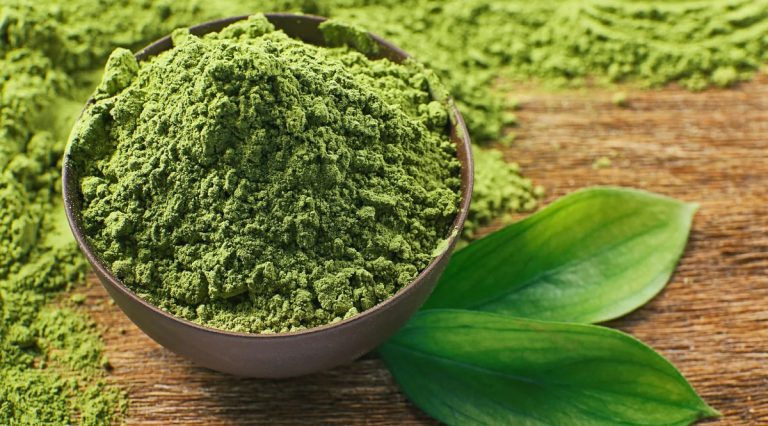
Matcha generally contains more caffeine per serving than traditional brewed black tea because you consume the entire powdered leaf. On average, one teaspoon of matcha powder, prepared with water or milk, contains around 60 to 80 milligrams of caffeine. Some ceremonial-grade matcha may even reach higher levels depending on leaf quality and origin.
The way matcha is prepared also influences its caffeine effect. Whisking the powder into water or milk allows full absorption of the caffeine along with L-theanine, an amino acid that promotes calm, focused energy. This combination produces a smooth, sustained alertness rather than a rapid spike, making it ideal for long work or study sessions.
Matcha’s powdered form also delivers additional antioxidants and polyphenols that support overall metabolism and may indirectly enhance energy levels. Because of this, even though caffeine content is higher than black tea, the overall effect feels more balanced and manageable for many people.
Caffeine Content In Black Tea
Black tea is made by steeping oxidized tea leaves in hot water, extracting caffeine into the liquid. A standard 8-ounce cup typically contains about 40 to 70 milligrams of caffeine, depending on the strength of the brew, leaf quality, and steeping time. This is generally lower than matcha’s powdered preparation, which uses the entire leaf.
The energy from black tea tends to feel sharper and quicker, as it lacks the buffering effects of L-theanine found in matcha. Many people experience a noticeable spike in alertness after drinking black tea, followed by a gradual decline. This makes black tea effective for short-term mental stimulation, but less ideal for sustained focus over several hours.
Additionally, black tea contains other compounds like tannins, which can slightly slow caffeine absorption, although the effect is minimal compared to matcha. The combination of moderate caffeine and tannins provides a steady but shorter-lived energy boost.
Differences In Energy Effects
One of the main differences between matcha and black tea lies in the quality of energy they provide. Matcha’s caffeine, paired with L-theanine, produces calm, sustained focus, while black tea delivers a more immediate alertness that can feel stronger initially but tapers off faster.
For people who want prolonged productivity without jitters, matcha may be the better choice. Black tea, on the other hand, works well for short bursts of energy or as a morning pick-me-up. The slower absorption and balanced effect of matcha reduce the likelihood of crashes, making it suitable for long work sessions or study periods.
The presence of antioxidants in matcha also supports metabolism and overall wellness, enhancing energy indirectly. Black tea contains antioxidants too, but the combination of caffeine and L-theanine in matcha creates a distinct advantage in sustained alertness.
Factors Affecting Caffeine Levels
Caffeine levels in both matcha and black tea vary depending on leaf quality, preparation method, and portion size. Higher-quality matcha powders typically contain more caffeine, while stronger black tea brews will extract more caffeine than lighter ones.
Steeping time in black tea also impacts caffeine content. Longer steeping releases more caffeine but can increase bitterness, which some may find less palatable. In matcha, adding more powder or using hotter water increases caffeine concentration while maintaining smooth flavor due to the powder’s full-leaf composition.
Individual tolerance also matters. People sensitive to caffeine may find black tea easier to handle in smaller servings, while matcha provides controlled stimulation with a smoother effect. Understanding these factors allows you to choose the right tea based on desired energy level, taste preference, and personal caffeine sensitivity.
Serving Size And Preparation Impact
The caffeine content and overall effect of matcha and black tea are strongly influenced by serving size and preparation methods. How much tea you use, the water temperature, and steeping or mixing technique can all change the concentration of caffeine and other compounds. Understanding these factors helps you achieve the desired energy boost and flavor while controlling stimulation.
Serving Size And Caffeine Concentration
Serving size directly affects caffeine levels in both matcha and black tea. In matcha, using more powder per cup increases caffeine content because you are consuming the entire tea leaf. A small teaspoon offers a moderate energy lift, while two teaspoons or larger servings provide a more robust boost.
For black tea, the amount of tea leaves steeped in water determines the caffeine extracted into the beverage. Using more leaves or a stronger portion results in higher caffeine content, while lighter brews contain less. Serving size also influences flavor intensity and antioxidant intake, so adjusting it allows you to tailor both taste and stimulation.
In addition, larger matcha servings amplify other compounds, including L-theanine and antioxidants, enhancing the smooth energy effect. Conversely, very small servings may reduce both flavor and the sustained alertness matcha is known for.
Water Temperature And Brewing Time
The temperature of the water used in preparation affects caffeine extraction and flavor. Hotter water extracts more caffeine from both matcha and black tea, increasing its stimulating effect. For matcha, water between 160°F to 175°F is ideal to preserve delicate flavors while maximizing caffeine and L-theanine absorption.
For black tea, boiling water typically extracts maximum caffeine, but steeping for too long can result in a bitter taste due to tannins. Shorter steeping times reduce caffeine but preserve a smoother flavor. Adjusting water temperature and steeping duration allows you to control both caffeine levels and taste profile.
Cold brewing matcha or black tea results in slower caffeine extraction, offering a smoother, milder energy boost. This method is preferred for people who want gentle stimulation without strong or immediate effects.
Mixing Techniques And Additives
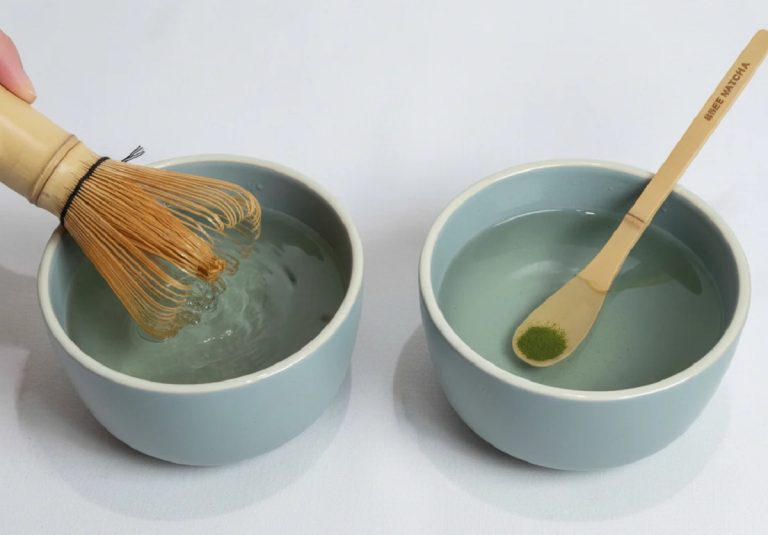
How you mix or prepare your tea also impacts caffeine absorption. In matcha, whisking powder thoroughly into water or milk ensures full dissolution and even caffeine delivery. Poor mixing can leave clumps, leading to inconsistent absorption and uneven energy levels.
Adding milk or milk alternatives can slightly slow caffeine absorption due to the fat content, producing a more gradual energy release. Sweeteners and flavorings do not change caffeine content but may influence how quickly the body processes the beverage, affecting perceived alertness.
In black tea, stirring during steeping ensures even extraction of caffeine and antioxidants. Using additives like milk or lemon can slightly modify absorption rates or flavor, creating a tailored experience. Paying attention to preparation methods ensures you get the intended caffeine effect while enjoying optimal taste.
Practical Tips For Managing Energy Levels
Adjusting serving size, water temperature, brewing time, and additives allows you to control the caffeine content and energy impact of your tea. Smaller servings or lighter brews are ideal for gentle alertness, while larger servings and hotter water produce stronger stimulation.
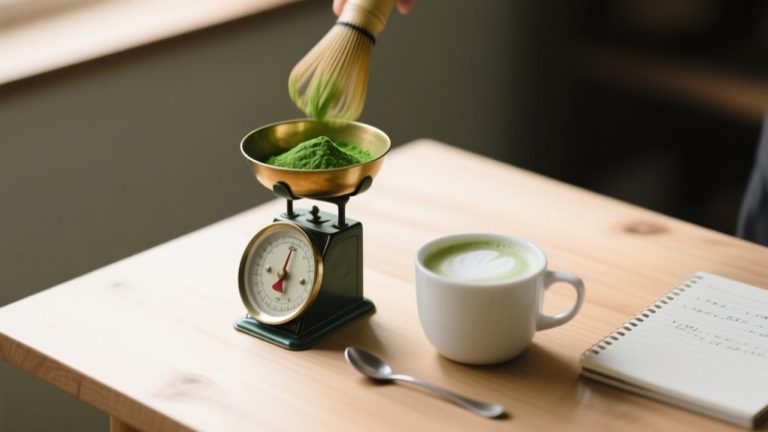
For matcha, precise measurement of powder and thorough mixing ensures smooth, sustained energy. Black tea benefits from monitoring steeping time and leaf quantity to avoid excessive bitterness or overstimulation. By experimenting with these variables, you can personalize your tea experience to suit your focus, energy needs, and daily routine.
Matcha’s Unique Energy Boost
Matcha provides a distinct type of energy that sets it apart from other caffeinated beverages like coffee or black tea. Its combination of caffeine, antioxidants, and L-theanine produces a smooth, sustained boost that enhances focus and alertness without the jitters or crashes commonly associated with coffee. Understanding how matcha delivers this unique energy can help you optimize its effects throughout your day.
Caffeine And L-Theanine Synergy
The primary factor behind matcha’s unique energy is the synergy between caffeine and L-theanine. While caffeine stimulates the central nervous system to increase alertness, L-theanine promotes relaxation and reduces stress. This combination allows you to feel awake and focused without the jitteriness or sudden spikes in energy that coffee often produces.
This balance is particularly beneficial for mental tasks requiring concentration, creativity, or problem-solving. Many people report enhanced clarity and a sense of calm productivity after consuming matcha. The energy is not abrupt but develops gradually, supporting sustained focus over several hours.
Additionally, the powdered form of matcha allows you to consume the entire tea leaf, providing consistent levels of caffeine and L-theanine in every serving. This contributes to a reliable energy boost that is smoother and longer-lasting than most other caffeinated beverages.
Sustained Mental Alertness
Unlike coffee, which can produce rapid spikes and subsequent crashes in alertness, matcha’s energy is steady. The gradual release of caffeine, moderated by L-theanine, helps maintain mental clarity over extended periods. This makes it ideal for work, study, or any activity requiring sustained cognitive performance.
Matcha also supports mood and cognitive function. The calming effect of L-theanine reduces anxiety that may accompany caffeine, allowing you to stay focused and productive without feeling overstimulated. Many users find that a cup of matcha enhances both their energy and their mental state simultaneously.
The consistent mental alertness provided by matcha is a key reason it has become a favorite among professionals, students, and creatives who need prolonged focus without the disruptive crashes associated with other caffeinated drinks.
Physical Energy Benefits
In addition to mental alertness, matcha contributes to physical energy. The moderate caffeine content gently stimulates the nervous system, increasing readiness and mild alertness in the body. Unlike coffee or energy drinks, matcha’s effect is smooth and does not cause sudden spikes in heart rate.
Matcha also contains antioxidants, particularly catechins, that support metabolism. This can contribute to a more efficient energy conversion in the body, allowing you to feel naturally energized. Many people notice improved stamina and overall vitality when incorporating matcha into their daily routine.
Because of its balanced stimulation, matcha is suitable for both sedentary and light physical activities. It provides enough energy to support movement or workouts while maintaining calm focus, making it versatile for various daily activities.
Tips To Maximize Matcha’s Energy Boost
To get the most from matcha’s unique energy, preparation and timing matter. Drinking matcha in the morning or early afternoon allows for optimal alertness without disrupting sleep patterns. Serving size should also be adjusted based on caffeine tolerance and desired energy intensity.
Using warm water or milk enhances absorption and creates a smooth, flavorful beverage. Whisking the powder thoroughly ensures even distribution of caffeine and L-theanine for consistent results. Avoiding excessive sweeteners or heavy creams helps maintain matcha’s natural energizing properties.
Regular, mindful consumption of matcha can create a reliable routine of balanced energy throughout the day. By combining the calming focus of L-theanine with moderate caffeine, matcha delivers a unique energy experience that supports mental clarity, physical vitality, and sustained productivity.
Health Implications Of Caffeine Differences
Caffeine levels in matcha and black tea differ, and these differences can have notable effects on health. While both beverages offer antioxidants and mild stimulation, the combination of caffeine content and other natural compounds determines how the body responds. Understanding these implications helps you make informed choices about energy, focus, and overall well-being.
Effects On Heart Rate And Blood Pressure
Higher caffeine intake, such as that from stronger matcha servings, can slightly elevate heart rate and blood pressure in sensitive individuals. Moderate caffeine from black tea usually produces a gentler effect, which may be better tolerated by people prone to heart palpitations or hypertension.
Matcha, despite its higher caffeine content, also contains L-theanine, which promotes calmness and helps counterbalance potential overstimulation. This makes its cardiovascular impact milder than equivalent amounts of caffeine from coffee. Drinking matcha in moderate servings ensures that energy benefits are gained without significant strain on the heart or circulatory system.
For individuals with existing heart conditions or high blood pressure, monitoring serving size and avoiding multiple high-caffeine servings throughout the day can prevent adverse effects while still benefiting from antioxidants and gentle stimulation.
Impact On Sleep And Mental Health
Caffeine differences between matcha and black tea can affect sleep quality and mental alertness. Higher caffeine in matcha may interfere with falling asleep if consumed late in the day, while black tea’s lower levels make it easier to consume without impacting rest.
However, matcha’s L-theanine helps mitigate anxiety and over-stimulation, supporting calm alertness even with moderate caffeine intake. It can enhance focus and mood during the day without producing jitteriness or mental crashes. Adjusting timing and serving size allows matcha to be incorporated safely without affecting nighttime sleep.
For people sensitive to caffeine, smaller servings or earlier consumption of matcha can provide energy benefits while minimizing disruption to circadian rhythms. Black tea offers a more forgiving option for those who want a milder stimulant effect.
Digestive And Metabolic Considerations
Caffeine differences also influence digestion and metabolism. Moderate caffeine in matcha can gently stimulate the digestive system and support fluid balance, while higher levels may cause mild gastrointestinal discomfort in sensitive individuals. Black tea typically has lower caffeine, which is gentler on the stomach but may provide a less pronounced metabolic boost.
Both beverages contain antioxidants that support metabolism, but the stronger caffeine in matcha can slightly increase calorie-burning potential and alertness. People with digestive sensitivity should start with smaller servings to assess tolerance, gradually adjusting as needed.
Frequently Asked Questions
Does Matcha Have More Caffeine Than Black Tea?
Yes, matcha generally contains more caffeine than black tea. This is because matcha is made from powdered whole tea leaves, while black tea is steeped and only extracts a portion of the caffeine from the leaves.
The caffeine in matcha is released gradually due to L-theanine, providing smooth, sustained energy without the sudden spikes and crashes often associated with black tea or coffee. This makes matcha ideal for prolonged focus, while black tea offers a shorter, sharper boost that may fade more quickly.
How Much Caffeine Is In Matcha Compared To Black Tea?
A standard serving of matcha contains approximately 60 to 80 milligrams of caffeine, while a typical cup of black tea ranges between 40 to 70 milligrams. The exact amounts can vary depending on leaf quality, serving size, and preparation method.
Because matcha uses the entire leaf, you naturally consume more caffeine per serving. Black tea’s steeping process extracts caffeine into water, resulting in a gentler, shorter-lived boost. This difference affects how energy and alertness are experienced throughout the day.
Why Does Matcha Feel Different From Black Tea?
Matcha feels different from black tea because of the combination of caffeine and L-theanine. L-theanine promotes relaxation and calm focus, which balances caffeine’s stimulating effects. Black tea lacks significant L-theanine, so its caffeine often produces a sharper, more immediate alertness.
This synergy in matcha provides sustained mental clarity and prevents jitters or energy crashes. Many people notice improved concentration, creativity, and calm energy when drinking matcha compared to the sometimes uneven stimulation from black tea.
Can Black Tea Be Stronger Than Matcha In Some Cases?
Yes, black tea can sometimes feel stronger if brewed for a longer time or with more tea leaves. Over-steeping increases caffeine extraction, which may temporarily provide a noticeable boost.
However, even in these cases, matcha typically delivers more caffeine per standard serving. Its powdered form ensures full consumption of the tea leaf and a balanced, sustained effect, unlike black tea, where caffeine absorption occurs faster but may fade more quickly.
How Does Serving Size Affect Caffeine Levels In Matcha And Black Tea?
Serving size directly impacts caffeine content in both matcha and black tea. Increasing matcha powder increases caffeine proportionally, while larger amounts of black tea leaves produce stronger brews.
Smaller servings of matcha offer gentle energy, while medium or large servings deliver a more pronounced boost. For black tea, shorter steeping and fewer leaves provide a lighter effect, while stronger brews increase caffeine but may also introduce bitterness. Adjusting serving size lets you control energy levels effectively.
Is Matcha Better For Sustained Energy Than Black Tea?
Yes, matcha is generally better for sustained energy. Its caffeine, combined with L-theanine, releases gradually into the bloodstream, providing calm, long-lasting alertness. Black tea’s caffeine tends to produce a quicker spike followed by a gradual decline, which may feel less consistent over time.
Matcha’s steady energy makes it ideal for work, study, or long periods of focus. Black tea works well for short bursts of alertness or as a quick morning pick-me-up, but it does not provide the same prolonged mental clarity that matcha offers.
Can Matcha Replace Black Tea For People Sensitive To Caffeine?
Yes, matcha can replace black tea even for those sensitive to caffeine, but serving size should be adjusted. Smaller matcha servings provide mild stimulation without causing jitters, thanks to L-theanine’s calming effect.
You can control caffeine intake by reducing powder quantity, using water or milk for dilution, and choosing earlier consumption times. While matcha generally contains more caffeine than black tea, its balanced release makes it manageable for many caffeine-sensitive individuals. Gradual adaptation can allow you to enjoy matcha’s benefits safely.
Final Thoughts
When comparing popular teas, understanding their caffeine content can help you choose the right drink for your energy needs. Matcha and black tea both offer caffeine, but the way they affect the body differs. Matcha’s powdered form means you consume the whole leaf, often resulting in higher caffeine levels per serving compared to black tea. This is a key point to consider if you are seeking a stronger but smoother boost of alertness.
The combination of caffeine and L-theanine in matcha promotes a more sustained and focused energy compared to the sometimes sharper spike from black tea. Knowing how does matcha have more caffeine than black tea impacts your daily routine can help you avoid jitters or energy crashes. Adjusting serving size and preparation methods also allows you to tailor your intake according to your sensitivity and preferences.
Overall, understanding does matcha have more caffeine than black tea empowers you to make informed choices about which tea best fits your lifestyle. Whether for morning focus, afternoon energy, or occasional indulgence, matcha and black tea each have unique benefits that can be enjoyed thoughtfully.