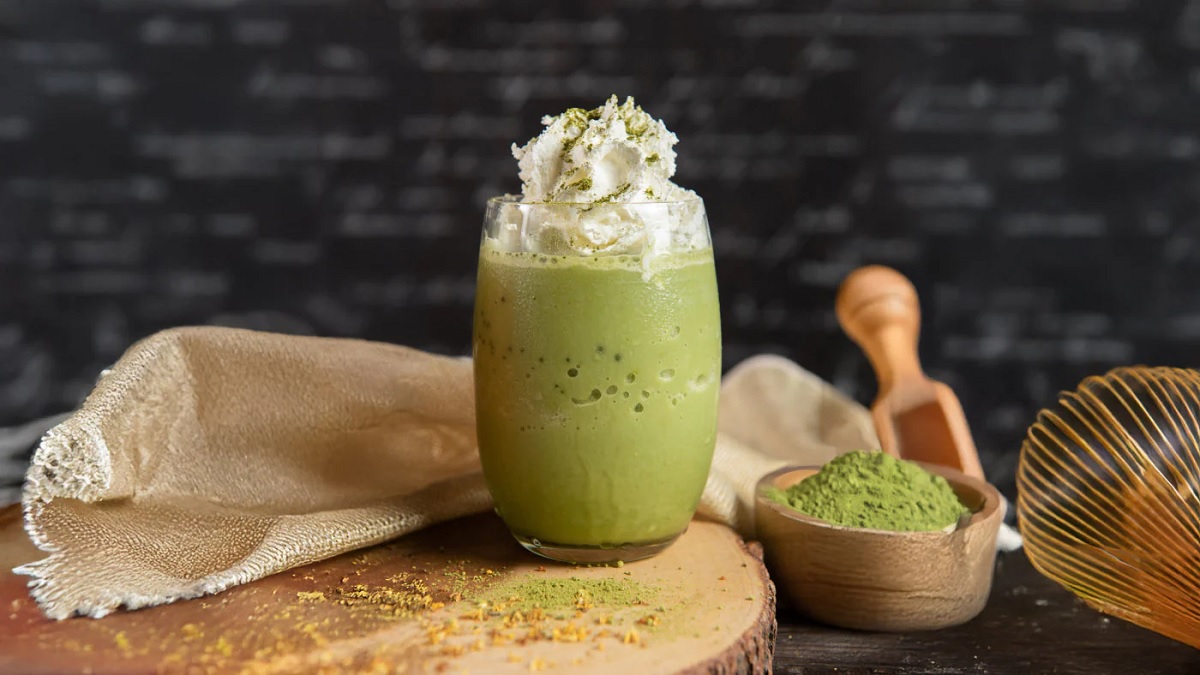
How To Make A Matcha Latte: Step-By-Step Guide For Creamy Green Tea Bliss
Creating a matcha latte at home has become a popular way to enjoy the rich, vibrant flavor of green tea in a creamy, comforting drink. The process combines finely powdered matcha with steamed milk or plant-based alternatives, producing a beverage that is both energizing and soothing. Learning the right techniques ensures you get a smooth, frothy latte with balanced taste.
Matcha lattes offer a perfect blend of sweetness, creaminess, and the signature umami flavor of high-quality matcha. Choosing the right type of matcha, along with proper water temperature and milk preparation, can elevate the drink from a simple latte to a café-quality experience.
For beginners, understanding the proper ratios of matcha to milk, as well as mixing techniques, is key to achieving a smooth texture without clumps. A well-prepared matcha latte highlights the vibrant green color, subtle sweetness, and creamy mouthfeel that makes this drink so appealing.
Experimenting with different milks, sweeteners, and even flavors like vanilla or cinnamon allows you to customize your latte to suit your personal taste. Mastering these basics ensures a consistently enjoyable matcha latte experience at home.
With attention to preparation, quality ingredients, and a few simple tools, you can create a matcha latte that rivals any café, offering both the energizing benefits of matcha and the indulgent pleasure of a creamy, flavorful beverage.
Ingredients Needed For A Matcha Latte
A matcha latte relies on a combination of high-quality ingredients to create its signature flavor, vibrant color, and creamy texture. Choosing the right components is essential for achieving a balanced and satisfying beverage. From matcha powder to milk and sweeteners, understanding each ingredient’s role helps you craft a latte that is both flavorful and smooth.
Matcha Powder
The foundation of any matcha latte is the matcha powder itself. Choosing high-quality matcha ensures vibrant color, rich umami flavor, and a smooth, frothy texture when mixed with milk. Ceremonial-grade matcha is ideal for pure, whisked drinks, but culinary-grade matcha works well in lattes because its slightly stronger flavor holds up to milk and sweeteners.
Freshness is important when selecting matcha. Look for powder with a bright green color and fine, silky texture, which indicates minimal oxidation and high quality. Proper storage in airtight containers away from light and heat preserves flavor and nutrients. Using good matcha powder transforms your latte into a rich, aromatic, and visually appealing drink.
Milk And Milk Alternatives
Milk is another essential ingredient in a matcha latte, providing creaminess and balancing the slightly bitter taste of the matcha. Dairy milk, such as whole or 2%, creates a smooth, rich latte, while plant-based alternatives like oat, almond, or soy milk offer different flavor profiles and textures.
Steaming or frothing the milk helps achieve a creamy consistency and creates a luxurious mouthfeel. Adjusting milk type and proportion allows you to customize the latte to your preference, whether you want a lighter beverage or a thicker, creamier texture. Choosing milk that complements matcha enhances both flavor and presentation.
Sweeteners And Flavor Enhancers
Many people add sweeteners to their matcha latte to balance the natural earthiness of the tea. Common options include sugar, honey, agave syrup, maple syrup, or flavored syrups. The type and amount of sweetener can significantly influence the final flavor, so experimentation may be necessary to find the perfect balance.
Additional flavor enhancers like vanilla extract, cinnamon, or nutmeg can elevate your matcha latte and create unique variations. These subtle additions enhance the natural umami of matcha without overpowering it. Adjusting sweeteners and flavorings allows you to tailor the drink to your taste and make your latte more enjoyable.
Optional Ingredients And Toppings
Optional ingredients and toppings can add texture, visual appeal, and a touch of indulgence to your matcha latte. Whipped cream, chocolate shavings, or a sprinkle of cinnamon or matcha powder on top can transform a simple latte into a café-quality drink.
Other enhancements, such as collagen powder, protein powder, or adaptogens, can also be added for health benefits. These additions allow you to create a functional beverage that supports energy, focus, or wellness goals while maintaining the creamy texture and flavor that make matcha lattes so popular.
Importance Of Quality And Freshness
The quality and freshness of each ingredient play a critical role in the overall flavor of your matcha latte. Fresh matcha powder, high-quality milk or milk alternatives, and carefully chosen sweeteners create a balanced and flavorful drink. Paying attention to freshness and sourcing ensures that the natural umami, creaminess, and vibrant color of matcha are fully highlighted.
Combining the right matcha, milk, and sweeteners forms the foundation of a delicious latte. Understanding the role of each ingredient allows you to customize your beverage and consistently achieve a satisfying, aromatic, and visually appealing matcha latte every time.
Frothing Milk For The Latte
Frothing milk is a crucial step in creating a creamy, smooth, and visually appealing matcha latte. Properly frothed milk balances the slightly bitter taste of matcha while enhancing texture and mouthfeel. Whether using dairy or plant-based alternatives, mastering milk frothing elevates the latte experience, giving it that café-quality creaminess and a rich, velvety finish.
Choosing The Right Milk
The type of milk you choose significantly affects froth quality and flavor. Whole dairy milk produces rich, creamy foam that complements the earthy flavor of matcha. Lower-fat milk or skim milk can create lighter froth but may lack the same smooth texture.
Plant-based alternatives like oat, almond, or soy milk are popular for those avoiding dairy. Oat milk tends to froth well and adds natural sweetness, while almond and soy milk can produce thinner foam. Choosing the right milk or alternative allows you to control the creaminess and flavor profile of your matcha latte. Understanding milk properties ensures a smooth and balanced beverage.
Frothing Techniques
Frothing milk involves incorporating air to create light, creamy foam. Traditional steam wands, handheld frothers, and electric milk frothers are common tools for this purpose. Using a steam wand requires holding the tip just below the milk’s surface to produce fine bubbles without scalding.
For handheld or electric frothers, immerse the frother slightly and move it slowly to create even froth. Avoid overheating milk, as excessive heat can alter taste and texture. Proper frothing produces a velvety, airy foam that enhances the latte’s texture while maintaining the balance of matcha flavor.
Incorporating Froth Into The Latte
After frothing, slowly pour the milk into the prepared matcha. Holding back some foam with a spoon allows for precise layering, giving the latte a creamy base with a frothy top. Gently stir or tilt the cup to achieve even distribution and a smooth blend.
For a visually appealing latte, spoon the remaining foam on top and create latte art if desired. Proper incorporation ensures the drink has a balanced texture, smooth consistency, and visually attractive appearance, making it both enjoyable to taste and aesthetically pleasing.
Preparing The Matcha
Preparing matcha correctly is essential to achieve a smooth, frothy, and flavorful latte. The process involves sifting, measuring, and whisking the powder to prevent clumps and ensure even distribution. Proper preparation highlights the vibrant green color, enhances aroma, and brings out the signature umami flavor. Taking care during these steps creates a solid foundation for a high-quality matcha latte experience.
Measuring And Sifting The Matcha
Accurate measurement of matcha is the first step in preparation. Typically, one to two teaspoons of matcha powder are used per serving, depending on desired strength. Using the correct amount ensures a balanced flavor that is not too bitter or overpowering.
Sifting the matcha powder before adding liquid is equally important. Fine-mesh sieves or sifters help break up clumps and create a smoother consistency. Clump-free matcha mixes more easily with water or milk, reducing the need for vigorous whisking and preventing a gritty texture in the final latte. This step is especially important for culinary-grade powders, which tend to be slightly coarser than ceremonial-grade matcha.
By carefully measuring and sifting matcha, you set the stage for a perfectly smooth and vibrant latte that highlights the natural color and flavor of the tea.
Choosing The Right Water Temperature
Water temperature plays a critical role in developing the flavor of matcha. Hot water that is too warm can make the tea taste bitter, while water that is too cool may not dissolve the powder properly. Ideal temperature ranges from 160°F to 175°F (70°C to 80°C).
Using water at the right temperature ensures that the umami and natural sweetness of the matcha are preserved. Too-hot water can destroy delicate compounds and create a harsh, astringent taste. Pouring a small amount of hot water over the sifted powder before whisking allows the matcha to bloom, releasing aroma and flavor for a more balanced beverage.
Proper water temperature combined with careful whisking ensures a smooth, frothy consistency and a rich, vibrant green color that makes the latte visually appealing and flavorful.
Whisking Techniques For Smooth Texture
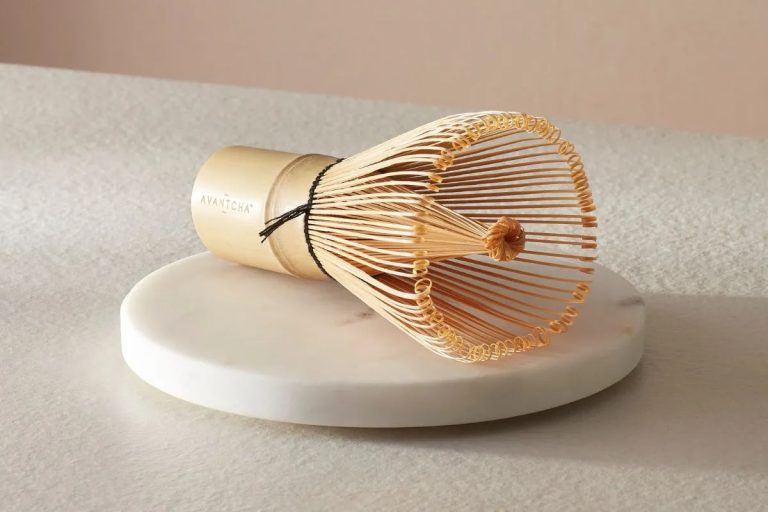
Whisking is key to achieving the signature frothy texture of matcha. Traditional bamboo whisks, known as chasen, are ideal for creating fine bubbles and evenly mixing the powder with water or milk. Whisking in a gentle zigzag motion, rather than circular, helps incorporate air and prevent clumping.
For those without a bamboo whisk, alternatives like small electric frothers or milk frothing wands can also produce a creamy, well-mixed beverage. The goal is to achieve a light froth on the surface while ensuring all powder is dissolved and fully integrated. Proper whisking enhances the mouthfeel, making the latte smooth and enjoyable.
Consistency in whisking technique ensures the matcha flavor is evenly distributed throughout the latte. Over-whisking or under-whisking can affect texture and taste, so practice and patience are important for a perfectly prepared drink.
Combining Matcha With Milk
Once the matcha is properly prepared, it’s combined with milk or milk alternatives to create a latte. Steamed milk adds creaminess and balances the slightly bitter notes of matcha. Plant-based alternatives like oat, almond, or soy milk can provide different flavors and textures to suit personal preferences.
Pouring the milk slowly into the whisked matcha while stirring gently helps maintain a smooth texture. Frothing the milk before adding it enhances the latte with a creamy, velvety consistency. Sweeteners or flavorings, such as honey or vanilla, can be incorporated at this stage for added depth.
Proper integration of matcha and milk ensures a well-balanced, aromatic beverage with rich flavor and vibrant color. The combination highlights the natural sweetness and umami of the tea while delivering the creamy satisfaction expected from a latte.
Combining Matcha And Milk
Combining matcha and milk is a key step in creating a smooth, creamy latte with balanced flavor. The right integration highlights the natural sweetness and umami of matcha while softening its slightly bitter notes. Understanding the process ensures that your latte has a consistent texture, vibrant color, and satisfying taste that mirrors a café-quality beverage.
Choosing The Right Milk
Selecting the right milk or milk alternative is essential for flavor and texture. Whole dairy milk creates a rich, velvety consistency that complements the earthy taste of matcha, while low-fat milk provides a lighter option with slightly less creaminess.
Plant-based alternatives such as oat, almond, soy, or coconut milk offer different flavors and textures. Oat milk produces a naturally sweet, smooth latte, while almond milk adds a nutty note, and soy milk offers a subtle, creamy finish. The choice of milk influences the overall mouthfeel and taste, allowing you to customize your latte according to personal preference.
Proper Pouring Techniques
When combining matcha and milk, pouring technique is critical to maintaining a smooth, clump-free latte. Slowly add the steamed milk to the whisked matcha while stirring gently to ensure even distribution. This prevents separation and creates a uniform blend of flavors.
For an aesthetically pleasing latte, hold back some foam with a spoon and layer it on top after pouring. Gentle swirling or tilting of the cup helps mix the milk and matcha without disturbing the froth too much. Proper pouring preserves both texture and visual appeal, ensuring a creamy and well-balanced drink.
Adjusting Ratios For Taste
The ratio of matcha to milk affects flavor intensity and sweetness. More matcha results in a stronger, earthier flavor, while a higher proportion of milk produces a lighter, creamier latte. Adjusting the ratio allows you to tailor your drink to your taste preferences.
Experimenting with small changes in volume or concentration can enhance the drink’s balance. Sweeteners or flavorings like honey, vanilla, or cinnamon can also be added at this stage to complement the natural umami of matcha and create a latte that is both flavorful and aromatic.
Maintaining Texture And Temperature
Maintaining the correct temperature while combining matcha and milk ensures optimal flavor. Milk should be warm but not scalding, preserving its sweetness and creaminess. Stir gently to prevent clumping while keeping froth light and airy.
A smooth blend of matcha and milk results in a visually appealing latte with vibrant green color and creamy foam. Attention to pouring, ratios, and temperature ensures each sip delivers the perfect balance of matcha flavor and milk creaminess, creating a satisfying and indulgent beverage.
Iced Matcha Latte Preparation
Iced matcha lattes are a refreshing way to enjoy the vibrant flavor of matcha, especially during warm weather. Preparing an iced version requires attention to dissolving the powder properly, balancing sweetness, and combining it with chilled milk. Following the right steps ensures a smooth, flavorful, and visually appealing beverage with vibrant green color and creamy texture.
Dissolving The Matcha Powder
Properly dissolving matcha powder is crucial for an iced latte to avoid clumps and gritty texture. Start by sifting one to two teaspoons of matcha into a bowl or shaker. Adding a small amount of room-temperature or slightly warm water helps the powder dissolve more easily.
Use a bamboo whisk, frother, or even a small jar with a lid to vigorously shake the matcha until smooth and fully dissolved. Unlike hot lattes, the cold liquid in iced matcha lattes cannot break down clumps, so thorough mixing at this stage is essential. Properly dissolved matcha creates a smooth base for the latte and ensures even flavor distribution when combined with milk and ice.
Choosing Milk And Sweeteners
Selecting the right milk is important for achieving a creamy iced matcha latte. Dairy milk provides rich texture, while plant-based alternatives such as oat, almond, or soy milk offer natural sweetness and varying thickness. Cold milk should be used for a refreshing taste, and frothing is optional since the ice will slightly dilute texture.
Sweeteners like honey, agave syrup, or simple syrup can be added to enhance flavor. Dissolving the sweetener in a small amount of warm water or the matcha itself ensures it blends evenly without leaving residue. Adjusting sweetness to your preference allows for a perfectly balanced iced latte that complements matcha’s natural earthiness.
Combining Matcha, Milk, And Ice
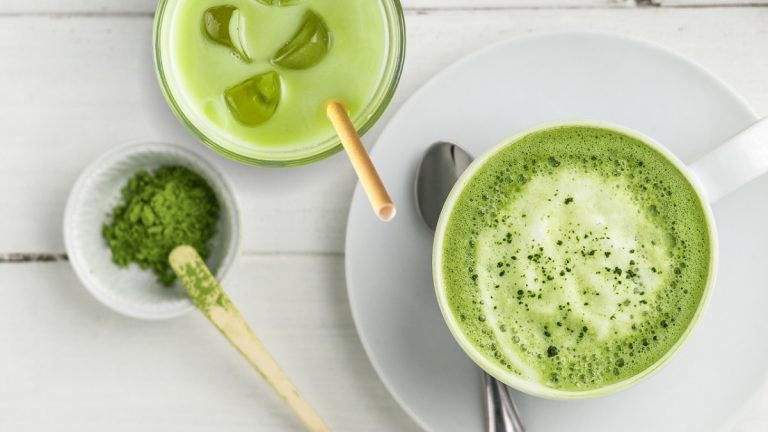
Once the matcha is fully dissolved, it’s time to assemble the iced latte. Fill a glass with ice, pour in the prepared matcha, and slowly add chilled milk. Pouring gently helps maintain separation between matcha and milk if a layered visual effect is desired.
Stirring after pouring blends the ingredients evenly for a consistent flavor throughout the drink. Optional toppings, like a small layer of foam or a sprinkle of matcha powder, enhance both presentation and taste. Careful assembly ensures the iced latte is refreshing, flavorful, and visually appealing.
Tips For Enhancing Flavor And Presentation
Adding flavor enhancers like vanilla, cinnamon, or a hint of citrus can elevate an iced matcha latte. For a richer texture, consider using half-and-half or blending the drink for a creamier consistency.
Presentation also matters; serving in a clear glass highlights the vibrant green color of the matcha and the layered effect when milk is poured over. Using fresh, high-quality matcha and cold ingredients ensures a crisp, flavorful beverage that is both refreshing and satisfying.
Flavor Variations And Add-Ins
Enhancing your matcha latte with flavor variations and add-ins is a great way to personalize the drink and explore new taste profiles. From sweeteners and syrups to spices and alternative milks, these additions allow you to create a latte that suits your preferences. Understanding which flavors complement matcha ensures a balanced, aromatic, and indulgent beverage every time.
Sweeteners And Syrups
Sweeteners are a popular way to balance the natural earthiness and slight bitterness of matcha. Common options include sugar, honey, agave syrup, maple syrup, or flavored syrups like vanilla, caramel, or hazelnut. These can be added to hot or iced lattes to enhance sweetness and depth.
Liquid sweeteners dissolve more easily, blending smoothly with matcha and milk. Powdered sugar or other dry sweeteners can be sifted with matcha to prevent clumping. Adjusting the amount of sweetener allows you to create a perfectly balanced latte, whether you prefer a subtle touch of sweetness or a more indulgent treat. Properly incorporating sweeteners ensures that the natural umami of matcha is complemented rather than overpowered.
Spices And Flavor Enhancers
Spices add warmth and complexity to matcha lattes. Cinnamon, nutmeg, cardamom, or even a pinch of ginger can create a unique twist on the classic drink. These spices pair naturally with the grassy, slightly bitter notes of matcha, enhancing its flavor without overwhelming it.
Adding a small amount during milk steaming or frothing allows the flavors to infuse gently. Vanilla extract or almond extract can also be incorporated for subtle sweetness and aroma. Experimenting with spices and flavor extracts provides opportunities to craft signature drinks that highlight both creativity and balance, making every latte a personalized experience.
Alternative Milks And Creams
Choosing different types of milk or creamers opens up flavor possibilities. Oat milk offers a naturally sweet, creamy texture, while almond milk adds a mild nutty undertone. Coconut milk can bring tropical notes, and soy milk provides a smooth, neutral base.
Some baristas also experiment with half-and-half or flavored creamers for richer, indulgent lattes. The type of milk not only affects flavor but also influences froth quality and mouthfeel. Selecting the right milk or combination enhances the overall experience and allows you to explore diverse textures and tastes with each latte.
Toppings And Garnishes
Toppings can elevate both flavor and visual appeal. A sprinkle of matcha powder, cacao nibs, chocolate shavings, or cinnamon on top adds subtle taste contrasts and enhances presentation. Whipped cream, foam designs, or a drizzle of syrup creates a luxurious touch.
Garnishes also provide sensory cues, engaging sight and aroma before the first sip. These small additions allow you to make your matcha latte feel special and cafe-quality at home. Experimenting with various toppings can make each latte unique while complementing the natural flavors of matcha.
Combining Add-Ins Thoughtfully
When adding flavors and variations, balance is key. Too many sweeteners, spices, or alternative milks can overpower matcha’s natural umami and vibrant green color. Introduce one or two enhancements at a time to ensure the final drink is harmonious and enjoyable.
Thoughtful combinations, such as vanilla with oat milk or cinnamon with honey, highlight matcha’s grassy, slightly bitter profile while creating depth and complexity. By experimenting carefully, you can create signature drinks that reflect personal taste preferences while maintaining the authentic flavor of matcha.
Frequently Asked Questions
What Is The Best Type Of Matcha For A Latte?
The best matcha for a latte depends on your taste preference and desired use. Ceremonial-grade matcha offers a smoother, sweeter flavor ideal for traditional tea preparation, but it can be expensive for daily lattes. Culinary-grade matcha is slightly stronger and more robust, making it perfect for lattes, smoothies, and recipes.
Using high-quality matcha ensures vibrant green color, fine texture, and rich umami taste. Freshness is also crucial, as older matcha can taste bitter or stale. Choosing the right grade guarantees a creamy, flavorful latte every time.
How Much Matcha Should I Use For One Latte?
Typically, one to two teaspoons of matcha powder are sufficient for a single latte, depending on your preferred strength. Using too little may result in a weak flavor, while too much can make the latte overly bitter.
Measuring accurately ensures a balanced taste that complements the milk and sweeteners. Sifting the powder before adding liquid also prevents clumps, creating a smooth, frothy latte. Adjusting quantity allows you to tailor flavor intensity to your personal preference while maintaining a creamy, enjoyable texture.
What Type Of Milk Works Best In A Matcha Latte?
Whole dairy milk is a popular choice because it creates a rich, creamy texture that complements the grassy flavor of matcha. Low-fat or skim milk produces a lighter latte but may lack creaminess.
Plant-based alternatives like oat, almond, soy, or coconut milk offer different flavors and textures. Oat milk is naturally sweet and froths well, while almond milk adds a nutty note, and coconut milk introduces a tropical flavor. Selecting milk based on taste preference and frothing capability ensures a smooth, flavorful latte.
Can I Make A Matcha Latte Iced?
Yes, iced matcha lattes are a refreshing variation. The matcha powder must be thoroughly dissolved in a small amount of water before adding cold milk and ice to prevent clumping.
Sweeteners like honey or syrup can be incorporated into the dissolved matcha for even flavor. Pouring milk slowly over ice and gently stirring ensures a balanced, smooth latte. Iced matcha lattes are a vibrant, creamy option, perfect for warm weather or when you prefer a chilled, energizing beverage.
How Do I Froth Milk Without A Steam Wand?
You can froth milk without a steam wand using a handheld frother, electric frothing wand, or even a mason jar with a tight lid. Pour warm milk into the frother or jar, and whisk or shake vigorously until creamy foam forms.
For jar frothing, fill the container halfway to allow milk expansion. Frothing milk creates a velvety texture and enhances the latte’s mouthfeel. Properly frothed milk integrates well with matcha, giving a smooth, café-quality beverage without specialized equipment.
How Can I Prevent Clumps In My Matcha Latte?
Preventing clumps starts with sifting your matcha powder before adding any liquid. This ensures fine particles mix evenly with water or milk. Using a small amount of warm water to create a smooth paste before combining with milk also helps.
Whisking in a zigzag motion with a bamboo whisk, frother, or fork incorporates air and distributes powder evenly. Proper preparation, careful pouring, and gentle stirring guarantee a smooth, creamy latte with vibrant color and consistent flavor in every sip.
Can I Add Flavors To My Matcha Latte?
Yes, you can enhance your latte with flavors and add-ins. Vanilla extract, cinnamon, nutmeg, or flavored syrups complement matcha’s natural earthiness. Sweeteners like honey, agave, or maple syrup also balance the slightly bitter taste.
Plant-based milks or creamers can introduce subtle flavor variations, while toppings like whipped cream or a sprinkle of matcha powder elevate presentation. Combining flavors thoughtfully ensures the latte remains balanced, smooth, and aromatic while allowing you to personalize the drink according to taste preferences.
Final Thoughts
Creating a delicious matcha latte at home is all about balancing flavor, texture, and presentation. Using high-quality matcha powder, properly frothed milk, and your preferred sweeteners ensures a creamy, smooth drink that rivals café versions. Paying attention to small details like sifting matcha and blooming the whisk helps avoid clumps and brings out the vibrant green color and earthy taste.
For anyone wondering how to make a matcha latte, the process can be simple once you understand the steps. Start by preparing the matcha base with a small amount of hot water, whisking until smooth and frothy. Then, carefully froth or steam your milk to the desired creaminess and combine it with the matcha, adjusting sweetness and proportions to taste.
Experimenting with variations like iced lattes, flavored syrups, or alternative milks adds versatility to your matcha experience. With practice, you can consistently make a café-quality matcha latte at home, enjoying its rich flavor and health benefits anytime.