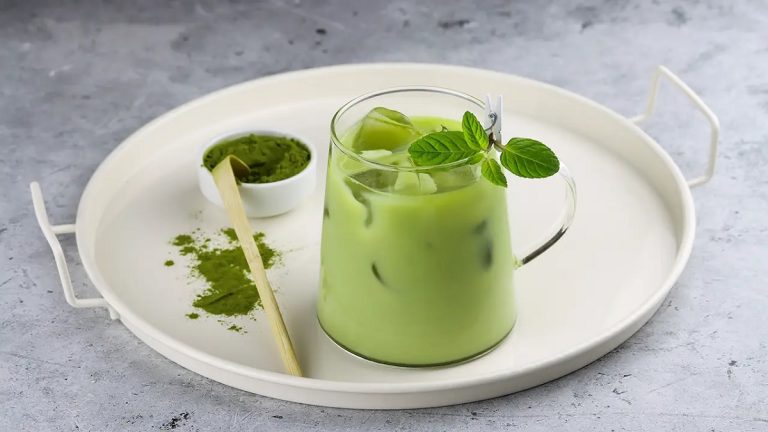

How Much Caffeine in Matcha? Levels, Factors, and Health Tips
Matcha has gained global popularity not only for its vibrant green color and rich flavor but also for its unique stimulating effects. Unlike regular green tea, matcha involves consuming the entire leaf in powdered form, which influences the way caffeine interacts with your body. Understanding the amount of caffeine in matcha can help you enjoy it mindfully, whether for an energy boost, focus, or relaxation.
The caffeine content in matcha can vary depending on the grade, preparation method, and serving size. Ceremonial-grade matcha, used in traditional tea ceremonies, often contains a different caffeine concentration compared to culinary-grade matcha, which is commonly used in lattes and smoothies. The way you whisk or blend matcha also affects how much caffeine you actually consume.
Exploring [How Much Caffeine in Matcha?] gives you insight into how this tea can fit into your daily routine. Knowing the caffeine levels allows you to balance alertness, energy, and relaxation throughout the day.
This awareness is particularly helpful for those sensitive to caffeine or managing intake for health reasons. By understanding the caffeine content, you can enjoy matcha safely and effectively, making it a versatile addition to your diet.
It also highlights the difference between matcha and other caffeinated beverages like coffee or black tea. With the right information, you can enjoy matcha for its gentle, sustained energy without unwanted jitters or crashes.
Average Caffeine Content in Matcha
Understanding the average caffeine content in matcha is key for managing your energy levels and making informed decisions about daily consumption. Matcha is unique compared to other teas because the entire leaf is ingested, which naturally increases the amount of caffeine per serving. Knowing the typical caffeine range helps you enjoy matcha safely, whether for an energizing morning boost, focus during work, or a calm, mindful tea ritual.
Caffeine in Ceremonial-Grade Matcha
Ceremonial-grade matcha, often used in traditional Japanese tea ceremonies, contains a moderate amount of caffeine, typically ranging from 60 to 80 milligrams per serving. The caffeine is balanced by high levels of L-theanine, an amino acid that promotes relaxation and focus, which can soften the stimulating effects of the caffeine.
A standard serving is usually about 1 gram of matcha powder whisked with hot water. Despite the smaller quantity compared to lattes or smoothies, ceremonial matcha delivers a smooth and sustained energy boost without the jitters often associated with coffee. The bright green color and delicate flavor are also indicators of high-quality, nutrient-rich leaves, which naturally contribute to caffeine levels.
For daily consumption, ceremonial matcha allows you to enjoy a mindful energy lift while benefiting from antioxidants, chlorophyll, and other compounds. This makes it ideal for those seeking both mental clarity and a gentle caffeine experience.
Caffeine in Culinary-Grade Matcha
Culinary-grade matcha, used in lattes, smoothies, and desserts, generally contains slightly higher caffeine per serving due to larger amounts of powder used in recipes. A typical serving can range from 70 to 120 milligrams of caffeine, depending on the portion size and preparation method.
Culinary matcha is more robust in flavor and slightly more bitter than ceremonial grade, but the higher caffeine content makes it popular for energy-boosting beverages. Using larger scoops or blending it with milk or plant-based alternatives may dilute the taste but does not significantly reduce caffeine intake.
For those seeking an energizing drink that doubles as a dessert or latte, culinary matcha provides a convenient way to consume caffeine alongside creamy textures and added flavors. It’s also suitable for recipes where matcha is combined with sweeteners, enhancing palatability while still delivering a moderate boost.
Factors Affecting Matcha’s Caffeine Content
Several factors influence the caffeine content in matcha, including leaf quality, growing conditions, shading, and harvest timing. Young, tender leaves from the first harvest generally contain higher levels of caffeine and L-theanine, while later harvests may be slightly lower in caffeine.
Preparation method also plays a role. Whisking matcha thoroughly allows more powder to dissolve in water, increasing caffeine intake per serving. Likewise, larger servings, like matcha lattes, naturally contain more caffeine than a traditional tea bowl. Understanding these variables ensures you can control caffeine levels based on your personal tolerance and desired effects.
Environmental factors, including soil quality and sunlight exposure, also impact leaf composition, subtly affecting caffeine concentration. Knowing the origin and grade of your matcha can help you anticipate how stimulating your drink will be.
Comparing Matcha Caffeine With Coffee and Tea
Matcha provides a unique caffeine experience compared to coffee or other teas. A standard serving of ceremonial matcha contains 60–80 milligrams, while a cup of coffee typically ranges from 90–120 milligrams. Culinary matcha can approach coffee levels, especially in larger latte servings.
Unlike coffee, the presence of L-theanine in matcha promotes calm focus, reducing the likelihood of jitters or sudden energy crashes. This combination allows for sustained alertness and mental clarity over several hours, making matcha a gentler alternative to traditional caffeinated beverages.
Matcha’s caffeine profile makes it versatile for different lifestyles. You can enjoy it as a calm, focused morning drink, an afternoon pick-me-up, or a flavorful addition to smoothies and desserts while still benefiting from antioxidants and natural nutrients.
Factors That Influence Caffeine Levels
The caffeine content in matcha is not fixed; it can vary significantly depending on several factors. From the grade and harvest time to preparation techniques and environmental conditions, each variable influences how much caffeine ends up in your cup. Understanding these factors helps you enjoy matcha safely and tailor your intake for energy, focus, or relaxation.
Matcha Grade and Leaf Quality
The grade of matcha significantly impacts its caffeine levels. Ceremonial-grade matcha, made from young, tender leaves of the first harvest, tends to have higher caffeine and L-theanine content. These young leaves are carefully shaded before harvest, which increases chlorophyll and amino acid levels, including L-theanine, naturally moderating caffeine’s stimulating effects.
Culinary-grade matcha, often made from older leaves or later harvests, may have slightly less caffeine per gram but is typically used in larger quantities in lattes or desserts, increasing overall caffeine intake. Leaf quality also affects flavor; higher-grade leaves offer a smoother taste with vibrant green color, indicating robust nutrient and caffeine levels.
By understanding the grade and leaf quality of your matcha, you can anticipate both flavor and caffeine intensity. Ceremonial-grade matcha provides a gentle, focused energy boost, while culinary-grade matcha can deliver more pronounced stimulation when used in larger servings.
Harvest Timing and Growing Conditions
The time of harvest plays a crucial role in caffeine concentration. Early spring leaves, often referred to as the first flush, contain higher levels of caffeine and L-theanine because of optimal growing conditions and shading techniques. Later harvests tend to produce leaves with slightly lower caffeine but can still be effective when used in larger quantities.
Environmental factors such as sunlight exposure, soil nutrients, and rainfall also influence caffeine levels. Leaves grown under controlled shading, commonly used for high-quality matcha, accumulate more caffeine and chlorophyll. Conversely, leaves exposed to direct sunlight without shading may produce a stronger, more bitter flavor with slightly lower caffeine content.
Understanding harvest timing and growing conditions allows matcha drinkers to select leaves that provide the desired balance of flavor, caffeine, and focus. First-harvest leaves deliver smooth, potent matcha, while later harvests may suit blended beverages or culinary uses.
Preparation Method and Serving Size
How you prepare matcha also affects the caffeine you consume. Whisking matcha thoroughly ensures that more powder dissolves in water, increasing the effective caffeine per cup. Larger servings, such as matcha lattes, naturally contain more caffeine than the smaller amounts used in traditional tea bowls.
Water temperature and steeping technique can influence caffeine extraction. Hotter water may extract more caffeine quickly, while cold-brew or iced matcha methods result in slightly lower caffeine per volume but can still be potent if larger amounts of powder are used.
Serving size is another critical factor. One gram of ceremonial-grade matcha provides a moderate caffeine boost, but a latte using two to three grams significantly increases intake. Adjusting preparation method and portion allows you to customize your energy levels while maintaining flavor and aroma.
Storage and Freshness
Storage conditions impact caffeine levels indirectly by affecting leaf quality. Exposure to air, light, or moisture can degrade matcha, reducing the effectiveness of both its flavor and naturally occurring compounds, including caffeine.
Proper storage in airtight, opaque containers away from heat and humidity helps preserve caffeine and L-theanine content. Fresh matcha from reputable sources typically delivers a more consistent and potent caffeine experience, while older or improperly stored powder may taste stale and provide a less noticeable energy boost.
Being mindful of freshness ensures that each serving maintains both flavor integrity and caffeine content, giving you a reliable and enjoyable matcha experience.
How Preparation Methods Affect Caffeine
The way you prepare matcha can significantly influence the amount of caffeine in your cup. From water temperature to serving size and blending techniques, each method impacts extraction and absorption of caffeine. Understanding these differences allows you to customize your matcha for a gentle energy boost, sustained focus, or a stronger stimulating effect, depending on your needs and preferences.
Traditional Whisking Method
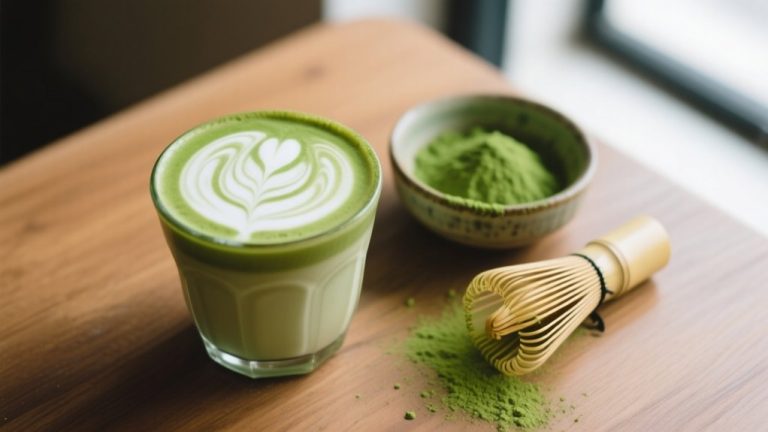
The traditional method of preparing matcha involves whisking the powder with hot water using a bamboo whisk, or chasen. This technique ensures the matcha powder is fully suspended in water, allowing maximum release of caffeine and other active compounds. The standard serving of 1 gram of matcha powder typically contains 60–80 milligrams of caffeine, depending on the grade.
Water temperature also plays a crucial role. Using water around 175°F (80°C) extracts caffeine efficiently without burning the delicate leaves, preserving flavor and preventing bitterness. Overheating the water can make the drink harsh and slightly alter caffeine absorption. Whisking thoroughly ensures a uniform mixture, giving consistent caffeine content throughout the cup.
Traditional whisked matcha provides a smooth, sustained energy boost. The combination of caffeine and L-theanine promotes focus without jitters, making this method ideal for meditation, study, or mindful tea drinking.
Matcha Lattes and Blended Drinks
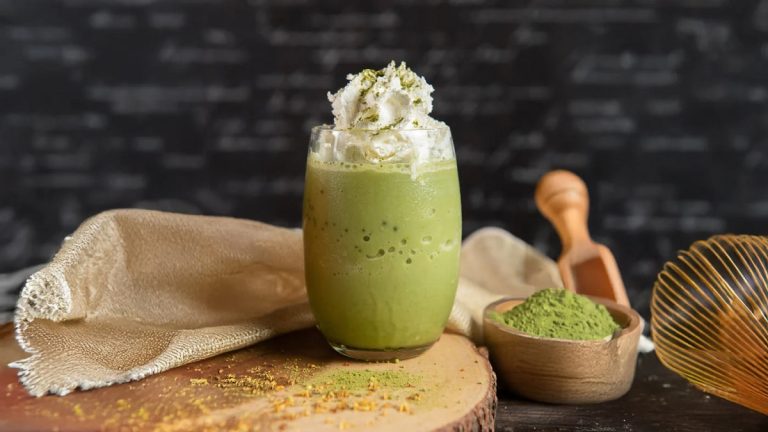
When matcha is used in lattes or blended drinks, the caffeine content changes depending on powder quantity and milk choice. Lattes often use 2–3 grams of matcha, doubling or tripling caffeine levels compared to a traditional tea bowl. Blending with milk or plant-based alternatives adds creaminess but does not significantly dilute caffeine.
Blending or frothing can slightly aerate the drink, giving a smooth texture that enhances flavor. Iced matcha lattes, in particular, may require more powder to maintain taste over ice, which naturally increases caffeine concentration. Adding sweeteners or syrups does not change caffeine levels but can impact how quickly your body absorbs it.
Matcha lattes offer a more indulgent experience while delivering a higher caffeine dose. They are perfect for mornings or afternoons when you need a more noticeable energy boost while enjoying a creamy, flavorful beverage.
Cold-Brew and Iced Preparation
Cold-brewing matcha or preparing it for iced drinks extracts caffeine differently than hot water. Cold water slows caffeine extraction, so using larger amounts of matcha powder or longer steeping times is necessary to achieve similar caffeine levels to hot preparations. Serving size becomes particularly important in cold-brewed matcha to ensure adequate caffeine content.
Cold-brew matcha provides a smoother, less bitter flavor because the slower extraction reduces the release of tannins. While caffeine content can be slightly lower per gram of powder compared to hot preparation, increasing the powder or steeping time balances this difference. Cold-brew and iced matcha are refreshing options that offer sustained energy without harsh stimulation.
This method is especially beneficial for those sensitive to caffeine’s rapid effects, as the absorption tends to be gradual, promoting gentle alertness and calm focus.
Powder Quality and Dosage
Preparation methods also interact with matcha grade and powder quality. Ceremonial-grade matcha, with its higher caffeine and L-theanine content, delivers more noticeable effects even in small servings. Culinary-grade matcha used in lattes or smoothies requires larger portions to achieve similar stimulation.
Adjusting dosage according to preparation method allows you to control caffeine intake precisely. For example, whisking 1 gram of ceremonial matcha in hot water provides moderate caffeine, while blending 2 grams in a latte increases energy levels significantly. Matching preparation technique with powder quality ensures you get the intended balance of flavor, aroma, and caffeine.
Health Considerations of Matcha Caffeine
Matcha’s caffeine content provides a unique combination of energy, focus, and alertness due to its interplay with L-theanine. While moderate consumption offers multiple benefits, understanding how caffeine affects your body is crucial for safe and enjoyable intake. Health considerations vary depending on individual sensitivity, medical conditions, and overall diet, making it essential to know both the benefits and potential side effects of matcha caffeine.
Benefits of Matcha Caffeine
The caffeine in matcha delivers a gentle and sustained energy boost, distinct from the rapid spike associated with coffee. Combined with L-theanine, an amino acid naturally present in the tea leaves, matcha provides alertness while promoting relaxation and focus. This unique combination can improve concentration, enhance cognitive performance, and reduce mental fatigue.
Moderate consumption can also support metabolism and promote thermogenesis, which contributes to calorie burning. Athletes and individuals seeking sustained energy often favor matcha for its smoother stimulation compared to other caffeinated beverages. Additionally, matcha’s antioxidants, particularly catechins, work alongside caffeine to improve overall health by reducing oxidative stress.
Enjoying matcha in moderate amounts allows you to harness these benefits while minimizing potential risks. It provides a mindful and controlled approach to caffeine intake, enhancing productivity without the jitters or crashes typical of other stimulants.
Risks and Side Effects of Excessive Caffeine
Excessive matcha consumption may lead to side effects similar to other caffeinated drinks, including insomnia, restlessness, increased heart rate, and digestive discomfort. Individuals with caffeine sensitivity may experience these symptoms even with moderate servings. Overconsumption can also interfere with mineral absorption, such as iron, due to catechin interaction.
Pregnant or breastfeeding individuals need to monitor caffeine intake carefully, as high amounts may impact fetal development or infant sleep patterns. It’s generally recommended to limit total caffeine from all sources to ensure safety. Even healthy adults should avoid consuming multiple large servings of matcha in a short period to prevent overstimulation.
Being mindful of these risks helps matcha drinkers enjoy the tea without negative consequences. By adjusting serving size, preparation method, and daily intake, you can safely include matcha in your routine while benefiting from its unique caffeine profile.
Matcha Caffeine and Sleep Patterns
Caffeine from matcha can impact sleep patterns if consumed too late in the day. While matcha’s L-theanine slows the absorption of caffeine, allowing a gentler energy boost, late consumption may still interfere with falling asleep or reduce sleep quality. Individual sensitivity varies, and some people may feel stimulated for several hours after drinking matcha.
For those seeking improved sleep, it’s advisable to consume matcha in the morning or early afternoon. Choosing smaller servings or lower-caffeine ceremonial-grade matcha can further reduce sleep disruption. Monitoring personal response helps you identify optimal timing for consumption while maintaining alertness during the day.
Balancing caffeine intake with a consistent sleep routine ensures matcha provides energy without negatively affecting rest. This approach is especially important for individuals who rely on matcha daily for focus, study, or work.
Special Considerations for Medical Conditions
Certain medical conditions require caution when consuming matcha caffeine. Individuals with heart conditions, high blood pressure, or anxiety disorders may experience amplified symptoms from caffeine. Digestive issues such as acid reflux may also worsen with frequent consumption of concentrated matcha lattes.
Consulting a healthcare provider is recommended for those with underlying health concerns. Moderation, preparation methods, and powder quality should be considered to reduce potential side effects. Drinking smaller servings, using lower-caffeine matcha grades, or pairing matcha with food can help minimize risks while still enjoying its benefits.
Understanding personal health conditions and caffeine sensitivity ensures that matcha can be integrated safely into a daily routine, supporting energy, focus, and overall well-being without compromising health.
Tips to Control Caffeine Intake
Matcha offers a unique caffeine experience that combines energy with calm focus, but consuming too much can lead to jitters, insomnia, or digestive discomfort. Controlling caffeine intake allows you to enjoy matcha safely and effectively, whether you drink it for morning energy, afternoon focus, or relaxation rituals. Simple strategies and mindful preparation can help you maintain balance while still benefiting from matcha’s stimulating properties.
Monitor Serving Size
One of the easiest ways to control caffeine intake is by monitoring the amount of matcha powder you use per serving. Traditional ceremonial-grade matcha typically requires 1 gram per cup, providing around 60–80 milligrams of caffeine. Culinary-grade matcha, often used in lattes or smoothies, may require 2–3 grams, significantly increasing caffeine content.
Adjusting serving size based on your sensitivity ensures you receive an appropriate amount of caffeine without overconsumption. For example, using half the recommended amount in the afternoon can prevent interference with sleep, while still offering a gentle energy boost. Monitoring portion sizes helps you maintain consistent caffeine levels throughout the day and avoid sudden spikes.
Choose the Right Grade of Matcha
Selecting the appropriate grade of matcha can also help regulate caffeine intake. Ceremonial-grade matcha is ideal for smaller servings with moderate caffeine and L-theanine for smooth, sustained energy. Culinary-grade matcha often contains slightly lower caffeine per gram but is used in larger quantities, which can unintentionally increase intake.
Using the right grade for your preparation method allows you to balance flavor and stimulation. For light afternoon drinks, ceremonial-grade matcha provides gentle energy, while culinary-grade matcha is better suited for recipes and larger beverages. Understanding the grade-to-caffeine relationship helps you make informed choices.
Adjust Preparation Methods
Preparation methods directly affect how much caffeine is extracted and consumed. Whisking matcha thoroughly in hot water maximizes caffeine release, while cold-brewing extracts caffeine more slowly. Using smaller amounts of powder or shorter whisking times can reduce caffeine content.
For lattes or blended drinks, consider using less matcha powder or combining with milk or plant-based alternatives to slightly dilute caffeine concentration. Mindful preparation ensures you enjoy your matcha beverage without unintended overstimulation, allowing flexibility in daily consumption.
Space Out Consumption
Spacing out matcha servings throughout the day is another effective strategy to manage caffeine intake. Instead of drinking multiple large servings in a short period, enjoy smaller servings spaced by a few hours. This prevents caffeine overload, reduces the risk of jitters, and provides sustained focus.
Combining this approach with monitoring serving size and selecting the right grade helps maintain steady energy levels. Spacing out matcha intake also allows your body to benefit from antioxidants and L-theanine without disrupting sleep or causing overstimulation.
FAQs
How Much Caffeine in Matcha Compared To Coffee?
Matcha generally contains less caffeine per serving than a typical cup of coffee, but the difference lies in how the caffeine is absorbed. One gram of ceremonial-grade matcha contains about 60–80 milligrams of caffeine, whereas an 8-ounce cup of coffee can have 90–120 milligrams.
The presence of L-theanine in matcha slows the absorption of caffeine, giving you a smoother, more sustained energy boost without the sudden spike and crash often associated with coffee. This makes matcha ideal for long study sessions or focused work periods.
Does The Grade of Matcha Affect Its Caffeine Content?
Yes, the grade of matcha significantly impacts caffeine levels. Ceremonial-grade matcha, made from young, tender leaves, tends to contain higher caffeine and L-theanine per gram. Culinary-grade matcha, made from older leaves, may have slightly less caffeine per gram but is often used in larger quantities, which can increase total caffeine in your drink.
Knowing the grade helps you choose the right caffeine level for your needs. Ceremonial-grade matcha provides smooth, moderate energy, while culinary-grade matcha is better suited for lattes, smoothies, and dessert recipes.
How Much Caffeine Is in A Serving of Matcha Latte?
The caffeine content in a matcha latte depends on the amount of matcha powder used. A standard latte typically uses 2–3 grams of matcha, providing roughly 120–180 milligrams of caffeine. Adding milk or plant-based alternatives does not reduce caffeine levels significantly but changes the flavor and texture.
Drinking a matcha latte gives a more noticeable energy boost than a single ceremonial-grade serving. You can adjust powder amounts to control caffeine intake, making lattes a versatile option for both energy and enjoyment.
Does Preparation Method Change Matcha’s Caffeine Content?
Yes, preparation methods can alter caffeine levels in your cup. Whisking matcha powder in hot water releases caffeine quickly, while cold-brewing extracts it more slowly. Using larger servings, blending with milk, or making iced matcha drinks can increase total caffeine consumption.
Hot preparation produces a smooth, concentrated cup with a more immediate caffeine effect. Cold-brewed matcha offers gentler, sustained energy, allowing you to enjoy matcha throughout the day without overstimulation. Understanding these differences helps you tailor your caffeine intake.
Can Matcha Cause Jitters Like Coffee?
Matcha generally causes fewer jitters than coffee because of L-theanine, an amino acid that promotes calm alertness. Even though matcha contains caffeine, its combination with L-theanine slows absorption, reducing the chance of sudden spikes in energy or anxiety.
If you are sensitive to caffeine, large servings or multiple cups may still cause mild stimulation. Monitoring serving size and grade allows you to enjoy matcha’s energy boost while minimizing jittery effects, making it a more balanced alternative to other caffeinated beverages.
How Long Does Matcha Caffeine Last In Your System?
The caffeine in matcha tends to provide a longer, steadier effect compared to coffee. Because of L-theanine, matcha’s caffeine releases gradually, giving sustained energy for three to six hours. You are less likely to experience sudden crashes or spikes in alertness.
Individual metabolism and sensitivity affect duration. Smaller servings offer moderate, focused stimulation, while larger culinary-grade servings may produce longer-lasting effects. Adjusting serving size and preparation method ensures the caffeine aligns with your daily routine and energy needs.
Is There A Safe Daily Limit For Matcha Caffeine?
For most healthy adults, consuming up to 200–400 milligrams of caffeine per day from all sources is considered safe. This typically equates to two to three cups of matcha, depending on serving size and grade. Ceremonial-grade matcha provides moderate caffeine per gram, while culinary-grade may require careful portioning to stay within limits.
Monitoring total daily intake, choosing appropriate serving sizes, and spacing cups throughout the day helps prevent side effects like jitters, insomnia, or digestive discomfort, allowing you to enjoy matcha safely.
Conclusion
Matcha is a unique source of caffeine, providing a steady and balanced energy boost thanks to its combination of caffeine and L-theanine. The amount of caffeine can vary depending on the grade of matcha, the amount used, and the preparation method, making it important to understand your serving sizes and brewing techniques. By knowing these factors, you can enjoy matcha without experiencing the jitters or crashes often associated with other caffeinated beverages.
For those mindful of caffeine intake, adjusting the amount of matcha powder or choosing a lower-grade culinary matcha can help control consumption. Hot, cold, or blended matcha drinks may slightly alter caffeine absorption, so experimenting with preparation methods allows you to find a routine that works best for your energy needs and lifestyle.
Answering the question of how much caffeine in matcha? depends largely on portion size, grade, and preparation. By being aware of these variables, you can safely enjoy matcha’s energizing effects while maximizing focus, alertness, and health benefits in every cup.