
Is Matcha Coffee: Key Differences, Benefits, and What You Should Know
Many people enjoy matcha for its vibrant green color, earthy flavor, and energy-boosting properties, but questions often arise about its relationship to coffee. Matcha is commonly consumed as a morning or afternoon beverage to increase alertness, leading some to wonder how it compares to coffee in terms of stimulation, caffeine content, and overall effects. Understanding the differences between the two can help you choose the right drink for energy, focus, and wellness.
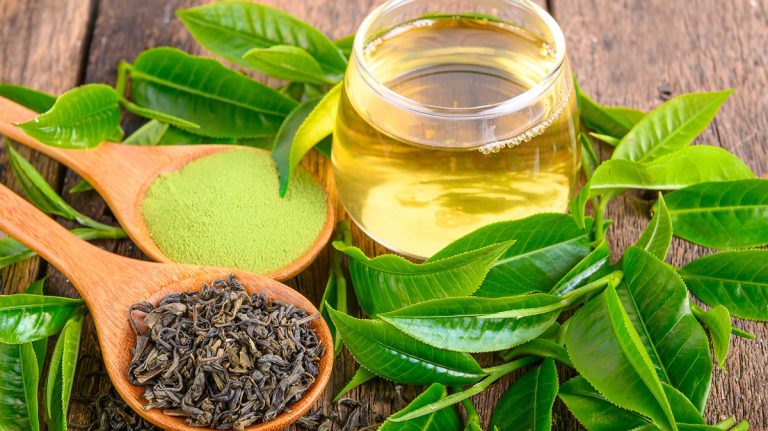
Unlike coffee, which is brewed from roasted coffee beans, matcha is a finely ground powder made from specially grown green tea leaves. This distinction affects both taste and nutritional profile, as matcha contains antioxidants, catechins, and L-theanine, which influence how caffeine is absorbed and experienced in the body.
Exploring the question of is matcha coffe also involves considering how the beverage impacts energy, mental clarity, and overall health. Many people find that matcha provides a more balanced, sustained alertness compared to the quick spike and crash sometimes experienced with coffee.
By understanding its composition, preparation, and effects, you can better determine when to enjoy matcha as an alternative or complement to coffee, tailoring your choice to your lifestyle and energy needs.
Caffeine Content Comparison
When deciding between matcha and coffee, understanding their caffeine content is crucial. Both beverages provide energy and mental alertness, but their effects differ due to preparation methods, chemical composition, and serving sizes. Comparing caffeine levels helps you choose the right drink for sustained focus, productivity, and personal tolerance.
Caffeine in Matcha
Matcha is a powdered green tea made from whole tea leaves, which means you consume the entire leaf and its nutrients. On average, one teaspoon of ceremonial-grade matcha (about 2 grams) contains roughly 60–70 milligrams of caffeine. The presence of L-theanine, an amino acid naturally found in green tea, modifies how caffeine affects the body, producing a calm, focused alertness rather than a sudden energy spike.
This combination allows matcha to provide a more stable, sustained release of energy compared to coffee. While the caffeine amount is lower than a typical coffee serving, the effects often feel smoother and longer-lasting. Adjusting matcha serving size or grade can help tailor caffeine intake to your personal sensitivity and daily routine.
Caffeine in Coffee
Coffee is brewed from roasted beans, and caffeine content varies depending on the type of bean, brewing method, and serving size. A standard 8-ounce cup of coffee contains approximately 95 milligrams of caffeine, though stronger brews or espresso shots can exceed 150 milligrams per serving.
The caffeine in coffee enters the bloodstream quickly, resulting in a sharp boost in alertness and energy. While effective for rapid stimulation, this can also lead to jitters, anxiety, or a mid-day energy crash for some people. Coffee lacks the calming L-theanine found in matcha, which means its effects are often more intense but shorter in duration.
Factors Affecting Caffeine Levels
Several factors influence caffeine content in both matcha and coffee. For matcha, leaf quality, harvest time, and preparation method significantly impact the amount of caffeine per serving. Ceremonial-grade matcha and younger tea leaves generally contain higher caffeine levels than lower-grade or older leaves. Water temperature and powder quantity also affect extraction.
Coffee’s caffeine content depends on bean type, roast level, grind size, brewing method, and serving size. For example, dark roasts tend to have slightly less caffeine by volume than light roasts, and espresso contains concentrated caffeine despite smaller serving sizes. Being mindful of these variables helps you control intake and tailor energy effects.
Choosing Between Matcha and Coffee
Selecting between matcha and coffee depends on your energy needs, caffeine tolerance, and desired effects. Matcha offers moderate caffeine with calm, sustained alertness, making it suitable for long work sessions, studying, or daily routines that require steady focus. Coffee provides a more immediate and potent caffeine boost, ideal for mornings or moments needing rapid stimulation.
Both beverages also provide additional health benefits—matcha is rich in antioxidants, catechins, and L-theanine, while coffee contains beneficial polyphenols and compounds that support metabolism. Understanding caffeine content, effects, and personal preferences allows you to make an informed choice that balances energy, focus, and overall well-being.
Nutritional Differences
Matcha and coffee are both popular beverages that provide energy, but their nutritional profiles differ significantly. Beyond caffeine, they contain unique compounds that influence health, metabolism, and overall wellness. Understanding these differences can help you choose the right drink to align with your dietary needs and lifestyle goals.
Antioxidant Content
Matcha is packed with antioxidants, particularly catechins like epigallocatechin gallate (EGCG), which have been linked to cardiovascular health, fat metabolism, and cellular protection. Because matcha involves consuming the entire powdered tea leaf, it provides a higher concentration of antioxidants compared to regular green tea.
Coffee also contains antioxidants, including chlorogenic acid and polyphenols, which support metabolism, reduce oxidative stress, and may protect against certain diseases. However, the type and concentration of antioxidants in coffee differ from matcha. While both beverages offer health benefits, matcha stands out for its potent combination of catechins and L-theanine, which work together to promote calm alertness and overall wellness.
Vitamins and Minerals
Matcha contains small but significant amounts of vitamins and minerals, including vitamin C, vitamin A, vitamin K, potassium, and magnesium. These nutrients contribute to immune support, bone health, and overall metabolic function. Coffee, in comparison, contains fewer vitamins and minerals but does provide small amounts of potassium, magnesium, and niacin.
The higher nutrient density of matcha makes it a more well-rounded option for those seeking additional micronutrients alongside caffeine. Consuming matcha regularly can help supplement daily dietary intake of antioxidants and essential nutrients, offering both functional and nutritional benefits in a single beverage.
Amino Acids and L-Theanine
One of the key nutritional differences is matcha’s high L-theanine content, an amino acid that promotes relaxation, mental clarity, and focus. L-theanine modulates caffeine’s effects, reducing jitters and producing a sustained, calm alertness. Coffee lacks this amino acid, which explains why it can sometimes cause a rapid spike in energy followed by a crash.
The combination of caffeine and L-theanine in matcha supports cognitive function, mood stabilization, and stress reduction. This makes matcha a preferred choice for individuals seeking mental focus and balanced energy throughout the day, compared to the sharper stimulation offered by coffee.
Caloric and Macronutrient Considerations
Both matcha and black coffee are low in calories when consumed without sweeteners or milk. A plain cup of matcha prepared with water contains around 5–10 calories, while black coffee typically contains less than 5 calories. Adding milk, cream, or sweeteners increases caloric intake for both beverages.
Understanding the nutritional differences between matcha and coffee allows you to choose a beverage that aligns with health goals, whether that’s antioxidant support, cognitive enhancement, or calorie-conscious consumption. Matcha’s nutrient-rich profile provides added benefits beyond caffeine, while coffee remains a potent source of energy with moderate antioxidant support.
Health Benefits Comparison
Both matcha and coffee offer unique health benefits beyond their caffeine content. Understanding these differences can help you decide which beverage best aligns with your wellness goals. From antioxidant support to metabolic and cognitive effects, each drink provides distinct advantages that can complement a balanced lifestyle.
Antioxidant and Disease Prevention
Matcha is rich in antioxidants, particularly catechins like epigallocatechin gallate (EGCG), which help combat oxidative stress, reduce inflammation, and support cellular health. These compounds have been associated with a lower risk of heart disease, certain cancers, and chronic conditions. Consuming matcha regularly provides concentrated antioxidant benefits because the entire powdered leaf is ingested.
Coffee also contains antioxidants, mainly polyphenols and chlorogenic acid, which have been linked to reduced risks of type 2 diabetes, liver disease, and cardiovascular issues. While both beverages offer antioxidant support, matcha’s catechins and coffee’s polyphenols differ in type and mechanism, giving each beverage unique protective effects. Choosing between the two may depend on your preferred focus, whether it’s broader disease prevention or metabolic support.
Cognitive Function and Mental Focus
Matcha provides a balanced mental boost due to the combination of caffeine and L-theanine. L-theanine promotes relaxation and mental clarity, creating calm focus without the jittery effects sometimes associated with coffee. This makes matcha ideal for studying, working, or any activity requiring sustained concentration.
Coffee offers a stronger, more immediate stimulant effect due to higher caffeine content per typical serving. It can improve alertness, reaction time, and short-term cognitive performance. However, coffee lacks L-theanine, so the rapid stimulation may lead to jitters, anxiety, or energy crashes in sensitive individuals. Both beverages enhance mental performance, but matcha promotes steadier, longer-lasting focus, while coffee is better for quick, intense alertness.
Metabolic and Weight Management Support
Matcha’s catechins, particularly EGCG, support metabolism and fat oxidation. Regular consumption may aid in weight management, improve lipid profiles, and help maintain healthy blood sugar levels. The combination of antioxidants and moderate caffeine provides a gentle metabolic boost without overstimulation.
Coffee also stimulates metabolism through its caffeine content, increasing energy expenditure and fat oxidation. It has been associated with improved exercise performance and potential weight management benefits. While both beverages support metabolic health, matcha provides additional antioxidant support and calming effects, making it a balanced option for individuals seeking both metabolic and cognitive benefits.
Heart Health and Cardiovascular Support
Both matcha and coffee have cardiovascular benefits, though the mechanisms differ. Matcha’s catechins help maintain healthy cholesterol levels, reduce oxidative stress, and improve blood vessel function, supporting long-term heart health. Its anti-inflammatory properties also contribute to vascular wellness.
Coffee contains polyphenols that may reduce inflammation, improve blood vessel function, and support healthy blood pressure. Moderate coffee consumption has been linked to a lower risk of cardiovascular disease. While both beverages support heart health, matcha offers additional benefits through its concentrated antioxidants and L-theanine, which also help regulate stress—a known factor in cardiovascular wellness.
Overall Wellness Comparison
Matcha and coffee provide energy and cognitive support, but their additional health benefits differ. Matcha offers antioxidant-rich, nutrient-dense support with calm, focused energy and cardiovascular advantages. Coffee provides potent stimulation, metabolic support, and disease prevention benefits, particularly for liver and metabolic health.
Choosing between the two depends on your wellness goals, whether prioritizing steady focus, antioxidant intake, or rapid energy. Integrating either beverage mindfully into a balanced lifestyle can enhance both mental and physical well-being.
Taste and Preparation Differences
While matcha and coffee are both popular beverages for energy and focus, they differ significantly in taste and preparation. Understanding these distinctions can help you enjoy each drink to its fullest and select the right beverage for your daily routine. Flavor profile, brewing methods, and serving options all contribute to the unique experience of matcha and coffee.
Flavor Profile of Matcha
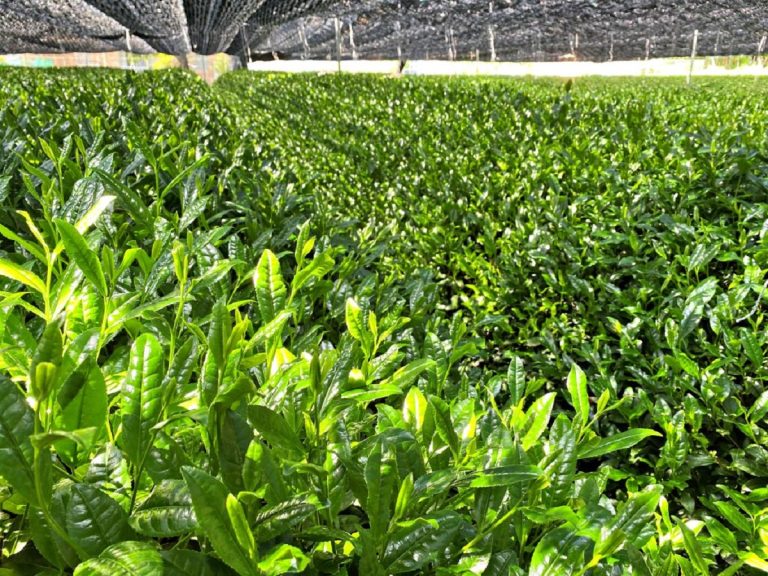
Matcha has a rich, earthy, and slightly vegetal flavor with a natural sweetness that becomes more pronounced in high-quality ceremonial-grade powder. Its taste is smooth, with subtle umami notes, which sets it apart from most caffeinated beverages. The flavor can vary based on leaf quality, shading during growth, and powder grade.
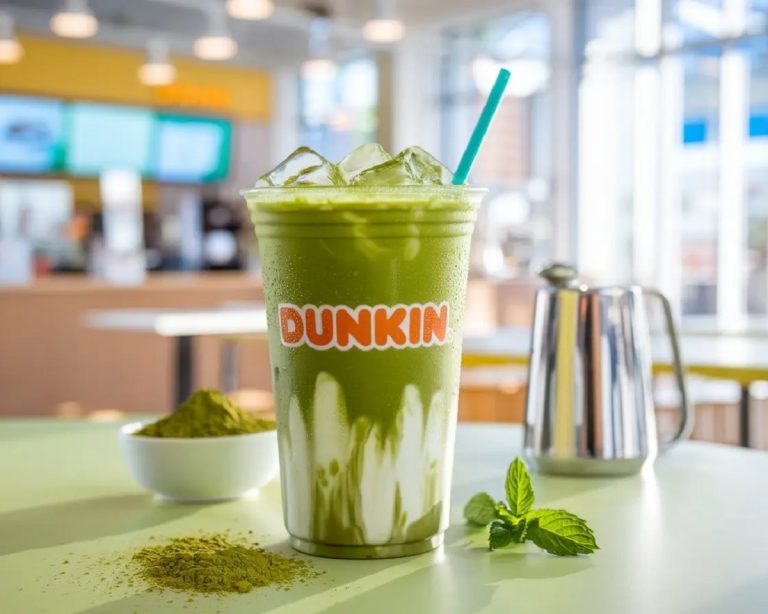
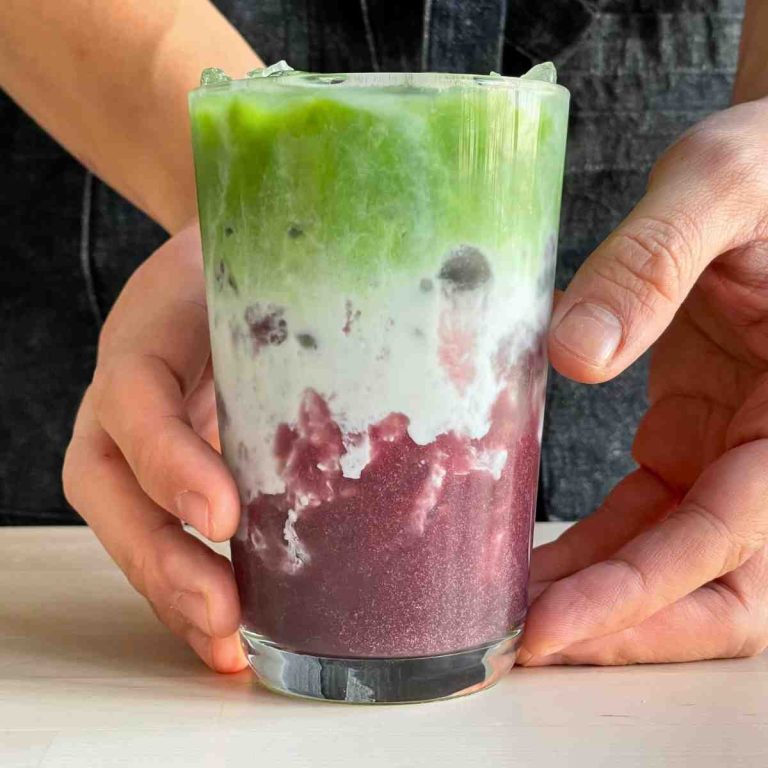
Culinary-grade matcha, used in lattes and recipes, may have a slightly bitter undertone but pairs well with milk, sweeteners, and other flavor boosters. The umami and vegetal notes make matcha versatile for both traditional whisked preparation and modern beverages like iced matcha lattes or smoothies. Adjusting powder quantity and water temperature can help balance bitterness and enhance natural sweetness.
Flavor Profile of Coffee
Coffee has a bold, robust flavor, often described as rich, roasted, and slightly bitter. Its taste varies widely depending on bean origin, roast level, and brewing method. Light roasts tend to be more acidic and fruity, while dark roasts offer smoky, chocolatey, or caramel-like notes.
The bitterness of coffee is naturally higher than matcha, which is why many people add milk, cream, or sweeteners. Coffee’s flavor complexity makes it suitable for a wide range of beverages, from espresso shots to lattes and cold brews. The strong taste can provide a satisfying sensory experience, particularly for those who enjoy deep, roasted flavors.
Preparation Methods for Matcha
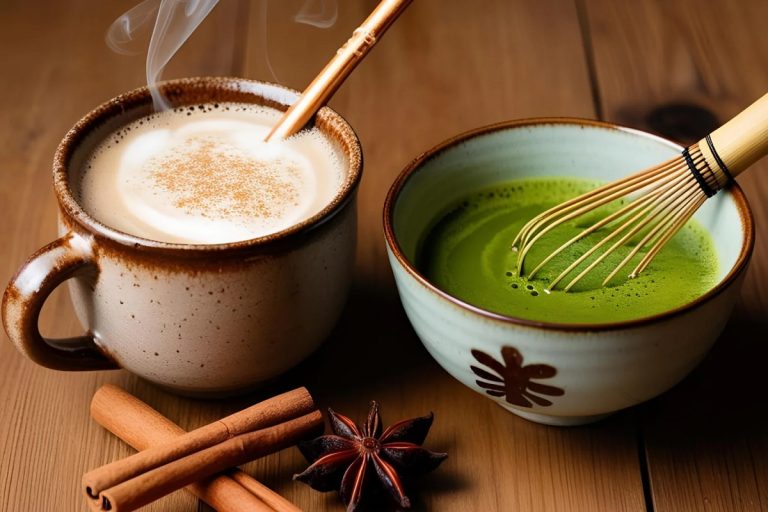
Preparing matcha requires a different approach than brewing coffee. Traditional matcha preparation involves whisking the powdered tea with hot water using a bamboo whisk until it becomes frothy. Water temperature is typically around 175°F (80°C) to preserve flavor and nutrients, and portioning the powder correctly ensures the right balance of taste and caffeine.
Modern variations include matcha lattes, smoothies, and iced drinks, often incorporating milk or sweeteners. Sifting the powder before whisking prevents clumps and produces a smoother, more enjoyable texture. Unlike coffee, matcha requires full consumption of the leaf, which contributes to both its flavor and nutrient density.
Preparation Methods for Coffee
Coffee preparation involves extracting flavors and caffeine by brewing roasted beans. Popular methods include drip coffee, espresso, French press, pour-over, and cold brew. Each technique affects flavor intensity, acidity, and caffeine content. Brewing time, grind size, and water temperature all influence the final taste and aroma.
Espresso is concentrated and bold, ideal for lattes and cappuccinos, while drip coffee provides a smoother, milder profile. Cold brew, made with prolonged steeping in cold water, offers a naturally sweeter, less acidic flavor. Coffee preparation emphasizes extraction and balance, allowing customization of strength, flavor, and caffeine concentration to suit personal preferences.
Serving Versatility and Customization
Both matcha and coffee offer versatility in serving styles. Matcha can be enjoyed traditionally, as a frothy tea, or in lattes, smoothies, and desserts. Coffee’s adaptability includes hot or cold drinks, espresso-based beverages, and flavored creations. While matcha emphasizes smooth, umami-driven flavors enhanced with subtle additions, coffee allows bold experimentation with roasts, syrups, and milk variations.
Understanding these taste and preparation differences helps you appreciate each beverage’s unique qualities and choose the one that fits your flavor preferences, caffeine needs, and daily routine.
FAQs
Is Matcha Coffee Or Tea?
Matcha is not coffee; it is a type of powdered green tea made from whole tea leaves. Unlike coffee, which comes from roasted coffee beans, matcha is derived from specially grown and ground tea leaves. You consume the whole leaf in powdered form, giving it a different nutritional profile and a smoother energy boost.
He or she who drinks matcha will notice a calm alertness rather than the sudden jolt of energy from coffee. It provides antioxidants, vitamins, and minerals that coffee lacks, making it a healthier alternative for some.
Does Matcha Contain Caffeine Like Coffee?
Yes, matcha does contain caffeine, but the effect is different from coffee. The caffeine in matcha is released slowly due to L-theanine, an amino acid that promotes focus and calm energy.
You can feel alert and concentrated without the jitters or sudden energy crash that coffee sometimes causes. The caffeine content varies by matcha grade and preparation, but it generally provides enough energy for work, study, or workouts without overstimulation.
Can I Replace Coffee With Matcha?
Yes, many people use matcha as a coffee alternative. It provides energy and focus while being gentler on the stomach and less acidic than coffee.
You may replace your morning coffee with a matcha latte or a simple whisked matcha drink to enjoy sustained energy. It can also reduce dependency on high-caffeine beverages while still keeping your daily routine energizing and productive.
Is Matcha Healthier Than Coffee?
Matcha is often considered healthier because it contains antioxidants, vitamins, and minerals absent in coffee. It also supports calm energy without overstimulating the nervous system.
He or she who drinks matcha regularly may benefit from improved focus, metabolism, and heart health. While coffee has its benefits, including antioxidants and enhanced alertness, matcha offers a smoother, nutrient-rich alternative.
How Does The Taste Of Matcha Compare To Coffee?
Matcha has a distinct grassy, slightly sweet, and umami-rich taste, while coffee is bold, bitter, and roasted. You may find matcha more soothing, and it pairs well with milk or plant-based alternatives.
If you are used to coffee, it may take a few tries to get accustomed to matcha’s flavor. However, its versatility allows you to enjoy it hot, iced, or as a latte, making it a satisfying and adaptable beverage.
Can Matcha Give Me The Same Energy As Coffee?
Yes, matcha can provide similar energy, but it feels different due to its L-theanine content. Instead of a quick spike, it gives gradual, sustained alertness and focus.
You can enjoy matcha during work or study sessions without the crash coffee sometimes brings. While it may not have the same punch as espresso, it offers a balanced, long-lasting boost that supports mental clarity and productivity throughout the day.
Conclusion
Matcha and coffee are both popular choices for a caffeine boost, but they differ significantly in composition, taste, and effects. Matcha provides a moderate amount of caffeine combined with L-theanine, which promotes calm focus and sustained energy. Coffee, on the other hand, offers a stronger and more immediate stimulant effect, often leading to a sharper energy spike and potential jitters for sensitive individuals.
Considering the question of is matcha coffe, it becomes clear that matcha is not coffee. While both beverages energize and improve alertness, matcha is derived from powdered green tea leaves, whereas coffee comes from roasted beans. This distinction impacts flavor, nutrient content, and how caffeine interacts with the body. Matcha provides antioxidants, amino acids, and a smooth, umami-rich taste, offering a different experience than the bold, roasted profile of coffee.
Choosing between matcha and coffee depends on your lifestyle, caffeine tolerance, and health goals. Those seeking balanced, long-lasting focus may prefer matcha, while individuals looking for a rapid energy boost often turn to coffee. Both beverages can complement a healthy routine when consumed mindfully, and understanding their differences ensures you make the best choice for your needs.