What Does a Matcha Latte Taste Like – Flavor Profile, Sweetness, And Tips For Enjoyment
Matcha lattes have become a favorite choice for many who enjoy a comforting, slightly sweet, and visually vibrant beverage. The drink combines finely ground green tea powder with milk, creating a creamy texture that’s both smooth and satisfying. It offers a distinct flavor profile that stands out from traditional coffee or standard teas, making it appealing to both casual drinkers and dedicated tea enthusiasts.
The taste of a matcha latte is often described as earthy and vegetal, with subtle sweetness balancing the natural bitterness of the green tea. The milk adds creaminess that softens the intensity of the matcha, resulting in a drink that feels indulgent yet light. For those who enjoy layered flavors, the latte can be customized with syrups, sweeteners, or alternative milk types, each adding a unique twist.
Understanding what does a matcha latte taste like helps newcomers and regular drinkers appreciate its complexity. From the first sip, the creamy texture and delicate green tea notes create a calming, energizing experience. This combination makes it a versatile drink that suits morning routines, afternoon pick-me-ups, or even a relaxing evening treat.
The flavor journey of a matcha latte invites exploration. Each sip reveals hints of umami, mild bitterness, and a subtle vegetal freshness that coffee or standard lattes can’t replicate. For many, discovering this taste becomes an enjoyable ritual that pairs well with light snacks or quiet moments.
Flavor Profile Of A Matcha Latte
The flavor profile of a matcha latte is what sets it apart from other drinks, combining the earthy richness of green tea with creamy sweetness from milk. This unique blend creates a drink that is both smooth and complex, appealing to a wide range of tastes. Understanding the different elements of its flavor helps both newcomers and long-time fans appreciate each sip more deeply.
Earthy and Vegetal Notes
At the core of a matcha latte is the distinctive earthy, vegetal taste of finely ground green tea leaves. This flavor can be slightly grassy or herbaceous, giving the drink a natural, fresh quality that differs from traditional teas or coffees. The depth of the earthiness depends on the grade of matcha used, with ceremonial grades offering a richer, more nuanced taste, and culinary grades providing a bolder, slightly more bitter experience.
The vegetal notes are often described as umami, a savory flavor that complements the natural sweetness of milk. This balance makes the drink feel complex without being overpowering, and it’s one of the reasons matcha lattes are so satisfying. Even a first-time drinker can notice the layered taste, from subtle green tea bitterness to the lingering fresh aftertaste. These earthy tones also pair well with sweet or nutty additions, enhancing the overall drinking experience.
Creamy and Smooth Texture
The addition of milk transforms the matcha into a creamy, velvety beverage. Whole milk or oat milk adds richness, softening the natural bitterness of the green tea, while skim or almond milk offers a lighter, more delicate texture. This creaminess is essential to the overall flavor profile, as it balances the strong vegetal notes and creates a smooth, consistent taste from the first sip to the last.
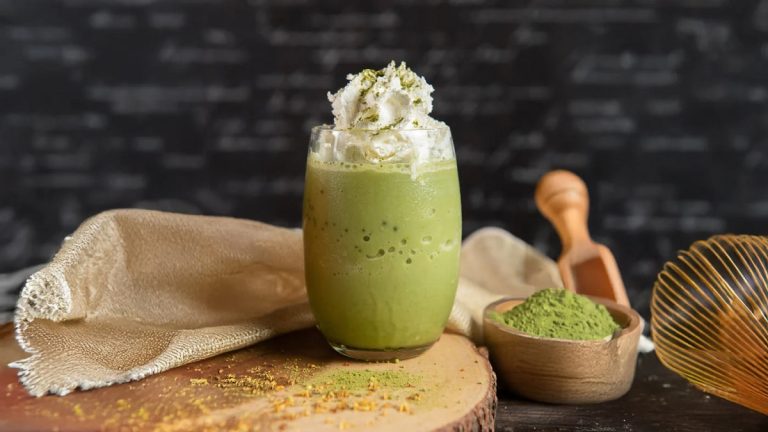
The foam on a matcha latte also contributes to its sensory appeal. Lightly frothed milk creates a silky layer on top, making each sip feel indulgent and satisfying. The creamy texture allows the earthy flavor to linger longer on the palate, making the drink feel fuller and more rewarding. This combination of smooth milk and finely ground matcha creates a harmonious balance that’s both comforting and energizing, perfect for daily enjoyment or special treats.
Sweetness and Flavor Balance
Sweetness in a matcha latte plays a subtle but important role. While pure matcha has a natural bitterness, most lattes include a touch of sugar, syrup, or flavored milk to balance the flavor. This added sweetness softens the vegetal and umami notes without overwhelming them, creating a drink that’s well-rounded and approachable for a wide audience.
Different syrups or flavorings, such as vanilla, caramel, or honey, can alter the overall taste profile slightly, giving the latte a richer or more dessert-like quality. However, careful blending ensures the underlying matcha flavor remains prominent. This balance between sweetness and earthiness makes the latte versatile, suitable for those who enjoy a lightly sweetened drink as well as those who prefer it more traditional and less sugary.
Umami and Subtle Bitterness
A hallmark of matcha lattes is their umami flavor, a savory note that adds depth and complexity. Combined with subtle bitterness, the umami creates a multidimensional taste experience that coffee and regular teas rarely offer. This aspect of the flavor profile makes matcha lattes feel sophisticated and energizing, rather than just sweet or creamy.
Bitterness is often softened by milk, but it remains noticeable enough to complement the earthy and sweet elements. The interplay between these flavors provides a lasting aftertaste that is both satisfying and distinctive. This combination is particularly appealing to those who enjoy a nuanced beverage, offering layers of taste with every sip.
Customization and Flavor Variations
One of the strengths of the matcha latte is how customizable it is. Alternative milks, flavored syrups, and additional toppings can all influence the flavor profile, allowing the drink to suit individual preferences. Oat milk enhances creaminess and natural sweetness, almond milk adds a nutty undertone, and coconut milk brings a tropical hint.
Flavorings like vanilla, caramel, or chocolate introduce new layers without masking the core matcha taste. Even temperature changes—hot versus iced—affect how the flavors present themselves, with hot lattes emphasizing creaminess and richness, and iced lattes highlighting freshness and vegetal notes. Understanding these nuances lets you fully appreciate the complex and versatile flavor profile of a matcha latte.
Sweetness And Bitterness Balance
The sweetness and bitterness balance in a matcha latte is a defining feature that makes the drink both approachable and complex. This balance determines how smooth, satisfying, and enjoyable each sip feels. Understanding how these contrasting flavors interact can help drinkers appreciate why matcha lattes are distinct from traditional coffees or teas and how small adjustments can change the overall taste experience.
Natural Bitterness of Matcha
At the heart of a matcha latte is the natural bitterness of finely ground green tea. This bitterness comes from catechins and other compounds in the tea leaves, giving matcha its signature earthy and vegetal taste. Unlike black or green tea brewed in water, the powdered form of matcha means you consume the entire leaf, intensifying both flavor and nutrient content.
The bitterness is often what first stands out to new drinkers, creating a sharp, slightly astringent taste that contrasts with the creamy milk. High-quality ceremonial matcha tends to have a more refined, smooth bitterness, while culinary grades may present a more pronounced, robust taste. This bitterness provides depth, making the latte feel more complex than a typical sweetened beverage. For regular drinkers, this subtle astringency balances the natural sweetness from milk or syrups, preventing the latte from becoming overly cloying.
Role of Sweetness in Balance
Sweetness in a matcha latte softens the inherent bitterness, creating harmony between the two contrasting flavors. Traditionally, milk provides a natural touch of sweetness, especially whole milk or oat milk, which blends seamlessly with matcha. Additional sweeteners, such as simple syrup, flavored syrups, or honey, further balance the earthy notes without overpowering them.
The key to the sweetness is moderation. Too little, and the bitterness can feel sharp and off-putting; too much, and the delicate green tea flavor becomes masked. Skilled baristas and experienced drinkers know how to achieve this balance, ensuring that each sip maintains the signature vegetal taste while remaining smooth and approachable. The interplay of sweet and bitter also enhances the perception of umami, giving the latte a more satisfying, rounded flavor profile.
Customization for Personal Taste
One of the advantages of matcha lattes is their flexibility, allowing drinkers to adjust sweetness levels to match personal preference. For example, someone sensitive to bitterness may add more syrup or flavored milk, while purists may prefer only a touch of natural milk sweetness to let the matcha shine. Alternative milks, such as almond, coconut, or oat, influence sweetness and mouthfeel differently, offering subtle variations that can highlight either bitterness or creamy sweetness.
This customization means that each cup can be tailored to mood, time of day, or dietary needs. A lightly sweetened latte emphasizes the complex vegetal flavor, while a sweeter version provides a comforting, dessert-like experience. Experimenting with these variations helps matcha enthusiasts discover the perfect balance for their palate, making each cup a personal experience.
Impact of Temperature on Perceived Balance
Temperature also affects how sweetness and bitterness are perceived. In hot matcha lattes, the warmth accentuates the creamy texture and integrates the sweetness evenly, allowing the vegetal bitterness to linger gently in the background. Iced matcha lattes, on the other hand, can highlight the vegetal and slightly bitter notes more prominently, as the cold temperature suppresses some of the milk’s sweetness.
This temperature-dependent perception explains why some drinkers prefer hot versions for comfort and iced versions for refreshment. Understanding how heat and chill influence flavor balance allows enthusiasts to choose the optimal experience for their taste and situation. Properly balancing sweetness and bitterness ensures that every sip is enjoyable, regardless of cup size or serving style.
Enhancing Flavor Through Add-Ons
Additional flavorings and toppings can further refine the sweetness and bitterness balance. Vanilla or caramel syrups can increase perceived sweetness while complementing matcha’s earthy tones, while light foam or whipped cream enhances creamy texture and rounds off any lingering bitterness. Even small adjustments, like drizzling honey or adding a sprinkle of cinnamon, can elevate the harmony between sweet and bitter.
These add-ons offer a way to experiment and personalize the latte without sacrificing the core flavor profile. When carefully balanced, the combination of natural bitterness, milk sweetness, and optional enhancements creates a rich, satisfying beverage that caters to a wide range of taste preferences. Understanding this interplay is key to appreciating the artistry behind a perfectly balanced matcha latte.
Sweetness And Bitterness Balance
The sweetness and bitterness balance in a matcha latte is a defining feature that makes the drink both approachable and complex. This balance determines how smooth, satisfying, and enjoyable each sip feels. Understanding how these contrasting flavors interact can help drinkers appreciate why matcha lattes are distinct from traditional coffees or teas and how small adjustments can change the overall taste experience.
Natural Bitterness of Matcha
At the heart of a matcha latte is the natural bitterness of finely ground green tea. This bitterness comes from catechins and other compounds in the tea leaves, giving matcha its signature earthy and vegetal taste. Unlike black or green tea brewed in water, the powdered form of matcha means you consume the entire leaf, intensifying both flavor and nutrient content.
The bitterness is often what first stands out to new drinkers, creating a sharp, slightly astringent taste that contrasts with the creamy milk. High-quality ceremonial matcha tends to have a more refined, smooth bitterness, while culinary grades may present a more pronounced, robust taste. This bitterness provides depth, making the latte feel more complex than a typical sweetened beverage. For regular drinkers, this subtle astringency balances the natural sweetness from milk or syrups, preventing the latte from becoming overly cloying.
Role of Sweetness in Balance
Sweetness in a matcha latte softens the inherent bitterness, creating harmony between the two contrasting flavors. Traditionally, milk provides a natural touch of sweetness, especially whole milk or oat milk, which blends seamlessly with matcha. Additional sweeteners, such as simple syrup, flavored syrups, or honey, further balance the earthy notes without overpowering them.
The key to the sweetness is moderation. Too little, and the bitterness can feel sharp and off-putting; too much, and the delicate green tea flavor becomes masked. Skilled baristas and experienced drinkers know how to achieve this balance, ensuring that each sip maintains the signature vegetal taste while remaining smooth and approachable. The interplay of sweet and bitter also enhances the perception of umami, giving the latte a more satisfying, rounded flavor profile.
Customization for Personal Taste
One of the advantages of matcha lattes is their flexibility, allowing drinkers to adjust sweetness levels to match personal preference. For example, someone sensitive to bitterness may add more syrup or flavored milk, while purists may prefer only a touch of natural milk sweetness to let the matcha shine. Alternative milks, such as almond, coconut, or oat, influence sweetness and mouthfeel differently, offering subtle variations that can highlight either bitterness or creamy sweetness.
This customization means that each cup can be tailored to mood, time of day, or dietary needs. A lightly sweetened latte emphasizes the complex vegetal flavor, while a sweeter version provides a comforting, dessert-like experience. Experimenting with these variations helps matcha enthusiasts discover the perfect balance for their palate, making each cup a personal experience.
Impact of Temperature on Perceived Balance
Temperature also affects how sweetness and bitterness are perceived. In hot matcha lattes, the warmth accentuates the creamy texture and integrates the sweetness evenly, allowing the vegetal bitterness to linger gently in the background. Iced matcha lattes, on the other hand, can highlight the vegetal and slightly bitter notes more prominently, as the cold temperature suppresses some of the milk’s sweetness.
This temperature-dependent perception explains why some drinkers prefer hot versions for comfort and iced versions for refreshment. Understanding how heat and chill influence flavor balance allows enthusiasts to choose the optimal experience for their taste and situation. Properly balancing sweetness and bitterness ensures that every sip is enjoyable, regardless of cup size or serving style.
Enhancing Flavor Through Add-Ons
Additional flavorings and toppings can further refine the sweetness and bitterness balance. Vanilla or caramel syrups can increase perceived sweetness while complementing matcha’s earthy tones, while light foam or whipped cream enhances creamy texture and rounds off any lingering bitterness. Even small adjustments, like drizzling honey or adding a sprinkle of cinnamon, can elevate the harmony between sweet and bitter.
These add-ons offer a way to experiment and personalize the latte without sacrificing the core flavor profile. When carefully balanced, the combination of natural bitterness, milk sweetness, and optional enhancements creates a rich, satisfying beverage that caters to a wide range of taste preferences. Understanding this interplay is key to appreciating the artistry behind a perfectly balanced matcha latte.
Differences Between Hot And Iced Matcha Latte
Hot and iced matcha lattes offer the same base ingredients but deliver remarkably different drinking experiences. From flavor perception to texture and sweetness balance, the way the matcha is served changes everything. Understanding these differences helps drinkers choose the right option for their mood, the weather, or the desired flavor profile. Both versions provide the signature earthy, creamy matcha taste but in distinct ways.
Flavor Perception in Hot Matcha Latte
A hot matcha latte emphasizes the earthy, vegetal flavors of green tea while blending smoothly with milk. Heat enhances the natural aroma of matcha, making the umami notes more pronounced and allowing the subtle bitterness to integrate seamlessly with creamy sweetness. The warmth also heightens the sensory experience, giving each sip a comforting, cozy quality.
Hot matcha lattes often feel richer and more indulgent than their iced counterparts. The hot milk not only softens bitterness but also creates a creamy mouthfeel that lingers pleasantly on the palate. Additionally, hot beverages can carry slight sweetness better because heat enhances the flavor of syrups or natural milk sugars. This makes hot matcha lattes ideal for mornings or colder days, when a warming drink provides both comfort and energy.
Temperature also plays a role in balancing bitterness. In hot drinks, the warmth slightly reduces the sharp edge of matcha, allowing drinkers to enjoy its complex flavors without overwhelming notes of astringency. For first-time drinkers, a hot matcha latte often feels more approachable, while seasoned enthusiasts appreciate the nuanced layers that emerge in a hot preparation.
Flavor Perception in Iced Matcha Latte
Iced matcha lattes bring a refreshing twist to the classic drink, with cold temperatures emphasizing brightness and vegetal notes. The chill suppresses some of the natural sweetness, making the earthiness of the matcha more prominent and providing a slightly sharper taste. This can make iced lattes feel more invigorating, perfect for warmer weather or when a refreshing beverage is desired.
The milk in iced lattes still balances bitterness, but the cold reduces the creaminess perception compared to hot drinks. To compensate, many drinkers choose oat or whole milk for a fuller mouthfeel. Ice also dilutes the latte slightly over time, which can soften flavors gradually as you sip. Some iced matcha lattes are lightly sweetened or flavored to enhance refreshment, creating a crisp, energizing experience distinct from the richness of a hot latte.
Iced matcha lattes often highlight the bright, green color of the drink more than hot versions, which adds visual appeal. The temperature difference also changes how quickly the drink is consumed; iced lattes are sipped slowly to avoid brain freeze, allowing a gradual appreciation of flavor, whereas hot lattes encourage a warm, comforting rhythm.
Sweetness and Bitterness Balance Differences
The balance between sweetness and bitterness shifts between hot and iced matcha lattes. In hot versions, the warmth brings out the natural milk sweetness, softening matcha’s earthy bitterness. Syrups and sweeteners dissolve more thoroughly, creating a smooth, integrated taste. This results in a comforting, indulgent flavor where bitterness is noticeable but well-rounded by creamy sweetness.
In contrast, iced matcha lattes often feel slightly more bitter because cold temperatures mute sweetness perception. Drinkers may need to add extra syrup or milk to achieve a similar flavor balance to hot lattes. The colder temperature also emphasizes vegetal and umami notes, giving iced versions a sharper, more refreshing profile. Adjusting sweeteners and milk types can help balance flavor, and some prefer a lightly sweetened iced latte to fully appreciate matcha’s natural brightness.
Understanding how temperature affects perceived bitterness and sweetness helps matcha enthusiasts customize their drinks. Hot lattes highlight warmth, creaminess, and integrated sweetness, while iced lattes emphasize freshness, brightness, and a sharper, more invigorating flavor. Both offer unique experiences tailored to mood, season, and personal taste preferences.
Texture and Mouthfeel Differences
Texture and mouthfeel vary significantly between hot and iced matcha lattes. Hot lattes have a velvety, smooth consistency thanks to frothed or steamed milk, which creates a rich and indulgent drinking experience. The warmth allows the flavors to blend thoroughly, giving each sip a full-bodied feel that lingers pleasantly. This texture is often associated with comfort drinks and adds to the overall sensory satisfaction of a hot matcha latte.
Iced lattes, on the other hand, have a lighter, slightly thinner mouthfeel due to the presence of ice and the cooler temperature. The chilled liquid can feel more refreshing and crisp, but less creamy compared to hot lattes. Shaken or stirred iced lattes help distribute flavor evenly, though ice melting over time can dilute intensity. Drinkers often notice the initial sharpness of matcha more prominently in iced versions, which adds a lively, energizing element to the experience.
Alternative milk choices also impact texture differently in hot and iced lattes. Oat milk enhances creaminess in iced drinks, while almond or coconut milk may emphasize a lighter, more delicate mouthfeel. In hot lattes, milk’s natural richness blends fully with matcha, creating a balanced, indulgent texture that contrasts with the refreshing crispness of iced preparations.
Customization and Seasonal Considerations
Both hot and iced matcha lattes are highly customizable, and seasonality often influences the preferred version. Hot matcha lattes tend to be more popular in fall and winter when warmth and comfort are desired, while iced versions dominate in spring and summer for refreshment and cooling. Flavored syrups, alternative milks, and extra matcha powder can be used to fine-tune both versions according to taste and seasonal trends.
Customization also extends to sweetness levels, which affect perceived flavor differently in hot versus iced drinks. For example, vanilla or caramel syrup may blend seamlessly in a hot latte but taste slightly muted in an iced one, requiring a small adjustment in quantity. Baristas can also add toppings such as foam, whipped cream, or ice cubes in creative ways, enhancing the overall experience. These factors make both hot and iced matcha lattes versatile, adaptable, and enjoyable in any season, catering to a wide variety of preferences.
Influence Of Milk Type On Taste
The type of milk used in a matcha latte significantly influences its taste, texture, and overall drinking experience. Different milk varieties interact uniquely with the natural bitterness and earthy flavors of matcha, enhancing or softening certain notes. Understanding these effects allows drinkers to choose the milk that best complements their flavor preferences, whether they prefer a creamy, indulgent latte or a lighter, subtler drink.
Whole Milk and Its Creamy Richness
Whole milk is a popular choice for matcha lattes due to its natural creaminess and slight sweetness. It helps balance the earthy, slightly bitter taste of matcha, creating a smooth, velvety texture that feels indulgent with every sip. The fat content in whole milk enhances mouthfeel and allows the latte to linger pleasantly on the palate.
In a whole milk latte, the sweetness is subtle but noticeable, complementing matcha’s vegetal and umami notes without overpowering them. This creates a harmonious flavor profile that is rich, satisfying, and approachable for both new and experienced matcha drinkers. Additionally, whole milk produces a stable, frothy foam when steamed, which adds an extra layer of texture and enhances the visual appeal of the latte. For those seeking a traditional and indulgent experience, whole milk remains a reliable choice that highlights matcha’s natural flavors while providing comfort and richness.
Oat Milk and Subtle Sweetness
Oat milk has become a favorite alternative due to its naturally sweet flavor and creamy texture. It pairs exceptionally well with matcha, softening bitterness while adding subtle sweetness that feels natural rather than overpowering. Oat milk’s neutral taste allows the earthy and umami characteristics of matcha to shine through while providing a smooth, slightly thicker mouthfeel than some other plant-based milks.
For vegan or lactose-intolerant drinkers, oat milk delivers a satisfying creaminess comparable to whole milk, making it an excellent choice for those seeking a plant-based option without compromising flavor. Its natural sugars also integrate well with flavored syrups, enhancing the overall latte experience. Oat milk can produce a stable foam when steamed, allowing baristas to create visually appealing lattes with layered textures and latte art. This milk type highlights the balance between sweetness and matcha’s natural vegetal notes, making it versatile for both hot and iced preparations.
Almond and Coconut Milk Variations
Almond milk offers a light, nutty undertone that adds a unique twist to a matcha latte. Its lower fat content results in a thinner mouthfeel compared to whole or oat milk, which some drinkers may prefer for a less indulgent beverage. Almond milk slightly enhances the vegetal notes while providing a delicate sweetness, allowing matcha’s natural flavors to remain the focus. It works well for those seeking a lighter, refreshing latte experience.
Coconut milk introduces a subtle tropical flavor and natural richness that pairs well with matcha. Its slightly sweet, creamy texture complements the earthy taste of green tea while adding a gentle aroma that enhances the sensory experience. Coconut milk lattes can feel indulgent without relying on added syrups, offering a balanced sweetness that blends with matcha’s umami characteristics. Both almond and coconut milk variations demonstrate how alternative milks can transform the flavor profile, giving drinkers a wide range of taste experiences depending on preference and dietary needs.
Impact on Flavor and Customization
Milk type affects more than just taste—it influences texture, sweetness perception, and latte stability. Creamier milks like whole or oat milk soften bitterness and enhance richness, while lighter options like almond or coconut highlight matcha’s vegetal and umami notes. Customizing milk choice allows drinkers to adjust sweetness and mouthfeel without adding extra sugar or syrups.
Understanding how each milk interacts with matcha empowers drinkers to personalize their latte experience. From creamy and indulgent to light and refreshing, milk type is a key factor in shaping the balance of flavors and textures, making it an essential consideration for anyone looking to enjoy a perfectly tailored matcha latte.
Common Flavor Additions And Customizations
Matcha lattes are versatile beverages that can be tailored with a variety of flavor additions and customizations. These options allow drinkers to enhance sweetness, adjust bitterness, or introduce new taste dimensions while maintaining the drink’s earthy and creamy core. Understanding common additions helps both newcomers and seasoned enthusiasts create a personalized latte experience that suits their preferences and mood.
Syrups And Sweeteners
One of the most popular ways to customize a matcha latte is by adding syrups or sweeteners. Vanilla, caramel, and hazelnut syrups are commonly used to soften the natural bitterness of matcha while introducing complementary flavors. Simple syrup, honey, or agave can also be used to increase sweetness without overpowering the green tea notes.
Syrups blend smoothly with both hot and iced lattes, but temperature can affect flavor perception. In hot lattes, syrup integrates thoroughly, creating a well-balanced sweetness that complements the creamy texture. In iced lattes, the sweetness may feel slightly muted due to the cold, so drinkers often add a touch more syrup to achieve the same balance. These additions are popular because they allow for flavor experimentation while keeping the drink approachable and enjoyable.
Customizing sweetness also allows for dietary flexibility. Those reducing sugar can rely on natural milk sweetness or opt for sugar-free syrups, while those seeking a dessert-like experience may choose more indulgent flavorings. Syrups and sweeteners are an easy, versatile method for adjusting taste to individual preferences.
Alternative Milks And Creamers
Milk choice plays a crucial role in matcha latte flavor customization. Whole milk, oat milk, almond milk, and coconut milk each bring unique sweetness, creaminess, and texture to the drink. Alternative milks like oat or almond milk are popular for plant-based or lactose-intolerant drinkers and can subtly alter the overall flavor.
Oat milk adds a naturally sweet, smooth profile that blends well with matcha’s earthy notes. Almond milk introduces a light, nutty undertone, while coconut milk gives a slightly tropical flavor and creamy texture. Each milk type impacts sweetness perception, bitterness balance, and mouthfeel, allowing drinkers to craft a latte that matches their taste preferences and dietary needs.
Creamers, whether dairy or plant-based, also allow for additional customization. Flavored creamers, such as vanilla or caramel, can enhance sweetness while complementing the matcha flavor. Even small adjustments in milk type or creamer choice can dramatically change the latte experience, giving drinkers control over the final taste and texture.
Toppings And Texture Enhancements
Toppings and foam additions are another way to customize a matcha latte. Lightly frothed milk, whipped cream, or cold foam can enhance texture and create a richer drinking experience. Drizzles like caramel or chocolate sauce add visual appeal and extra sweetness for those seeking a dessert-style beverage.
These enhancements allow drinkers to modify both taste and mouthfeel. Foam or whipped cream softens the earthy bitterness of matcha, while drizzles and sprinkles add layers of flavor. Toppings can also provide contrast, such as a sprinkle of cinnamon or matcha powder, which introduces subtle aromatic notes. Baristas often use these enhancements to create visually appealing drinks, making each latte an enjoyable sensory experience.
Texture and toppings work in harmony with sweetness and milk choice, allowing for a highly customized beverage. This level of personalization lets each drinker tailor the latte to their mood, whether they want a light, refreshing sip or a rich, indulgent treat.
Seasonal And Specialty Additions
Seasonal or specialty flavors are often introduced by cafés to add variety to matcha lattes. Popular options include pumpkin spice in the fall, peppermint in winter, or tropical flavors like coconut or mango during summer. These additions often combine syrups, spices, and sometimes alternative milks to create a unique flavor profile.
Limited-time offerings encourage experimentation, giving drinkers a chance to explore new taste combinations without committing to permanent changes. Seasonal flavors also influence sweetness and bitterness perception, often requiring adjustments to milk or syrup levels to achieve the perfect balance. These customizations showcase matcha’s versatility, making it suitable for a wide range of flavor preferences and occasions.
By exploring common flavor additions and customizations, matcha latte enthusiasts can craft a drink that suits their taste, dietary needs, and mood. Syrups, alternative milks, toppings, and seasonal flavors offer endless opportunities to personalize the latte experience while maintaining the earthy, creamy foundation that makes matcha lattes so appealing.
FAQs
What Does A Matcha Latte Taste Like?
A matcha latte has a unique combination of earthy, grassy, and slightly sweet flavors. The natural umami from the matcha powder gives it a smooth, savory undertone that distinguishes it from other drinks.
He or she will notice the creaminess from milk or milk alternatives balancing the slightly bitter taste of matcha. Depending on the sweetness added, it can feel either mellow or slightly bold. Overall, it’s a complex but smooth drink that appeals to those who enjoy subtle flavors rather than overly sugary beverages.
Is A Matcha Latte Sweet Or Bitter?
The taste of a matcha latte can be both sweet and bitter. The natural bitterness comes from the finely ground green tea leaves, which can feel strong if not balanced properly.
He or she can adjust the sweetness by adding sugar, syrup, or flavored alternatives like vanilla or caramel. Milk or plant-based milk also softens the bitterness and makes the drink creamier. The sweetness-to-bitterness ratio depends on personal preference, so customizing your matcha latte allows you to enjoy the flavor exactly how you like it.
How Does Hot Matcha Latte Taste Compared To Iced?
A hot matcha latte tends to have a richer and more intense flavor. The heat helps release the umami and earthy notes, giving it a comforting, full-bodied taste.
He or she may notice that iced matcha latte tastes slightly lighter and more refreshing. The cold temperature can reduce bitterness perception while highlighting subtle sweetness. Choosing between hot and iced depends on your mood and weather, as both versions deliver a distinct but enjoyable matcha flavor experience.
Does The Type Of Milk Affect The Taste Of A Matcha Latte?
Yes, the type of milk greatly affects the flavor and texture of a matcha latte. Whole milk adds creaminess and richness, while skim milk gives a lighter texture with less sweetness.
He or she can also try plant-based options like oat, almond, or soy milk. Oat milk enhances the natural sweetness and creaminess, almond milk adds a nutty hint, and soy milk provides a neutral base. Choosing the right milk can transform the taste and make your matcha latte more enjoyable.
Can Flavored Syrups Change The Taste Of A Matcha Latte?
Flavored syrups can significantly alter the taste of a matcha latte. Vanilla, caramel, and honey syrups add sweetness and a layer of flavor that complements the earthy matcha.
He or she may also experiment with spices like cinnamon or nutmeg for a unique twist. These additions can reduce the natural bitterness of matcha while enhancing creaminess and aroma. Customizing with syrups or spices allows you to create a matcha latte that matches your flavor preferences perfectly.
How Does Matcha Latte Compare To Regular Green Tea?
A matcha latte tastes stronger and creamier than regular green tea. Unlike brewed tea, matcha uses the whole powdered leaf, giving it a more intense flavor and richer texture.
He or she will notice the latte’s creaminess softens the earthy, slightly bitter notes that can be sharper in plain green tea. While green tea is light and refreshing, matcha latte delivers a more indulgent and satisfying experience with a balance of sweetness, bitterness, and umami in every sip.
What Are Common Taste Notes People Notice In A Matcha Latte?
Common taste notes in a matcha latte include grassy, earthy, and subtly sweet flavors. Umami undertones give it a savory depth, while milk adds smoothness and creaminess.
He or she may also detect a mild bitterness depending on the quality of matcha and the sweetness added. Iced versions feel refreshing and slightly lighter, while hot versions taste richer and more comforting. Understanding these notes helps you appreciate the complexity and balance that make matcha lattes unique among tea-based drinks.
Conclusion
A matcha latte offers a unique drinking experience that blends earthy, vegetal flavors with creamy, smooth textures. The natural bitterness of matcha is softened by milk, creating a balanced beverage that is both refreshing and comforting. Sweeteners, syrups, and alternative milks can further adjust the taste, allowing each cup to be tailored to individual preferences.
Understanding what does a matcha latte taste like helps both newcomers and longtime fans appreciate its complex flavor profile. From the subtle umami notes to the gentle sweetness and lingering vegetal undertones, every sip reveals layers of flavor that make the drink distinct from traditional coffees or teas. This combination of taste and texture is what keeps matcha lattes popular among a wide range of drinkers.
Customization plays a key role in enhancing the matcha latte experience. By exploring different milk types, sweeteners, or flavor additions, drinkers can highlight preferred aspects of taste, from creaminess to brightness or sweetness. Knowing what does a matcha latte taste like ensures a satisfying, enjoyable experience with every cup.