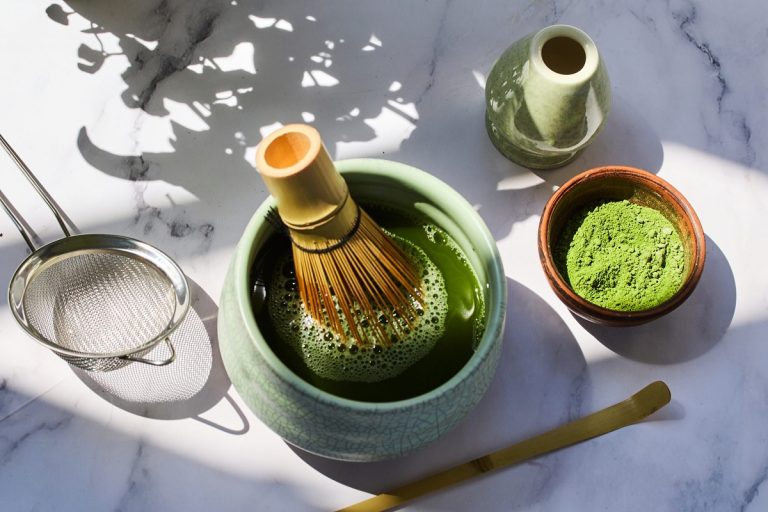

Is Matcha Good For Sore Throat? Benefits and Precautions
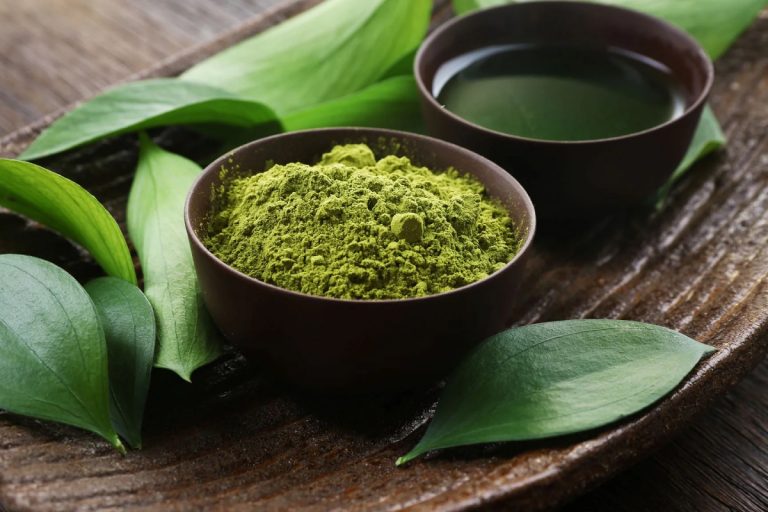
A sore throat can make everyday activities like talking, eating, and drinking uncomfortable, leading many to seek soothing remedies. Among the options gaining attention is matcha, a finely ground green tea powder known for its antioxidants, calming properties, and mild caffeine content. Many people wonder whether incorporating matcha into their routine can help relieve throat irritation.
Understanding how matcha interacts with the body is key to evaluating its potential benefits for a sore throat. Its warm preparation, combined with nutrients and antioxidants, may provide gentle relief while supporting overall wellness. Beyond comfort, matcha’s unique compounds, such as catechins and L-theanine, contribute to immune support and calm, making it appealing during periods of mild illness.
Exploring whether matcha is suitable for throat discomfort involves examining both its soothing qualities and potential irritants, such as caffeine or concentrated powder. Its versatility as a hot or iced beverage adds to its appeal, allowing individuals to choose the preparation that feels most comforting.
For many, matcha offers more than just flavor—it provides a ritual of warmth and hydration that can complement other sore throat remedies. Assessing its effects on throat comfort helps determine how this vibrant green tea can fit into a wellness routine during minor illnesses or irritation.
Soothing Properties of Matcha
Matcha is often praised for its calming and restorative qualities, which extend beyond its rich flavor and vibrant color. For those experiencing discomfort such as a sore throat, the soothing properties of matcha can provide gentle relief. Its combination of warm liquid, antioxidants, and amino acids makes it a comforting beverage that supports both physical and mental well-being. Understanding these properties helps highlight how matcha can be incorporated into a self-care routine during periods of irritation or illness.
Warmth and Comfort for Throat Relief
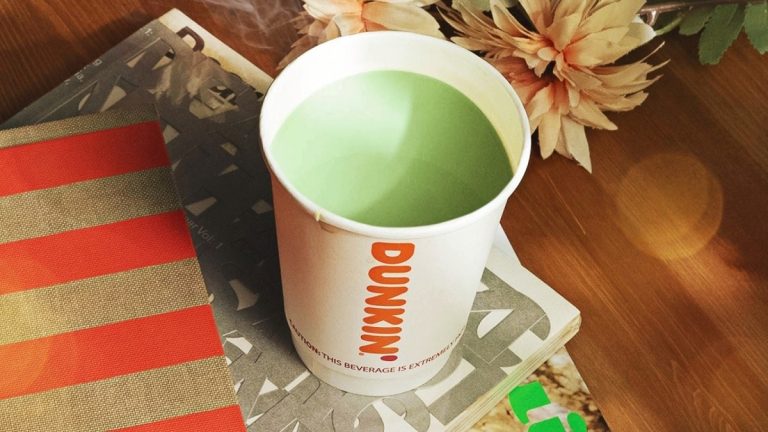
One of the primary soothing aspects of matcha comes from its temperature when prepared as a hot beverage. Warm liquids can help relax throat muscles, reduce irritation, and provide immediate comfort. A hot matcha latte or tea allows gentle hydration while its warmth eases discomfort and promotes a sense of relaxation.
Beyond physical comfort, sipping warm matcha encourages slower consumption, which allows the throat to gradually adjust to the liquid and helps coat and lubricate irritated areas. This can temporarily reduce scratchiness and dryness, providing a calming sensation. Regular consumption throughout the day may help maintain hydration and support throat recovery in a natural and enjoyable way.
Antioxidant and Anti-Inflammatory Effects
Matcha contains a high concentration of antioxidants, particularly catechins like epigallocatechin gallate (EGCG), which may help reduce inflammation. Inflammation often contributes to throat soreness, and consuming antioxidant-rich beverages can complement other care strategies.
Catechins also support immune function, helping the body respond to minor infections or irritants that may cause throat discomfort. By incorporating matcha into your routine, you can potentially soothe irritation while providing protective compounds that support overall health. The anti-inflammatory effects, combined with warm hydration, make matcha a thoughtful choice for natural throat care.
L-Theanine for Calm and Relaxation
Another key component of matcha is L-theanine, an amino acid that promotes relaxation without drowsiness. While a sore throat can cause stress and fatigue, L-theanine encourages calmness and mental clarity. This helps reduce tension that may exacerbate the perception of discomfort.
By pairing the calming effects of L-theanine with the warmth and gentle sweetness of matcha, you create a soothing experience for both body and mind. This makes matcha not only beneficial for physical relief but also a comforting ritual that supports overall well-being during times of illness or irritation.
Gentle Hydration and Nutrient Support
Hydration is essential for maintaining throat comfort, and matcha provides a flavorful way to stay hydrated. Its liquid form helps keep mucus membranes moist, which can reduce dryness and scratchiness. Combined with its natural nutrients, including small amounts of vitamins and minerals, matcha supports the body while providing gentle relief.
The versatility of preparation—hot, warm, or even lightly cooled—ensures that matcha can meet individual comfort preferences. Adjusting sweetness, milk options, or concentration further enhances its soothing properties while maintaining a balance between flavor and gentle support.
Creating a Relaxing Ritual
Beyond its direct effects, preparing and enjoying matcha can serve as a mindful ritual that promotes relaxation and comfort. Whisking the powder, enjoying the aroma, and sipping slowly encourages a moment of calm, which may help reduce perceived discomfort and improve overall mood.
Incorporating matcha into your daily routine allows you to combine hydration, warmth, antioxidants, and mental relaxation into one beverage. This holistic approach emphasizes the beverage’s soothing qualities and makes it an appealing choice for those seeking gentle relief for throat irritation or minor discomfort.
Immune Support While Sick
Matcha is often celebrated for its potential immune-boosting properties, making it an appealing beverage during times of illness. Packed with antioxidants, vitamins, and bioactive compounds, matcha may help support the body’s natural defenses. Incorporating matcha into your routine while sick can provide gentle nutritional support while offering hydration and warmth, both of which are critical for recovery and overall wellness.
Antioxidants and Immune Function
One of the most significant contributors to matcha’s immune support is its high concentration of antioxidants, particularly catechins like epigallocatechin gallate (EGCG). These compounds help neutralize free radicals, reduce oxidative stress, and support cellular health. Oxidative stress can weaken immune response, so regularly consuming antioxidant-rich beverages like matcha may strengthen the body’s ability to fight off illness.
Catechins also exhibit antimicrobial and antiviral properties, which can help the body respond to minor infections. While matcha is not a cure, its antioxidant content contributes to overall immune resilience. A warm cup of matcha offers a comforting way to deliver these bioactive compounds, providing both functional benefits and enjoyable flavor during periods of sickness.
Vitamins, Minerals, and Nutrient Support
Beyond antioxidants, matcha contains small amounts of essential vitamins and minerals, including vitamin C, potassium, magnesium, and zinc, all of which play roles in immune function. Vitamin C, for example, supports white blood cell activity, while minerals like zinc are crucial for proper immune signaling and tissue repair.
When prepared as a latte with milk or plant-based alternatives, matcha also contributes calcium, vitamin D, and protein. These nutrients help maintain overall wellness, support energy, and aid recovery. Combining the natural compounds in matcha with nutrient-rich milk provides a beverage that supports the immune system and overall body function during times of illness.
L-Theanine and Stress Reduction
Matcha contains L-theanine, an amino acid known for promoting relaxation and reducing stress. Illness can be stressful both physically and mentally, and stress can suppress immune function. By promoting calmness without drowsiness, L-theanine helps maintain a more balanced immune response while reducing fatigue and tension.
The combination of L-theanine with moderate caffeine in matcha also provides gentle mental clarity and alertness, which can be helpful when sickness causes lethargy or brain fog. This unique pairing ensures that your immune system and mental well-being are supported simultaneously while enjoying a comforting beverage.
Hydration and Recovery Support
Staying hydrated is critical for immune function and recovery, and matcha offers a flavorful way to maintain fluid intake. Hydration helps thin mucus, keeps mucous membranes moist, and aids in toxin removal, all of which support the body’s natural defenses. A warm cup of matcha can soothe discomfort while keeping the body hydrated and comfortable.
The ritual of preparing and sipping matcha also encourages slower consumption, which allows better absorption of nutrients and sustained hydration. Whether enjoyed as a latte or a hot tea, matcha combines hydration, nutrient delivery, and soothing warmth, making it a holistic option for supporting the body during illness.
Combining Immune Support With Comfort
Ultimately, matcha’s immune-supporting properties are enhanced by its comforting nature. Warmth, hydration, antioxidants, essential nutrients, and calming amino acids all work together to provide a beverage that supports recovery while being enjoyable to drink. Regularly incorporating matcha during periods of sickness can complement other wellness strategies, offering both functional benefits and a sense of comfort.
By choosing the right preparation, adjusting sweetness, and selecting your preferred milk, you can create a personalized immune-supportive beverage. This combination of flavor, nutrition, and soothing effects makes matcha a practical and enjoyable ally while your body works to recover from illness.
Hydration Benefits for Sore Throat
Proper hydration is essential when dealing with a sore throat, as it helps keep mucous membranes moist, reduces irritation, and supports overall recovery. Beverages like matcha provide an enjoyable way to maintain fluid intake while also offering additional health benefits. Understanding how matcha contributes to hydration can help you maximize relief and comfort during periods of throat discomfort.
Moisturizing Mucous Membranes
One of the most immediate benefits of consuming matcha while experiencing a sore throat is its ability to keep mucous membranes hydrated. Dryness in the throat can exacerbate irritation, making swallowing and speaking uncomfortable. Drinking a warm cup of matcha helps coat the throat, providing a soothing layer that eases scratchiness and reduces discomfort.
Hydration also supports the natural clearance of mucus and debris in the throat. By maintaining moisture, matcha allows the throat to remain more comfortable and resilient against further irritation. This gentle approach to relief can be especially helpful when combined with other hydration strategies, such as water or herbal teas, to maintain consistent fluid intake throughout the day.
Temperature and Comfort
The temperature at which matcha is consumed can enhance its soothing effects. Warm or slightly hot matcha provides comfort and promotes relaxation, while still contributing to hydration. Heat helps dilate blood vessels in the throat, improving circulation and promoting a sense of relief from soreness.
Sipping matcha slowly allows for steady hydration and gives the throat time to adjust to the liquid, providing gradual relief rather than sudden stimulation. The ritual of preparing and drinking matcha can also encourage more frequent hydration, which is essential for recovery during periods of throat irritation.
Electrolytes and Nutrients
While matcha is not a high-electrolyte beverage, it contains trace minerals like potassium and magnesium that contribute to overall fluid balance. Combined with milk or plant-based alternatives, the latte form of matcha can provide additional electrolytes, protein, and vitamins that support hydration and recovery.
This nutritional boost complements the fluid content of the drink, making matcha a functional beverage for soothing the throat. Consuming it alongside other hydrating fluids ensures that you maintain optimal fluid balance, which is critical for overall comfort and immune function.
Encouraging Consistent Fluid Intake
For many, drinking plain water throughout the day can feel monotonous, making it harder to stay hydrated. Matcha offers a flavorful and enjoyable alternative that encourages consistent fluid intake. Its natural taste, slight sweetness, and warming quality make it a beverage you can consume multiple times per day without feeling repetitive.
Regular consumption of matcha alongside water and other fluids ensures that the throat remains well-lubricated, which can help prevent additional irritation. This consistent hydration supports mucous membrane health, promotes healing, and reduces the sensation of dryness that often accompanies a sore throat.
Hydration as Part of Holistic Relief
Maintaining hydration is only one component of soothing a sore throat, but it plays a central role in overall comfort. Matcha combines hydration with warmth, antioxidants, and mild nutrients, creating a multifaceted approach to relief. By incorporating matcha into your daily routine during periods of throat discomfort, you can enhance both hydration and overall well-being.
Drinking matcha in a mindful, deliberate way encourages slower sipping, steady fluid intake, and enjoyment of its natural properties. Together, these factors make matcha a practical and enjoyable choice for supporting throat health while promoting recovery and comfort.
Potential Risks or Downsides
While matcha offers numerous health benefits, it’s important to understand the potential risks or downsides, especially when consumed in excess or by individuals with specific sensitivities. Knowing these considerations can help you enjoy matcha safely, avoid unwanted side effects, and make informed choices about when and how to include it in your routine.
Caffeine Sensitivity
Matcha contains moderate amounts of caffeine, which can affect individuals who are sensitive to stimulants. While the caffeine in matcha is generally lower than coffee, it can still cause jitteriness, rapid heartbeat, or difficulty sleeping for some people.
Excessive caffeine intake may exacerbate anxiety or digestive issues, particularly in those with caffeine sensitivity or underlying medical conditions. The combination of caffeine and L-theanine in matcha provides a smoother energy boost than coffee, but overconsumption can still lead to overstimulation. Monitoring portion size and timing of consumption can help mitigate these risks while still enjoying the benefits of matcha.
Gastrointestinal Discomfort
Consuming large amounts of matcha can sometimes lead to gastrointestinal discomfort, including nausea, bloating, or stomach cramps. The concentrated nature of powdered green tea means that high doses can irritate the stomach lining or increase acid production.
Drinking matcha on an empty stomach may heighten these effects, especially for those prone to acid reflux or sensitive digestive systems. Balancing intake with food or moderating daily consumption helps reduce the likelihood of digestive upset. Choosing a moderate serving size ensures you enjoy the benefits without unnecessary discomfort.
Interactions With Medications
Matcha contains compounds that may interact with certain medications. For example, its caffeine content can interfere with medications that affect heart rate or blood pressure. Additionally, the high antioxidant levels may alter how some drugs are metabolized.
Individuals taking anticoagulants, stimulant medications, or other prescription drugs should consult with a healthcare professional before consuming matcha regularly. Being aware of potential interactions helps prevent adverse effects and ensures matcha complements rather than complicates your health routine.
Potential Contaminants
Like other tea products, matcha may contain trace amounts of contaminants such as lead, pesticides, or heavy metals depending on cultivation and sourcing practices. Because matcha involves consuming the entire tea leaf, these substances can be ingested at higher levels than with traditional steeped tea.
Choosing high-quality, certified organic matcha from reputable brands helps reduce exposure to harmful substances. Being selective about sourcing ensures that your matcha provides its intended benefits without introducing unnecessary risks to your health.
Overconsumption and Imbalance
Even with its health-promoting properties, excessive matcha consumption can lead to imbalances, such as too much caffeine, iron absorption interference, or overstimulation. Maintaining moderation is key to integrating matcha safely into your diet.
A typical serving of 1–2 teaspoons per day is sufficient for most adults to enjoy its benefits without experiencing negative effects. Being mindful of quantity, frequency, and individual tolerance ensures that matcha enhances well-being rather than causing unintended downsides.
Best Ways to Consume Matcha for Sore Throat
When dealing with a sore throat, consuming matcha in ways that maximize its soothing properties is essential. The preparation, temperature, and combination with other ingredients can enhance relief while supporting hydration, antioxidant intake, and overall comfort. By understanding the best methods for consuming matcha during throat discomfort, you can enjoy both its flavor and potential healing benefits.
Warm or Slightly Hot Matcha
One of the most effective ways to consume matcha for sore throat relief is as a warm or slightly hot beverage. Warm liquids help relax throat muscles, reduce irritation, and provide immediate comfort. Preparing matcha with water or milk at a gentle temperature avoids excessive heat that could aggravate sensitivity while allowing the throat to gradually adjust to the liquid.
Sipping slowly is key to maximizing benefits. Gradual consumption allows the liquid to coat the throat, soothing dryness and scratchiness. This approach also encourages mindful hydration, which supports mucous membrane health and can prevent further irritation. Incorporating warm matcha into your routine several times a day ensures consistent relief while enjoying its natural flavor.
Matcha Lattes With Milk Alternatives
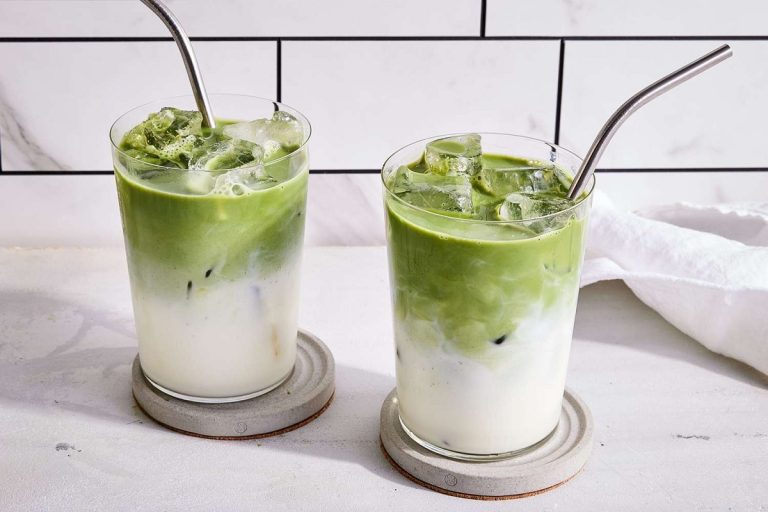
Preparing matcha as a latte with milk or plant-based alternatives can further enhance its soothing properties. Milk adds creaminess, which helps coat the throat, while plant-based options like oat, almond, or soy milk provide gentle hydration and flavor variation. Lattes also allow customization of sweetness, making the beverage more palatable during discomfort.
Adding a small amount of natural sweetener, such as honey, can enhance throat relief. Honey has antimicrobial and soothing properties that complement matcha’s antioxidants. This combination creates a beverage that is both comforting and functional, helping you manage irritation while supporting hydration and overall wellness.
Adjusting Concentration for Sensitivity
The strength of matcha can influence its effect on the throat. A milder concentration, using slightly less matcha powder, reduces the risk of irritation from the powdered tea’s texture or earthy taste. For first-time consumers or those with heightened sensitivity, a lighter preparation ensures comfort while still providing antioxidants and nutrients.
For those accustomed to matcha, a slightly stronger version can increase antioxidant intake and support immune function. Finding the right balance between flavor, concentration, and throat comfort allows you to enjoy matcha in a way that aligns with both taste and health goals, without aggravating sensitivity.
Combining With Hydrating Liquids
Matcha can also be combined with hydrating ingredients to boost throat comfort. Blending it with warm herbal teas, coconut water, or lightly flavored broths can enhance hydration and create a soothing experience. These combinations provide additional nutrients and help maintain fluid balance, which is critical for reducing throat irritation and promoting recovery.
The gentle flavors of herbal tea or mild broth complement matcha’s earthy taste, while the added liquids increase overall hydration. By experimenting with different combinations, you can create a personalized beverage that supports both comfort and wellness during periods of sore throat.
Mindful Consumption and Routine
Incorporating matcha into a regular, mindful routine helps maximize its benefits for throat comfort. Taking small sips slowly, choosing the right temperature, and pairing with hydrating or soothing ingredients encourages consistent relief and supports hydration.
This approach allows the body to gradually benefit from matcha’s antioxidants, L-theanine, and nutrients while avoiding overstimulation or irritation. By making matcha part of a thoughtful routine, you can enjoy both its flavor and functional benefits, enhancing overall comfort during periods of throat discomfort.
FAQs
Can Drinking Matcha Help Soothe A Sore Throat?
Yes, drinking matcha can help soothe a sore throat. Matcha contains antioxidants and anti-inflammatory compounds that may reduce irritation and redness in your throat. Its warm preparation can also provide temporary relief by coating the throat and easing discomfort.
However, the effect may vary depending on the severity of your sore throat. Combining matcha with honey or lemon can enhance its soothing properties, making it more effective for calming irritation and providing a comforting sensation while you recover
Is Matcha Safe To Drink When You Have A Sore Throat?
Yes, matcha is generally safe to drink when you have a sore throat. It is a natural beverage with minimal side effects when consumed in moderation. The warm liquid can help keep you hydrated, which is important for healing and maintaining throat moisture.
However, avoid drinking matcha that is too hot, as extreme temperatures can further irritate your throat. If you have caffeine sensitivity, you should also limit your intake since matcha contains natural caffeine that could affect sleep or cause jitteriness
How Does Matcha Reduce Inflammation In The Throat?
Matcha contains high levels of catechins, a type of antioxidant with anti-inflammatory properties. These compounds can help reduce swelling and irritation in your throat, which may ease soreness. Drinking warm matcha allows these compounds to coat the throat, providing relief from mild discomfort.
Additionally, matcha’s antioxidant properties may support your immune system, helping your body fight off infections that often cause sore throats. While it is not a cure, it can complement other remedies to reduce inflammation and make you feel more comfortable
Can Matcha Prevent Throat Infections?
While matcha cannot prevent all throat infections, its antioxidants and antibacterial properties may support your immune system. Regular consumption may help your body resist infections or reduce the severity of symptoms when you do get sick.
Drinking matcha as part of a healthy routine, combined with proper hydration and nutrition, may contribute to overall throat health. However, it should not replace medical treatments or advice if you have a bacterial infection requiring antibiotics or a severe viral infection
Should I Drink Matcha Hot Or Cold For Sore Throat Relief?
For sore throat relief, drinking matcha warm is usually better. Warm liquids can help soothe irritation and provide comfort by coating the throat. Too hot beverages can worsen discomfort, so it’s important to keep it pleasantly warm.
Cold matcha or iced versions might be less effective for soothing purposes. However, some people find cold drinks numbing and temporarily relieving pain. You can try both and see which method gives you the most comfort without aggravating your throat
Can Matcha Be Combined With Other Remedies For Sore Throat?
Yes, matcha can be combined with other natural remedies for enhanced relief. Adding honey can help coat the throat and reduce irritation, while lemon provides vitamin C, which may support immune function. Ginger can also complement matcha’s anti-inflammatory effects.
These combinations make your drink both soothing and beneficial for overall throat health. While matcha helps with inflammation and comfort, pairing it with other remedies creates a more holistic approach, helping you manage soreness more effectively
How Often Can I Drink Matcha With A Sore Throat?
You can drink matcha once or twice a day while recovering from a sore throat. Consuming it in moderation ensures you benefit from its anti-inflammatory and antioxidant properties without overdoing caffeine intake.
Spacing your cups throughout the day helps maintain hydration, which is essential for throat healing. Avoid drinking it excessively, as too much caffeine can cause dehydration or jitteriness, which might interfere with your recovery. Balance is key for effective relief
Are There Any Side Effects Of Drinking Matcha With A Sore Throat?
Drinking matcha in moderate amounts is generally safe, but there are a few considerations. Excessive caffeine may cause restlessness, insomnia, or mild stomach upset. Extremely hot matcha can irritate your throat instead of soothing it.
If you have allergies to tea or are sensitive to caffeine, monitor your reaction carefully. For most people, matcha provides gentle relief and hydration. Pairing it with honey or lemon can improve comfort without causing side effects, making it a safe addition to your sore throat remedies
Conclusion
When dealing with a sore throat, choosing soothing beverages can make a noticeable difference in comfort and recovery. Matcha, with its warm texture, antioxidants, and L-theanine content, can provide a gentle calming effect while helping keep you hydrated. Drinking it in moderation may ease irritation and support your body’s natural defenses.
Considering [is matcha good for sore throat], it’s important to weigh both benefits and precautions. While warm matcha with honey or lemon can soothe discomfort, excessive caffeine or very strong preparations may irritate the throat further. Adjusting the serving size, temperature, and sweetness can help maximize comfort and relief.
Overall, matcha can be a helpful addition to your home remedies when used thoughtfully. By monitoring how your body responds and combining it with rest, hydration, and other natural remedies, you can enjoy the benefits and better understand [is matcha good for sore throat] in your wellness routine.