How to Make Strawberry Matcha at Home: Easy Recipes and Tips for a Perfect Blend
Strawberries and matcha are a naturally delightful combination that brings together the vibrant sweetness of fresh fruit and the earthy, rich flavors of green tea. This blend not only tastes refreshing but also offers a boost of antioxidants, vitamins, and gentle energy, making it a perfect choice for mornings, afternoons, or even as a calming treat. For anyone looking to enjoy this unique drink, learning a few simple steps can make all the difference.
Creating a strawberry matcha drink at home allows you to control sweetness, texture, and freshness. Store-bought versions often contain added sugars or preservatives, which can detract from both flavor and health benefits. By preparing it yourself, you can enjoy a cleaner, more natural beverage.
The process is surprisingly simple and adaptable. With a few fresh ingredients, some basic kitchen tools, and the right technique, you can craft a drink that is both visually stunning and delicious. Understanding the steps ensures a smooth, balanced flavor with each sip.
Knowing how to make strawberry matcha at home opens up endless possibilities. You can adjust sweetness, milk types, and even experiment with toppings to create a personalized beverage that suits your taste perfectly.
Ingredients You’ll Need for Strawberry Matcha
Making strawberry matcha at home starts with choosing fresh, high-quality ingredients. The right combination ensures a balanced flavor, vibrant color, and smooth texture. Understanding each component and its role in the drink helps you craft a beverage that is both visually appealing and deliciously satisfying.
Fresh Strawberries and Their Importance
Fresh strawberries are the heart of strawberry matcha, providing natural sweetness and vibrant flavor. Ripe, juicy berries deliver the perfect balance of tartness and sugar, which complements the earthy, slightly bitter taste of matcha. Choosing seasonal strawberries enhances the flavor even more, giving your drink a refreshing, aromatic quality.
Strawberries are also packed with vitamin C and antioxidants, making them a healthy addition to your matcha drink. They help boost the immune system and add a natural color that makes your drink visually appealing. Frozen strawberries can work as well, especially when fresh ones are out of season, but fresh berries are preferred for the best taste and texture.
Properly cleaning and hulking the strawberries ensures a smooth blend. You may also choose to slice or lightly mash them before blending to enhance their flavor release. The strawberries set the foundation for a sweet and refreshing strawberry matcha that’s as healthy as it is tasty.
Matcha Powder and Its Role
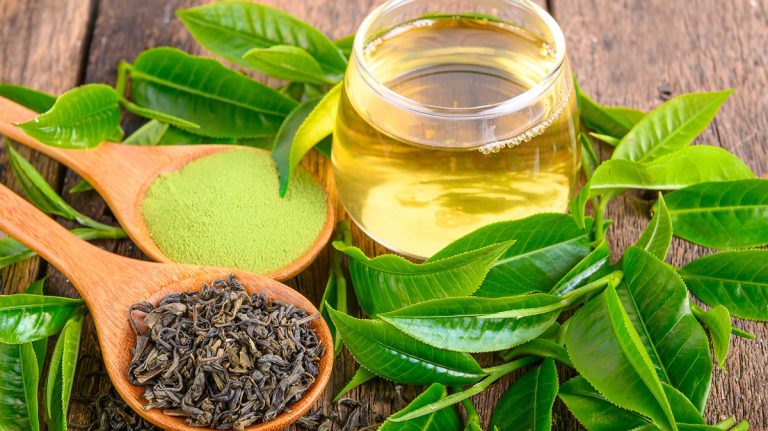
Matcha powder is the key ingredient that gives the drink its signature green color and earthy flavor. Choosing high-quality matcha, preferably ceremonial grade for its smooth taste and fine texture, makes a noticeable difference in the final result. Lower-grade matcha can taste bitter or grainy, which may overpower the strawberries.
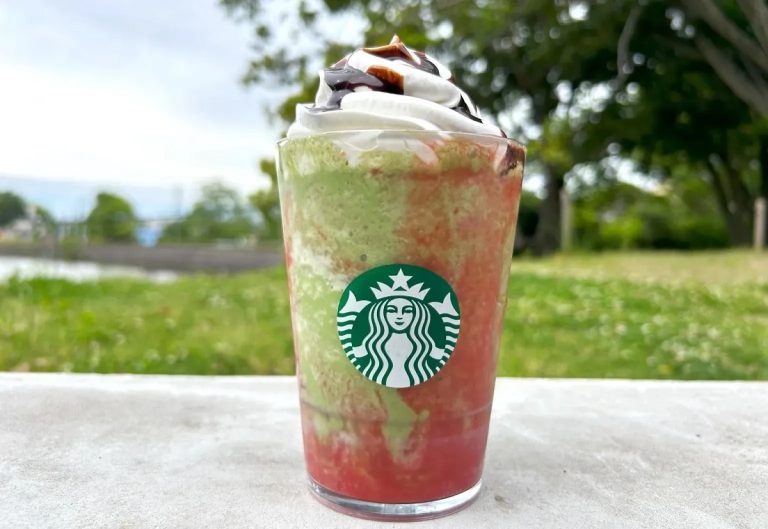
The vibrant green color of matcha also adds a visually appealing contrast to the red of the strawberries. This combination creates a visually stunning drink that’s perfect for enjoying at home or serving to guests. The powdered form ensures it mixes evenly, giving a smooth, creamy consistency when blended properly.
Matcha is packed with antioxidants and a moderate amount of caffeine, providing a gentle energy boost. It also contains L-theanine, which promotes calm focus, making the strawberry matcha both refreshing and energizing. Measuring the right amount is important to balance flavor and avoid a bitter aftertaste.
Milk or Milk Alternatives
Milk or milk alternatives are essential for creating a creamy texture and mellowing the flavors of matcha and strawberries. Dairy milk adds richness, while plant-based options like almond, oat, or soy milk provide a lighter, naturally sweet alternative. Choosing unsweetened versions helps control the overall sugar content of the drink.
The milk also helps blend the matcha powder smoothly, reducing clumps and enhancing the creaminess. This makes each sip feel indulgent while maintaining a fresh, fruity profile from the strawberries. Adjusting the ratio of milk to strawberries allows you to control thickness, creating anything from a light beverage to a smoothie-like consistency.
Adding milk can also support digestive comfort for those sensitive to straight matcha, softening the slightly bitter and astringent notes. This ingredient ensures the strawberry matcha is balanced, smooth, and satisfying, making it a drink you can enjoy daily without overpowering your taste buds.
Sweeteners and Optional Additions
Depending on your preference, adding a natural sweetener can enhance the flavor of strawberry matcha. Options like honey, maple syrup, or agave complement the strawberries without overpowering the delicate matcha taste. These sweeteners also add a subtle layer of complexity to the drink.
Optional additions such as vanilla extract, chia seeds, or a dash of cinnamon can elevate your drink further. They provide extra aroma, texture, or a hint of spice that enhances the overall sensory experience. Using these ingredients thoughtfully allows you to create a strawberry matcha tailored to your taste.
Balancing sweetness and additional flavors ensures the drink remains refreshing rather than overly sugary. Starting with a small amount of sweetener and adjusting gradually helps you maintain control over the flavor profile while enjoying all the natural benefits of strawberries and matcha.
Step-by-Step Guide to Prepare Strawberry Matcha
Preparing strawberry matcha at home is both simple and rewarding when done with care. Following a structured approach ensures that every ingredient blends harmoniously, creating a smooth, flavorful drink. From prepping strawberries to whisking matcha properly, each step contributes to a refreshing beverage that balances sweetness, creaminess, and earthy green tea flavor.
Preparing the Strawberries for Blending
Start by selecting fresh, ripe strawberries. Wash them thoroughly under cold water to remove any dirt or residues. After washing, remove the stems and leaves, and slice the berries into smaller pieces. This helps the strawberries blend evenly and release their natural sweetness more efficiently.
If you prefer a colder, smoothie-like texture, consider using partially frozen strawberries. This also helps thicken the drink naturally without needing ice, which can dilute the flavor. For a smoother taste, lightly mash the strawberries or pulse them in a blender before adding other ingredients.
Strawberries provide natural sweetness and vibrant red color, which complements the earthy green of matcha. Proper preparation ensures they integrate smoothly into the drink and prevents chunks or uneven texture. Taking the time to prep the strawberries carefully is the foundation of a well-balanced, visually appealing strawberry matcha.
Whisking Matcha Powder Correctly
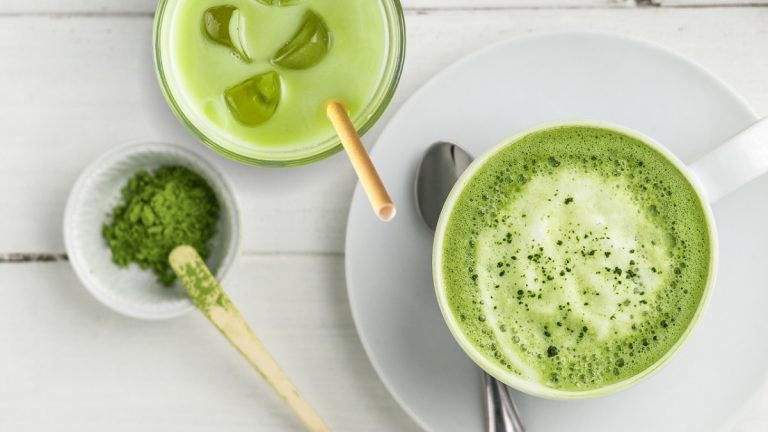
Matcha powder requires careful handling to achieve a smooth, clump-free mixture. Start by sifting the powder through a fine mesh sieve into a small bowl or cup. This removes lumps that can make the drink grainy and ensures an even blend with the strawberries and milk.
Next, add a small amount of warm water, around 70–80°C, which is ideal for preserving the flavor and antioxidants. Avoid boiling water as it can create a bitter taste. Use a bamboo whisk or electric frother to whisk the matcha in a zigzag or “M” motion until it forms a smooth, frothy layer on top.
Whisking properly ensures the matcha fully dissolves and distributes evenly in the drink, providing a consistent flavor with each sip. This step enhances the earthy aroma and prevents bitterness from overpowering the natural sweetness of the strawberries. Taking care during whisking elevates the quality and experience of your strawberry matcha.
Blending the Strawberries and Matcha
Once the strawberries are prepared and matcha is whisked, it’s time to combine them. Place the strawberries in a blender and pour in the whisked matcha along with milk or your chosen milk alternative. Blend on medium speed until the mixture becomes smooth and well-integrated.
Adjust the consistency by adding more milk for a thinner beverage or using fewer liquids for a thicker, smoothie-like texture. Taste the mixture and add a natural sweetener such as honey or agave syrup if desired. Blending ensures the flavors meld together while maintaining a creamy, enjoyable texture.
Blending also helps create a uniform color and consistency, making the drink visually appealing. By taking care to integrate the matcha evenly with strawberries and milk, you achieve a balanced flavor where the sweetness of the fruit complements the earthy green tea notes perfectly.
Adding Sweeteners and Optional Flavor Enhancements
Sweeteners can enhance the natural flavors without overwhelming the drink. Begin with a small amount of honey, maple syrup, or agave, blending it thoroughly into the mixture. Taste and adjust gradually to achieve the perfect balance. This prevents the matcha from tasting bitter while keeping the strawberry flavor prominent.
Optional enhancements like vanilla extract, chia seeds, or a pinch of cinnamon can elevate your strawberry matcha further. Vanilla adds aromatic sweetness, chia seeds provide texture and nutrients, and cinnamon introduces a subtle warmth that complements both matcha and strawberries. Use these sparingly to avoid overpowering the drink’s natural balance.
Properly incorporating sweeteners and optional ingredients ensures your strawberry matcha remains refreshing and flavorful. Adjusting these elements according to personal taste allows you to create a beverage that feels both indulgent and healthy, perfectly suited for your daily routine or as a special treat.
Serving and Presentation Tips
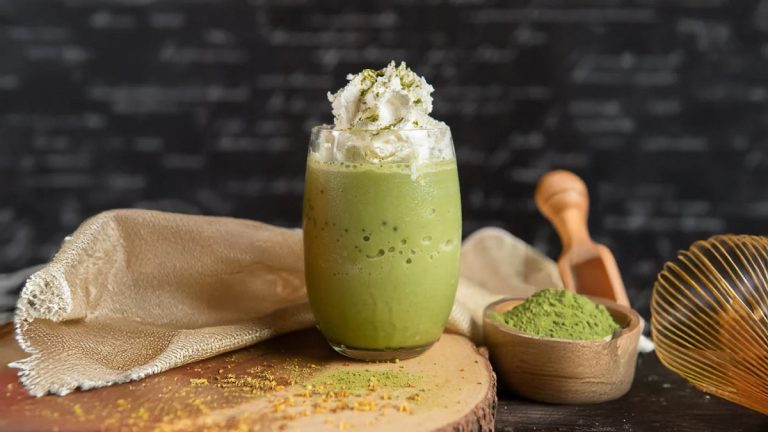
Once your strawberry matcha is blended, serve it immediately to enjoy the fresh flavors at their peak. Pour it into a glass or cup, and consider adding ice cubes for a chilled version. A light froth on top, created during whisking, enhances both appearance and texture.
Garnishing adds an aesthetic touch and can enhance flavor subtly. Slice a strawberry and place it on the rim of the glass or sprinkle a few chia seeds or matcha powder on top. These finishing touches make the drink look appealing and more enjoyable to drink.
Serving freshly prepared strawberry matcha ensures maximum flavor and nutrient retention. Taking time with presentation not only makes the drink visually attractive but also elevates the overall experience, turning a simple beverage into a refreshing, healthful treat that’s enjoyable for any time of day.
Flavor Variations and Add-Ons
Strawberry matcha is already a vibrant and refreshing drink, but exploring flavor variations and add-ons can elevate it to an entirely new experience. By adjusting ingredients or introducing complementary flavors, you can create a personalized beverage that suits your taste, mood, or occasion. Experimenting with different combinations ensures that each cup feels unique while retaining the essential balance of matcha and strawberries.
Adding Citrus for a Zesty Twist
Incorporating citrus into strawberry matcha adds a bright, tangy note that enhances the natural sweetness of the strawberries. Lemon or orange juice works well in small amounts, creating a refreshing contrast with the earthy flavor of matcha. This combination can make the drink feel lighter and more invigorating, perfect for a morning boost or an afternoon pick-me-up.
Citrus also adds an extra layer of antioxidants, particularly vitamin C, which complements the health benefits of both strawberries and matcha. When using fresh citrus, start with a teaspoon or two to avoid overpowering the delicate balance of flavors. Gradually adjusting the amount allows you to achieve the ideal tanginess without compromising the drink’s natural sweetness.
For those who enjoy a more aromatic experience, zesting a bit of lemon or orange peel on top adds subtle fragrance. This small addition can transform the sensory experience, making your strawberry matcha feel more sophisticated and enjoyable with each sip.
Experimenting With Milk and Plant-Based Alternatives
Milk and milk alternatives offer another way to change the flavor profile of strawberry matcha. Dairy milk adds creaminess and richness, softening the earthy matcha notes while enhancing the natural sweetness of strawberries. Whole milk produces a fuller, more indulgent flavor, while low-fat milk provides a lighter option.
Plant-based alternatives like almond, oat, or soy milk create a different flavor experience. Almond milk adds a nutty undertone, oat milk contributes natural sweetness, and soy milk offers a creamy, neutral base that allows the strawberries and matcha to shine. Unsweetened versions let you control the overall sweetness, while sweetened alternatives provide extra flavor without needing additional sweeteners.
Blending the milk thoroughly ensures a smooth, velvety texture that enhances the overall drink. Adjusting the milk-to-fruit ratio allows you to customize thickness, making the drink more like a smoothie or a beverage-like consistency depending on your preference.
Boosting Flavor With Natural Sweeteners and Spices
Sweeteners and spices can add subtle depth to strawberry matcha. Honey, maple syrup, or agave syrup provide gentle sweetness that complements strawberries without overpowering matcha. Starting with a small amount and adjusting gradually helps maintain balance, ensuring the earthy, green tea notes remain distinct.
Spices like cinnamon, nutmeg, or a hint of ginger introduce warmth and complexity. Cinnamon pairs well with both matcha and strawberries, adding a comforting aroma. Nutmeg adds subtle depth, while ginger introduces a gentle, zesty kick that can elevate the drink for cooler weather or as a digestive aid.
Using these add-ons thoughtfully ensures the strawberry matcha retains its refreshing character while offering new flavor dimensions. Layering flavors enhances both taste and aroma, creating a more dynamic drinking experience.
Incorporating Superfood Additions
Adding superfoods can increase the nutritional profile and texture of strawberry matcha. Chia seeds, flax seeds, or hemp hearts provide fiber, protein, and omega-3 fatty acids, making the drink more filling and nutrient-dense. They also add a subtle texture that can make each sip more interesting.
Powdered superfoods like spirulina, maca, or acai can be blended in small amounts to complement the flavors while boosting antioxidants and energy. These additions should be used sparingly to avoid overpowering the delicate balance of strawberry and matcha.
By experimenting with superfoods, milk alternatives, citrus, spices, and natural sweeteners, you can create countless variations of strawberry matcha. Each addition allows you to explore new flavor profiles, turning a simple drink into a personalized, nourishing beverage.
Tips for Perfect Texture and Taste
Achieving the perfect strawberry matcha requires attention to both flavor balance and texture. Even high-quality ingredients can taste off if not prepared properly. By following a few practical tips, you can ensure a smooth, creamy drink that highlights the sweetness of strawberries while preserving the earthy richness of matcha, creating a satisfying beverage every time.
Achieving a Smooth, Clump-Free Matcha Base
The foundation of perfect strawberry matcha is a smooth, clump-free matcha base. Sifting the powder before whisking removes lumps and ensures even blending. Using warm water around 70–80°C helps dissolve the powder without creating bitterness, as excessively hot water can damage delicate matcha compounds.
Whisk the matcha in a zigzag or “M” motion to create a frothy, consistent texture. A bamboo whisk works best for this traditional method, while a small frother can speed up the process. Properly whisked matcha integrates seamlessly with milk and strawberries, preventing grainy or uneven layers in your drink.
Consistency is key: aim for a slightly thick, smooth liquid that can easily mix with other ingredients. Taking the time to prepare the matcha correctly ensures that the earthy green tea flavor remains balanced and enjoyable, forming a strong base for the rest of the drink.
Blending Strawberries for Maximum Sweetness and Smoothness
Strawberries should be fully blended to achieve a silky texture that complements matcha. Using ripe, juicy berries enhances natural sweetness, while lightly mashing or chopping them before blending ensures even distribution. Frozen strawberries can also be used to add thickness without diluting flavor with ice.
Balancing strawberry sweetness with matcha’s earthy taste is essential. Start by blending a small amount of fruit and taste the mixture before adding more. This gradual adjustment prevents overpowering either flavor. Blending thoroughly also creates a vibrant, uniform color that makes the drink visually appealing.
For a creamier texture, combine the strawberry puree with milk or a milk alternative during blending. This step ensures smooth integration and prevents separation, giving your drink a consistent, velvety mouthfeel that highlights both strawberries and matcha.
Controlling Sweetness and Flavor Balance
Sweeteners and add-ons should enhance, not dominate, your strawberry matcha. Start with a small amount of honey, maple syrup, or agave, tasting gradually as you blend. Over-sweetening can mask the natural flavors and overwhelm the delicate balance between strawberries and matcha.
Optional flavor enhancers like vanilla, cinnamon, or citrus zest can add depth and complexity, but use sparingly. Subtle layers of flavor make each sip interesting without compromising the drink’s freshness and smooth texture.
Finally, adjusting milk ratios allows you to control thickness and mouthfeel. More milk softens matcha’s bitterness and adds creaminess, while less milk creates a more fruit-forward, smoothie-like texture. By carefully balancing sweetness, flavor additions, and milk content, you can create strawberry matcha with perfect texture and taste every time.
FAQs
How Can You Identify a Great Horned Owl Feather?
Identifying a great horned owl feather involves observing its size, shape, and coloration. These feathers are usually large, with a rounded tip and a soft, fluffy base that helps the owl fly silently. The coloration often includes a mix of brown, gray, and white patterns, sometimes with subtle barring.
You should also note the feather’s texture. The edges are soft and fringed, which differentiates them from other birds of prey. Comparing the feather to reference guides or images of great horned owl feathers can help confirm your identification and avoid mistaking it for another species.
What Makes Great Horned Owl Feathers Unique?
Great horned owl feathers are unique due to their combination of size, muted color patterns, and silent flight adaptations. The soft fringe along the edges reduces turbulence, allowing the owl to glide noiselessly while hunting at night.
The color pattern also provides camouflage, helping the owl blend into tree bark or foliage. The feathers are typically broader and more flexible than those of smaller owls or hawks, making them stand out in comparison. These features make them distinguishable if you examine the feather closely under good lighting.
How Do You Differentiate Owl Feathers From Other Bird Feathers?
Owl feathers differ from other bird feathers in several ways. They are generally softer, with a fringed edge that reduces noise during flight. This adaptation is specific to nocturnal hunters like the great horned owl.
The shape and pattern are also distinct. Owl feathers often have rounded tips and subtle barring or mottling. They are usually larger than songbird feathers but smaller than eagle feathers. Observing these details carefully can help you identify the species and avoid confusion with other birds of prey.
Can You Identify a Feather Without Finding the Whole Bird?
Yes, you can identify a feather without seeing the bird itself, but it requires careful observation. Consider the size, shape, coloration, and texture. Compare the feather to guides or online databases for verification.
Additional clues such as location, habitat, and season can help narrow down species. For example, finding a large, muted brown feather near wooded areas may suggest a great horned owl rather than a hawk. Proper identification depends on combining physical characteristics with environmental context.
How Do You Preserve Owl Feathers for Study or Collection?
Preserving owl feathers requires gentle handling to maintain their structure. Keep them dry and store them in acid-free paper or a container that prevents crushing. Avoid excessive handling, as oils from your hands can damage delicate barbs.
Label the feather with the date, location, and any relevant notes. Proper storage helps maintain the feather’s natural color and structure, making it useful for study, photography, or educational purposes. This method ensures the feather remains a reliable reference for identification.
What Are the Ethical Considerations of Collecting Owl Feathers?
It is important to note that collecting feathers from protected species like the great horned owl may be restricted by law. You should only handle feathers found naturally, such as molted feathers, and never disturb nests or live birds.
Respecting wildlife laws and ethical guidelines ensures you do not harm the owl population. Using molted feathers for identification, study, or artistic purposes allows you to learn about these birds responsibly without interfering with their natural behavior.
How Do You Combine Learning About Owl Feathers With Other Hobbies Like Making Strawberry Matcha at Home?
Learning about owl feathers can be a relaxing, observational hobby that pairs well with making strawberry matcha at home. While studying feathers, you can enjoy a calming drink to enhance focus and mindfulness.
This combination creates a sensory experience: visually exploring patterns and textures in feathers while sipping a sweet, creamy matcha beverage. Both activities encourage attention to detail, patience, and appreciation of natural and culinary beauty, making them complementary hobbies for anyone interested in nature and creative culinary pursuits.
Conclusion
Making your own strawberry matcha at home can be a fun and rewarding experience, letting you enjoy a fresh, flavorful drink exactly to your taste. By carefully balancing the sweetness of strawberries with the earthy notes of matcha, you can create a beverage that is both refreshing and energizing. Experimenting with hot or cold versions adds versatility to your homemade matcha routine.
With simple ingredients and a few tools, even beginners can achieve a smooth, frothy consistency. Paying attention to proper whisking techniques, blending methods, and portion sizes ensures that every cup has the perfect texture and flavor. Incorporating optional add-ons like vanilla, honey, or milk alternatives can elevate the drink and make it uniquely yours.
Learning how to make strawberry matcha at home also allows for customization and creativity. Whether for a morning boost, an afternoon treat, or a visually appealing drink to share, this recipe is adaptable, easy, and delicious. With practice, you can master your ideal strawberry matcha every time.