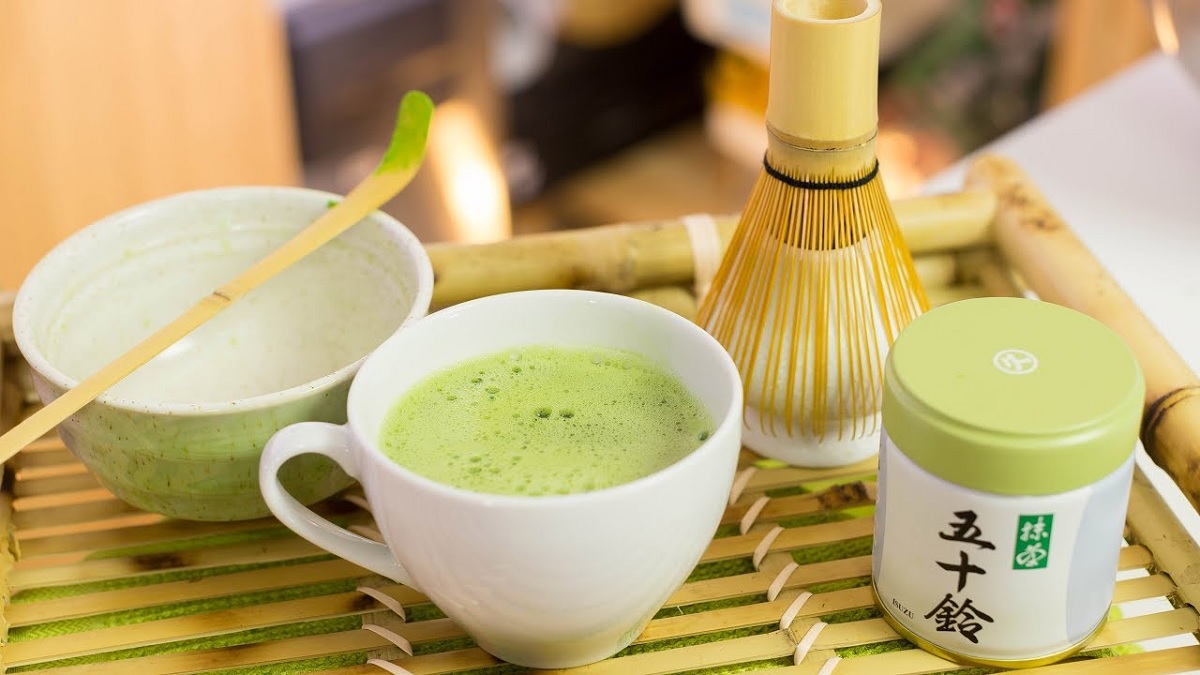
How Do You Prepare Matcha for the Perfect Cup Every Time
Preparing matcha is a ritual that combines both precision and appreciation for its vibrant flavor and health benefits. This finely ground green tea powder has been cherished for centuries for its earthy taste, rich antioxidants, and calming properties. While it may seem complicated at first, learning the proper techniques can make the process enjoyable and rewarding.
Many people wonder how do you prepare matcha in a way that maximizes flavor, smoothness, and the natural umami taste. The method involves more than just whisking powder into water; it requires attention to water temperature, whisking technique, and the ratio of matcha to liquid. These elements ensure a frothy, lump-free beverage with a balanced taste.
Matcha preparation can be traditional, using a bamboo whisk and hot water, or adapted for cold beverages and lattes. Each approach highlights the versatility of matcha while maintaining its healthful qualities.
Understanding the proper preparation techniques allows you to enjoy matcha at home with the same care and flavor as a tea ceremony. By following simple steps, you can create a smooth, vibrant drink that supports both wellness and a mindful moment in your day.
Step-By-Step Preparation To Make Matcha
Preparing matcha properly ensures a smooth, vibrant, and flavorful beverage that maximizes its natural antioxidants and umami taste. The process may seem intricate at first, but breaking it down into steps makes it simple and enjoyable. Whether you are making a traditional hot matcha or a cold variation, attention to technique, water temperature, and equipment is key for achieving the perfect cup.
Choosing the Right Matcha Powder
The first and most important step in preparing matcha is selecting high-quality powder. Ceremonial-grade matcha is ideal because it offers a smooth, sweet flavor and bright green color. Lower-grade or culinary matcha may taste bitter and produce a less visually appealing drink.
Sifting the powder before use is essential. A fine mesh strainer removes clumps and ensures a uniform texture when mixed with water. This step helps prevent lumps and ensures that the matcha dissolves evenly, giving your drink a smooth consistency. High-quality matcha also retains more antioxidants and chlorophyll, enhancing both flavor and health benefits.
Choosing the right matcha powder sets the foundation for a great beverage. It ensures vibrant color, smooth texture, and maximum health benefits, making the preparation process more rewarding. Taking this step seriously guarantees that your matcha will taste as intended.
Measuring Matcha and Water
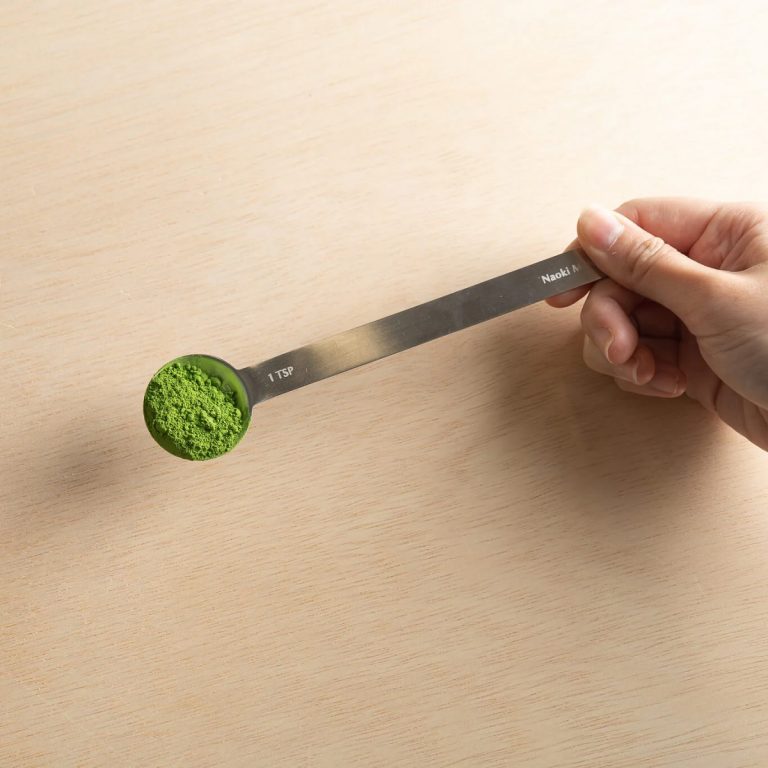
Accurate measurements of matcha and water are critical for achieving a balanced flavor. For a standard serving, use about ½ to 1 teaspoon of matcha powder for 2–3 ounces of water. Using too much powder can make the drink bitter, while too little may taste weak.
The water temperature is equally important. Ideally, hot water should be between 160°F and 175°F (70°C–80°C). Boiling water can scorch the powder, resulting in bitterness. For cold preparations, use chilled water, which requires extra whisking or shaking to dissolve the powder evenly.
Combining the correct amount of matcha with properly heated or chilled water ensures a smooth, flavorful drink. This step creates the right balance between earthy, sweet, and umami notes while maintaining a vibrant green color.
Whisking Techniques for Smooth Texture
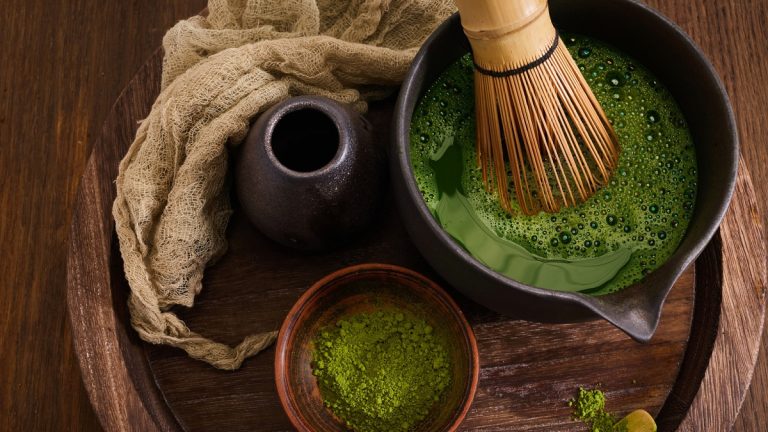
Whisking is a crucial step for preparing matcha, as it prevents clumps and creates the signature frothy texture. A bamboo whisk, called a chasen, is ideal, but a handheld frother or small regular whisk can also work. Begin by whisking in a zigzag “M” or “W” motion rather than stirring in circles, which helps incorporate air and achieve a light, frothy layer.
Start with a small amount of water to form a smooth paste with the matcha powder before adding the remaining water. Whisk vigorously but steadily until the foam forms, and small bubbles appear on the surface. Proper whisking ensures a creamy, lump-free texture that enhances the overall drinking experience.
Even minor adjustments in whisking technique can dramatically affect the drink’s texture. Learning to create a stable, frothy layer ensures a balanced and visually appealing cup, elevating both taste and presentation.
Optional Additions: Sweeteners and Milk
Once the matcha is whisked, you can customize flavor by adding sweeteners or milk. Natural sweeteners like honey, agave, or simple syrup can balance bitterness without overpowering matcha’s flavor. For a creamier drink, add dairy or plant-based milk such as oat, almond, or soy.
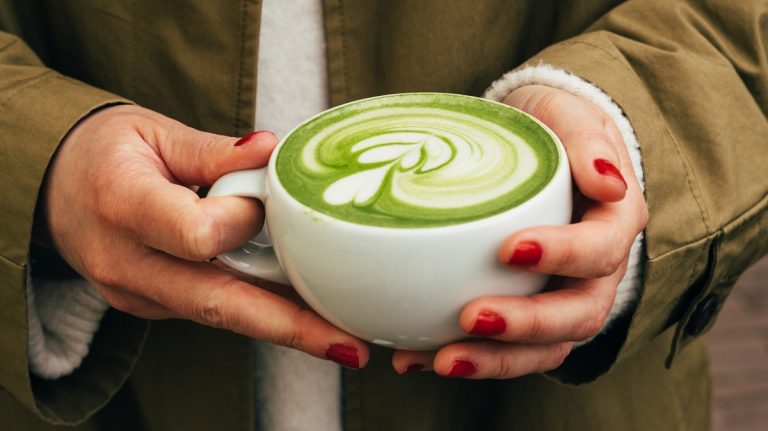
When adding milk, pouring gently helps maintain the frothy layer on top. For lattes, steaming or frothing the milk enhances texture and integrates flavor smoothly. Sweeteners and milk allow you to tailor matcha to your personal taste while preserving its natural umami and antioxidant benefits.
Customization makes matcha enjoyable for different preferences. By experimenting with sweetness and milk type, you can create a beverage that suits your taste while still maintaining healthful properties.
Serving and Presentation Tips
Serving matcha properly completes the preparation process. Pour the drink into a pre-warmed cup for hot matcha or over ice for cold versions. Using a clear glass highlights the vibrant green color, while garnishes like a light dusting of matcha powder or edible flowers can enhance visual appeal.
Drinking immediately after preparation ensures that the froth and flavor remain at their best. Gentle stirring or sipping from the side of the cup allows you to enjoy both the creamy foam and the smooth matcha beneath. Presentation is not just aesthetic—it also enhances the sensory experience of taste and aroma.
Proper serving and presentation techniques elevate matcha from a simple beverage to a mindful, enjoyable ritual. Attention to detail ensures that each cup is visually appealing, flavorful, and satisfying, reflecting the care put into every step of preparation.
Cleaning and Maintaining Equipment
Maintaining your matcha equipment, especially a bamboo whisk, ensures consistent results and longevity. After each use, rinse the whisk with warm water and allow it to air dry. Avoid using soap, which can damage the delicate bamboo and affect flavor.
Bowls, frothers, and strainers should also be rinsed immediately after use to prevent residue from hardening. Proper care preserves the integrity of your tools and ensures smooth, flavorful matcha in future preparations.
Regular maintenance of matcha tools allows you to enjoy a high-quality beverage every time. Clean, well-cared-for equipment ensures consistent texture, flavor, and froth, enhancing the overall experience of preparing and drinking matcha.
Optional Additions and Customizations
Matcha is versatile, and optional additions allow you to personalize both flavor and texture according to your preferences. From sweeteners to milk choices and creative flavor enhancers, small modifications can transform a standard cup into a unique and indulgent experience. Understanding the different customization options helps you enjoy matcha while preserving its natural taste and health benefits.
Sweeteners to Balance Bitterness
Matcha naturally has a slightly earthy, bitter flavor that some people find strong, especially in lattes or cold preparations. Sweeteners are an easy way to balance this taste. Options like honey, agave, maple syrup, or simple syrup blend seamlessly into matcha, creating a smoother, more enjoyable flavor profile.
When adding sweeteners, it’s best to mix them into the matcha paste before combining with water or milk. This ensures even distribution and prevents clumps. Gradually adjusting sweetness allows you to achieve a balanced taste without masking matcha’s natural umami notes. Sweetened matcha works well in iced drinks, smoothies, or creamy lattes, providing both flavor and energy while maintaining antioxidant benefits.
Natural sweeteners also offer the advantage of additional nutrients compared to processed sugars. For example, honey contains trace minerals, and maple syrup provides antioxidants. These subtle benefits make sweetened matcha both delicious and slightly more nutritious.
Milk and Plant-Based Alternatives
The choice of milk or milk alternative significantly affects flavor, texture, and overall drinking experience. Whole milk produces a creamy, rich foam, while plant-based options like oat, almond, soy, or coconut milk create lighter, slightly nutty, or subtly sweet variations. Barista-style plant milks are ideal for frothing, as they create stable, airy foam that enhances presentation.
Experimenting with milk allows you to highlight different flavor notes in matcha. Oat milk complements matcha’s natural sweetness, almond milk adds delicate nutty undertones, and coconut milk introduces a tropical twist. The milk-to-matcha ratio also affects intensity—more milk softens bitterness, while less milk lets the earthy taste shine.
Selecting the right milk makes the beverage more enjoyable for various dietary needs. Vegan or lactose-intolerant individuals can still experience a creamy, satisfying matcha drink by choosing suitable plant-based alternatives.
Flavor Enhancements and Creative Twists
Beyond sweeteners and milk, additional flavor enhancements allow you to experiment with unique matcha variations. Vanilla, almond, or coconut extracts can add warmth and depth, while cinnamon, nutmeg, or cacao powder introduces aromatic complexity. Citrus zest or a squeeze of lemon brightens flavors, providing a refreshing balance to matcha’s earthiness.
Layering flavors creatively can transform matcha into a dessert-like beverage or a refreshing iced drink. Chocolate or caramel syrups work well in lattes, while fresh herbs like mint or basil create a unique summer-inspired matcha. These customizations not only enhance taste but also improve visual appeal, making your beverage more enjoyable to drink.
Trying different combinations helps you discover flavors that suit your preferences. Each addition should complement matcha’s natural profile rather than overpower it, ensuring the signature earthy and umami characteristics remain the focal point.
Adjusting Temperature and Serving Style
Temperature and serving style also impact flavor and texture. Traditional hot matcha emphasizes aroma and depth, while iced or cold preparations highlight refreshing qualities. Frothing milk or adding ice cubes can alter mouthfeel, making the drink creamier or more cooling, depending on your preference.
Presentation plays a role in taste perception as well. Pouring matcha over ice, layering with milk, or adding frothy foam enhances both visual appeal and drinking experience. Garnishes like a sprinkle of matcha powder, cacao, or edible flowers add aesthetic value while subtly enhancing aroma.
Customizing temperature and presentation allows you to enjoy matcha in different ways throughout the year. Hot or cold, layered or blended, matcha can be adapted to suit both flavor preferences and seasonal needs.
Combining Customizations for a Personalized Drink
By combining sweeteners, milk choices, flavor enhancements, and serving styles, you can create a matcha drink tailored specifically to your taste. Adjusting each element allows for endless possibilities, from simple daily beverages to café-style creations.
Mindful customization ensures you preserve matcha’s health benefits while making it enjoyable. Balancing sweetness, creaminess, and flavor complexity allows you to experience both the functional and sensory benefits of matcha. Personalization transforms the drink into a satisfying ritual that fits your lifestyle and taste preferences.
Serving and Enjoying Matcha
Serving matcha properly enhances both its flavor and overall experience. From choosing the right cup to mindful pouring techniques, presentation can elevate this simple green tea into a visually appealing and satisfying ritual. Whether enjoyed hot or cold, taking time to serve matcha thoughtfully allows you to appreciate its vibrant color, aroma, and smooth texture.
Choosing the Right Cup and Presentation
The cup or bowl you use significantly affects the matcha experience. Traditional matcha bowls, or chawan, are wide and shallow, allowing for efficient whisking and foam creation. A clear glass can be ideal for cold or iced matcha, showcasing its vivid green color and layered presentation.
Presentation isn’t just visual—it also impacts aroma and drinking style. Pouring slowly, holding the cup properly, and observing the vibrant color enhances mindfulness and enjoyment. Garnishes, like a light dusting of matcha powder or a citrus twist, can add aesthetic appeal while subtly complementing flavor. Serving matcha with care transforms it into a sensory experience rather than just a beverage.
Enjoying Hot or Cold Matcha
Hot matcha emphasizes aroma and depth of flavor, while cold preparations offer a refreshing, lighter alternative. Drinking hot matcha slowly allows you to savor its umami richness, smooth texture, and subtle sweetness. Cold matcha, especially when layered with milk or ice, provides a crisp and energizing experience.
The temperature also influences taste perception. Hot matcha can taste more robust, highlighting natural bitterness and umami, while chilled matcha softens the flavor and enhances refreshment. Understanding how temperature affects taste helps you select the best preparation for your mood, environment, or occasion.
Mindful Sipping and Ritual
Mindful sipping enhances appreciation of matcha. Observe the color, inhale the aroma, and take small sips to fully experience its layered flavors. The ritual of preparing and drinking matcha can create a calming, meditative moment, encouraging focus and relaxation.
Adding thoughtful elements, like a quiet environment or pairing matcha with light snacks, can further enhance the enjoyment. Serving and drinking matcha mindfully turns a simple tea break into a nourishing and restorative experience.
People Also Asked
How Do You Prepare Matcha With Hot Water?
You can prepare matcha with hot water by first sifting 1–2 teaspoons of matcha powder into a bowl to remove clumps. Then, heat water to about 175°F (80°C) — avoid boiling water, as it can make matcha bitter.
Next, add a small amount of hot water to the powder and whisk vigorously in a zigzag motion using a bamboo whisk. Continue whisking until a smooth, frothy layer forms on top. This method ensures a creamy, well-blended matcha that maximizes flavor and maintains its natural antioxidants.
Can You Prepare Matcha With Cold Water?
Yes, you can prepare matcha with cold water for a refreshing drink. Start by sifting 1–2 teaspoons of matcha powder into a jar or shaker. Add cold, filtered water and shake or whisk vigorously until the powder is fully dissolved and slightly frothy.
Cold water preparation preserves matcha’s natural sweetness and reduces bitterness. It’s ideal for iced matcha lattes or smoothies. You can also adjust the powder-to-water ratio to make it stronger or milder depending on your taste preferences while keeping it smooth and clump-free.
What Tools Are Essential To Prepare Matcha Properly?
To prepare matcha correctly, you need a few essential tools. A bamboo whisk (chasen) helps create a smooth, frothy texture, while a bowl (chawan) gives you space for whisking. A sifter ensures no clumps remain, and a measuring spoon (chashaku) helps you use the right amount of matcha powder.
If you prefer convenience, an electric milk frother or shaker can also work for cold matcha. Using these tools correctly ensures a consistent, creamy cup every time while preserving the flavor and nutrients of your matcha.
How Much Matcha Powder Should You Use?
Typically, 1–2 teaspoons of matcha powder is enough for a single serving. Using too much powder can make your drink bitter, while too little may result in a weak flavor.
When preparing matcha, measuring accurately ensures a balanced taste and smooth consistency. Adjust slightly based on personal preference, but always sift the powder before whisking. Proper measurement helps you get the signature frothy layer and preserves matcha’s natural aroma and antioxidants.
Can You Add Milk Or Sweeteners When Preparing Matcha?
Yes, adding milk or sweeteners is common when preparing matcha, especially for lattes. You can use dairy milk or plant-based alternatives like oat, almond, or soy. Sweeteners like honey, agave, or simple syrup can be added to taste.
When using milk, froth it separately and layer it over prepared matcha for a latte effect. Avoid over-sweetening to preserve matcha’s natural flavor and antioxidants. This customization allows you to enjoy a creamy, flavorful drink while keeping it balanced and enjoyable.
What Are Common Mistakes To Avoid When Preparing Matcha?
One common mistake is using boiling water, which can make matcha taste bitter. Another is skipping the sifting step, resulting in clumps that don’t dissolve properly. Over-whisking or under-whisking can also affect the texture and froth.
Using too much or too little powder alters the flavor balance. To avoid mistakes, always measure, sift, and whisk carefully. Following proper techniques ensures a smooth, frothy, and flavorful cup, letting you enjoy matcha at its best while maintaining its natural antioxidants and vibrant color.
Final Words
Preparing matcha properly transforms this simple green tea powder into a vibrant, flavorful, and healthful beverage. By paying attention to key steps—selecting high-quality matcha, measuring the right ratio of powder to water, and mastering whisking techniques—you can achieve a smooth, frothy cup that highlights matcha’s natural umami and antioxidants. Each element, from water temperature to whisking motion, contributes to the final experience.
When considering how do you prepare matcha, it’s important to remember that customization can enhance enjoyment. Adding sweeteners, milk, or flavor enhancements allows you to tailor the drink to your taste preferences while maintaining its nutritional benefits. Cold or hot preparations, layered lattes, or simple traditional servings all provide ways to experience matcha in a way that fits your lifestyle.
Ultimately, knowing how to prepare matcha allows you to enjoy both its flavor and health advantages. With practice and attention to detail, every cup becomes a mindful, satisfying ritual that combines taste, texture, and wellness in a single beverage.