How Many Grams of Matcha in a Tablespoon? Accurate Measurements for Every Recipe
Matcha has become a staple for tea enthusiasts and wellness seekers alike, praised for its vibrant color, unique flavor, and high antioxidant content. Proper measurement is important to maximize its benefits while avoiding overconsumption of caffeine or bitterness. Many people are curious about the precise quantity to use when preparing matcha at home.
A common question that arises is how many grams of matcha in a tablespoon. Understanding the weight of matcha per tablespoon helps ensure consistent flavor, proper serving sizes, and accurate nutrition calculations. Unlike loose-leaf tea, matcha is a finely powdered green tea, so even small variations in measurement can affect taste and potency.
Accurate measurement is especially important for ceremonial-grade matcha, which is more concentrated and flavorful, as well as for culinary-grade matcha used in lattes, smoothies, or baked goods. Knowing the correct gram-to-tablespoon ratio ensures a balanced, enjoyable experience with each serving.
Exploring the weight of matcha per tablespoon allows you to prepare beverages or recipes with confidence, controlling flavor, caffeine, and nutrient intake effectively.
Standard Measurement of Matcha in a Tablespoon
Accurately measuring matcha is essential for achieving the right flavor, consistency, and caffeine levels in your beverage or recipe. Since matcha is a finely powdered green tea, even small variations in quantity can affect taste and potency. Understanding the standard measurement of matcha in a tablespoon allows you to maintain consistency and enjoy its benefits without overdoing caffeine or bitterness.
Typical Weight of Matcha Per Tablespoon
On average, one tablespoon of matcha powder weighs between 6 to 7 grams. This can vary slightly depending on the type of matcha, how finely it is ground, and whether it is loosely or tightly packed in the spoon. Ceremonial-grade matcha is often lighter and fluffier, while culinary-grade matcha may be slightly denser.
Knowing this standard weight helps maintain consistent flavor and caffeine levels. One tablespoon provides enough matcha for several small servings in lattes, smoothies, or recipes, but it may be too strong for traditional ceremonial preparations, which typically require only half a teaspoon per serving. Measuring accurately ensures balanced taste and proper nutrient intake.
Adjusting for Ceremonial and Culinary Use
For ceremonial-grade matcha, which is more concentrated and flavorful, standard servings usually range from 1 to 2 grams, roughly one-quarter to one-third of a tablespoon. This amount is ideal for traditional whisked tea, providing a smooth, rich taste without excessive bitterness or caffeine overload.
Culinary-grade matcha, used in lattes, smoothies, or baking, is more forgiving with larger measurements. One tablespoon (6–7 grams) can be added to recipes, providing vibrant color, flavor, and antioxidants while complementing other ingredients. Adjusting measurement based on matcha grade ensures the desired taste, color, and potency in every preparation.
Scooping Techniques and Accuracy
How you scoop matcha can impact the weight significantly. Scooping directly from the container may compact the powder, resulting in slightly more grams per tablespoon, while lightly spooning it in can reduce the weight. Using a level tablespoon or kitchen scale ensures more precise measurement.
For consistent results, especially when following recipes or preparing traditional tea, weighing matcha is recommended. A kitchen scale provides accuracy to the gram, eliminating guesswork and helping maintain flavor, color, and caffeine balance. Being mindful of scooping technique ensures that each tablespoon delivers consistent results.
Benefits of Standardized Measurement
Using a standardized measurement helps control the intensity of matcha, its caffeine content, and its antioxidant levels. Consistent portions prevent overconsumption, reduce potential bitterness, and allow repeatable results in recipes or beverages.
By understanding the typical weight of matcha in a tablespoon and adjusting based on grade, preparation, and personal taste, you can enjoy matcha in a controlled and flavorful way every time. This approach ensures maximum enjoyment and health benefits from this vibrant green tea powder.
How Matcha Type Influences Weight
Matcha is often celebrated for its potential to support metabolism, fat oxidation, and weight management. However, not all matcha is created equal, and the type of matcha you choose can influence its effectiveness. Understanding the differences between ceremonial-grade, premium-grade, and culinary-grade matcha helps you select the right type for your weight management goals while maximizing taste and nutrient benefits.
Ceremonial-Grade Matcha and Metabolism
Ceremonial-grade matcha is the highest-quality type, made from young, tender leaves that are carefully shaded before harvest. It contains a high concentration of antioxidants, particularly catechins, which are linked to fat oxidation and increased metabolic activity. These compounds may help your body burn calories more efficiently and support weight management over time.
While ceremonial-grade matcha is often consumed in small, whisked servings, even these modest portions deliver potent catechins. Its higher L-theanine content also promotes calm focus, reducing stress-related cravings that can contribute to overeating. People who use ceremonial-grade matcha consistently may notice subtle improvements in energy expenditure and appetite control when paired with a balanced diet and regular exercise.
Culinary-Grade Matcha and Versatile Use
Culinary-grade matcha, made from more mature leaves, is slightly lower in antioxidants but still provides caffeine and catechins. It is often used in smoothies, lattes, or baking, making it easier to incorporate into meals and recipes that support weight management. Blending culinary-grade matcha into a smoothie with protein or fiber can increase satiety, helping reduce overall calorie intake.
Because culinary-grade matcha is more affordable, it encourages daily consumption in larger servings, which can amplify its metabolic benefits. Using this type in recipes like matcha protein shakes or oatmeal bowls allows you to integrate antioxidants and mild energy-boosting compounds while controlling portion sizes and calorie intake.
Matcha Blend and Additives
Some matcha products are blended with sugar, milk powder, or flavoring agents, which can affect their impact on weight. Pre-mixed matcha lattes or flavored powders may contain added calories and sugar that counteract the natural fat-burning properties of matcha. Reading labels carefully and selecting pure matcha powder ensures that you gain metabolic benefits without unnecessary caloric intake.
Choosing high-quality, additive-free matcha is especially important for weight-conscious individuals. Using ceremonial or culinary-grade matcha in recipes you control allows you to maximize antioxidants, support metabolism, and manage calorie intake effectively.
Daily Consumption and Lifestyle Factors
The type of matcha is only one factor in its effect on weight. Serving size, timing, and how it is incorporated into your routine also play a role. Consuming matcha alongside meals, in smoothies, or as a replacement for sugary beverages helps enhance satiety and stabilize energy levels.
Combining regular matcha consumption with a balanced diet, hydration, and physical activity amplifies its potential benefits for metabolism and weight management. Selecting the right type and portion for your lifestyle ensures that matcha can be a supportive tool in achieving weight goals without compromising taste or digestive comfort.
Measuring Matcha for Different Recipes
Matcha is a versatile ingredient that can be used in traditional teas, lattes, smoothies, and even baked goods. Accurate measurement is essential to achieve the desired flavor, color, and nutritional benefits in each recipe. Understanding how much matcha to use based on the type of preparation ensures consistency and prevents overpowering bitterness or excessive caffeine intake.
Traditional Tea Preparation
For traditional matcha tea, precise measurement is key to achieving the smooth, rich flavor associated with ceremonial-grade matcha. Typically, half a teaspoon to one teaspoon (about 1 to 2 grams) of matcha per serving is sufficient. Using more than this can result in an overly bitter taste and higher caffeine intake than intended.
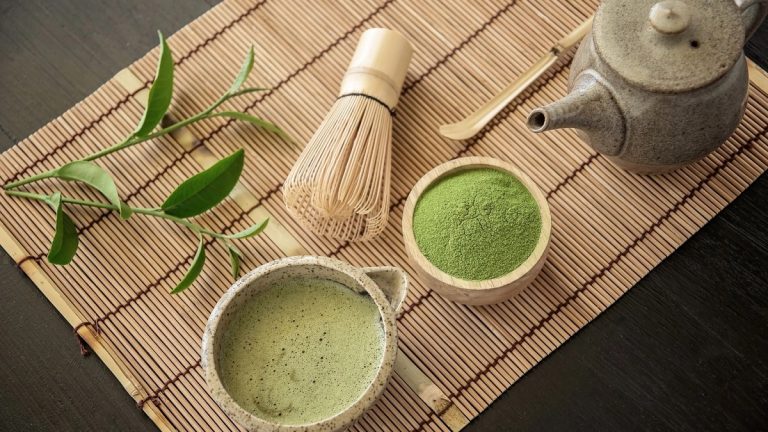
The powder is usually sifted into a bowl before whisking with hot water. Proper measurement ensures the matcha dissolves evenly, creating a smooth, frothy texture. For beginners, using a kitchen scale to measure 1 to 2 grams per serving guarantees accuracy and a consistent taste. Adjustments can be made gradually as you become familiar with your personal flavor preference.
Lattes and Milk-Based Beverages
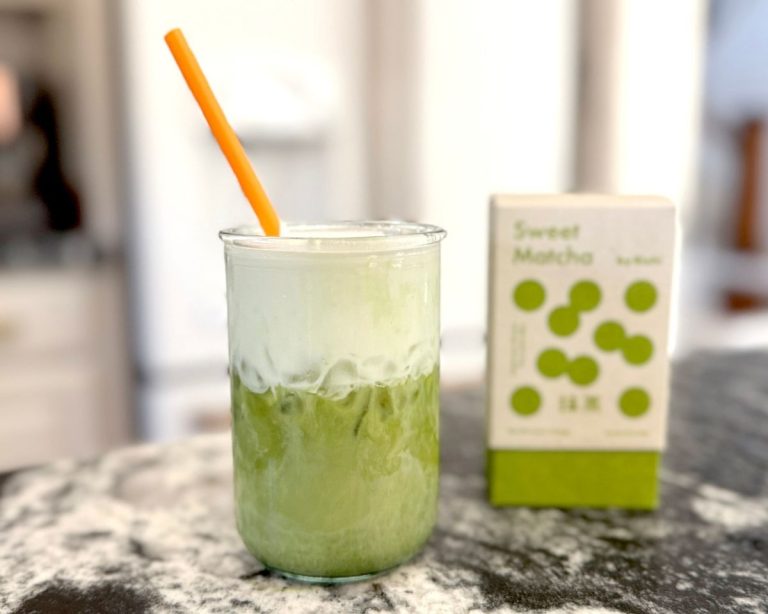
When preparing matcha lattes, the measurement differs from traditional tea because milk or plant-based alternatives dilute the intensity. Generally, one teaspoon (around 2 grams) of matcha per cup of milk is sufficient to maintain vibrant color, flavor, and nutritional benefits. Culinary-grade matcha is ideal here, as it is slightly stronger and holds up better against milk.
Blending matcha with milk allows for smoother texture and reduces bitterness. Some people prefer slightly more matcha for lattes to achieve a stronger flavor or additional caffeine boost, but exceeding one and a half teaspoons per cup can lead to overconcentration and digestive discomfort. Proper measurement ensures the latte remains balanced, flavorful, and enjoyable.
Smoothies and Blended Recipes
Culinary-grade matcha works well in smoothies, where it can complement fruits, vegetables, and protein powders. For most smoothie recipes, one to two teaspoons (2–4 grams) of matcha per serving provides color, antioxidants, and a subtle energy boost. Adjustments depend on personal taste and the intensity of other ingredients.
Measuring accurately prevents matcha from overpowering the flavors of other ingredients. Using a kitchen scale or leveled teaspoon ensures consistent results every time. Combining matcha with creamy or fibrous ingredients helps mask any slight bitterness and creates a smooth, nutrient-rich beverage suitable for daily consumption.
Baking and Desserts
Matcha is also popular in baking, where the amount needed depends on the recipe. For cakes, cookies, or pastries, 1–2 tablespoons of matcha powder (6–14 grams) per recipe is typically sufficient to achieve vibrant color and flavor without bitterness. Culinary-grade matcha is preferred because it is more affordable and holds up well during baking.
Overmeasuring can make baked goods taste bitter and overpower other flavors. Sifting matcha into dry ingredients ensures even distribution and prevents clumps. Adjusting measurement based on the size of the recipe, sweetness level, and desired intensity allows you to create balanced desserts with the signature matcha flavor and nutritional benefits.
Tips for Accurate Matcha Measurement
Accurate measurement of matcha is essential for achieving consistent flavor, caffeine levels, and nutritional benefits in both beverages and recipes. Unlike loose-leaf tea, matcha is a finely powdered green tea, which means even small variations in quantity can affect taste and potency. Understanding the best methods for measuring matcha ensures a smooth, enjoyable, and balanced experience every time.
Use a Kitchen Scale for Precision
The most reliable way to measure matcha is by using a digital kitchen scale. Measuring in grams allows for precise control over portion size, whether you are preparing ceremonial tea, lattes, smoothies, or baked goods. One teaspoon of matcha generally weighs about 2 grams, while a tablespoon weighs approximately 6–7 grams, but scales eliminate guesswork entirely.
Using a scale ensures consistent results, particularly in recipes where exact amounts impact flavor, color, and texture. It is especially useful when working with ceremonial-grade matcha, where even small over-measurements can result in bitterness or excess caffeine. By weighing matcha, you maintain balance in every serving and can replicate your favorite recipes accurately every time.
Level Your Teaspoons or Tablespoons
For those without a scale, leveling your teaspoon or tablespoon is a practical method to achieve more consistent measurements. Avoid scooping directly from the container with a heaping spoon, as this can add extra grams and affect taste. Instead, gently scoop and use the flat edge of a knife to level off the powder.
Leveling ensures that each serving provides roughly the same amount of matcha, reducing bitterness and caffeine fluctuations. This technique is especially helpful for daily matcha drinkers preparing tea or lattes without the convenience of a scale. Over time, consistent leveling helps develop a reliable sense of serving size for different types of matcha and recipes.
Consider the Matcha Type
The type of matcha you are using—ceremonial, premium, or culinary—affects how much to measure. Ceremonial-grade matcha is more concentrated in flavor and caffeine, so smaller amounts, often half a teaspoon to one teaspoon per serving, are sufficient. Culinary-grade matcha is slightly stronger and more robust, making it suitable for larger servings in lattes, smoothies, and baking.
Being mindful of matcha type ensures that you do not accidentally overuse stronger powders, which can lead to bitterness or digestive discomfort. Adjusting measurement based on type also helps maximize the flavor and antioxidant benefits without compromising taste or potency.
Sifting and Scooping Techniques
Sifting matcha before measuring can improve accuracy by breaking up clumps and ensuring even texture. Clumped powder can lead to uneven scooping, resulting in more matcha than intended. Use a small fine-mesh sifter and gently tap the powder into your measuring spoon or bowl for consistent results.
Sifting also enhances flavor and texture in beverages, preventing lumps in tea, lattes, or smoothies. Combining careful sifting with either a kitchen scale or leveled spoon ensures that each serving is precise, balanced, and enjoyable.
Develop a Consistent Routine
Consistency in measurement comes from routine. Decide on the method that works best for you—digital scale, leveled spoon, or both—and use it every time you prepare matcha. Tracking your usual portion sizes helps maintain flavor, caffeine levels, and nutritional content.
A consistent measurement routine ensures repeatable results, whether you are preparing a delicate ceremonial tea or adding matcha to a smoothie or dessert. Developing this habit allows you to enjoy the full benefits of matcha while keeping flavor, texture, and potency under control.
Frequently Asked Questions
How Many Grams of Matcha Are in a Level Tablespoon?
A level tablespoon of matcha typically weighs around 5 to 6 grams. The exact weight can vary slightly depending on the fineness of the powder and whether it is ceremonial or culinary grade.
Using a level tablespoon ensures consistency in recipes, especially for tea lattes, smoothies, or desserts. For precise results, weighing matcha with a kitchen scale is ideal. This prevents overuse or underuse and ensures your drinks and recipes have the perfect flavor and strength every time.
Does Heaping a Tablespoon Change the Grams of Matcha?
Yes, a heaping tablespoon of matcha will contain more grams than a level one, often adding 1 to 2 extra grams. This difference can affect the taste, texture, and caffeine content of your drink or recipe.
If you want consistent flavor and strength, it’s best to stick to a level tablespoon or weigh your matcha. Adjust recipes carefully when using a heaping tablespoon, as it may make your tea stronger or your baked goods more intense in matcha flavor.
How Much Matcha Should I Use for a Single Cup of Tea?
For one cup of matcha tea, 1 teaspoon, which is about 2 grams, is usually sufficient. Using a tablespoon would be excessive for a standard serving and may lead to a bitter taste.
To get the perfect cup, start with 1 teaspoon, whisk with hot water, and adjust according to your preference. A tablespoon is better reserved for lattes, smoothies, or recipes where you want a stronger matcha flavor.
Does Matcha Type Affect How Many Grams Fit in a Tablespoon?
Yes, the type of matcha affects the grams in a tablespoon. Ceremonial-grade matcha is finely ground and lighter, so a tablespoon may weigh slightly less, while culinary-grade matcha is denser and may weigh a bit more.
Paying attention to the type ensures accuracy in recipes and tea preparation. Weighing the powder is the most precise method, especially if you are using different grades for drinks, desserts, or baked goods.
Can I Measure Matcha Without a Scale?
Yes, you can use a tablespoon or teaspoon to measure matcha if you don’t have a scale. A level tablespoon is roughly 5 to 6 grams, and a teaspoon is about 2 grams.
For best results, use a consistent measuring method and avoid packing the powder too tightly. Whisking or sifting the matcha before measuring can prevent clumps and ensure more accurate portions in your drinks or recipes.
How Does Matcha Measurement Affect Recipe Outcomes?
Accurate matcha measurement directly affects flavor, color, and texture. Too much can make your drink bitter or your baked goods overly strong, while too little may result in a weak taste and dull color.
Using a level tablespoon or weighing the powder ensures consistency. Adjust recipes carefully based on whether you use ceremonial or culinary-grade matcha, as density and strength can vary. Proper measurement keeps your matcha drinks and dishes perfectly balanced every time.
Is There a Quick Conversion for Tablespoons to Grams for Matcha?
Yes, a simple conversion is helpful: 1 level tablespoon of matcha is about 5 to 6 grams, and 1 teaspoon is approximately 2 grams. These conversions work for most culinary and ceremonial matcha powders.
For precision, especially in baking or lattes, weighing matcha is recommended. Keeping this conversion in mind helps you scale recipes, prepare multiple servings, or adjust drinks without compromising taste, strength, or consistency.
Final Words
Understanding the proper amount of matcha to use is essential for achieving consistent flavor, optimal caffeine levels, and maximum nutritional benefits. Accurately measuring matcha ensures that beverages and recipes maintain the intended taste, texture, and potency, preventing bitterness or overstimulation.
For those curious about how many grams of matcha in a tablespoon, the standard measurement is typically between 6 to 7 grams, though this can vary slightly depending on the matcha’s grade and how it is scooped. Ceremonial-grade matcha, being lighter and fluffier, may weigh slightly less, while culinary-grade powders tend to be denser. Using a kitchen scale or leveling your spoon can help ensure precision, particularly for recipes or traditional tea preparation.
By understanding and applying this measurement, you can enjoy consistent results whether preparing a delicate tea, a creamy latte, a smoothie, or baked goods. Accurate measurement allows you to fully experience matcha’s vibrant color, flavor, and health benefits every time.