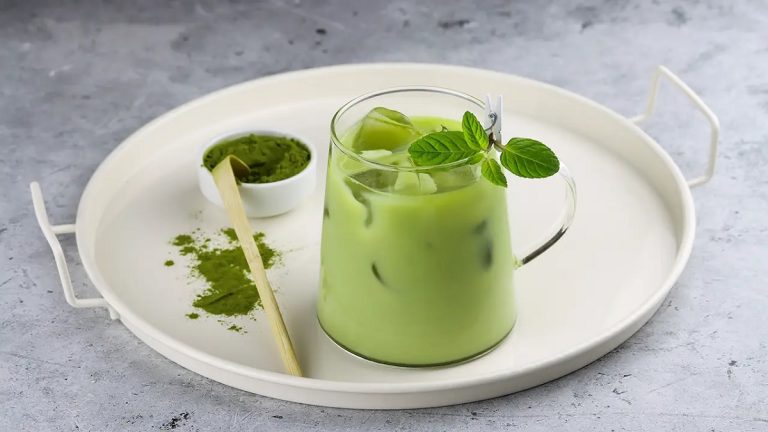
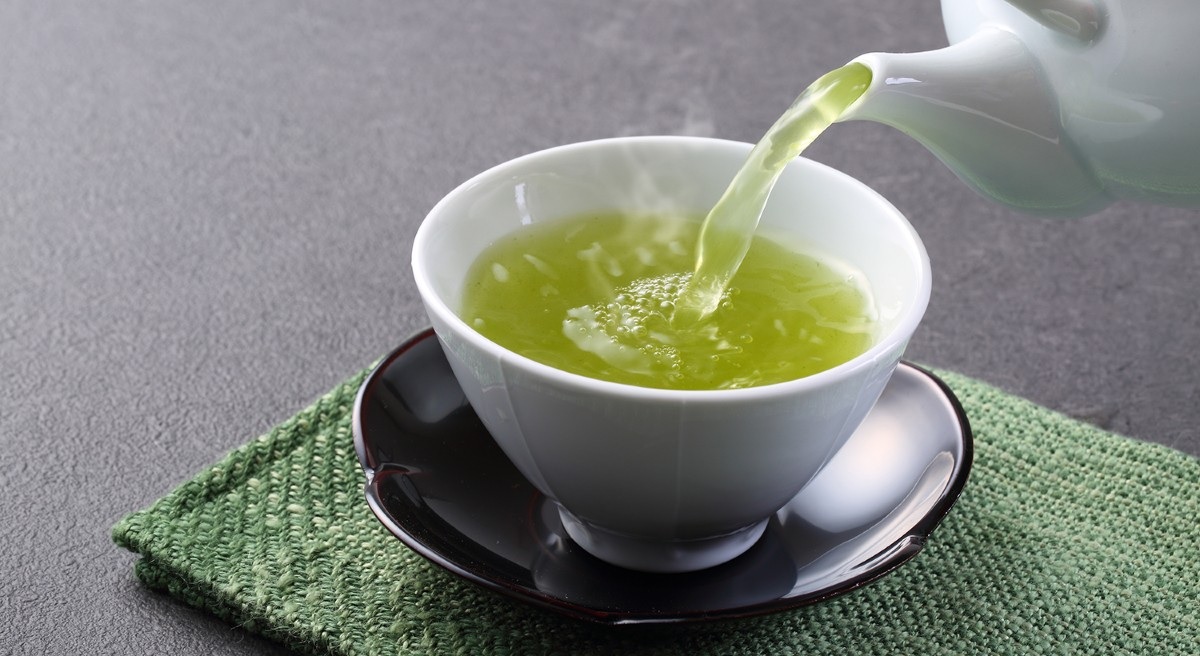
Does Matcha Make You Sleepy? Understanding Its Effects on Energy and Relaxation
Many people turn to matcha as a natural energy booster, appreciating its vibrant green color, smooth flavor, and reputation for providing focus without the jitters often associated with coffee. However, some drinkers notice a different effect on their energy levels, leading to questions about how matcha interacts with the body during the day. Understanding this can help you enjoy matcha in a way that complements your routine.
A common question among consumers is [does matcha make you sleepy]. Unlike traditional coffee, matcha contains both caffeine and L-theanine, an amino acid that promotes calm alertness. This combination can sometimes produce a gentle, relaxed state rather than the sharp stimulation you might expect from other caffeinated beverages.
The effect of matcha on alertness varies depending on dosage, timing, and individual sensitivity. Drinking matcha at different times of day or with certain foods may influence how energized or relaxed you feel.
Caffeine Content in Matcha
Matcha is widely recognized for its unique energy-boosting properties, largely due to its caffeine content. Unlike traditional brewed tea, matcha involves consuming powdered whole tea leaves, which can significantly impact how much caffeine enters your system. Understanding the caffeine content and how it interacts with other compounds in matcha is essential for determining whether it energizes, relaxes, or even makes you feel sleepy.
How Much Caffeine Is in Matcha
Matcha typically contains between 30 to 70 milligrams of caffeine per teaspoon of powder, depending on the quality and preparation. This amount is less than a standard cup of coffee, which usually has 95 to 200 milligrams of caffeine, but more concentrated than brewed green tea, where steeped leaves release only a fraction of the caffeine.
The unique consumption method of matcha—ingesting the powdered leaf rather than infusing it—means you receive the full caffeine content rather than just what is extracted in hot water. This allows for a steadier, more sustained release of energy compared to coffee, which often produces a sharper spike and subsequent crash. The concentration also varies depending on the grade of matcha, with ceremonial-grade powders usually containing slightly more caffeine due to denser leaf quality.
Additionally, factors such as the amount of powder used, water temperature, and preparation method can influence caffeine levels. Using more powder for lattes or smoothies increases caffeine intake, while lighter preparations yield a milder effect. Being aware of these variables helps you tailor matcha consumption to your desired energy levels.
Interaction With L-Theanine
One of the defining aspects of matcha is the presence of L-theanine, an amino acid that interacts with caffeine to create a unique alertness profile. While caffeine stimulates the central nervous system, L-theanine promotes relaxation by increasing alpha brain waves and modulating neurotransmitters like GABA and serotonin.
This combination produces a calm yet focused mental state, often described as “relaxed alertness.” Unlike coffee, which can sometimes cause jitteriness or rapid heart rate, matcha delivers steady energy and improved focus without overstimulation. The synergy between caffeine and L-theanine is key to understanding why some people experience heightened concentration rather than anxiety or restlessness after consuming matcha.
L-theanine also slows the absorption of caffeine, which prevents sudden energy spikes and allows for a gradual, sustained boost over several hours. This controlled release may explain why some individuals feel alert after drinking matcha, while others notice a calming, almost soothing effect, particularly during periods of stress or fatigue.
Factors Affecting Caffeine Absorption
The rate at which caffeine affects you depends on multiple factors, including metabolism, sensitivity, and timing of consumption. For individuals sensitive to caffeine, even small amounts in matcha can produce noticeable effects, such as increased alertness or mild jitteriness. Others with higher tolerance may experience only subtle stimulation.
Preparation method also plays a role. Consuming matcha as a concentrated latte or smoothie with milk and sweeteners can slightly slow caffeine absorption compared to consuming it in hot water alone. Food intake and hydration levels further modulate how your body reacts to the caffeine in matcha. Understanding these variables allows you to adjust your matcha consumption to achieve desired energy levels while minimizing unwanted effects such as restlessness or sleep disruption.
Matcha Compared to Other Caffeinated Beverages
Compared to coffee, energy drinks, or standard brewed tea, matcha offers a more balanced caffeine experience. Coffee often delivers a rapid spike and subsequent crash due to high caffeine content and lack of L-theanine. Energy drinks contain additional stimulants that can amplify jitteriness and disrupt focus. Brewed green tea contains less caffeine but lacks the full potency of matcha’s powdered leaves.
The combination of moderate caffeine, L-theanine, and other antioxidants makes matcha a unique option for sustained mental clarity and gentle energy. This balance allows for alertness without overstimulation, making it suitable for mornings, afternoons, or focused work sessions. By understanding caffeine content and its interactions, you can optimize matcha consumption to achieve either an energizing or calming effect depending on your needs.
Timing and Consumption Recommendations
Optimal timing for consuming matcha depends on your goals. Drinking matcha in the morning can provide a focused energy boost without the crash often associated with coffee. Consuming it during the afternoon may help maintain concentration and prevent the mid-day slump.
For those who are sensitive to caffeine, limiting intake to one cup per day or choosing a smaller serving can prevent sleep disturbances. Evening consumption is typically not recommended, although the calming effects of L-theanine may make lower-dose matcha suitable for some individuals seeking mild relaxation.
By being mindful of caffeine content, preparation method, and personal tolerance, you can enjoy the energizing and focus-enhancing benefits of matcha while minimizing potential side effects such as restlessness or disrupted sleep.
L-Theanine and Its Calming Effects
L-theanine is a unique amino acid found abundantly in matcha, responsible for many of its calming and focus-enhancing properties. Unlike caffeine, which stimulates the nervous system, L-theanine promotes relaxation and mental clarity without causing drowsiness. Understanding how L-theanine interacts with your body can help you enjoy matcha’s benefits for calm alertness, reduced stress, and improved concentration.
How L-Theanine Works in the Brain
L-theanine crosses the blood-brain barrier and influences neurotransmitters like GABA, dopamine, and serotonin. By modulating these chemical messengers, it promotes a state of relaxation and reduces the body’s stress response. This helps lower cortisol levels, which are often elevated during periods of anxiety or mental fatigue.
In addition to stress reduction, L-theanine encourages alpha brain wave activity, which is associated with a calm but alert mental state. This is why many people describe the effects of matcha as “relaxed focus.” Unlike other calming agents that induce sleepiness, L-theanine allows you to remain alert while feeling composed and centered.
The calming effect is gradual and subtle, making it ideal for use during work, study, or meditation. By balancing neural activity, L-theanine helps reduce jitteriness that can sometimes accompany caffeine consumption, creating a smoother energy experience.
Synergy With Caffeine
One of the most remarkable aspects of matcha is the combination of L-theanine with caffeine. While caffeine alone can produce a rapid spike in alertness and sometimes cause anxiety or restlessness, L-theanine counteracts these side effects by promoting relaxation and mental clarity.
This synergy allows for a unique experience known as “calm alertness.” The caffeine provides gentle stimulation, enhancing focus and wakefulness, while L-theanine moderates overstimulation and reduces tension. The result is sustained concentration without the typical caffeine crash.
The ratio of caffeine to L-theanine in matcha is particularly balanced compared to coffee, which lacks L-theanine entirely. This makes matcha an ideal choice for individuals seeking energy, focus, and calm simultaneously. Regular consumption can improve productivity and support mental resilience during stressful periods.
Benefits Beyond Relaxation
L-theanine’s calming effects extend beyond mental clarity and focus. By reducing cortisol and modulating neurotransmitters, it can help improve mood, reduce anxiety, and promote emotional stability. These effects are particularly useful during stressful workdays or emotionally challenging periods.
Additionally, L-theanine may support sleep quality by easing mental tension before bedtime. While it is not sedating, the relaxed state it induces can make it easier to unwind in the evening. For individuals who struggle with overstimulation from coffee or energy drinks, matcha with its L-theanine content offers a gentler alternative.
Combining L-theanine with the antioxidants in matcha further enhances overall well-being. Antioxidants reduce oxidative stress, while L-theanine improves mental calmness, creating a synergistic effect that benefits both body and mind.
Optimal Consumption for Calm Alertness
To maximize L-theanine’s calming effects, matcha should be prepared carefully. Using high-quality matcha powder and consuming it in moderate amounts—typically one to two teaspoons per serving—provides sufficient L-theanine to promote relaxation without inducing drowsiness.
Timing also matters. Drinking matcha in the morning or early afternoon can enhance focus, reduce stress, and sustain energy without disrupting sleep patterns. For those sensitive to caffeine, pairing matcha with unsweetened milk or water may help moderate stimulation while maintaining the calming effects of L-theanine.
By understanding the role of L-theanine in matcha, you can enjoy a beverage that supports mental clarity, reduces stress, and promotes calm alertness, making it a unique and beneficial alternative to other caffeinated drinks.
Factors That Affect How Matcha Impacts Energy
Matcha is known for providing a unique energy experience, often described as calm, sustained alertness rather than the jittery stimulation associated with coffee. However, the way matcha affects your energy levels can vary widely depending on several factors, including dosage, preparation method, timing, and individual sensitivity. Understanding these factors allows you to enjoy matcha in a way that aligns with your desired energy and focus levels.
Dosage and Serving Size
The amount of matcha you consume plays a major role in its impact on energy. A single teaspoon of matcha powder typically contains 30–70 milligrams of caffeine, which can provide a moderate boost in alertness. Using larger quantities or multiple servings increases caffeine intake, resulting in stronger stimulation that may feel more like coffee.
At the same time, higher doses deliver more L-theanine, which helps counteract caffeine-induced jitteriness. This balance ensures that even larger servings can provide sustained focus without overstimulation. However, excessive consumption may lead to mild side effects such as restlessness or digestive discomfort in sensitive individuals. Adjusting serving size allows you to tailor the intensity of the energy boost to your personal tolerance and daily routine.
Timing of Consumption
The timing of matcha consumption significantly affects its energy impact. Drinking matcha in the morning or early afternoon typically maximizes focus and productivity, providing steady energy throughout the day. Consuming matcha late in the evening, however, may interfere with sleep for some individuals due to its caffeine content.
Additionally, consuming matcha at times when you are hungry or fatigued may amplify its perceived energizing effects. Pairing it with a small snack, like nuts or a banana, can moderate caffeine absorption and maintain steady energy levels. Being mindful of when you drink matcha helps you achieve the desired alertness without negative side effects like insomnia or restlessness.
Preparation Method and Ingredients
How matcha is prepared also influences its effect on energy. Traditional hot matcha or matcha lattes provide different stimulation levels compared to iced or blended versions. Hot preparations may enhance flavor perception and provide a slightly gentler absorption of caffeine, while iced drinks can feel more refreshing and give a quicker sense of alertness.
Ingredients such as milk, milk alternatives, and sweeteners also affect energy perception. Milk adds creaminess and may slightly slow caffeine absorption, resulting in steadier energy. Sweetened lattes introduce additional sugars, which can create short-term energy spikes followed by mild crashes. By adjusting preparation methods and ingredients, you can fine-tune the way matcha energizes your body and mind.
Individual Sensitivity to Caffeine
Personal tolerance to caffeine plays a critical role in how matcha affects energy. Individuals with high caffeine sensitivity may feel jittery or anxious after even a small serving, while those with regular caffeine consumption may experience minimal stimulation. Genetics, metabolism, and lifestyle factors all influence individual responses.
Additionally, factors such as stress, sleep quality, and overall diet can impact how your body reacts to matcha. Someone who is sleep-deprived may feel a more pronounced energizing effect, whereas a well-rested individual might experience only subtle alertness. Understanding your own sensitivity helps you select the right serving size and preparation method to achieve optimal focus without negative effects.
Synergy Between Caffeine and L-Theanine
One of the defining characteristics of matcha is the balance between caffeine and L-theanine. While caffeine provides stimulation, L-theanine promotes relaxation and reduces anxiety, creating a state of calm alertness. The ratio of these compounds determines whether matcha feels energizing, calming, or somewhere in between.
This synergy also explains why matcha rarely produces the rapid spike and crash associated with coffee. By supporting focus and reducing overstimulation, L-theanine allows you to sustain energy over longer periods. Adjusting dosage, preparation, and consumption timing can enhance this balance, helping you achieve a personalized energy experience that suits your needs.
Matcha vs Other Beverages for Energy and Sleep
Matcha has gained attention for its unique ability to provide alertness while promoting relaxation, a combination not commonly found in most caffeinated beverages. Comparing matcha to coffee, energy drinks, and traditional teas can help you understand how it impacts energy levels, focus, and sleep patterns differently. Knowing these differences allows you to choose the best drink for your lifestyle and daily needs.
Matcha Compared to Coffee
Coffee is widely known for delivering a strong and immediate energy boost due to its high caffeine content, often ranging from 95 to 200 milligrams per cup. This rapid stimulation can increase alertness, but it also sometimes causes jitters, anxiety, or a sudden energy crash. In contrast, matcha contains moderate caffeine levels, typically 30–70 milligrams per teaspoon, along with L-theanine, which promotes calm focus.
The combination of caffeine and L-theanine in matcha allows for a steadier, more sustained energy release without overstimulation. While coffee may energize you quickly, matcha provides a smoother, longer-lasting alertness that supports productivity without compromising relaxation. This balance makes matcha an ideal choice for those sensitive to coffee’s side effects or seeking consistent mental clarity throughout the day.
Additionally, coffee can interfere with sleep more noticeably when consumed in the afternoon or evening due to its higher caffeine content and lack of calming compounds. Matcha, thanks to L-theanine, may reduce overstimulation, allowing some individuals to enjoy a mild energy boost without significantly affecting their sleep, though timing and portion size remain important.
Matcha Compared to Energy Drinks
Energy drinks often contain caffeine, sugar, and other stimulants like taurine or guarana, providing an intense burst of energy. While they can improve alertness quickly, they frequently lead to crashes, increased heart rate, and jitteriness. Sugar-laden energy drinks may also cause short-term spikes in blood glucose, which can result in fatigue once the effect wears off.
Matcha, on the other hand, offers a more balanced approach. Its moderate caffeine content combined with L-theanine produces focused energy without rapid spikes or crashes. The presence of antioxidants and natural compounds in matcha further supports overall health, unlike many energy drinks, which often lack nutritional value.
For individuals looking to sustain mental performance, matcha is preferable over energy drinks because it enhances concentration and calm alertness rather than overwhelming the nervous system. While energy drinks provide short-term stimulation, matcha offers longer-lasting, more stable energy suitable for work, study, or creative tasks.
Matcha Compared to Traditional Tea
Traditional brewed green or black tea contains caffeine, but usually less than coffee or energy drinks. While green tea provides moderate stimulation, the absence of powdered whole leaves means you consume less caffeine and fewer antioxidants compared to matcha. Black tea, with slightly higher caffeine levels, delivers a stronger energy boost but lacks the calming effect of L-theanine found in matcha.
Matcha differs because you consume the powdered leaf itself, maximizing caffeine, L-theanine, and antioxidant intake. This produces a unique “calm alertness” effect that traditional tea cannot fully replicate. While brewed tea may gently enhance alertness, matcha provides a more robust combination of sustained energy and mental clarity without overstimulation.
Furthermore, matcha allows for customization in preparation, such as adding milk, plant-based alternatives, or sweeteners, which can moderate caffeine absorption and impact perceived energy. These options make matcha a versatile beverage for different energy and focus needs, surpassing standard tea in both potency and flexibility.
Matcha’s Impact on Sleep
One key distinction of matcha is its potential effect on sleep compared to other caffeinated beverages. Coffee and energy drinks can interfere with sleep when consumed later in the day due to their high caffeine content and rapid stimulation. Even moderate caffeine from traditional tea can disrupt sensitive sleepers.
Matcha’s L-theanine content offsets some of caffeine’s stimulating effects, allowing for alertness without overstimulation. Consuming matcha in the morning or early afternoon typically provides energy without significantly affecting nighttime rest. However, late consumption of matcha may still impact sleep in individuals highly sensitive to caffeine, so moderation and timing are crucial.
This unique combination of sustained energy and relaxation sets matcha apart, making it suitable for people who want both focus and calm throughout their day. Unlike energy drinks or coffee, matcha supports mental clarity without compromising sleep quality when consumed appropriately.
Choosing the Right Beverage for Your Goals
Selecting the right beverage depends on your energy needs, caffeine tolerance, and sleep considerations. Coffee is ideal for quick, intense stimulation, energy drinks are best for short-term bursts of alertness, and traditional tea offers mild, gentle effects. Matcha, however, provides a balanced experience with moderate caffeine, L-theanine, and antioxidants, promoting sustained focus and calm energy.
By understanding how matcha compares to these other options, you can choose a beverage that aligns with your lifestyle. Whether your goal is productivity, mental clarity, or maintaining sleep quality, matcha’s unique combination of compounds offers a versatile solution that few other beverages can match.
FAQs
Can Matcha Make You Feel Sleepy?
Yes, matcha can make some people feel sleepy, but it depends on the individual and the circumstances. While matcha contains caffeine, which is a stimulant, it also has L-theanine, an amino acid that promotes relaxation and calmness. This combination can create a balanced state where some people experience alertness, while others feel a gentle, soothing effect that may resemble drowsiness.
The effect varies depending on dosage, timing, and personal sensitivity to caffeine and L-theanine. Small servings in the morning usually boost energy, whereas larger amounts in the afternoon may induce a mild relaxing effect.
Why Does Matcha Sometimes Cause Drowsiness?
Matcha may cause drowsiness due to its L-theanine content. L-theanine promotes alpha brain wave activity, which helps you feel calm and focused rather than jittery. For people sensitive to its calming effects, this relaxation may feel like sleepiness, especially if consumed on an empty stomach or during low-energy periods of the day.
Caffeine content also plays a role. Lower caffeine levels in smaller servings might not be enough to counterbalance L-theanine’s calming effects, resulting in a gentle drop in alertness. Timing and preparation method can amplify this sensation.
Does the Amount of Matcha Affect How Sleepy You Feel?
Yes, the amount of matcha you consume directly affects your energy and alertness. A small serving, like one teaspoon, may provide moderate caffeine and L-theanine, resulting in subtle calm alertness. A larger serving can increase both caffeine and L-theanine, sometimes causing mild drowsiness for sensitive individuals.
Other factors, such as milk, sweeteners, or blending methods, can also influence absorption and perceived energy. For example, a latte with milk may slow caffeine absorption, making the calming effects of L-theanine more noticeable and potentially contributing to a sleepy feeling.
Does Drinking Matcha at Night Affect Sleep?
Drinking matcha at night can affect sleep differently depending on your sensitivity to caffeine. The caffeine in matcha may interfere with falling asleep for some individuals. However, L-theanine promotes relaxation, which can help reduce tension and improve sleep quality in certain cases.
For most people, consuming matcha in the late evening is not recommended if you want deep, uninterrupted sleep. Drinking it in moderation earlier in the day provides energy and focus without significantly impacting nighttime rest, but late consumption may contribute to mild drowsiness or disrupted sleep cycles.
Can L-Theanine in Matcha Make You Feel Relaxed or Sleepy?
Yes, L-theanine is the main reason matcha can create a relaxing effect. By promoting alpha brain waves and balancing neurotransmitters like GABA, dopamine, and serotonin, L-theanine reduces stress and induces calmness. This relaxation sometimes feels like mild sleepiness, especially in people sensitive to its effects.
When combined with caffeine, L-theanine produces a state of calm alertness, but individual reactions vary. Some people experience heightened focus, while others may feel a gentle wind-down that can contribute to drowsiness depending on timing, dosage, and overall energy levels.
Does Your Caffeine Sensitivity Influence Matcha’s Effects?
Absolutely. People who are highly sensitive to caffeine may feel jittery or alert with small amounts of matcha, while others may feel sleepy despite the caffeine content. Your metabolism, tolerance, and nervous system response determine how the combination of caffeine and L-theanine affects energy levels.
Those with low caffeine sensitivity may experience the full stimulating effects of matcha, while sensitive individuals could notice a calming, almost sedative effect. Understanding your personal response helps you choose the right serving size and timing to achieve either focus or relaxation.
Can Matcha Be Used to Relax Without Causing Full Sleepiness?
Yes, matcha can help you relax without making you completely sleepy. Its L-theanine content promotes a calm, focused state, reducing stress and anxiety while maintaining mental clarity. By adjusting serving size and timing, you can enjoy matcha’s calming effects without compromising alertness.
For instance, a small morning or afternoon serving provides a gentle boost of energy with minimal risk of drowsiness. Choosing unsweetened milk or a moderate amount of powder can further balance caffeine and L-theanine, helping you experience relaxation without feeling overly sleepy.
Final Thoughts
Matcha is often celebrated for providing a balanced boost of energy, thanks to its unique combination of caffeine and L-Theanine. While caffeine typically increases alertness, L-Theanine promotes relaxation and mental clarity without causing drowsiness. This combination can make matcha feel gentler than coffee, giving a calm yet focused energy that many people find ideal for work, study, or meditation.
Individual responses, however, can vary. Some people may feel slightly relaxed or even sleepy if they are particularly sensitive to L-Theanine or consume matcha in large amounts. Timing, serving size, and whether it’s consumed with food also play a role in how your body reacts.
For those curious about does matcha make you sleepy, the answer is that it can, but usually only under specific circumstances. Most people experience a steady, alert energy rather than fatigue, making matcha a versatile option for maintaining focus without the jitters.