What Is Coffee Extract – Uses, Benefits And Ingredients
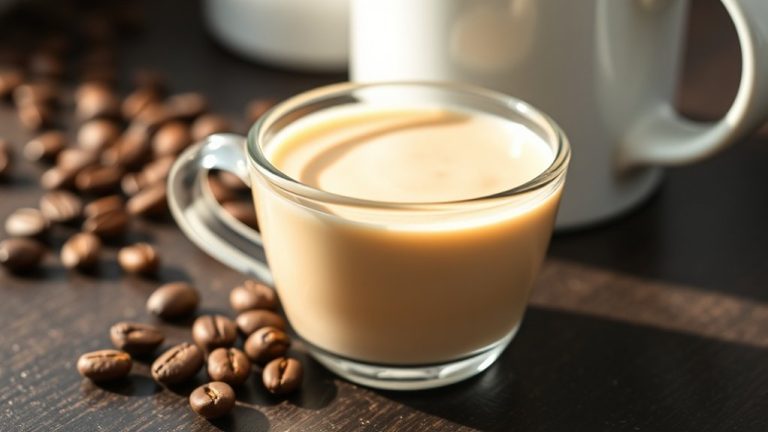
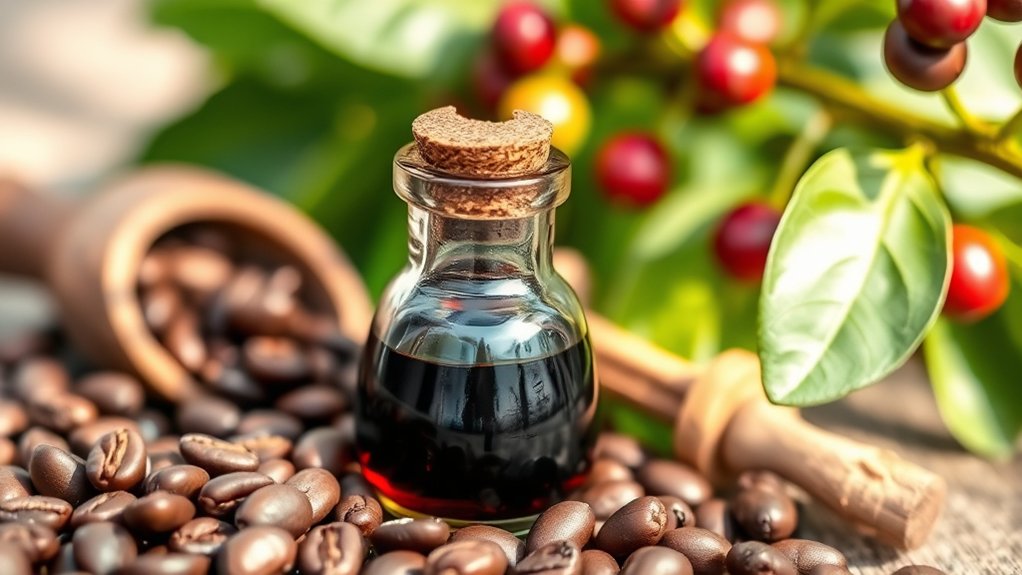
Coffee extract is a concentrated form of coffee made by extracting flavor and aroma compounds from high-quality beans using water or alcohol. You can use it to enhance desserts, beverages, and even skincare with antioxidants like caffeine that brighten and protect skin. Its precise flavor profile balances bitterness and sweetness, making it ideal for controlled culinary applications.
Understanding its composition, uses, and benefits reveals how it elevates both taste and wellness effectively. It’s pretty versatile and easy to incorporate into your routine or recipes. Plus, knowing what’s inside helps you appreciate why it works so well.
What Is Coffee Extract and How Is It Made
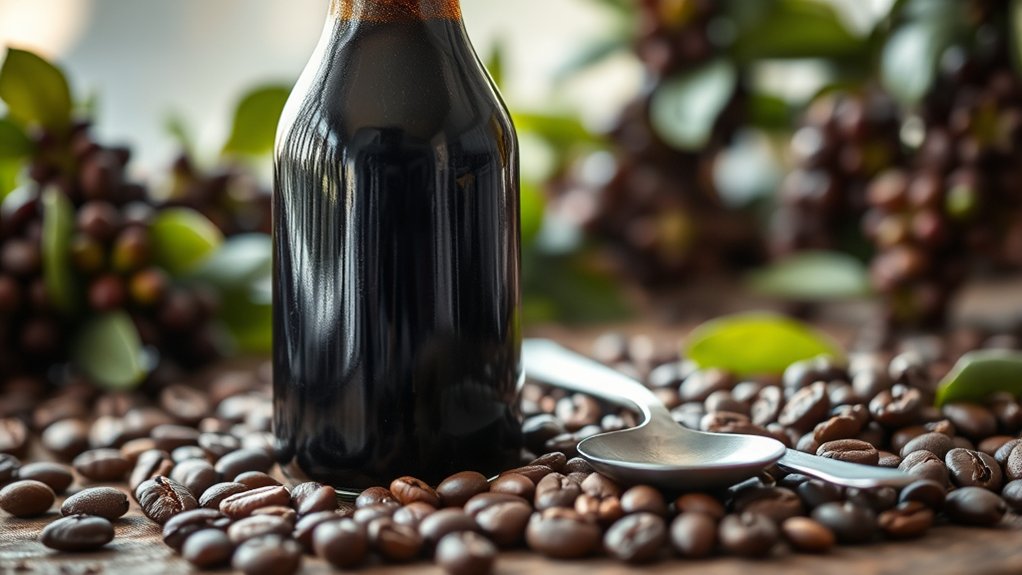
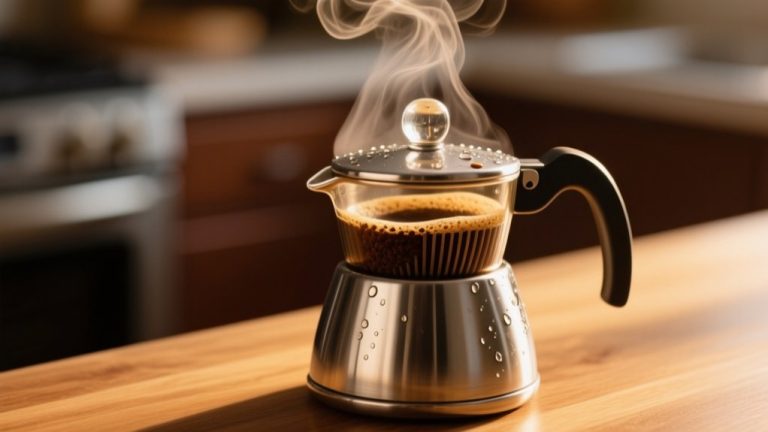
Although coffee extract might seem like a simple ingredient, it’s a concentrated form of coffee designed to deliver robust flavor and aroma. To create it, beans sourced directly from a coffee plantation undergo precise brewing methods, often involving water or alcohol to extract essential oils and soluble compounds.
You’ll find that the quality of the extract heavily depends on the origin and processing of the coffee beans, as plantation conditions affect chemical composition. Unlike traditional brewing, these methods aim for maximal extraction efficiency, concentrating flavors without brewing a full cup.
Understanding this process helps you appreciate how coffee extract provides a consistent, potent coffee essence. It makes the extract versatile for culinary and beverage applications while preserving the core sensory attributes from the original bean.
Common Types of Coffee Extract and Their Differences
You’ll find coffee extract mainly in liquid and powder forms. Each one offers different concentrations and shelf lives, so it’s good to know what suits you best.
On top of that, extracts made from Arabica and Robusta beans can be quite different. They vary a lot in flavor and caffeine content.
Knowing these differences really helps you pick the right extract for your needs.
Liquid vs. Powder Extract
When choosing between liquid and powder coffee extracts, understanding their distinct properties can help you select the best option for your needs. Both forms come from coffee cultivation processes but differ in concentration, storage, and application.
Liquid extracts dissolve immediately, making them perfect for quick brewing. On the other hand, powder extracts tend to last longer and are easier to transport.
Consider these factors:
- Concentration: Liquid extracts are usually more concentrated.
- Solubility: Liquids dissolve faster in beverages than powders.
- Shelf Life: Powder extracts can last longer without refrigeration.
- Usage: Liquids work well for rapid brewing, while powders are great for recipes needing precise measurements.
Thinking about these points helps you get the most flavor and convenience based on how you like to prepare your coffee.
Arabica and Robusta Extracts
Since Arabica and Robusta beans differ considerably in flavor profile, caffeine content, and growing conditions, understanding their extracts can help you choose the right type for your taste and usage.
Arabica extracts offer a smoother, more nuanced flavor with lower caffeine, reflecting the beans’ cultivation at higher altitudes under specific coffee farming techniques.
In contrast, Robusta extracts contain nearly twice the caffeine and a stronger, more bitter taste. These come from beans grown at lower altitudes and are often associated with more resilient sustainability practices because of their hardier nature.
When selecting an extract, consider these differences: Arabica suits those seeking mild complexity, while Robusta provides a robust kick and potentially more eco-friendly sourcing.
Evaluating the origin and farming methods can guarantee your choice aligns with both flavor preferences and sustainability goals.
Key Flavor Components in Coffee Extract
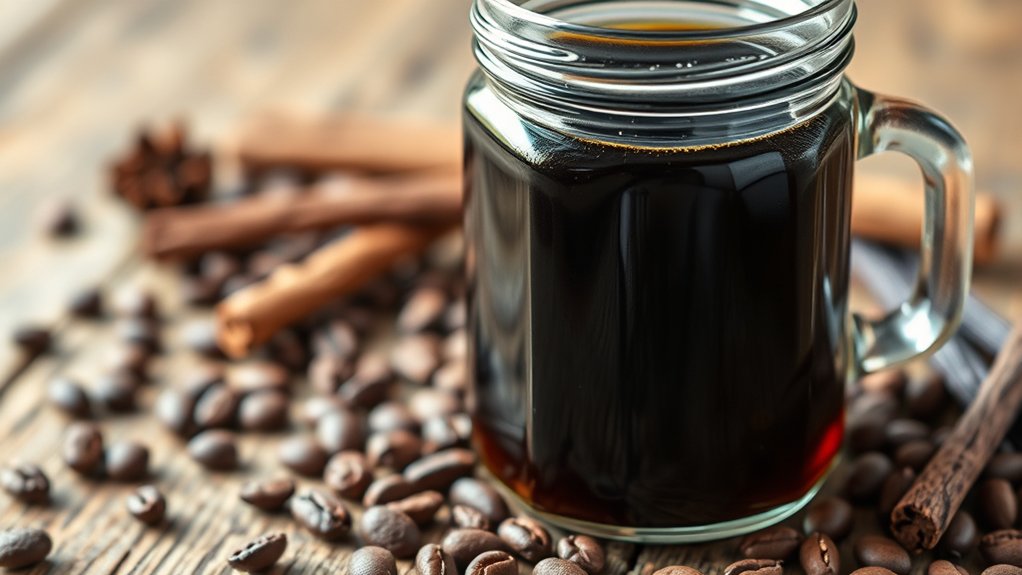
You’ll find that coffee extract’s flavor hinges on a complex profile of aromatic compounds, including aldehydes, ketones, and phenols. These compounds don’t work alone—they interact with bitter elements like chlorogenic acids and sweet ones such as sugars.
Together, they shape the overall taste balance.
When you understand these components, it becomes easier to predict how the extract will behave in different applications. It’s pretty fascinating how all these elements come together to create the flavor experience we enjoy.
Aromatic Compounds Profile
How do the aromatic compounds in coffee extract shape its distinctive flavor profile? These compounds are essential in defining coffee aroma and the diverse flavor profiles you experience. Coffee extract contains hundreds of volatile molecules formed during roasting and extraction.
Each one contributes unique sensory notes.
Key aromatic compounds include:
- Furans – they impart caramelized, sweet notes.
- Pyrazines – these contribute nutty, earthy aromas.
- Phenols – they provide smoky, spicy undertones.
- Esters – these add fruity, floral nuances.
Bitter and Sweet Elements
Although coffee extract’s aromatic compounds shape its initial appeal, the bitter and sweet elements define its balance and complexity. You’ll find bitterness primarily from chlorogenic acid degradation products formed during roasting, which contribute to coffee’s characteristic sharpness.
Conversely, sweetness arises from soluble sugars and caramelization byproducts, providing a counterpoint that tempers bitterness. This bitter sweet balance is essential. If bitterness dominates, the extract can feel harsh, but adequate sweetness enhances overall flavor complexity, creating a smoother, more nuanced profile.
Scientific analyses confirm that adjusting extraction parameters alters the concentration of these compounds. This allows you to tailor bitterness and sweetness levels precisely.
Understanding these key flavor components helps you optimize coffee extract for diverse uses, ensuring a harmonious sensory experience that aligns with your taste preferences and intended applications.
How to Use Coffee Extract in Recipes and Drinks
When incorporating coffee extract into recipes and drinks, you tap into a concentrated source of rich, robust flavor that enhances both sweet and savory dishes. Coffee shop trends reveal increasing use of coffee extract to elevate flavors without additional brewing complexity. Advanced brewing techniques guarantee consistent extract concentration, making it ideal for precise flavor control.
Coffee extract delivers rich, robust flavor to sweet and savory dishes with precise, consistent intensity and effortless use.
Use coffee extract effectively by:
- Adding a few drops to desserts like ice cream or chocolate for intensified depth.
- Mixing it into cocktail recipes for a sophisticated coffee twist.
- Incorporating it in marinades or sauces to introduce subtle bitter notes.
- Enhancing smoothies or protein shakes with a caffeine boost and rich aroma.
Each application leverages coffee extract’s potency, allowing you to tailor intensity while maintaining flavor balance. It’s a simple way to boost your recipes without overpowering them.
Give it a try and see how a little goes a long way!
Coffee Extract Beyond Cooking: Skincare Uses
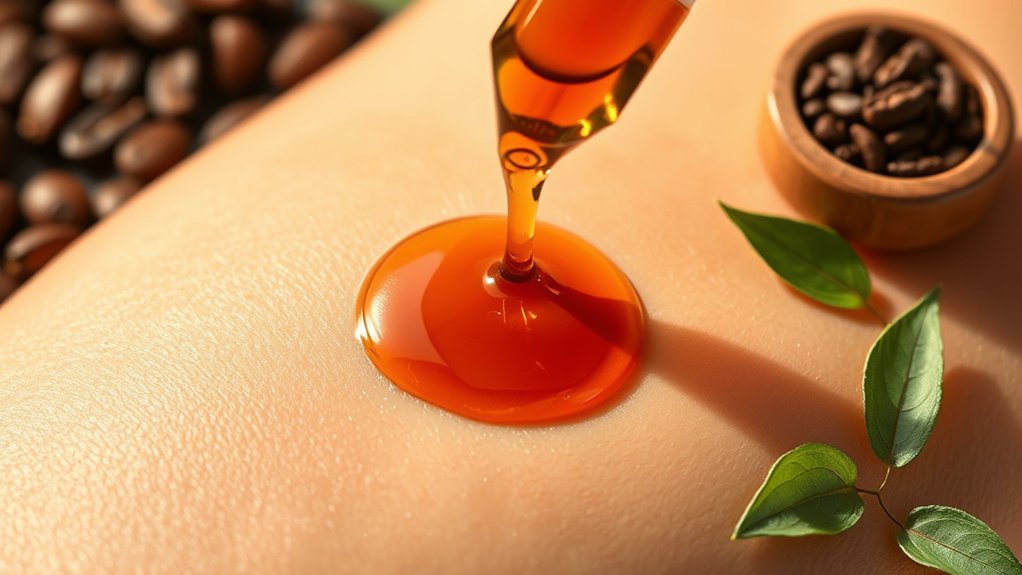
You’ll find that coffee extract offers potent antioxidant properties that help protect your skin from free radical damage.
Plus, studies show it can promote skin brightening by reducing dullness and uneven tone.
Antioxidant Properties
How does coffee extract protect your skin beyond its role in your morning brew? The answer lies in its potent antioxidant content. This comes from coffee cultivation methods that preserve bioactive compounds. These antioxidants help fight oxidative stress caused by free radicals, which speed up skin aging.
Caffeine metabolism plays a key role here. When applied topically, caffeine penetrates the skin, boosting antioxidant activity and reducing inflammation. This is why coffee extract is a popular ingredient in skincare products.
Here are some key antioxidant benefits you can get from coffee extract:
- Neutralizing free radicals to prevent cellular damage
- Reducing skin inflammation and redness
- Supporting collagen preservation for skin elasticity
- Protecting against environmental stressors like UV radiation
Skin Brightening Effects
Although coffee extract is widely known for its antioxidant properties, it also offers notable skin brightening effects that enhance your complexion. Compounds derived from the coffee plant, such as caffeine and chlorogenic acids, inhibit melanin synthesis, reducing hyperpigmentation and promoting an even skin tone.
Unlike the traditional brewing process, which focuses on flavor extraction, skincare formulations utilize concentrated coffee extract to maximize these benefits. Studies demonstrate that topical application of coffee extract can improve skin luminosity by accelerating cell turnover and reducing oxidative stress.
Benefits of Coffee Extract vs. Brewed Coffee
While both coffee extract and brewed coffee deliver caffeine and antioxidants, coffee extract offers a more concentrated dose of these compounds in a smaller volume. This concentration comes from the extraction process, which isolates key bioactive compounds more efficiently than traditional brewing techniques. The quality of beans from a coffee plantation also influences the potency of both forms.
When comparing benefits, consider:
- Coffee extract provides a standardized, potent source of antioxidants and caffeine.
- Brewed coffee’s strength varies due to brewing time, water temperature, and grind size.
- Coffee extract allows precise dosing with less liquid intake.
- Brewed coffee offers a more complex flavor profile and hydration benefits.
Understanding these differences helps you choose the form that best suits your needs, whether you want convenience or a nuanced flavor.
Health Benefits of Coffee Extract
Beyond the differences in concentration and flavor between coffee extract and brewed coffee, the specific health benefits of coffee extract really stand out because of its potent composition. It’s made through precise brewing techniques that help it retain concentrated antioxidants and bioactive compounds. These compounds can help reduce inflammation and improve cognitive function.
Plus, the link to sustainable coffee farming highlights its purity and nutrient retention. When you drink coffee extract, you get these benefits in a more efficient form compared to regular brewed coffee.
| Benefit | Emotional Impact |
|---|---|
| Antioxidant-rich | Feel rejuvenated |
| Cognitive enhancement | Stay sharp throughout the day |
| Anti-inflammatory effects | Experience relief |
| Support for sustainable farming | Contribute responsibly |
This combination of health benefits and ethical sourcing makes coffee extract a great choice.
How Coffee Extract Enhances Desserts and Baked Goods
When you add coffee extract to desserts and baked goods, you intensify their flavor profiles without overwhelming sweetness or bitterness. Coffee extract acts as a natural flavor enhancer, deepening chocolate, caramel, and vanilla notes through its concentrated compounds.
Its effectiveness depends on precise brewing techniques that preserve aromatic oils and acidity, ensuring balanced coffee pairing with your recipes. Consider these points:
- Enhances richness in cakes and frostings without adding moisture.
- Balances sweetness by introducing subtle bitterness.
- Amplifies flavors in chocolate-based desserts through complementary compounds.
- Provides a versatile alternative to brewed coffee, maintaining consistency.
Using coffee extract, you achieve complex taste layers and refined flavor balance in baked goods. This is supported by evidence linking extraction methods to ideal aromatic retention.
Where to Buy Quality Coffee Extract and What to Look For
Since the quality of coffee extract directly impacts your recipes, you should carefully evaluate product sources and ingredient lists before purchasing. Prioritize extracts derived from high-grade coffee beans, ideally sourced from regions known for sustainable coffee bean cultivation. This guarantees richer flavor profiles and fewer impurities.
Stay informed about coffee market trends, which influence both price and quality fluctuations. Opt for brands transparent about their sourcing and extraction methods, as these details correlate with product consistency. Avoid extracts containing unnecessary additives or artificial flavors that can compromise taste and health benefits.
You can find quality coffee extracts at specialty food stores, reputable online retailers, or directly from producers who emphasize traceability.
Tips for Storing and Handling Coffee Extract at Home
Choosing a high-quality coffee extract is only part of the equation. How you store and handle it at home directly affects its flavor and longevity. Since coffee extract results from meticulous coffee bean cultivation and the coffee fermentation process, preserving its integrity really matters.
Here are some tips to help you out:
- Store your coffee extract in an airtight, opaque container to prevent oxidation and light exposure. Both of these can degrade those delicate flavor compounds.
- Keep it in a cool, dark place because heat speeds up chemical changes after fermentation.
- Avoid frequent temperature fluctuations since they can cause condensation and spoilage.
- Always use clean utensils to prevent microbial contamination, which can compromise the extract’s quality.
Frequently Asked Questions
Can Coffee Extract Be Used as a Natural Insect Repellent?
Yes, you can use coffee extract as a natural repellent because it contains compounds that act as an insect deterrent. Research shows caffeine and other chemicals in coffee disrupt insect nervous systems, reducing pests like mosquitoes and ants.
While it’s not as potent as synthetic repellents, it offers an eco-friendly alternative for minor infestations.
For best results, apply coffee extract regularly and combine it with other natural repellents for enhanced protection.
Is Coffee Extract Safe for Pets?
You might worry about pet safety, but coffee extract can pose toxic effects to pets if ingested because of its caffeine content. So, you shouldn’t apply it directly on or near your animals.
However, using it cautiously and keeping it out of their reach helps minimize risks. If you want to use coffee extract around your pets, always watch for any adverse reactions.
And don’t hesitate to consult your vet to make sure your furry friends stay safe.
How Long Does Coffee Extract Last Unopened?
Unopened coffee extract typically has a shelf longevity of about 1 to 2 years when stored properly in a cool, dark place.
The coffee extraction process preserves the essential oils and flavor compounds, but over time, these degrade, reducing potency and aroma.
To maximize shelf longevity, avoid exposure to heat and light.
Always check the manufacturer’s expiration date, as formulations and preservatives vary, affecting how long your coffee extract remains fresh and effective.
Can Coffee Extract Stain Fabrics or Surfaces?
If you enjoy redecorating your favorite shirt with unexpected coffee art, coffee extract will gladly assist. Yes, it can cause fabric staining and surface discoloration. Its concentrated pigments bind quickly, making cleanup tricky if you’re not careful.
Studies show that its dark compounds interact strongly with porous materials, so spills on fabrics or surfaces often leave lasting marks. You’d better treat stains immediately or risk permanent damage.
Does Coffee Extract Contain Caffeine Compared to Espresso?
Yes, coffee extract does contain caffeine, but when you compare caffeine levels, espresso typically has a higher concentration per serving.
Coffee extract offers a more intense flavor concentration, allowing you to use less liquid for the same taste impact.
However, because it’s often diluted in recipes, its caffeine content per volume is lower than espresso.
Conclusion
Just like a barista perfecting an espresso shot, you can harness the power of coffee extract to elevate both flavor and wellness. Its rich compounds don’t just boost your recipes, they offer antioxidant benefits and skincare perks backed by research.
By understanding its types and uses, you’ll make informed choices that enhance your culinary and self-care routines. Coffee extract isn’t just an ingredient; it’s a versatile tool waiting for your expert touch.