Does Coffee Have Carbs – Nutrition Facts Explained
Coffee itself has almost no carbs. Black coffee contains less than 1 gram per cup, no matter the brewing method or bean type.
Adding milk, cream, sugar, or flavored syrups can really raise the carb count. For example, sugar adds about 4 grams per teaspoon, and syrups add even more.
Unsweetened milk alternatives keep carbs low. So, if you want to stick to a low-carb or keto diet, it’s best to go with black coffee or low-carb additions.
You can explore how different choices impact your coffee’s nutrition even more.
Does Black Coffee Contain Any Carbs?

How many carbs does black coffee actually contain? When you brew coffee, the process extracts flavor compounds and oils from the bean varieties without adding many carbohydrates.
Black coffee contains less than 1 gram of carbs per 8-ounce cup, making it virtually carb-free.
An 8-ounce cup of black coffee has less than 1 gram of carbs, making it virtually carb-free.
The coffee brewing method, whether drip, espresso, or French press, doesn’t really change the carb content. This is because coffee beans naturally lack sugars and starches that contribute to carb counts.
Even different bean varieties, from Arabica to Robusta, have similarly low carbohydrate levels once brewed.
How Do Milk and Cream Affect Coffee’s Carb Count?
While black coffee contains virtually no carbs, adding milk or cream changes the nutritional profile considerably. The carb content rises because dairy products contain lactose, a natural sugar. Depending on the amount you add, your coffee’s carb count can increase by 1 to 3 grams per tablespoon.
It’s important to note that coffee bean varieties and brewing methods don’t influence the carb content added by milk or cream, as these factors mainly affect flavor and antioxidant levels. Whether you use Arabica or Robusta beans, or brew via espresso, drip, or French press, the carbs come primarily from the dairy portion.
If you want to control carb intake, consider using unsweetened milk alternatives or limiting the quantity of cream you add to your cup. This way, you can enjoy your coffee without worrying too much about the extra carbs.
How Does Sugar Change Coffee’s Carb Count?

When you add sugar to your coffee, it really bumps up the carb content because sugar is basically pure carbohydrate.
Different types of sugars—like white sugar, honey, or flavored syrups—have slightly different carb amounts, but they all add to the total.
So, if you’re watching your carbs, it’s a good idea to keep track of how much sugar you’re putting in.
Even just one teaspoon adds about 4 grams of carbs.
Sugar’s Impact On Carbs
Because plain coffee contains almost no carbohydrates, adding sugar changes its carb content a lot. When you add sugar, the carb count spikes because sugar is a simple carbohydrate. The amount you add directly impacts the total carbs in your cup.
Coffee roasting and bean varieties don’t affect this since the carb content in brewed coffee stays negligible no matter what.
Here’s how sugar influences carbs:
- One teaspoon of sugar adds about 4 grams of carbs.
- Multiple teaspoons multiply the carb count linearly.
- Sugar’s carb impact outweighs any minor variations from roasting or bean type.
- Even small amounts of sugar noticeably increase total carbs compared to plain coffee.
Types Of Sugars Added
Although coffee itself contains almost no carbohydrates, the type of sugar you add really affects its overall carb content. Common sweetening options like white sugar, brown sugar, or honey introduce simple sugars that noticeably increase the carb count. For example, one teaspoon of white sugar adds about 4 grams of carbs.
If you use flavored syrups, expect even higher carbs because of added sugars and preservatives.
On the other hand, sugar alternatives such as stevia, erythritol, or monk fruit provide sweetness without raising carbs. These are pretty popular among people tracking their carbohydrate intake.
Choosing these alternatives can keep your coffee low in carbs while still satisfying your sweet tooth. Understanding these sweetening options helps you manage your coffee’s nutritional impact more effectively. It’s all about finding the right balance for your taste and diet.
Measuring Sugar In Coffee
How much sugar you add to your coffee directly impacts its carbohydrate content. While black coffee from various bean varieties and coffee roasting levels contains minimal carbs, sugar quickly changes that.
Here’s how to measure sugar’s effect on carb count:
One teaspoon of granulated sugar adds about 4 grams of carbs. Using syrups or flavored sugars often increases carbs beyond pure sugar’s count. Different bean varieties or roasting methods don’t affect carb content significantly but influence flavor, which might lead you to add more sugar.
To accurately track carbs, weigh sugar rather than estimate by volume since density varies. It’s a simple step that can make a big difference if you’re watching your carb intake.
What Are the Carb Counts in Popular Coffee Drinks?

Wondering how many carbs are in your favorite coffee drinks? Black coffee, no matter the roasting level, usually has less than 1 gram of carbs per 8-ounce cup. The roasting process affects caffeine but doesn’t really change the carb content.
Espresso shots have minimal carbs too, about 1 gram per shot, so they’re a great low-carb option. But when you add milk or cream, the carb count goes up. For example, a latte made with whole milk has around 12 grams of carbs in a 12-ounce cup.
Cappuccinos have similar carb counts because of the steamed milk. Cold brews generally stay low in carbs unless you throw in some sweeteners.
How Do Flavored Syrups Affect Coffee’s Nutritional Profile?
When you add flavored syrups to your coffee, you’re basically upping the sugar content quite a bit. And that naturally pushes the carb count higher too.
Plus, all that extra sugar means more calories, so what started as a light drink can quickly become something much heavier.
Even if you go for syrups with artificial sweeteners, they can still impact your metabolism and overall nutritional profile in their own unique ways.
Sugar Content Increase
Why do flavored syrups considerably alter your coffee’s nutritional profile? Unlike the natural carbs found in coffee beans, which depend on roasting and bean varieties, flavored syrups add a lot of extra sugar. These syrups can really boost your sugar intake, affecting both taste and health.
Here’s how flavored syrups raise sugar content: Syrups are mostly sugar solutions, so they add simple carbs. Each pump usually contains 5 to 10 grams of sugar. And when you add multiple pumps, the sugar adds up fast.
Plus, the added sugar can mask the natural flavors of coffee, changing what you actually taste. Knowing this helps you make smarter choices, balancing flavor with nutrition.
While roasting and bean types set the baseline carbs, syrups can turn a low-carb drink into one with a lot more sugar, changing its nutritional profile quite a bit.
Calorie Count Impact
Although plain coffee contains virtually no calories, adding flavored syrups can considerably increase your drink’s calorie count. These syrups often contain sugar and other carbohydrates, which can add anywhere from 20 to 100 extra calories per serving.
When coffee roasting concentrates flavor and aroma, it doesn’t affect calorie content substantially, but syrups definitely do.
If you’re sensitive to caffeine, be mindful that higher calorie intake from syrups may mask the stimulating effects, leading you to consume more coffee than intended.
Furthermore, the sugar in syrups can spike blood sugar levels, impacting overall nutrition.
To maintain a balanced diet, consider limiting flavored syrup use or opting for smaller amounts.
This way, you enjoy the taste without compromising your coffee’s low-calorie benefits.
Artificial Sweeteners Effects
Flavored syrups can substantially alter coffee’s nutritional profile, especially when they contain artificial sweeteners instead of sugar. When you add these syrups, you introduce compounds that may affect both carb content and health implications. Here’s what you should know:
- Artificial sweeteners add minimal to zero carbs but can impact metabolism differently than sugar.
- Some studies suggest artificial sweeteners may alter gut microbiota, influencing overall health.
- Despite low calorie counts, artificial sweeteners might affect insulin response in some individuals.
- Flavored syrups often contain additives and preservatives, which may have additional health effects.
Understanding these details helps you make informed choices about flavored coffee. While artificial sweeteners reduce carbs, it’s a good idea to consider potential health implications before using syrups regularly.
Are Carb Counts Different for Brewed vs. Instant Coffee?
How do the carb counts compare between brewed and instant coffee? Both coffee brewing methods yield very low carbohydrate content, typically less than 1 gram per 8-ounce serving.
Brewed coffee is made by filtering hot water through ground beans. It retains minimal carbs because it mainly extracts caffeine and flavor compounds without sugars or starches.
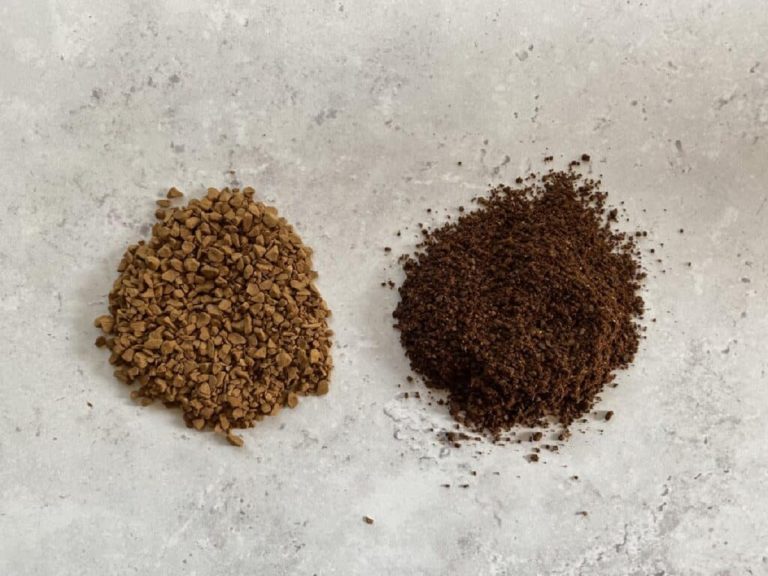
Instant coffee is produced by freeze-drying or spray-drying brewed coffee. It also contains negligible carbs since it’s basically dehydrated brewed coffee.
Differences in caffeine content between the two are minor and don’t really affect the carb count.
However, any additives like milk or sugar will increase carbohydrates, no matter which brewing method you choose.
Does Coffee Fit Into a Low-Carb or Keto Diet?
Since both brewed and instant coffee contain minimal carbohydrates, they generally fit well within low-carb and keto diets. The coffee fermentation and bean roasting processes have little impact on carbohydrate content, keeping it low regardless of preparation.
When integrating coffee into your diet, consider these points:
- Choose black coffee to avoid added carbs from creamers or sugar.
- Monitor additives carefully, as flavored syrups and milk can increase carbs.
- Understand that coffee’s natural compounds from fermentation and roasting contribute negligible carbs.
- Use coffee as a keto-friendly energy boost without affecting ketosis.
How Can You Track Coffee Carbs in Your Diet?
Tracking the carbs in your coffee starts with understanding what you’re adding to it. Pure black coffee contains virtually no carbs, but the coffee brewing methods you choose influence its flavor profiles and may affect your additions.
For instance, cold brew tends to be smoother and less acidic, often encouraging cream or sweetener use, which adds carbs.
To track carbs accurately, note every ingredient—from milk to flavored syrups—and measure portion sizes precisely. Use nutrition labels or reputable databases for carb counts.
Also, consider how different coffee brewing methods alter the strength and bitterness, which influences how much sweetener or creamer you add.
What Are the Best Ways to Enjoy Coffee Without Extra Carbs?
If you want to enjoy coffee without adding carbs, the best way is to stick to black coffee. It has virtually no carbs and is packed with antioxidants and even offers some metabolic benefits.
But hey, if you’re looking for a bit more flavor or creaminess, no worries. You can go for low-carb options like unsweetened almond milk or just a splash of heavy cream.
Just try to avoid sugary syrups and flavored creamers—they can sneakily boost your carb intake way more than you’d expect.
Black Coffee Benefits
How can you enjoy coffee without adding extra carbs? Black coffee is your best choice since it contains virtually zero carbs. To maximize its benefits, consider these four key points:
- Explore coffee brewing methods: Different techniques like French press or pour-over can enhance flavor without additives.
- Consider bean origins: Beans from various regions offer unique taste profiles, letting you enjoy variety without sugar or cream.
- Drink it fresh: Freshly brewed black coffee preserves antioxidants and bioactive compounds that support metabolism and cognitive function.
- Avoid pre-flavored or instant varieties: They often contain hidden carbs and additives that reduce black coffee’s purity and health benefits.
Low-Carb Coffee Additions
Although black coffee offers a carb-free base, many people prefer a bit of creaminess or sweetness without compromising their low-carb goals. You can enhance your cup by adding unsweetened almond milk, heavy cream, or coconut milk. These are all low in carbs and rich in flavor.
Avoid flavored creamers or sugar-laden syrups because they add unwanted carbs.
Choosing the right coffee brewing methods like pour-over or French press guarantees a pure, robust flavor that pairs well with these additions.
To maintain freshness and taste, follow proper coffee storage tips. Keep beans in an airtight container away from light and moisture. This preserves flavor, so you enjoy every sip without needing extra additives.
These strategies let you savor coffee’s richness while staying within your carb limits.
How Do Non-Dairy Milks Impact Coffee’s Carb Content?
Since non-dairy milks vary widely in their carbohydrate content, choosing one can considerably alter your coffee’s overall carb count. Plant-based milk and other dairy alternatives differ in sugar and starch levels, so knowing their nutrition helps you make the best choice.
Here’s a quick comparison per 1 cup:
- Unsweetened almond milk: ~1-2 grams carbs
- Unsweetened soy milk: ~3-4 grams carbs
- Oat milk (unsweetened): ~15-20 grams carbs
- Coconut milk (unsweetened): ~2-3 grams carbs
If you want to keep carbs low, almond or coconut milk are better options. Oat milk, while popular for creaminess, adds significant carbs.
Always check labels, as sweetened or flavored versions contain more sugars, which will increase your coffee’s carb content.
Frequently Asked Questions
Can Coffee Carbs Affect Blood Sugar Levels?
Coffee’s carbs are minimal, so they rarely cause significant blood sugar fluctuations. However, if you add sugar or flavored creamers, those extras can raise your blood sugar and impact your insulin response.
Black coffee itself might even improve insulin sensitivity for some people. So, while plain coffee usually won’t affect your blood sugar much, be mindful of what you mix in.
Those additions can lead to noticeable changes.
Does Decaffeinated Coffee Have Carbs?
Think of decaffeinated coffee as a quiet whisper compared to the bold shout of regular coffee’s caffeine content.
When it comes to carbs, decaf coffee contains virtually none, just like its caffeinated counterpart.
The flavor profiles might differ slightly due to the decaffeination process, but both remain very low in carbohydrates.
How Does Coffee Bean Origin Impact Carb Content?
You’ll find that coffee bean origin slightly impacts carb content due to variations in coffee bean varieties and regional flavor profiles. Different regions grow beans with unique sugars and fiber levels, affecting carbs minimally.
For instance, Arabica beans from Ethiopia might’ve subtle differences compared to Robusta beans from Vietnam. But honestly, these variations are pretty minor.
Are There Any Carbs in Coffee Substitutes Like Chicory?
Yes, coffee substitutes like chicory do contain some carbs, mainly from dietary fiber.
While chicory offers a coffee flavor without caffeine effects, its carb content is slightly higher than black coffee. This means if you’re watching carb intake, chicory might add a small amount.
However, it remains low in carbs compared to many beverages, making it a good caffeine-free alternative with a similar taste profile.
Can Coffee Carb Content Vary by Brewing Method?
Yes, coffee carb content can vary slightly depending on brewing techniques. Different methods extract varying amounts of compounds, including trace carbohydrates, which can affect the overall coffee flavor.
For example, cold brew tends to have fewer carbs than espresso because of the longer steeping times and lower temperatures. That said, these differences are pretty minimal.
Conclusion
You might be surprised to learn that black coffee contains less than 1 gram of carbs per cup, making it nearly carb-free. However, adding milk, cream, sugar, or flavored syrups can quickly increase the carb count.
If you’re following a low-carb or keto diet, tracking these additions is essential to stay within your limits. Sticking to black coffee or using low-carb alternatives helps you enjoy your brew without compromising your nutritional goals.