
Why Do People Drink Coffee After Dinner – Reasons And Benefits Explained
You drink coffee after dinner to boost alertness and enhance digestion while enjoying rich cultural traditions. Its aroma and flavor provide a satisfying contrast to heavy meals. Plus, compounds like chlorogenic acids stimulate gastric acid and bile production, which helps break down food.
The caffeine improves focus, but timing is key to avoid messing up your sleep. Choosing the right brew and bean can really maximize both the benefits and the enjoyment.
Discover how these factors come together to elevate your post-dinner coffee ritual. It’s more than just a drink—it’s a little moment to savor after a meal.
Reasons People Drink Coffee After Dinner?

Although some people might avoid caffeine late in the day, many choose to drink coffee after dinner because it helps them stay alert and engaged during evening activities. When you enjoy a well-prepared cup, the quality of coffee brewing plays a vital role in its flavor and caffeine content.
Proper brewing methods extract the most advantageous amount of caffeine, giving you the desired boost without bitterness.
Plus, coffee roasting affects the caffeine levels; lighter roasts typically contain slightly more caffeine than darker ones, which influences your after-dinner experience.
Understanding these factors helps you select the right coffee to suit your needs. Drinking coffee after dinner isn’t just about the caffeine, it’s a deliberate choice informed by how coffee roasting and brewing impact alertness and taste.
Social And Cultural Traditions Of After-Dinner Coffee
When you explore different cultures, you’ll find that drinking coffee after dinner often carries rich social and cultural significance. In many Mediterranean and Middle Eastern countries, coffee brewing is an art form embedded in cultural rituals that foster connection.
Drinking coffee after dinner is a cherished ritual that deepens social bonds across Mediterranean and Middle Eastern cultures.
For example, in Turkey, the traditional preparation of strong, unfiltered coffee symbolizes hospitality and respect. It’s often shared during family gatherings or conversations.
Similarly, in Italy, after-dinner espresso serves as a social cue signaling the meal’s conclusion and encouraging relaxation. These cultural rituals emphasize coffee’s role beyond a mere beverage.
It’s a medium for social bonding, reflection, and tradition.
How Coffee Enhances The Flavor Experience After Meals
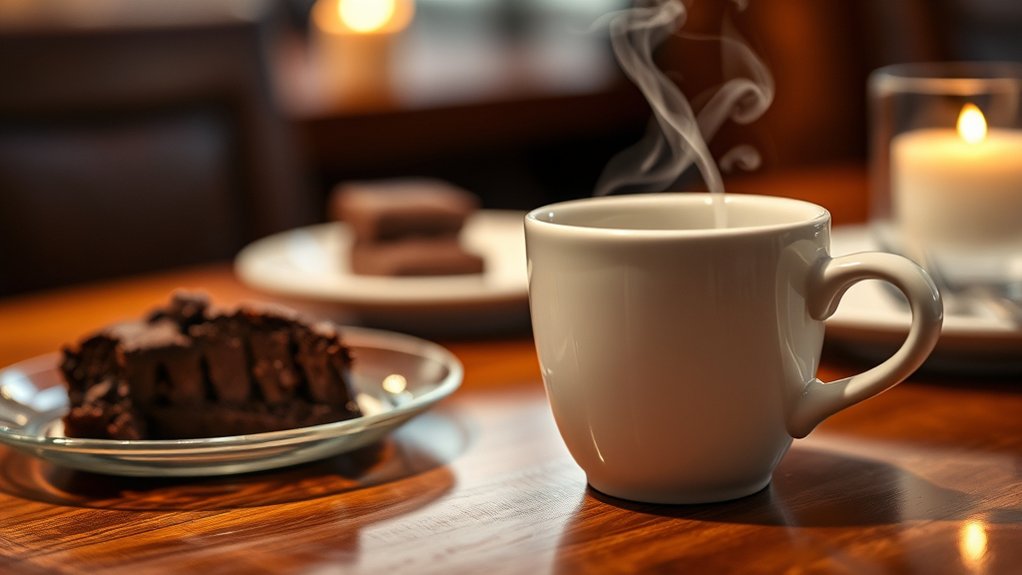
You’ll notice that coffee creates a satisfying contrast to the richness of many desserts and meals, balancing flavors on your palate.
Plus, its complex aroma really amps up your sensory experience, making each bite even more enjoyable.
Flavor Contrast And Balance
Because coffee’s complex flavor profile combines bitterness, acidity, and subtle sweetness, it creates a striking contrast to the lingering tastes of a meal. When you drink coffee after dinner, this contrast acts as a palate cleanser, balancing rich or heavy flavors with its sharper notes.
Research on flavor pairing shows that combining contrasting tastes can enhance your overall taste harmony, making each bite and sip more satisfying.
Coffee’s bitterness can counteract sweetness or fattiness in dessert or savory dishes, providing an invigorating finish. By engaging multiple taste receptors, coffee helps reset your palate, so you appreciate the nuances of both the meal and the coffee itself.
This dynamic interplay explains why coffee after dinner isn’t just tradition, it’s a scientifically supported way to enhance your flavor experience.
Aroma Amplification Effects
Although the taste of coffee plays a vital role, its aroma profoundly influences your post-dinner flavor experience. Aroma amplification happens as coffee’s complex scent compounds interact with your olfactory receptors, heightening your perception of flavors. This scent boost not only refreshes your palate but also deepens your enjoyment of the meal’s lingering tastes.
Scientific studies show that aroma substantially affects flavor perception. That means the rich, roasted notes in coffee can elevate subtle aftertaste nuances. When you sip coffee after dinner, you engage both your taste and smell senses, creating a more immersive flavor experience.
This aroma amplification helps balance rich or heavy meals, making dessert or savory finishes more satisfying. So, coffee’s scent plays a vital role in why it complements post-meal moments so well. It’s not just about the taste—it’s about the full sensory experience.
How Coffee Aids Digestion After Dinner
When you sip coffee after dinner, its natural compounds work to stimulate your digestive system. Coffee contains chlorogenic acids and other bioactive substances that promote the production of gastric acid, which helps break down food more efficiently.
Different coffee bean varieties can influence this effect. For example, Arabica beans tend to have a smoother profile with balanced acidity, while Robusta beans offer a stronger, more bitter taste that may further enhance digestion.
Brewing techniques like espresso or French press can concentrate these compounds differently, affecting how your body responds.
How Caffeine Boosts Alertness In The Evening

If you want to stay alert after dinner, caffeine plays a key role by blocking adenosine receptors in your brain. Adenosine typically promotes relaxation and sleepiness, but when caffeine attaches to these receptors, it prevents this calming effect. That’s how it keeps you awake and focused.
The way your coffee is brewed affects caffeine levels. Methods like espresso or French press often deliver higher caffeine concentrations, so you feel alert more quickly.
Once ingested, caffeine metabolism varies from person to person. Factors like genetics and liver enzyme activity influence how long caffeine’s stimulating effects last. Understanding this process helps you time your after-dinner coffee just right to boost alertness without messing up your sleep cycle.
Key Health Benefits Of After-Dinner Coffee
You mightn’t realize it, but having a cup of coffee after dinner can actually help with your digestion. It works by stimulating stomach acid production, which can make things move along more smoothly.
Plus, coffee is packed with antioxidants that help fight off free radicals in your body.
Digestive Health Support
Although coffee is often enjoyed for its stimulating effects, it also plays a significant role in supporting digestive health after dinner. When you drink coffee, compounds developed during coffee cultivation and enhanced through careful coffee brewing stimulate your digestive system.
Specifically, coffee encourages the production of gastric acid and bile, which aid in breaking down food more efficiently. This can help reduce feelings of fullness or bloating after a meal.
Furthermore, coffee’s natural compounds promote intestinal motility, helping food move smoothly through your digestive tract. Keep in mind that the method of coffee brewing can influence the concentration of these compounds, impacting its digestive benefits.
Antioxidant Rich Boost
Beyond aiding digestion, coffee also delivers a powerful antioxidant boost that benefits your body after dinner. When you enjoy a well-brewed cup, antioxidants like chlorogenic acids help neutralize harmful free radicals, reducing oxidative stress.
Proper coffee brewing extracts these antioxidants efficiently, while good coffee storage preserves their potency over time. So, your after-dinner coffee isn’t just a comforting ritual. It actively supports cellular health.
| Emotion | Benefit | Reason |
|---|---|---|
| Rejuvenation | Antioxidant Rich | Neutralizes free radicals |
| Comfort | Digestive Support | Enhances digestion post-meal |
| Vitality | Cellular Protection | Reduces oxidative stress and aging signs |
Choosing quality beans and proper brewing methods maximizes these health perks, making your evening coffee a wise choice.
Coffee’s Impact On Sleep
Since caffeine is a stimulant, drinking coffee after dinner can interfere with your ability to fall asleep. The extent of sleep disruption varies depending on your caffeine sensitivity. Some people metabolize caffeine quickly, while others feel its effects for hours.
To understand how coffee impacts your sleep, consider these factors:
- Caffeine Sensitivity: If you’re highly sensitive, even a small amount after dinner may delay your sleep onset.
- Sleep Disruption: Caffeine blocks adenosine receptors, which promote sleepiness, making it harder to fall and stay asleep.
- Individual Differences: Genetic factors influence how long caffeine stays in your system, affecting sleep quality differently among individuals.
How Timing After-Dinner Coffee Boosts Its Benefits
You can actually boost coffee’s digestive benefits by timing your after-dinner cup just right. Caffeine helps speed up digestion, which is pretty handy.
But if you drink coffee too soon after eating, it might interfere with how your body absorbs nutrients.
Waiting about 30 minutes gives your body a chance to start breaking down food properly.
On top of that, having your coffee at the right time can sharpen your evening alertness without messing with your natural rest cycle.
Optimal Digestive Enhancement
Although many enjoy coffee simply for its flavor, drinking it at the right time after dinner can considerably enhance your digestion. Research shows that coffee stimulates gastric acid secretion, which helps break down food more efficiently.
Here’s how you can optimize this benefit:
- Wait 20-30 minutes after your meal to allow initial digestion. This timing aligns with natural gastric emptying and supports better nutrient absorption.
- Choose coffee that complements your meal’s flavor pairing, as certain blends can soothe the digestive tract and reduce discomfort.
- Embrace cultural rituals, like the Mediterranean tradition of sipping espresso post-dinner. This not only aids digestion but also encourages mindful eating and relaxation.
Maximizing Evening Alertness
When you time your after-dinner coffee just right, you can markedly boost your evening alertness without disrupting your sleep cycle. Research shows that waiting about 30 minutes after your meal before brewing your coffee allows digestion to settle and caffeine to take effect efficiently.
This timing optimizes alertness by aligning caffeine absorption with your body’s natural rhythms.
Incorporating deliberate coffee rituals, such as mindful brewing methods and savoring the aroma, further enhances the stimulating experience. Proper coffee brewing techniques not only improve flavor but also influence caffeine release, making your after-dinner coffee more effective at increasing focus.
Best Coffee Types To Enjoy After Dinner
Since your after-dinner coffee can influence both digestion and relaxation, choosing the right type really matters. Different coffee bean varieties and brewing methods impact flavor and caffeine levels, which affects how you feel after your meal.
Here are three top choices to think about:
- Arabica Beans with Pour-Over Brewing: Arabica beans offer a smooth, mild taste and have less caffeine than robusta. Pour-over brewing brings out subtle flavors without bitterness, which can help with digestion.
- Single-Origin Espresso: Concentrated and rich, single-origin espresso highlights unique bean characteristics. Its quick brew reduces acidity, making it easier on your stomach.
- Cold Brew from Medium Roast Beans: Cold brew contains less acid and caffeine, promoting relaxation while still giving you a satisfying coffee experience.
Picking coffee based on the bean variety and brewing method helps you enjoy after-dinner coffee benefits without messing up your comfort.
Tips To Enjoy After-Dinner Coffee Without Losing Sleep
Choosing the right coffee type after dinner helps balance enjoyment with your body’s needs. But managing caffeine’s impact on sleep takes a bit more care.
To enjoy after-dinner coffee without losing sleep, try decaffeinated options or brewing methods that reduce caffeine extraction, like cold brew.
Also, focus on coffee art to make the experience more enjoyable. It turns the ritual into something soothing instead of stimulating.
| Tip | Benefit | How to Apply |
|---|---|---|
| Choose Decaf | Lowers caffeine intake | Select decaf beans when brewing |
| Brew Cold | Less caffeine extraction | Use cold brew method |
| Enjoy Coffee Art | Promotes relaxation | Practice latte art or presentation |
Frequently Asked Questions
Can Drinking Coffee After Dinner Cause Acid Reflux?
Yes, drinking coffee after dinner can cause acid reflux for some people. Coffee is an acidic beverage that may irritate your esophagus and relax the lower esophageal sphincter.
This relaxation can allow stomach acid to flow back up, leading to gastroesophageal reflux.
If you’re sensitive, you might experience heartburn or discomfort. To reduce symptoms, try limiting coffee intake after meals or switch to low-acid alternatives.
Also, avoid lying down immediately after drinking.
Is Decaf Coffee Effective for After-Dinner Rituals?
Yes, decaf coffee is effective for after-dinner rituals because it offers flavor enhancement without the jitters caffeine might cause.
If you’re sensitive to caffeine or want caffeine alternatives, decaf lets you enjoy the rich taste and comforting warmth of coffee while avoiding sleep disruption.
Studies show decaf still contains antioxidants, so it supports your health.
You can savor your after-dinner moment without sacrificing relaxation or taste.
How Does After-Dinner Coffee Affect Dental Health?
When it comes to dental health, after-dinner coffee can be a double-edged sword. You might find yourself between a rock and a hard place since it can cause dental erosion due to its acidity and lead to oral staining.
This staining can dull your smile.
To protect your teeth, try rinsing your mouth with water afterward or chewing sugar-free gum. Taking these simple steps helps you enjoy coffee without sacrificing your dental health. It’s all about balance and a little extra care.
Can Coffee After Dinner Interact With Medications?
Yes, coffee after dinner can affect medication absorption and cause health interactions. The caffeine and compounds in coffee might interfere with how your body processes certain drugs, like antibiotics or heart medications, reducing their effectiveness.
It’s important you check with your healthcare provider or pharmacist about specific medications you take. They can advise whether you should avoid coffee around dosing times to guarantee your treatment works safely and effectively.
What Are Popular Coffee-Based Desserts After Dinner?
Imagine a coffee-flavored explosion dancing on your taste buds! Popular coffee-based desserts after dinner include tiramisu, affogato, and coffee panna cotta. These treats highlight coffee flavor profiles like bitterness, acidity, and sweetness, perfectly balanced.
When you pair desserts like chocolate mousse or caramel flan, you elevate your dessert options and create a harmonious finish. Science shows these combinations enhance flavor perception, making your after-dinner experience memorable and satisfying.
Conclusion
After-dinner coffee isn’t just a habit; it’s a flavorful ritual that can aid digestion, sharpen your mind, and extend pleasant social moments.
When timed right and chosen wisely, it won’t steal your sleep but rather enhance your evening experience. So, go ahead and savor that cup. Just like a skilled sailor reading the winds, you’ll navigate your night smoothly, reaping the benefits without the jitters or restless nights.