
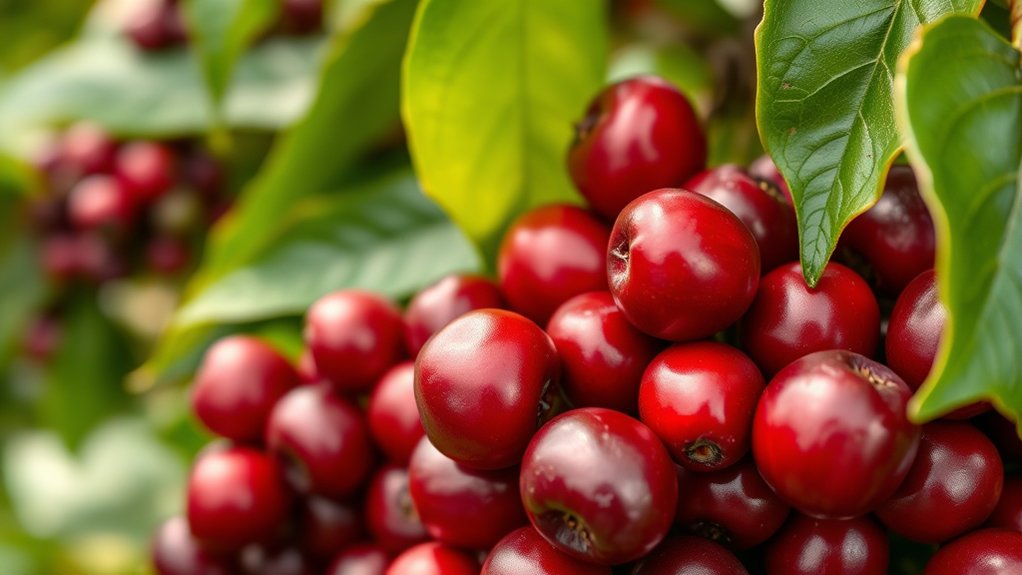
Can You Eat Coffee Cherries – Benefits, Taste And Uses
You can eat coffee cherries safely when they’re ripe and properly cleaned. They offer a sweet, fruity flavor with mild caffeine and antioxidants that support digestion and energy. The fibrous pulp slows caffeine absorption, giving a gentle boost without jitters.
You can enjoy them fresh or dried (cascara) in smoothies, teas, or baked goods. Understanding their nutritional profile, safety, and uses helps you decide how to best incorporate coffee cherries into your diet.
What Are Coffee Cherries and Can You Eat Them?
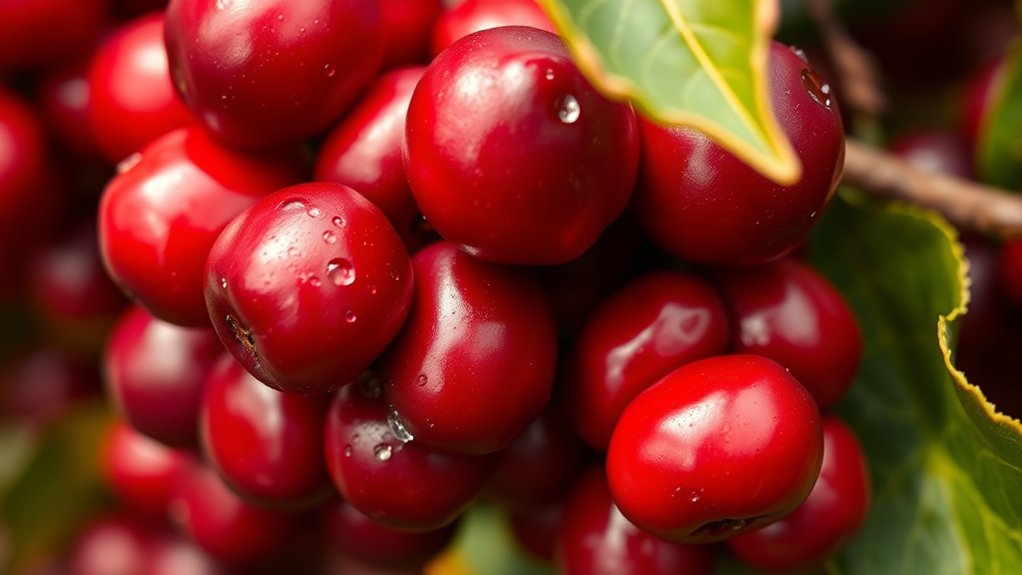
What exactly are coffee cherries, and can you eat them safely? Coffee cherries are the fruit of the coffee plant, containing the beans you typically brew. Coffee cherry cultivation dates back centuries, originating in Ethiopia and spreading globally.
The fruit’s outer skin is thin and edible, with a sweet, mild flavor. The pulp surrounds the seeds, the coffee beans.
Evidence-based studies confirm that eating coffee cherries is safe in moderation, as they contain antioxidants and minimal caffeine compared to brewed coffee.
However, you should avoid consuming unprocessed cherries in large quantities, as they may cause digestive discomfort. Understanding coffee cherry history and cultivation helps you appreciate their role beyond coffee beans.
It highlights their potential as a fresh, nutritious food source.
How Do Coffee Cherries Taste Compared to Coffee Beans?
Although coffee cherries and coffee beans come from the same fruit, their flavors differ markedly because of their composition and processing. When you compare the flavor of coffee cherries to roasted coffee beans, keep these points in mind:
First, coffee cherries have a fruity, sweet taste with subtle floral and berry notes. This comes from their high sugar and water content.
Coffee beans, after roasting, develop complex bitter, nutty, and caramelized flavors. That happens due to Maillard reactions and pyrolysis.
The raw cherry’s mild acidity is quite different from the more intense, roasted acidity found in coffee beans.
This clear flavor difference exists because coffee cherries are eaten fresh or dried with minimal processing. Coffee beans, on the other hand, go through roasting, which completely changes their chemical makeup and taste.
Knowing this helps you appreciate why coffee cherries taste more delicate and less bitter than traditional coffee brewed from beans.
Which Nutrients and Antioxidants Are in Coffee Cherries?
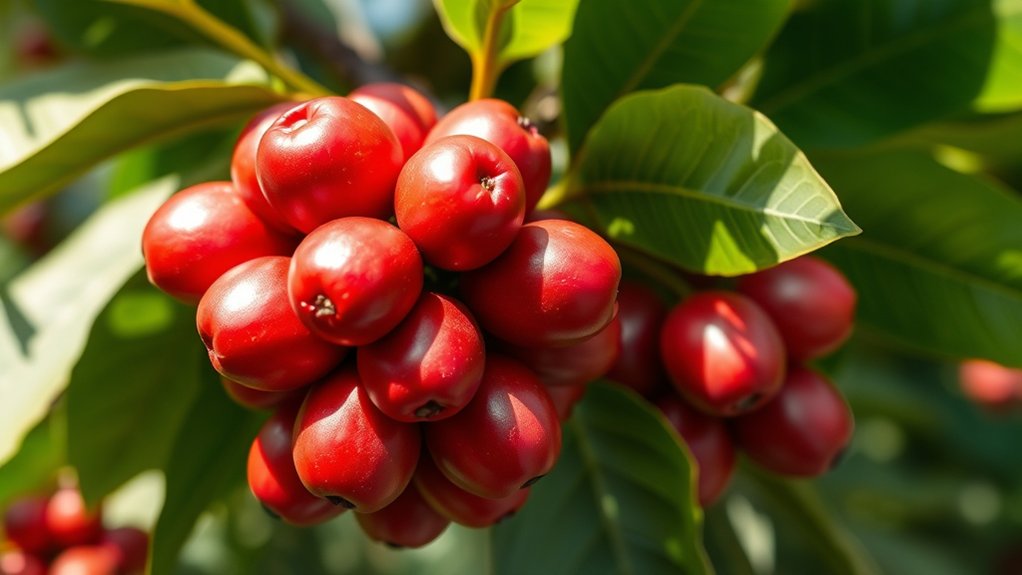
You’ll find that coffee cherries contain essential nutrients like vitamin C, potassium, and fiber. These all contribute to their health profile in meaningful ways.
On top of that, they also pack antioxidants, including polyphenols and flavonoids. These antioxidants are known for reducing oxidative stress in the body.
Key Nutrients Overview
How do coffee cherries contribute to your nutritional intake? Coffee cherries, often overlooked in traditional coffee cultivation and coffee processing, offer a distinctive nutrient profile. They provide essential components beyond the familiar coffee bean.
First, coffee cherries contain significant dietary fiber, which helps digestion and promotes gut health. This fiber is often lost during coffee processing, so getting it from the whole cherry is a bonus.
They’re also a good source of vitamins, especially vitamin C and small amounts of B vitamins. These vitamins support your immune system and help with energy metabolism.
On top of that, coffee cherries have minerals like potassium and magnesium. These contribute to cardiovascular health and muscle function.
Understanding these nutrients helps you see coffee cherries as more than just part of your coffee. They offer a natural, functional food that complements your diet in a unique way.
Antioxidant Types Present
While coffee cherries are best known for their caffeine-rich beans, they also contain a variety of potent antioxidants that play a crucial role in their health benefits. During coffee cherry cultivation, compounds such as polyphenols, including chlorogenic acid and flavonoids, accumulate in the fruit’s pulp and skin.
These antioxidants contribute not only to the coffee cherry flavor but also to its ability to neutralize free radicals, reducing oxidative stress.
Studies show that chlorogenic acid, prevalent in coffee cherries, supports anti-inflammatory processes and metabolic health. Moreover, the presence of vitamin C and carotenoids enhances the antioxidant profile.
By consuming coffee cherries, you tap into these bioactive compounds, which differ from those in roasted beans.
This offers unique nutritional advantages linked directly to the fruit’s cultivation and natural composition. So, enjoying coffee cherries isn’t just about the taste but also about benefiting from their natural antioxidants.
Is It Safe to Eat Coffee Cherries?
Although coffee cherries aren’t as commonly consumed as the beans inside them, eating the fruit is generally safe when properly prepared.
In coffee cultivation, the safety of coffee cherries depends heavily on factors during cherry harvesting and post-harvest handling.
Here are three key points to reflect on:
- Pesticide Residue: If pesticides are used during cultivation, residues on cherries might pose health risks unless they’re thoroughly washed.
- Ripeness: Only ripe cherries are safe; unripe cherries contain compounds that can cause digestive discomfort.
- Microbial Contamination: Improper handling during or after cherry harvesting can introduce bacteria or molds, so cleanliness is essential.
How to Prepare Coffee Cherries for Eating or Cooking
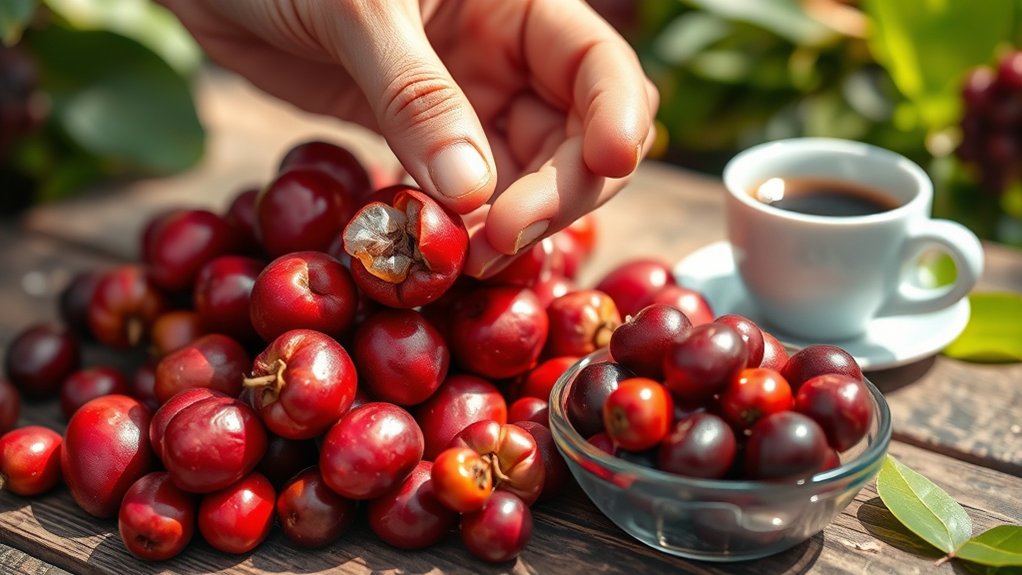
Before consuming coffee cherries, you’ll want to make sure they’re properly cleaned and prepared to get the best safety and flavor. Start by picking ripe cherries during harvest because underripe ones can taste bitter and mess with the coffee flavor.
Give the cherries a good rinse under cold water to wash away any dirt, pesticides, or residues.
Next, gently peel off the outer skin to get to the pulp and the coffee bean inside.
If you’re planning to cook with the cherries, try drying or lightly roasting them. This helps concentrate the coffee flavor and reduces moisture, which is great for preventing spoilage.
Proper preparation not only keeps things safe by cutting down on contaminants but also brings out the natural sweetness and subtle coffee notes in the cherries.
This makes them a lot more enjoyable whether you’re eating them fresh or using them in your recipes.
Creative Ways to Use Coffee Cherries in Recipes
Since coffee cherries offer a unique blend of sweetness and subtle coffee flavor, you can incorporate them into a variety of recipes to enhance both taste and texture. Coffee cultivation and cherry harvesting produce cherries rich in antioxidants and natural sugars, making them versatile in the kitchen.
Here are three creative ways to use them:
- Smoothies and Juices: Blend fresh or dried coffee cherries with fruits for a nutrient-dense drink that highlights their fruity notes. It’s an easy way to get a boost of flavor and nutrients all at once.
- Baked Goods: Incorporate ground or pureed cherries into muffins or breads to add moisture and a mild coffee essence. This adds a nice twist to your usual baked treats.
- Sauces and Jams: Simmer coffee cherries with sugar and lemon to create a unique jam or glaze, balancing sweetness with subtle acidity. It’s perfect for spreading on toast or glazing meats.
Using coffee cherries in these ways maximizes their culinary potential derived from the coffee cultivation process. Give them a try and see how they can brighten up your recipes!
Can Coffee Cherries Give You an Energy Boost?
You might be wondering if coffee cherries can give you the same energy boost as brewed coffee. Well, they do contain natural caffeine, but usually in smaller amounts.
So, instead of a quick jolt, you might experience a gentler, longer-lasting energy lift.
Knowing this can help you figure out how coffee cherries might work for your energy needs.
Natural Caffeine Content
Although coffee cherries aren’t as widely consumed as roasted coffee beans, they do contain caffeine in measurable amounts that can provide you with a mild energy boost. Understanding their natural caffeine content helps you appreciate their potential benefits within coffee cultivation and sustainable harvesting practices.
Coffee cherries contain about 0.4% to 0.6% caffeine by weight. That’s considerably less than roasted beans but still enough to stimulate alertness. The caffeine is primarily concentrated in the pulp surrounding the seed.
So, consuming the whole cherry gives you a different caffeine experience than brewed coffee.
Sustainable harvesting ensures that caffeine levels remain consistent by promoting healthy plant growth and ideal fruit maturity. This way, the cherries can offer their best natural benefits while supporting the environment.
It’s pretty cool how good practices can make a difference!
Sustained Energy Release
When consumed, coffee cherries release caffeine gradually due to the fibrous nature of their pulp, which slows absorption compared to brewed coffee. This sustained energy release provides a gentler boost, reducing sudden spikes and crashes.
The coffee plant’s fruit harvesting process preserves these fibers, which play a critical role in modulating caffeine delivery. Understanding this can help you choose coffee cherries for a steadier energy source.
| Factor | Effect on Energy Release |
|---|---|
| Fibrous Pulp | Slows caffeine absorption |
| Natural Sugar Content | Supports prolonged energy |
| Fruit Harvesting Stage | Influences caffeine potency |
How Do Cascara and Fresh Coffee Cherries Compare?
While both cascara and fresh coffee cherries come from the same fruit, they’re quite different in texture, flavor, and how you prepare them. Knowing these differences is really important if you’re into coffee growing or harvesting cherries.
Fresh coffee cherries have a juicy, fibrous pulp that surrounds the bean. On the other hand, cascara is the dried outer skin and flesh, which gives it a chewy, leathery texture.
Fresh coffee cherries are juicy and fibrous, while cascara offers a chewy, leathery texture from dried skin and flesh.
When it comes to flavor, fresh cherries taste sweet and fruity with a bit of tartness. Cascara’s flavor is milder, more like tea, with hints of hibiscus and cherry.
As for preparation, you eat fresh cherries raw right after picking them. But cascara needs to be dried after harvesting, so it’s better suited for making infusions rather than eating straight.
Coffee Cherries: Where to Find Fresh and Dried
You’ll find fresh coffee cherries mainly in coffee-growing regions, usually at local farms or markets when it’s harvest season.
If you’re not near those areas, dried coffee cherries—also called cascara—are easier to come by. You can often find them at specialty stores or through online retailers.
Just make sure to choose reputable sources so you get good-quality fruit that’s been handled safely and dried properly.
Locating Fresh Coffee Cherries
Although fresh coffee cherries aren’t commonly found in regular grocery stores, you can locate them through specialty markets, coffee farms, or online vendors that focus on coffee products. Understanding the coffee plant’s cherry harvesting cycle is essential since cherries are only ripe for a short window.
To successfully source fresh cherries, consider these options:
- Visit coffee farms during the harvest season, typically between October and March, depending on the region.
- Explore specialty food markets or farmers’ markets in coffee-growing areas, where fresh cherries are more likely sold.
- Use reputable online vendors specializing in coffee products; just be sure to verify their sourcing and freshness guarantees.
Sources of Dried Coffee
Finding fresh coffee cherries can be challenging because they’re only available for a short period. Plus, their limited availability makes them hard to come by. But dried coffee cherries offer a more accessible alternative. They’re usually sourced through specific coffee processing methods.
After coffee cultivation, cherries go through drying. This can be done by sun-drying on raised beds or using mechanical drying. The goal is to reduce moisture while keeping the flavor and nutritional compounds intact.
This drying stage is really important. It stops mold and degradation, which helps extend the shelf life. You’ll often find dried coffee cherries supplied by cooperatives or specialty producers in major coffee-growing regions. These places have the right processing infrastructure to keep drying standards consistent.
Best Markets for Purchase
Since coffee cherries have a limited season and specific storage requirements, locating reliable markets for fresh and dried varieties demands careful consideration. You need sources that respect the nuances of coffee cultivation and processing to guarantee quality and freshness.
Here are the top markets to check out:
- Specialty Coffee Shops and Roasteries: These often source cherries directly from farms, ensuring transparency in coffee processing and freshness.
- Farmers’ Markets in Coffee-Growing Regions: Buying here connects you with growers who practice sustainable coffee cultivation, offering fresher cherries.
- Online Retailers Specializing in Coffee Products: Reputable sellers provide dried coffee cherries with detailed origin information, reflecting precise processing methods.
Should You Include Coffee Cherries in Your Daily Diet?
When considering whether to include coffee cherries in your daily diet, you should evaluate both their nutritional benefits and potential risks.
Coffee cherry cultivation and harvesting processes influence the fruit’s antioxidant levels, which are notably high and can support inflammation reduction and improved vascular health.
The cultivation and harvesting of coffee cherries significantly affect their high antioxidant content, aiding inflammation and vascular health.
However, the caffeine content varies depending on the harvest method. This could impact your sleep or heart rate if you consume too much.
Also, unprocessed cherries might carry residues from pesticides used during cultivation. So, sourcing organic or thoroughly washed cherries is essential.
While coffee cherries offer a unique nutrient profile, incorporating them daily means paying attention to quantity and quality to avoid any adverse effects.
Weigh these factors carefully to decide if coffee cherries fit your dietary needs and health goals.
Frequently Asked Questions
Can Coffee Cherry Consumption Affect Coffee Bean Flavor During Harvesting?
Yes, coffee cherry consumption can affect coffee bean flavor during harvesting. The nutrition in the coffee cherry influences how the bean develops, which impacts acidity and sweetness levels.
When cherries are harvested at peak ripeness, their sugars and nutrients really boost bean quality.
Your brewing techniques later bring out these subtle flavor variations. So, by selecting cherries carefully and understanding their nutritional profile, you can really optimize the flavor complexity in your coffee.
This helps ensure a balanced and rich cup every time.
What Environmental Impact Does Harvesting Coffee Cherries Have?
You can’t judge a book by its cover, and the environmental impact of harvesting coffee cherries often surprises people. Your choice of harvesting techniques directly affects soil health, water use, and biodiversity.
Selective hand-picking minimizes damage and waste. It preserves coffee cherry nutrition and reduces ecological strain.
On the other hand, mechanical methods can harm ecosystems and increase resource consumption.
By adopting sustainable practices, you help balance coffee production with environmental stewardship. This ensures the long-term viability of farms.
It’s really about making choices that support both nature and the coffee we love.
Are There Any Cultural Traditions Involving Coffee Cherries?
Yes, you’ll find coffee cherry folklore deeply rooted in regions like Ethiopia, where the fruit symbolizes fertility and renewal. Traditional harvesting festivals celebrate the coffee cherry’s importance, combining community rituals with gratitude for the crop.
These events often include music, dance, and storytelling that highlight the cherry’s cultural value. Evidence shows such traditions strengthen social bonds and preserve agricultural knowledge.
It really underscores how coffee cherries mean more than just cultivation to these communities. They’re part of a bigger cultural story that brings people together.
How Long Do Coffee Cherries Stay Fresh After Picking?
Coffee cherries stay fresh for only about 24 to 48 hours after picking. Any longer, and they start deteriorating rapidly.
To keep them fresh, you need to process the coffee cherries quickly, ideally within hours of harvest. If you wait too long, fermentation and spoilage can set in, which ruins the flavor and quality.
Studies show that cooling cherries right away slows down enzymatic activity and helps keep them fresh a little longer.
Can Coffee Cherry Farming Be Done Sustainably?
Yes, you can practice sustainable coffee cherry farming by integrating sustainable farming practices like agroforestry, organic fertilizers, and water conservation. These methods enhance coffee cherry nutrition naturally while protecting ecosystems and improving soil health.
Evidence shows that sustainable farming not only boosts yield quality but also supports biodiversity. By adopting these strategies, you guarantee long-term productivity and environmental balance.
This makes your coffee cherry farming both profitable and eco-friendly.
Conclusion
You can think of coffee cherries as nature’s hidden gems. They’re bursting with antioxidants and have a subtle sweetness that’s different from roasted coffee beans. While they offer a gentle energy lift and unique nutrients, it’s best to approach them like a delicate ingredient rather than a daily staple.
By preparing them properly, you can safely enjoy their benefits. So, if you’re curious, incorporating coffee cherries can add a fresh twist to your routine. Just remember to balance enjoyment with mindful consumption.