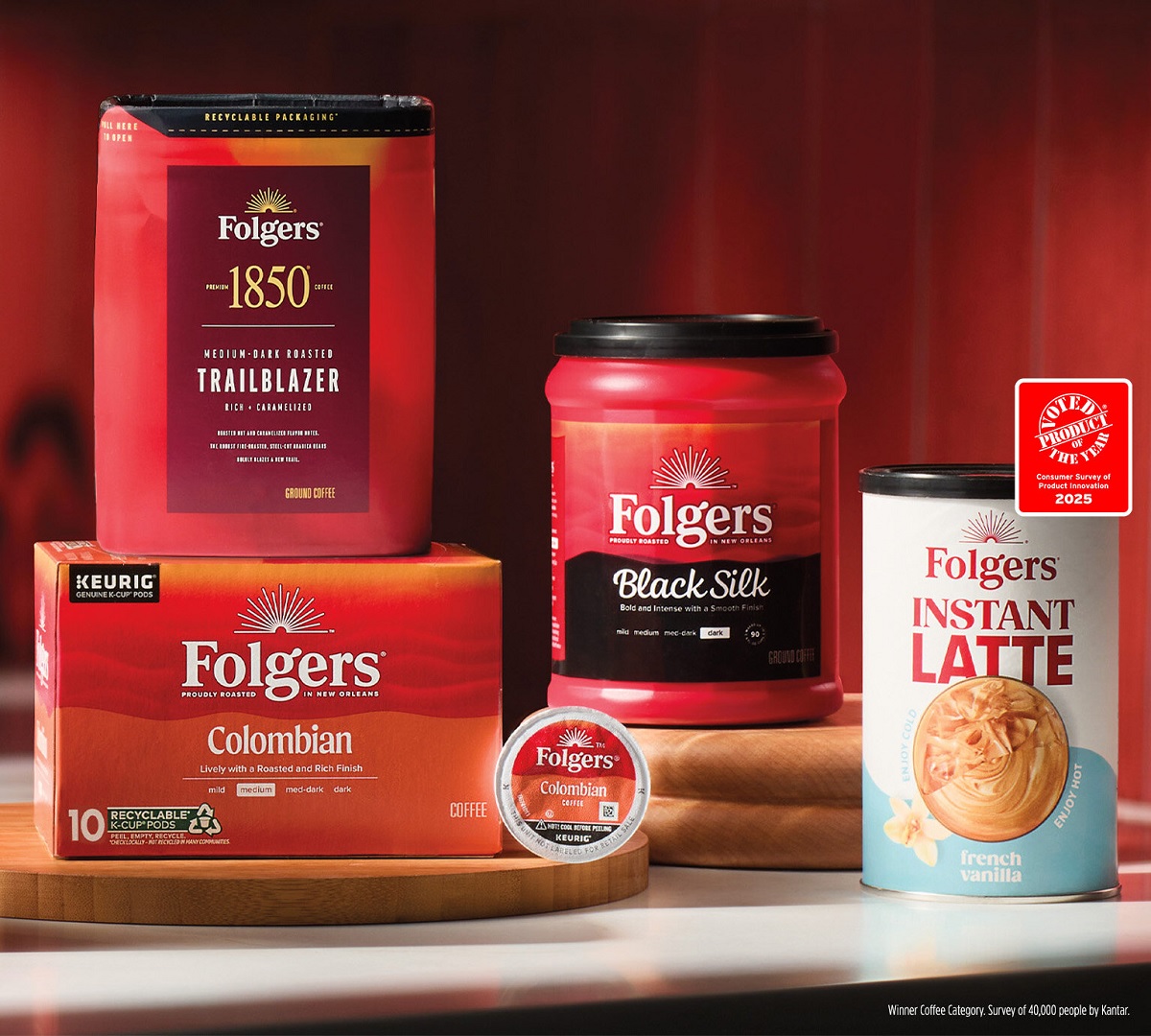
Where Is Folgers Coffee Grown? Discover Its Origins and Quality
Coffee drinkers often wonder about the origins of their favorite brands and how growing regions impact flavor, aroma, and quality. Understanding where coffee comes from provides insight into its taste profile and the factors that influence production, from climate to soil conditions and farming practices.
Folgers is one of the most recognized coffee brands in the United States, known for its consistent flavor and wide availability. Its beans are sourced from multiple regions around the world, chosen to create a balanced, smooth, and approachable coffee that appeals to a broad audience.
Learning about Where Is Folgers Coffee Grown? reveals the diverse locations that supply the brand’s beans, from high-altitude plantations to tropical climates. Each region contributes unique characteristics, such as subtle acidity, chocolatey notes, or rich body, which are blended to produce Folgers’ signature taste.
Exploring the origins of Folgers coffee helps consumers appreciate the complexity behind their daily cup. It also highlights how sourcing practices, regional climates, and bean selection come together to create the familiar flavor millions enjoy every day.
Primary Coffee Growing Regions for Folgers
The flavor and consistency of Folgers coffee are shaped by the regions where its beans are grown. Folgers sources beans from several parts of the world, selecting specific locations for their climate, soil, and altitude to produce balanced, smooth coffee. Understanding these regions helps explain the signature taste profile and quality standards that the brand maintains across its blends.
Central and South America
A significant portion of Folgers coffee comes from Central and South America, particularly countries like Brazil, Colombia, and Costa Rica. These regions are renowned for their ideal coffee-growing conditions, including high-altitude plantations, rich volcanic soil, and a stable tropical climate. Such factors create beans with consistent quality, moderate acidity, and smooth, approachable flavors.
Brazil, one of the largest coffee producers globally, supplies beans that often form the base of Folgers’ blends. Brazilian beans are typically medium-bodied with mild chocolate and nutty notes. Colombia contributes beans with balanced acidity and hints of caramel and fruit, enhancing complexity without overpowering the blend. Costa Rican beans add brightness and subtle floral notes, rounding out the cup with refined aroma and clarity.
Farmers in these regions employ both traditional and modern cultivation techniques, including careful hand-picking and post-harvest processing. The combination of location, soil, and farming methods ensures that the coffee retains its characteristic smoothness, making Central and South America a cornerstone of Folgers’ flavor profile.
Africa and East Africa
Folgers also sources select beans from African regions, especially East African countries like Ethiopia and Kenya. African beans are valued for their bright acidity, fruity undertones, and floral aromas, which bring distinctive complexity to blended coffees.
Ethiopian beans often carry wine-like flavors and vibrant citrus notes, while Kenyan beans provide bold berry and plum undertones with a crisp finish. These characteristics are balanced carefully when blended with beans from Central and South America to maintain Folgers’ signature smooth taste. The inclusion of African beans adds depth and aroma without making the cup overly sharp or sour.
The higher-altitude farms in East Africa benefit from cool nights and ample rainfall, creating slow-growing coffee cherries that develop more nuanced flavors. Harvesting is mostly manual, ensuring only ripe cherries are picked, which contributes to overall quality. By incorporating African beans strategically, Folgers can offer a coffee with a richer sensory experience while maintaining consistency in mass-produced blends.
Southeast Asia
Southeast Asian countries such as Indonesia and Vietnam also contribute to Folgers’ bean selection. Indonesian beans, especially from Sumatra and Java, are known for their earthy, full-bodied flavor and low acidity. These beans add depth and heaviness to blends, balancing brighter, fruitier notes from African and Central American beans.
Vietnamese beans, primarily robusta varieties, are used sparingly in some blends to enhance body and provide a subtle caffeine boost. The combination of arabica and robusta beans ensures a consistent taste, strong aroma, and satisfying cup that aligns with consumer expectations.
Favorable growing conditions, including volcanic soil and tropical humidity, allow these beans to develop complex flavors during a slower maturation process. Farmers often use traditional wet-hulling and sun-drying techniques, which influence the beans’ texture and richness. Including Southeast Asian beans provides Folgers with versatility, ensuring that every batch maintains the signature smooth and balanced flavor consumers recognize.
How Folgers Sources Its Coffee Beans
Folgers’ consistent flavor and widespread popularity are rooted in how it sources its coffee beans. The brand relies on a careful selection process that balances quality, flavor consistency, and ethical considerations. Understanding Folgers’ sourcing practices provides insight into the journey from farm to cup and highlights how the brand maintains its signature taste while meeting global demand.
Selection of Coffee Regions and Farms
Folgers sources its beans from multiple regions, including Central and South America, Africa, and Southeast Asia, each contributing unique characteristics to the blend. The brand prioritizes farms that meet strict quality standards, such as optimal altitude, soil fertility, and climate stability.
By working with these established regions, Folgers ensures that each batch of beans exhibits the balance, smoothness, and aroma that consumers expect. The company often collaborates with long-standing suppliers who understand Folgers’ taste profile, allowing for consistent quality across shipments. Farms are selected not only for their environmental suitability but also for their ability to deliver beans that meet the brand’s large-scale production requirements.
The brand emphasizes traceability, keeping records of origin and processing methods to maintain control over flavor and quality. This approach allows Folgers to replicate its signature taste consistently, regardless of seasonal variations in bean harvests.
Partnerships With Local Farmers and Cooperatives
Folgers works closely with local farmers and cooperatives to source high-quality coffee beans. These partnerships ensure that farmers adhere to best practices in cultivation, harvesting, and post-harvest processing. Hand-picking ripe cherries is often required to maintain quality, and cooperative agreements allow Folgers to purchase beans at a scale sufficient for nationwide distribution.
These collaborations also include technical support and guidance on sustainable farming methods, helping to improve crop yield and bean quality. Farmers gain access to better market opportunities and resources, while Folgers benefits from a reliable, consistent supply of premium beans. The emphasis on long-term partnerships helps maintain both quality standards and ethical sourcing practices, aligning with consumer expectations for responsibly sourced coffee.
Quality Control and Processing Standards
Once beans are selected, Folgers enforces strict quality control measures. Green beans are inspected for size, color, and defects before shipment to roasting facilities. The company also monitors moisture content and overall bean health to ensure optimal flavor retention during roasting.
Roasting plays a key role in developing Folgers’ signature taste, but sourcing the right raw beans is critical to begin with. Beans are often blended to achieve the desired flavor profile, combining mild, medium, and bold notes from different regions. This process guarantees a consistent cup of coffee that maintains the smooth, approachable flavor Folgers is known for across every batch.
Sustainability and Ethical Considerations
Folgers incorporates sustainability initiatives into its sourcing process, emphasizing environmentally responsible practices and ethical treatment of farmers. Programs may include supporting fair wages, promoting sustainable farming techniques, and encouraging crop diversification to protect local ecosystems.
Ethical sourcing not only benefits communities and the environment but also contributes to coffee quality. Sustainable farming practices ensure healthier plants, better bean development, and more consistent harvests. By integrating these standards into its sourcing process, Folgers strengthens both its brand reputation and the quality of the coffee delivered to consumers worldwide.
Factors Affecting the Flavor of Folgers Coffee
The flavor of Folgers coffee is influenced by a variety of factors, from the origin of the beans to the roasting process and storage practices. Understanding these elements helps coffee enthusiasts appreciate why Folgers tastes consistent, smooth, and approachable. Several components work together to create the signature flavor that millions enjoy daily.
Bean Origin and Growing Conditions
The origin of coffee beans significantly impacts the final flavor of Folgers coffee. Beans sourced from Central and South America provide smooth, nutty, and chocolatey notes, while African beans contribute bright acidity, fruity undertones, and floral aromas. Southeast Asian beans add earthy, full-bodied richness and a hint of spice.
Growing conditions such as altitude, soil composition, rainfall, and temperature influence the beans’ chemical development. High-altitude farms, for example, slow the maturation process, allowing beans to develop complex flavors and aromatic oils. Soil rich in minerals enhances sweetness and balance, while consistent rainfall and stable temperatures prevent stress on the coffee plants, which could otherwise create bitter or off-flavors.
Farmers’ cultivation techniques, including pruning, fertilization, and selective harvesting, further shape the beans’ taste profile. By carefully choosing the right combination of regions and farms, Folgers can produce coffee with balanced flavor characteristics, ensuring each cup meets the expectations of its loyal consumers.
Roasting Process
Roasting is a critical factor in defining the flavor of Folgers coffee. During roasting, heat transforms the chemical composition of the green beans, releasing sugars, oils, and aromatic compounds. The roast level—light, medium, or dark—directly influences the taste, body, and aroma of the final cup.
Folgers primarily uses medium roast profiles to achieve its signature smooth, mellow flavor with subtle chocolate and nutty notes. Over-roasting can result in excessive bitterness and loss of nuanced flavors, while under-roasting can produce sour or grassy notes. Temperature control, roasting duration, and bean batch consistency are closely monitored to maintain flavor uniformity.
The blending of beans from different regions after roasting also ensures a consistent cup. By combining beans with complementary flavor profiles, Folgers balances acidity, sweetness, and body, creating a harmonious taste experience that is recognizable and reliable across all batches.
Storage and Freshness
The way coffee is stored affects how the flavor develops and maintains quality over time. Exposure to air, moisture, heat, and light can cause oxidation, staling, and loss of aromatic compounds, diminishing the overall taste.
Folgers packages its coffee in airtight, protective containers to preserve freshness from the moment the beans or ground coffee leave the roastery. Proper storage at home—away from heat and sunlight—also plays a role in maintaining flavor integrity. Even small lapses in storage can result in muted aroma, flat taste, or increased bitterness. Maintaining freshness ensures that the beans deliver the rich, smooth flavor consumers expect with every cup.
Water Quality and Brewing Methods
The quality of water and the brewing method also affect the final flavor of Folgers coffee. Minerals, pH levels, and purity of water influence extraction, affecting both aroma and taste. Using filtered or spring water ensures optimal extraction and avoids off-flavors from tap water contaminants.
Brewing techniques, including drip, pour-over, or espresso, determine how flavor compounds are extracted from the coffee. Proper water temperature, grind size, and coffee-to-water ratio are crucial for balancing acidity, sweetness, and body. By paying attention to these factors, coffee drinkers can enjoy the intended flavor profile of Folgers coffee, whether at home or in larger-scale preparations.
FAQs
Where Is Folgers Coffee Grown?
Folgers coffee is sourced from multiple regions across the globe to achieve its consistent flavor profile. The primary growing areas include Central and South America, Africa, and Southeast Asia. Each region contributes unique characteristics, such as nutty, chocolatey notes from Brazil, bright fruity tones from Ethiopia, and earthy richness from Indonesia.
The combination of these beans allows Folgers to produce a smooth, balanced cup that appeals to a wide audience. By selecting regions with ideal climate, altitude, and soil, the brand ensures quality and consistency in every batch of coffee.
Why Does Folgers Source Coffee From Multiple Regions?
Using beans from multiple regions helps Folgers maintain a consistent flavor year-round. Seasonal variations, climate differences, and harvest timing can affect taste, so blending beans from different locations balances these changes.
Central and South American beans provide smooth, medium-bodied flavors, while African and Southeast Asian beans add brightness, complexity, and depth. By blending beans strategically, Folgers ensures that each cup delivers the same recognizable taste, regardless of seasonal or regional variations in bean quality.
What Flavor Characteristics Come From Brazilian Coffee Beans?
Brazilian coffee beans are a key component in many Folgers blends. These beans are known for their smooth, mild flavor with subtle chocolate and nutty undertones. The medium body and low acidity make them ideal for creating a balanced, approachable cup.
Brazil’s high-altitude farms and fertile soil contribute to uniform bean size and quality. These characteristics allow Folgers to use Brazilian beans as a base, blending them with other regional beans to produce a consistent, smooth, and widely appealing flavor profile in their signature coffees.
How Do African Coffee Beans Affect Folgers’ Flavor?
African coffee beans, particularly from Ethiopia and Kenya, are used to add brightness and aromatic complexity to Folgers blends. They often feature fruity, floral, or wine-like notes that enhance the overall flavor experience.
These beans are grown at high altitudes with careful hand-picking practices, which ensures only ripe cherries are harvested. When combined with smoother beans from Brazil or Indonesia, African beans provide a lively, nuanced flavor that contributes depth without overpowering the signature smoothness of Folgers coffee.
What Role Do Southeast Asian Coffee Beans Play?
Southeast Asian beans, including those from Indonesia and Vietnam, are used in Folgers coffee to provide body and earthy richness. Indonesian beans, for example, offer full-bodied, low-acidity flavors with subtle spice or chocolate notes.
These beans complement the brighter, fruitier flavors of African coffee and the smoothness of Central and South American beans. The inclusion of Southeast Asian beans helps create a balanced cup with depth, richness, and a satisfying mouthfeel that aligns with Folgers’ signature taste.
How Does Folgers Ensure Quality From Its Growing Regions?
Folgers maintains quality through careful selection, partnerships with trusted farms, and strict sourcing standards. The company monitors factors like altitude, soil quality, and climate to ensure the beans meet their flavor requirements.
Farmers are often guided on best practices, including hand-picking ripe cherries and using proper drying and processing methods. Beans are inspected for size, defects, and moisture content before blending. This attention to detail ensures that, regardless of the growing region, each batch of Folgers coffee delivers consistent flavor, aroma, and overall quality to consumers.
Final Words
Folgers coffee draws its beans from a variety of regions around the world, each contributing unique flavors and aromas to the final blend. Central and South America provide smooth, balanced beans, while African origins add bright, fruity notes that enhance complexity. By combining beans from multiple regions, Folgers ensures a consistent and enjoyable cup for coffee lovers everywhere.
If you’re curious about [Where Is Folgers Coffee Grown?], it is sourced from countries like Brazil, Colombia, Ethiopia, and Kenya, among others. These regions are chosen for their ideal climate, altitude, and soil conditions, which produce high-quality beans suited for Folgers’ signature blends. The company also focuses on ethical and sustainable sourcing to support coffee-growing communities and maintain quality standards.
Ultimately, the global sourcing approach allows Folgers coffee to deliver reliable flavor and aroma in every cup. Understanding the origins of its beans gives you greater appreciation for the care and expertise that goes into creating this popular coffee brand.