Can Cats Have Matcha: Risks, Benefits, and Safety Tips
Cats are curious creatures, and pet owners often wonder about sharing human foods or drinks with them. Green tea and its powdered form, matcha, have become popular in households worldwide for their antioxidants and health benefits. Naturally, some cat owners might consider offering a small taste to their feline companions and want to know the potential effects.
Understanding a cat’s unique physiology is important when introducing anything new into their diet. Cats metabolize substances differently from humans, and some compounds that are harmless to us can be harmful to them. Matcha, in particular, contains caffeine and other stimulants that can impact a cat’s heart rate and nervous system.
Beyond stimulants, matcha also contains antioxidants and other compounds intended for human consumption, which may not be suitable for a cat’s digestive system. Even a tiny amount could cause discomfort or more serious health issues.
Can Cats Have Matcha Safely?
Cats are curious and often attracted to the foods and drinks their owners enjoy. However, not everything humans consume is safe for felines. Matcha, with its high caffeine content and plant compounds, raises questions about safety. Understanding the potential risks, natural behavior of cats, and possible alternatives helps you determine whether matcha can ever be safely introduced into a cat’s diet.
The Reality of Matcha and Feline Safety
Matcha is generally not safe for cats due to its caffeine content. Even a small amount can trigger symptoms like restlessness, rapid heart rate, vomiting, or diarrhea. Cats metabolize caffeine much slower than humans, making them highly sensitive to its effects. Unlike humans, cats cannot safely process stimulants or certain antioxidants present in matcha, which increases the risk of toxicity.
While accidental ingestion of tiny amounts may not always lead to severe symptoms, there is no established safe dosage for cats. Veterinary guidelines strongly advise against offering matcha intentionally. Even ceremonial-grade matcha, which is high-quality and smooth-tasting for humans, still contains enough caffeine to be potentially harmful.
Awareness of these risks is key. Understanding the natural physiology of cats and their inability to tolerate human stimulants helps owners make informed decisions. Preventing exposure entirely is the safest approach.
Occasional Exposure vs. Intentional Feeding
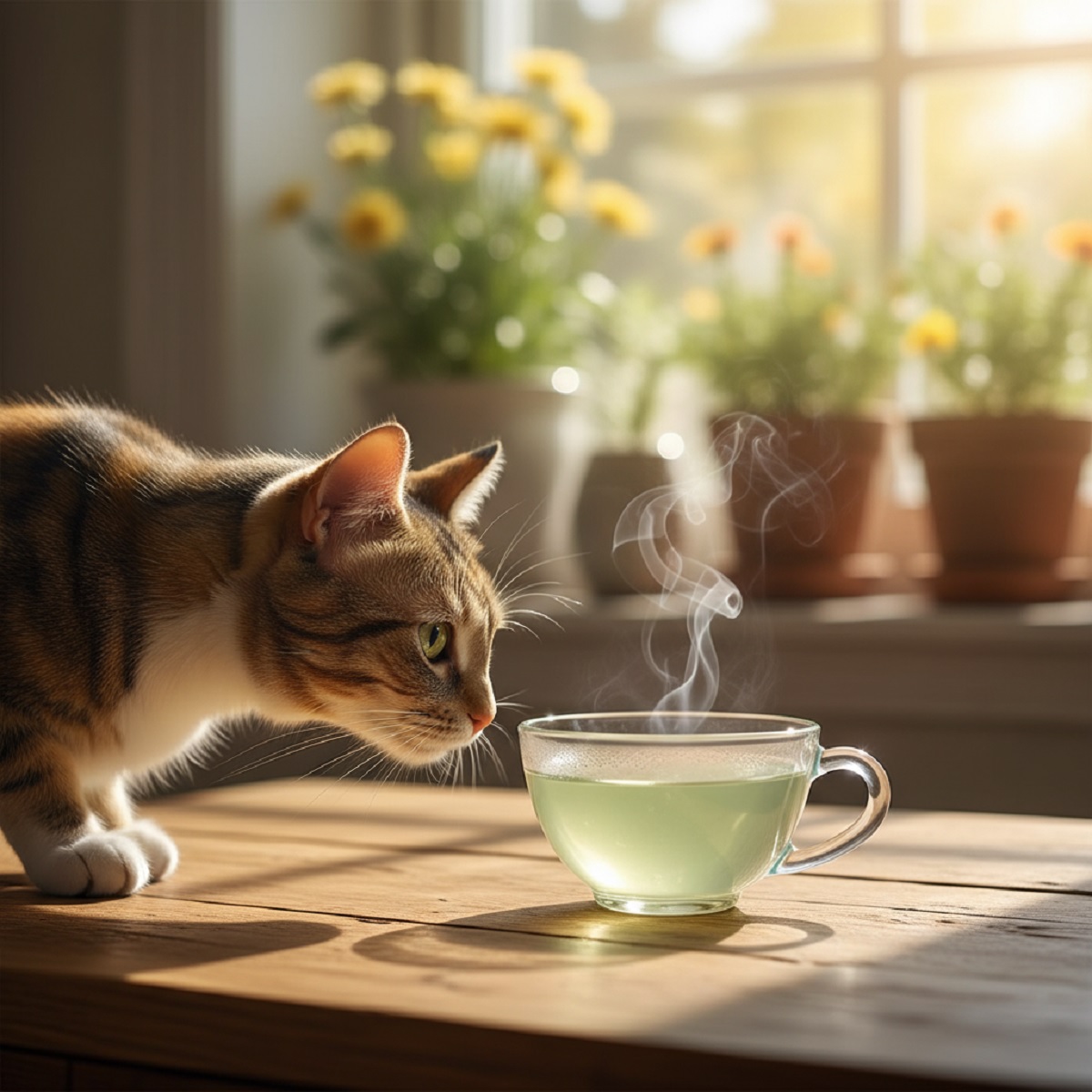
Accidental or minimal exposure to matcha, such as a cat sniffing or licking a small residue from a cup, might not always cause significant harm. However, intentional feeding for flavor or perceived health benefits is strongly discouraged. The concentration of caffeine in powdered matcha is much higher than in brewed green tea, and even a small teaspoon can be toxic to a cat.
Symptoms from intentional ingestion can appear within minutes and may include vomiting, diarrhea, elevated heart rate, tremors, or hyperactivity. Chronic or repeated exposure can place stress on vital organs like the liver and kidneys. Even experienced pet owners must recognize that cats cannot process plant-based stimulants in the same way humans do, making regular consumption unsafe.
Preventing access to matcha powder and drinks is the most reliable way to avoid accidental ingestion. Understanding the difference between casual curiosity and safe dietary behavior is essential for responsible pet care.
Safe Alternatives for Cats
While matcha is not safe, there are alternatives that provide enrichment or mild flavor without risk. For example, specially formulated cat teas, herbal blends without caffeine, or even small amounts of plain cooked pumpkin can offer sensory stimulation. Catnip and silvervine are also safe, enjoyable options for many cats.
These alternatives provide a safe way to satisfy curiosity and encourage interaction without exposing cats to caffeine or plant compounds that can harm them. Offering safe alternatives ensures a positive experience while maintaining your cat’s health.
Choosing species-appropriate foods and drinks keeps cats safe and reduces the risk of accidental toxicity. By substituting harmful human products with safe options, you can maintain their wellbeing while still sharing enjoyable moments.
Signs Your Cat Has Consumed Matcha
Cats may accidentally consume matcha by licking powder residues, spilled drinks, or other contaminated surfaces. Recognizing the signs of ingestion is critical because matcha contains caffeine and plant compounds that can be toxic to felines. Early identification of symptoms allows you to respond quickly and prevent severe health issues. Understanding what to watch for ensures your cat remains safe in environments where matcha is present.
Behavioral Changes And Restlessness
One of the earliest signs that a cat has ingested matcha is a sudden change in behavior. Caffeine in matcha acts as a stimulant, causing hyperactivity, restlessness, or unusual agitation. You may notice your cat pacing, vocalizing more than usual, or showing signs of anxiety and nervousness.
These behavioral changes occur because cats metabolize caffeine much more slowly than humans, so even small amounts can overstimulate their nervous system. Hyperactive behavior may also include excessive grooming, darting around the house, or refusing to settle in one place.
Being aware of your cat’s normal behavior patterns helps you identify abnormalities quickly. Immediate attention is important because behavioral signs often precede physical symptoms like vomiting or tremors. Observing these early warning signs allows for prompt intervention.
Gastrointestinal Distress
Another common sign of matcha consumption is gastrointestinal upset. Cats may vomit or experience diarrhea as their digestive system reacts to compounds it cannot properly process. Abdominal discomfort or bloating can also occur, making your cat appear restless or hesitant to move.
Even a small amount of matcha powder can irritate a cat’s stomach due to caffeine, tannins, and other plant compounds. These symptoms typically appear within minutes to a few hours after ingestion. Dehydration can follow if vomiting or diarrhea is severe, which may exacerbate health risks.
Monitoring your cat closely for any changes in appetite, stool consistency, or litter box habits helps you identify digestive distress. Promptly removing access to matcha and contacting a veterinarian ensures your cat receives proper care.
Cardiovascular Symptoms
Matcha ingestion can affect your cat’s cardiovascular system. Cats may exhibit an increased heart rate, rapid breathing, or palpitations after consuming caffeine. In severe cases, elevated blood pressure or irregular heart rhythms may occur, which require immediate attention.
Observing your cat’s pulse or breathing pattern can provide clues about cardiovascular stress. Cats may also hide, appear anxious, or show signs of weakness due to overstimulation of their heart and nervous system. Early detection is crucial, as prolonged cardiovascular stress can lead to serious complications.
Being proactive and seeking veterinary care at the first sign of cardiovascular symptoms ensures timely treatment. Rapid intervention often prevents more severe outcomes and stabilizes your cat’s health.
Tremors, Seizures, Or Lethargy
In more serious cases, matcha ingestion can lead to tremors, muscle twitching, or even seizures. Caffeine overstimulates the nervous system, and cats may experience uncontrolled shaking, uncoordinated movements, or sudden collapse. Lethargy can also occur as a response to overstimulation and exhaustion.
These severe signs indicate significant toxicity and require urgent veterinary care. Observing your cat for neurological symptoms, alongside behavioral and gastrointestinal signs, helps you assess the level of risk. Prompt action can prevent long-term health complications.
Recognizing these signs early, including subtle changes in behavior, digestion, or coordination, allows you to act quickly to protect your cat. Monitoring for multiple symptoms increases the likelihood of timely intervention and recovery.
Alternatives To Matcha For Cats
Although matcha is unsafe for cats due to caffeine and other plant compounds, there are several safe alternatives that allow your feline to enjoy new flavors and enrichment without health risks. These alternatives mimic the sensory appeal of matcha or offer similar interactive experiences. Knowing what options are safe ensures your cat remains healthy while still enjoying treats and beverages designed for their needs.
Catnip And Silvervine
Catnip and silvervine are among the most popular and safe plant-based alternatives for cats. Both plants stimulate playfulness and sensory exploration without any toxic effects. Catnip contains nepetalactone, which triggers a temporary euphoric or excited state in many cats, encouraging interaction and physical activity. Silvervine offers a similar response and is often recommended for cats that do not react strongly to catnip.
You can provide catnip or silvervine in various forms, including dried leaves, sprays, or infused toys. These plants offer mental and physical stimulation while being completely safe, unlike matcha. Cats may roll, rub, or play with these items, which promotes exercise and engagement, keeping them active and happy.
Incorporating these alternatives regularly can satisfy your cat’s curiosity and playful instincts. They provide the benefits of enrichment and mild sensory stimulation without exposing your cat to caffeine, tannins, or other potentially harmful compounds found in matcha.
Herbal Cat Teas
Specially formulated herbal teas designed for cats are another safe alternative. These teas typically contain blends of herbs like chamomile, valerian, or lemongrass, all of which are non-toxic and offer calming or stimulating effects depending on the blend. Unlike human teas, they are free from caffeine, making them safe for feline consumption.
You can serve these herbal teas as a mild beverage, a treat mixed with water, or infused into toys and treats. They provide a safe sensory experience similar to drinking or smelling tea without risking overstimulation or gastrointestinal upset. Some cats may even enjoy the aroma alone, which encourages curiosity and gentle engagement.
Choosing herbal teas designed for cats ensures that all ingredients are safe and tailored for feline physiology. These products allow pet owners to offer a soothing or enriching experience comparable to the ritual of preparing human beverages.
Food-Based Treat Alternatives
Certain food-based treats provide safe flavor exploration for cats. Plain cooked pumpkin, mashed sweet potato, or small amounts of cooked fish or chicken can offer a mild, enjoyable taste. These options are free from harmful compounds and contribute to your cat’s overall nutrition.
You can incorporate these ingredients into homemade treats, sprinkle small amounts over their regular food, or mix them into interactive feeding toys. Food-based treats engage your cat’s senses, offering both flavor and mental stimulation without the risks associated with matcha.
These alternatives emphasize species-appropriate flavors while satisfying curiosity and taste preferences. By selecting safe, nutritious options, you ensure your cat enjoys enrichment without compromising health.
Interactive Toys And Enrichment Activities
Beyond consumable alternatives, interactive toys and enrichment activities can replicate the engagement that comes from new foods or scents. Puzzle feeders, treat-dispensing toys, and sensory mats stimulate your cat mentally and physically.
Providing these activities satisfies natural hunting instincts and encourages problem-solving, mimicking the stimulation that cats often seek from tasting or exploring new substances. Pairing safe treats with toys enhances engagement and provides a rewarding experience.
These enrichment strategies allow cats to explore and enjoy novel experiences safely. They are excellent alternatives to risky human foods like matcha, ensuring your cat remains both active and healthy while enjoying stimulating activities.
People Also Asked
Is Matcha Safe For Cats To Consume?
No, matcha is not safe for cats. It contains caffeine and other plant compounds that can be toxic to felines. Even small amounts can overstimulate their nervous system, causing symptoms like restlessness, rapid heart rate, vomiting, or diarrhea. Cats metabolize caffeine much more slowly than humans, making them highly sensitive to its effects.
Avoid giving matcha intentionally, and ensure that powdered matcha, tea, or beverages are stored safely out of reach. Even ceremonial-grade or high-quality matcha intended for humans can pose health risks for cats. Awareness of these dangers is essential for keeping your pet safe.
What Are The Symptoms If A Cat Ingests Matcha?
If your cat accidentally consumes matcha, you may notice behavioral and physical symptoms. Early signs include restlessness, hyperactivity, excessive vocalization, and unusual pacing. Gastrointestinal issues like vomiting, diarrhea, or abdominal discomfort can also occur.
In severe cases, caffeine toxicity may lead to tremors, muscle twitching, rapid heart rate, or seizures. Observing your cat closely for these signs allows you to act quickly. Prompt veterinary attention is critical to prevent serious complications and ensure your cat’s safety.
Can A Small Amount Of Matcha Harm My Cat?
Even a small amount of matcha can be harmful due to its high caffeine concentration. Cats are extremely sensitive to stimulants, and there is no established safe dose. While accidental licking of a tiny residue may not always lead to severe symptoms, intentional feeding is strongly discouraged.
Symptoms may appear quickly, including vomiting, diarrhea, or behavioral changes. It’s always safest to prevent any exposure. Being proactive and cautious helps protect your cat from potentially serious health risks associated with matcha ingestion.
Are There Safe Alternatives To Matcha For Cats?
Yes, there are several safe alternatives that provide enrichment or flavor without risk. Catnip, silvervine, or herbal teas formulated for cats offer stimulation similar to new flavors. Plain cooked pumpkin, sweet potato, or small portions of cooked meat can also provide safe taste exploration.
Interactive toys and puzzle feeders are additional ways to engage your cat’s senses safely. These alternatives allow your cat to enjoy new experiences without exposure to caffeine or plant compounds that could be toxic. Offering safe substitutes keeps your pet happy and healthy.
What Should I Do If My Cat Eats Matcha?
If your cat consumes matcha, monitor them closely for symptoms like vomiting, diarrhea, hyperactivity, or tremors. Contact your veterinarian immediately, especially if large amounts were ingested or severe symptoms appear.
Prompt veterinary care can prevent complications and provide treatments such as hydration support or medication to stabilize heart rate and digestion. Removing access to matcha and keeping all tea products out of reach is also crucial to prevent accidental exposure in the future.
Can Matcha Affect A Cat’s Heart Or Nervous System?
Yes, matcha can significantly affect a cat’s heart and nervous system due to its caffeine content. Cats may experience increased heart rate, palpitations, or elevated blood pressure, which can become dangerous if left untreated. Nervous system stimulation can lead to hyperactivity, tremors, or seizures.
Even small amounts can be risky because cats metabolize caffeine slowly. Avoiding matcha entirely is the safest approach, and awareness of these effects helps you protect your cat’s cardiovascular and neurological health. Immediate veterinary attention is necessary if any concerning symptoms appear.
Final Words
While it might be tempting to share your favorite matcha drink with your feline friend, it’s important to remember that cats process caffeine very differently than humans. Even small amounts of matcha can lead to restlessness, vomiting, or more severe health issues. Being aware of these risks helps you protect your cat from unnecessary harm and keeps their daily routine safe and stress-free.
Understanding the effects of caffeine and theobromine is crucial for any pet owner. Observing your cat for unusual behavior, such as hyperactivity or digestive upset, can help you catch accidental ingestion early. Consulting a veterinarian promptly ensures that any exposure is managed safely. By staying informed, you can prevent uncomfortable or dangerous situations for your furry companion.
Ultimately, the safest choice is to avoid giving cats matcha entirely. Instead, focus on cat-friendly treats and beverages that offer enrichment without health risks. Knowing the answer to [Can Cats Have Matcha] allows you to make responsible choices for their wellbeing and enjoy your love for tea without compromising their health.