Can I Drink Matcha Tea While Breastfeeding? Safety Tips And Recommendations
Breastfeeding introduces a new set of questions about diet and beverages, especially those containing caffeine. Many new mothers look for drinks that provide energy and nutrients without affecting their baby. Matcha, a powdered green tea known for its vibrant color, antioxidants, and gentle caffeine content, has become a popular choice for its health benefits and soothing ritual.
Considering caffeine intake is important while nursing, as it can pass into breast milk and affect the baby’s sleep and temperament. This brings up the question can i drink matcha tea while breastfeeding, as understanding its effects helps new mothers enjoy it safely.
Matcha also contains L-theanine, which promotes calm focus, and antioxidants that support overall wellness. Its moderate caffeine level can offer gentle energy, especially during periods of fatigue common in early motherhood.
Caffeine Content In Matcha And Breastfeeding Considerations
Caffeine intake is a major consideration for breastfeeding mothers, and matcha, while nutritious, contains naturally occurring caffeine. Understanding how much caffeine is in matcha, how it affects both mother and baby, and ways to consume it safely is essential. Proper awareness allows nursing mothers to enjoy matcha’s health benefits without compromising infant well-being.
How Much Caffeine Is In Matcha
Matcha is made from powdered green tea leaves, meaning the entire leaf is consumed rather than steeped. This results in higher caffeine content per serving compared to traditional green or black tea. A typical serving of matcha, about one teaspoon or 1–2 grams, contains roughly 60–80 milligrams of caffeine. The exact amount depends on the grade of powder, preparation, and serving size.
Unlike coffee, matcha releases caffeine gradually due to L-theanine, providing a smoother, longer-lasting energy boost without sudden spikes or crashes. However, even moderate caffeine can transfer into breast milk, so monitoring consumption is important. Nursing mothers must consider all sources of caffeine, including coffee, chocolate, and other teas, to stay within recommended daily limits.
Gradual energy release and proper portion control make matcha a preferable option for mothers seeking gentle stimulation while reducing the risk of overexposure for their baby. Smaller servings or half-scoops can provide enough alertness without exceeding safe thresholds.
Safe Caffeine Limits While Breastfeeding
Medical guidelines suggest breastfeeding mothers consume no more than 300 milligrams of caffeine per day. While matcha is generally lower in caffeine than coffee, multiple servings or combining it with other caffeinated products can quickly approach this limit. Maintaining awareness of total daily intake is crucial to prevent infant irritability, sleep disruption, or fussiness.
Smaller servings, morning consumption, and spacing out caffeinated beverages throughout the day can help mothers enjoy matcha safely. Observing how the baby responds after caffeine intake provides practical guidance for adjusting portions. Every mother’s tolerance varies, and being mindful ensures both alertness and infant comfort.
Choosing lower-caffeine matcha options or using half-scoops allows nursing mothers to gain antioxidants and other nutrients without exceeding safe caffeine thresholds. This controlled approach supports both maternal energy levels and infant well-being.
Monitoring Effects On Mother And Baby
Even moderate caffeine can impact sensitive infants, particularly newborns under six months old. Babies may experience restlessness, increased wakefulness, or digestive discomfort if the mother consumes excessive caffeine. Mothers should monitor both their own energy levels and the baby’s behavior after drinking matcha.
Keeping a log of caffeine intake and corresponding infant responses helps identify safe limits. Some mothers find that consuming matcha earlier in the day minimizes potential sleep disruptions for the baby. Adjusting serving size and preparation methods, such as diluting matcha with more water or milk, further reduces caffeine concentration.
Being attentive to these effects allows nursing mothers to continue enjoying matcha without negatively impacting their child’s sleep or temperament, while still gaining mental clarity and antioxidants.
Choosing Quality Matcha And Preparation Methods
Selecting high-quality, organic matcha is particularly important for breastfeeding mothers. Premium powders are tested for contaminants like heavy metals and pesticides, which could otherwise pass into breast milk. Organic and reputable sources ensure maximum nutritional benefits with minimal risk.
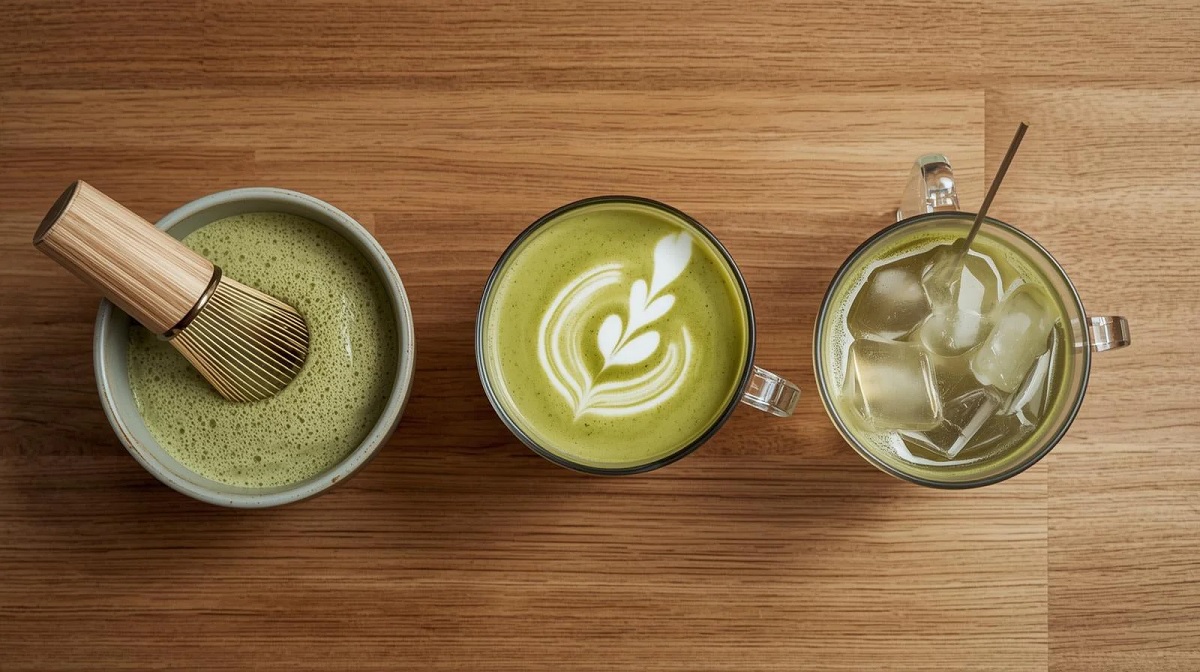
Preparation methods also influence caffeine absorption. Mixing matcha with milk or plant-based alternatives slows caffeine uptake, producing a gentler energy release. Cold or iced matcha is suitable as well, though caffeine content remains consistent. Whisking thoroughly ensures even distribution, allowing controlled and consistent caffeine levels per serving.
By focusing on quality, proper preparation, and portion control, breastfeeding mothers can safely incorporate matcha into their daily routine. These strategies help maintain energy, mental clarity, and nutrient intake without exceeding recommended caffeine limits or affecting the baby adversely.
Potential Benefits Of Matcha For Breastfeeding Moms
Matcha offers several benefits that can support breastfeeding mothers in managing energy, focus, and overall wellness. Its combination of antioxidants, amino acids, and moderate caffeine makes it a unique beverage for new mothers seeking gentle stimulation and nutritional support. Understanding these benefits allows moms to incorporate matcha into their routines thoughtfully and safely.
Antioxidant Support For Overall Health
Matcha is rich in antioxidants, particularly catechins, which help combat oxidative stress and promote cellular health. For breastfeeding mothers, these compounds support immune function and overall wellness, which is especially important during the postpartum period when the body is recovering from pregnancy and childbirth.
Unlike traditional green teas, matcha uses the entire powdered leaf, providing a higher concentration of antioxidants per serving. Regular, moderate consumption of matcha can contribute to maintaining energy levels, protecting cells from free radical damage, and supporting long-term health. High-quality, organic powders maximize these benefits while minimizing exposure to contaminants.
By including matcha in moderation, new mothers can gain a nutrient-dense beverage that complements a balanced postpartum diet. Its antioxidant profile supports recovery, immune function, and overall vitality during the breastfeeding period.
Gentle Energy Boost And Mental Clarity
Matcha provides moderate caffeine combined with L-theanine, an amino acid that promotes calm alertness. This unique combination offers a smoother, sustained energy boost compared to coffee, reducing the likelihood of jitters or sudden crashes. For breastfeeding mothers, this gentle stimulation can help manage fatigue and mental fog commonly experienced in early motherhood.
The L-theanine in matcha encourages focus and relaxation, allowing moms to stay attentive and calm while handling the demands of a newborn. This makes matcha an excellent choice for maintaining energy during long nights or busy mornings without overstimulating the mother or the baby.
Adjusting serving size allows mothers to control both caffeine intake and alertness, ensuring that energy is sustained throughout the day. Small, moderate servings provide mental clarity and focus while staying within safe caffeine limits for breastfeeding.
Nutritional Support
Matcha contains vitamins and minerals that can complement a breastfeeding mother’s diet. It offers small amounts of vitamin C, potassium, magnesium, and other micronutrients that support overall health. These nutrients can aid in energy metabolism, immune function, and maintaining proper hydration levels.
Consuming matcha as part of a balanced diet can provide additional nutritional benefits without significantly increasing caloric intake. This is particularly useful for mothers managing postpartum recovery while breastfeeding, as matcha supports energy, nutrient intake, and hydration simultaneously. Choosing high-quality, organic powders ensures maximum nutritional value and minimizes exposure to harmful substances.
By including matcha thoughtfully, mothers can enhance their diet with natural compounds that support both physical recovery and overall well-being. Its concentrated form provides more nutrients per serving than standard green tea, making it a valuable addition to a postpartum routine.
Mood Support And Stress Reduction
L-theanine in matcha not only moderates caffeine absorption but also promotes relaxation and calm focus. For breastfeeding mothers, this can help reduce stress and improve mood during a period often filled with emotional and physical challenges. Regular moderate consumption can support emotional stability and mental clarity, making daily routines more manageable.
Matcha’s gentle stimulation provides alertness without overexcitement, allowing mothers to stay attentive while remaining calm. This balance can be particularly beneficial when juggling feeding schedules, household responsibilities, and self-care. By incorporating matcha thoughtfully into daily routines, mothers may experience a smoother transition into the postpartum period with enhanced mental well-being.
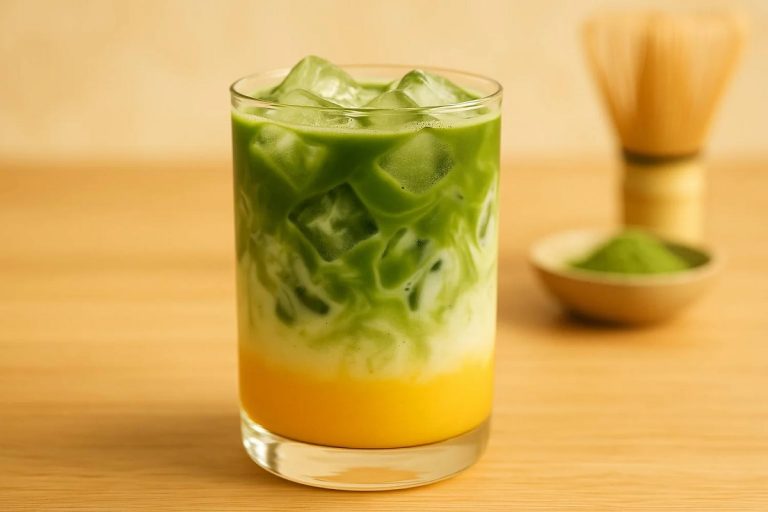
Experimenting with preparation methods, such as making lattes or combining matcha with other calming ingredients, can further support mood and enjoyment. Mindful consumption helps breastfeeding mothers enjoy matcha’s benefits without risking overstimulation or excessive caffeine intake.
Supporting Hydration And Digestion
Matcha can also contribute to hydration and digestion, especially when prepared with water or milk. Staying hydrated is crucial for breastfeeding, as fluid needs increase to support milk production. Drinking matcha provides a flavorful alternative to plain water, encouraging adequate fluid intake throughout the day.
The antioxidants and natural compounds in matcha may also aid digestion and metabolic function, helping mothers feel more energized and comfortable during the postpartum period. By pairing matcha with balanced meals and snacks, mothers can support both hydration and nutrient absorption.
Through mindful preparation and moderation, matcha can serve as a refreshing, nutrient-rich beverage that supports hydration, digestion, and overall wellness. Its combination of gentle caffeine, antioxidants, and L-theanine makes it a versatile tool for enhancing energy, focus, and health during breastfeeding.
Risks Of Drinking Matcha While Breastfeeding
While matcha offers antioxidants, nutrients, and gentle energy, drinking it during breastfeeding carries potential risks if not consumed carefully. Caffeine content, possible contaminants, and digestive effects are key considerations for nursing mothers. Understanding these risks ensures matcha can be enjoyed safely without negatively impacting either the mother or the baby.
Caffeine-Related Concerns
The main concern with matcha while breastfeeding is its caffeine content. A single serving of matcha contains roughly 60 to 80 milligrams of caffeine, and excessive intake can affect infants, particularly newborns who are more sensitive. High caffeine exposure may lead to restlessness, irritability, poor sleep, or digestive discomfort in babies.
Even though matcha releases caffeine gradually due to L-theanine, nursing mothers must monitor total daily intake from all sources, including coffee, tea, chocolate, and energy drinks. Overconsumption can also impact the mother, causing jitteriness, insomnia, or increased heart rate.
Portion control is essential, with smaller servings or half-scoops recommended for breastfeeding mothers. Spacing out caffeine intake throughout the day further minimizes potential effects on the infant, allowing mothers to enjoy matcha’s benefits safely.
Risk Of Contaminants
Another consideration is the potential presence of heavy metals or pesticides in matcha. Tea leaves can absorb lead or other contaminants from soil, and these may pass into breast milk in trace amounts. Low-quality or bulk powders may carry a higher risk of impurities.
Choosing certified organic, high-quality matcha reduces exposure to harmful substances. Reputable brands test for purity, ensuring that antioxidants and nutrients are consumed safely. Avoiding unverified or low-grade powders is particularly important during breastfeeding, as infant health is highly sensitive to environmental toxins.
Organic matcha ensures mothers gain benefits while minimizing potential risks from contaminants. Investing in trusted products supports both the mother’s and baby’s long-term health.
Digestive And Hydration Effects
Matcha’s concentrated form can occasionally cause mild digestive discomfort, such as nausea, stomach upset, or acid reflux, which may be more pronounced during postpartum recovery. Its natural diuretic effects can also increase fluid loss, making proper hydration essential while breastfeeding.
Consuming matcha with water, milk, or plant-based alternatives can reduce digestive strain and help moderate caffeine absorption. Drinking plenty of fluids throughout the day ensures both the mother and baby remain adequately hydrated. Paying attention to how your body reacts to matcha allows adjustments in serving size or frequency for comfort and safety.
Sleep Disruption
Caffeine in matcha can interfere with sleep for both mother and baby. Even moderate amounts consumed later in the day may affect nighttime rest, leading to irritability or fatigue. L-theanine helps moderate stimulation, but timing consumption in the morning or early afternoon is recommended for breastfeeding mothers.
Careful scheduling and portion control help minimize sleep disturbances while still allowing mothers to benefit from matcha’s gentle energy. Being mindful of these factors ensures a balanced approach that protects both maternal and infant well-being.
People Also Asked
Can I Drink Matcha Tea While Breastfeeding?
Yes, you can drink matcha tea while breastfeeding, but moderation is important. Matcha contains caffeine, which can pass into breast milk and affect your baby’s sleep and behavior if consumed in large amounts.
It is generally recommended to limit caffeine to under 200–300 mg per day while nursing. A single cup of matcha usually contains 30–70 mg, making it safer than coffee when consumed in moderation. Monitoring how your baby reacts and keeping track of total caffeine intake ensures that matcha is enjoyed safely.
How Much Matcha Tea Is Safe While Breastfeeding?
It is safe to consume about one cup of matcha per day while breastfeeding. The exact amount depends on the matcha’s strength and how it is prepared. Consuming more may lead to higher caffeine intake for both mother and baby.
If you want more than one cup, you can reduce the serving size or choose a low-caffeine or decaf matcha. Always consider other sources of caffeine, like coffee, chocolate, or tea, to stay within safe limits and avoid overstimulation of your baby.
Are There Any Risks Of Drinking Matcha While Nursing?
Drinking too much matcha while breastfeeding can expose your baby to caffeine, which may cause irritability, fussiness, or disrupted sleep. Some mothers may also experience digestive discomfort or mild jitteriness if caffeine is consumed in large amounts.
Additionally, flavored matcha powders or pre-made mixes can contain sugar or additives that might be less healthy for both mother and baby. By drinking moderate amounts and choosing high-quality, plain matcha, you can reduce potential risks while still enjoying the drink.
Can Matcha Provide Benefits For Breastfeeding Moms?
Yes, matcha can provide benefits during breastfeeding. It contains antioxidants, vitamins, and minerals that support overall health. The gentle caffeine content, combined with L-theanine, offers a calm and focused energy boost without the sharp spikes typical of coffee.
Drinking matcha in moderation can help you stay alert during busy days with your baby. It can also contribute to hydration and a healthy diet when incorporated thoughtfully. The key is to enjoy its benefits while monitoring caffeine intake.
When Should I Avoid Drinking Matcha While Breastfeeding?
You should avoid matcha if your baby is sensitive to caffeine or if you notice symptoms like irritability or trouble sleeping after you drink it. Mothers with certain medical conditions, such as high blood pressure or anxiety, may also need to limit caffeine.
If you experience digestive upset, heart palpitations, or other negative symptoms, it is best to pause matcha consumption. Always consult your healthcare provider if you are unsure, as individual health conditions and your baby’s tolerance may affect whether matcha is suitable.
Are There Safe Alternatives To Matcha While Breastfeeding?
Yes, if you want to avoid caffeine, herbal teas like rooibos, chamomile, or ginger are safe for nursing mothers. These teas provide hydration, flavor, and some nutrients without the risks associated with caffeine.
Decaffeinated matcha is another option, allowing you to enjoy the taste and antioxidants of matcha without affecting your baby’s sleep. Pairing these alternatives with a balanced diet helps maintain energy and health while breastfeeding safely.
Final Thoughts
Breastfeeding mothers often look for beverages that provide energy, nutrients, and a moment of relaxation, and matcha can be a great option when consumed mindfully. Its antioxidants, L-theanine, and moderate caffeine offer gentle stimulation, mental clarity, and overall wellness support, making it a convenient addition to a balanced postpartum routine.
Understanding caffeine content, proper serving sizes, and timing is essential to ensure both maternal and infant safety. Choosing high-quality, organic matcha and limiting daily intake helps reduce risks associated with caffeine or potential contaminants. Preparing matcha thoughtfully and monitoring your baby’s reactions allows you to enjoy its benefits without adverse effects.
By taking these precautions, you can confidently answer the question can i drink matcha tea while breastfeeding. Moderate, mindful consumption allows new mothers to enjoy a nutrient-rich, energizing, and calming beverage while maintaining the health and comfort of their baby.