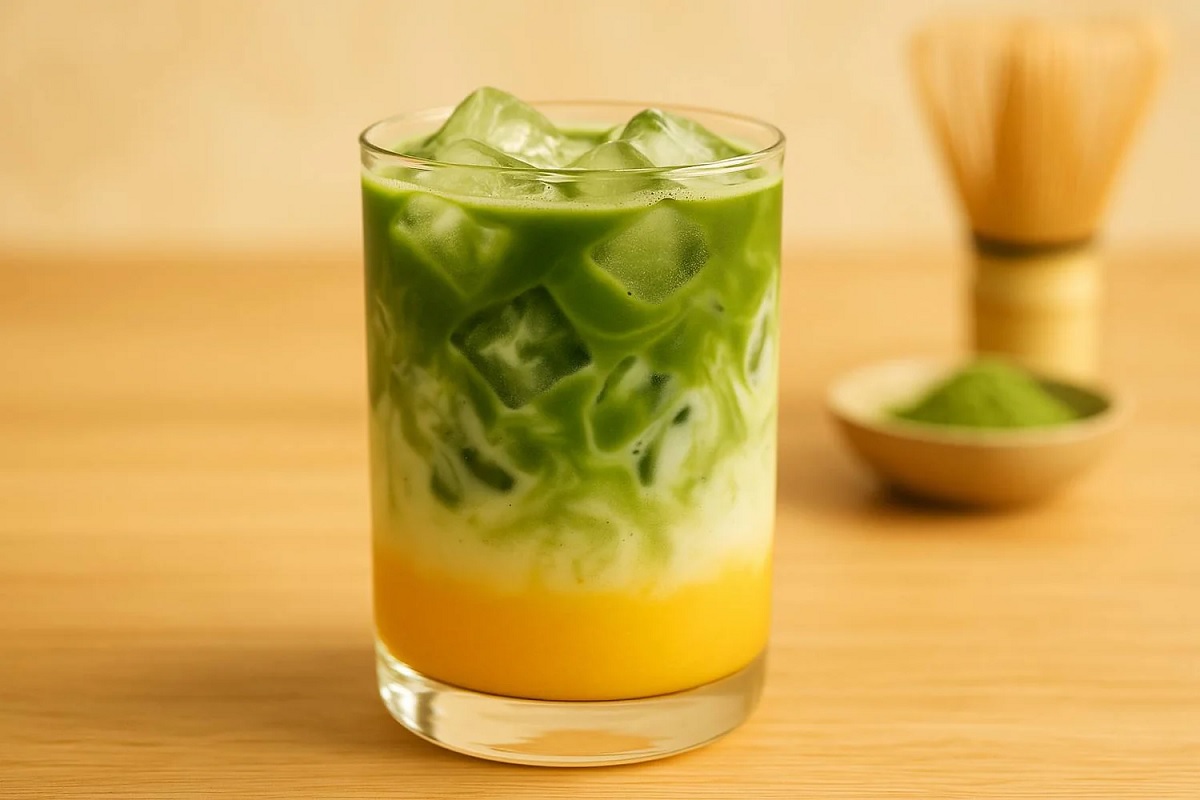
What To Add In Matcha Latte: Delicious Ideas To Elevate Your Drink
A matcha latte is more than just a drink; it’s a versatile beverage that can be tailored to suit personal taste preferences. Its natural earthy and slightly bitter flavor provides a unique base that pairs well with a variety of additions, transforming a simple cup into a flavorful and enjoyable experience. Many people experiment with different ingredients to create a latte that feels both comforting and energizing.
Exploring what to add in matcha latte opens the door to creativity while enhancing taste and texture. Sweeteners, alternative milks, spices, and flavor extracts can complement matcha’s natural grassy notes, balancing bitterness and adding depth. Choosing the right combination allows you to enjoy a latte that is smooth, rich, and perfectly suited to your palate.
Beyond taste, the ingredients you add can impact texture, sweetness, and even the health benefits of the drink. From creamy plant-based milks to natural sweeteners, every choice changes the drinking experience.
Understanding what to add in matcha latte ensures you get a drink that is not only delicious but also enjoyable in every sip. By experimenting with different flavors and textures, you can create a cup that is uniquely yours.
Milk Options For Matcha Latte
The type of milk you choose for a matcha latte significantly influences its flavor, texture, and overall enjoyment. Matcha’s natural earthy and slightly bitter taste pairs differently with various milk options, each adding its own unique sweetness, creaminess, and mouthfeel. Exploring milk choices allows you to customize your latte to suit taste preferences, dietary needs, and even visual appeal.
Dairy Milk For Classic Creaminess
Dairy milk remains a popular choice for matcha lattes due to its creamy texture and natural sweetness. Whole milk provides a rich, velvety mouthfeel that balances matcha’s earthy notes, while low-fat or skim milk offers a lighter alternative without overwhelming the tea’s flavor.
The proteins and fats in dairy milk also help create a smooth, frothy foam when steamed, enhancing the latte’s texture and visual appeal. This combination of creaminess and frothiness makes dairy milk ideal for traditional matcha latte recipes, especially for those who enjoy a well-rounded, indulgent cup.
Dairy milk also enhances matcha’s subtle sweetness without the need for additional sugar, making it easier to enjoy a balanced flavor. Its versatility allows for both hot and iced lattes, maintaining consistency in texture and taste across different preparations.
Oat Milk For Sweet And Silky Texture
Oat milk has become a favorite alternative for matcha lattes due to its naturally sweet flavor and creamy consistency. Unlike some plant-based options, oat milk blends smoothly with matcha, creating a rich and silky latte without masking the tea’s grassy undertones.
The natural sweetness of oat milk reduces the need for extra sweeteners, making it a convenient choice for a lighter, yet flavorful drink. Its thick texture also froths well when steamed, giving a satisfying mouthfeel similar to dairy milk. Oat milk pairs especially well with iced matcha lattes, as its creaminess balances the cool, refreshing beverage.
For those with dietary restrictions, oat milk provides a plant-based, lactose-free alternative without compromising flavor or texture. Its subtle sweetness complements matcha, enhancing the overall drinking experience while keeping the beverage smooth and enjoyable.
Almond And Other Plant-Based Milks For Light Flavor
Almond milk offers a lighter, slightly nutty flavor that pairs well with matcha for those who prefer a more delicate latte. Its lower fat content creates a thinner texture, making it ideal for iced drinks or lighter hot lattes. Coconut milk adds a tropical, subtly sweet note, while soy milk provides a neutral, creamy option that doesn’t overpower matcha’s natural flavor.
These plant-based milks also cater to dietary preferences such as vegan or lactose-free diets. They allow you to enjoy matcha latte without sacrificing taste while experimenting with unique flavor combinations. Adjusting the milk-to-matcha ratio ensures balance between creaminess and tea intensity.
Exploring different milk options allows you to find a combination that suits personal preference, whether you enjoy a rich, indulgent latte or a light, refreshing beverage. Each choice enhances matcha in unique ways, making every cup customizable.
Sweeteners That Enhance Matcha Latte
Adding the right sweetener to a matcha latte can transform its earthy and slightly bitter flavor into a smooth, balanced, and enjoyable drink. Sweeteners not only improve taste but can also complement matcha’s natural grassy notes. Exploring different options allows you to customize your latte while keeping it as healthy or indulgent as you prefer.
Natural Sweeteners For Balanced Flavor
Natural sweeteners like honey, maple syrup, and agave are popular choices for matcha lattes. These options add subtle sweetness without overpowering matcha’s flavor, creating a harmonious taste. Honey provides a rich, floral note that pairs well with both hot and iced lattes. Maple syrup adds a warm, caramel-like sweetness, enhancing matcha’s earthy undertones.
Natural sweeteners are versatile and can be adjusted based on personal preference. They dissolve easily in warm matcha, though for iced lattes, slight warming or thorough mixing may be necessary. Using these sweeteners also allows you to avoid refined sugars while still enjoying a pleasantly sweet drink.
Refined And Syrup-Based Options For Consistency
Refined sweeteners like simple syrup or flavored syrups offer consistent sweetness and convenience. Simple syrup dissolves quickly in both hot and cold matcha lattes, making it ideal for quick preparation. Flavored syrups, such as vanilla, caramel, or hazelnut, add depth and enhance the overall drinking experience.
These options are perfect for those who want precise control over sweetness levels. Syrups also blend evenly, preventing gritty textures and ensuring a smooth cup. While they are more processed than natural sweeteners, they allow for creative flavor combinations and are commonly used in café-style matcha lattes.
Balancing Sweetness With Personal Preference
Finding the right sweetener depends on your taste goals and dietary preferences. Lighter amounts highlight matcha’s natural grassy notes, while more generous use creates a dessert-like beverage. Combining sweeteners with milk choices and optional flavorings allows you to craft a latte that suits your unique palate.
Experimenting with different sweeteners enhances matcha lattes without masking their essence. From natural options to syrups, each choice contributes to a well-rounded and satisfying drink, making customization simple and enjoyable.
Flavor Boosters And Spices
Adding flavor boosters and spices to a matcha latte elevates the drink from a simple tea into a complex, aromatic experience. These ingredients enhance matcha’s natural grassy and earthy notes, create depth, and allow you to customize each cup to your liking. From warming spices to flavor extracts, there are many ways to make a matcha latte both unique and indulgent.
Warming Spices That Complement Matcha
Spices like cinnamon, nutmeg, and cardamom pair beautifully with matcha’s earthy flavor. Cinnamon adds a sweet, warming note that balances bitterness, while nutmeg introduces a subtle, slightly nutty aroma. Cardamom provides a unique floral and citrusy element, creating a more exotic flavor profile that enhances the drinking experience.
These spices can be sprinkled directly into the matcha powder or mixed into the latte after preparation. Steaming or frothing the milk with spices releases their aromatic compounds, intensifying the overall taste. Warming spices are particularly popular in hot matcha lattes, offering a comforting, cozy flavor that works well during colder months or as an afternoon pick-me-up.
Extracts And Flavor Enhancers
Vanilla extract is a classic flavor booster that pairs perfectly with matcha. It softens the earthy notes and adds a creamy sweetness that complements both dairy and plant-based milks. Almond extract or coconut extract can provide nutty or tropical undertones, enhancing the latte without overpowering matcha’s natural taste.
Flavor extracts are convenient because only a few drops are needed to create a noticeable difference in taste. They dissolve easily in hot milk and matcha, allowing for even distribution of flavor. Extracts also provide a low-calorie way to enrich your latte, making them ideal for those who want flavor without additional sugar or sweeteners.
Citrus Zests And Herbal Enhancements
Citrus zests, such as orange or lemon, add brightness and a refreshing twist to a matcha latte. The natural oils in the zest enhance aroma and flavor, providing a subtle tang that contrasts with matcha’s earthy notes. Herbal elements like mint, lavender, or rosemary can also be infused into the milk or steeped alongside matcha for a unique and calming beverage.
These boosters are perfect for iced matcha lattes, as the cooling effect of citrus or herbs complements the refreshing cold drink. They also offer visual appeal when garnished on top, making the latte not only flavorful but aesthetically pleasing. Using zests and herbs allows for endless experimentation, making each cup a personalized creation.
Combining Boosters For Personalized Creations
For a truly customized latte, combining spices, extracts, and zests creates layered flavors. For example, a dash of cinnamon with a few drops of vanilla extract produces a warm, creamy flavor, while orange zest paired with cardamom offers a bright, aromatic twist. Experimenting with different combinations lets you discover unique profiles that suit your taste.
When using multiple boosters, it’s important to balance flavors to avoid overpowering matcha’s natural notes. Start with small amounts, taste, and adjust as needed. Layering flavors thoughtfully ensures a harmonious cup where matcha remains the star, enhanced but never overshadowed.
The Art Of Flavor Customization
Using flavor boosters and spices transforms a matcha latte into a multi-dimensional drink. They allow you to adjust sweetness, warmth, and aroma while maintaining matcha’s earthy core. By experimenting with combinations of spices, extracts, citrus, and herbs, you can create a latte that is uniquely yours, tailored to both mood and occasion.
Iced vs Hot Matcha Latte Additions
Whether you enjoy your matcha latte hot or iced, the additions you choose can dramatically influence flavor, texture, and overall enjoyment. Hot and iced lattes respond differently to milk, sweeteners, and flavor boosters, making it important to consider the beverage’s temperature when customizing. Understanding how additions interact with each preparation helps you craft the perfect matcha experience.
Hot Matcha Latte Additions
Hot matcha lattes offer a comforting, aromatic experience that allows flavors to meld smoothly. Warming spices like cinnamon, nutmeg, or cardamom dissolve better in hot milk, releasing their full aroma and enhancing matcha’s natural earthiness. These spices create a cozy and indulgent drink, ideal for mornings or cold weather.
Sweeteners like honey, maple syrup, or vanilla extract blend seamlessly in hot lattes. The heat helps dissolve syrups and natural sweeteners evenly, creating a smooth, consistent flavor. Steamed milk or plant-based alternatives like oat or almond milk froth beautifully when hot, adding creamy texture and making the latte visually appealing with a light foam. Hot lattes also allow for layered flavors, where spices, extracts, and sweeteners integrate fully into the drink for a rich, rounded profile.
Iced Matcha Latte Additions
Iced matcha lattes are refreshing and crisp, but additions must be chosen to maintain balance without diluting flavor. Cold temperatures mellow matcha’s bitterness, allowing sweeter elements like syrups, fruit purees, or flavored extracts to shine. Vanilla, caramel, or strawberry additions are particularly effective in iced lattes, offering sweetness without overwhelming the tea.
Plant-based milks like oat or almond work well in iced lattes, providing creaminess while remaining light and refreshing. Ice can dilute intense flavors, so stronger or slightly sweeter additions are often preferred. Citrus zests or light herbal notes such as mint or lavender can also brighten iced lattes, creating a layered, invigorating experience. Careful layering and stirring ensure even distribution of flavors and prevent the matcha from tasting flat.
Comparing Hot and Iced Additions
The temperature of your matcha latte changes how flavors interact and are perceived. Hot lattes emphasize depth and richness, highlighting spices, extracts, and frothy milk textures. Iced lattes highlight brightness and freshness, making syrups, fruit infusions, and herbal notes more noticeable. Sweetness levels may also need adjustment: iced drinks often require slightly more sweetener to compensate for dilution by ice, whereas hot lattes integrate sugar or syrup more naturally.
Understanding these differences allows for more intentional customization. For example, cinnamon and nutmeg feel comforting in a hot latte, while citrus zest and vanilla shine in an iced version. Milk type, sweetness, and flavor boosters all need slight adaptation depending on whether the drink is hot or cold, ensuring the matcha remains balanced and enjoyable.
Tips For Optimal Customization
When customizing, start by choosing the base—hot or iced—then select milk, sweeteners, and flavor additions with temperature in mind. Layering flavors thoughtfully ensures matcha’s earthy notes remain central while other elements enhance the drink. Adjust sweetness for iced lattes, use warming spices for hot lattes, and consider visual and aromatic elements like foam, citrus, or herb garnishes.
By understanding the differences between hot and iced matcha lattes, you can create a beverage that is flavorful, balanced, and tailored to your mood or occasion. Thoughtful additions make each preparation unique, whether you seek comfort, refreshment, or a creative twist on a classic drink.
Tips To Enhance Matcha Flavor Naturally
Matcha has a distinctive earthy, grassy taste that can be intense for some people. Enhancing its flavor naturally allows you to enjoy the drink without relying on excessive sugar or artificial additives. By using complementary ingredients, proper preparation techniques, and mindful pairings, you can create a matcha beverage that is smooth, flavorful, and balanced.
Use High-Quality Matcha Powder
The foundation of a great matcha drink is high-quality powder. Ceremonial-grade matcha has a vibrant green color, fine texture, and naturally sweet, umami-rich flavor, making it ideal for lattes. Lower grades may taste more bitter or astringent, which often leads to over-sweetening. Choosing premium matcha ensures a smoother, richer flavor that requires minimal additives.
Sifting the powder before whisking can also improve taste and texture by preventing clumps and ensuring even blending. Freshness is important too, as matcha loses flavor and aroma over time. Storing matcha in a cool, dark place and using it promptly enhances natural sweetness and reduces bitterness, allowing the true flavor to shine.
Optimize Water Temperature And Whisking
Water temperature plays a key role in matcha flavor. Using water that is too hot can burn the powder, creating bitterness, while water that is too cold prevents proper dissolution. The ideal temperature for matcha preparation is around 175°F (80°C), which brings out sweetness without harshness.
Whisking also affects taste and texture. A bamboo whisk or electric frother can create a smooth, frothy consistency, improving mouthfeel and releasing subtle flavors. Proper whisking ensures even distribution, so every sip tastes consistent and smooth. This simple adjustment in preparation enhances matcha’s natural notes without adding sugar.
Incorporate Natural Flavor Enhancers
Natural ingredients like cinnamon, vanilla, almond extract, or citrus zest can elevate matcha’s flavor. These additions complement its grassy, umami profile while reducing the need for sweeteners. Spices like cardamom or nutmeg add warmth, while vanilla and almond extracts introduce subtle sweetness and richness. Citrus zest brightens the taste and provides aromatic complexity.
Adding these enhancers thoughtfully allows you to balance flavors without overpowering matcha’s natural taste. Experimenting with small amounts ensures the additions enhance rather than mask the tea. Using fresh, high-quality ingredients maximizes flavor while keeping the drink clean and natural.
Pair With Complementary Milks And Sweeteners
The choice of milk can naturally enhance matcha’s flavor. Creamy dairy milk or plant-based alternatives like oat milk add smoothness and mild sweetness, balancing the tea’s earthy notes. Lightly sweet natural options such as honey, maple syrup, or agave can further enhance flavor without overwhelming it.
Adjusting the milk-to-matcha ratio allows you to find the perfect balance between creaminess and tea intensity. Combining quality milk with minimal natural sweeteners enhances taste, creating a richer, more enjoyable beverage. These subtle enhancements make the matcha latte naturally flavorful while maintaining its healthful qualities.
Focus On Presentation And Temperature
Serving matcha at the right temperature can influence perception of taste. Hot lattes bring out creaminess and deepen flavor, while iced versions emphasize freshness and brightness. Frothy milk or carefully layered ingredients enhance the drinking experience, making the beverage feel more indulgent.
Garnishing with a light sprinkle of cinnamon, cocoa, or citrus zest not only adds aroma but also enhances flavor perception. Paying attention to these small details can elevate matcha naturally, allowing its complex taste to shine in every sip.
Frequently Asked Questions
What Are The Best Milks To Add In A Matcha Latte?
You can add a variety of milks to your matcha latte depending on taste and dietary preference. Dairy milk provides a creamy texture and subtle sweetness, which balances matcha’s earthy notes. Plant-based alternatives like oat, almond, soy, or coconut milk offer different flavors and textures while keeping the latte lighter or vegan-friendly.
Oat milk is naturally sweet and froths well, making it ideal for both hot and iced lattes. Almond milk adds a delicate nutty flavor, while coconut milk introduces a tropical note. Choosing the right milk enhances matcha’s natural taste and creates a smooth, enjoyable drink every time.
How Can You Sweeten A Matcha Latte Naturally?
Sweetening a matcha latte naturally allows you to enjoy flavor without relying on refined sugars. Options like honey, maple syrup, agave nectar, or stevia provide sweetness while complementing matcha’s grassy, slightly bitter taste. These natural sweeteners dissolve well in hot lattes and can be mixed thoroughly in iced versions.
Using natural sweeteners allows you to control sweetness intensity according to preference. Light amounts highlight matcha’s subtle flavors, while larger quantities create a dessert-style beverage. Combining natural sweeteners with plant-based or dairy milk enhances creaminess and overall balance, creating a smooth and flavorful latte experience.
Which Spices Enhance Matcha Latte Flavor?
Spices can elevate your matcha latte by adding warmth, aroma, and depth. Cinnamon, nutmeg, and cardamom are popular choices that pair beautifully with matcha’s earthy taste. Cinnamon adds a sweet, comforting flavor, nutmeg introduces a mild nutty note, and cardamom provides a subtle floral and citrus element.
These spices can be added directly to the matcha powder, sprinkled on top of the latte, or infused in steamed milk. They are especially effective in hot matcha lattes, creating a cozy and aromatic drink. Using spices allows you to enhance flavor naturally while keeping the latte low in sugar and calories.
Can Flavor Extracts Be Added To Matcha Latte?
Yes, flavor extracts like vanilla, almond, or coconut can be added to a matcha latte to enhance taste. Vanilla softens matcha’s grassy bitterness and adds a creamy, sweet note, while almond or coconut extracts bring nutty or tropical undertones. Only a few drops are needed to transform the flavor without overpowering the tea.
Extracts dissolve easily in hot or steamed milk and can be combined with natural sweeteners or spices for layered flavor. They provide a convenient and low-calorie way to make your matcha latte more aromatic and flavorful while keeping the drink balanced and enjoyable.
Are Citrus Or Herbs Good Additions For Matcha Latte?
Citrus and herbs can brighten and refresh your matcha latte. Orange or lemon zest adds a light, tangy flavor that complements the tea’s earthy notes, while herbs like mint, lavender, or rosemary introduce aromatic and calming undertones. These additions are especially effective in iced lattes, giving a crisp, invigorating taste.
You can infuse herbs in steamed milk or sprinkle zest on top for visual appeal and flavor enhancement. Citrus and herbs naturally elevate the aroma and taste without adding sugar, creating a complex and refreshing beverage that feels both unique and balanced.
How Do You Balance Additions Without Overpowering Matcha?
Balancing additions in a matcha latte ensures that the natural grassy flavor remains the focus. Start with small amounts of sweeteners, spices, or extracts, then taste and adjust gradually. Combining milk, subtle sweetness, and light flavor boosters allows matcha to shine while enhancing its profile.
Avoid using too many strong flavors at once, as this can mask matcha’s earthy notes. Layering ingredients thoughtfully and adjusting quantities based on temperature—hot or iced—creates a harmonious latte. Paying attention to balance ensures every sip is smooth, flavorful, and enjoyable without losing matcha’s unique character.
Final Thoughts
Enhancing your matcha latte is all about exploring flavors and textures that complement the natural earthy notes of matcha. By choosing the right milk, sweeteners, or spices, you can transform a simple drink into a rich and enjoyable experience. Small adjustments, like adding vanilla, cinnamon, or a touch of honey, can make a noticeable difference in taste and aroma.
Experimenting with creative add-ins such as protein powders, flavored syrups, or even seasonal fruits allows you to personalize your drink. Iced or hot, each variation can be tailored to suit your mood and preferences. Froth, cream, or a sprinkle of matcha powder on top can also enhance both the visual appeal and flavor.
Knowing what to add in matcha latte helps you enjoy a balanced, flavorful, and satisfying beverage every time. With a few thoughtful additions, your matcha latte becomes a versatile treat that’s both nourishing and indulgent.