Does Matcha Have More Caffeine Than Coffee: Key Facts You Should Know
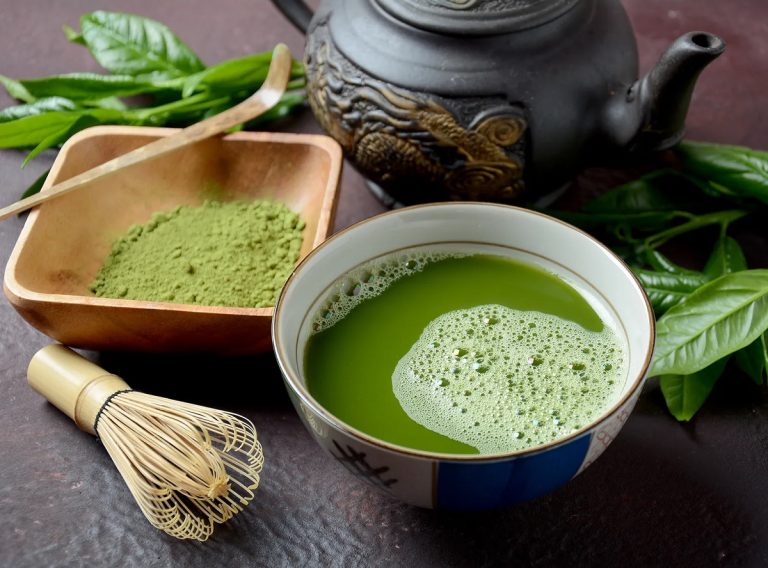
Many people turn to matcha and coffee as sources of energy, but they often wonder how the two compare in terms of caffeine content. Matcha, a finely ground powdered green tea, has gained worldwide popularity for its vibrant color, rich flavor, and health benefits. Its unique preparation and consumption method set it apart from traditional brewed teas and coffee, which leads to curiosity about its caffeine levels.
Understanding caffeine content in matcha versus coffee is important for anyone looking to manage energy, focus, or overall caffeine intake. Matcha contains natural compounds that provide a steady, sustained alertness, while coffee is often known for delivering a quick, sometimes intense, energy spike. This difference influences how each beverage affects the body throughout the day.
Comparing matcha and coffee goes beyond flavor; it’s about understanding how each drink fuels your body. Knowing whether matcha delivers more caffeine than coffee helps you make informed choices based on taste, energy needs, and lifestyle preferences.
Evaluating caffeine content also sheds light on how matcha’s combination of caffeine and L-theanine creates a smoother, more balanced boost, in contrast to the sharper stimulation often experienced with coffee. This information allows you to choose a beverage that aligns with your daily routine and desired energy level.
Does Matcha Have More Caffeine Than Coffee?
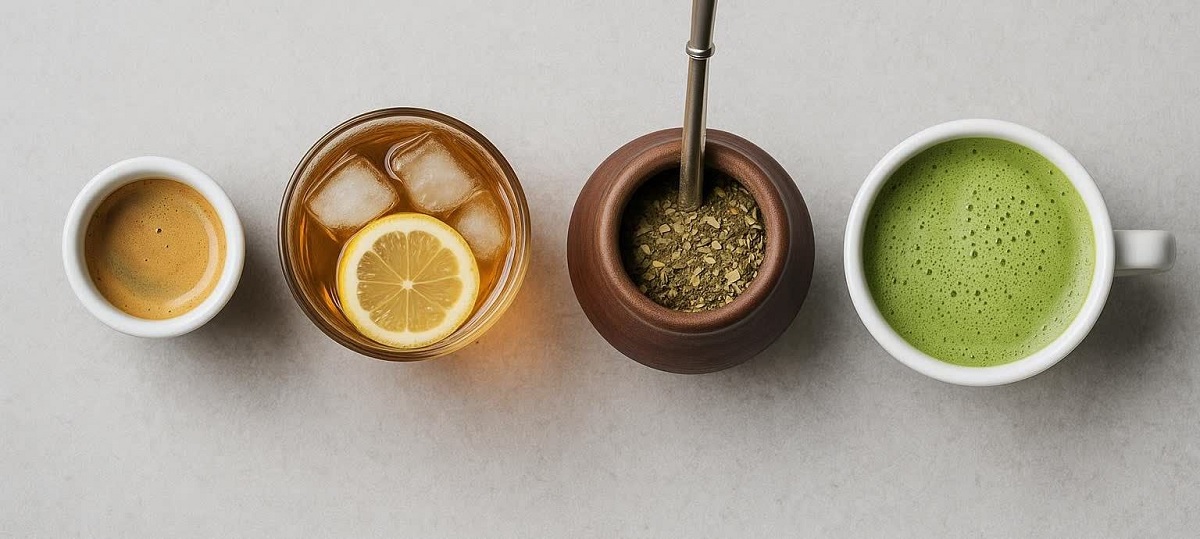
When it comes to energy-boosting beverages, both matcha and coffee are popular choices. Many people wonder how their caffeine content compares, as this affects alertness, focus, and overall energy levels throughout the day. Matcha, a finely ground green tea powder, offers a unique experience compared to brewed coffee, both in preparation and effects. Understanding the caffeine differences helps you choose the right drink for your needs and preferences.
Caffeine Content In Matcha
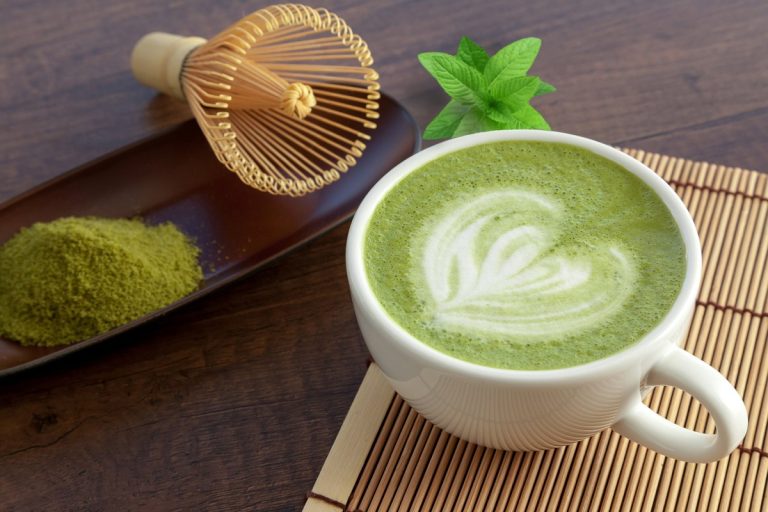
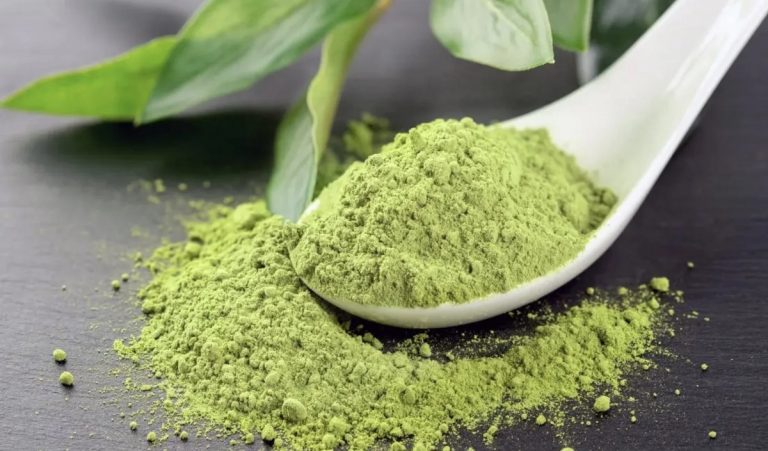
Matcha contains caffeine naturally present in green tea leaves, but the amount depends on factors such as the quality of the leaves, preparation method, and portion size. On average, one teaspoon (about 2 grams) of matcha powder contains roughly 60 to 70 milligrams of caffeine. Because the whole leaf is consumed when whisked into a beverage, matcha delivers more caffeine per serving than traditional brewed green tea.
This consumption method also contributes to a more sustained energy boost. The combination of caffeine with L-theanine, an amino acid found in matcha, slows the absorption of caffeine, producing a steady alertness rather than a sudden spike. The flavor, color, and natural antioxidants in matcha make it a well-rounded choice for those seeking a smooth, consistent energy lift.
Caffeine content in matcha can vary depending on preparation. Larger scoops, higher-quality ceremonial-grade matcha, or adding more powder will increase caffeine levels. Understanding these variables allows you to control how much energy your drink provides, making matcha customizable to your preferences.
Caffeine Content In Coffee
Coffee generally contains a higher concentration of caffeine per ounce than matcha, though the exact amount varies based on bean type, roast level, and brewing method. A standard 8-ounce cup of brewed coffee typically contains around 95 milligrams of caffeine, though this can range from 70 to 140 milligrams depending on strength. Espresso shots, which are smaller in volume, contain concentrated caffeine, often around 63 milligrams per 1-ounce shot.
Unlike matcha, coffee provides a quicker caffeine spike, leading to a more immediate alertness. This rapid effect can be beneficial when you need a fast boost but may sometimes result in jitteriness or a sudden energy drop once the caffeine wears off. Coffee’s bold flavor and aroma, combined with its caffeine punch, make it a preferred choice for many seeking a strong and immediate stimulant.
The caffeine content of coffee can also be influenced by brewing techniques. Cold brew, French press, or drip coffee methods extract caffeine differently, allowing control over strength and flavor. Understanding these factors helps you compare coffee and matcha in terms of both energy and taste.
Comparing Matcha And Coffee Effects
Even though a standard cup of coffee often contains more caffeine than a single serving of matcha, the effects on your body differ significantly. Matcha’s caffeine, paired with L-theanine, produces calm alertness, promoting focus without the jitters commonly associated with coffee. This makes matcha an ideal choice for sustained concentration or mid-day productivity.
Coffee delivers a stronger, faster caffeine rush, which can be useful for quick energy or morning wake-ups. However, this can sometimes cause spikes in heart rate or short-term nervousness in sensitive individuals. On the other hand, matcha provides a more balanced energy experience, supporting mental clarity and even mood regulation due to its combination of caffeine and amino acids.
Comparing the two beverages involves more than just caffeine numbers. Matcha and coffee each have unique effects on alertness, energy sustainability, and overall body response. While coffee is quick and intense, matcha offers slow-release energy, making it easier to maintain focus and avoid crashes.
Factors That Influence Caffeine Levels
Several factors affect the caffeine content in both matcha and coffee. For matcha, leaf quality, harvest time, and serving size all play a role. Ceremonial-grade matcha tends to have higher caffeine than culinary-grade powders, and using more powder per serving increases caffeine levels proportionally.
For coffee, the type of bean, roast level, and brewing method determine caffeine content. Darker roasts generally have slightly less caffeine by volume, but stronger brewing methods like espresso or French press can deliver concentrated caffeine doses. Additionally, personal preparation choices, such as using more matcha powder or a double espresso shot, directly impact caffeine intake.
Understanding these variables allows you to choose the right drink and portion size to match your energy needs. It also explains why some people may feel more alert from matcha than a standard cup of coffee, despite caffeine content differences.
How Serving Size Influences Caffeine Levels
The amount of caffeine you consume from matcha or coffee is directly influenced by serving size. While a single scoop of matcha or an 8-ounce cup of coffee may provide a standard amount of caffeine, altering portion sizes can significantly increase or decrease the stimulant effect. Understanding how serving size impacts caffeine content helps you tailor your beverage to suit your energy needs and tolerance.
Serving Size And Matcha
In matcha, caffeine levels are closely tied to the amount of powder used. A standard serving of matcha, usually one teaspoon (around 2 grams), contains approximately 60 to 70 milligrams of caffeine. Increasing the amount of powder to two or more teaspoons raises caffeine content proportionally, giving a stronger energy boost.
Larger servings also intensify matcha’s flavor and the concentration of beneficial compounds like L-theanine, which helps regulate the caffeine effect. This combination promotes a smoother, more sustained alertness. Conversely, smaller servings provide a milder boost, ideal for sensitive individuals or those seeking a lighter flavor.
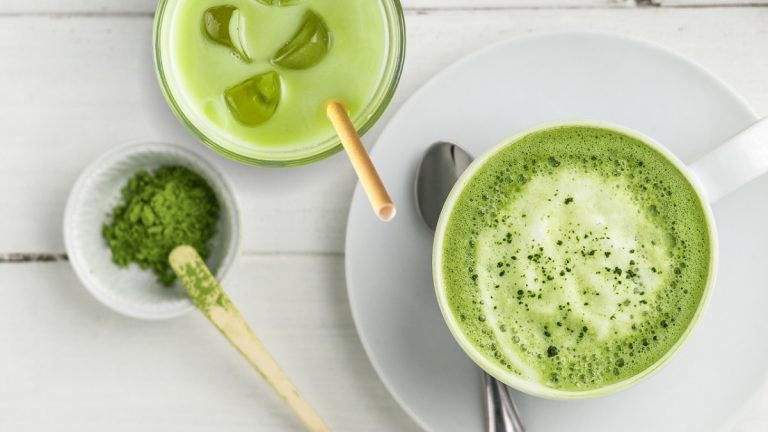
Matcha lattes, smoothies, or blended beverages often contain multiple scoops, which further influence caffeine intake. Understanding portion sizes allows you to customize matcha drinks to match your desired level of energy while maintaining balanced flavor and texture.
Serving Size And Coffee
Coffee is highly sensitive to serving size as well. An 8-ounce brewed cup typically contains around 95 milligrams of caffeine, but increasing the volume to 12 or 16 ounces raises caffeine intake proportionally. Espresso-based drinks, while smaller in volume, are concentrated and contain roughly 63 milligrams per 1-ounce shot, so adding multiple shots can quickly increase caffeine levels.
The strength of the coffee, determined by bean type, roast, and brewing method, also interacts with serving size. Stronger brews naturally contain more caffeine per ounce, meaning even small volume changes can significantly affect total intake. Understanding portion sizes helps prevent overconsumption while allowing you to enjoy coffee at your preferred intensity.
Serving size adjustments can also balance taste and alertness. Larger servings can provide a longer-lasting boost, while smaller ones offer moderate stimulation without the risk of jitters or crashes.
Comparing Serving Size Effects Between Matcha And Coffee
Serving size affects caffeine absorption differently for matcha and coffee. Even if caffeine content is similar, matcha’s combination of L-theanine and caffeine results in a slower, steadier release of energy. Increasing matcha powder enhances both flavor and caffeine content, but the effect remains balanced.
In coffee, increasing serving size or shots tends to produce a sharper, faster energy spike, which may be followed by a sudden drop. Matcha’s slower caffeine release makes it more forgiving with larger servings, while coffee’s concentrated caffeine requires careful monitoring to avoid overstimulation.
Considering serving size is essential when choosing between matcha and coffee. A larger matcha latte may deliver comparable energy to a standard coffee cup but with smoother, longer-lasting effects. Conversely, doubling espresso shots in coffee amplifies intensity but may also heighten jitteriness or anxiety in sensitive individuals.
Practical Tips For Managing Caffeine Through Serving Size
Adjusting serving size allows you to manage caffeine intake effectively. For matcha, measuring powder accurately ensures a predictable energy boost, while for coffee, controlling cup size or shot count provides consistent stimulation. Combining portion adjustments with milk, water, or ice can also moderate perceived strength and flavor.
Personal tolerance, time of day, and desired alertness level should guide serving size choices. Those new to matcha may start with a smaller scoop to experience gentle stimulation, gradually increasing as needed. Coffee drinkers can balance volume and brewing strength to achieve the right level of energy without side effects.
Monitoring serving size ensures that your caffeine intake matches your lifestyle, supporting productivity, focus, and well-being. Whether you prefer matcha’s steady boost or coffee’s rapid stimulation, portion control is key to a balanced, enjoyable experience.
Energy Effects and Focus Benefits
Both matcha and coffee are popular for their stimulating properties, but they impact energy and focus differently. Understanding these effects helps you choose the right beverage to support your productivity, concentration, and overall well-being. While both drinks provide caffeine, the way your body processes it and the additional compounds in each beverage influence alertness, mental clarity, and endurance throughout the day.
How Matcha Supports Sustained Energy
Matcha provides a unique form of sustained energy due to its combination of caffeine and L-theanine, an amino acid naturally present in green tea. This pairing slows caffeine absorption, producing a steady, long-lasting boost without the rapid spike and subsequent crash often associated with coffee.
The L-theanine in matcha also promotes relaxation and mental clarity, helping you maintain focus while feeling calm and alert. This makes matcha particularly beneficial for tasks requiring sustained attention, such as studying, working, or creative projects. The energy boost from matcha typically lasts longer than a cup of coffee of comparable caffeine content, giving you consistent mental and physical stamina.
Matcha’s slower caffeine release reduces the risk of jitteriness, anxiety, or sudden energy drops. By adjusting the amount of powder and preparation style, you can fine-tune your beverage to achieve the ideal balance between flavor, energy, and focus, making matcha a versatile choice for daily routines.
How Coffee Impacts Alertness and Focus
Coffee provides a faster, more immediate caffeine boost compared to matcha. The caffeine in coffee stimulates the central nervous system quickly, leading to heightened alertness, increased heart rate, and a rapid sense of energy. This effect is often preferred by those who need a quick pick-me-up in the morning or before demanding tasks.
While coffee can enhance focus and productivity, the sharp caffeine spike may lead to jitters, nervousness, or energy crashes later. The intensity of this effect depends on the coffee type, roast, serving size, and individual tolerance. Espresso shots, for example, provide concentrated caffeine that produces an immediate, strong boost, while brewed coffee delivers a steadier, moderate effect.
Understanding coffee’s impact allows you to manage consumption according to your energy needs. For quick bursts of alertness, coffee is highly effective, but careful attention to serving size and brewing method can prevent overstimulation and maintain optimal focus.
Comparing Focus Benefits Between Matcha and Coffee
The focus benefits of matcha and coffee differ due to the interplay between caffeine and other compounds. Matcha provides a smoother, more balanced mental clarity thanks to L-theanine, allowing you to maintain concentration without feeling jittery. This makes it ideal for long work sessions, studying, or meditation-like focus activities.
Coffee’s rapid caffeine absorption offers sharp mental alertness but may be better suited for short-term tasks or situations requiring immediate energy. Some people combine coffee with mindful breaks or light snacks to sustain energy over longer periods, while matcha inherently delivers this stability without additional strategies.
Choosing between matcha and coffee for focus depends on your lifestyle and goals. Those who prefer calm, sustained energy benefit from matcha, while individuals seeking a quick, strong boost may favor coffee. Understanding these differences empowers you to optimize productivity and mental performance throughout the day.
Practical Tips To Maximize Energy and Focus
To maximize the benefits of either beverage, consider timing, portion size, and preparation. For matcha, using ceremonial-grade powder, whisking thoroughly, and pairing with a moderate scoop ensures a smooth, sustained boost. For coffee, controlling shot count, brew strength, and cup size helps prevent overconsumption and jitteriness.
Combining these strategies with proper hydration, balanced meals, and short activity breaks can further enhance focus and energy. Paying attention to your body’s response allows you to adjust servings and choose between matcha and coffee depending on whether you need long-lasting calm energy or rapid alertness.
By understanding how matcha and coffee influence energy and focus, you can strategically choose the beverage that aligns with your productivity goals, daily routine, and personal tolerance for caffeine. This knowledge helps you achieve both mental clarity and sustained energy effectively.
FAQs
Does Matcha Contain More Caffeine Than Coffee?
Matcha contains caffeine naturally present in green tea leaves, but the total amount per serving is often lower than a standard cup of coffee. One teaspoon of matcha powder usually has 60 to 70 milligrams of caffeine, while an 8-ounce brewed coffee has about 95 milligrams.
However, matcha’s caffeine is absorbed more gradually due to the presence of L-theanine, an amino acid that slows caffeine uptake. This creates a longer-lasting and smoother energy boost compared to coffee’s quick spike and potential crash, making it feel more sustained despite lower caffeine content.
How Does Matcha’s Caffeine Compare To Espresso?
Espresso contains highly concentrated caffeine, with roughly 63 milligrams per 1-ounce shot. A single shot may have less caffeine than a strong serving of matcha latte made with multiple scoops. However, espresso’s caffeine is absorbed quickly, giving an intense and immediate boost.
Matcha, in contrast, releases caffeine slowly because of L-theanine. This makes its effect more balanced, providing focus and alertness over an extended period. You may feel a steadier energy boost from matcha even if coffee or espresso initially seems stronger.
Does The Serving Size Affect Caffeine Comparison?
Yes, serving size dramatically affects caffeine content. A small cup of coffee may have more caffeine than a single teaspoon of matcha, but larger matcha servings increase caffeine intake proportionally. Using two or more teaspoons of matcha powder can rival or exceed a typical coffee cup in caffeine content.
Similarly, coffee brewed stronger or with multiple shots also increases caffeine levels. Understanding portion sizes helps you choose a beverage that provides the desired energy level without causing jitters or overstimulation.
Does Matcha Provide A Different Kind Of Energy Than Coffee?
Yes, the energy from matcha differs from coffee due to L-theanine, which promotes calm alertness. Matcha’s caffeine provides a slow, sustained boost that supports focus and concentration, ideal for studying, work, or long creative sessions.
Coffee delivers faster, sharper energy due to quick caffeine absorption. This is great for short bursts of alertness but may lead to jitters or a crash later. Your choice between the two depends on whether you prefer steady, balanced energy or immediate stimulation.
Can Matcha Cause Jitters Like Coffee?
Matcha is less likely to cause jitters than coffee, even if caffeine content is similar. The combination of caffeine and L-theanine reduces overstimulation, helping you feel alert without anxiety, rapid heartbeat, or sudden crashes.
Coffee, on the other hand, often produces a quick spike in energy. People sensitive to caffeine may experience jitteriness, nervousness, or a crash after drinking coffee. Matcha provides a smoother, more controlled energy experience, making it suitable for those prone to caffeine sensitivity.
How Do Preparation Methods Affect Caffeine Levels?
Caffeine content varies depending on how matcha or coffee is prepared. Using more matcha powder, higher-grade leaves, or blending into lattes increases caffeine levels. For coffee, brewing method, roast type, and shot count influence total caffeine.
Understanding these variables allows you to tailor caffeine intake. For example, a strong matcha latte with multiple scoops can deliver similar caffeine to a double espresso, but the absorption will feel smoother due to L-theanine, creating a balanced energy experience.
Is Matcha Better For Sustained Focus Than Coffee?
Matcha is generally better for sustained focus because L-theanine moderates caffeine’s effect, promoting alertness without spikes and crashes. It supports mental clarity, calmness, and concentration over a longer period.
Coffee provides faster energy but may require repeated consumption to maintain focus, increasing the likelihood of jitteriness or energy crashes. Choosing matcha allows you to enjoy steady, controlled stimulation, which can improve productivity and concentration, especially during long work or study sessions.
Conclusion
When comparing matcha and coffee, it’s clear that caffeine content depends on several factors, including serving size, preparation method, and quality of the drink. A standard cup of matcha usually contains less caffeine than a standard cup of brewed coffee, but the way matcha is consumed can make its effects feel more prolonged. Unlike coffee, matcha’s caffeine is released gradually thanks to the presence of L-theanine, which promotes alertness without the sudden spike and crash.
If you’re wondering does matcha have more caffeine than coffee, it’s important to consider that the comparison isn’t just about milligrams. Matcha provides a steady, calm energy, while coffee tends to deliver a sharper, quicker boost. Your choice will depend on whether you prefer sustained focus or an immediate jolt of energy.
Ultimately, understanding caffeine differences helps you choose the right drink for your needs. Whether you want the slow, focused energy of matcha or the strong, fast kick of coffee, knowing does matcha have more caffeine than coffee ensures you make an informed decision for both taste and alertness.