Is Yerba Mate The Same As Matcha: Key Differences You Need To Know
Yerba mate and matcha are two popular beverages celebrated for their energizing properties and unique flavors, but they come from entirely different plants and cultures. Both are often consumed for their natural caffeine content and potential health benefits, yet their taste profiles, preparation methods, and cultural significance set them apart. Understanding these distinctions is essential for anyone curious about incorporating them into their daily routine.
Yerba mate, originating from South America, is made from the dried leaves of the Ilex paraguariensis plant and is traditionally steeped in hot water. Matcha, on the other hand, is finely ground green tea powder from Japan, whisked into water or milk for a smooth, vibrant drink. Each beverage carries a unique combination of antioxidants, flavors, and ritual practices that contribute to their appeal.
Exploring the differences between yerba mate and matcha can help you choose the right drink for your taste and lifestyle preferences. From preparation techniques to flavor nuances, recognizing their distinctions ensures a better appreciation of both.
By learning about yerba mate and matcha side by side, you can understand their health benefits, cultural importance, and how they fit into modern wellness routines. This knowledge also allows for informed experimentation, whether in traditional brewing or creative recipes.
Caffeine Content Comparison
Caffeine is one of the main reasons people reach for yerba mate or matcha, and comparing their caffeine content helps you understand their energizing effects. Both beverages provide a natural boost, but they differ in concentration, release, and how they interact with the body. Knowing these differences can help you choose the right option for focus, energy, or relaxation throughout the day.
Caffeine Levels in Yerba Mate
Yerba mate contains moderate caffeine levels, typically ranging from 30 to 50 milligrams per 8-ounce serving, depending on preparation. Some stronger infusions can reach 70 milligrams. This caffeine is often described as providing a steady, alert energy without the jittery spikes sometimes associated with coffee.
The unique blend of compounds in yerba mate, including theobromine and theophylline, contributes to a smoother, longer-lasting effect. This combination can enhance mental clarity, focus, and stamina, making it a popular choice for sustained energy during work or physical activity.
Compared to coffee, yerba mate delivers less immediate stimulation but offers more balanced, controlled energy. Understanding its caffeine profile is important for timing consumption and integrating it into your daily routine without affecting sleep or causing over-stimulation.
Caffeine Levels in Matcha
Matcha, being a powdered form of green tea, contains a higher caffeine concentration per serving than regular brewed tea. Typically, an 8-ounce cup contains around 60 to 70 milligrams of caffeine, though amounts can vary based on the grade of matcha and portion size.
The caffeine in matcha is naturally bound to L-theanine, an amino acid that promotes calm alertness. This combination produces sustained energy and mental clarity without the spikes and crashes associated with other caffeinated drinks. Many people describe the effect as focused and smooth, ideal for concentration or creative work.
The caffeine content also varies depending on how much matcha powder is used and whether it’s prepared as a latte, smoothie, or traditional whisked tea. Being mindful of serving sizes ensures you enjoy its energizing effects without overstimulation.
Comparing Yerba Mate And Matcha
When comparing the two, matcha generally contains slightly more caffeine per serving than yerba mate, though the difference isn’t extreme. While yerba mate provides a gentle, steady energy, matcha offers a more potent caffeine boost moderated by L-theanine, which reduces the risk of jitters.
The effects of both beverages depend on preparation methods and portion size. A strong yerba mate infusion can approach matcha’s caffeine levels, while a smaller portion of matcha may provide less stimulation than a traditional yerba mate serving. Understanding these factors helps you tailor consumption based on energy needs and personal sensitivity.
Choosing Based On Caffeine Needs
Selecting between yerba mate and matcha depends on how you want to experience caffeine. For sustained, smooth energy with mental clarity, yerba mate is an excellent option. For a slightly stronger caffeine effect that also promotes calm focus, matcha is ideal.
Both beverages offer a healthier alternative to coffee, providing antioxidants, vitamins, and a balanced energy lift. Considering caffeine content alongside flavor, preparation, and ritual can help you incorporate these drinks effectively into your daily routine for both enjoyment and functional benefits.
Flavor Profiles
Understanding the flavor profiles of yerba mate and matcha is key to appreciating the unique qualities of each beverage. While both offer a natural, earthy taste, their flavor experiences differ significantly due to their origin, processing methods, and cultural traditions. Recognizing these distinctions helps you choose the right drink for your taste preferences and occasions.
The Flavor Of Yerba Mate
Yerba mate has a distinctive, earthy flavor often described as grassy or herbal with subtle bitter undertones. The taste can vary depending on the drying process, region of cultivation, and preparation method. Traditional steeping produces a robust, slightly smoky flavor, while lighter infusions offer a milder, smoother taste.
Some drinkers detect hints of vegetal or toasted notes, which can be enhanced by brewing techniques and water temperature. The bitterness of yerba mate is usually tempered by its naturally occurring compounds like theobromine, providing a gentle, pleasant complexity rather than harshness.
Because of its layered flavor, yerba mate is often enjoyed plain, but it can also be combined with sweeteners, citrus, or herbs to create unique blends. Understanding its bold yet balanced taste allows you to appreciate both its traditional preparation and modern adaptations.
The Flavor Of Matcha
Matcha offers a bright, vibrant flavor that is both sweet and umami-rich, with subtle vegetal and grassy notes. High-quality ceremonial matcha tends to be smooth, with a naturally creamy texture when whisked properly, making it less bitter than many green teas.
Lower-grade culinary matcha can have a more pronounced bitterness, which is often balanced with milk, sweeteners, or flavor additives in lattes and desserts. The powder form allows the tea to be fully incorporated into beverages, resulting in a rich, layered taste that emphasizes matcha’s signature earthy notes while maintaining a slight sweetness.
Matcha’s flavor is also affected by water temperature and whisking technique. Proper preparation enhances its natural umami and smooth mouthfeel, making it enjoyable both as a hot beverage and in cold or blended forms. Its versatility makes it a favorite for both traditional tea ceremonies and modern recipes.
Comparing Yerba Mate And Matcha
Comparing the two, yerba mate is more robust and slightly bitter, offering a complex, earthy experience with herbal undertones. Matcha, by contrast, is sweeter and creamier, with a smoother texture and pronounced umami flavor. The differences stem from their respective processing methods: mate leaves are dried and steeped, while matcha is stone-ground into fine powder.
The sensory experience also varies depending on preparation and serving style. Yerba mate’s flavor can be stronger or milder depending on steeping time, while matcha allows precise control over sweetness, texture, and intensity. Both beverages offer unique taste profiles that cater to different preferences.
Choosing Based On Flavor
When selecting between yerba mate and matcha, flavor preference plays a major role. If you enjoy bold, herbal, and slightly bitter beverages, yerba mate may be your ideal choice. If you prefer smooth, creamy, and umami-rich drinks with subtle sweetness, matcha is a better fit.
Understanding the nuances of each flavor profile also allows for creative experimentation in recipes, lattes, smoothies, and desserts. Both beverages offer a unique sensory experience, and appreciating their distinct flavors enhances enjoyment and helps you discover your preferred daily ritual.
Preparation Methods
The way yerba mate and matcha are prepared greatly affects their flavor, texture, and overall experience. Both beverages have traditional methods that emphasize cultural practices and modern techniques that cater to convenience and versatility. Understanding these preparation methods allows you to enjoy each drink at its best and experiment with creative variations.
Preparing Yerba Mate
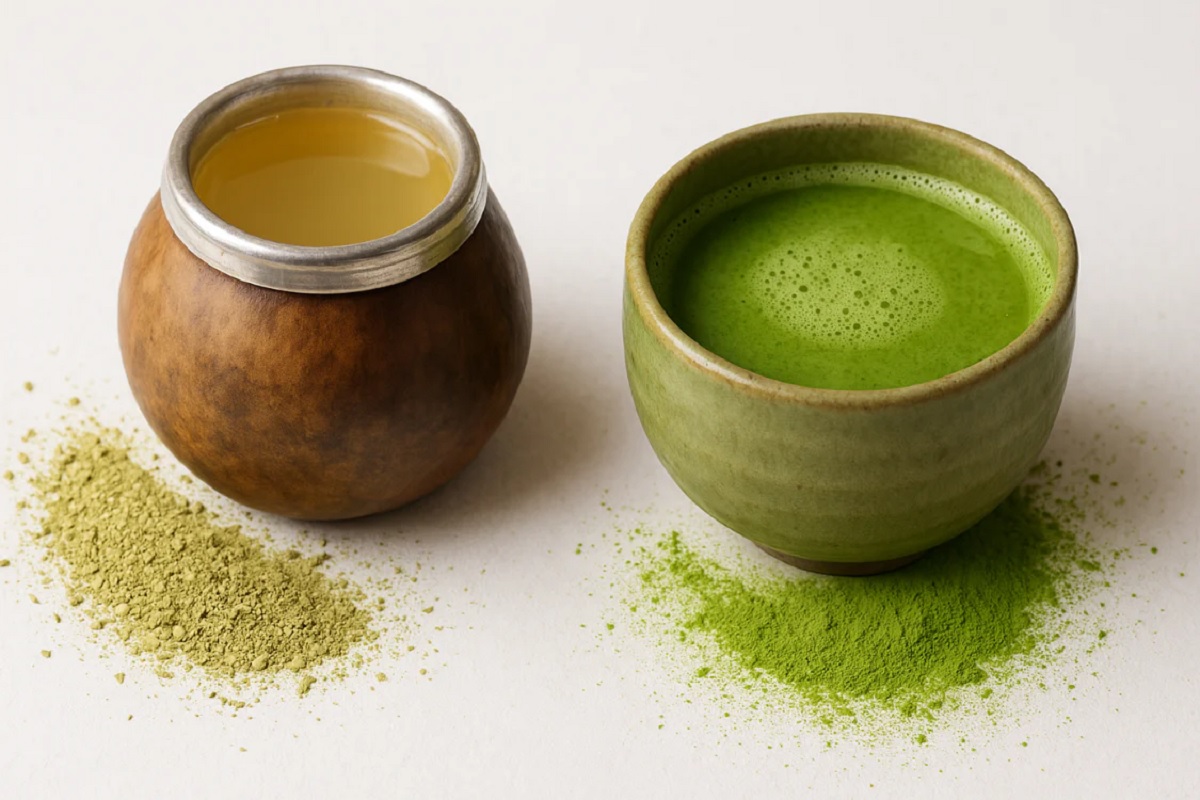
Traditional yerba mate preparation begins with selecting loose-leaf yerba mate, often aged or smoked for flavor. The leaves are placed in a hollow gourd, or mate, filling about two-thirds of its volume. Hot water, typically around 150–170°F, is poured over the leaves to steep them slowly. Boiling water is avoided to prevent bitterness.
A metal straw, called a bombilla, is inserted into the gourd to filter the leaves while drinking. The infusion is typically refilled multiple times with hot water, allowing for extended enjoyment of the same leaves. This method produces a robust, earthy flavor with mild bitterness balanced by herbal undertones.
Modern variations include using teapots, French presses, or tea bags for convenience. Cold-brewing yerba mate is also popular, resulting in a smoother, less bitter beverage. The preparation method significantly impacts taste, intensity, and aroma, making it an essential part of the yerba mate experience.
Preparing Matcha
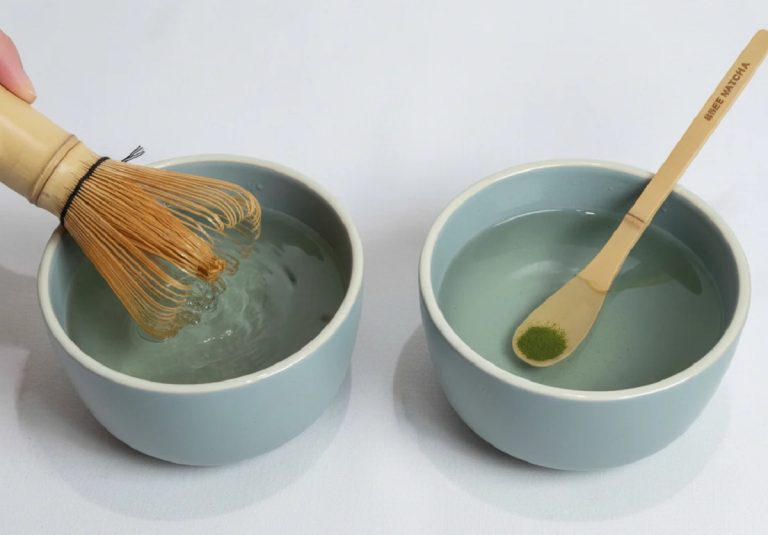
Matcha preparation revolves around incorporating finely ground powder into liquid for a smooth, vibrant drink. Traditionally, a bamboo whisk, or chasen, is used to mix ceremonial-grade matcha with hot water at around 160–175°F. The goal is a frothy, uniform consistency that highlights its bright green color and umami flavor.
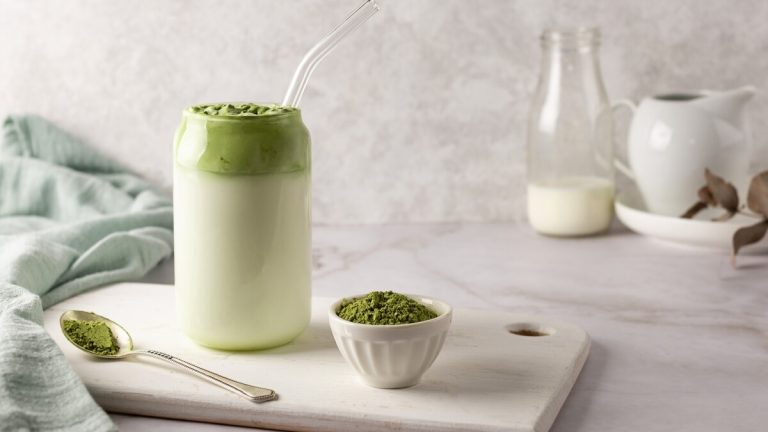
The preparation starts with sifting the matcha powder to remove clumps, then whisking it in a bowl with hot water in a zigzag motion. This ensures smooth texture and prevents lumps. Matcha can also be prepared with milk or milk alternatives for lattes, or blended into cold beverages and desserts for versatility.
Adjusting water temperature, whisking technique, and powder-to-liquid ratio affects both flavor and texture. Proper preparation brings out the natural sweetness and earthy notes of matcha while minimizing bitterness, making it enjoyable in both traditional and modern applications.
Comparing The Two Methods
Yerba mate and matcha differ not only in taste but also in preparation style. Yerba mate emphasizes steeping and sipping from a gourd, creating a slow, ritualistic experience. Matcha involves whisking a powder into liquid, requiring precision to achieve smooth texture and froth.
Both methods can be adapted for convenience. Yerba mate can be brewed in teapots or infused cold, while matcha can be blended for lattes or smoothies. Despite differences, each method is designed to maximize flavor, aroma, and the unique qualities of the leaves or powder used.
Choosing Based On Preference
Selecting a preparation method depends on your desired experience and flavor preference. If you enjoy a social or meditative ritual with bold, herbal flavor, traditional yerba mate preparation is ideal. If you prefer a smooth, creamy, and umami-rich drink that can be enjoyed hot or cold, matcha preparation is a better fit.
Understanding the nuances of preparation enhances the drinking experience and allows you to explore different textures, flavors, and cultural practices. Mastering these methods ensures you can fully appreciate the unique qualities of both yerba mate and matcha.
Similarities Between Yerba Mate and Matcha
Although yerba mate and matcha come from different plants and regions, they share several characteristics that make them popular beverages worldwide. Both are celebrated for their health benefits, natural energy boost, and ritualistic preparation methods. Understanding their similarities helps you appreciate the common qualities that make these drinks both functional and enjoyable.
Natural Source of Caffeine and Energy
One of the main similarities between yerba mate and matcha is their natural caffeine content. Both beverages provide a gentle, sustained energy boost without the jittery spikes often associated with coffee. Yerba mate contains moderate caffeine levels along with theobromine and theophylline, which create a smooth, alert feeling.
Matcha also provides caffeine, typically slightly higher per serving than yerba mate, but its effects are moderated by L-theanine, an amino acid that promotes calm focus. This combination produces alertness with mental clarity and reduces the likelihood of sudden crashes. Both drinks are excellent options for those seeking a healthier alternative to traditional caffeinated beverages.
Regular consumption can enhance concentration, focus, and stamina, making yerba mate and matcha suitable for study sessions, work, or light physical activity. Their unique blends of compounds create energy that feels natural and balanced rather than abrupt or overwhelming.
Rich In Antioxidants
Both yerba mate and matcha are packed with antioxidants, which help protect cells from oxidative stress and promote overall wellness. Yerba mate contains polyphenols, flavonoids, and saponins that support the immune system and cardiovascular health. These antioxidants are released during steeping, making the beverage both flavorful and beneficial.
Matcha, made from powdered green tea leaves, is especially rich in catechins, particularly epigallocatechin gallate (EGCG). Consuming the whole leaf allows you to ingest more antioxidants compared to brewed green tea, providing protective and anti-inflammatory properties. The combination of antioxidants and caffeine in both beverages enhances mental alertness and overall health simultaneously.
Incorporating either drink into your routine can contribute to long-term wellness. Both yerba mate and matcha deliver antioxidants in flavorful, convenient ways, demonstrating that their benefits go beyond just caffeine content.
Ritualistic and Cultural Significance
Yerba mate and matcha share a strong cultural and ritualistic element. Yerba mate has been traditionally consumed in South America for centuries, often in social gatherings where the gourd and bombilla are shared among friends and family. This ritual emphasizes connection, mindfulness, and appreciation of the beverage.
Matcha, originating from Japan, is central to the traditional tea ceremony, emphasizing harmony, respect, and tranquility. Preparing matcha with careful attention to sifting, whisking, and presentation transforms drinking into a meditative practice. Both drinks are deeply intertwined with their respective cultural heritage, highlighting the importance of mindful preparation and consumption.
Even in modern contexts, these rituals continue to influence how people enjoy the beverages. Whether it’s sharing mate socially or whisking matcha quietly in the morning, both drinks encourage mindfulness and intentionality in daily life.
Versatility in Consumption
Another similarity between yerba mate and matcha is their versatility. Both beverages can be enjoyed in traditional forms or adapted to modern tastes. Yerba mate can be steeped hot, cold-brewed, or blended into iced drinks and smoothies. Similarly, matcha can be whisked into hot tea, made into lattes with milk or plant-based alternatives, or used in desserts and baked goods.
This versatility allows both beverages to fit into a variety of lifestyles and preferences. Whether you want a traditional experience or a convenient, on-the-go drink, both yerba mate and matcha can be customized to suit individual tastes while maintaining their characteristic flavor profiles. Their adaptability makes them appealing to a wide audience, from health enthusiasts to casual drinkers.
Shared Health Benefits
Both yerba mate and matcha offer overlapping health benefits due to their nutrient-rich composition. They are known to boost energy, improve focus, support digestion, and provide essential antioxidants. Regular consumption has been associated with improved metabolism and cardiovascular support, while their moderate caffeine content helps regulate alertness without overstimulation.
Additionally, both drinks contain compounds that may enhance mood and mental clarity. Yerba mate’s theobromine content contributes to a sense of well-being, while matcha’s L-theanine promotes calm focus. These shared qualities make both beverages excellent options for anyone seeking a combination of taste, energy, and wellness in a single cup.
By appreciating these similarities, you can understand why both yerba mate and matcha have gained global popularity. Their combination of natural caffeine, antioxidants, cultural rituals, versatility, and health benefits positions them as beverages that are not only enjoyable but also functional and enriching for everyday life.
FAQs
What Is The Main Difference Between Yerba Mate And Matcha?
The main difference between yerba mate and matcha lies in their origin and preparation. Yerba mate comes from the dried leaves of the Ilex paraguariensis plant, primarily grown in South America, while matcha is finely ground green tea powder from Japan.
Yerba mate is typically steeped in hot water and drunk through a gourd and metal straw called a bombilla. Matcha is whisked into hot water or milk to create a smooth, frothy beverage. These differences result in distinct flavors, textures, and cultural practices associated with each drink.
Do Yerba Mate And Matcha Have The Same Caffeine Content?
Both yerba mate and matcha contain caffeine, but their levels and effects differ. Yerba mate provides moderate caffeine, usually 30–50 mg per 8-ounce cup, creating a smooth, steady energy boost. Matcha generally contains slightly more caffeine, around 60–70 mg per serving, and its effect is moderated by L-theanine.
L-theanine in matcha promotes calm focus, preventing jitters or crashes that coffee may cause. Yerba mate’s combination of caffeine, theobromine, and theophylline produces alertness with sustained energy. Your choice depends on the type of energy you prefer and how sensitive you are to caffeine.
How Do The Flavors Of Yerba Mate And Matcha Differ?
Yerba mate has a robust, earthy flavor with herbal and slightly bitter undertones, often described as grassy or smoky. Matcha has a smooth, creamy taste with natural sweetness and umami notes, and its vegetal flavor is generally milder than yerba mate.
Preparation also influences flavor: steeped mate can vary in intensity depending on water temperature and infusion time, while matcha’s taste is enhanced by proper whisking and water temperature. Flavor preference often determines which drink suits your palate better, as each has a unique sensory profile.
Are The Health Benefits Of Yerba Mate And Matcha The Same?
Both beverages provide antioxidants, improve focus, and support metabolism, but the compounds differ. Yerba mate contains polyphenols, saponins, and vitamins that boost energy, digestion, and cardiovascular health. Matcha is rich in catechins, especially EGCG, which helps protect cells and reduce inflammation.
Additionally, yerba mate’s theobromine supports gentle alertness, while matcha’s L-theanine promotes calm mental focus. Both drinks offer overlapping health benefits, but the specific compounds make each beverage slightly unique in how it supports energy, immunity, and overall wellness.
Can You Drink Yerba Mate And Matcha Interchangeably?
You can drink either beverage for an energy boost or antioxidant benefits, but they are not interchangeable due to differences in flavor, preparation, and caffeine effects. Yerba mate is more bitter and robust, requiring steeping, while matcha is sweeter, frothy, and whisked into liquid.
Substituting one for the other depends on taste preference and desired effects. Matcha provides calm focus, while yerba mate delivers sustained, smooth energy. Knowing these distinctions allows you to choose based on flavor preference, caffeine tolerance, and ritual practices.
Which Is Better For Everyday Energy: Yerba Mate Or Matcha?
Both are excellent alternatives to coffee, but the best choice depends on your energy needs. Yerba mate provides steady, sustained energy, making it ideal for long work or study sessions. Matcha gives a slightly stronger caffeine boost but with calm focus due to L-theanine.
Your personal preference for flavor and the type of alertness you want will determine which beverage suits your routine. Many people alternate between the two depending on whether they need social, ritualistic drinking or a focused, mindful energy boost.
Do Preparation Methods Affect Yerba Mate And Matcha Differently?
Yes, preparation significantly impacts flavor, texture, and caffeine effects for both beverages. Yerba mate is steeped in hot water, and stronger infusions produce more robust flavor and caffeine. Cold-brewing produces a smoother, milder taste. Matcha requires whisking to achieve froth and uniform texture, and water temperature influences bitterness and smoothness.
Improper preparation can result in an overly bitter or weak beverage in either case. Understanding the ideal preparation methods allows you to maximize taste, aroma, and health benefits, ensuring that both yerba mate and matcha provide their signature experiences.
Conclusion
Although both yerba mate and matcha are popular natural beverages known for their energy-boosting properties and health benefits, they differ significantly in flavor, preparation, and cultural roots. Yerba mate has a bold, earthy, and slightly bitter taste, often enjoyed in a social ritual, while matcha offers a smooth, grassy, and umami-rich profile, typically whisked into a frothy drink. Understanding these differences can help you choose the beverage that best suits your taste and lifestyle.
When asking is yerba mate the same as matcha, it becomes clear that they are distinct drinks. Yerba mate comes from the leaves of the Ilex paraguariensis plant and is traditionally brewed, while matcha is finely powdered green tea from Japan, usually whisked with water. Their caffeine content, antioxidants, and preparation methods vary, making each unique in its effects and enjoyment.
Exploring both beverages allows you to appreciate their individual qualities. By trying different brewing techniques, serving styles, and flavor pairings, you can determine whether you prefer the robust, communal experience of yerba mate or the delicate, ceremonial enjoyment of matcha, making your tea or energy rituals more enjoyable and personalized.